32 Lunchbox Items from the Nineties That No Parent Would Pack Today
The nineties lunchbox was a nutritional wild west. Parents in that decade were operating on the assumption that if it came in a package, said something vague about fruit on the label, and cost under a dollar, it was a reasonable contribution to a child’s afternoon.
Nobody was reading ingredient lists. Nobody was asking what Red 40 was.
The food was neon-colored, cartoon-branded, and frequently more chemical than anything else, and the kids who ate it survived into adulthood and became the parents who now pack cherry tomatoes and hummus for their own children.
The items below are not listed with judgment about the era. Every decade serves its children the food it thinks is appropriate, and the nineties served their children things that exploded in your mouth, came in tubes, and occasionally required assembly.
That was its own kind of joy, and it was also genuinely a lot of sugar.
Dunkaroos
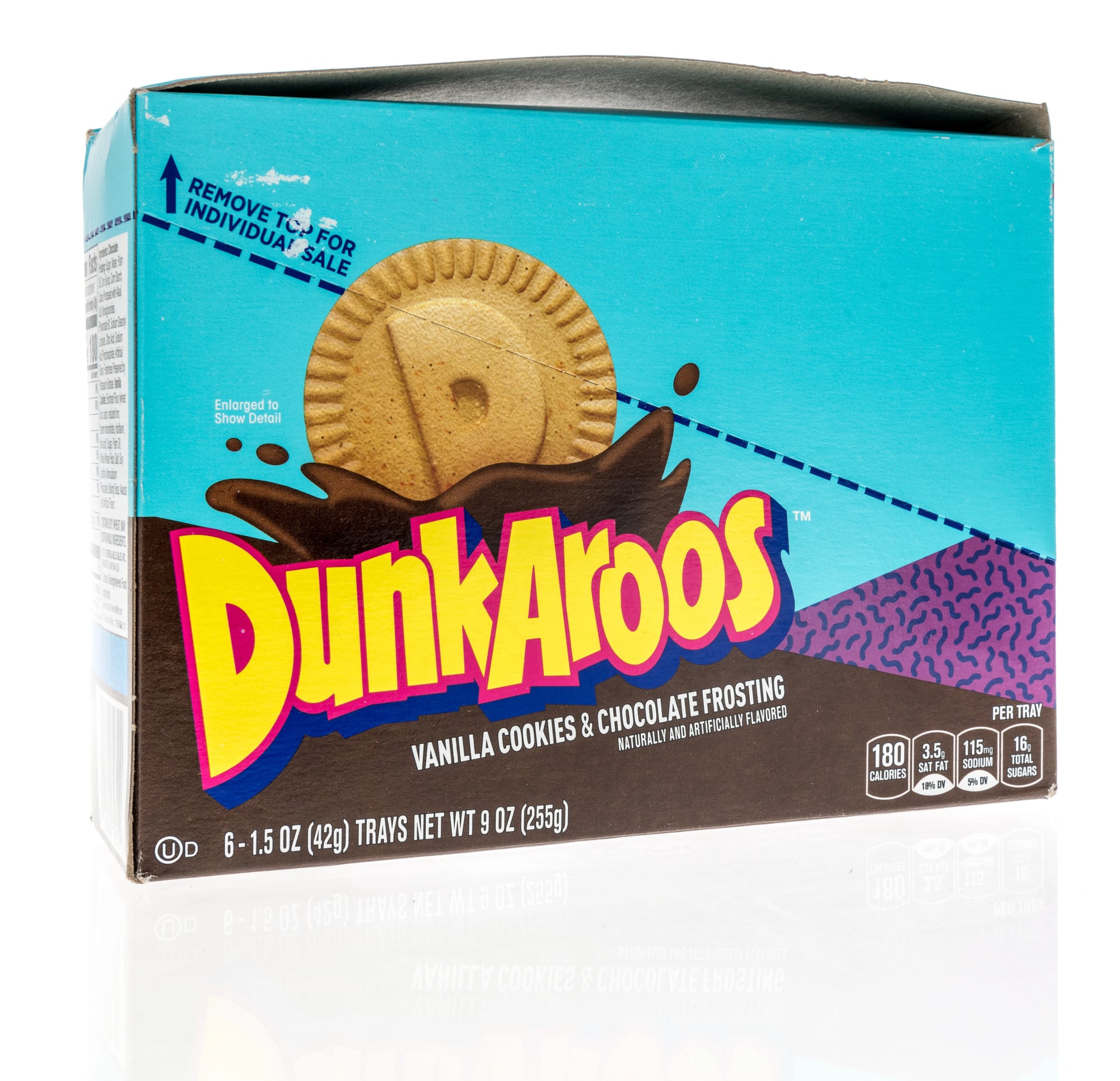
Dunkaroos arrived in 1990 and immediately became one of the most coveted items in any lunchroom. The concept was minimal: animal-shaped cookies on one side of a plastic tray, frosting on the other.
The exercise was to dip the cookies into the frosting, using as much frosting as possible on as few cookies as possible, which was the primary competitive strategy of the Dunkaroo-equipped child. They were discontinued in 2012 and returned in 2020 with their original vanilla-and-rainbow-sprinkle frosting intact.
The revival generated enormous enthusiasm, which suggests that what people missed was not just the cookies but the entire format of the transaction — the built-in excuse to eat frosting as a primary component of a meal.
Gushers
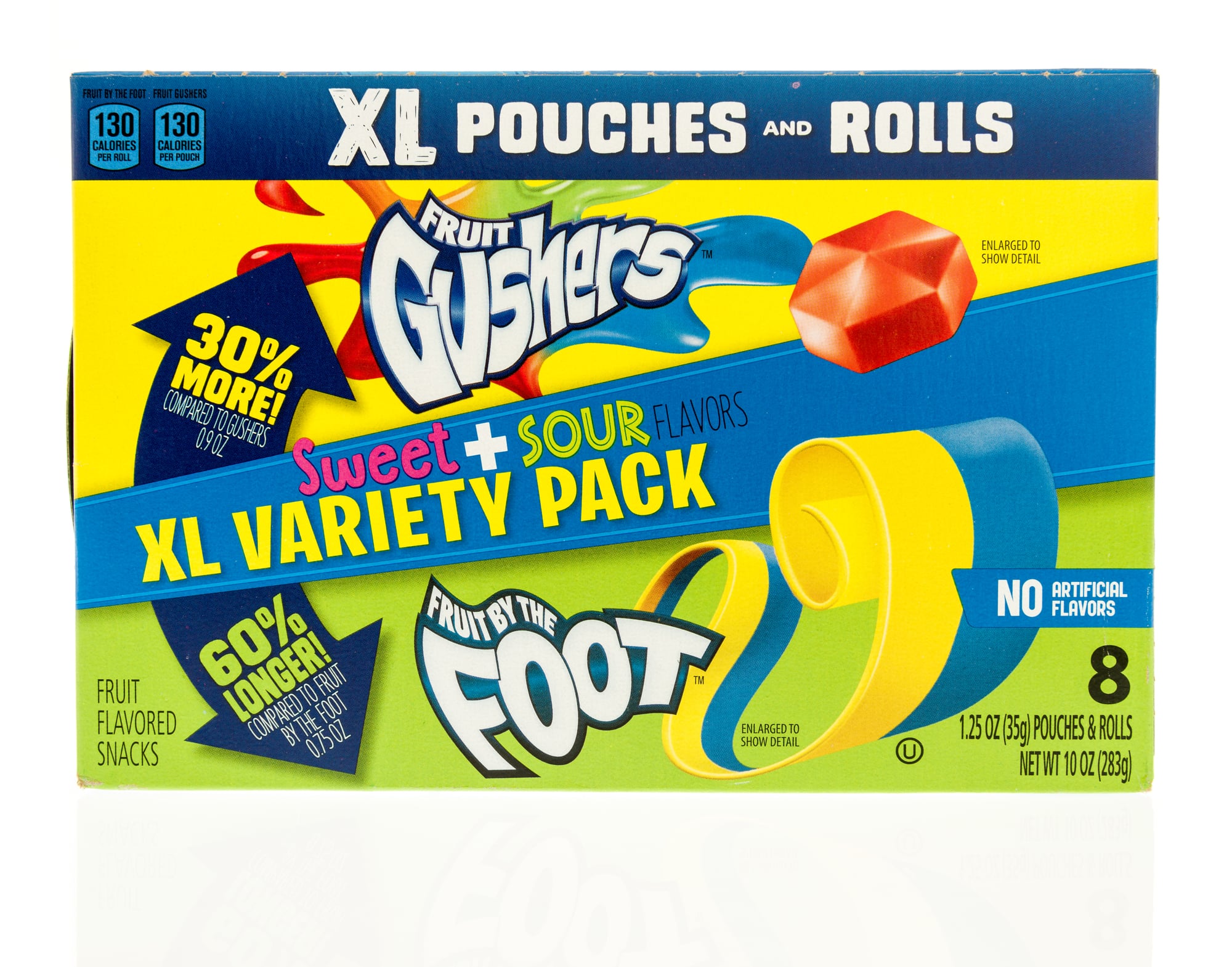
Fruit Gushers were diamond-shaped gummies with a pocket of artificially flavored liquid gel inside that released when you bit into them. The “gush” was the point, and it was genuinely alarming in a way that children found excellent.
The advertising showed children’s heads turning into giant fruit after eating Gushers, which was accurate as a metaphor for what the product felt like it was trying to do to your nervous system. Gushers are still available, which means this is less a story of loss than of parental recalibration — the 1990s parent who packed Gushers has become the 2020s parent who reads the sugar content on the label and puts them back on the shelf.
Lunchables
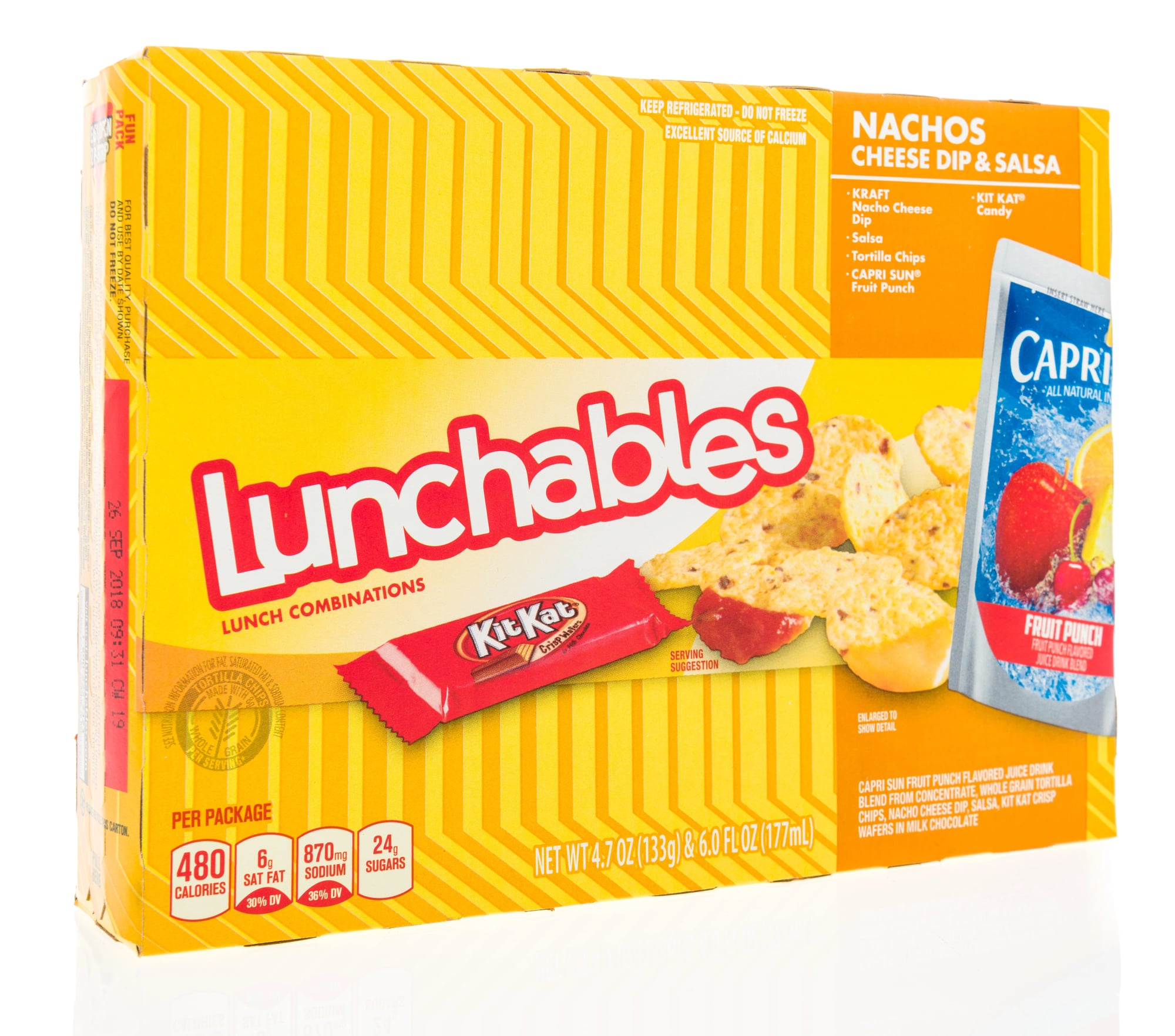
Lunchables debuted in 1985 but reached their cultural peak in the nineties — a period when a small plastic tray of processed meat, processed cheese, and crackers was considered a respectable lunch option and a status symbol simultaneously. Having a Lunchable in your box meant your parent had purchased a specific product rather than assembled a meal, which felt to many children like evidence of a particular kind of consideration.
Consumer Reports testing in subsequent years found high levels of sodium and processed meat content that nutritionists now flag as concerns. Lunchables were removed from the National School Lunch Program in 2024.
The brand continues to sell outside school programs.
Capri Sun
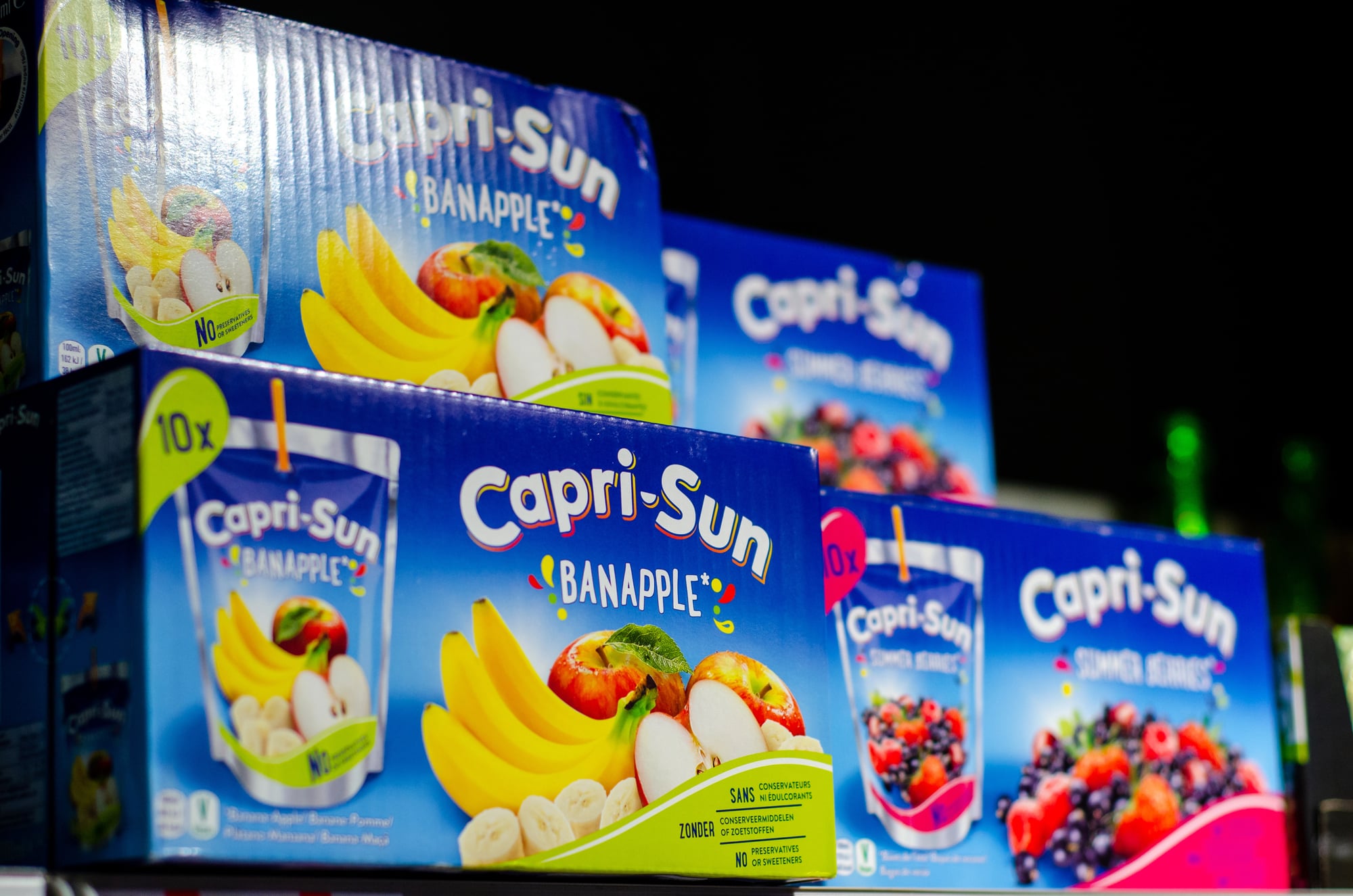
Capri Sun was the lunchroom drink of the nineties, distinguished by its foil pouch format that required inserting a straw with enough force to penetrate the packaging without causing the straw to bend and the pouch to spray its contents across the table. Mastery of the Capri Sun straw was a minor social skill.
The drink itself came in legitimate flavors including Pacific Cooler, Fruit Punch, and Wild Cherry. The issue was the pouch, which could not be inspected before opening, and which occasionally contained mold growth that was invisible from the outside — a discovery that generated widespread parental alarm in 2007 and has colored the product’s reputation ever since.
Capri Sun is still sold and still requires the same straw technique.
Shark Bites
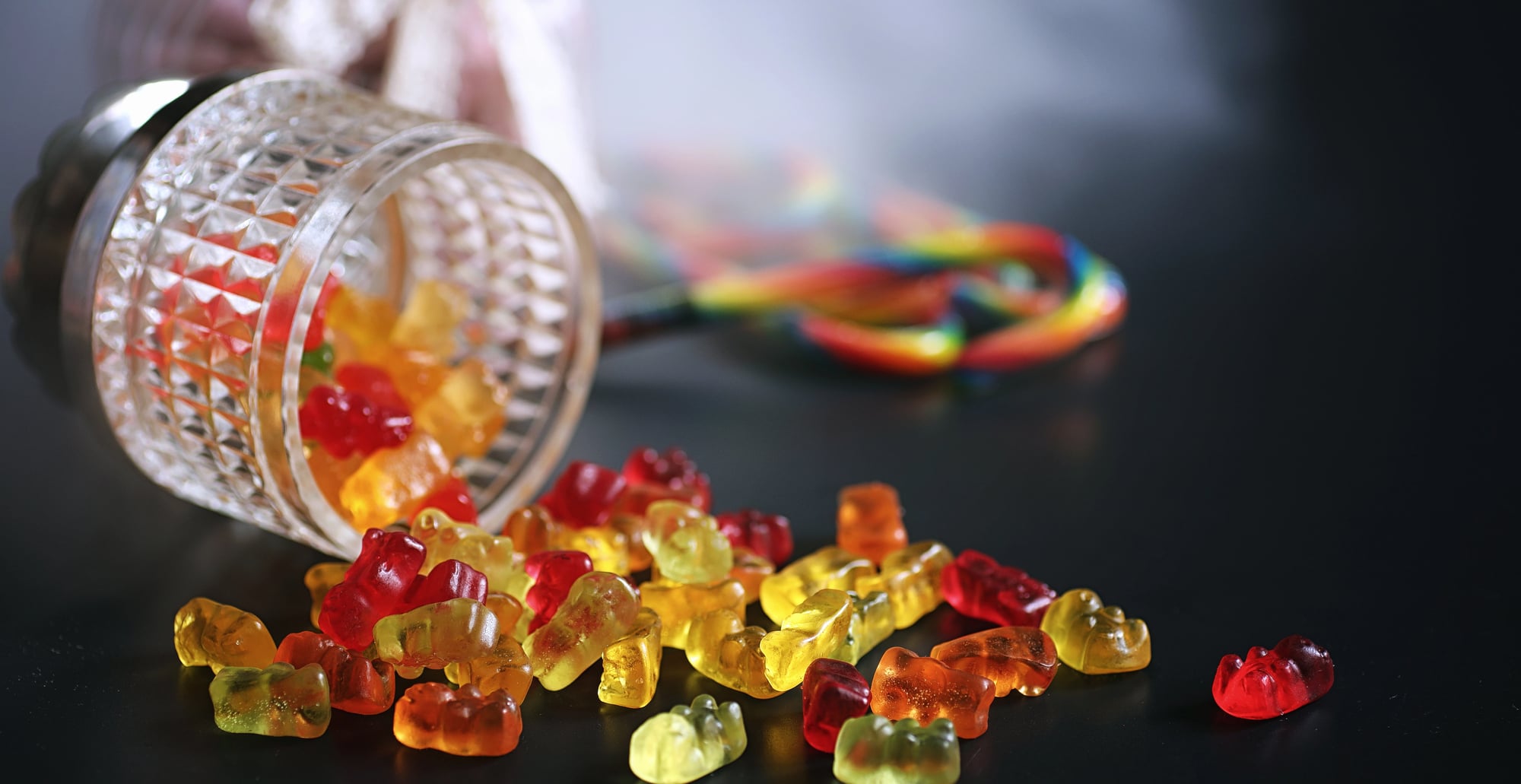
Shark Bites were fruit snack gummies shaped like various sharks, and the defining feature was the Great White shark — a rare white gummy in a sea of colored ones that carried the same social currency as a holographic Pokémon card. Children who opened a Shark Bites pack and found a Great White were briefly respected.
The product was discontinued in 2016 after General Mills changed the artificial coloring formulas in many of its products — a decision intended to improve the nutritional profile that consumers reported changed the texture and flavor in ways that made the product unrecognizable to its audience. The Great White is gone and its mythology remains.
Squeeze-It

Squeeze-It was a fruit drink sold in small plastic bottles shaped like barrels, sealed with a top you were supposed to bite off before drinking. The names of the flavors were: Chucklin’ Cherry, Silly Billy Strawberry, Rockin’ Red Puncher, and Berry B. Wild, none of which described a flavor that exists in nature.
The drinking experience required biting off the top, squeezing the bottle to propel the liquid, and accepting that some of it would go on your shirt. General Mills discontinued Squeeze-It in 2001, then briefly revived it in the early 2000s, then discontinued it again.
The biting-the-top format has not been replicated by any subsequent product, possibly because it is insane as a delivery mechanism and also unforgettable.
Planters Cheezballs
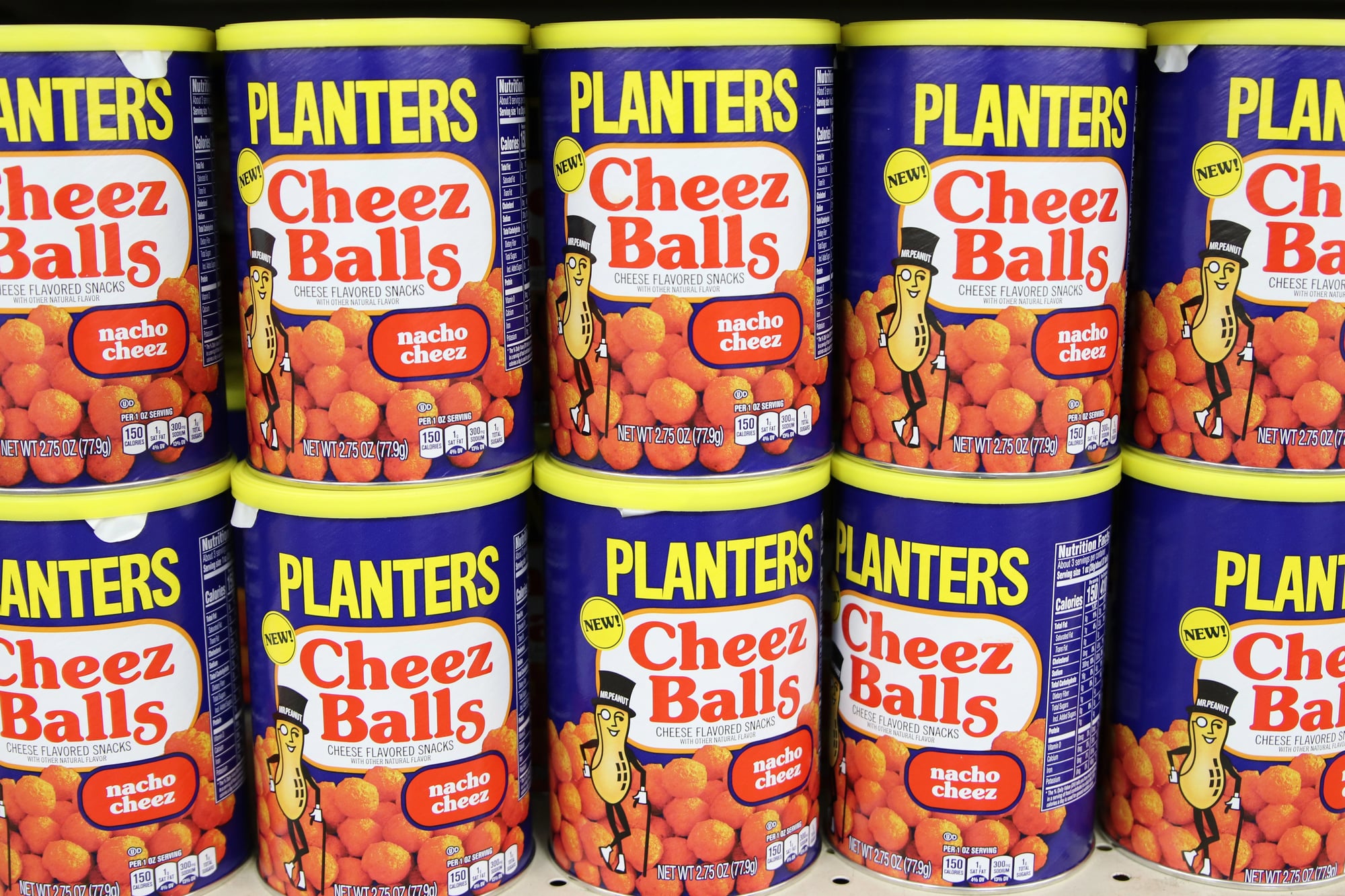
Planters Cheezballs were significantly more orange than the cheese that inspired them and significantly more addictive than any nutritional content could justify. They came in a distinctive round canister and were a popular lunchbox item across both the eighties and nineties.
Planters discontinued them in 2006 in a product consolidation, generated sufficient fan protest that they were briefly brought back in 2018 as a limited product, and then discontinued again. The canned format is considered superior by fans to the bag-based versions that existed briefly in their wake.
The orange powder they left on your fingers was a specific shade that has not been reproduced.
Fruit Roll-Ups
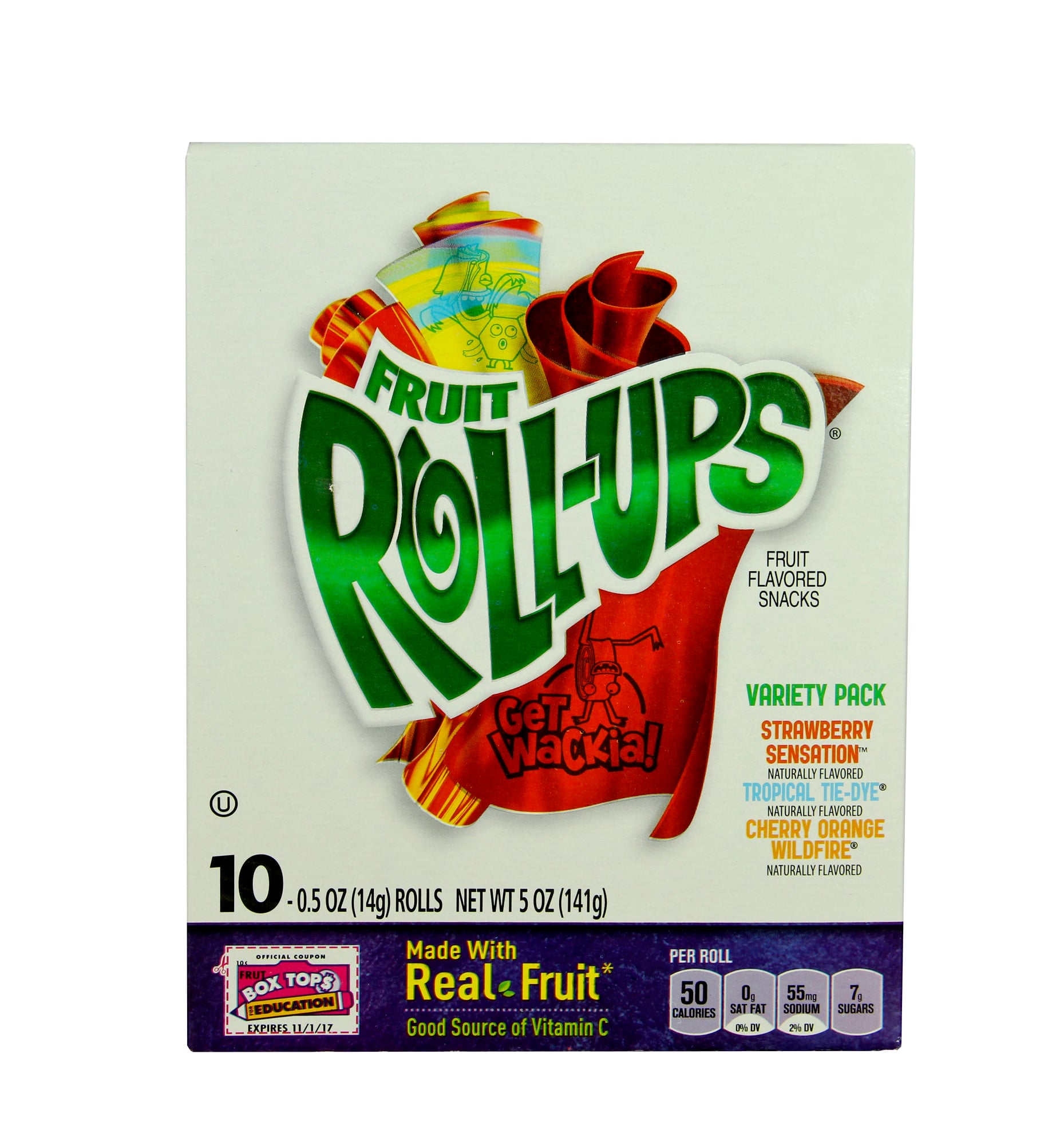
Fruit Roll-Ups were not fruit and they were not really roll-ups in any meaningful sense — they were flat, sticky sheets of processed fruit puree and high-fructose corn syrup that could be peeled away from their plastic backing and consumed in whatever configuration you chose. The peeling was part of the experience.
So were the shapes that were sometimes embossed into the sheet, which had no functional purpose and were considered excellent. Fruit Roll-Ups are still sold, which makes them an entry in the “things parents used to pack but have reconsidered” category rather than the discontinued category.
The reconsideration is straightforward: there is more sugar in a serving of Fruit Roll-Ups than many parents are currently comfortable presenting to a school-age child as a lunch component.
Fun Dip
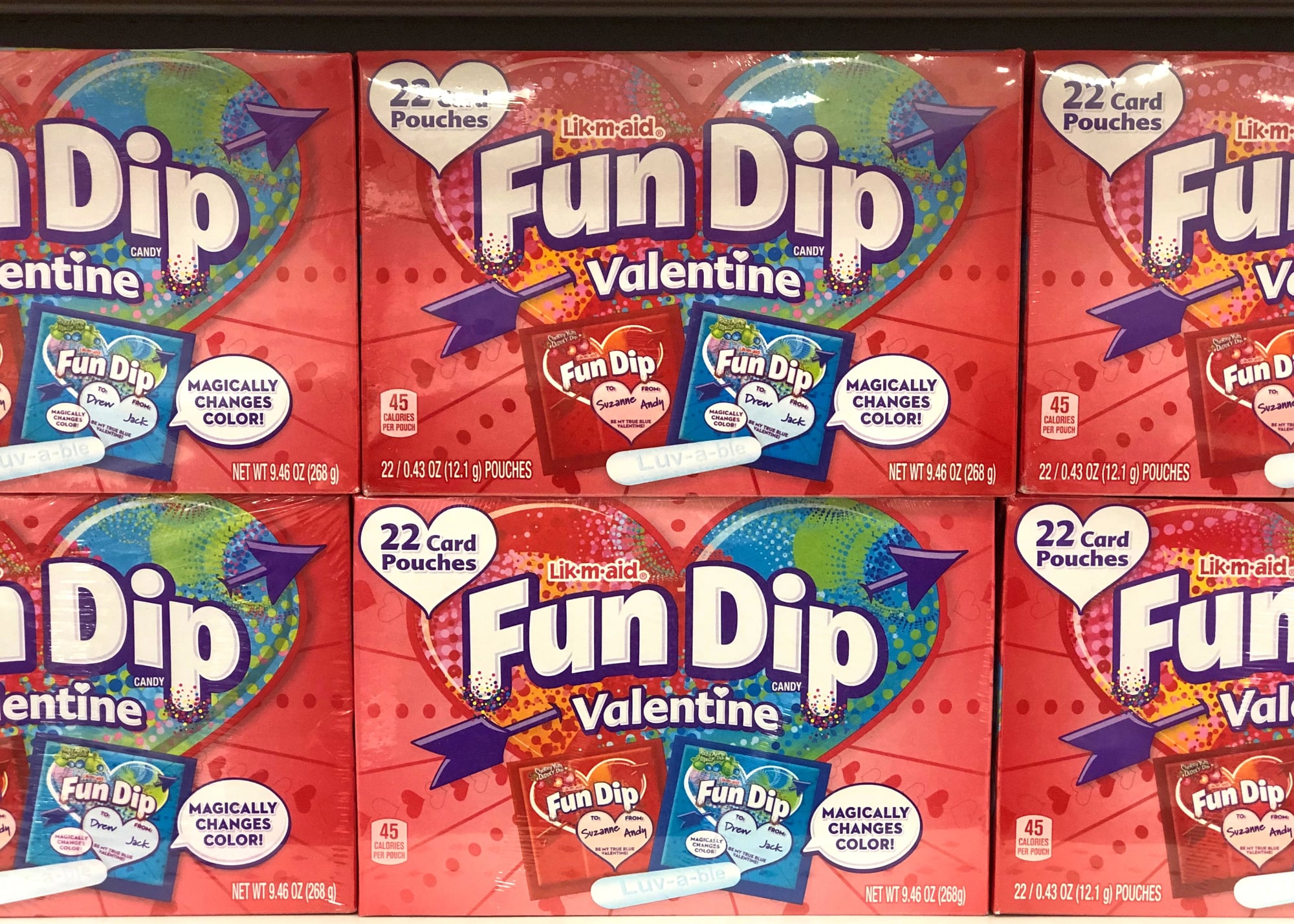
Fun Dip was a packet containing colored sugar powder and a sugar stick used to consume it — the concept was to lick the stick, dip it into the powder, and eat the sugar-coated result. There was no nutritional purpose attached to it, and no one pretended otherwise.
It was sugar, in stick-and-powder format, with a cartoon on the packaging. Fun Dip is still made by Ferrara Candy Company.
Packing it in a lunchbox in 2026 would generate a conversation with the school nutritionist that most parents prefer to avoid.
Pizza Lunchables
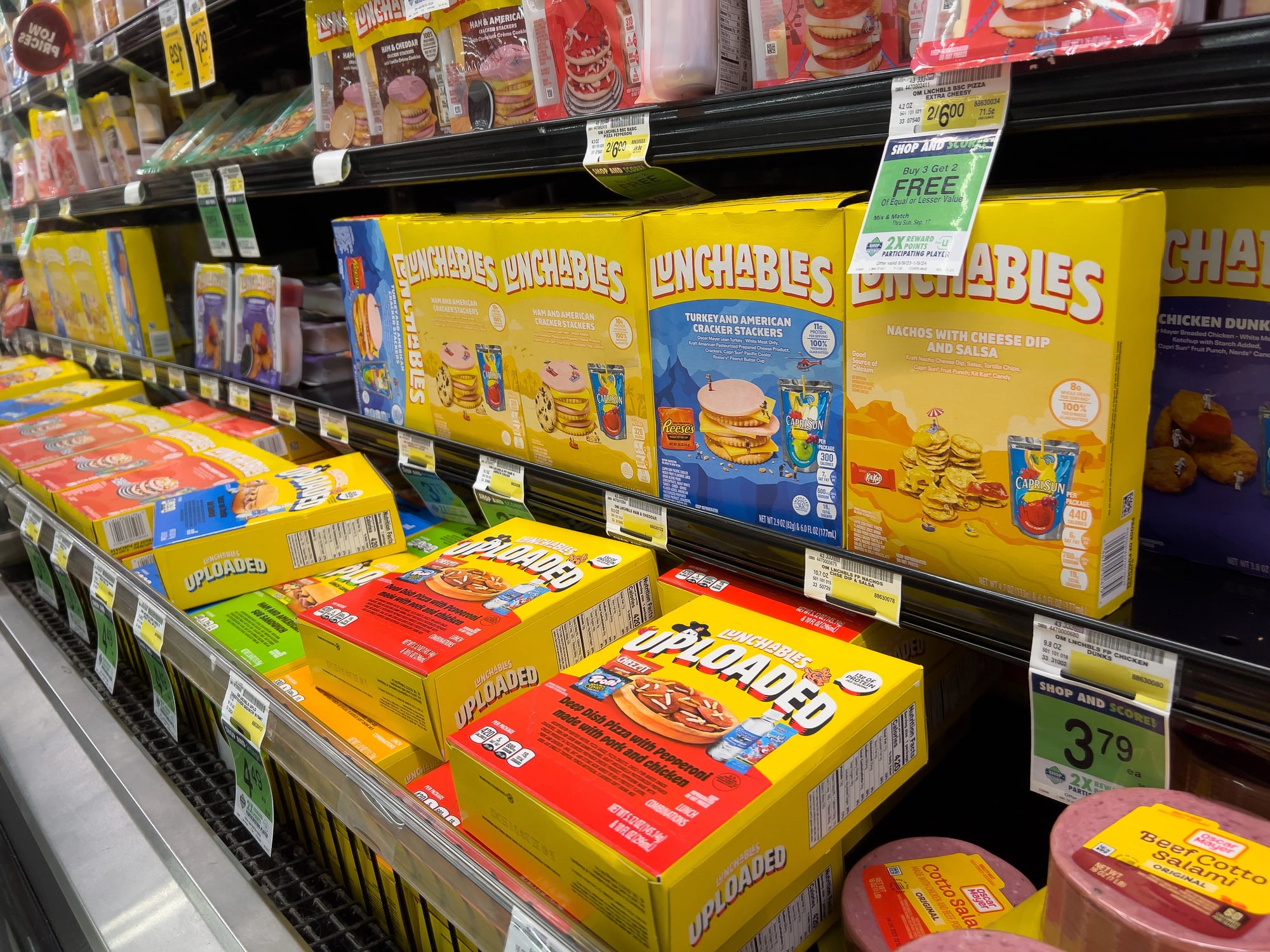
Pizza Lunchable was a specific subtype that arrived in the early nineties and elevated the Lunchables concept into something that involved assembly with a purpose. You got a mini pizza crust, a pouch of tomato sauce, a packet of shredded cheese, and the responsibility of constructing the pizza at the table.
The construction process was the point — it gave the child something to do with the food before eating it, which is a design innovation that the product team correctly identified as engaging. The fact that the resulting pizza was cold and not particularly pizza-like was beside the point.
You had built something.
Ring Pops
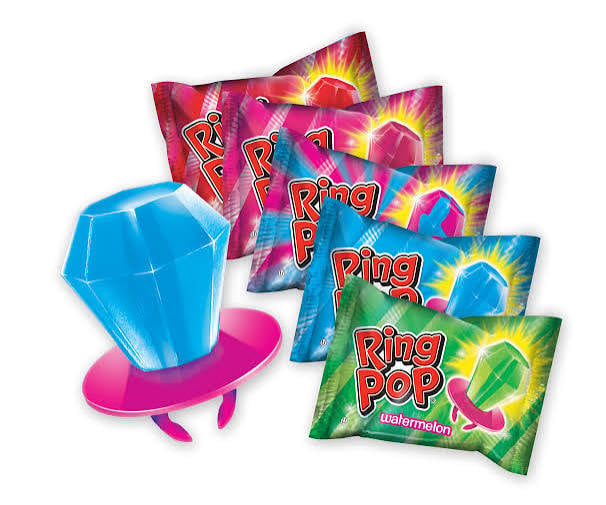
Ring Pops were hard candy lollipops in the shape of an oversized ring gemstone, sized to be worn while being consumed, which was the primary innovation. You wore the candy.
You licked it between moments of other activity. You were a child wearing a ring made of sugar, which felt formally significant in a way that is hard to explain to adults but was perfectly clear at the time.
Ring Pops are still made by Bazooka. They appear in lunchboxes considerably less frequently than they did in the nineties, largely because no nutritional framework exists under which a lollipop qualifies as a lunch item.
Yoo-Hoo
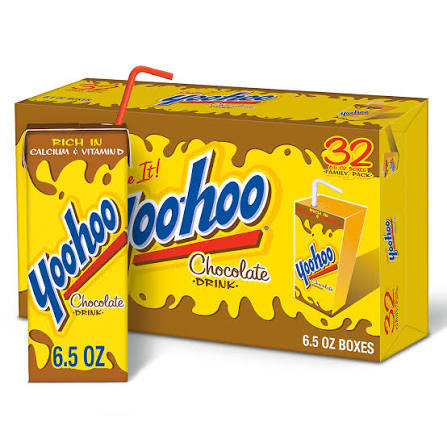
Yoo-hoo was a chocolate-flavored drink that was not chocolate milk, contained no dairy in any meaningful sense, and was primarily water, high-fructose corn syrup, and whey — a combination that the packaging presented as the chocolate drink your child deserved. It came in a distinctive bottle or box and was intensely sweet in a way that was not quite like anything else.
It is still produced and available, but the parents who packed it in the nineties and have since read the label tend not to repeat the decision.
Little Hug Juice Barrels
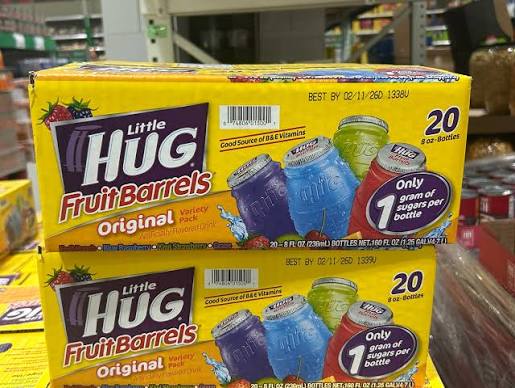
Little Hug Juice Barrels were tiny plastic barrel-shaped containers of artificially colored and flavored juice drink, sealed with a foil top you peeled off. They came in packs of multiple barrels, were extremely cheap, and were so brightly colored that the liquid inside them appeared fluorescent.
They were traded in the lunchroom as currency. The colors included a blue that did not correspond to any known fruit.
They are still sold in 2026, which places them in the same category as Gushers — not gone, just reconsidered by a generation of parents who have developed opinions about artificial coloring.
Cosmic Brownies
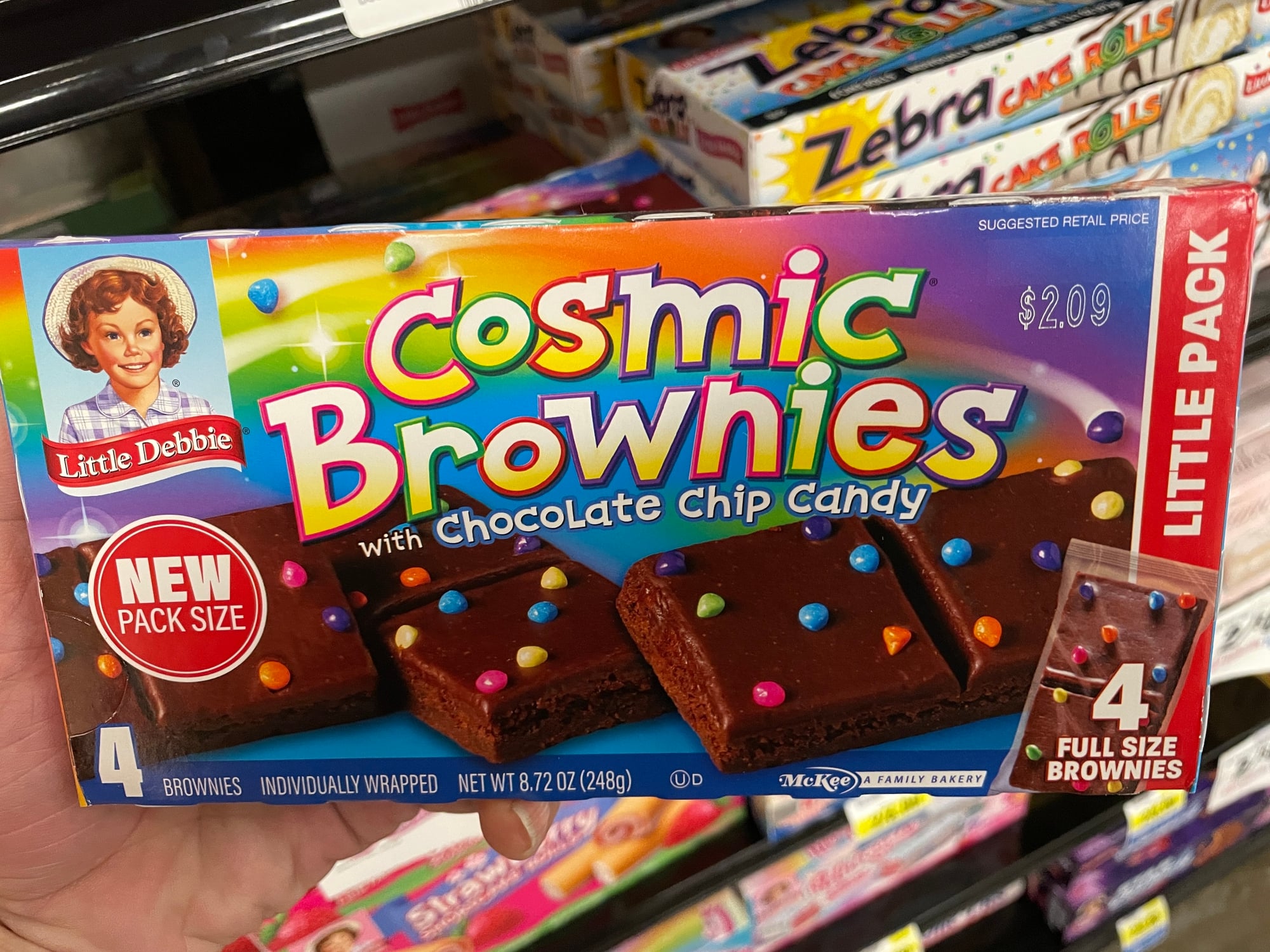
Little Debbie Cosmic Brownies were dense, extremely sweet, individually packaged brownies topped with a layer of chocolate icing and small rainbow-colored candy pieces pressed into the top. The candy pieces served no structural function — they were there to be pressed into the brownie before opening the package, which was a private ritual experienced by essentially every child who encountered the product.
They are still made and widely available. They contain the specific combination of ingredients that current nutritional guidance finds difficult to justify as a school lunch item, which has not stopped them from being sold but has reduced the frequency with which they appear in school lunchboxes.
Cheetos Puffs (The Original Large Ones)
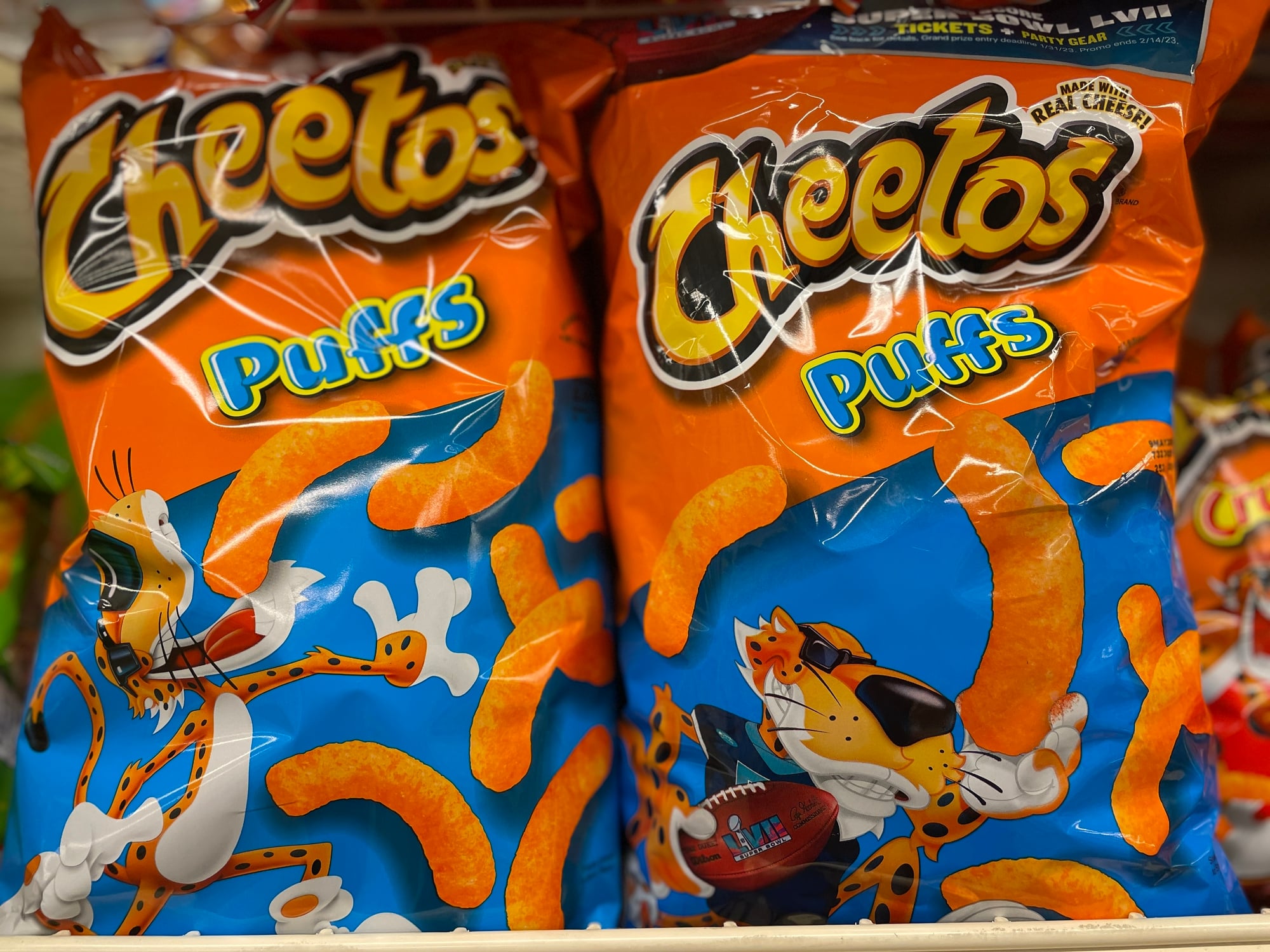
This refers specifically to the larger, lighter Cheetos Puffs variety — not the standard Cheetos Crunchy but the airy, oversized puffs that left an orange coating across both hands and required careful planning if you intended to do anything else during the eating process. They are still made, but what has changed is the parental calculus around packing them: the nineties parent who put Cheetos Puffs in the lunchbox as a matter of course has become the parent who puts them in as an occasional treat, if at all, and feels somewhat differently about them after reading the serving size.
Kudos Granola Bars
Kudos bars were granola bars coated in chocolate and marketed to parents as a healthier alternative to candy while being marketed to children as essentially candy. The psychological design of the product was clever: the “granola” framing allowed the parent to feel virtuous while the chocolate coating made the child interested.
They came in M&M and Snickers varieties, which stretched the “granola bar” description to its absolute limit. They were discontinued in 2013.
People who grew up eating them tend to describe them as the only granola bar that tasted like they wanted to eat it, which is either an argument for their quality or for their sugar content, depending on your perspective.
Go-GURT
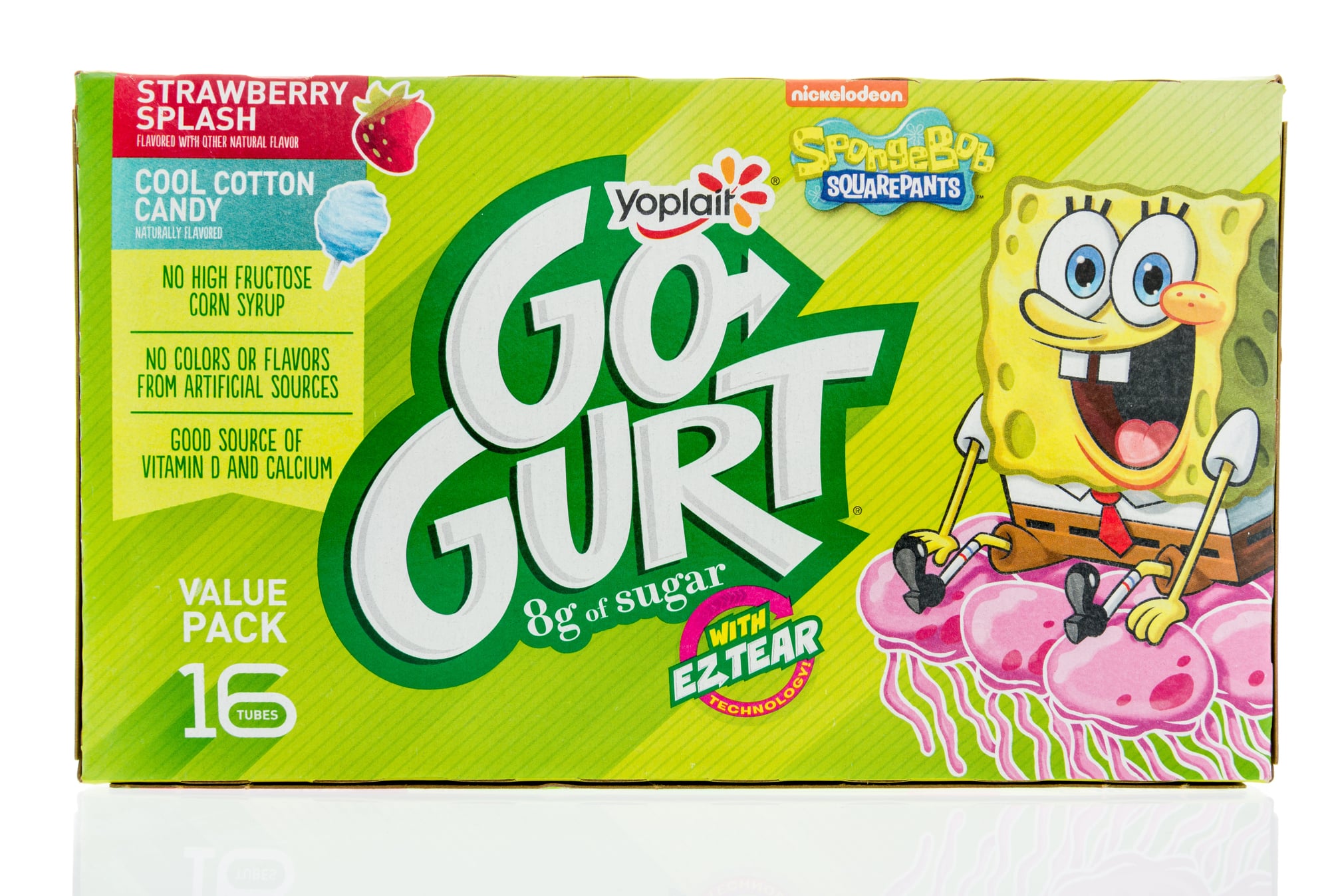
Go-GURT launched in 1998 and was yogurt in a tube — the same dairy product that had previously required a spoon and a bowl, repackaged in a squeeze format that children found significantly more acceptable. The innovation was primarily about format rather than nutrition, though the marketing emphasized portability and the absence of required utensils.
Go-GURT is still sold, but its nineties formulations included artificial colors and flavors that have since been revised. Parents who packed it in the late nineties were accepting that yogurt could be squeezed into a child’s mouth from a tube, which was genuinely novel.
Parents who pack it now are accepting that it is still yogurt even if the tube makes it seem like something else.
Fruit by the Foot
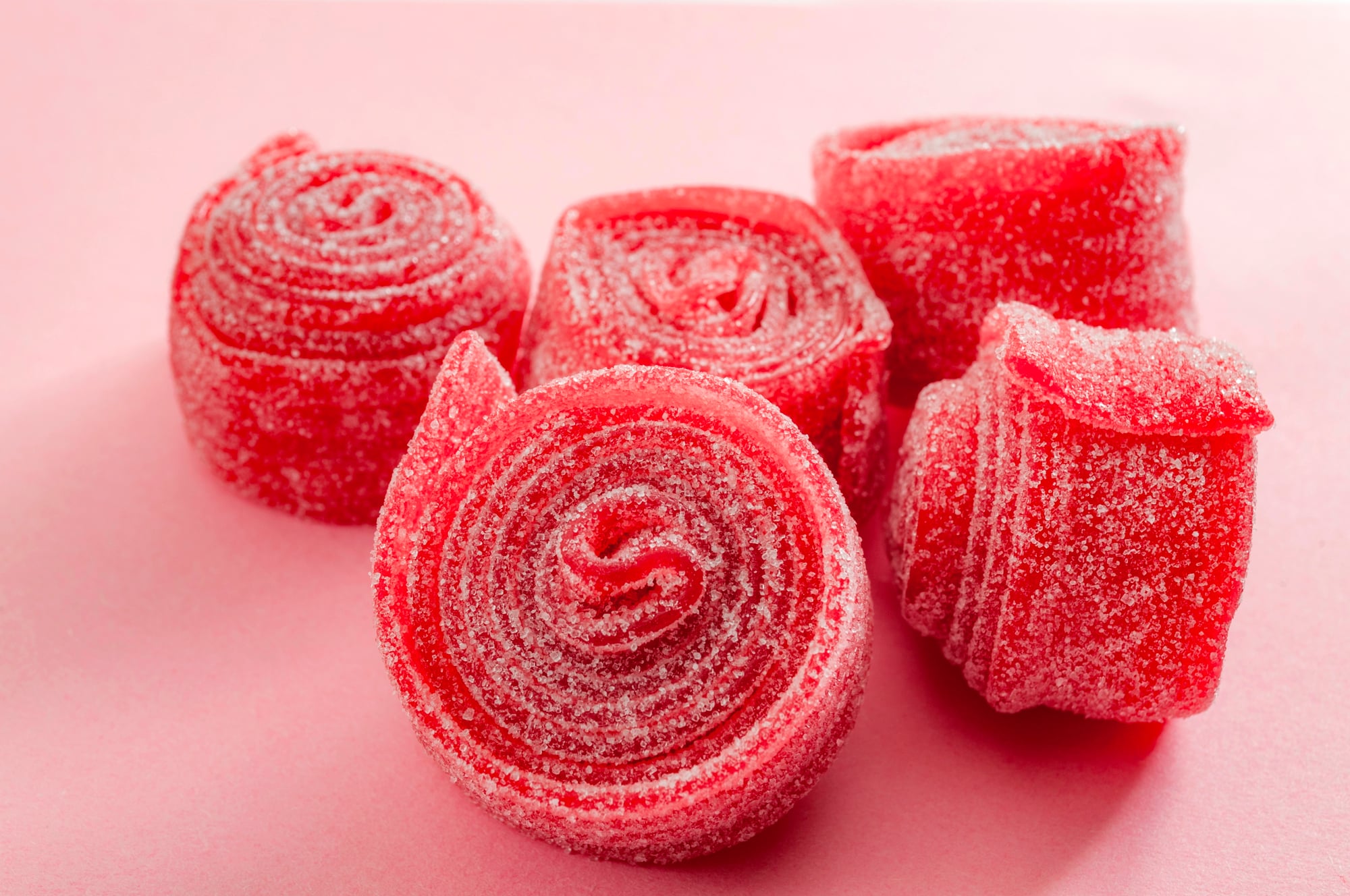
Fruit by the Foot was three feet of rolled fruit snack — the same processed fruit-and-sugar composition as Fruit Roll-Ups, but structured as a long tape that unrolled as you consumed it, which introduced a theatrical element to the process. The three-foot length was not designed to be eaten in a single sitting, which meant that the partly-consumed roll had to be re-rolled and returned to the lunchbox, which it tolerated with varying results.
It is still sold. Packing three feet of fruit-flavored sugar tape in a child’s school lunch in 2026 is possible and generates a specific kind of parental commentary that was simply not part of the discourse in 1994.
Teenage Mutant Ninja Turtles Pudding Pies
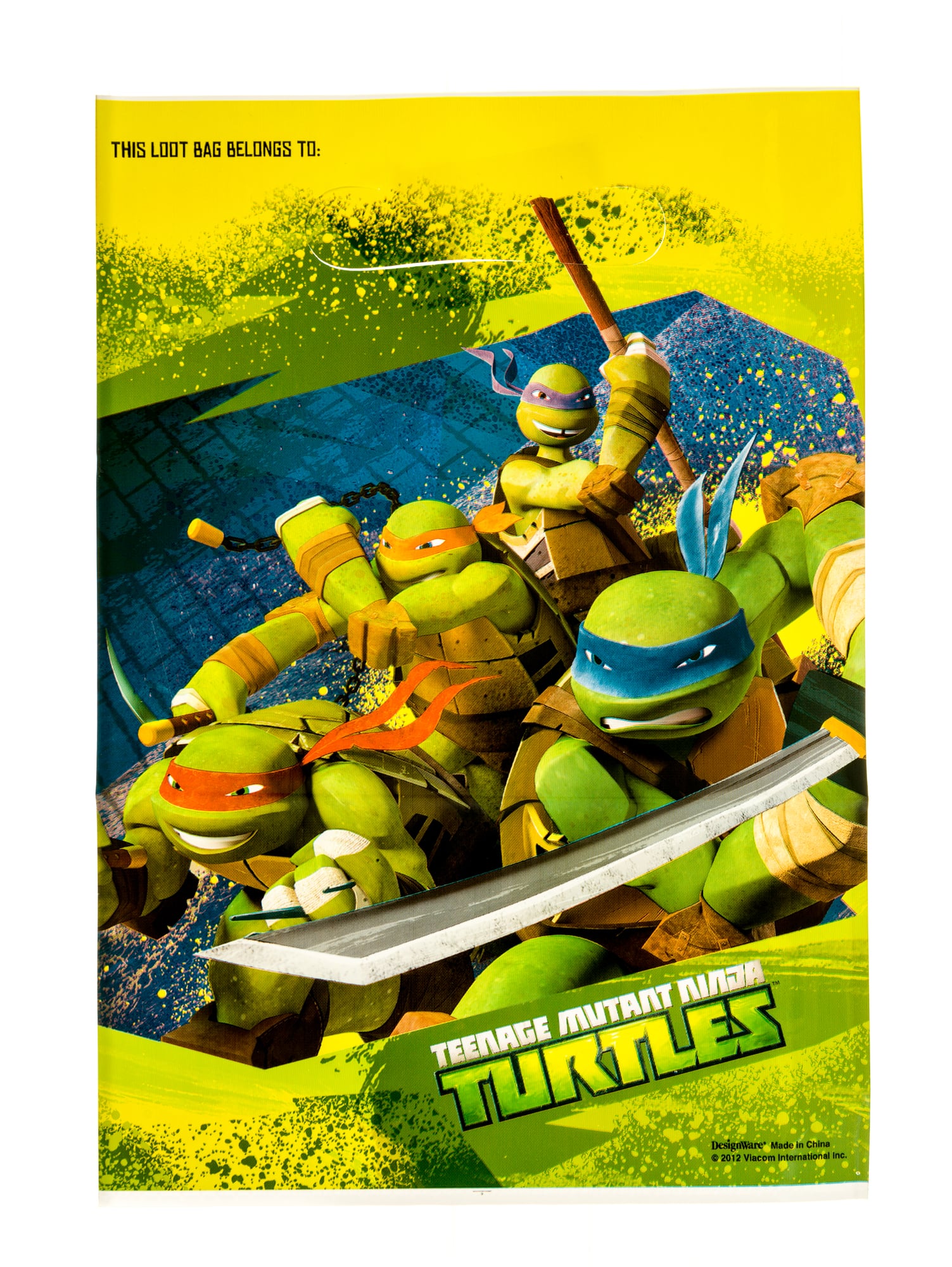
Hostess produced pudding-filled pies branded with various licensed properties throughout the eighties and nineties, and the Teenage Mutant Ninja Turtles variety — green filling, Ninja Turtle branding — was one of the more memorable. The green color had no relationship to any known pudding flavor and was achieved through artificial coloring.
Children found this thrilling. It was discontinued as the franchise’s popularity declined and has not been revived.
The general category of individually packaged snack cakes that were green continues to struggle to find a market.
Pop Rocks
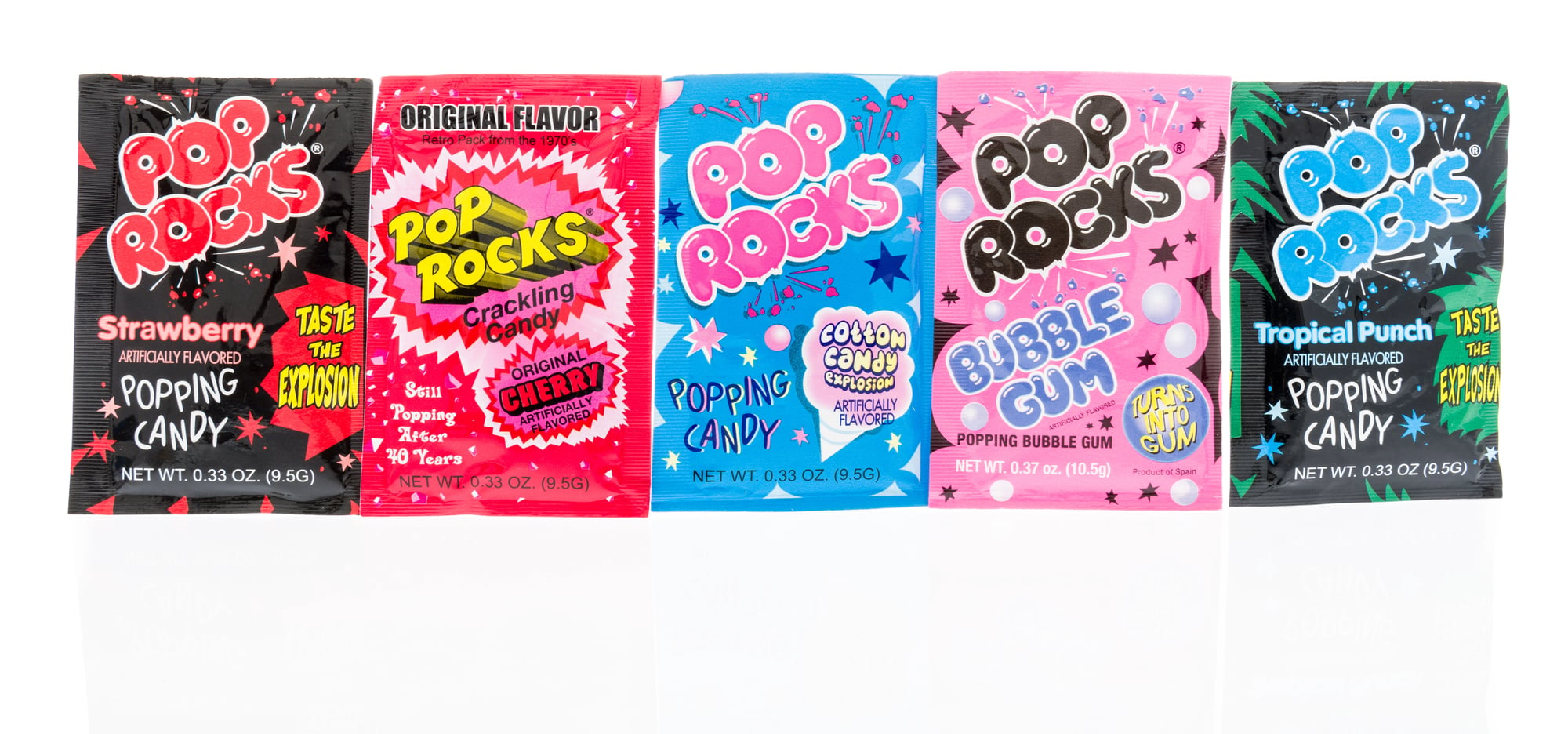
Pop Rocks were — and are — small crackling sugar candies that created a fizzing sensation in the mouth through the release of carbon dioxide. They were not a lunchbox item in the traditional sense but appeared regularly in lunchroom contexts through trading and the general circulation of candy among children.
The urban legend that Pop Rocks combined with soda would cause a child’s stomach to explode was persistent throughout the nineties and is false. General Foods, the maker, ran a national campaign in the 1970s specifically to debunk it, including having the director of Stanford University’s Food Research Institute sign a letter explaining the physics.
The myth survived the correction and was still circulating among children in the nineties.
SunnyD
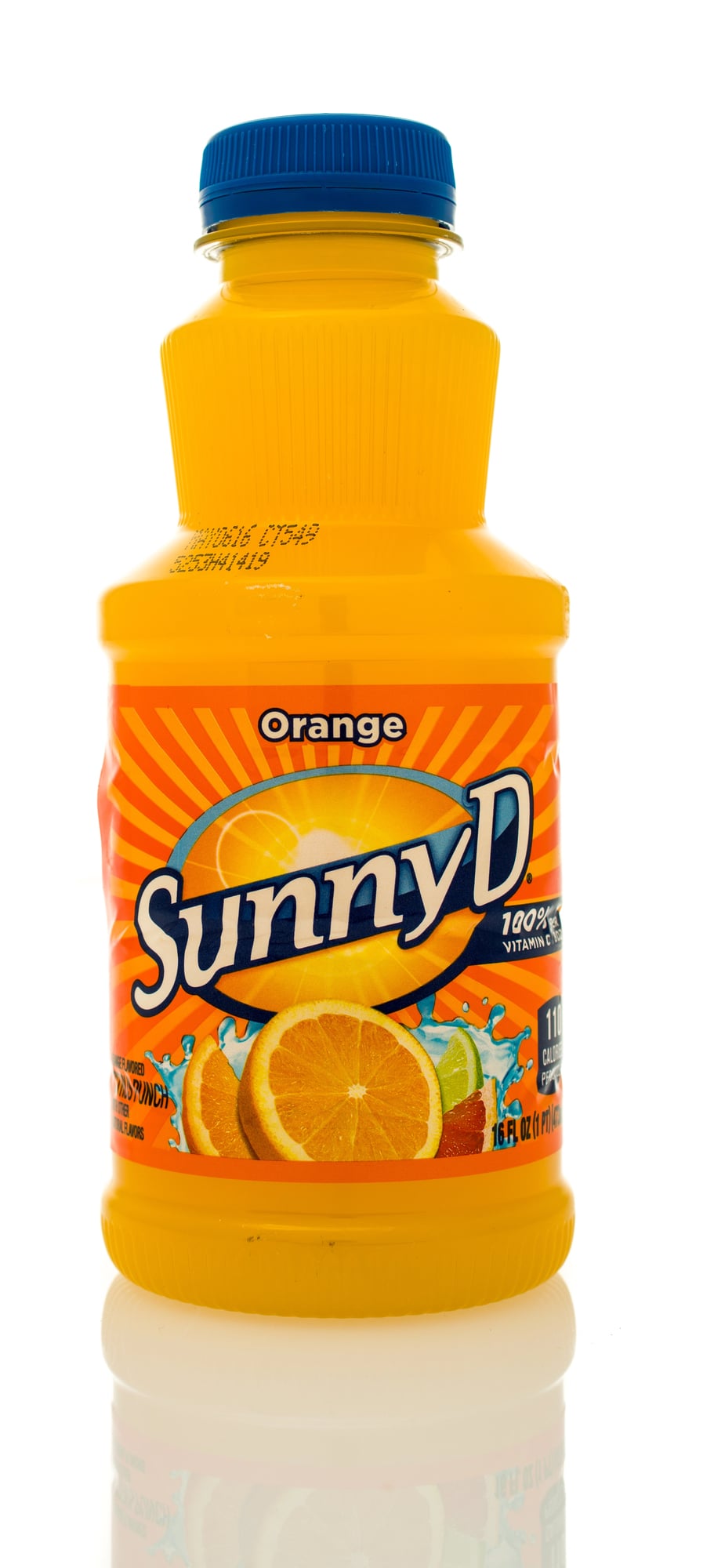
SunnyD was a bright orange, shelf-stable drink marketed to parents as a juice-adjacent product and to children as a soda-adjacent product — and it served the competing interests of both parties by containing just enough juice content to appear on the label as a juice drink while delivering a sugar and citric acid experience that children found analogous to soda. The product was enormously successful in the late nineties.
A Danish city experimented with banning it in 1999 over concerns about artificial coloring. It is still sold in the United States.
Parents who packed it in the nineties and now read the nutritional information tend to find the experience instructive.
Nerds Rope
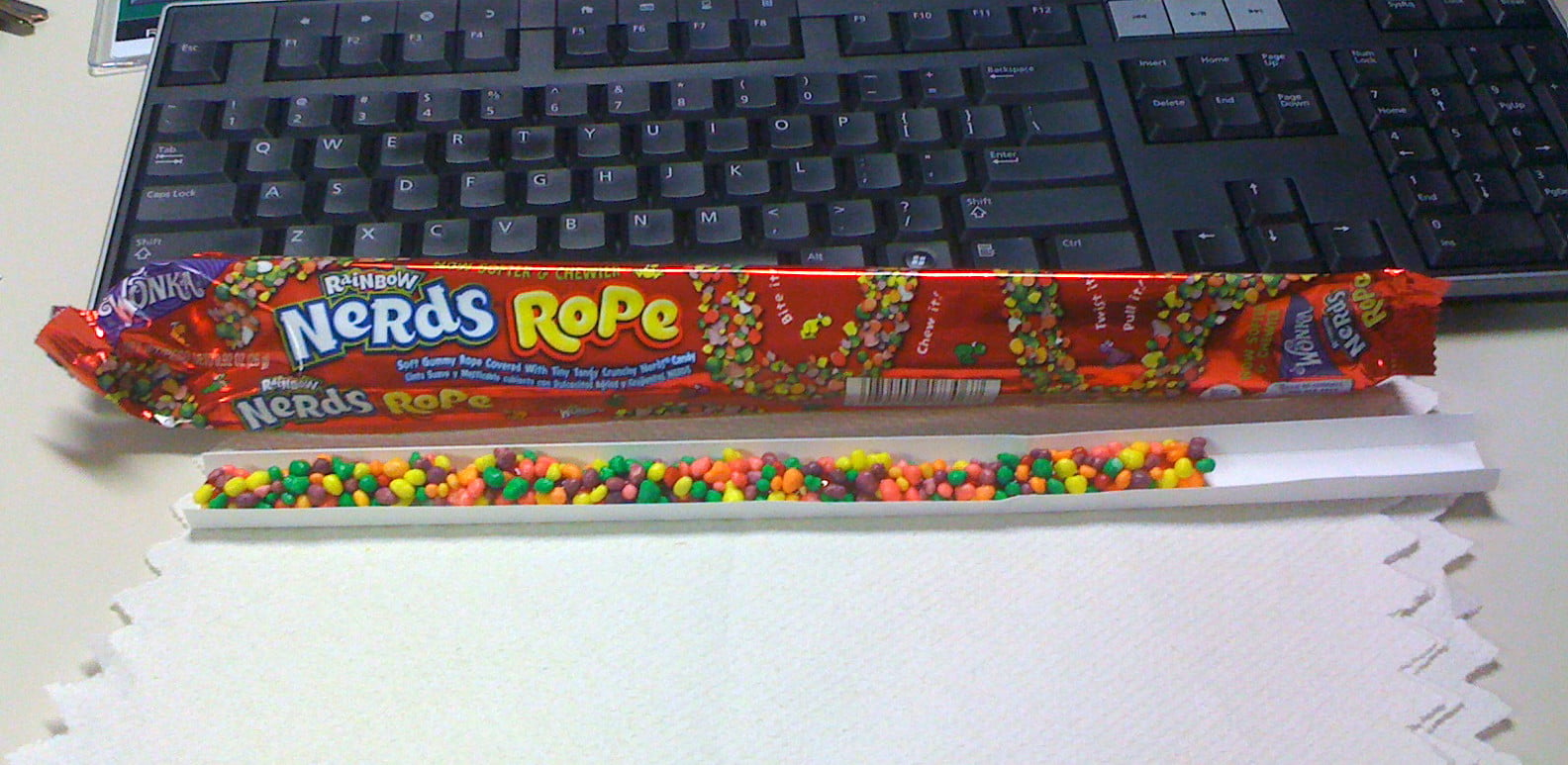
Nerds Rope was Nerds candy embedded in a gummy rope — the combination of the hard Nerds texture with the soft gummy medium creating something that was harder to describe than it was to eat. It arrived in 1999 and remains in production.
It was packed in lunchboxes in the nineties with the same lack of nutritional scrutiny that accompanied most candy-adjacent products that did not list candy as the primary ingredient. The classification of Nerds Rope as a candy bar rather than a candy is a technical distinction that the packaging maintains.
Ectoplasm Gak From Nickelodeon (Edible Version)
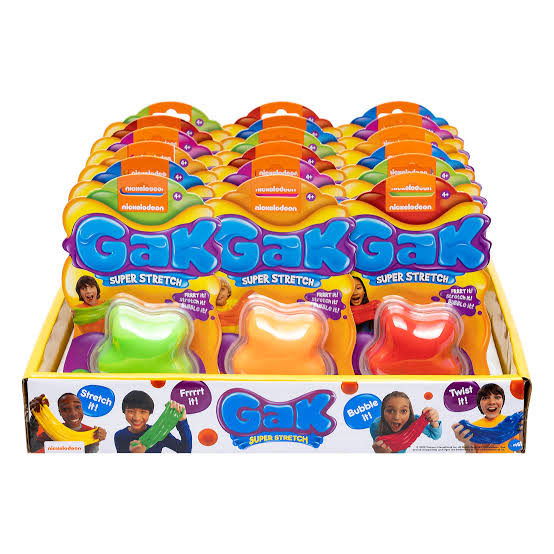
Nickelodeon produced an edible version of its signature Gak slime material — green, gooey, and packaged in a way that made it look identical to the non-edible toy version. It was lime-flavored and sold as a snack.
The primary appeal was that it looked like something you were not supposed to eat, which is a food marketing strategy that works reliably on children and nowhere else. It had a brief shelf life and is listed here as evidence that the nineties were genuinely willing to sell children edible products that resembled hazardous materials.
Squeezable Jell-O
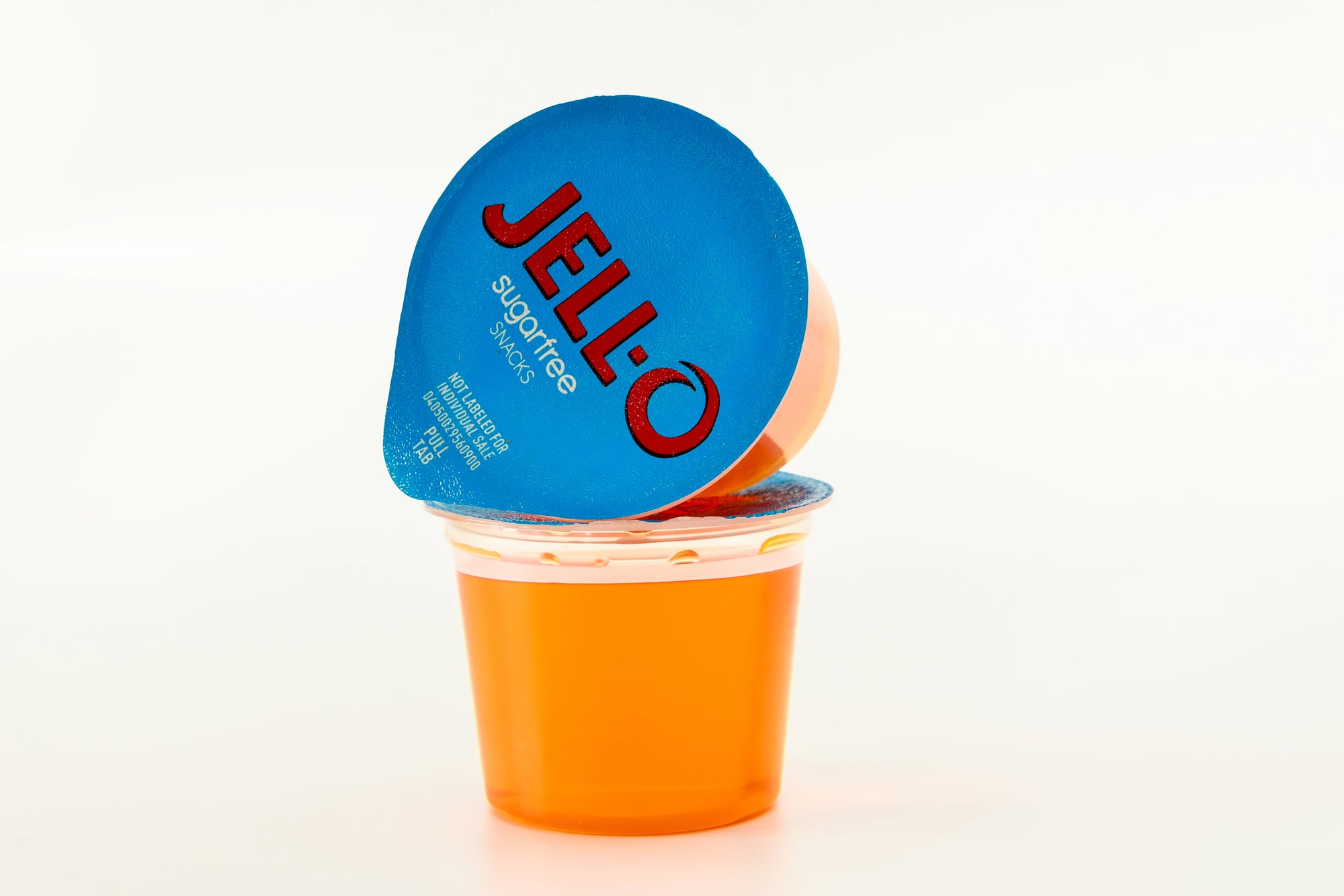
Jell-O produced a squeezable version of its gelatin product — pre-set Jell-O in a squeeze tube — that eliminated the need for a bowl and a spoon while retaining the wobble that is considered the primary pleasure of gelatin consumption. The product existed in several forms across the nineties under various names and packaging.
The squeezable format made it an attractive lunchbox item for parents who wanted a cold dessert option without the dishware. It is no longer a mainstream product in the squeeze format, though refrigerated gelatin cups remain available.
Other Mini Dunking Products
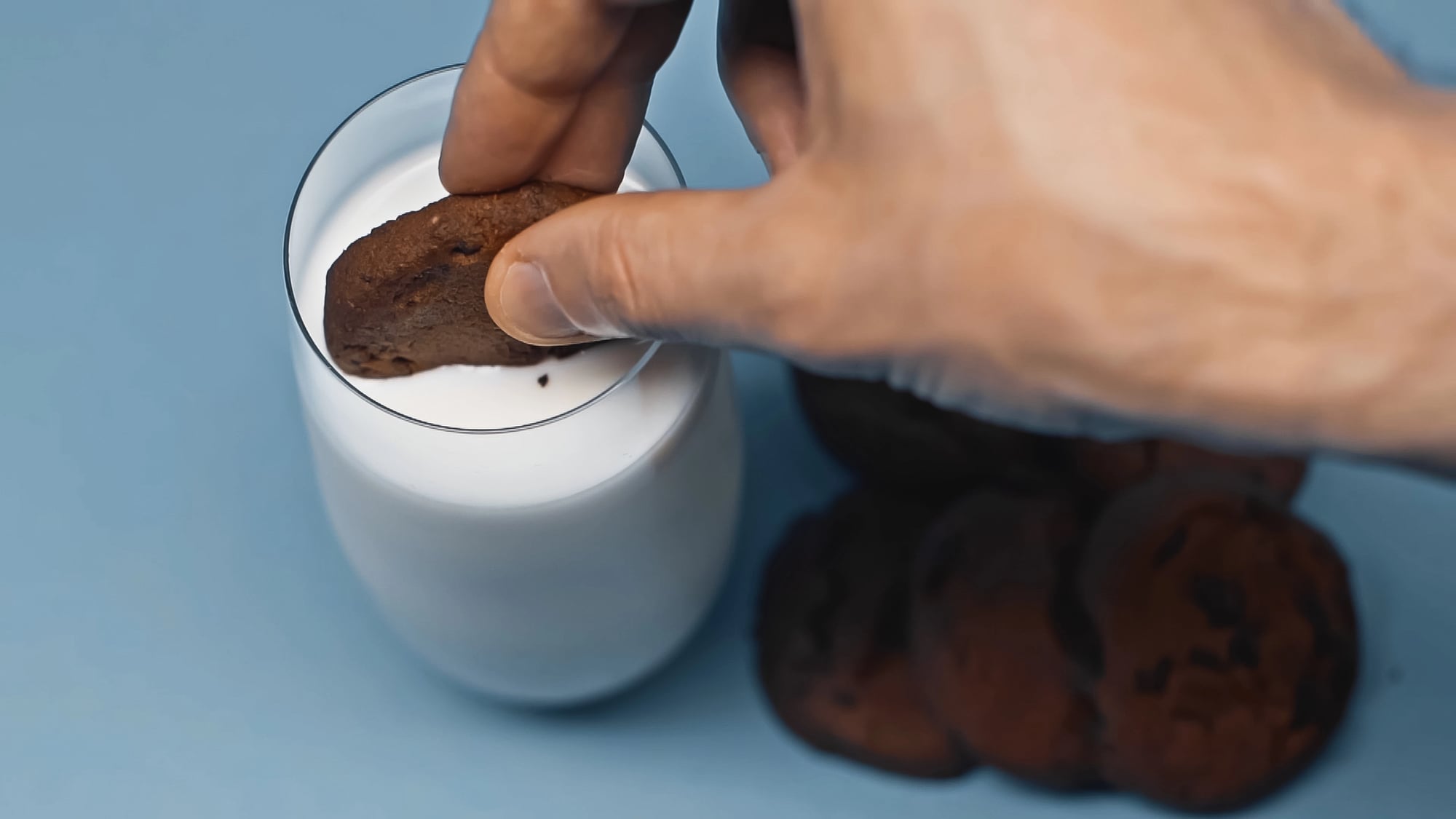
The category of dunking products — cookies with a dipping container of frosting, sauce, or spread — expanded throughout the nineties as Dunkaroos demonstrated that children would dip things into other things at lunch given the opportunity. Products in this category included various mini-cracker-and-cheese-dip formats that were either snack foods or approximations of a food group depending on how generously you defined your terms.
The underlying appeal of all of them was the same: giving a child a task to perform with their food created engagement that eating a pre-assembled item could not replicate.
Hi-C Ecto Cooler
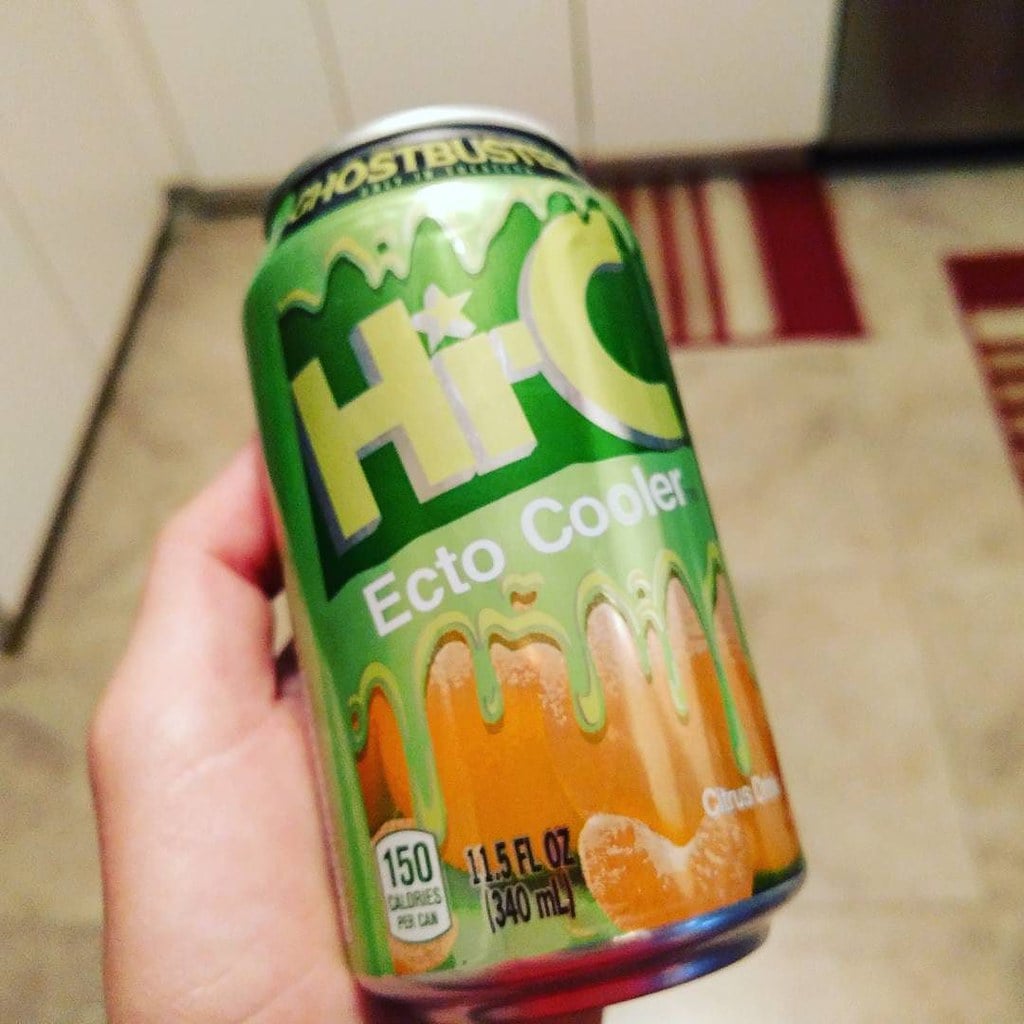
Hi-C Ecto Cooler was a green citrus drink tied to the Ghostbusters franchise that remained on shelves for fourteen years after the franchise that branded it had largely faded from relevance, because children kept buying it as a drink rather than as a licensed product. It was available in juice boxes, which made it a standard lunchbox option throughout the nineties.
It was discontinued in 2001. Its revival in limited form for subsequent Ghostbusters film releases has generated more enthusiasm than most beverage revivals, suggesting that what people remember is not just the drink but the specific experience of finding the green juice box in a lunchbox on a school day in 1993.
Bagel Bites (Frozen, Packed Cold)
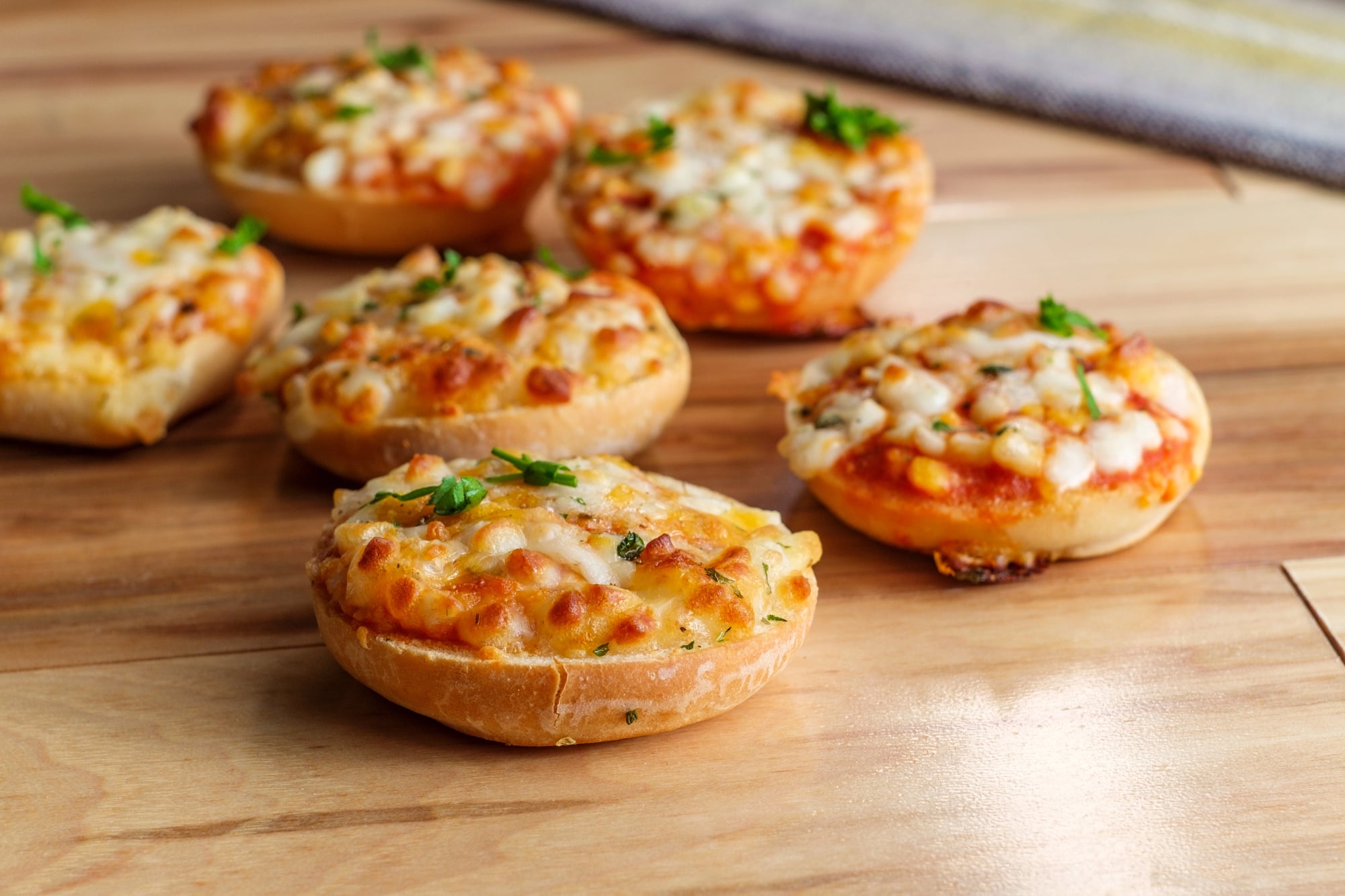
Bagel Bites were — and are — small pizzas on mini bagels, sold frozen and designed to be heated in a microwave. In the nineties, parents who did not have access to a microwave at work sometimes packed them in the lunchbox frozen, expecting the ambient temperature to thaw them by lunchtime, which produced a result that was technically edible and did not require the school cafeteria’s involvement.
This practice is less common now, partly because insulated lunchboxes have made it easier to pack cold items properly and partly because the food safety implications of partially thawed meat products have become more widely discussed.
Jell-O Pudding Snacks
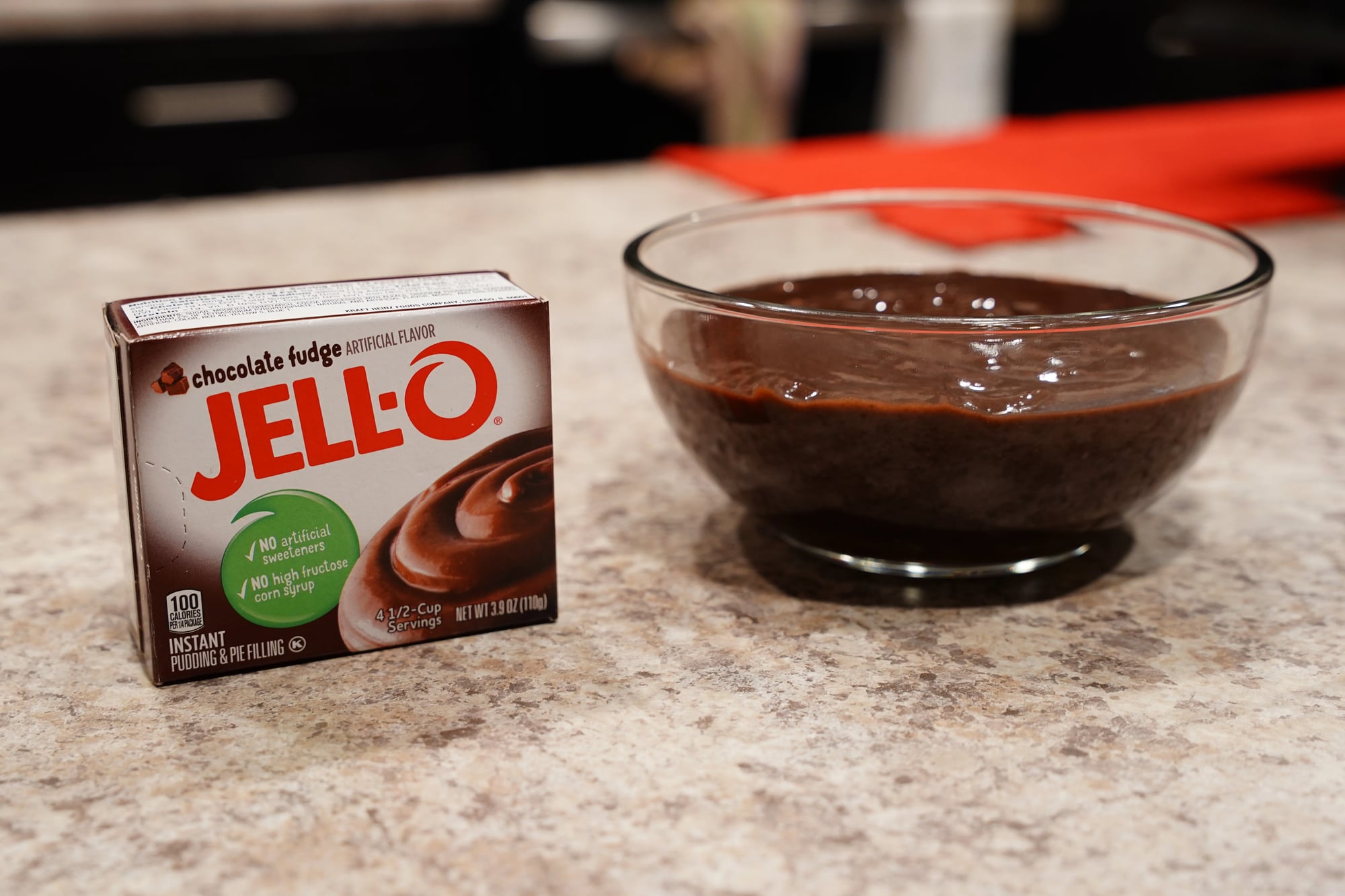
Individually packaged plastic cups of premade Jell-O pudding — chocolate, vanilla, butterscotch — were a staple lunchbox item throughout the nineties and exist in an interesting category: a product that is still sold in largely the same form, still appears in some lunchboxes, and has become neither nostalgic nor problematic enough to generate strong feelings either way. What has changed is the parents who pack them with a spoon attached and those who do not, which tracks with a generational shift in assumptions about how prepared a child should be for eating a cold pudding at a table.
Handi-Snacks
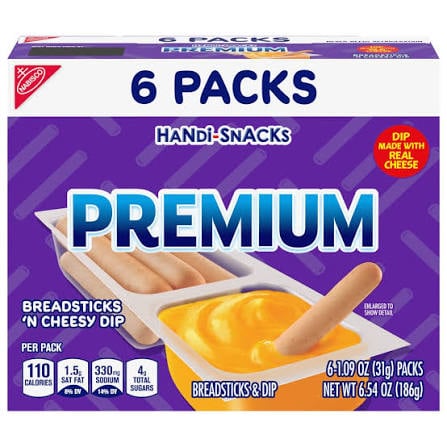
Handi-Snacks were small plastic trays with one compartment of processed cheese spread and one compartment of crackers, along with a red plastic stick for spreading the cheese. The stick was the key innovation: it was not a utensil in any adult sense, but it gave the child something to do with the food that made the experience feel deliberate rather than passive.
They were produced by various manufacturers and sold under various branding through the nineties and beyond. The processed cheese product contained a list of ingredients that was significantly longer than the ingredient list for actual cheese.
Strawberry Milk Boxes
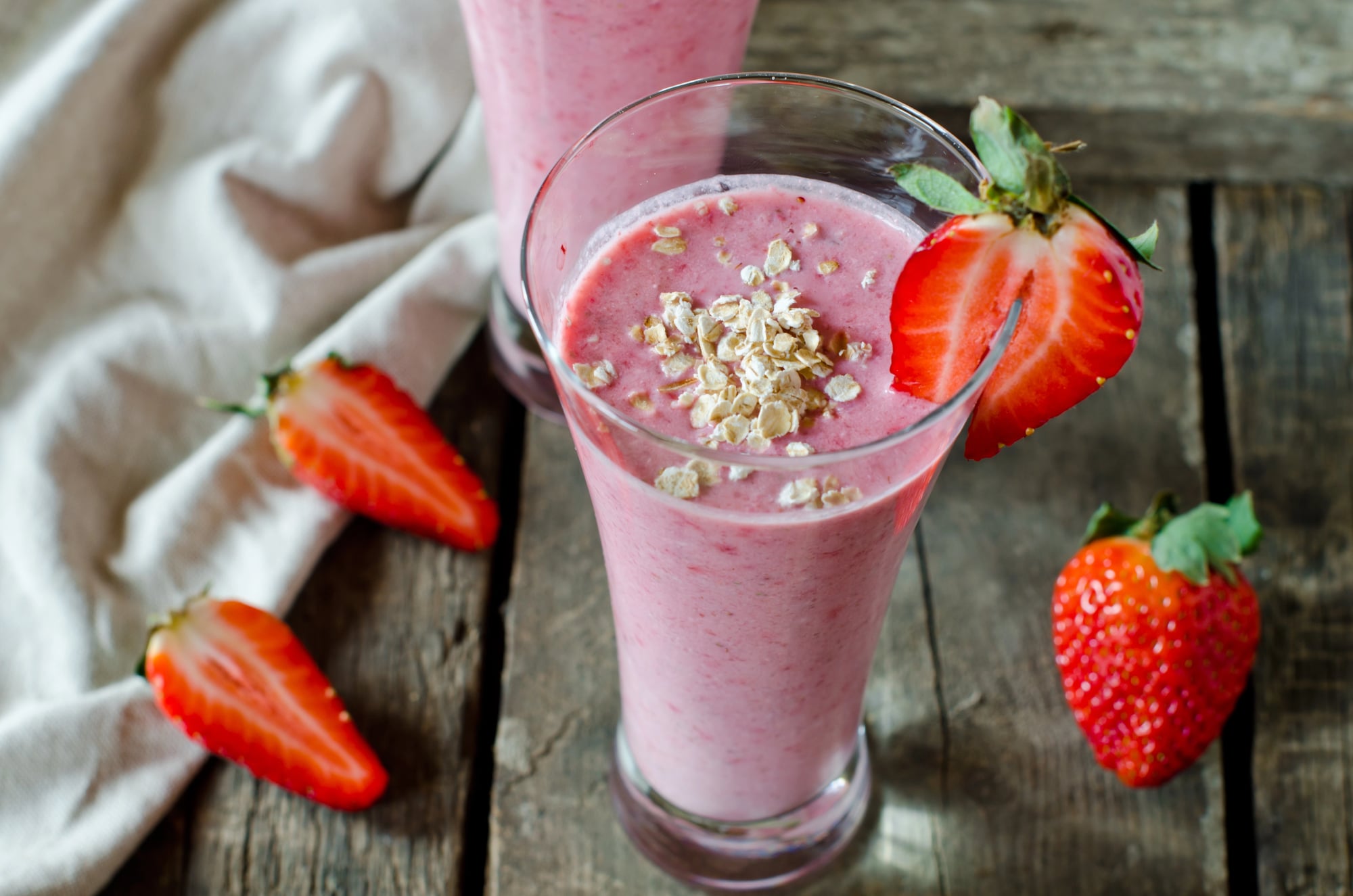
Strawberry-flavored milk in individual boxes — the same format as juice boxes, applied to flavored milk — was a lunchbox item throughout the nineties that occupied a nutritional gray zone: it was dairy, technically, but the flavoring and sugar content were high enough that it functioned more like a dessert beverage than a protein source. School cafeterias made significant efforts to promote unflavored white milk over flavored alternatives in the 2000s and 2010s, which has reduced but not eliminated the presence of strawberry milk in school lunch contexts.
The strawberry milk box of the nineties was considered a reasonable beverage. The same product sent in a child’s lunchbox now prompts a different internal conversation for the parent packing it.
Scooby-Doo Fruit Snacks
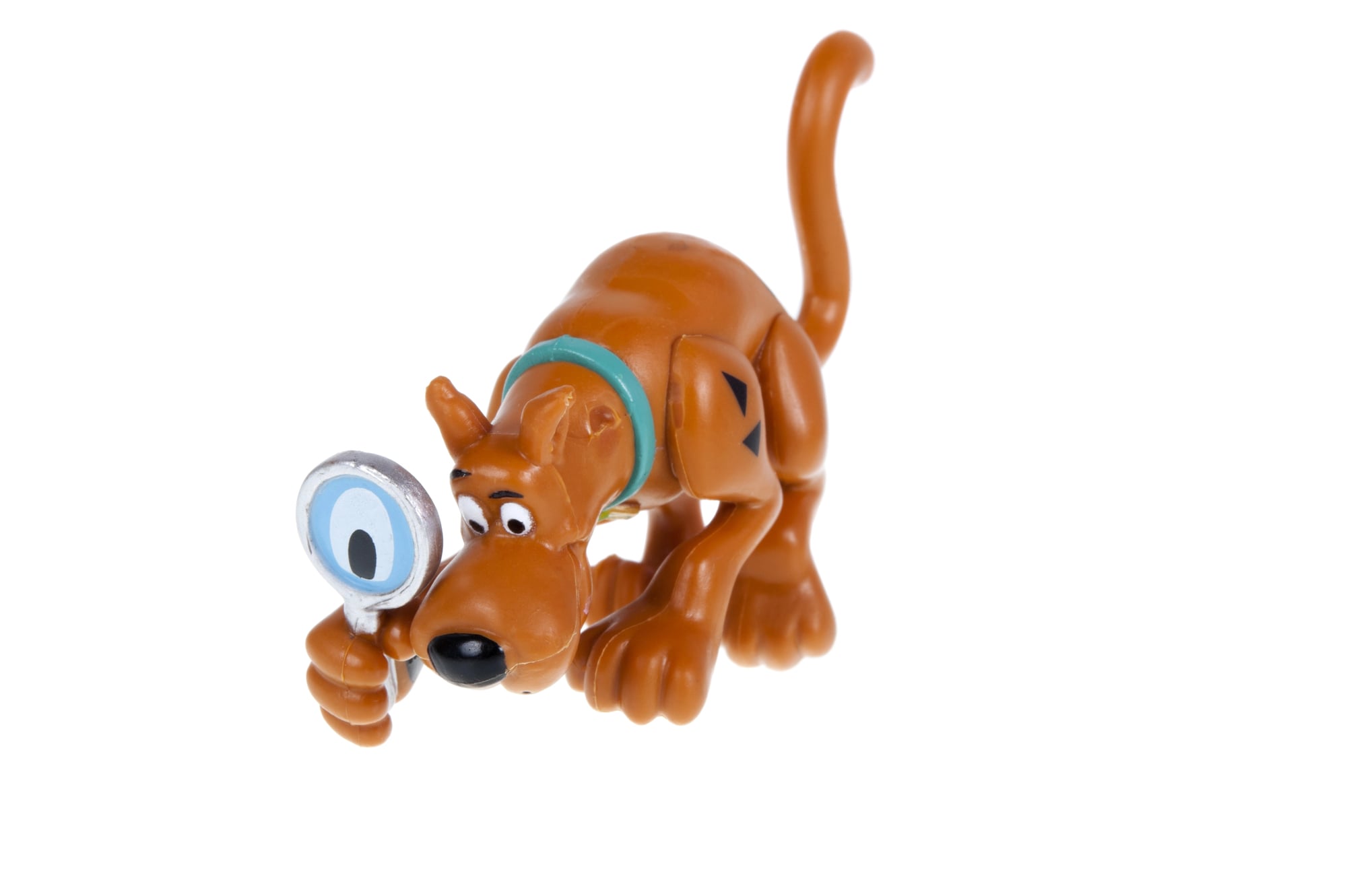
The specific kind of fruit snack branded with Scooby-Doo characters — gummies in the shape of the cartoon’s main characters, in artificially flavored fruit flavors — was one of dozens of licensed character fruit snack products that populated nineties lunchboxes. The Scooby version was among the most common because Scooby-Doo was consistently popular with children across the decade.
They are technically still available in various forms. The general category of character-branded gummies packaged and marketed as fruit-adjacent has been reconsidered by a generation of parents who have become skeptical of the word “fruit” on the packaging of a product that contains no detectable fruit.
Trix Yogurt
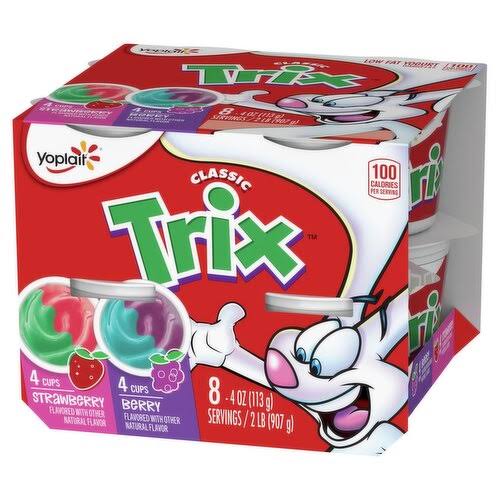
Trix yogurt came in the colors of the Trix cereal — vivid reds and blues and yellows that did not correspond to any known yogurt but were immediately attractive to children who were already familiar with the Trix brand. The colors were achieved through artificial dyes.
The yogurt itself was sweetened well beyond what plain yogurt achieves. General Mills reformulated the product in 2016 to remove the artificial colors, which eliminated the visual signature that had made it interesting to children and reduced its market presence significantly.
The original neon Trix yogurt is no longer available, which places it in the category of products that were discontinued by reformulation rather than outright discontinuation — a specific and frustrating category for people with strong nostalgic attachments.
What the Nineties Lunchbox Was Really For
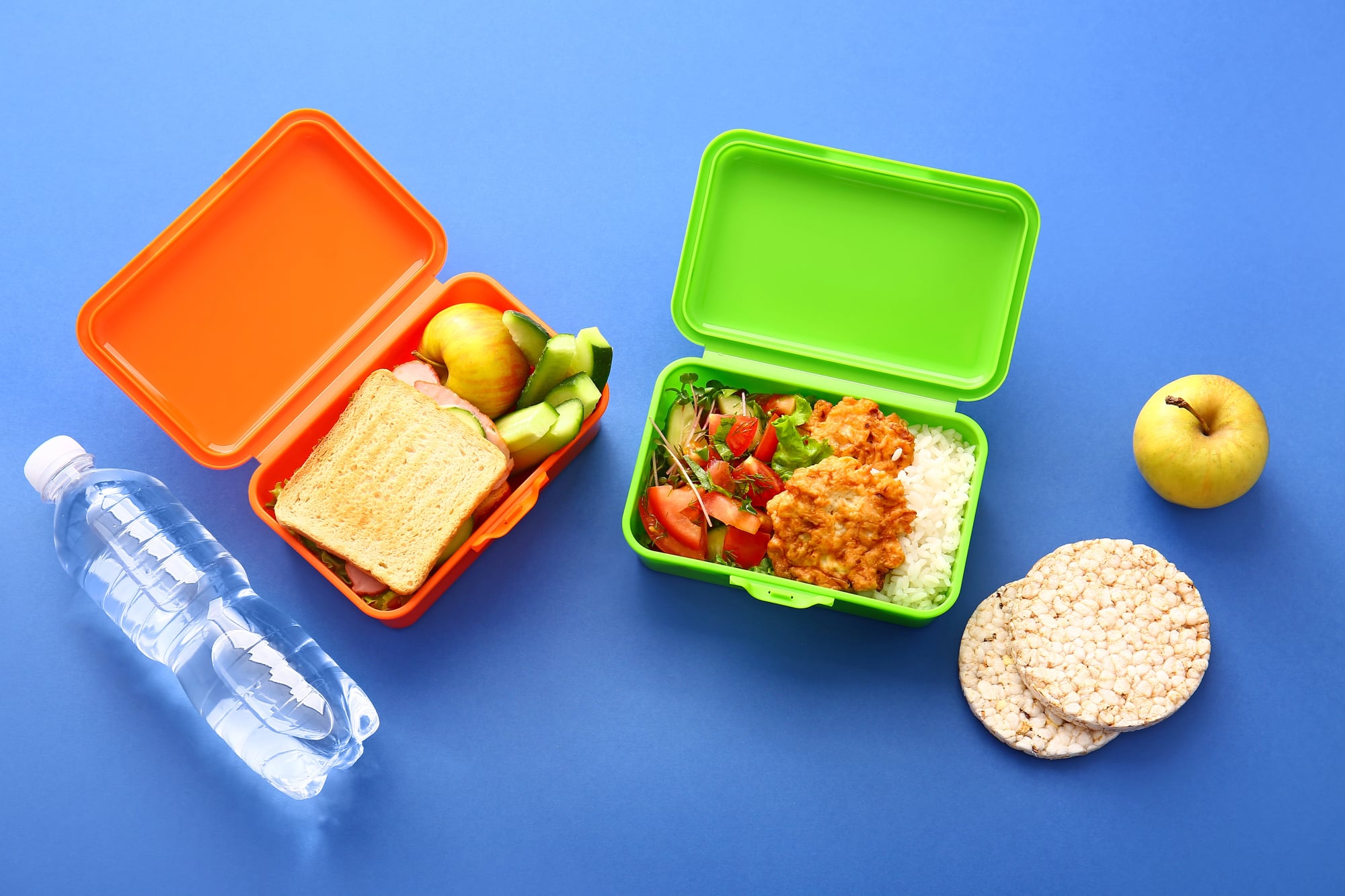
The nineties lunchbox item was not primarily a nutritional delivery system. It was a social object.
The contents of your lunchbox established what kind of child you were, created trading opportunities, and provided the conversational currency of the cafeteria table. A Dunkaroos was worth more than a bag of plain chips.
A Shark Bites with a Great White shark was worth more than a Shark Bites without one. The hierarchy was understood and enforced without any adult involvement.
The fact that these items contained quantities of sugar, artificial color, and processed ingredients that no current school nutrition guideline would approve of is not the reason people remember them fondly. They are remembered fondly because they were part of being eleven, and being eleven involved the specific social economy of the lunchroom, and that economy ran on whatever was in the box.
Nobody misses the Red 40. They miss the negotiation.
More from Go2Tutors!

- The Romanov Crown Jewels and Their Tragic Fate
- 13 Historical Mysteries That Science Still Can’t Solve
- Famous Hoaxes That Fooled the World for Years
- 15 Child Stars with Tragic Adult Lives
- 16 Famous Jewelry Pieces in History
Like Go2Tutors’s content? Follow us on MSN.



