28 Barbershop Fixtures From the 1960s
A 1960s barbershop was built around a few heavy, gleaming pieces of equipment that rarely changed. The chairs were bolted down, the mirrors ran the length of the wall, and the same shelves of bottles stayed in place for decades.
The room smelled of talc, bay rum, and warm towels, and every object in it had a job. Together they made a space that men visited on a schedule as regular as a church service.
The Barber Pole
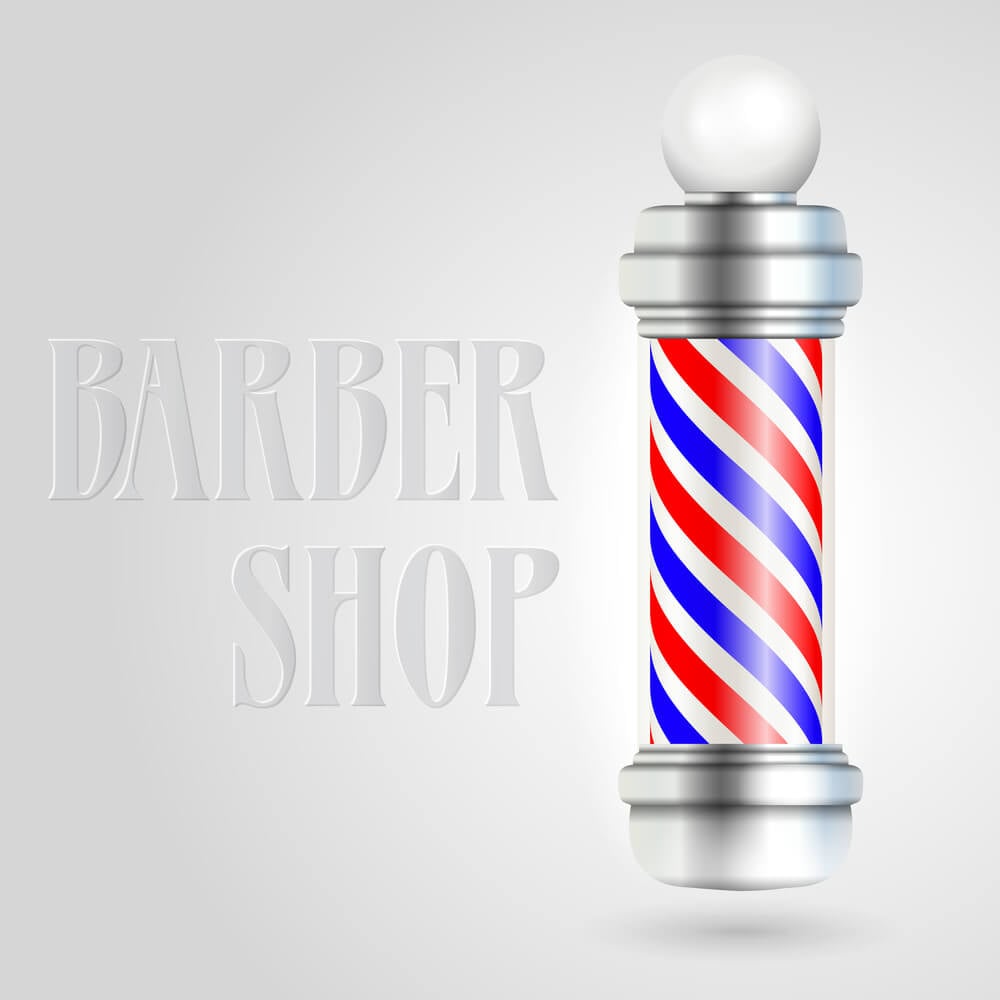
The red and white spiral pole outside the shop traces back to the days when barbers also performed minor surgery and bloodletting. Red is generally said to stand for blood and white for bandages, and many American poles added blue. A motor inside turned the stripes, creating the illusion of endless upward movement.
The Hydraulic Barber Chair
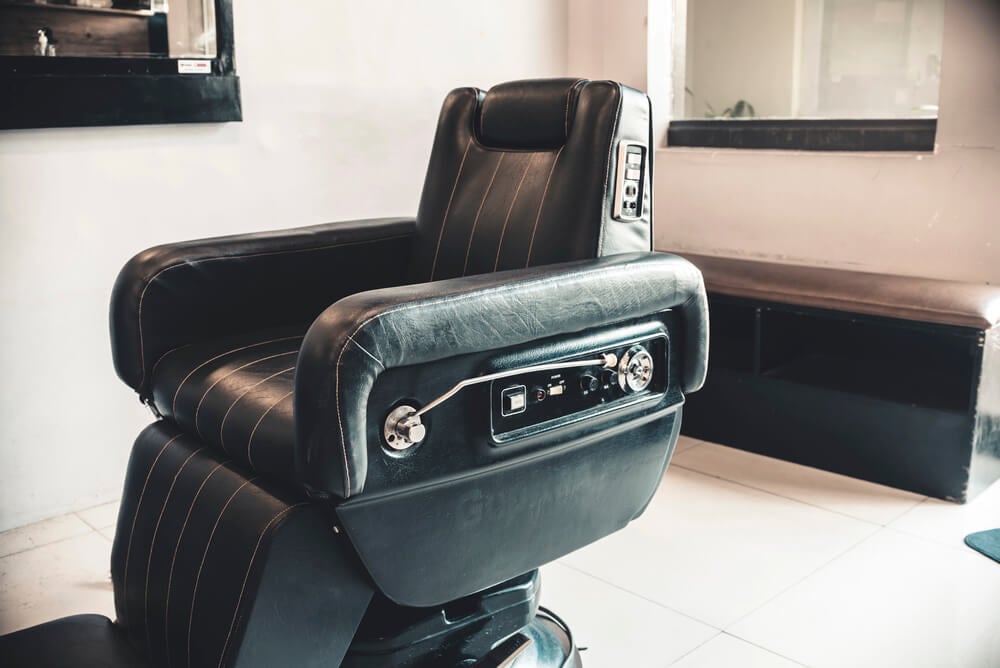
Heavy cast-iron bases, porcelain enamel finishes, and a foot pump let the barber raise, lower, and recline the chair with one leg. Manufacturers such as Koken of St. Louis made these chairs to last for generations. A chair from the 1960s could weigh several hundred pounds and still be in use today.
The Footrest
A chrome or enamel footrest swung out from the base of the chair and held the client’s feet at a comfortable angle. It also kept shoes off the floor during a shave. The piece was simple, but missing one meant the chair felt unfinished.
The Straight Razor
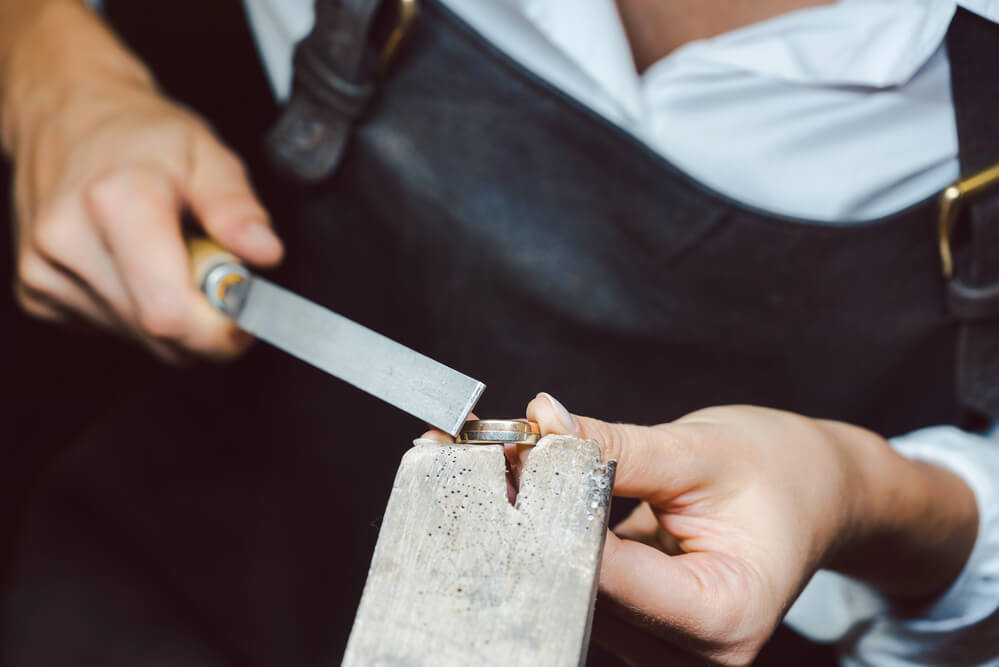
A folding blade of hand-honed steel handled the shave and the neckline. Barbers kept several razors and sharpened them regularly. Safety razors took over most home shaving, which made the barbershop version feel like a small luxury.
The Leather Strop
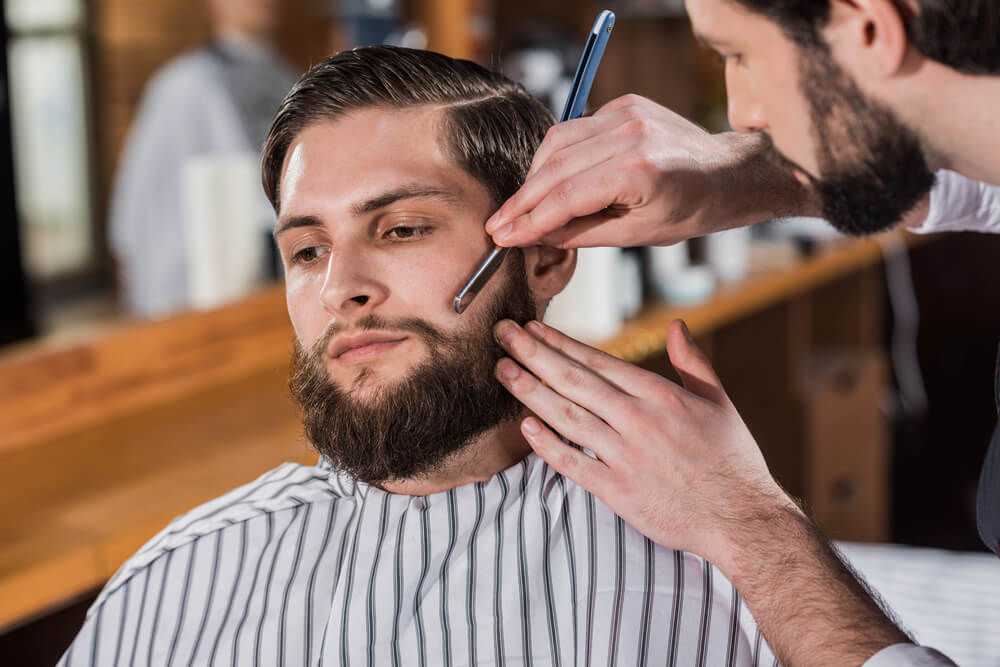
A long strip of leather hung from the side of the chair, ready to polish the edge of the razor between uses. Barbers drew the blade along it in quick, even strokes with a distinctive slapping sound.
The Shaving Mug and Brush
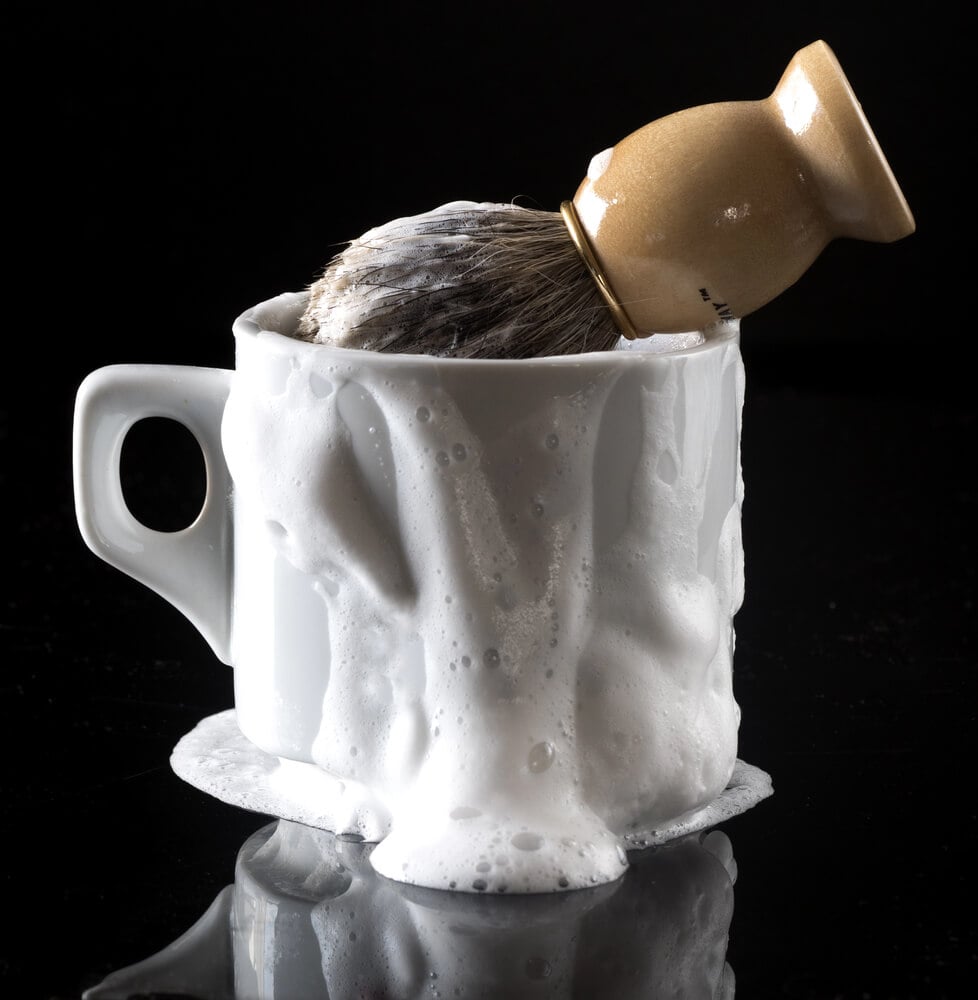
Regular customers often had their own mug on a shelf, with a name painted on the side. A soft brush whipped soap into lather in the cup, and the lather was applied warm to the face. The row of mugs on the wall was a quiet census of loyal clients.
The Hot Towel Steamer
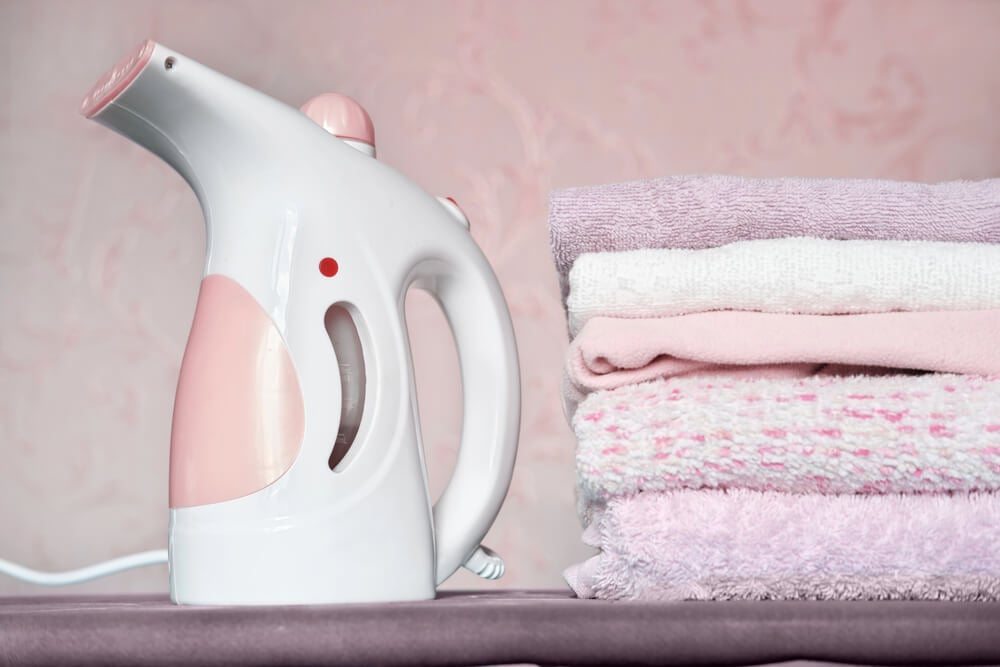
A cabinet of steaming towels softened beards before a shave. The barber wrapped one around the client’s face, and the heat made the entire chair feel more relaxing. Towels were folded, rolled, and stacked inside the warmer like loaves in an oven.
Electric Clippers
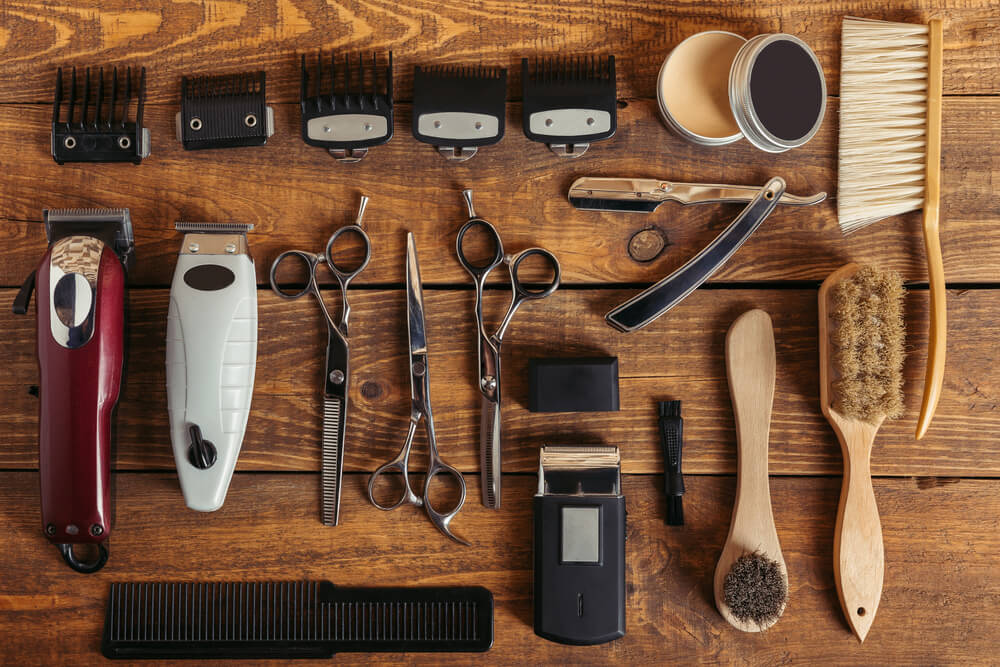
Electric clippers had largely replaced hand-operated ones by the 1960s, and they buzzed through a flattop in a few minutes. Barbers kept several sets of blades and oiled them often. The sound of the motor was as familiar as the ringing of the register.
The Disinfectant Jar
A tall glass jar filled with a blue liquid held combs between customers, and the color became a visual shorthand for cleanliness. State boards of barbering required shops to sanitize tools, and the jar made compliance obvious. Clients could see the rows of combs soaking like pickles.
The Rack of Combs
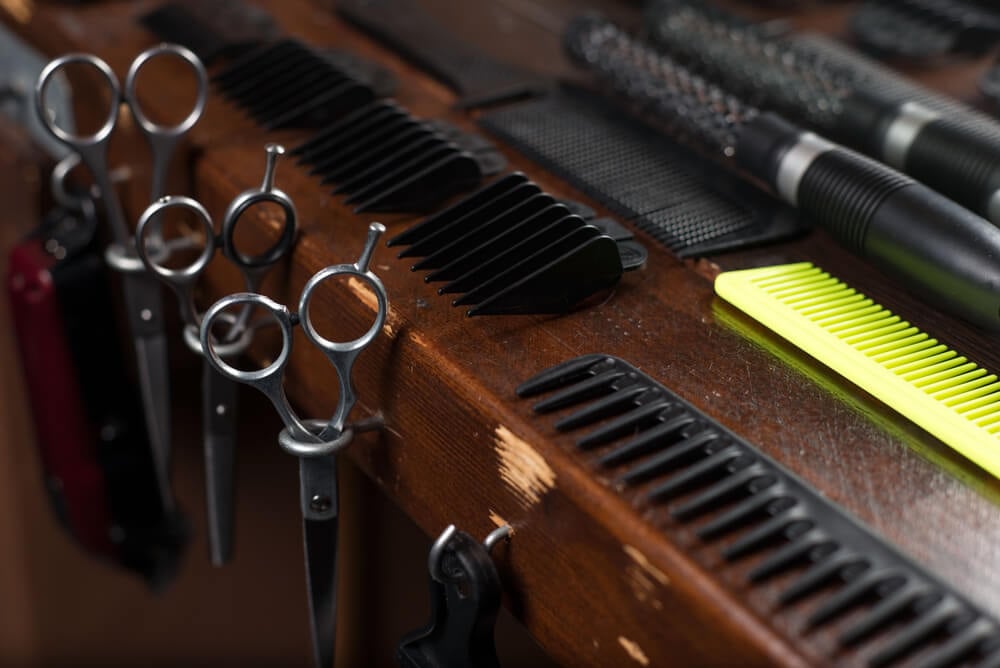
Barbers used hard rubber combs in different sizes for different cuts, from fine-toothed models for tapering to wide ones for parting. The combs were kept in a pocket, a jar, or a tray on the counter. A barber with a favorite comb tended to keep it for years.
Hair Tonic Bottles
Bottles of hair tonic lined the shelves, offering scalp treatments and grooming oils with names like Vitalis and Wildroot Cream-Oil. Barbers applied them after a cut and sold them to regular clients. The bottles added a splash of color to the back bar.
Pomade
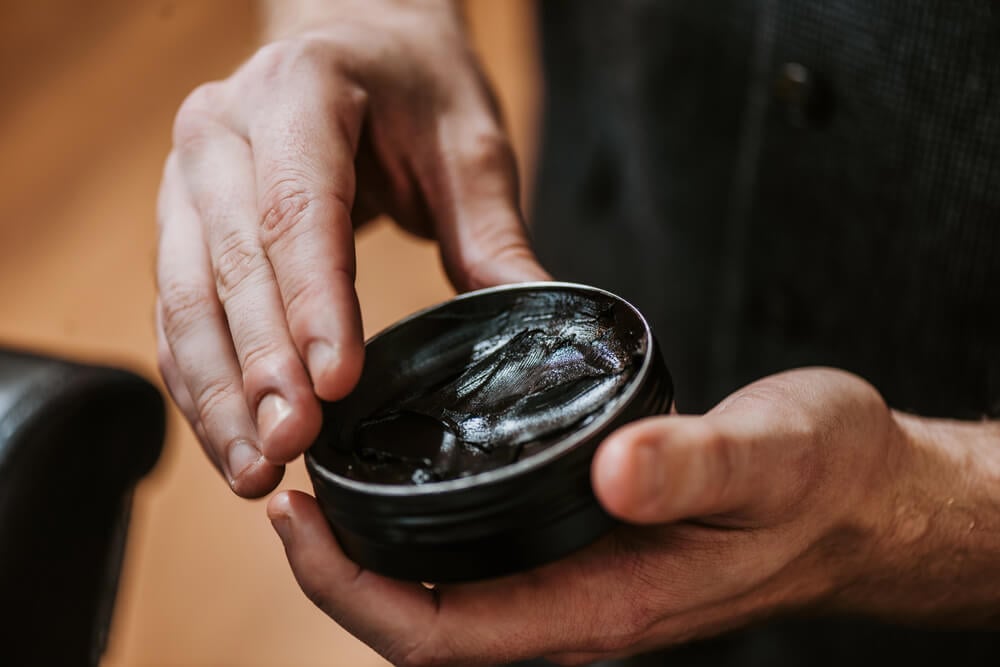
Pomade tubs and jars held styling products such as Brylcreem, which kept hair in place with a glossy finish. The product was applied by hand in small amounts and combed through. Its heavy fragrance lingered on pillowcases for days.
Aftershave
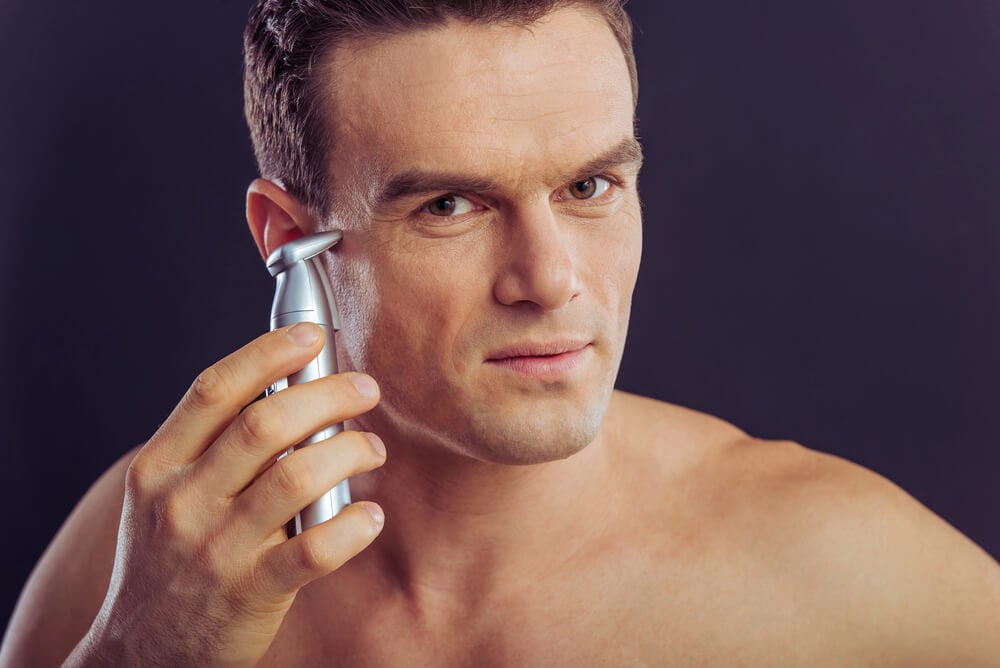
Splashes of aftershave, whether Old Spice or Aqua Velva, closed out the shave with a sting and a scent. The barber slapped it onto the cheeks and neck, and the client left smelling of citrus and spice. Many fathers wore the same brand for decades.
Talc and the Neck Duster
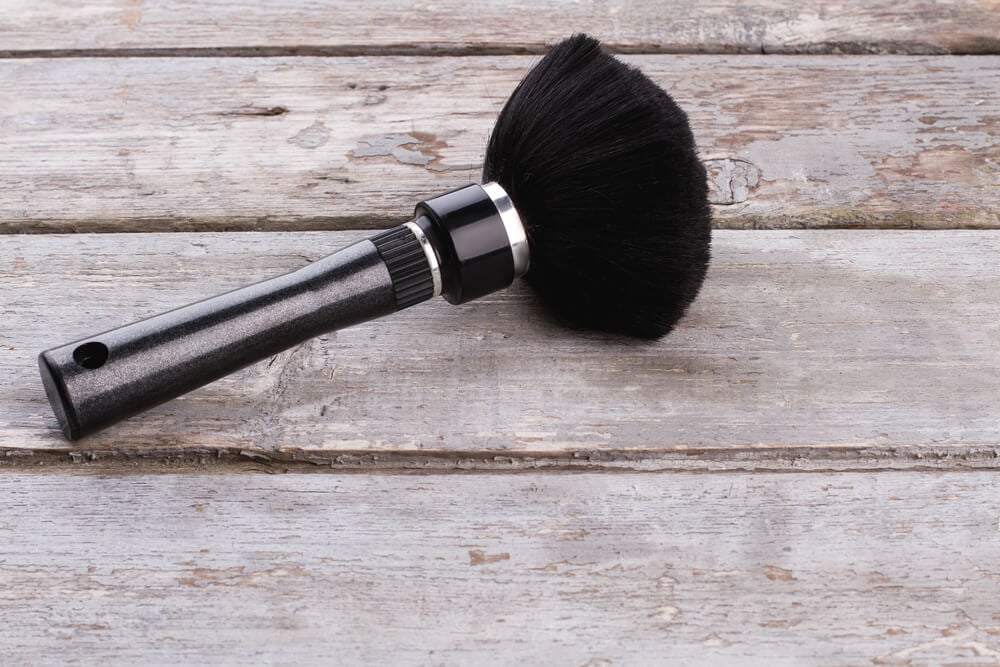
A soft brush and a shaker of talc whisked away loose hair after the cut. The powder absorbed moisture and made the collar feel dry. The brush also made a gentle sweeping sound across the neck.
The Striped Cape
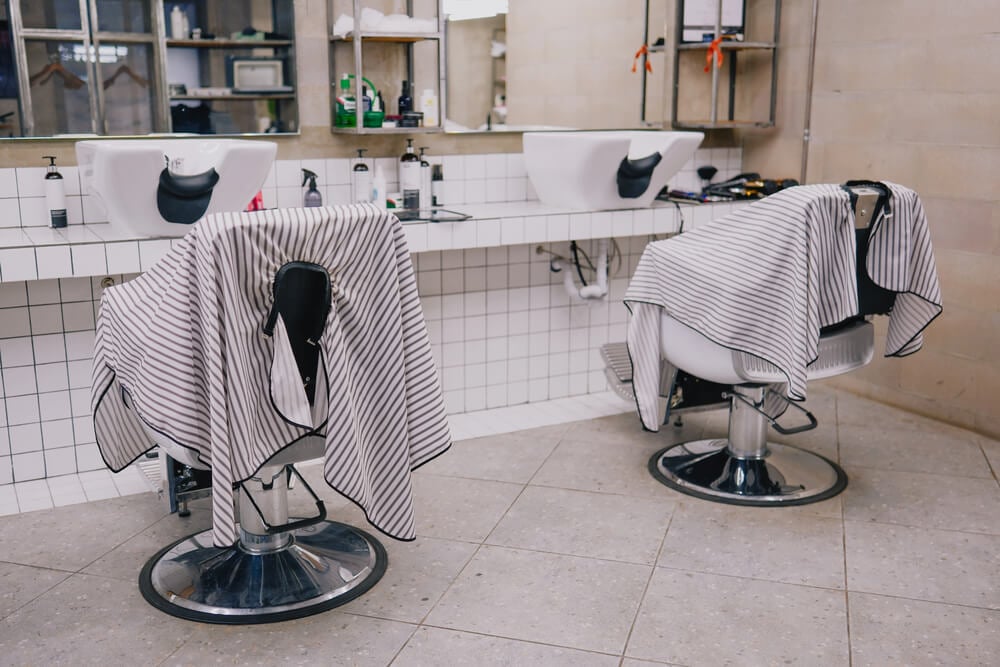
A nylon or cotton cape snapped around the neck kept hair off clothes and gave every client the same silhouette. Stripes and plain colors were common. Barbers shook it out between customers, and a cloud of clippings drifted to the floor.
Paper Neck Strips
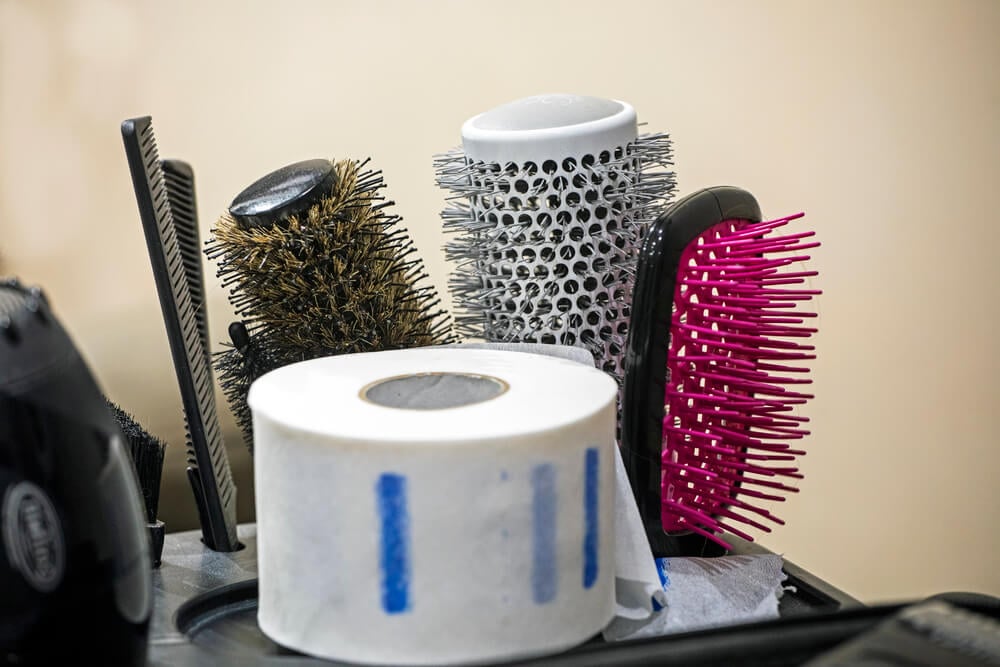
A strip of tissue wrapped around the neck kept the cape from touching skin. It was thrown away after each cut. The strip was a small, disposable piece of hygiene that signaled a professional shop.
The Booster Board
A wooden plank laid across the arms of the chair raised young clients to the right height. Boys who sat on the board felt they had reached a milestone, since it meant they were big enough for a real haircut. Some shops had boards painted with horses or cartoon figures.
The Back Bar
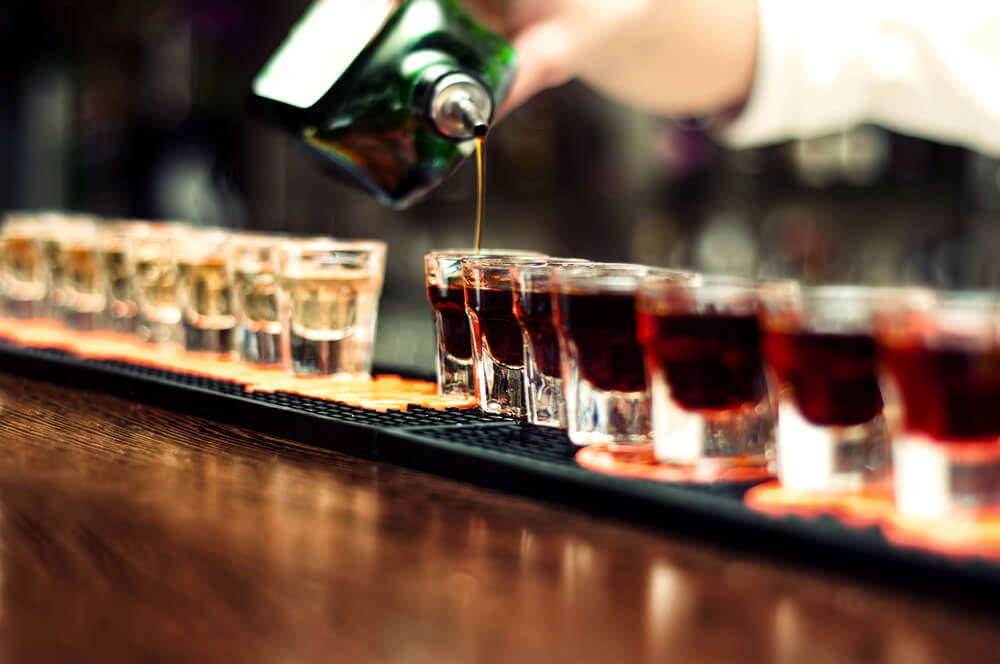
The shelf unit below the mirror, called the back bar, held tonics, powders, combs, and clippers within easy reach. It was usually wood or metal, with a marble or laminate top. Everything the barber needed sat in arm’s length.
The Wall-Length Mirror
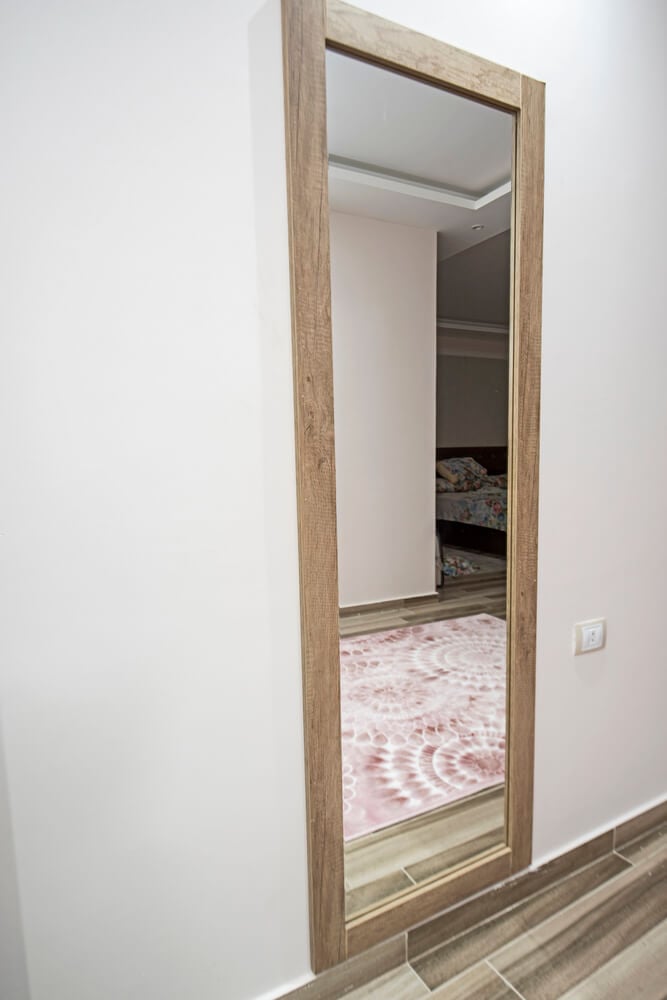
A long mirror let customers see both the barber and the back of their own heads, usually with a second mirror for angles. Glass was beveled or framed in wood. The reflection made the shop look larger and the line of chairs seem endless.
The Waiting Bench
A row of chairs or a padded bench lined the wall for customers waiting their turn. Men read, talked, or watched the barbers work. Seats were arranged so everyone could join the conversation.
The Magazine Rack
A rack of magazines such as Popular Mechanics, Field and Stream, and Life kept waiting customers occupied. The issues were often months old and well thumbed. Barbershops were one of the few places where men read about hunting, home repair, and politics in the same sitting.
The Cash Register
A brass or enamel cash register rang up the haircut and the occasional tonic purchase. The drawer opened with a bell, and a tag showed the amount. Many shops kept a small tray of change for tips.
The State License
A framed barber’s license hung on the wall, as required by state law. It listed the barber’s name and certification and reassured clients that the person holding the razor had been trained. The frame was often straight and polished.
The Price Board

A small sign or card listed the price for haircuts, shaves, and shampoos. Prices changed rarely, and some shops kept the same sign for years. A haircut price in the low single digits of dollars was typical of the era.
The Shoeshine Stand
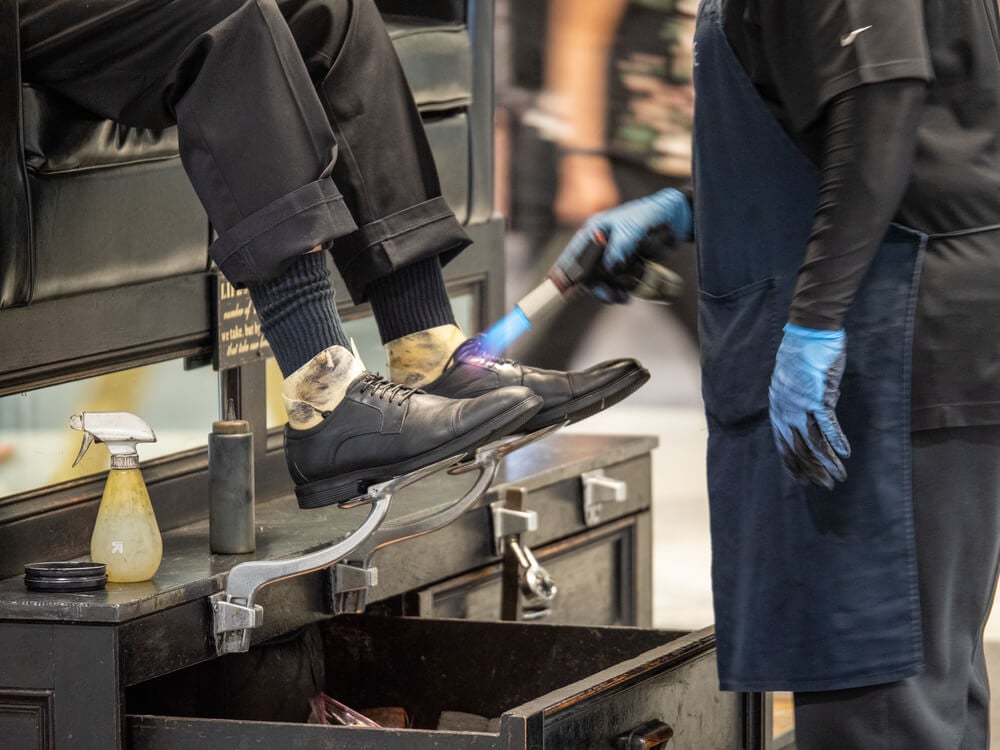
A raised seat with metal footrests stood in a corner or by the door, and a shoeshine man worked on it with brushes, polish, and rags. The snap of the cloth was a rhythm that carried through the shop. For an extra few cents, customers left with gleaming shoes.
The Radio
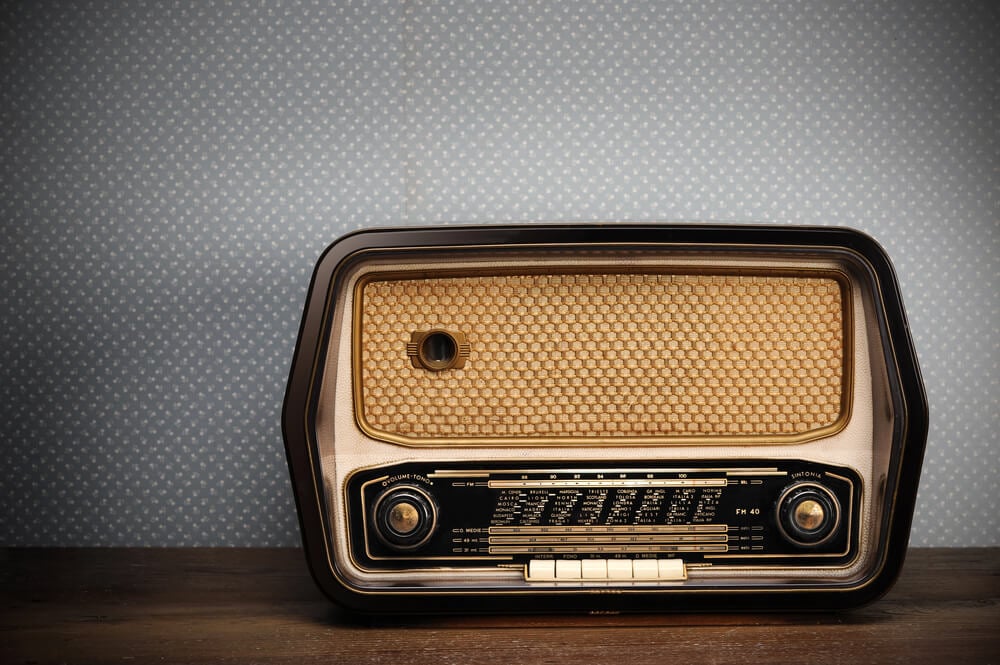
A radio on a shelf played local news, music, or the day’s big game, and conversation rose and fell with the broadcast. The volume was always set loud enough to hear but quiet enough to talk over. Radios stayed on from opening to closing.
The Hair Broom
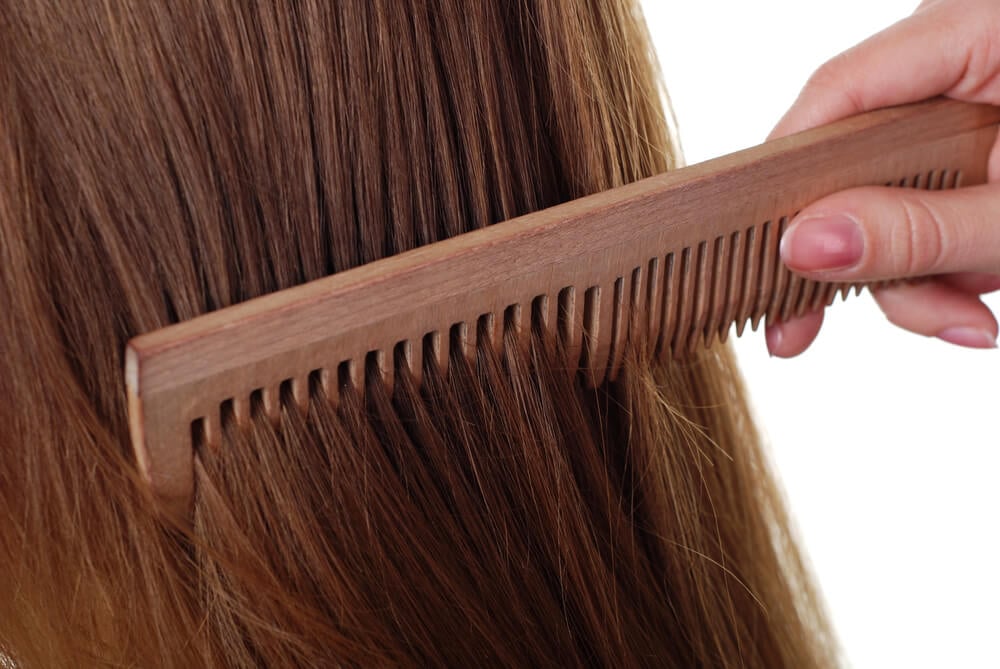
A wide push broom swept clippings into a pile at the foot of each chair between customers. The hair was gathered into a bin or dustpan and carried out. A pile of cut hair on a clean floor was a sign of a busy day.
The Wall Clock and Ceiling Fan
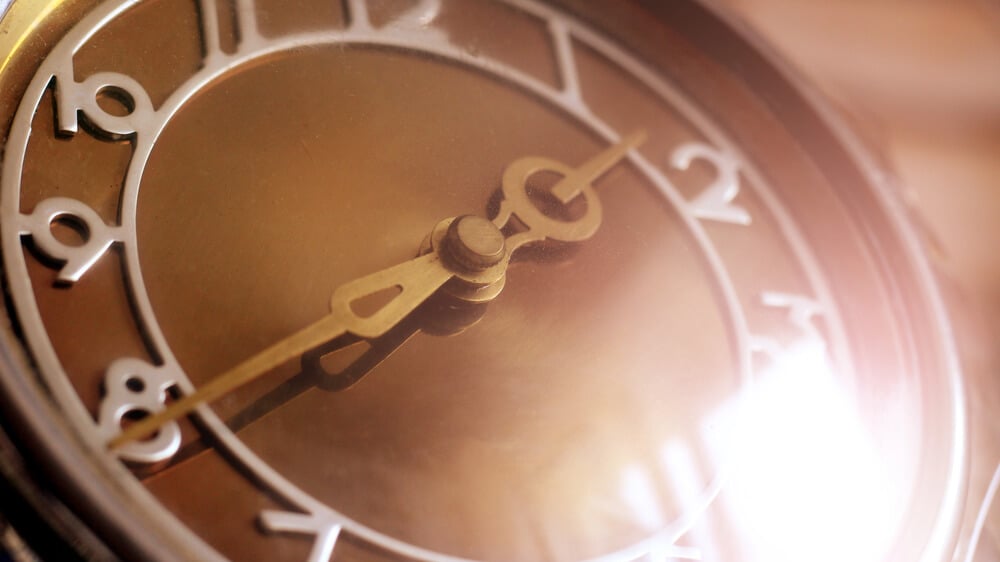
A round clock above the mirror and a slow-turning ceiling fan completed the room. The clock kept appointments, and the fan moved warm air in summer. Both ran quietly in the background of every haircut.
What the Chair Kept

The barbershop of the 1960s was organized around permanence. The chairs, mirrors, and tonics stayed in place while the faces in them changed. A man could sit in the same chair at eight and at eighty and see the same shelf of bottles.
That steadiness is part of what made the shop a social space. Conversation moved easily because the setting did not demand attention, and every object had a familiar place. The fixtures were practical, but they also served as quiet reassurance that some things were still done the same way.
More from Go2Tutors!

- 27 Silver Dollars and Half Dollars Worth Keeping
- 28 Restaurant Menu Items Nobody Orders Anymore
- 17 Places Built in Seemingly Impossible Spots
- 27 Vintage Rings Worth More Than They Look
- 25 Restricted Sites Tourists Can’t Enter
Like Go2Tutors’s content? Follow us on MSN.