32 Thermos Bottles Collectors Match to Lunch Kits
A vintage lunch box without its original thermos is only half a collectible. The two manufacturers that dominated the licensed lunch kit market for most of the twentieth century, American Thermos and later King-Seeley Thermos, along with rival Aladdin Industries, produced a matching bottle for nearly every box, and serious collectors will not consider a set complete without both pieces present and correctly paired.
Pricing depends heavily on condition. A steel box with heavy rust or a missing thermos cup, which doubled as a drinking cap, is worth a fraction of a complete, undamaged set.
Hopalong Cassidy
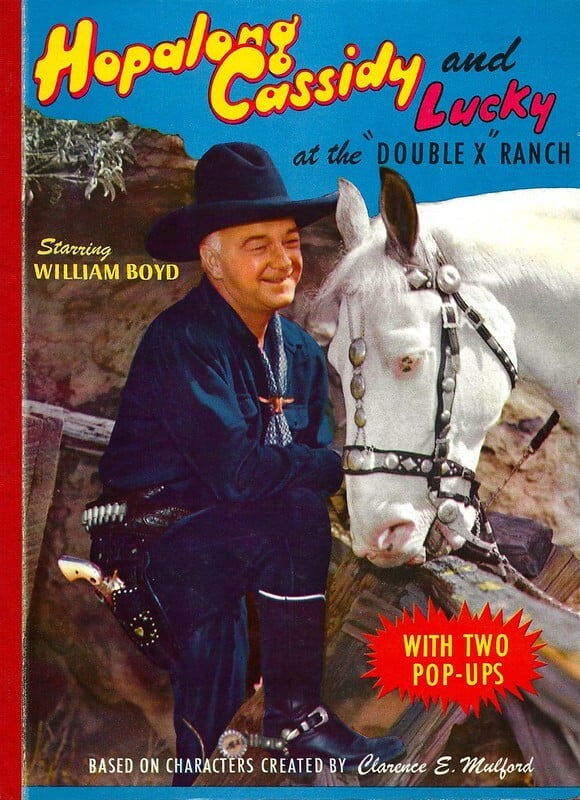
Released in 1950, the Hopalong Cassidy lunch kit is widely credited as the first licensed character lunch box, produced by Aladdin Industries with a matching steel thermos decorated in the same Western imagery. Its commercial success convinced other manufacturers that licensed characters, not just plain boxes, could drive lunch kit sales.
Original thermoses from this era used glass liners rather than the plastic liners that came later, making surviving unbroken examples considerably harder to find. A complete set with an intact glass liner commands a significant premium over a box alone.
Roy Rogers
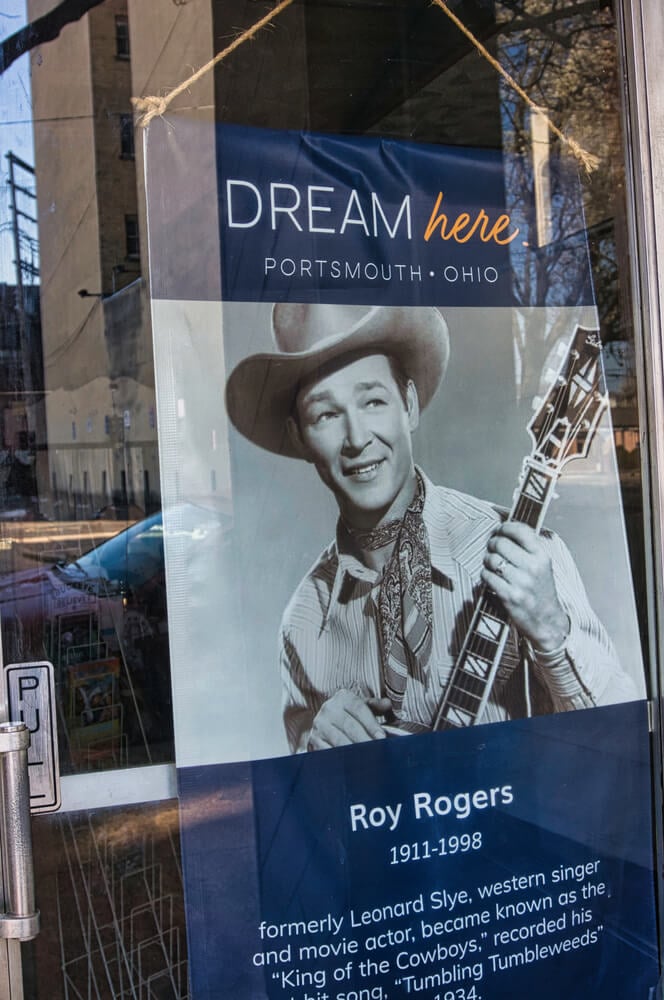
The Roy Rogers and Dale Evans lunch kit, produced through the 1950s, paired a steel box with a matching thermos decorated with the same ranch and horseback imagery. Multiple versions were released across the decade as the box’s artwork was periodically updated, giving collectors several distinct variants to track down.
As with most 1950s sets, the original thermos used a glass inner liner, and a cracked or missing liner substantially reduces value even if the exterior metal is in strong condition. Matching the correct thermos variant to the correct box year is a common challenge for collectors assembling a complete set.
Davy Crockett
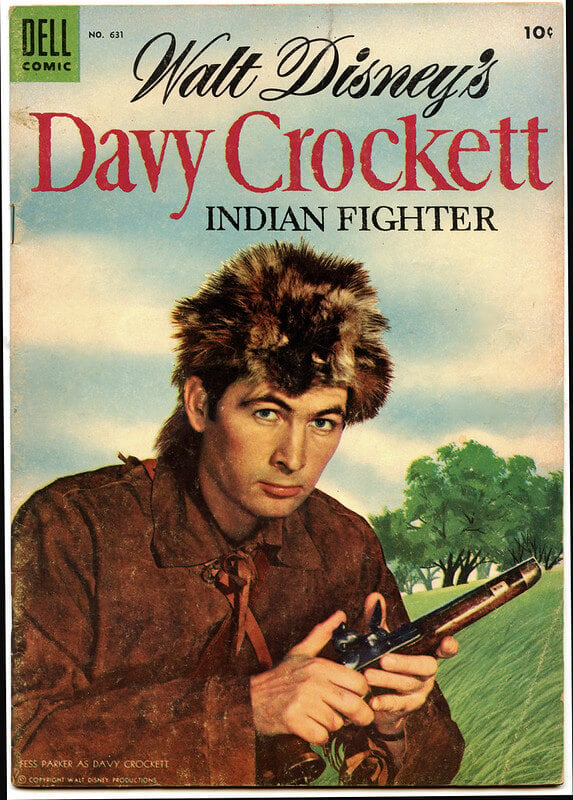
Released in 1955 to capitalize on the coonskin cap craze sparked by a popular television miniseries, the Davy Crockett lunch kit’s thermos featured frontier imagery matching the box’s rugged wilderness theme. It became one of the best-selling lunch kits of its decade.
Because it was produced in enormous quantities, complete sets are more findable today than some rarer contemporaries, though condition still varies widely depending on how the original owner treated it. Rust around the thermos cap is the most common condition issue collectors report.
The Lone Ranger
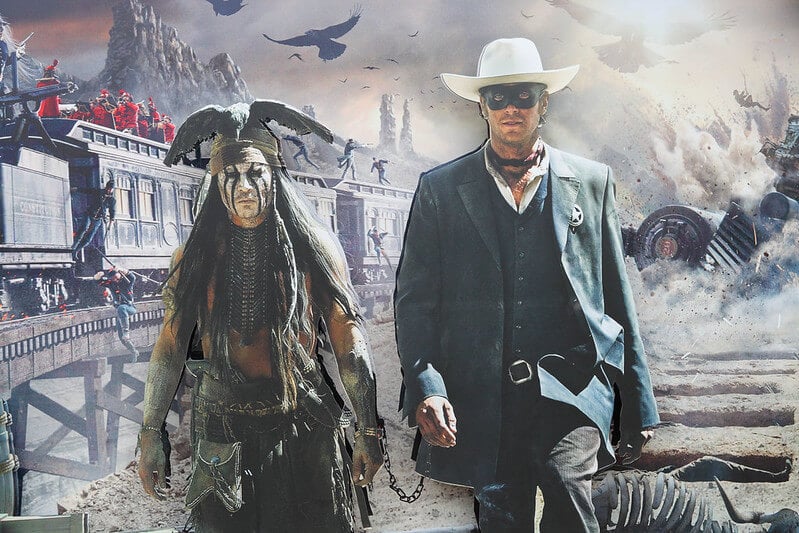
The Lone Ranger lunch kit, produced across multiple versions through the 1950s, paired a steel dome or flat-top box with a matching thermos decorated in the character’s mask-and-horseback silhouette. Later versions updated the artwork as the franchise moved between radio, television, and film adaptations, giving collectors several eras to distinguish between.
Dome-top boxes are generally considered more desirable by collectors than flat-top versions from the same era, since fewer survived intact. A thermos with its original stopper and cup present adds meaningfully to overall set value.
Superman

Superman lunch kits were produced across several decades starting in the 1950s, with the thermos design updated periodically to match whichever era’s comic book or television artwork was current. Earlier steel versions are considerably scarcer than the plastic-bodied versions produced from the 1970s onward.
Collectors specifically seek out sets where the thermos artwork clearly matches the box’s release year, since mismatched replacements are common in the secondary market. Condition of the printed metal surface, rather than just structural soundness, is the primary value driver for this set.
Batman
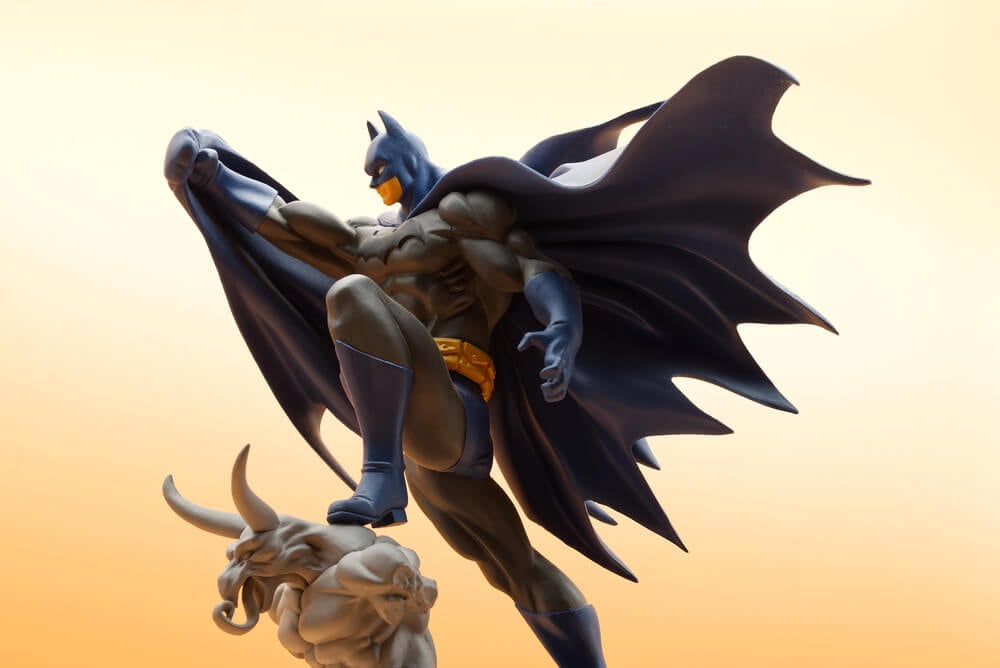
Batman lunch kits appeared in multiple eras beginning in the 1960s, each thermos matched to the specific television or film adaptation popular at the time of release. The 1966 television series version, produced during the show’s peak popularity, is particularly sought after due to its bright, campy artwork that has become a specific nostalgia touchstone for collectors of that decade.
As with most steel-era lunch kits, dents and rust around the thermos base are the most common condition issues. A complete, well-matched set from the 1966 era commands notably higher prices than later plastic-era versions.
Wonder Woman
The Wonder Woman lunch kit, produced during the character’s 1970s television popularity, paired a steel box with a thermos decorated in matching red, white, and blue artwork. It remains one of the more sought-after superhero-themed sets specifically because fewer female-led character lunch kits were produced during the era compared to male-led franchises.
Collectors note that the thermos cup, used as a drinking cap, is the piece most commonly missing from surviving sets. A complete example with all original components intact is considered notably scarcer than the box alone.
Star Trek
Star Trek lunch kits were produced in multiple versions tied to different eras of the franchise, with the original 1968 steel box and matching thermos considered the most desirable by collectors today. Later versions tied to the animated series and subsequent film releases used lighter materials and different artwork.
Because the franchise has such a dedicated collector base independent of general lunch box collecting, complete original-series sets in strong condition can command prices well above comparable non-franchise lunch kits from the same era.
Star Wars

Star Wars lunch kits proliferated through the late 1970s and 1980s, with a new box and matching thermos released alongside nearly every film in the original trilogy. The variety of available artwork, spanning different characters and scenes from each film, gives collectors an unusually wide range of specific sets to pursue.
Vinyl versions from this era, less durable than steel, are more prone to cracking and are considered harder to find in pristine condition than their metal predecessors. Matching an original thermos to its correct box year is a common focus for collectors building a complete franchise set.
Planet of the Apes

The Planet of the Apes lunch kit, released alongside the franchise’s television and film adaptations in the early 1970s, paired a steel box with a thermos decorated in the series’ distinctive imagery. It is considered scarcer than many contemporary character sets due to a more limited production run relative to bigger franchises of the era.
Collectors specifically focused on science-fiction lunch kits treat it as a notable entry alongside Star Trek. As with most steel-era thermoses, surface rust around the seams is the most frequently reported condition issue.
The Six Million Dollar Man
Produced during the show’s mid-1970s popularity, this lunch kit’s thermos matched the box’s action-oriented artwork of the show’s bionic protagonist. It was among the best-selling lunch kits of its specific release year, meaning complete sets are somewhat more available today than rarer contemporaries.
Collectors note that the plastic cup component, standard on thermoses from this era, is frequently missing or cracked on surviving examples. A set with the original cup intact is valued noticeably higher than one missing it.
Welcome Back Kotter
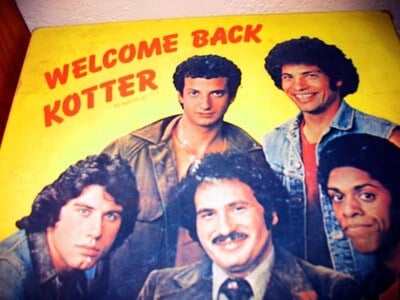
This lunch kit, tied to the popular 1970s sitcom, paired a steel box with a thermos featuring the show’s classroom cast artwork. It is considered a solid representative example of mid-1970s sitcom-themed lunch kits, a category generally less pursued by collectors than superhero or science-fiction sets but still actively traded.
Surviving complete examples are moderately available, with condition rather than scarcity being the primary price driver. Collectors specializing in 1970s television nostalgia seek this set out specifically for its cultural snapshot of the era.
The Dukes of Hazzard
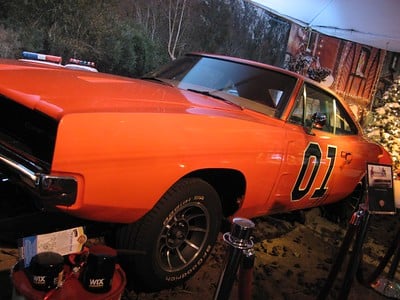
Released during the show’s early-1980s popularity, this lunch kit’s thermos featured the series’ signature orange car artwork matching the box. It was produced in large quantities during the show’s peak, making complete sets relatively accessible to new collectors compared to scarcer 1950s and 1960s examples.
Plastic-bodied versions from this era are prone to fading when exposed to sunlight over decades, and color vibrancy is a specific factor collectors check when assessing condition. A complete set with strong original color is valued well above a faded example.
Knight Rider
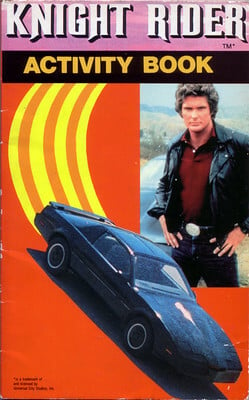
This lunch kit, tied to the mid-1980s television series about a crime-fighting car, paired a plastic box with a matching thermos decorated in the show’s signature black-and-red vehicle artwork. It represents the shift toward plastic construction that dominated lunch kit manufacturing by the 1980s, a material change collectors generally view as reducing overall durability compared to earlier steel boxes.
Cracked plastic seams are the most common condition issue reported for this specific set. Complete, uncracked examples are considered moderately scarce given the material’s fragility over time.
The A-Team
Produced during the show’s mid-1980s popularity, this lunch kit’s thermos matched the box’s action-team artwork featuring the show’s ensemble cast. Plastic construction, standard for the era, makes surviving examples prone to the same cracking and fading issues common across 1980s sets.
It remains a popular target for collectors focused specifically on 1980s action-adventure television nostalgia. Complete sets with the original cup and stopper intact are valued notably higher than incomplete examples.
G.I. Joe
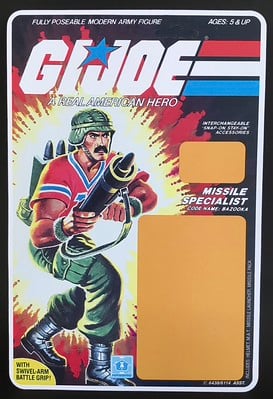
The G.I. Joe lunch kit, tied to the toy line and animated series, was produced in multiple versions through the 1980s, with thermos artwork updated periodically to match the evolving cast of characters. Because the toy line itself has an enormous independent collector base, G.I. Joe lunch kits are sometimes sought by toy collectors in addition to lunch box specialists.
Plastic components from this era are prone to yellowing with age, a condition factor collectors specifically inspect before purchase. Matching the thermos artwork era correctly to the box is a common focus for serious collectors of this set.
He-Man and the Masters of the Universe
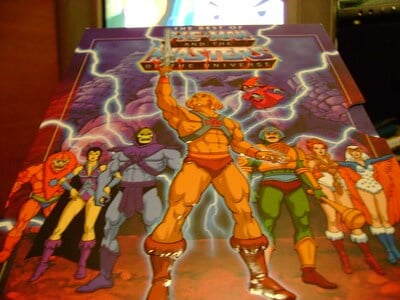
This lunch kit, produced during the toy line and cartoon’s mid-1980s peak, paired a plastic box with a matching thermos featuring the franchise’s fantasy warrior artwork. Its popularity at the time of release means complete sets are relatively available today compared to scarcer contemporaries.
As with other 1980s plastic sets, sun fading and hinge cracking are the primary condition concerns collectors watch for. A complete, vividly colored example remains a popular entry point for new lunch kit collectors.
ThunderCats
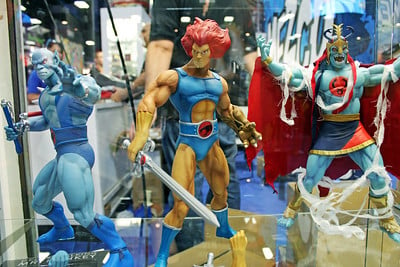
Produced alongside the mid-1980s animated series, this lunch kit’s thermos matched the box’s artwork of the franchise’s feline-humanoid characters. It represents a specific wave of animation-driven licensed lunch kits that dominated the category through the decade.
Plastic construction again makes condition, particularly cracking around the hinge and thermos cap, the primary value factor. Complete sets with vibrant original color are considered a solid entry point for collectors focused on 1980s animated franchises.
Transformers
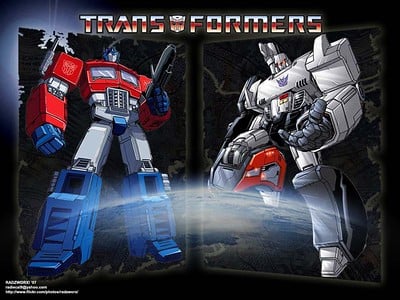
The Transformers lunch kit, tied to the toy line and animated series launched in the mid-1980s, paired a plastic box with a matching thermos featuring artwork of the franchise’s robot characters. Given the toy line’s enormous ongoing collector base, Transformers lunch kits are frequently sought by toy collectors as well as lunch box specialists.
Original 1980s plastic examples are prone to fading and cracking, making well-preserved complete sets meaningfully scarcer than the franchise’s continued modern popularity might suggest.
Rambo
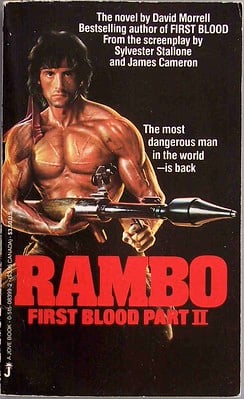
Released alongside the character’s mid-1980s film franchise, this lunch kit’s thermos matched the box’s action-oriented artwork. It is considered a notable entry among 1980s action-film lunch kits, a category generally smaller than the superhero or science-fiction categories from the same decade.
Plastic construction and standard condition issues apply, with cracked hinges being the most commonly reported problem. Complete examples in strong condition are moderately sought after by collectors specializing in 1980s film tie-in merchandise.
E.T. the Extra-Terrestrial
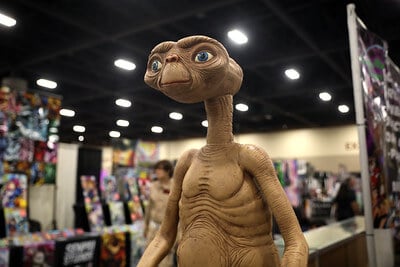
Released alongside the 1982 film’s enormous popularity, this lunch kit’s thermos matched the box’s artwork of the film’s title character. Its release coincided with one of the best-selling films of its decade, resulting in a large production run that makes complete sets relatively accessible to collectors today compared to scarcer contemporaries.
Plastic fading remains the primary condition concern collectors check before purchase. It remains a popular entry point for collectors interested in early-1980s film merchandise specifically.
Scooby-Doo
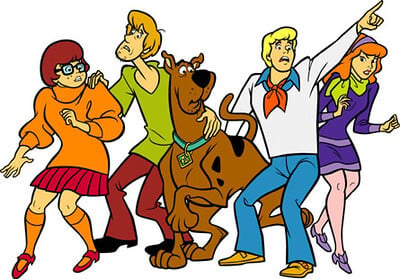
Scooby-Doo lunch kits were produced across multiple decades starting in the 1970s, with thermos artwork periodically updated to match different eras of the animated franchise. Earlier steel versions are considerably scarcer than later plastic editions produced from the 1980s onward.
Collectors specifically track down the correct thermos era to match a given box release, since the franchise’s long production run means mismatched pairings are relatively common in the secondary market.
The Flintstones
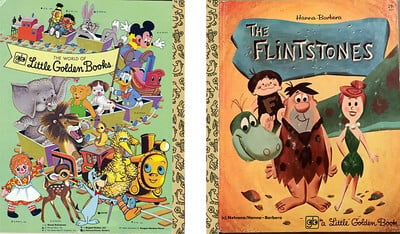
The Flintstones lunch kit, produced across several versions beginning in the 1960s, paired a steel or later plastic box with a matching thermos featuring the animated series’ prehistoric cast. Earlier steel-era examples are considered notably scarcer and more valuable than later plastic reissues.
As with most animation-tie-in sets from this period, surface condition of the printed artwork, rather than structural soundness alone, drives most of the collector interest and resale value.
The Jetsons
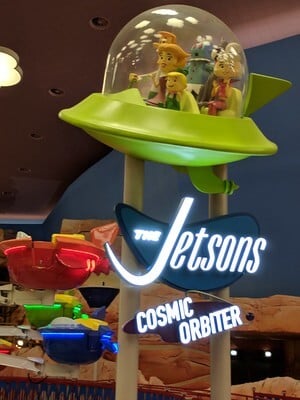
Produced alongside the animated series’ original run and later syndication popularity, this lunch kit’s thermos featured the show’s futuristic family artwork matching the box. Steel versions from the original 1960s release are considerably scarcer than plastic reissues produced during the franchise’s later syndication revival.
Collectors specifically focused on mid-century animation memorabilia treat well-preserved original steel sets as a notable find within the broader lunch kit collecting hobby.
Peanuts
Lunch kits featuring the Peanuts comic strip characters were produced across multiple decades starting in the 1960s, making this one of the longest continuously produced licensed lunch kit franchises. Thermos artwork was periodically refreshed to match different eras of the comic strip’s visual style, giving collectors numerous distinct variants to pursue.
Because the franchise remained continuously popular rather than tied to a single show’s run, dating a specific thermos to its correct release year sometimes requires close comparison of subtle artwork differences.
Yellow Submarine
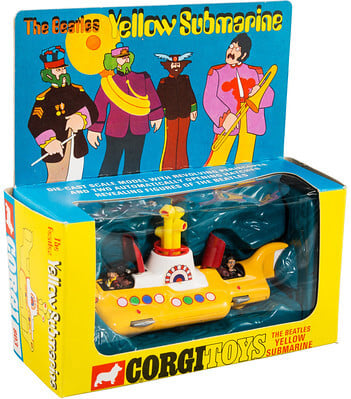
Tied to the 1968 animated film featuring the Beatles, this lunch kit’s thermos matched the box’s distinctive psychedelic artwork. Music-themed lunch kits from this era are considerably rarer than television or film character sets, since licensing music acts for children’s products was less common practice at the time.
Its crossover appeal to both lunch box collectors and Beatles memorabilia collectors tends to push prices for complete, well-preserved examples notably higher than comparable non-music sets from the same decade.
KISS

Released during the band’s late-1970s popularity, this lunch kit’s thermos matched the box’s artwork of the band members in full stage makeup. Music-themed lunch kits remain relatively uncommon within the broader category, and this set’s crossover appeal to both lunch box collectors and band memorabilia collectors keeps demand for complete examples strong.
Plastic construction from this era is prone to fading, and vibrant original color is a significant factor in collector assessment of condition.
The Rocketeer

Released alongside the 1991 film, this lunch kit’s thermos matched the box’s period-styled aviation artwork. Because the film itself was a modest box office performer rather than a major hit, related merchandise including this lunch kit was produced in smaller quantities than sets tied to bigger contemporary releases, making complete examples somewhat harder to find today.
Collectors focused specifically on early-1990s film merchandise seek this set out as a comparatively overlooked entry from the era.
Mickey Mouse Club
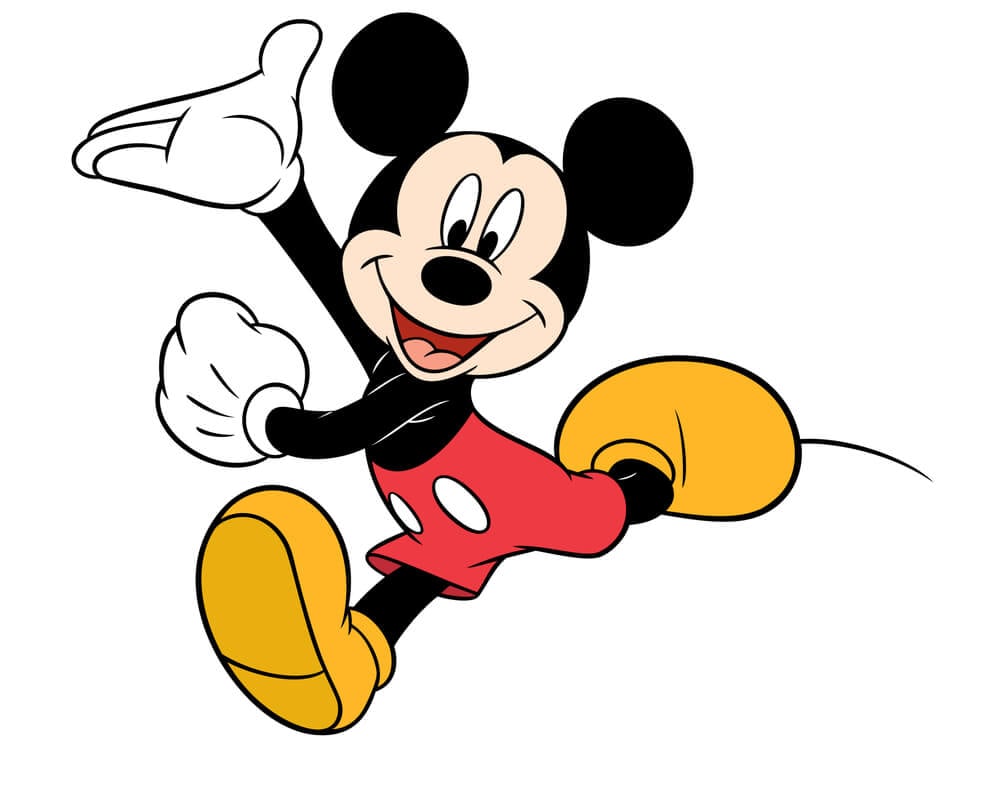
Tied to the original 1950s television program, this lunch kit’s thermos featured matching artwork of the show’s young cast and mouse-ear branding. As one of the earlier licensed character lunch kits produced, following closely behind Hopalong Cassidy, it used a glass-lined thermos typical of the period, making unbroken examples considerably scarcer than later plastic-lined versions.
Collectors of Disney memorabilia specifically seek this set out alongside general lunch box collectors, which tends to keep demand for complete examples strong.
Bonanza
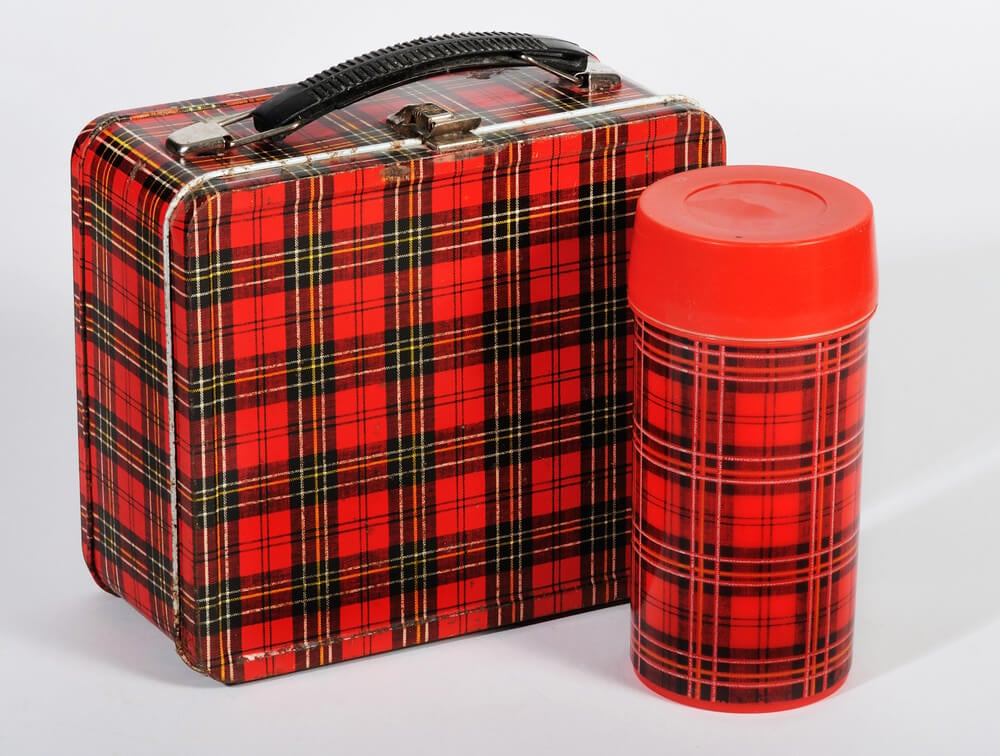
Produced during the Western television series’ long 1960s run, this lunch kit’s thermos matched the box’s ranch and family artwork. Western-themed lunch kits were extremely common through the 1950s and 1960s, reflecting the genre’s dominance on television at the time, giving collectors a wide field of similar sets to compare and pursue.
Steel construction from this era holds up reasonably well structurally, though surface rust around the seams remains the most frequently reported condition concern.
Gunsmoke
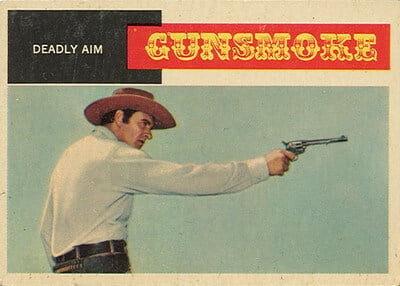
Tied to one of the longest-running Western series in television history, this lunch kit’s thermos matched the box’s frontier lawman artwork. Its long production run across the show’s multi-decade broadcast history means several distinct box and thermos variants exist, giving collectors a range of specific versions to pursue.
As with most Western-themed steel sets from the era, condition assessment focuses primarily on rust and paint wear around the thermos exterior.
Charlie’s Angels
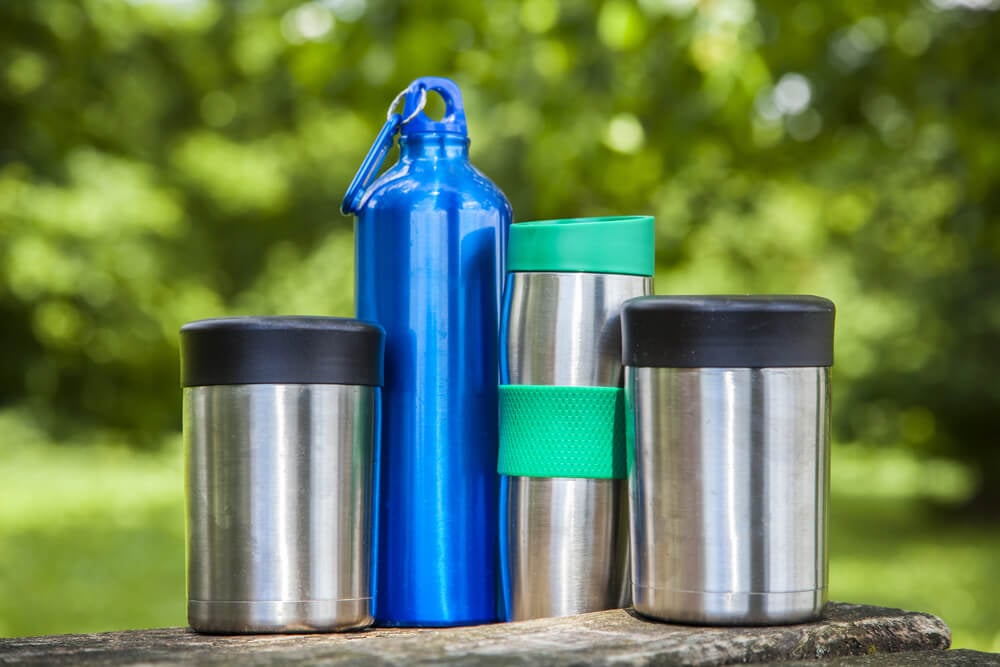
Released during the show’s late-1970s popularity, this lunch kit’s thermos matched the box’s artwork of the series’ three lead characters. It represents one of the relatively few female-led television franchises to receive a lunch kit during the decade, a detail that adds specific appeal for collectors focused on female-led properties within the broader hobby.
Plastic construction standard to the era means fading and hinge cracking are the primary condition factors collectors evaluate before purchase.
The Piece That Completes the Set
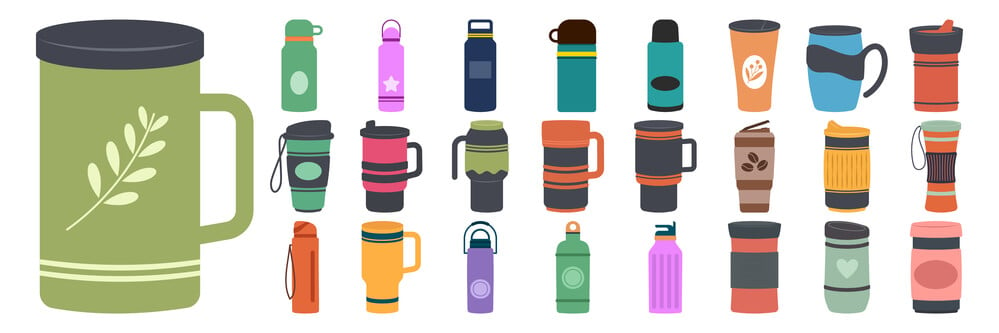
A lunch box alone tells a partial story. The thermos is what made the whole kit functional, and its survival, unbroken and correctly matched, is what separates a genuinely complete piece of childhood material culture from a decorative shell.
That is also why prices vary so widely for what looks, at a glance, like the same item. Two boxes from the same year can differ enormously in value depending entirely on whether the thermos beside them actually belongs there.
More from Go2Tutors!

- The Romanov Crown Jewels and Their Tragic Fate
- 13 Historical Mysteries That Science Still Can’t Solve
- Famous Hoaxes That Fooled the World for Years
- 15 Child Stars with Tragic Adult Lives
- 16 Famous Jewelry Pieces in History
Like Go2Tutors’s content? Follow us on MSN.



