80s Movies That Flopped but Became Classics
Some of the most memorable movies in movie history were released in the 1980s, but not all of them were immediate successes. Some of the most popular films of the decade actually failed at the box office and were only discovered years later by word-of-mouth, cable TV reruns, and VHS rentals.
When these movies first came out, they were deemed too strange, too gloomy, or simply misinterpreted, but time has a way of transforming commercial failures into iconic works of culture. Here is a list of 14 1980s movies that were box office busts but went on to become beloved classics.
Blade Runner
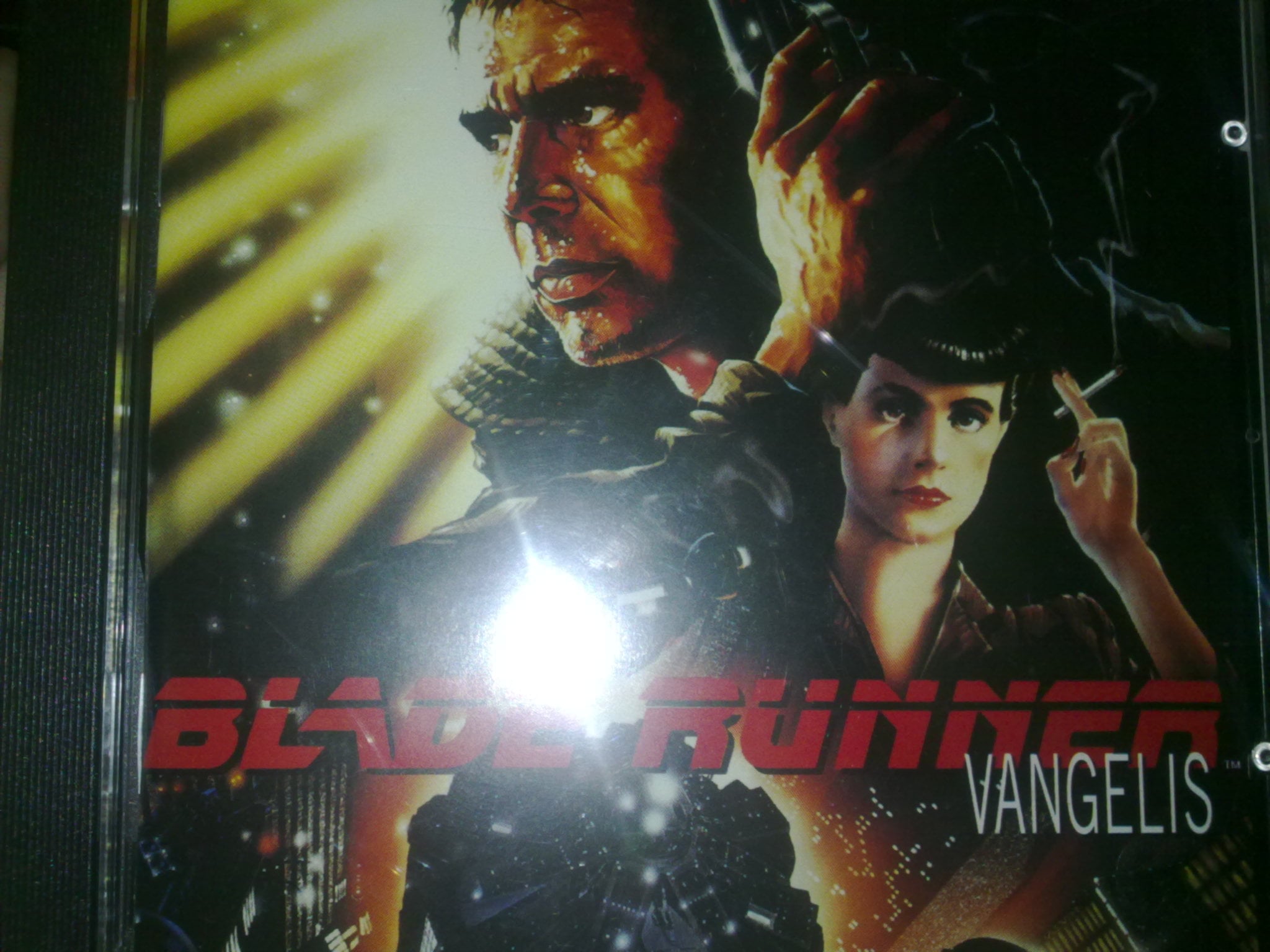
Ridley Scott’s adaptation of Philip K.’s Do Androids Dream of Electric Sheep? didn’t connect with 1982 audiences who were busy lining up for the friendlier E.T. the Extra-Terrestrial. The film cost around $30 million to make but only scraped together about $27 million domestically, making it a clear financial disappointment.
Critics found it too slow and philosophical, while audiences expecting an action-packed thriller left theaters confused by its ambiguous ending and heavy existential themes. Multiple cuts of the film, including the 1992 Director’s Cut and 2007 Final Cut, fueled its cult revival by allowing viewers to experience Scott’s true vision, and it’s now considered one of the greatest science fiction films ever made.
The Thing

John Carpenter’s paranoid masterpiece opened on June 25, 1982, just two weeks after E.T., and audiences simply weren’t in the mood for grotesque body horror when Spielberg’s lovable alien was stealing hearts. The film managed only about $19 million at the box office and was savaged by critics who found it too gory and lacking warmth.
The practical effects that are now celebrated as groundbreaking were initially dismissed as excessive. The 1998 DVD restoration prompted a major critical re-evaluation, and the film now appears on AFI’s horror lists as a genre-defining masterpiece, with home video allowing horror fans to discover its suffocating tension and masterful suspense at their own pace.
Labyrinth
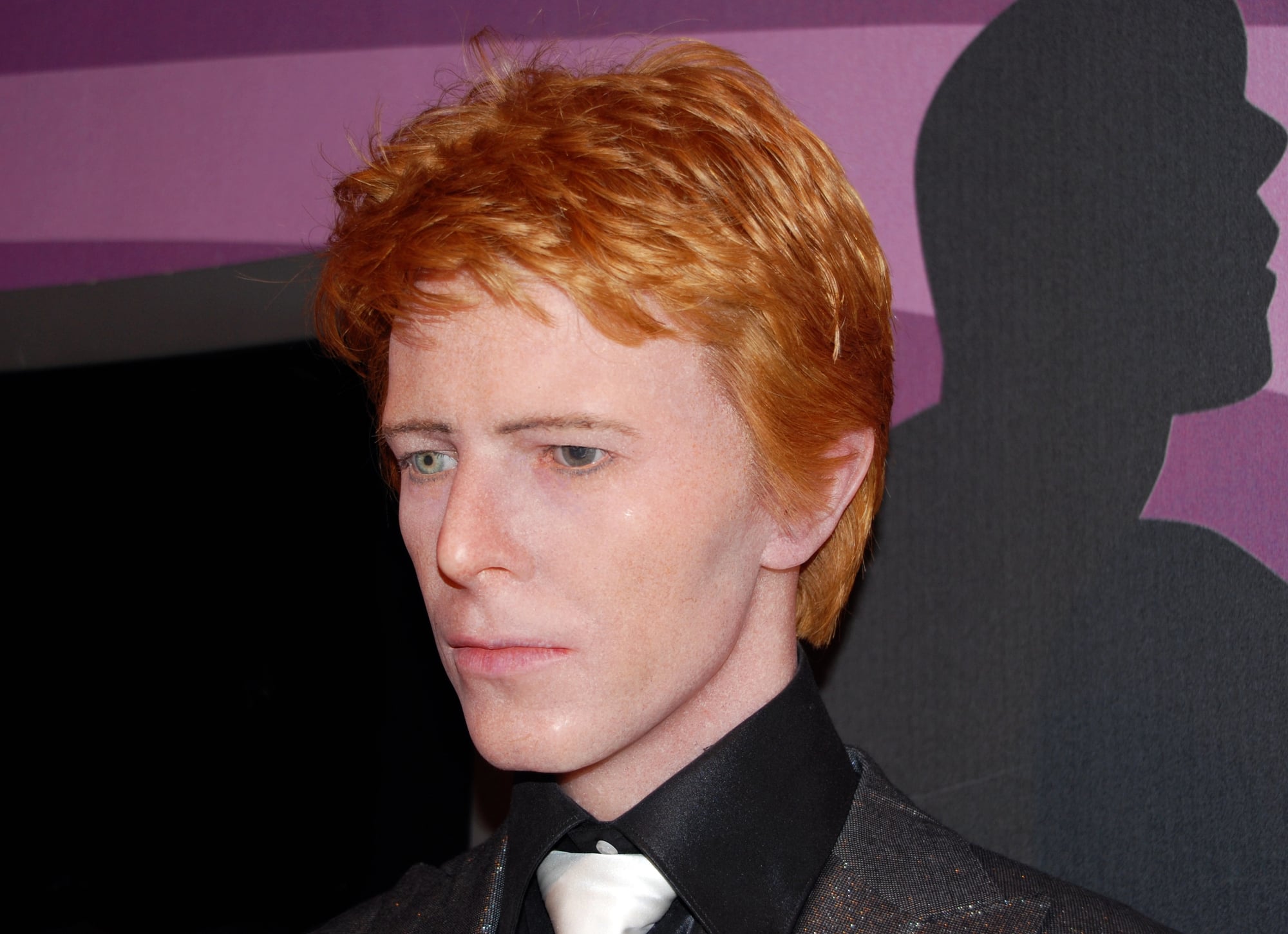
Despite starring David Bowie at peak glam and featuring Jim Henson’s incredible puppetry, this 1986 fantasy earned only about $13 million against a $25 million budget. Audiences didn’t know what to make of its dreamlike tone and surreal visuals, leading to a disappointing theatrical run.
Tragically, this would be Henson’s last feature film before his death in 1990, adding poignancy to its legacy. Thanks to home video, Labyrinth found a devoted following among fantasy fans who appreciated Jennifer Connelly’s performance and Bowie’s iconic Goblin King, transforming it from a commercial failure into a beloved cultural touchstone that still resonates with new generations.
Highlander

This film had everything going for it on paper: sword fights, immortal warriors, and Queen’s electrifying soundtrack featuring ‘Princes of the Universe.’ Yet it grossed only about $13 million worldwide, with critics finding the plot too convoluted and audiences uninterested in a centuries-spanning battle between immortals.
The film’s ambitious premise seemed to confuse more than captivate during its theatrical run. Home video success and Queen’s unforgettable music built its cult following, where viewers could appreciate its unique world-building and over-the-top performances, eventually spawning multiple sequels, a long-running TV series, and a fandom that refuses to let it die.
Big Trouble in Little China

John Carpenter’s action-comedy-fantasy hybrid was way ahead of its time, blending supernatural martial arts with Kurt Russell’s charmingly clueless truck driver character. The film earned only about $11 million domestically against a $25 million budget, caught between genres and unable to find its audience in theaters.
Marketing couldn’t figure out how to sell a movie that was equal parts kung fu movie, comedy, and supernatural adventure. Its influence on later action-fantasy hybrids like Mortal Kombat and Shang-Chi is undeniable, and home video allowed viewers to discover its endlessly quotable dialogue and Russell’s perfect comedic timing, cementing its status as one of the most fun cult classics of the decade.
Clue

A movie based on a board game seemed like a questionable idea in 1985, and the box office numbers proved it, with the film grossing just $14.6 million against its $15 million budget. The decision to release three different endings in different theaters confused audiences and became a target for critical scorn.
Despite an all-star cast including Tim Curry, Christopher Lloyd, and Madeline Kahn, the film disappeared from theaters quickly. The three endings were later combined for home release, which helped fuel its rediscovery as a generation discovered it during lazy afternoons and fell in love with its rapid-fire dialogue and screwball humor, making it a staple of midnight screenings decades later.
Brazil

Terry Gilliam’s dystopian masterpiece became legendary not just for its content but for the battle Gilliam fought with Universal Pictures over its release. The studio wanted a happy ending and shorter runtime, leading Gilliam to take out a full-page ad in Variety and screen the film privately in defiance.
When it finally reached theaters in limited release, it made about $9 million U.S. gross on a $15 million budget, nowhere near enough to recoup its costs. The Los Angeles Film Critics Association named it Best Picture of 1985, boosting its cult credentials and validating what devoted fans already knew: its Orwellian satire and darkly comic visuals made it one of the greatest dystopian films ever made.
The Adventures of Baron Munchausen
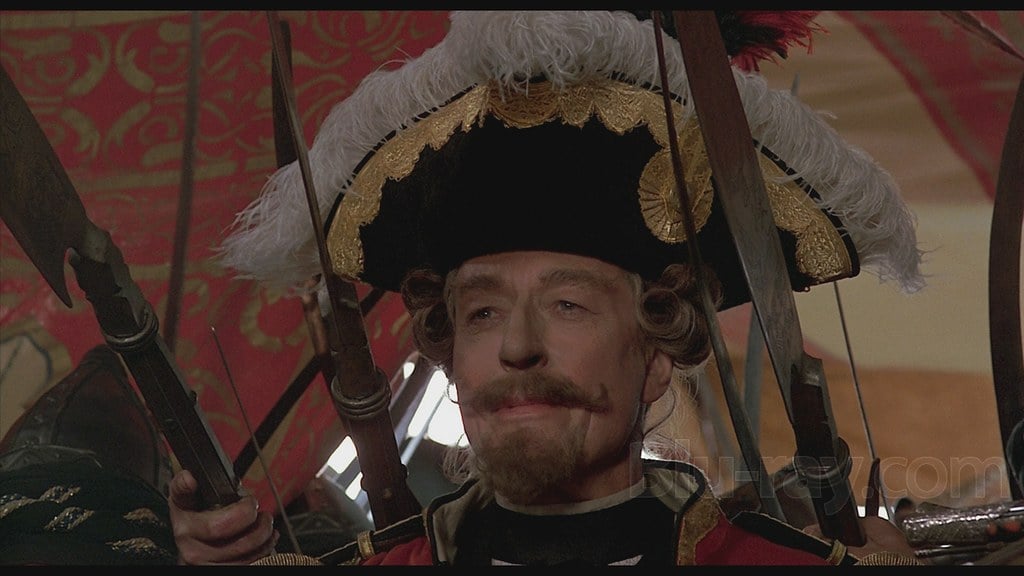
Terry Gilliam strikes again with this spectacular fantasy that lost Columbia Pictures a fortune after earning only $8 million domestically against a budget of about $46 million. Production was notoriously troubled, with the studio actively working against the film after a regime change left no one wanting to support it.
The film received a limited release that doomed it commercially despite featuring Robin Williams, Uma Thurman, and stunning visuals. Critics actually loved it, earning four Oscar nominations for visual effects, art direction, costume design, and makeup, and over time it found an audience that appreciated its lavish imagination and Gilliam’s uncompromising vision.
Dune

David Lynch’s adaptation of Frank Herbert’s beloved novel was supposed to be the next Star Wars, but instead it confused audiences and earned about $30 million against its $40 million budget. Universal cut Lynch’s vision down to 137 minutes from his longer version, and the film tried to cram an incredibly dense book into that runtime, resulting in a convoluted plot that required inner monologues and bizarre visuals.
Lynch himself disowned the film after studio interference. Later extended TV edits fueled its cult following, with fans appreciating its ambitious scope and unique aesthetic despite its flaws, paving the way for Denis Villeneuve’s successful modern adaptation.
Heathers

This pitch-black comedy about high school drama was never going to be an easy sell, and it wasn’t, grossing only about $1 million against a $3 million budget during its brief spring 1989 release. The film’s dark themes and satirical take on teenage life made it controversial and kept mainstream audiences away.
Critics appreciated what it was doing, but commercial success eluded it completely. The film won the 1990 Independent Spirit Award for Best First Feature, and VHS and cable TV introduced Heathers to a generation that got its biting humor and quotable dialogue, turning Winona Ryder and Christian Slater into cult icons and inspiring both a Broadway musical and a TV adaptation decades later.
The Adventures of Buckaroo Banzai Across the 8th Dimension

If ever a movie title screamed ‘cult classic waiting to happen,’ this is it. The film about a physicist-neurosurgeon-rock star battling interdimensional aliens made only $6 million against a $17 million budget when it opened in 1984.
MGM’s marketing collapse doomed it from the start, and audiences had no idea what to make of its bizarre genre-hopping between sci-fi, comedy, action, and martial arts. The end-credits tease for ‘Buckaroo Banzai Against the World Crime League’ never materialized, leaving fans forever wondering what could have been. Home video and midnight screenings allowed fans to discover its deadpan humor and Peter Weller’s impossibly cool performance, with Entertainment Weekly eventually ranking it among the top 50 cult films of all time.
Repo Man

Alex Cox’s punk rock sci-fi odyssey earned about $4 million on a $1.5 million budget, which sounds respectable until you realize it still disappointed studio expectations in 1984. The film’s mix of absurd humor, anti-establishment themes, and UFO-related weirdness was too bizarre for mainstream audiences.
Its satirical edge and punk aesthetic didn’t play well in multiplexes designed for crowd-pleasers. The soundtrack featuring Iggy Pop, Black Flag, and Suicidal Tendencies became as iconic as the film itself, and as the punk movement grew in cultural influence, Repo Man found its people, becoming beloved for its rebellious energy and strange brilliance that kept it alive through passionate underground following.
Tron
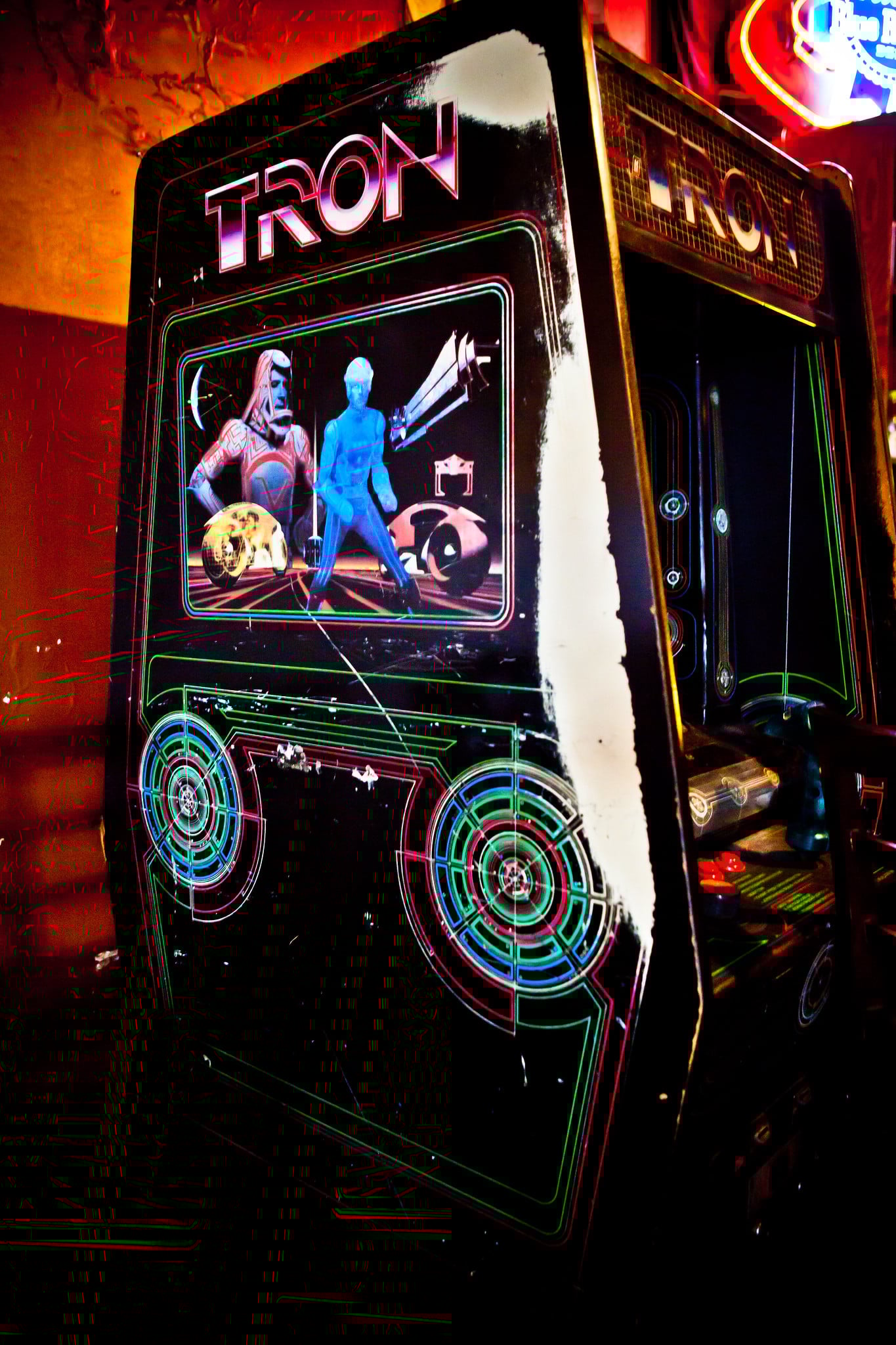
This groundbreaking film’s computer-generated effects were simply too ahead of their time for 1982 audiences to fully appreciate. Despite earning about $33 million worldwide on a $17 million budget, it fell below Disney’s hopes and was considered a disappointment.
The film’s neon-lit world and video game concept seemed strange rather than visionary to contemporaries, though it did receive an Oscar nomination for Best Visual Effects. As video games became a dominant force in pop culture and digital effects became the norm, Tron’s influence became undeniable, with Disney’s 2010 sequel reviving the franchise and cementing its status as one of the most influential sci-fi films ever made.
This Is Spinal Tap
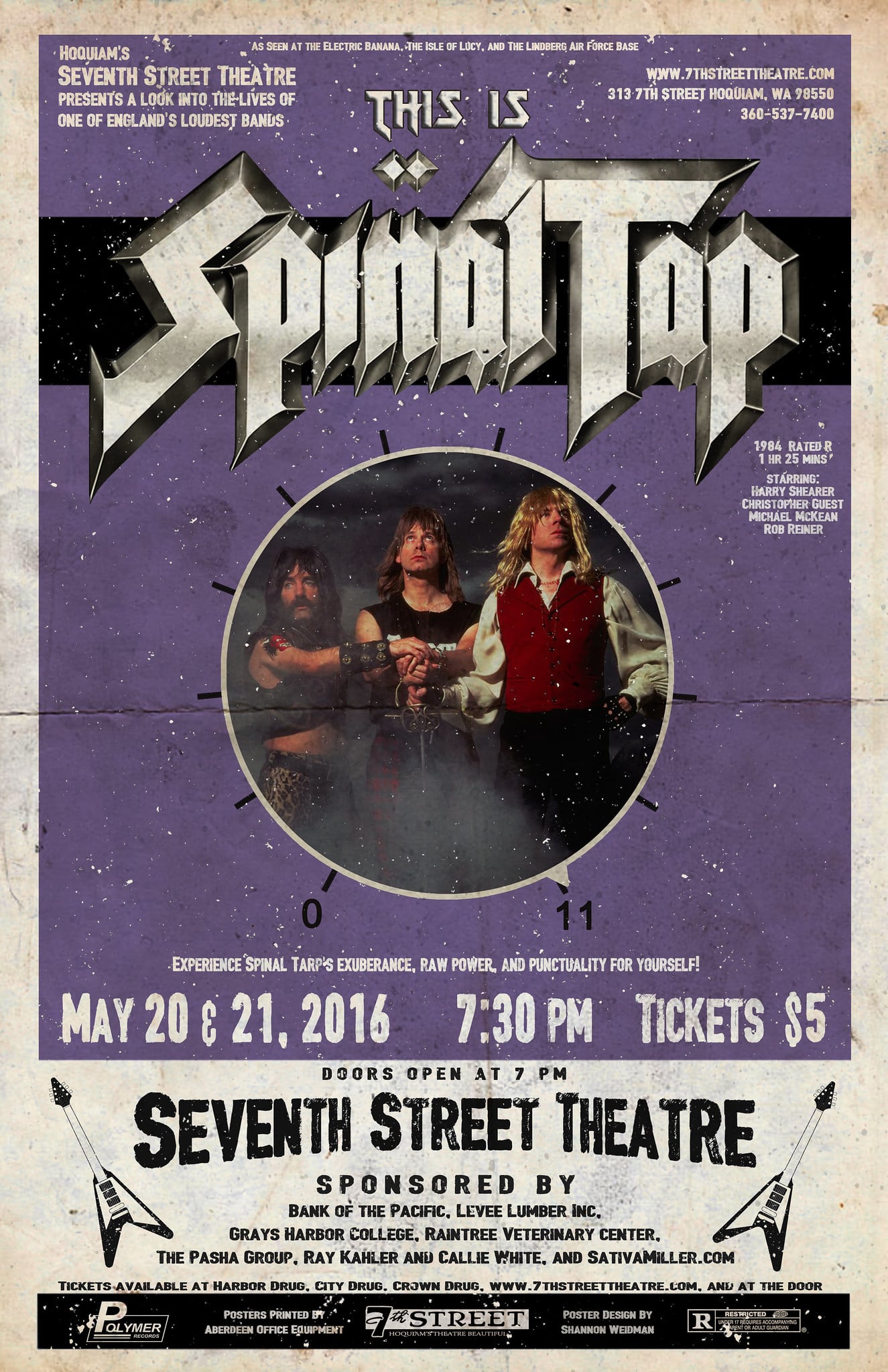
The mockumentary format wasn’t widely understood or appreciated in 1984, which explains why this comedy about a fictional rock band grossed only about $4.7 million against its $2.5 million budget. Audiences didn’t quite know how to take the film’s deadpan approach to absurdity, and theaters weren’t sure how to market it.
Many viewers initially thought they were watching a real documentary, adding to the confusion. VHS sales transformed everything, making it one of the first cult hits on home video, and the Library of Congress selected it for the National Film Registry in 2002, cementing its place as one of the funniest films ever made.
From Theaters to Timeless

These movies demonstrate that box office receipts don’t always reflect the whole picture. For many fans, the films that defined the 1980s were what appeared to be failures, outlasting innumerable larger hits that have since been forgotten.
These underappreciated gems had a second chance to find their audience thanks to home video technology, and that audience proved to be far more devoted and passionate than any opening weekend crowd. Hollywood learned a valuable lesson from the 1980s: sometimes the most unsuccessful films have the greatest impact.
More from Go2Tutors!

- The Romanov Crown Jewels and Their Tragic Fate
- 13 Historical Mysteries That Science Still Can’t Solve
- Famous Hoaxes That Fooled the World for Years
- 15 Child Stars with Tragic Adult Lives
- 16 Famous Jewelry Pieces in History
Like Go2Tutors’s content? Follow us on MSN.



