Famous Authors Who Used A Pen Name
Writers have been hiding behind pseudonyms for centuries, and the reasons are as varied as the authors themselves. Some wanted to dodge family embarrassment, others hoped to outsmart gender bias in publishing, and a few just thought their birth names sounded boring.
Whatever the motivation, these fictional identities often became more famous than the real people behind them. Here is a list of famous authors who traded their given names for something catchier, more mysterious, or simply more marketable.
Mark Twain

Samuel Langhorne Clemens grabbed his pen name from his days as a riverboat pilot on the Mississippi. The term ‘mark twain’ was a measurement call meaning the water was two fathoms deep, which was safe for navigation.
He first used this pseudonym for his humorous travel writing in the 1860s, and it stuck so well that most people forget Samuel Clemens ever existed.
George Orwell

Eric Arthur Blair chose the name George Orwell to protect his family from potential embarrassment when he wrote about living as a tramp in England. The name itself was deliberately British and respectable sounding, with Orwell being a river in England.
This middle-class respectability helped his work reach a wider audience, though it meant hiding his privileged background while writing about poverty and social issues.
Dr. Seuss

Theodor Seuss Geisel adopted his middle name as a pen name after getting caught drinking gin in his dorm room at Dartmouth in 1925. He lost his editorial position at the college humor magazine but kept contributing drawings under various pseudonyms, including ‘Seuss.’
He added the ‘Dr.’ later because his father always wanted him to pursue medicine, though Geisel never actually earned a doctorate.
George Eliot

Mary Ann Evans created one of the most famous pen names in literary history because female authors weren’t taken seriously in the Victorian era. Publishers and critics dismissed women’s writing as lightweight romance, so she borrowed a masculine name to ensure her novels would be judged on merit.
The gamble paid off spectacularly, and George Eliot became one of the most respected novelists of the 19th century.
Lewis Carroll

Charles Lutwidge Dodgson went through an elaborate process to create his pen name. He translated his first two names into Latin (Carolus Ludovicus), then Anglicized them back into English and reversed the order to get Lewis Carroll.
The Oxford scholar used this pseudonym to keep his academic life separate from his literary career, even refusing letters addressed to Lewis Carroll at his university office.
George Sand

Amantine Lucile Aurore Dupin first collaborated with writer Jules Sandeau, signing their work ‘Jules Sand.’ When she struck out on her own, she kept ‘Sand’ and added ‘George’ to create a deliberately ambiguous pseudonym.
By age 27, she was Europe’s most popular writer, outselling Victor Hugo and Honoré de Balzac in England during the 1830s and 1840s.
Stephen King

Richard Bachman was born out of necessity when publishers believed readers would only buy one book per year from an author. King wanted to release more novels, so he invented this pseudonym using a combination of a Richard Stark book on his desk and a Bachman-Turner Overdrive song playing in the background.
A clever bookstore clerk eventually connected the dots and exposed the secret after noticing the writing styles were suspiciously similar.
J.K. Rowling
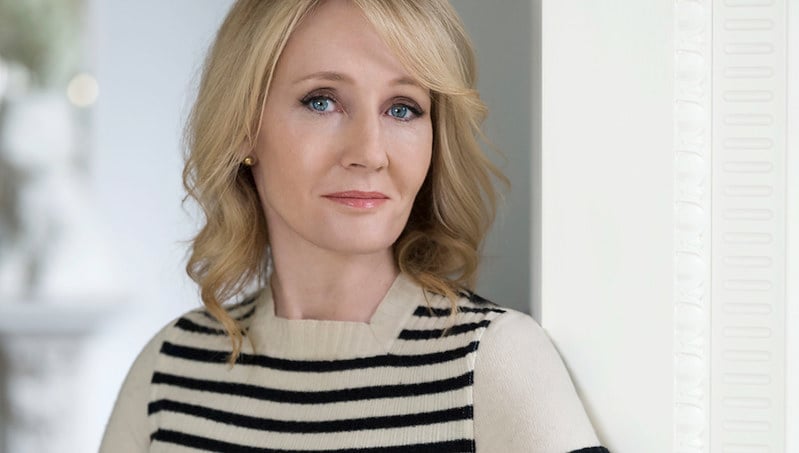
Joanne Rowling never had a middle name, so she borrowed the ‘K’ from her grandmother Kathleen when publishers worried boys wouldn’t read books by a female author. Later, she adopted the pen name Robert Galbraith for her crime novels, wanting to write without the enormous pressure and expectations attached to the Harry Potter creator.
The pseudonym lasted until a lawyer’s wife leaked the secret on Twitter.
Pablo Neruda

Ricardo Eliécer Neftalí Reyes Basoalto adopted his pen name at age 16 because his father opposed his writing career. He likely borrowed the surname from Czech poet Jan Neruda, though some claim it came from Moravian violinist Wilma Neruda.
The pseudonym worked so well that he legally changed his name to Pablo Neruda in 1946, decades before winning the Nobel Prize in Literature.
Toni Morrison

Chloe Ardelia Wofford became Toni Morrison through a series of changes over her lifetime. She started using ‘Toni’ as a shortened version of her middle name Anthony, which she took during Catholic confirmation.
After marrying Harold Morrison, she combined her nickname with her married name for her literary career, feeling that Chloe Wofford sounded ‘like a teenager.’
O. Henry

William Sydney Porter needed to hide his identity because he was writing from prison after being convicted of embezzlement. The origin of ‘O. Henry’ remains disputed, with theories ranging from a prison guard named Orrin Henry to a French pharmacist’s name in a medical reference book.
Porter kept his criminal past secret even after becoming America’s most beloved short story writer, and many friends never knew about his three years behind bars.
Lemony Snicket
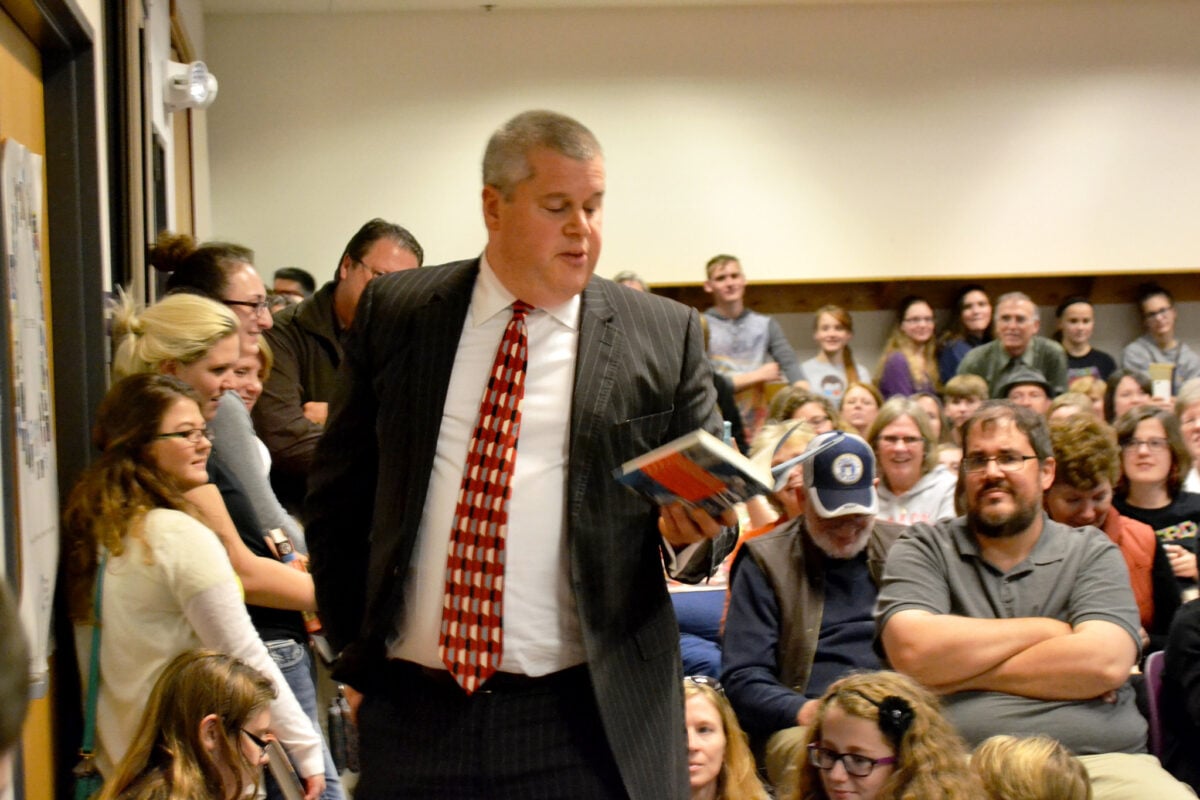
Daniel Handler first created this delightfully gloomy pseudonym when researching his first novel and needed to contact right-wing organizations without revealing his real identity. The name took on a life of its own when Handler made Lemony Snicket both the author and narrator of ‘A Series of Unfortunate Events.’
During public appearances, Handler introduces himself as Snicket’s representative, explaining that the real author couldn’t attend due to some unforeseen disaster.
Stan Lee

Stanley Martin Lieber used ‘Stan Lee’ because he was saving his real name for serious literary work he planned to write someday. The comic book industry was just a temporary gig for the young writer who dreamed of penning the Great American Novel.
When it became clear that superheroes were his destiny, he legally changed his name to Stan Lee and became the most famous comic book writer in history.
bell hooks

Gloria Jean Watkins chose her great-grandmother’s name as her pen name and deliberately kept it lowercase. This unconventional styling was intentional, meant to shift focus away from herself and onto her message about race, gender, and class.
The lowercase letters became a signature part of her brand as a feminist scholar and cultural critic.
Agatha Christie
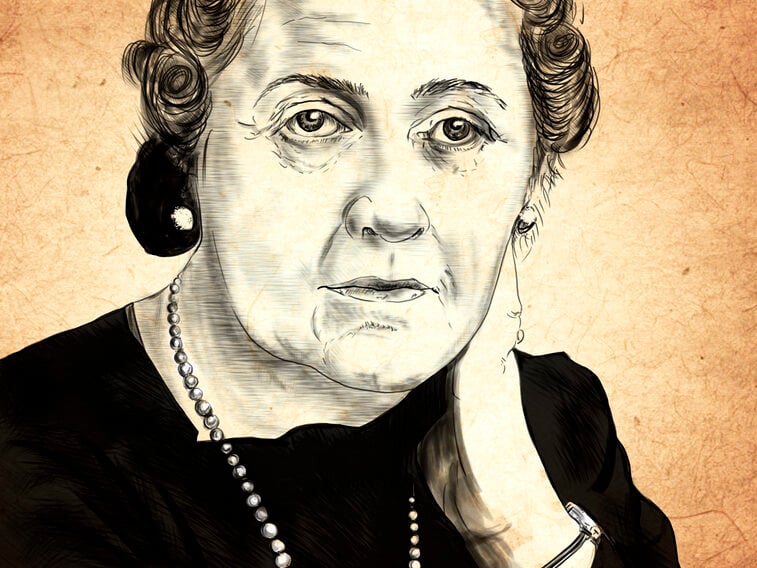
The Queen of Crime wrote six romance novels under the name Mary Westmacott, keeping this secret for 20 years. Christie wanted the freedom to explore different themes without the weight of her detective novel reputation.
The pseudonym let her write about human psychology and relationships without readers expecting Hercule Poirot to show up and solve a murder.
Anne Rice
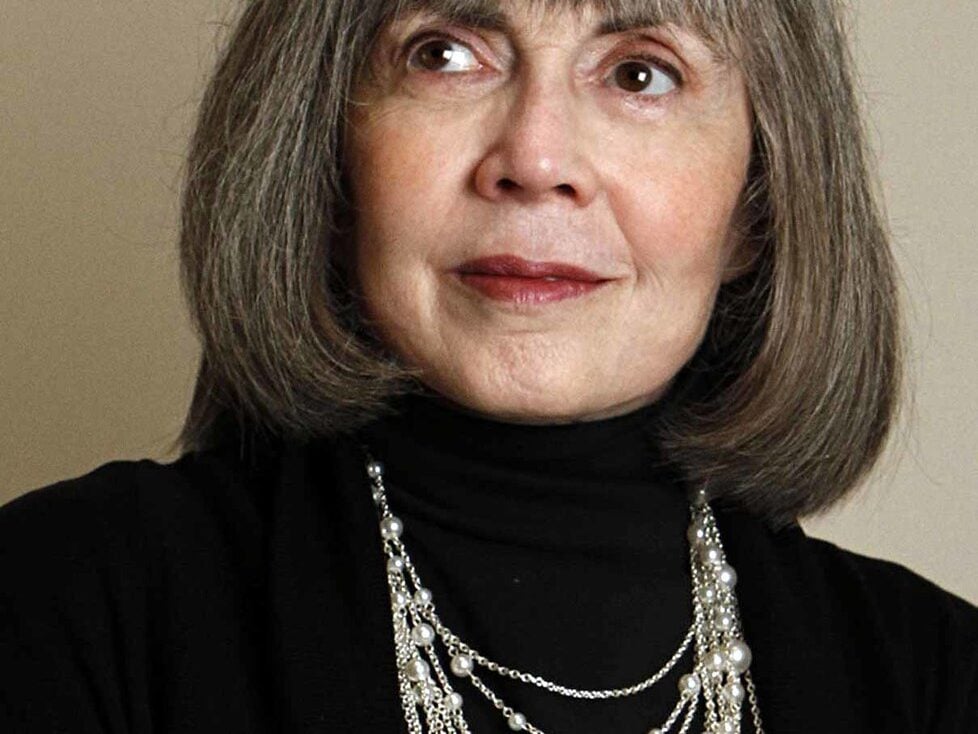
Born Howard Allen Frances O’Brien after her father, young Howard changed her own name to Anne on her first day of school to avoid bullying. After marrying Stan Rice, she used her married name for most of her vampire chronicles.
She later adopted pen names like Anne Rampling and A.N. Roquelaure for her adult fiction, keeping these spicier works separate from her mainstream novels.
When Names Become Legacy

These authors prove that what you call yourself matters less than what you write. Their pseudonyms became so iconic that we rarely remember their birth names, and in some cases, they legally adopted their pen names because the fictional identity felt more real.
The tradition continues today as new writers craft alternate identities for fresh starts, genre switches, or simply because their real names don’t capture the imagination. Whether hiding from critics, escaping family judgment, or just wanting something that looks better on a book cover, these authors show that reinvention is part of the creative process.
More from Go2Tutors!

- The Romanov Crown Jewels and Their Tragic Fate
- 13 Historical Mysteries That Science Still Can’t Solve
- Famous Hoaxes That Fooled the World for Years
- 15 Child Stars with Tragic Adult Lives
- 16 Famous Jewelry Pieces in History
Like Go2Tutors’s content? Follow us on MSN.