9 Natural Disasters That Created New Islands
Mother Nature has always been an unpredictable architect. While natural disasters typically destroy landscapes and communities, they occasionally perform the opposite trick—creating entirely new pieces of land where none existed before. These geological events, though often catastrophic for nearby populations, demonstrate the planet’s incredible power to reshape itself in dramatic ways.
From volcanic eruptions that build mountains from the ocean floor to earthquakes that thrust seafloor above the waves, the Earth continues to surprise us with its creative destruction. Here are 9 natural disasters that actually created new islands, proving that sometimes devastation leads to something entirely unexpected.
Surtsey Island, Iceland
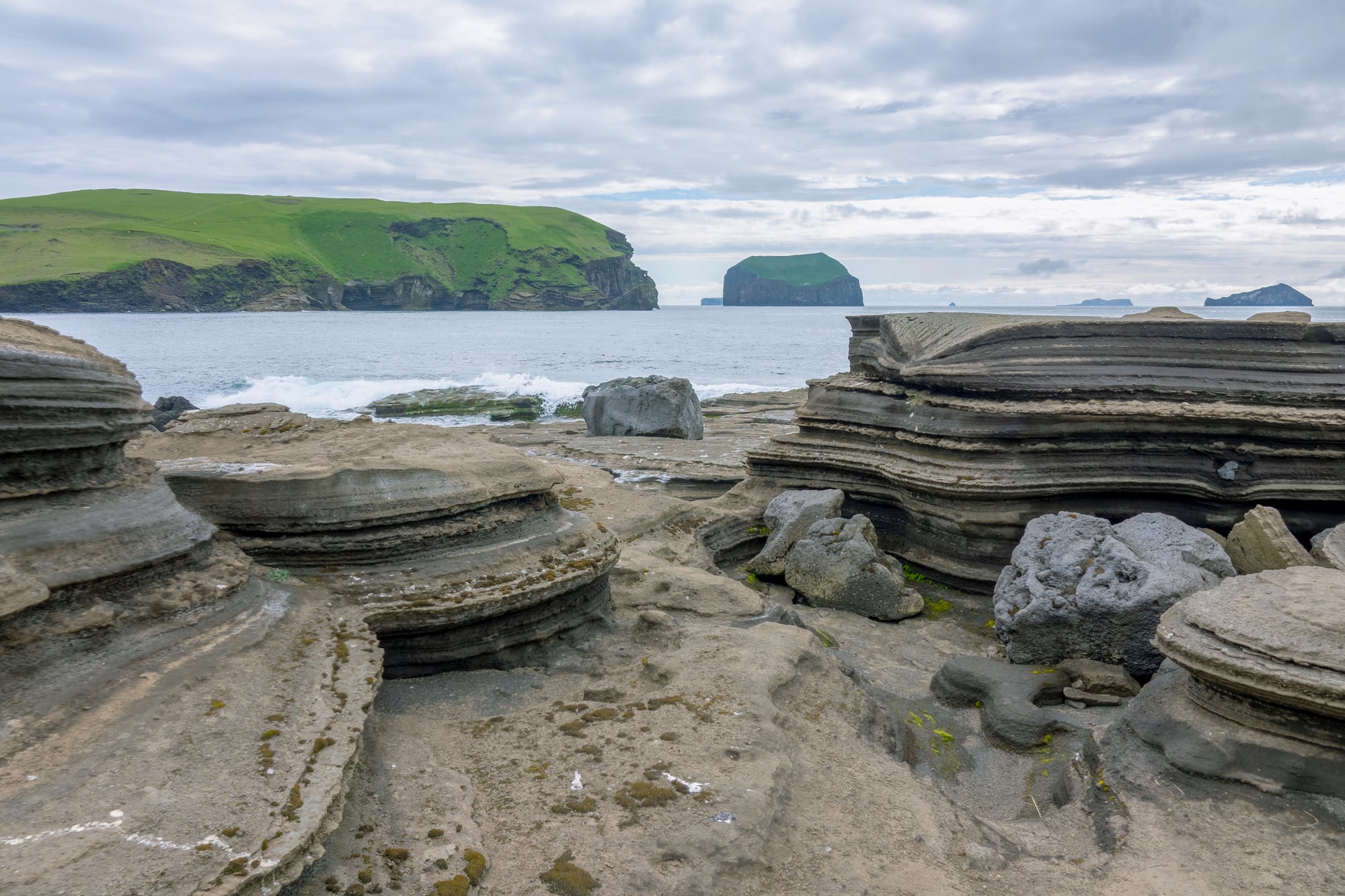
In 1963, fishermen off Iceland’s coast witnessed something extraordinary—a volcanic eruption creating a brand new island from scratch. The underwater volcano had been building for months before breaking the surface, spewing lava and ash that would eventually form Surtsey Island.
The eruption continued for nearly four years, creating a landmass that’s about 1.2 square miles today. Scientists immediately recognized this as a unique opportunity to study how life colonizes virgin territory, making Surtsey a UNESCO World Heritage site and a living laboratory.
Krakatoa’s Anak Krakatau
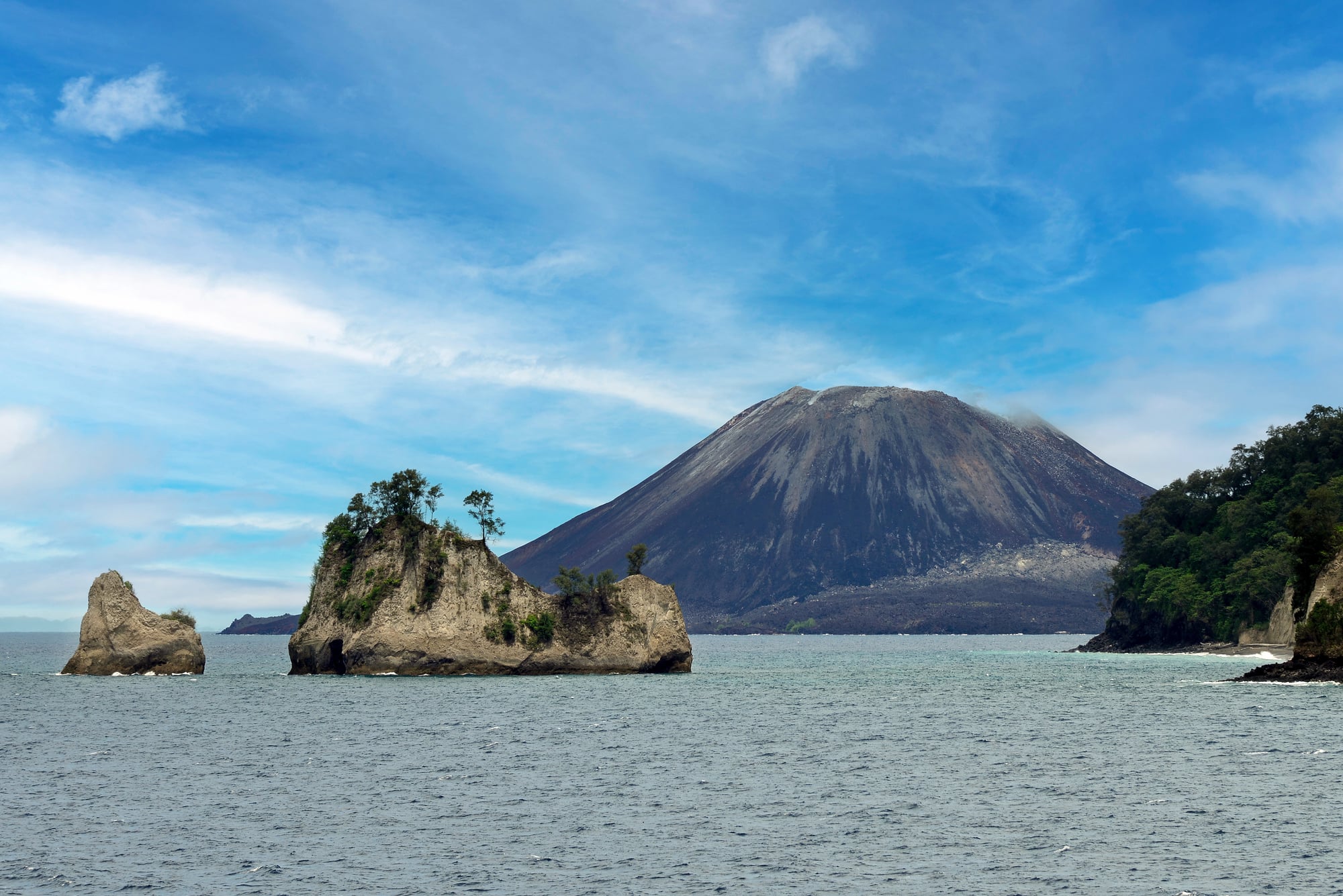
The devastating 1883 eruption of Krakatoa killed over 36,000 people and was heard 3,000 miles away. Yet from this destruction emerged something remarkable—a new volcanic cone began growing in the same location.
Anak Krakatau, meaning ‘Child of Krakatoa,’ started appearing above water in 1927 and has been steadily growing ever since. The island now rises about 1,000 feet above sea level, though it remains highly active and occasionally loses height during major eruptions.
Like Go2Tutors’s content? Follow us on MSN.
Nishinoshima, Japan

In 2013, Japanese researchers watched in amazement as a volcanic eruption near the Ogasawara Islands created entirely new land. The underwater volcano had been dormant for decades before suddenly roaring to life, building an island that eventually merged with nearby Nishinoshima.
The eruption continued for several years, expanding the original island’s size by more than 10 times. Satellite images captured the dramatic growth process, showing how quickly volcanic islands can form under the right conditions.
The 1815 Tambora Aftermath

Mount Tambora’s catastrophic 1815 eruption caused the ‘Year Without a Summer’ globally, yet it also created several small islands in the Flores Sea. The massive explosion ejected so much material that new volcanic cones formed both on land and underwater—some breaking the surface to become permanent islands.
While most of these formations were small, they demonstrated how even the most destructive volcanic events can simultaneously create new geography. The eruption remains one of the most powerful in recorded history.
Graham Island’s Brief Existence

In 1831, a submarine volcano near Sicily created Graham Island, which rose about 200 feet above the Mediterranean Sea. The island sparked an international incident as Britain, France, Spain, and the Kingdom of Two Sicilies all claimed sovereignty over the new territory.
However, wave erosion gradually wore the island away—it disappeared beneath the waves within a few months. The volcano has erupted several times since, occasionally creating temporary islands that quickly erode back into the sea.
Like Go2Tutors’s content? Follow us on MSN.
Hunga Tonga-Hunga Ha’apai

The 2022 eruption of Hunga Tonga-Hunga Ha’apai created one of the most powerful volcanic explosions in modern times. While the blast was devastating for Tonga, it also dramatically reshaped the existing islands and created new land bridges between previously separate islets.
The eruption was so powerful that it sent shockwaves around the globe multiple times—yet satellite images revealed substantial new land formation. The island’s size increased significantly, though ongoing erosion continues to modify its shape.
Capelinhos, Faial Island
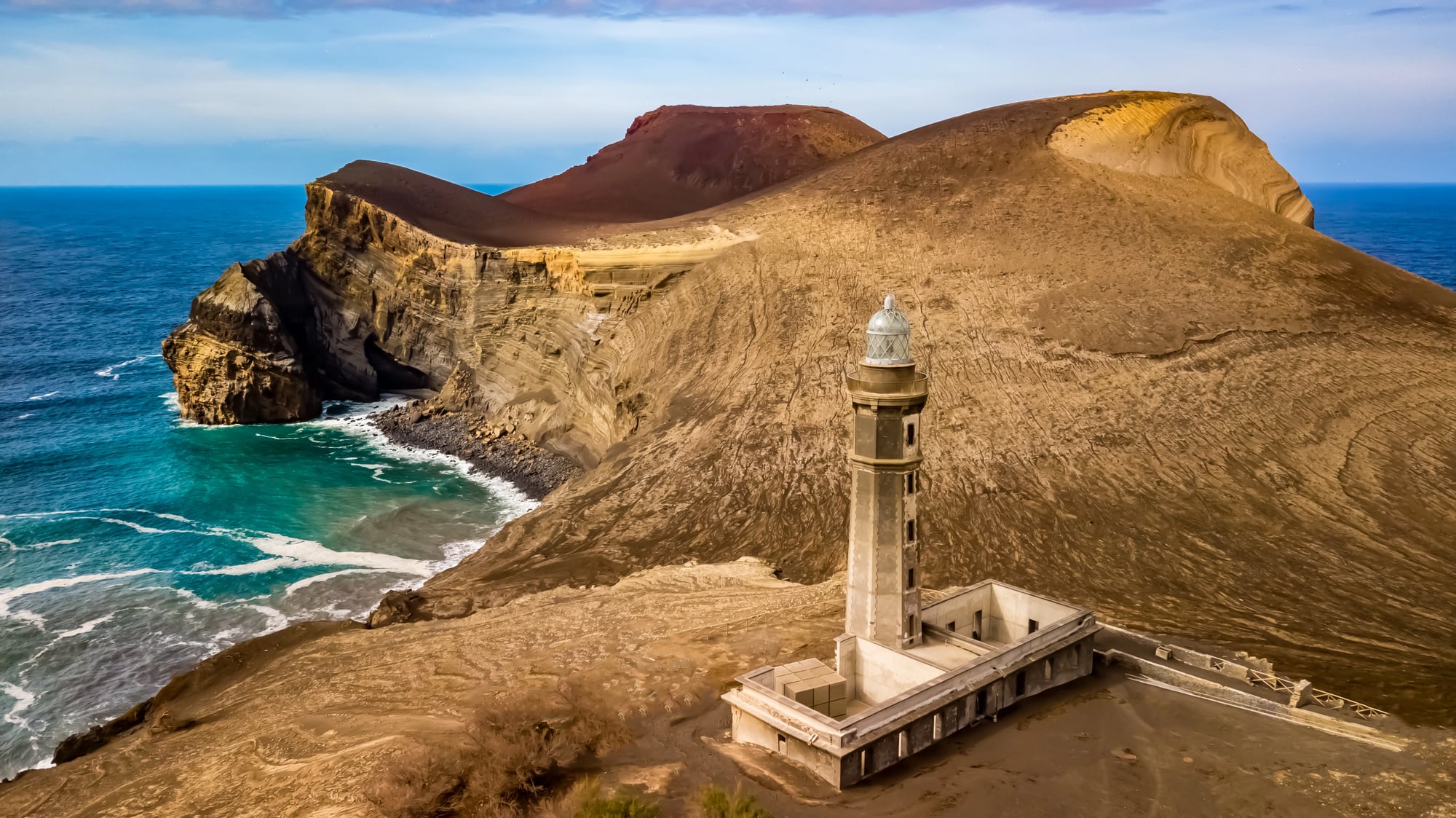
The 1957 eruption at Capelinhos in the Azores initially created a separate volcanic island connected to Faial by a narrow land bridge. The eruption lasted over a year, continuously adding material that eventually fused the new land permanently with the existing island—expanding Faial’s territory by several square miles.
The event was thoroughly documented, providing scientists with detailed records of how volcanic islands grow. The lighthouse that once stood on Faial’s coast now sits well inland, buried up to its windows in volcanic ash.
The 2011 Tohoku Earthquake Islands
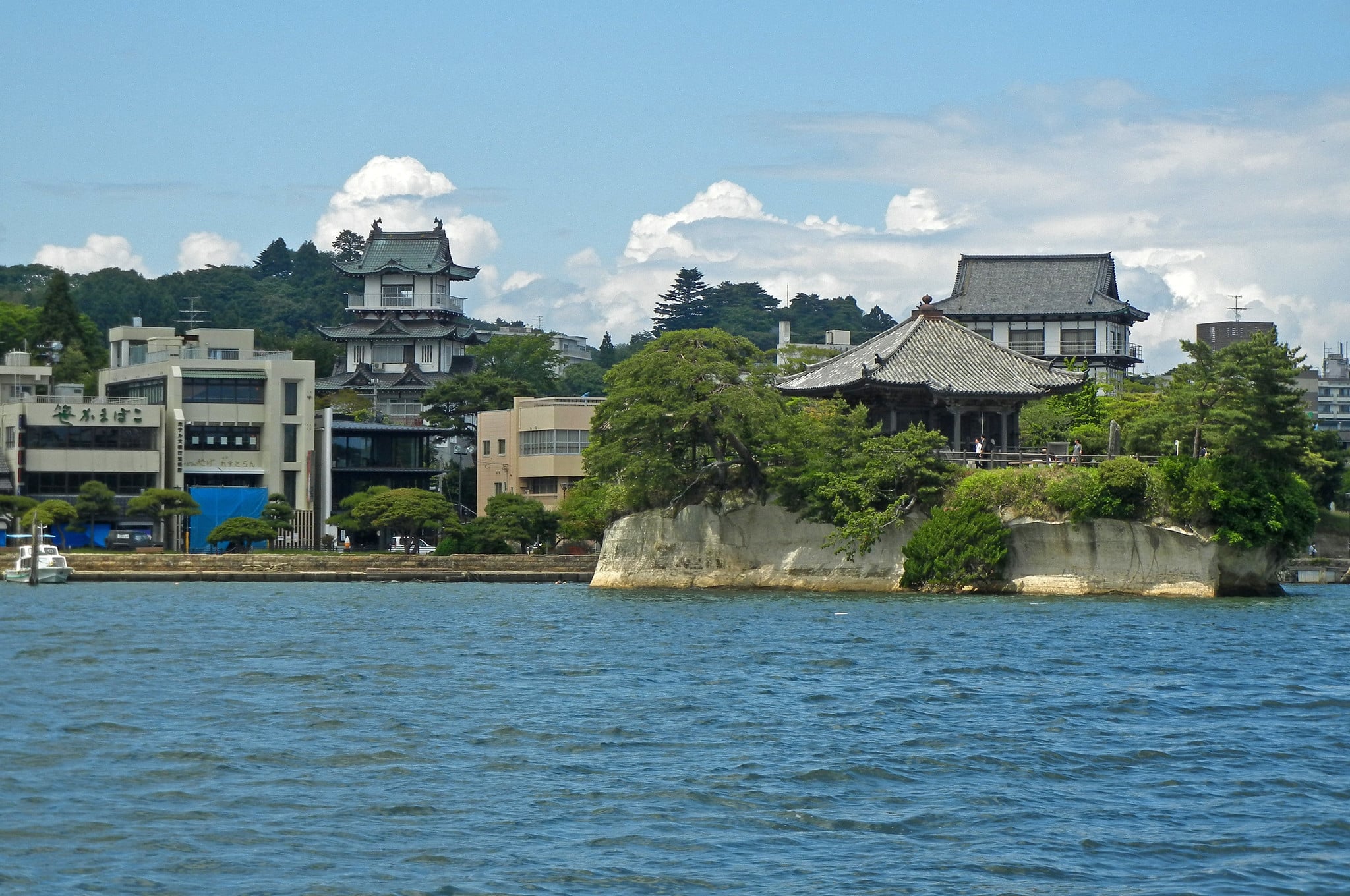
Japan’s devastating 2011 earthquake and tsunami didn’t just destroy coastal areas—it also created new land in Tokyo Bay. The massive seismic activity caused underwater sediment to shift and compact, pushing several small islands above the waterline.
While these formations were tiny compared to volcanic islands, they demonstrated how even earthquake-induced changes can create new geography. The islands have since been incorporated into coastal development projects.
Like Go2Tutors’s content? Follow us on MSN.
El Hierro’s Underwater Growth
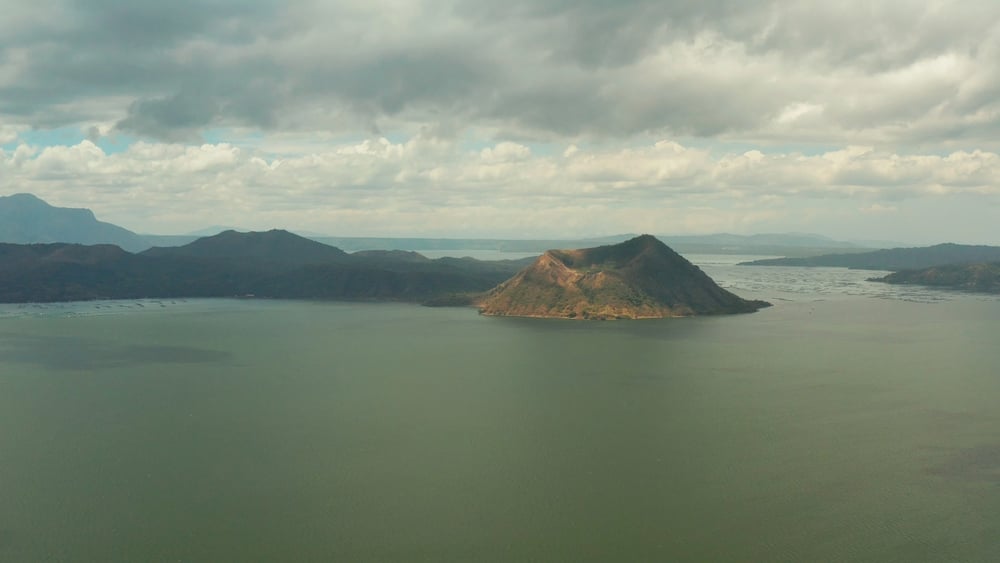
The 2011 underwater eruption near El Hierro in the Canary Islands created a new volcanic cone that nearly reached the surface. While the formation didn’t quite break through to create a visible island, it came within 300 feet of the waterline.
Scientists monitoring the eruption believe future activity could easily push the cone above sea level, potentially creating the Canary Islands’ newest member. The eruption also changed local ocean chemistry and created floating volcanic rock formations.
When Destruction Becomes Creation
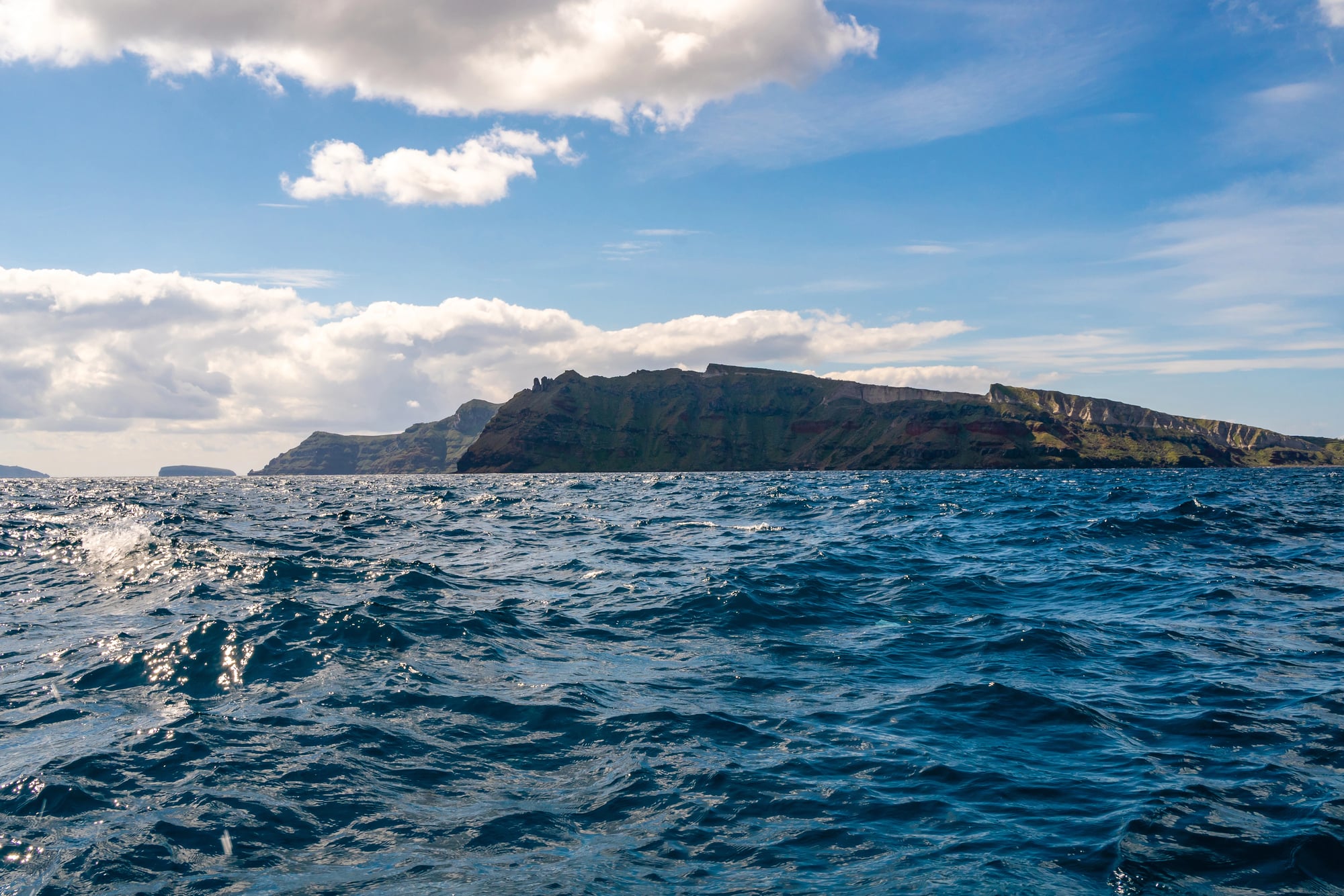
These geological events remind us that the Earth remains a dynamic, ever-changing planet. While natural disasters often bring tragedy and destruction, they also demonstrate the planet’s incredible capacity for renewal and transformation.
Each of these island-forming events represents millions of years of geological processes compressed into relatively brief moments of intense activity. What’s particularly fascinating is how quickly life colonizes these brand-new territories.
Within months of their formation, volcanic islands often host their first plant life, carried by wind, ocean currents, or migrating birds. Over time, these barren landscapes develop into complex ecosystems, proving that nature’s creative power extends far beyond the initial geological drama.
These islands serve as natural experiments, showing us how life adapts and spreads to the most unlikely places on Earth.
More from Go2Tutors!

- 16 Historical Figures Who Were Nothing Like You Think
- 12 Things Sold in the 80s That Are Now Illegal
- 15 VHS Tapes That Could Be Worth Thousands
- 17 Historical “What Ifs” That Would Have Changed Everything
- 18 TV Shows That Vanished Without a Finale
Like Go2Tutors’s content? Follow us on MSN.