17 Times the “Real Story” Behind a Famous Moment Was Even Stranger Than the Myth
History is condensed into easily readable packaging, yet these reduced accounts frequently miss the rich intricacy of the actual events. In order to maintain a more tidy plot, popular narratives usually skip over the most interesting elements.
Historians who delve deeper often find facts that are considerably more interesting than the myths that surfaced. Here are 17 well-known historical events where the truth turned out to be far more fascinating than the mythology we now believe.
The Boston Tea Party Wasn’t a Spontaneous Protest

Although the Boston Tea Party was a carefully planned operation, it is remembered in American folklore as an unexpected rebellion. The event took weeks to plan, and for symbolic effect, organizers even chose Mohawk warrior disguises.
They showed unexpected attention by repairing a padlock they had broken during the raid and cleaning the decks of the ships afterwards. The impetuous rebellion depicted in elementary school texts seldom fits such meticulous preparation and moral restraints.
Mozart Didn’t Die Poor and Forgotten

Mozart’s supposed pauper’s burial – tossed into an unmarked grave while Vienna moved on – makes for dramatic storytelling but contradicts historical evidence. He wasn’t destitute at death; his income exceeded what most civil servants earned, and he had several pending commissions.
The composer’s common grave resulted from standard Viennese burial practices for non-aristocrats – not financial desperation. His memorial drew numerous admirers, while newspapers throughout Europe mourned his passing with genuine respect.
Marie Antoinette Never Said “Let Them Eat Cake”
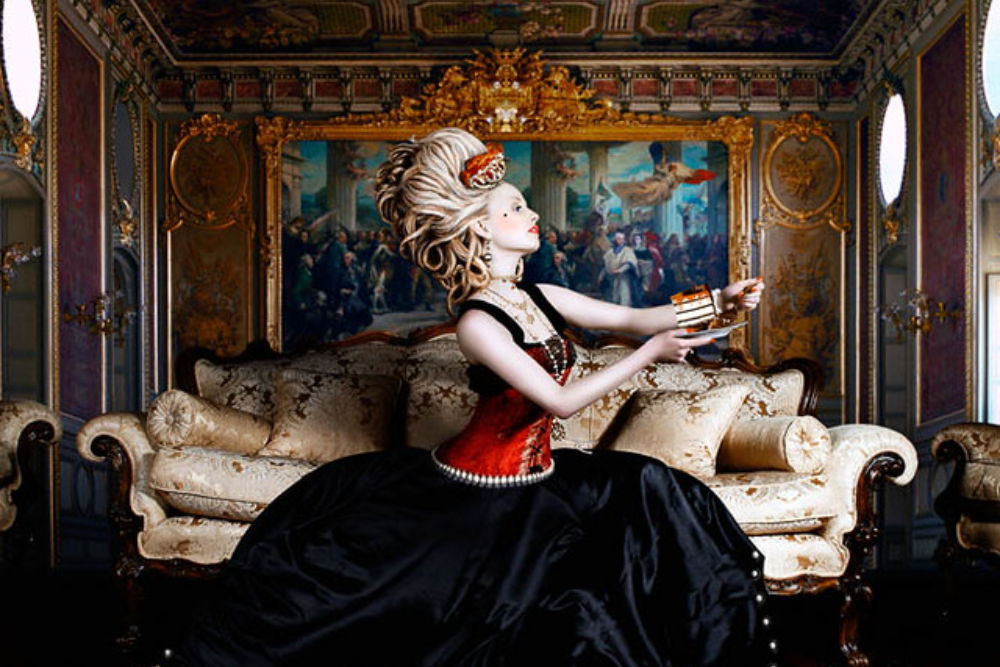
That callous “Let them eat cake” remark attributed to Marie Antoinette? She never said it. The phrase “Qu’ils mangent de la brioche” first appeared in Jean-Jacques Rousseau’s writings when the future queen was merely a child – revolutionary propagandists later weaponized it against her.
Historical records actually show Marie engaging in charitable work and expressing legitimate concern for commoners’ welfare. The fabricated quote represents perhaps history’s most successful character assassination.
Einstein Didn’t Fail Math

Einstein’s mathematical failure makes for a compelling underdog tale, but it is also untrue. By the age of 15, young Albert had mastered differential and integral calculus, which is hardly indicative of a struggling student.
This enduring misconception is partly caused by perplexing modifications to the Swiss grading scheme, which changed the highest grade from 1 to 6. As a result, readers of today may perceive previous report cards as dreadful.
His remarkable skills won him praise from the teacher, even though his inquisitive nature occasionally caused conflict.
The War of the Worlds Broadcast Didn’t Cause Mass Panic
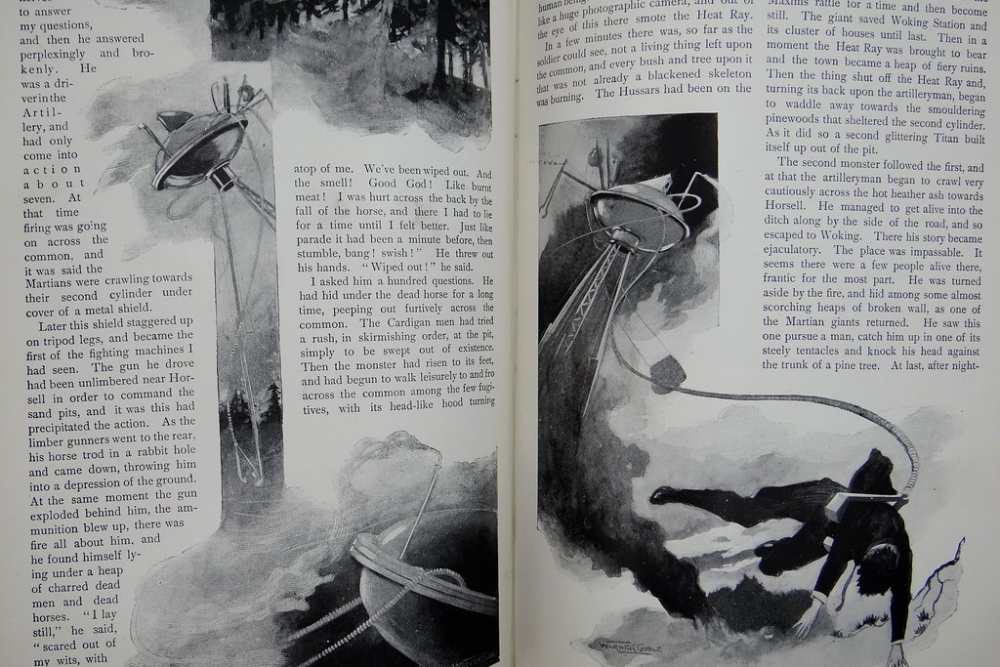
Is it true that Orson Welles’s 1938 broadcast of “War of the Worlds” had Americans running in fear from fictional Martians? Not based on recent studies.
Newspapers greatly exacerbated the fear in an attempt to undermine radio as a rival medium, but few listeners truly thought an alien invasion was happening. According to later research, the majority of viewers either understood the program’s dramatic tone or just tuned in too late to hear the opening disclaimers.
Nero Didn’t Fiddle While Rome Burned
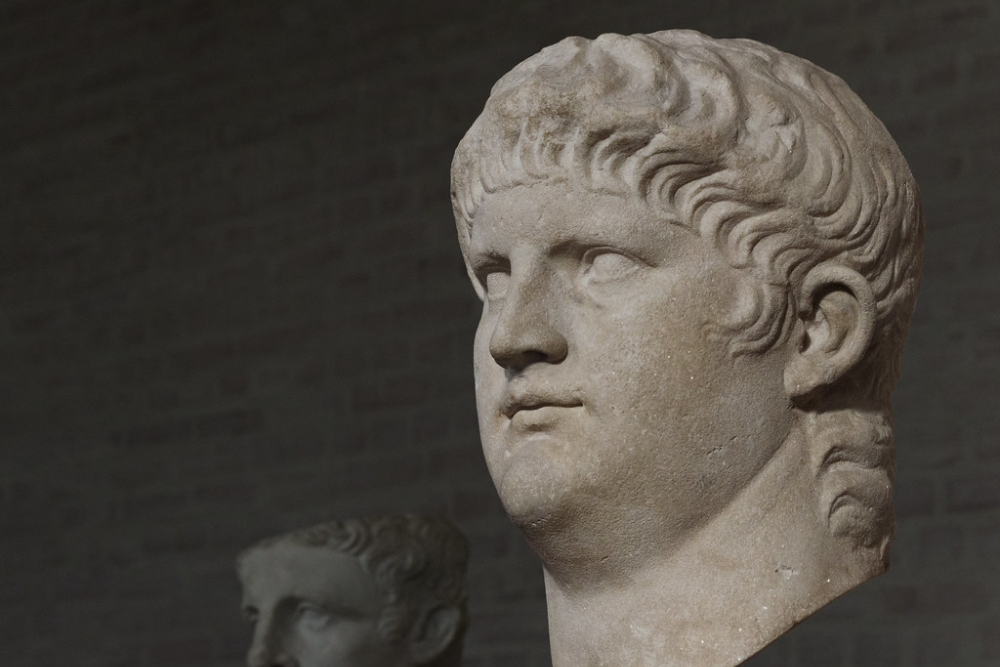
Emperor Nero playing the fiddle amid Rome’s devastating 64 CE fire makes for perfect symbolism – except violins wouldn’t exist for another millennium and a half. Nero wasn’t even in the city when flames erupted – he rushed back to coordinate relief efforts and opened his palaces to those left homeless.
He organized food deliveries from neighboring towns. The damaging rumor likely originated with political enemies and early Christians who resented his persecution of their religious community.
Columbus Wasn’t Out to Prove the Earth Was Round

Educated Europeans in Columbus’s era already understood the Earth was spherical – including the Salamanca scholars who rejected his proposals. The actual disagreement centered on Earth’s circumference – Columbus dramatically underestimated the planet’s size while overestimating Asia’s eastward extent.
His calculations would’ve proven fatally flawed had the Americas not fortuitously existed between Europe and Asia. Far from visionary genius, Columbus’s geographical assumptions were spectacularly incorrect – he died still convinced he’d reached Asian shores.
The Hindenburg Wasn’t Filled With Hydrogen Because of a U.S. Helium Ban
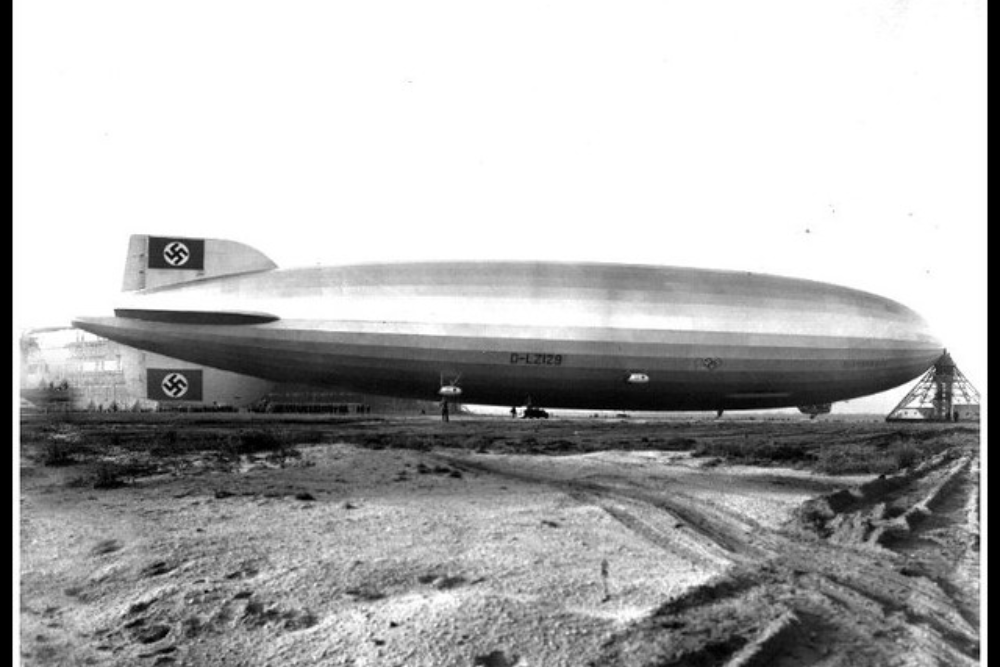
The Hindenburg disaster gets frequently attributed to U.S. refusal to sell helium to Nazi Germany – forcing the use of flammable hydrogen. Yet economic considerations, not political restrictions, primarily drove this design choice.
Hydrogen cost roughly one-tenth what helium did while providing superior lift. Though American export limitations existed, engineers had designed the massive airship around hydrogen from the beginning for practical operational reasons.
Van Gogh’s Ear Incident Was More Complex Than a Lovesick Gesture

Van Gogh slicing off his ear for a rejected lover makes for romantic tragedy – yet it oversimplifies an incredibly complicated situation. Recent scholarship suggests he may have lost his ear during a confrontation with fellow artist Paul Gauguin – possibly involving a sword.
Other researchers propose self-mutilation stemming from a toxic combination of mental illness, alcoholism, and absinthe’s effects. The severed ear was delivered not to a romantic interest but to a cleaner at a local brothel – making reality considerably stranger than the apocryphal tale.
The Wright Brothers Weren’t the First to Fly a Powered Aircraft

The Wright Brothers deserve a great deal of credit for their accomplishments, although they weren’t always pioneers in every field of flight or working alone. Two years prior to Kitty Hawk, in 1901, German inventor Gustav Weißkopf is said to have flown a powered aircraft.
Lift, propulsion, and control were three crucial problems that the Wrights methodically resolved to achieve their genius. Rather than just being the first to fly, their achievements were eventually defined by their meticulous methodology and thorough documentation.
Napoleon Wasn’t Actually Short
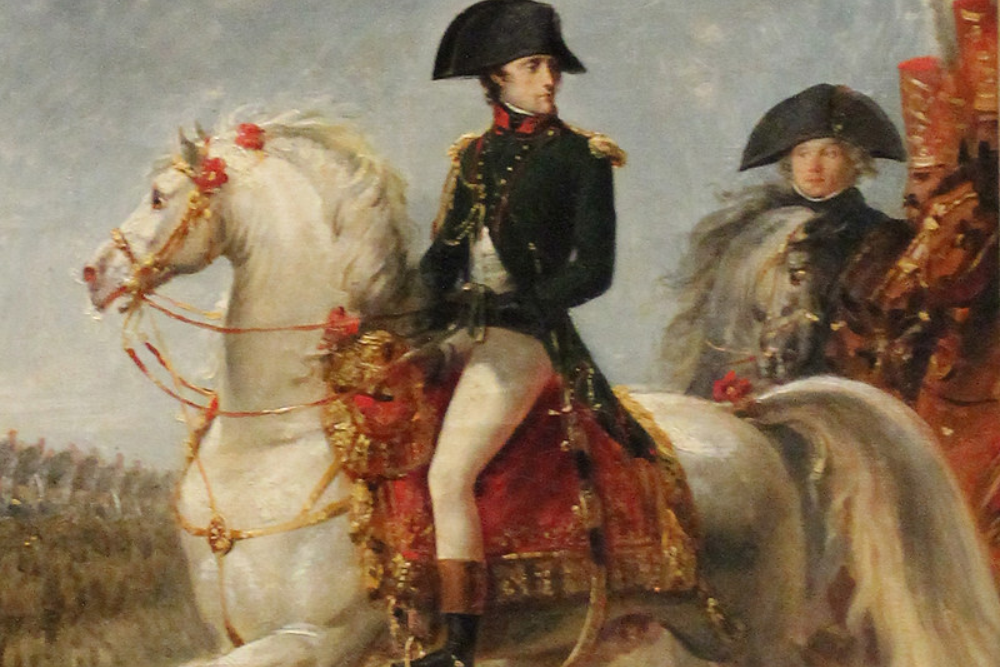
Napoleon Bonaparte was about 5’7″ (170 cm) tall, which was entirely normal for men in his time. French and English measuring systems were confused, leading to the “short” fallacy. His stated 5’2″ in French measurements was equal to 5’7″ in English because the French inch (pouce) was greater than the English inch.
Caricatures of “Little Boney” were enthusiastically disseminated by British propagandists in an attempt to lessen his terrifying presence. Two centuries after his defeat, this portrayal is still in use because it worked so well.
Vikings Didn’t Wear Horned Helmets
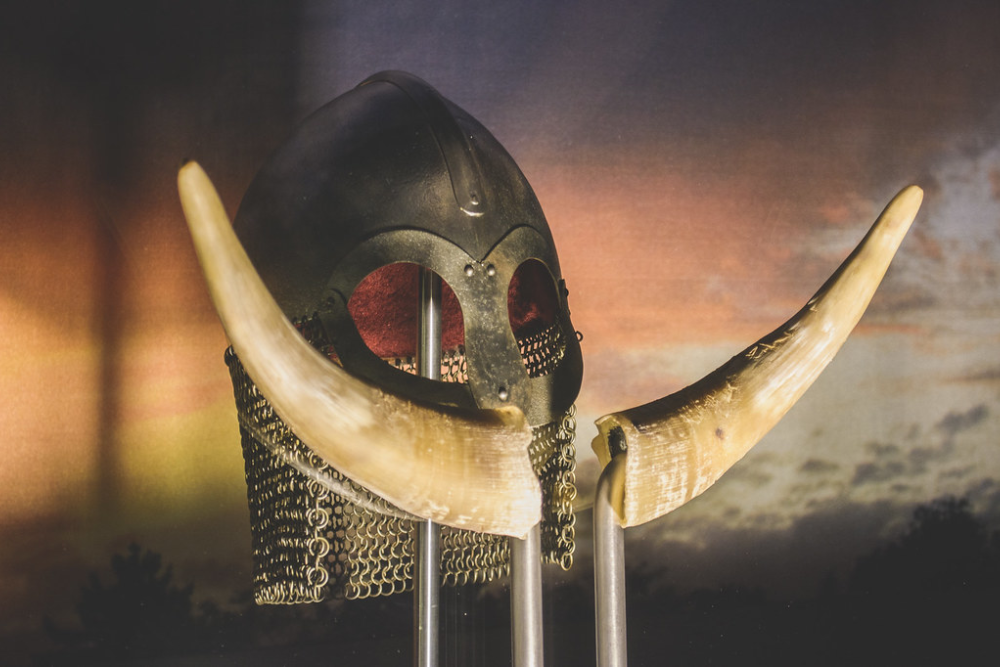
Those distinctive horned helmets we associate with fearsome Norse warriors? Pure theatrical invention. The iconic image originated with costume designs for Wagner’s opera “Der Ring des Nibelungen” in the 1870s – nearly a thousand years after the Viking age.
Archaeological evidence shows Vikings typically wore simple conical helmets when they used headgear at all. This misconception solidified through Victorian romanticization of Norse culture and early 20th-century popular media representations that valued drama over accuracy.
The Titanic’s Watertight Compartments Actually Contributed to Its Sinking
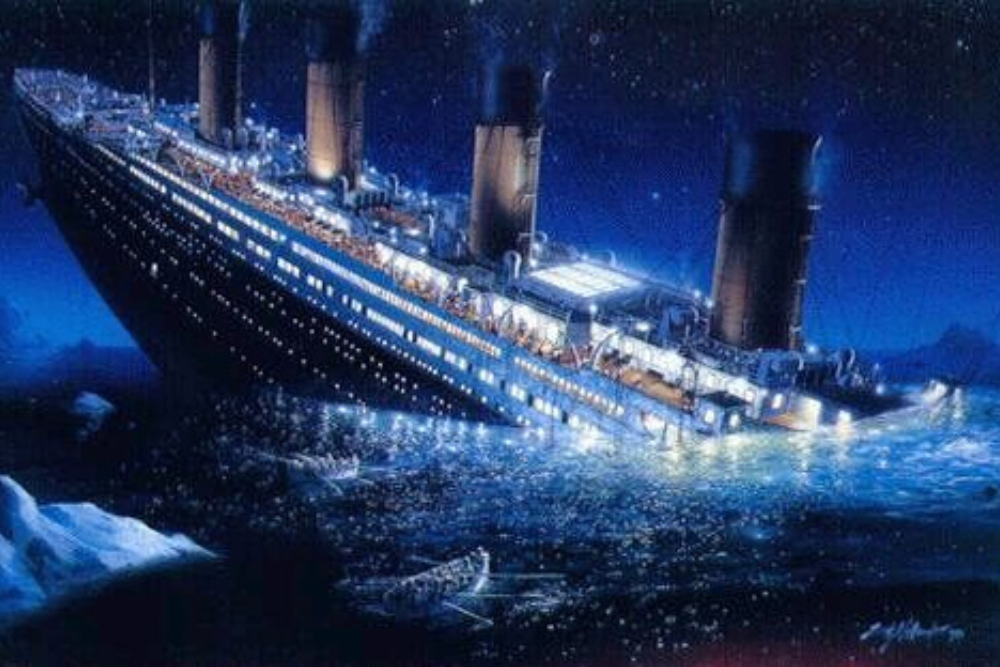
Ironically, the Titanic’s watertight compartments—which were advertised as making the ship “practically unsinkable”—made the catastrophe worse. Because the compartments were not sealed at the top, water simply poured from one section to the next as the ship swung forward after the iceberg hit.
This design flaw prevented even weight distribution, resulting in the high rear elevation before the last drop. This limitation was known to the engineers, but they never expected damage to multiple compartments at once and instead viewed it as a fair compromise.
Lincoln’s Emancipation Proclamation Freed Very Few Slaves Initially

Despite its immense historical significance, the Emancipation Proclamation did not initially free many slaves. Lincoln’s presidential order notably excluded slaveholding border states that remained loyal to the Union, but it only extended to Confederate-controlled areas where Union forces could not execute it.
Its real significance was in changing the war’s objective to include abolition and allowing Black people to enlist in the military. Gradually, the full effect of the declaration became apparent when Union forces seized Confederate territory.
Cleopatra’s Beauty Is Largely a Modern Construction

Despite Elizabeth Taylor’s iconic portrayal, ancient sources rarely mentioned extraordinary physical beauty when describing Cleopatra. Contemporary accounts and coinage bearing her likeness suggest an ordinary-looking woman with a prominent nose.
Historical sources consistently praised her captivating intelligence, charm, and linguistic abilities – she reportedly spoke nine languages fluently. Her relationship with Mark Antony appears to be based more on political alliance and intellectual connection than the passionate romance depicted in popular culture.
The “Wild West” Had Stricter Gun Control Than Modern America

The romanticized “Wild West” with gunslingers dueling in dusty streets exists largely in Hollywood’s imagination. Many frontier towns implemented stricter firearm regulations than current laws, requiring visitors to surrender weapons while within town limits.
Dodge City, Kansas displayed signs declaring “The Carrying of Firearms Strictly Prohibited.” Murder rates in most Western settlements remained lower than in contemporary urban centers. Bank robberies occurred surprisingly infrequently – roughly once per 100,000 person-years, substantially less often than today.
The Pilgrims Didn’t Land at Plymouth Rock
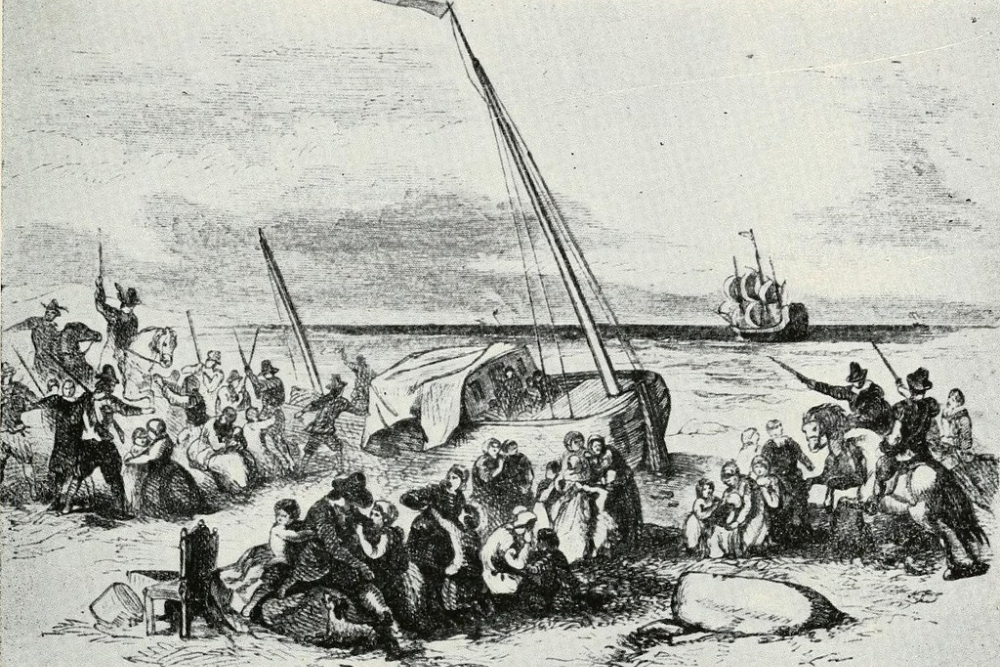
The Pilgrims never documented landing on any rock in their detailed journals. The “Plymouth Rock” tradition emerged in 1741 – a full 121 years after their arrival.
The Mayflower initially anchored at Provincetown Harbor on Cape Cod, where the first landing actually occurred. After exploring for weeks, some settlers eventually established Plymouth Colony.
The iconic rock identified today would have been underwater in 1620, making it impossible as a landing site. This entirely fabricated detail somehow became fundamental to American founding mythology.
Truth Stranger Than Legend
Over time, the most memorable stories in history are frequently romanticized, simplified, or entirely reimagined. The subtlety and uniqueness that make historical events truly fascinating are taken away by these changes.
The circumstances behind well-known events are often considerably more fascinating than the mythology they inspired, involving unanticipated intricacies, pragmatic considerations, and human components. These instances serve as a reminder that looking past popular narratives usually uncovers more amazing truths than the human imagination could ever imagine.
More from Go2Tutors!

- The Romanov Crown Jewels and Their Tragic Fate
- 13 Historical Mysteries That Science Still Can’t Solve
- Famous Hoaxes That Fooled the World for Years
- 15 Child Stars with Tragic Adult Lives
- 16 Famous Jewelry Pieces in History
Like Go2Tutors’s content? Follow us on MSN.



