17 Trading Systems That Connected Ancient Civilizations
Long before globalization became a buzzword, ancient civilizations were already building complex trading networks that spanned continents. These weren’t just simple bartering systems—they were sophisticated economic highways that moved everything from silk to spices, ideas to innovations across thousands of miles.
Trade routes connected cultures, sparked technological advances, and sometimes even decided the fate of entire empires. From desert caravans to ocean-crossing merchants, these trading systems created the world’s first global economy.
Some routes lasted centuries while others faded when political winds shifted or new technologies emerged. Here is a list of 17 trading systems that connected ancient civilizations and shaped human history.
Silk Road

The Silk Road wasn’t actually one road but a massive network of trade routes stretching from China to the Mediterranean—roughly 4,000 miles of desert, mountains, and political headaches. Chinese silk, Indian spices, and Roman gold flowed back and forth for over 1,400 years.
But the real cargo was ideas: Buddhism spread west, mathematical concepts traveled east, and diseases unfortunately hitched rides too.
Incense Route
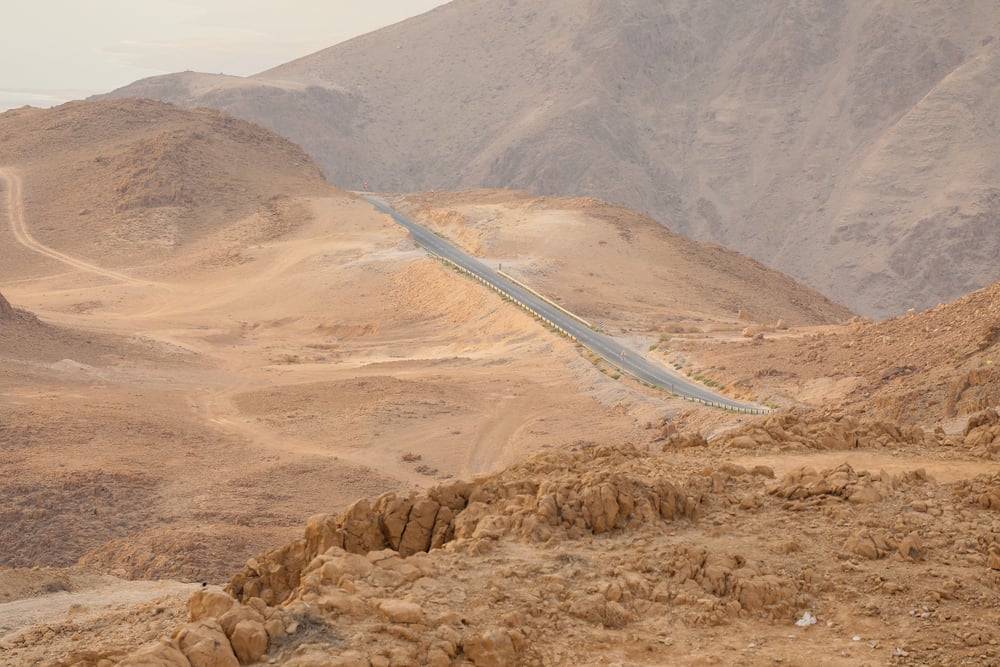
Arabian merchants controlled the incense trade for centuries, moving frankincense and myrrh from southern Arabia to Mediterranean markets. These resins were worth more than gold in ancient times—everyone from Egyptian pharaohs to Roman emperors needed them for religious ceremonies.
The route created wealthy trading cities in the desert and made certain Arabian tribes incredibly powerful.
Like Go2Tutors’s content? Follow us on MSN.
Trans-Saharan Trade Network
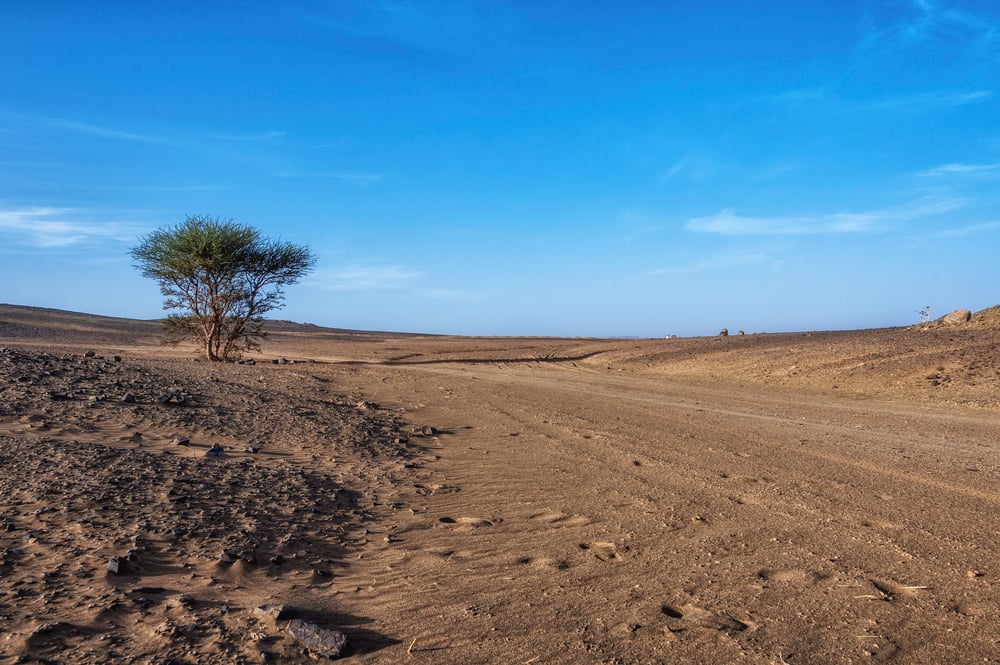
Camels changed everything for African trade. Before these ‘ships of the desert,’ crossing the Sahara was nearly impossible—afterward, gold and salt caravans regularly made the brutal journey between West Africa and North Africa.
Timbuktu became filthy rich as a trading hub, while salt from Saharan mines was literally worth its weight in gold down south.
Amber Road

Baltic amber traveled incredible distances to reach Mediterranean markets, creating one of Europe’s oldest trade networks. This fossilized tree resin wasn’t just pretty jewelry—ancient people believed it had magical healing properties.
Roman nobles paid premium prices for amber trinkets, funding entire trading expeditions from the Baltic Sea to Rome.
Maritime Spice Routes
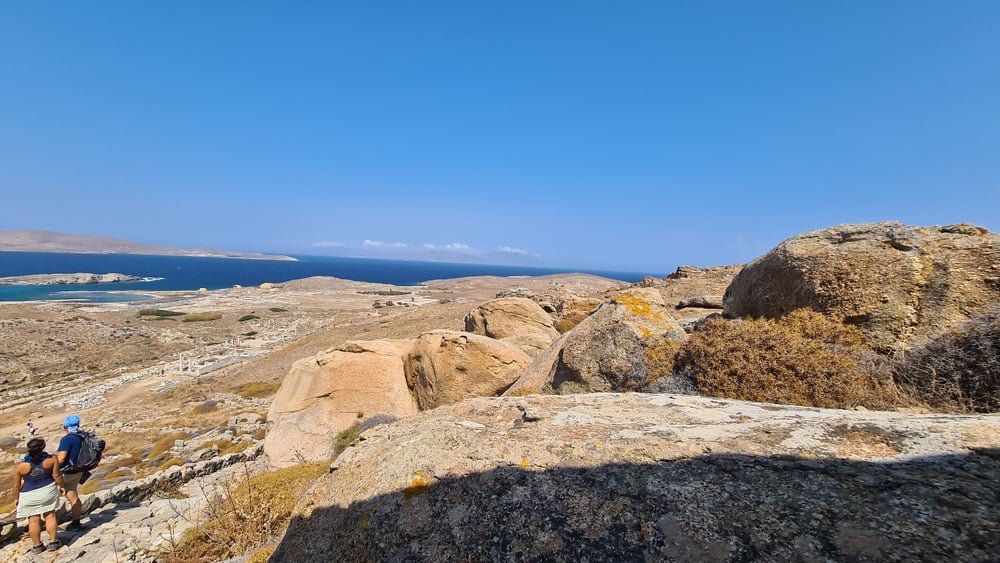
Southeast Asian spice islands controlled the world’s most valuable seasonings—nutmeg, cloves, cinnamon, and black pepper. These tiny islands held monopolies that made European explorers risk everything to find direct sea routes.
Spices were so valuable that wars were fought over them, and successful spice traders became wealthier than kings.
Like Go2Tutors’s content? Follow us on MSN.
Phoenician Trading Network
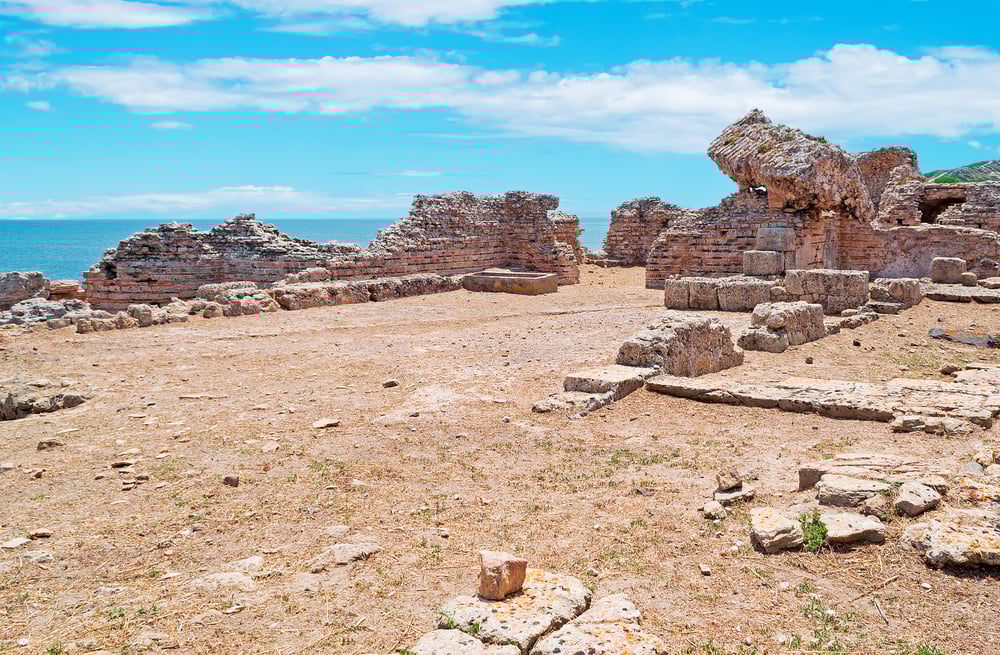
Phoenicians were basically the ancient world’s merchant marines, establishing trading posts from Spain to Lebanon across the Mediterranean. They didn’t just trade goods—they spread their alphabet, which became the foundation for most modern writing systems.
Their purple dye, made from murex shells, was so expensive that ‘royal purple’ became synonymous with wealth and power.
Indian Ocean Trade Circuit
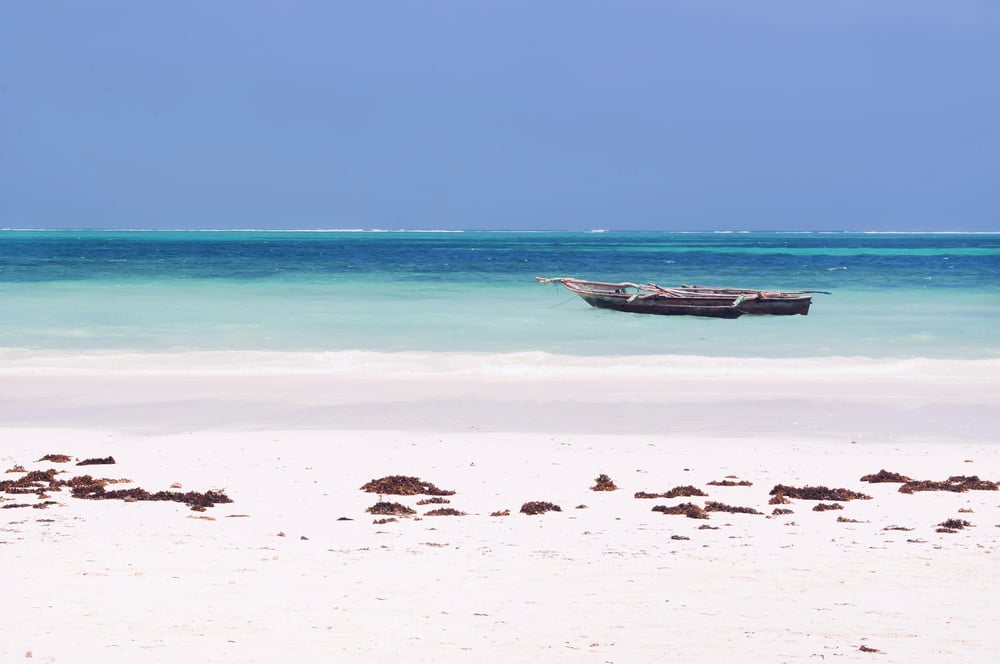
Monsoon winds created natural sailing schedules that connected East Africa, India, Southeast Asia, and China in a massive maritime trading loop. Merchants learned to read seasonal wind patterns, turning the Indian Ocean into a predictable highway for goods and ideas.
This system lasted for centuries and created cosmopolitan port cities from Kilwa to Malacca.
Lapita Trading Network
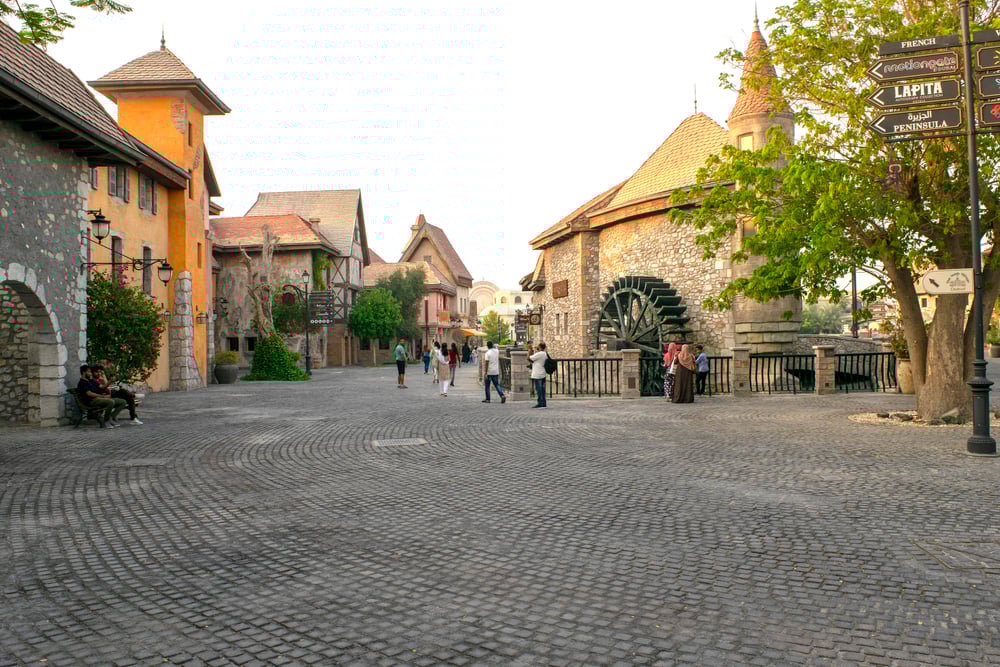
Pacific islanders created one of history’s most impressive maritime trading systems, island-hopping across thousands of miles of open ocean in outrigger canoes. They traded obsidian, shells, pottery, and food between islands scattered across Melanesia and Polynesia.
Navigation techniques passed down through generations allowed them to find tiny islands in the vast Pacific with incredible accuracy.
Like Go2Tutors’s content? Follow us on MSN.
Hanseatic League

Northern European merchants formed this powerful trading alliance that dominated Baltic and North Sea commerce for over 300 years. The Hanse controlled everything from timber to fish, creating standardized weights, measures, and currencies across dozens of cities.
They even had their own navy to protect trade routes and could wage economic warfare against entire kingdoms.
Mesoamerican Trading Networks
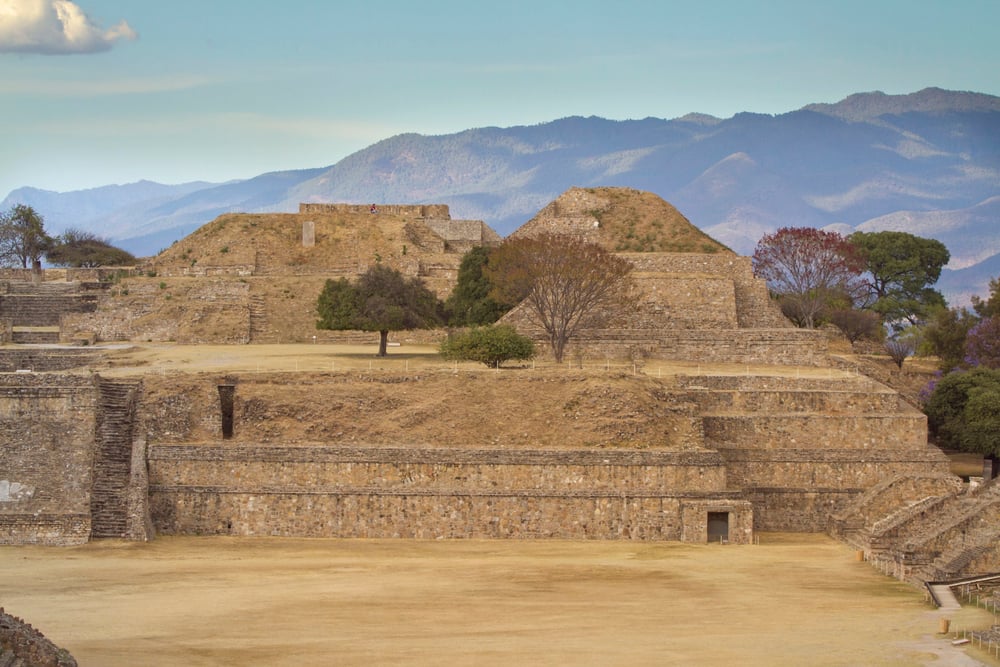
Aztec and Maya merchants called pochteca traveled hundreds of miles on foot, carrying everything from cacao beans to colorful feathers between Central American civilizations. These weren’t just traders—they were spies, diplomats, and cultural ambassadors who spoke multiple languages and navigated complex political situations.
Cacao beans even served as currency in some regions.
Egyptian Punt Expeditions
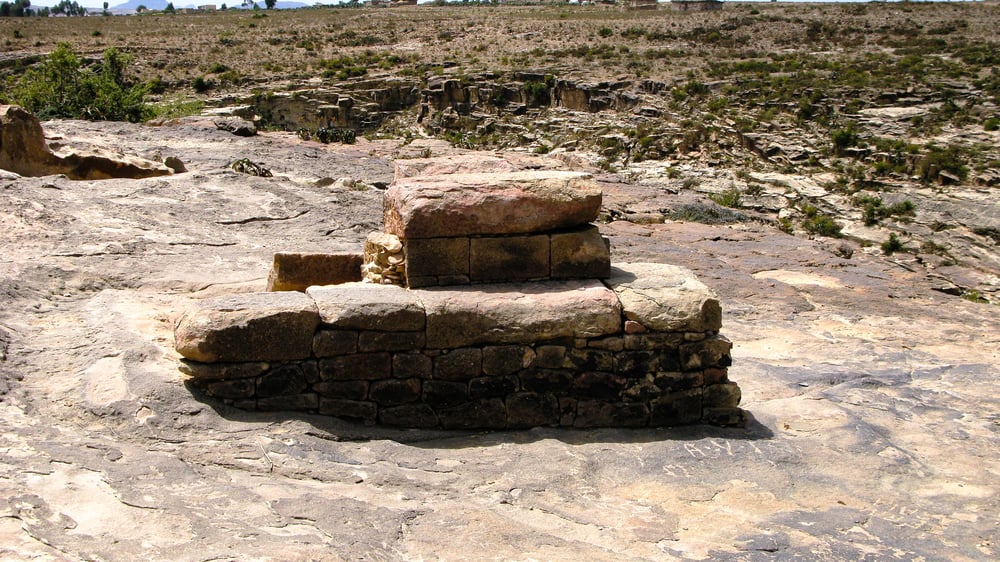
Ancient Egyptians organized massive trading expeditions to the mysterious land of Punt, probably located in modern-day Somalia or Ethiopia. They brought back incense trees, gold, ivory, and exotic animals—including live baboons for Egyptian temples.
Queen Hatshepsut’s famous Punt expedition was so successful that she had the entire journey carved into her temple walls.
Like Go2Tutors’s content? Follow us on MSN.
Celtic Trade Routes

Celtic tribes created extensive trading networks across Iron Age Europe, moving everything from British tin to Spanish silver through interconnected river and land routes. Celtic metalworking techniques and artistic styles spread along these trade paths, creating a surprisingly unified culture across vast distances.
Their trading relationships often turned into military alliances or bitter conflicts.
Indus Valley Trading System
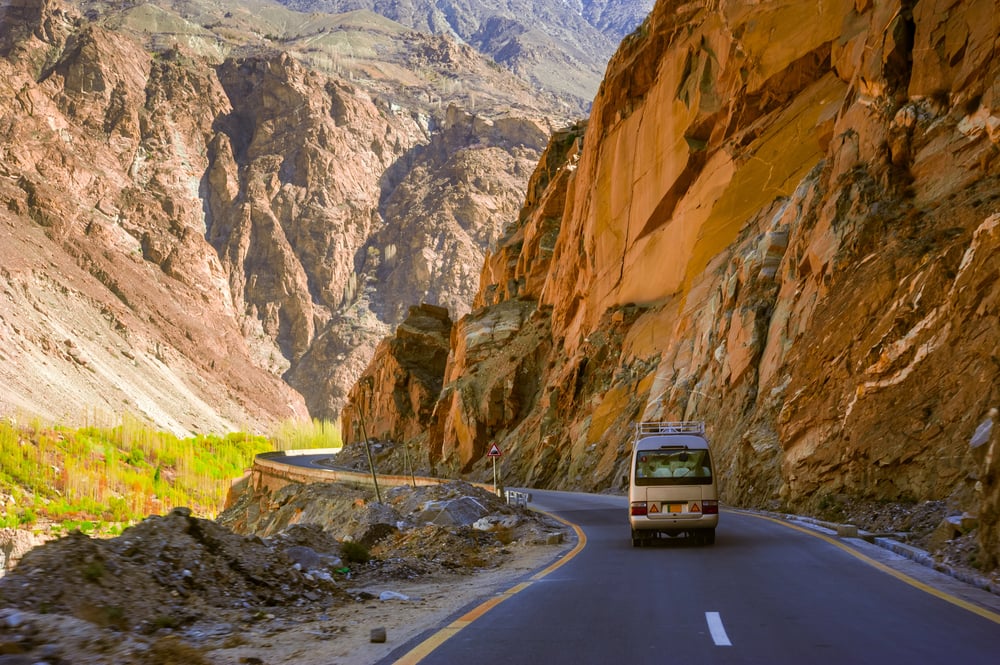
The Harappan civilization developed one of history’s earliest standardized trading systems, with uniform weights, measures, and even brick sizes across hundreds of settlements. Their merchants traded as far as Mesopotamia, carrying carnelian beads, cotton textiles, and ivory.
Archaeological evidence suggests they had sophisticated port facilities and possibly even a merchant marine.
Roman Commercial Networks
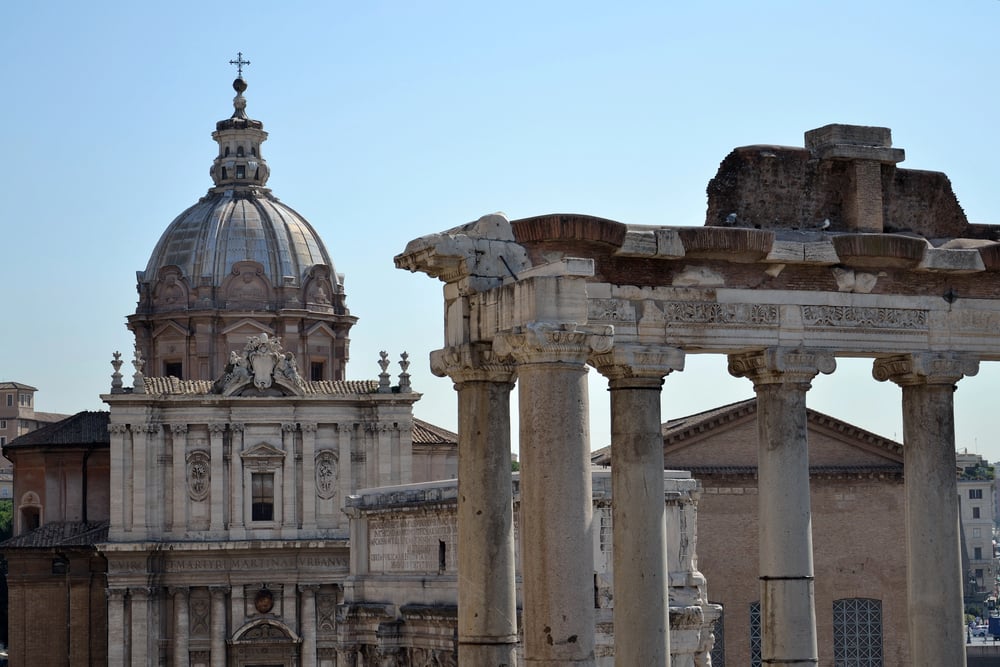
Rome’s trade networks were the ancient world’s equivalent of modern global supply chains—Roman coins have been found as far away as India and China. The empire’s road system and naval dominance created secure trading conditions that lasted for centuries.
Roman merchants moved everything from British wool to Chinese silk, while Roman currency became the international standard.
Like Go2Tutors’s content? Follow us on MSN.
Byzantine Trading Empire

After Rome’s fall, Constantinople became the medieval world’s greatest trading hub, controlling the crucial link between Europe and Asia. Byzantine merchants developed sophisticated banking systems, commercial law, and trading partnerships that stretched from Russia to Egypt.
Their gold coin, the solidus, remained the international currency standard for over 700 years.
Arab Maritime Trade
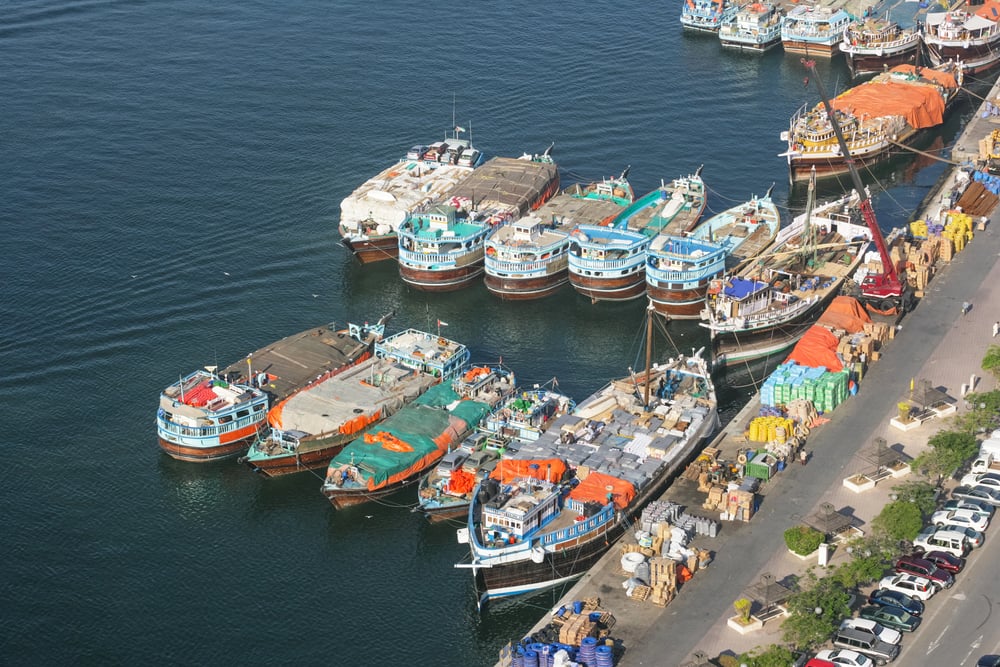
Arabian merchants dominated Indian Ocean trade for centuries, creating a commercial network that connected Africa, India, Southeast Asia, and China. They established permanent trading communities in foreign ports, often intermarrying with local populations and creating mixed cultures.
Islamic commercial law and banking practices spread along these trade routes.
Viking Trade Networks
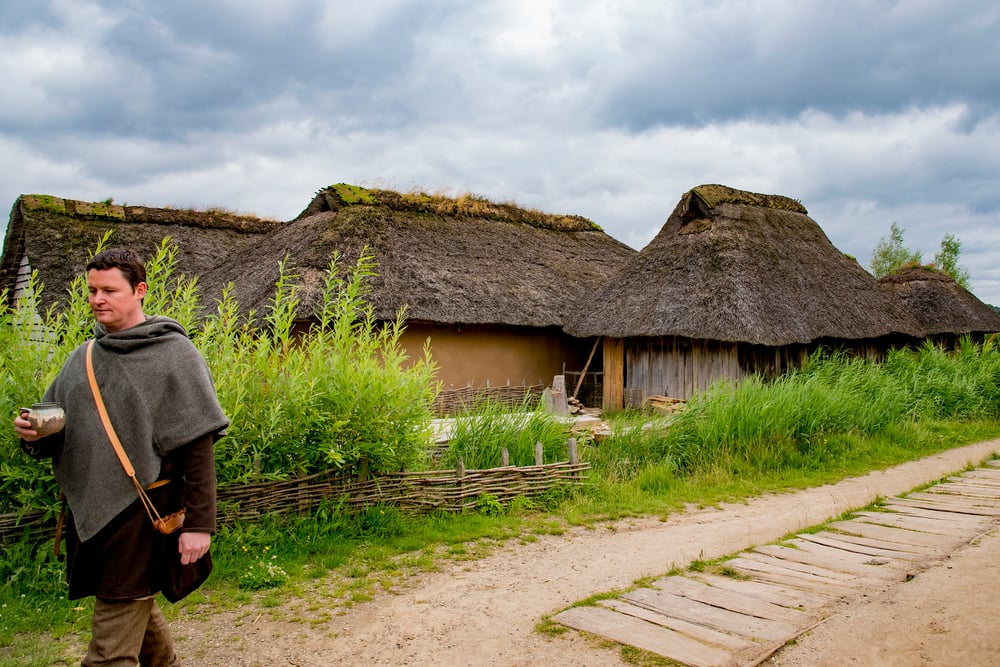
Vikings weren’t just raiders—they were also shrewd merchants who created trading networks stretching from Greenland to Constantinople. They traded amber, furs, and slaves southward while bringing back silver, silk, and spices.
Viking traders established permanent settlements and trading posts across Eastern Europe, some of which grew into major cities like Kiev and Novgorod.
Like Go2Tutors’s content? Follow us on MSN.
Commerce Across Time
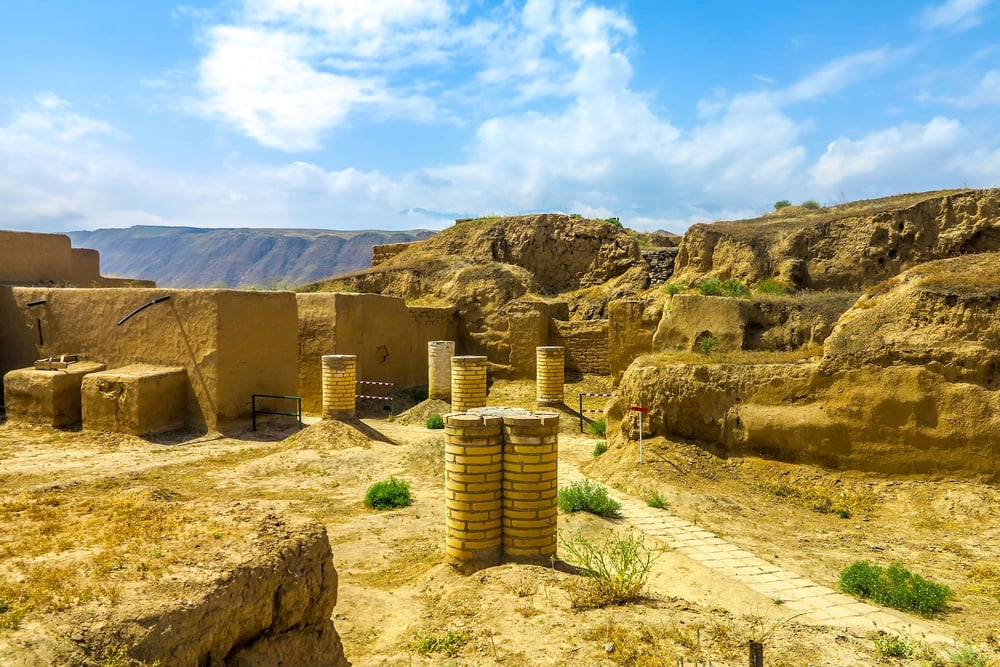
These ancient trading systems laid the groundwork for today’s global economy, proving that humans have always been willing to travel incredible distances and take enormous risks for profit. Whether it was Phoenician merchants braving Mediterranean storms or Silk Road caravans crossing deadly deserts, trade has always pushed civilizations to innovate, adapt, and connect.
The routes may have shifted and the goods changed, but the fundamental drive to exchange resources and ideas across vast distances remains exactly the same. These forgotten networks remind us that globalization isn’t really new—it’s just gotten faster and more complicated.
More from Go2Tutors!

- 16 Historical Figures Who Were Nothing Like You Think
- 12 Things Sold in the 80s That Are Now Illegal
- 15 VHS Tapes That Could Be Worth Thousands
- 17 Historical “What Ifs” That Would Have Changed Everything
- 18 TV Shows That Vanished Without a Finale
Like Go2Tutors’s content? Follow us on MSN.