Squirrel Facts for Squirrel Appreciation Day
You see them every day—darting across power lines, leaping between branches, burying acorns in your yard. Squirrels have become such a common sight that you probably don’t give them much thought.
But these bushy-tailed acrobats lead far more interesting lives than most people realize.
They Forget Where They Hide Most of Their Food
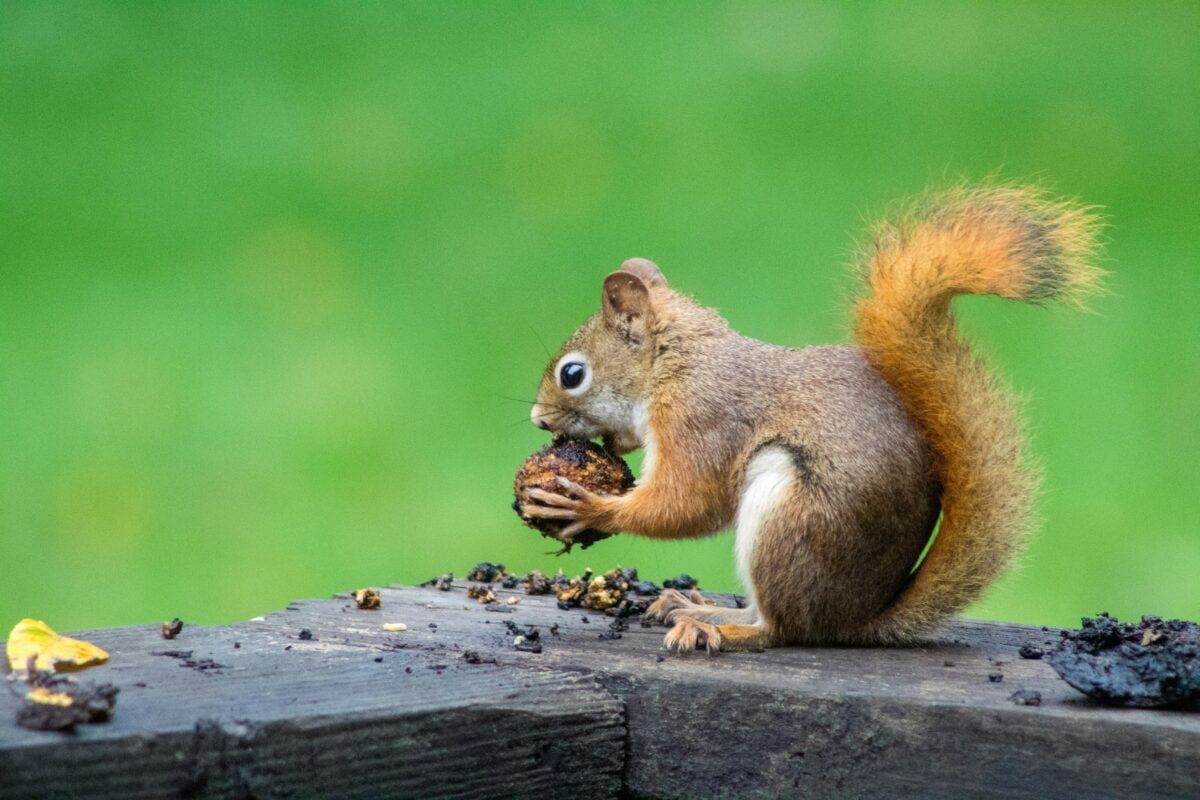
Squirrels bury thousands of nuts each year, and they forget about a good chunk of them. This forgetfulness isn’t laziness or poor memory—it’s actually helpful for forests.
Those forgotten acorns and nuts sprout into new trees. In a way, squirrels plant more trees than most conservation efforts combined.
They do remember some of their hiding spots, though. Studies show squirrels can recall the locations of food they buried weeks earlier, using landmarks and spatial memory to find their stashes when winter arrives.
Their Teeth Never Stop Growing
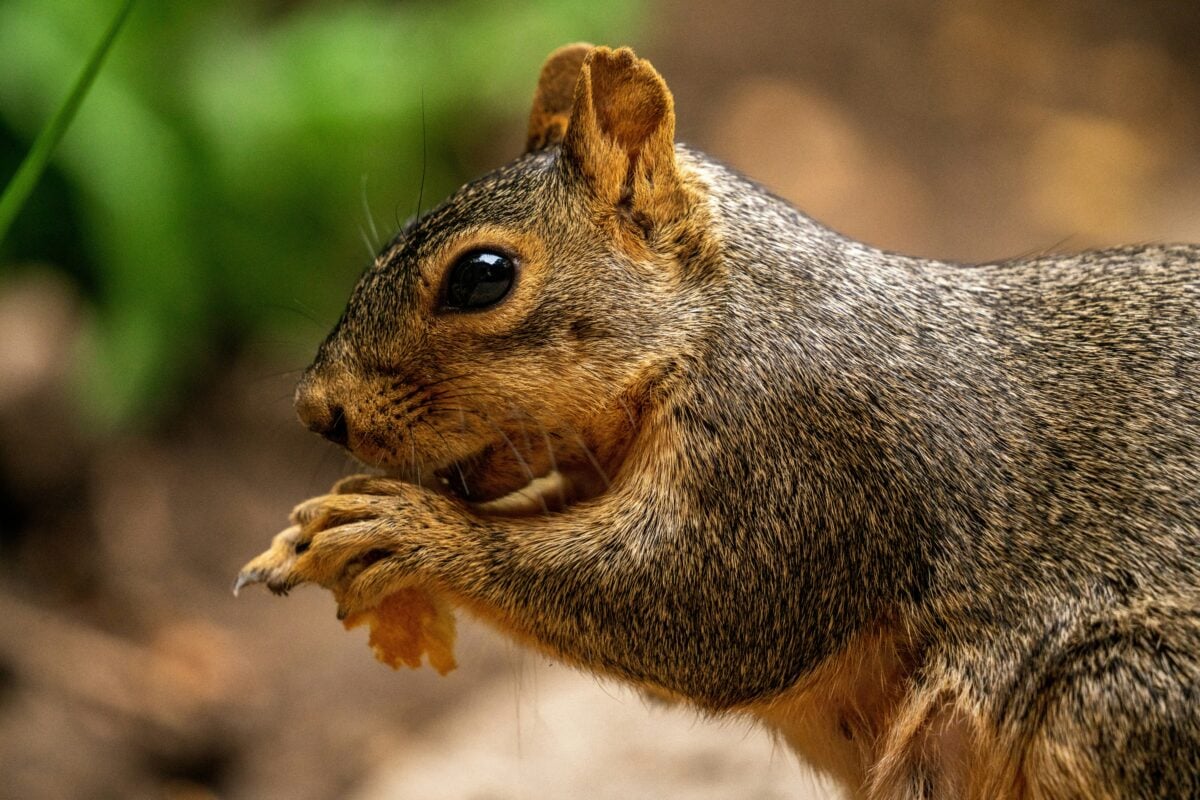
A squirrel’s front teeth grow about six inches per year. If they didn’t constantly gnaw on things, their teeth would grow so long they couldn’t eat.
That’s why you see them chewing on everything from tree bark to the occasional wooden fence. The gnawing isn’t just maintenance.
It also keeps their teeth sharp and helps them break into tough shells and bark to find food underneath.
They Can Fall From Any Height and Survive
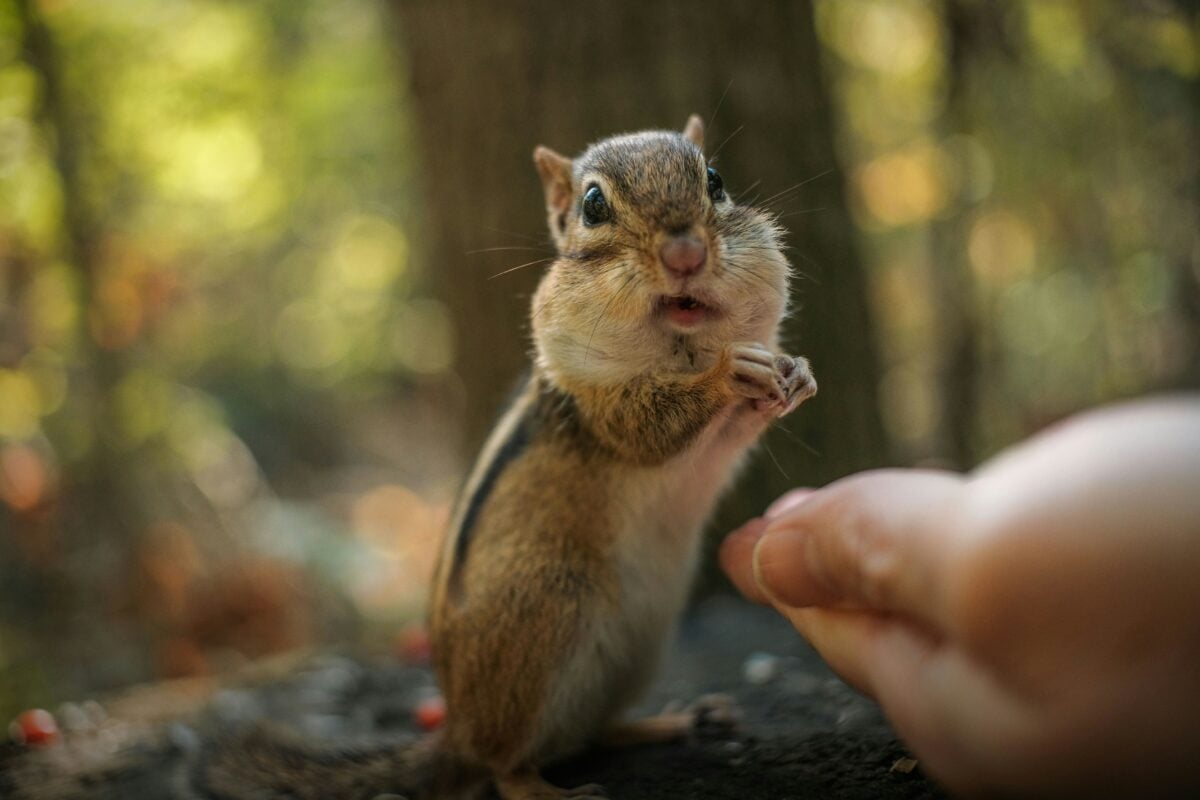
Drop a squirrel from a ten-story building, and it will likely walk away unharmed. Their bodies act like built-in parachutes.
That bushy tail spreads out to increase drag, their small size gives them a low terminal velocity, and they can position themselves to land on their feet.
You’ll notice squirrels taking seemingly reckless leaps between trees. They’re not being careless—they know they can handle the fall if they miss.
Gray Squirrels Were Once Rare in Cities

Before the 1850s, squirrels stuck to forests. Cities didn’t have them.
Then city planners decided parks needed wildlife to feel more natural, so they released squirrels into urban areas. Philadelphia led this trend in 1847, and other cities followed.
Now gray squirrels thrive in cities better than many other animals. They’ve adapted to human presence so well that urban squirrels often show less fear than their forest cousins.
They Communicate Through Tail Movements
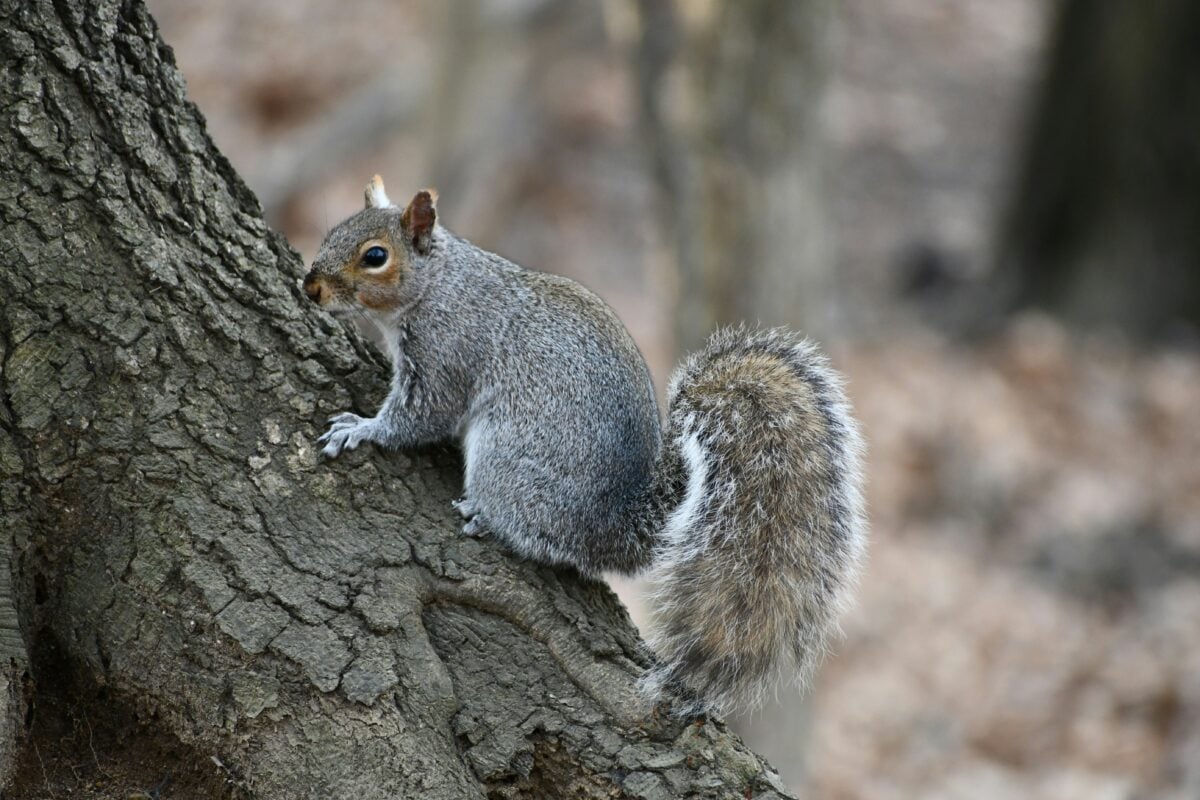
That tail does more than help them balance. Squirrels flag their tails to send messages to each other.
A quick flick means alertness. Rapid shaking signals agitation or alarm.
Different patterns communicate different threats—ground predators get one response, aerial predators another. Watch a squirrel closely next time.
The tail tells you exactly what the animal is thinking before it moves.
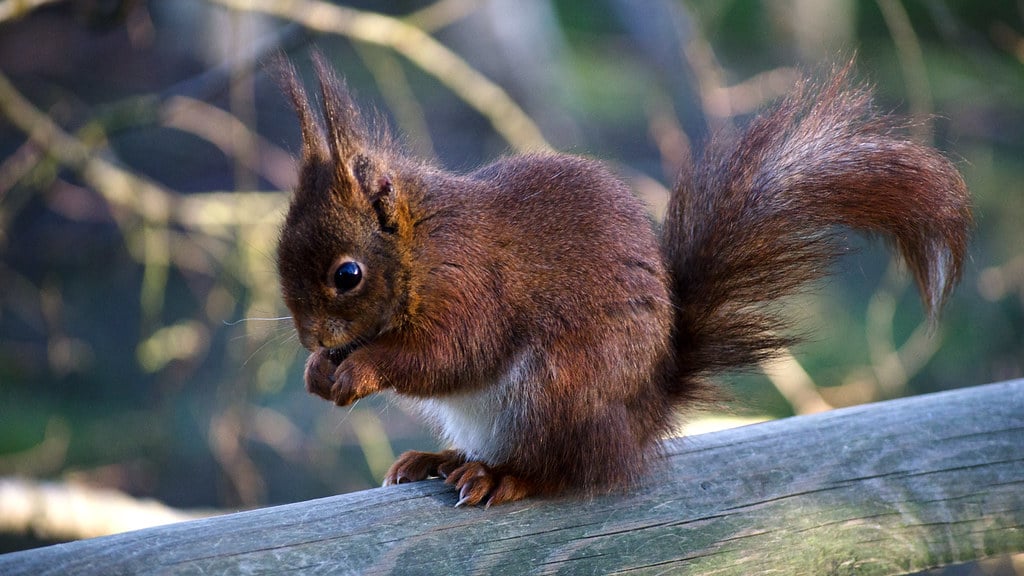
Red Squirrels Are Territorial and Aggressive
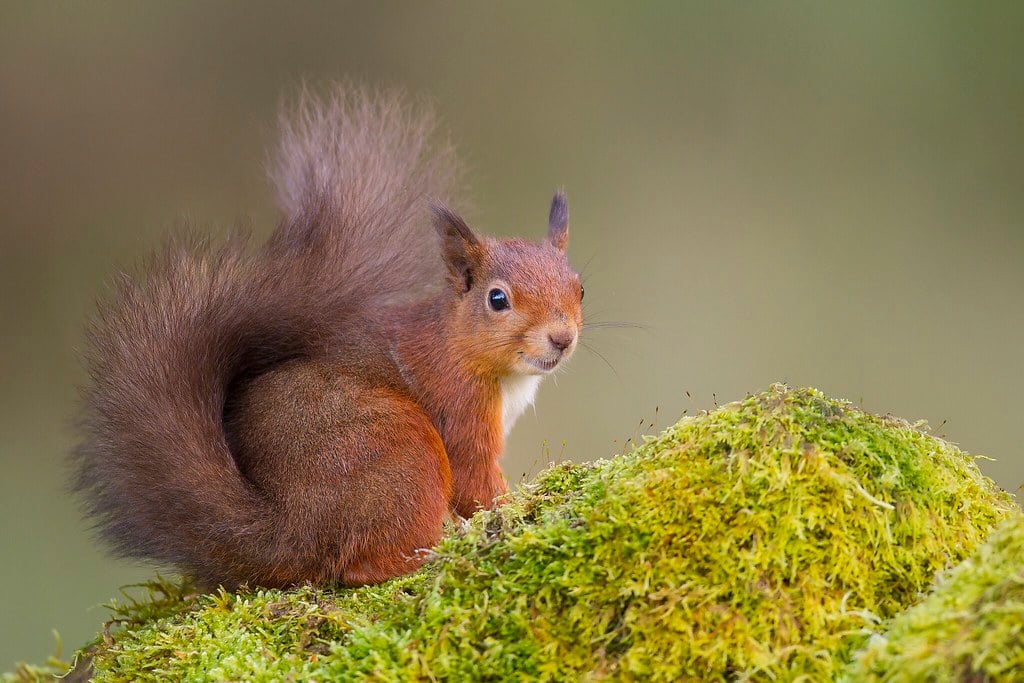
While gray squirrels tolerate neighbors, red squirrels defend territories fiercely. A red squirrel will attack other squirrels that enter its range, and they’ve been known to kill intruders.
This aggression helps them protect their food stores in harsh northern climates where resources are scarce. Red squirrels also have a distinctive alarm call—a loud, chattering scold that sounds almost like laughter.
If you’ve heard it, you know exactly what it sounds like.
They Can Jump Ten Times Their Body Length
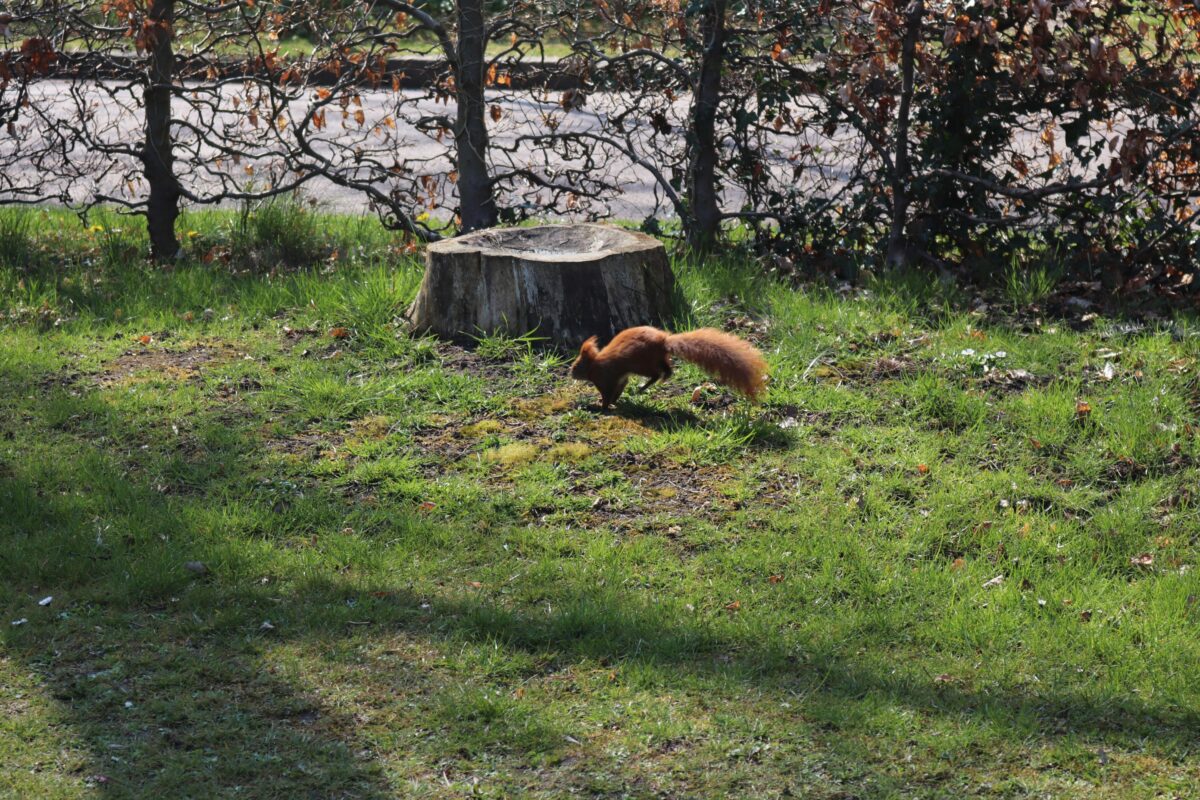
A squirrel can leap about ten feet horizontally and four feet vertically. That’s like a human jumping the length of a city bus.
They calculate these jumps with precision, adjusting for wind, branch flexibility, and landing spots. Their ankles can rotate 180 degrees, which lets them descend trees headfirst by keeping their back claws anchored.
This gives them an escape route most predators can’t match.
Baby Squirrels Are Called Kittens or Kits
Squirrels give birth to litters of two to eight babies, usually twice a year. The babies are born blind, hairless, and completely dependent on their mother.
They don’t open their eyes until they’re about a month old. Mother squirrels build multiple nests—called dreys—so they can move their babies if one nest becomes unsafe.
The dedication is impressive. A mother will risk her life to protect or retrieve a kit in danger.
They Have Four Front Teeth and No Canines
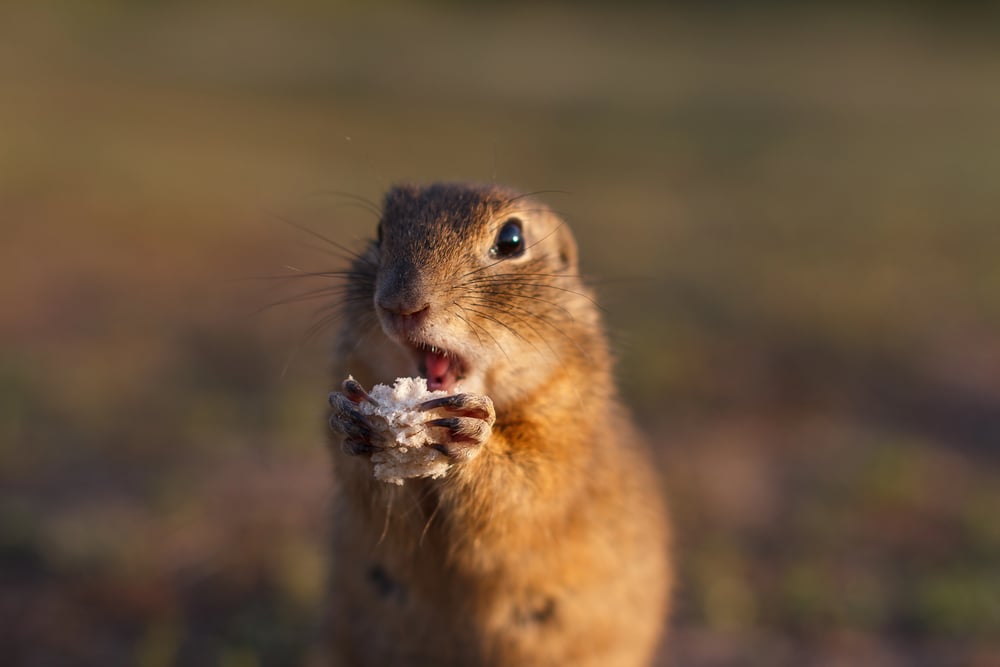
Squirrels belong to the rodent family, which means they have a specific dental setup. Four incisors in front, a gap where canines would be, and molars in back for grinding.
The gap lets them close their lips behind their front teeth, which keeps dirt out when they’re digging or gnawing. This dental arrangement works perfectly for their lifestyle.
The incisors cut, the molars grind, and nothing gets in the way.
Flying Squirrels Don’t Actually Fly
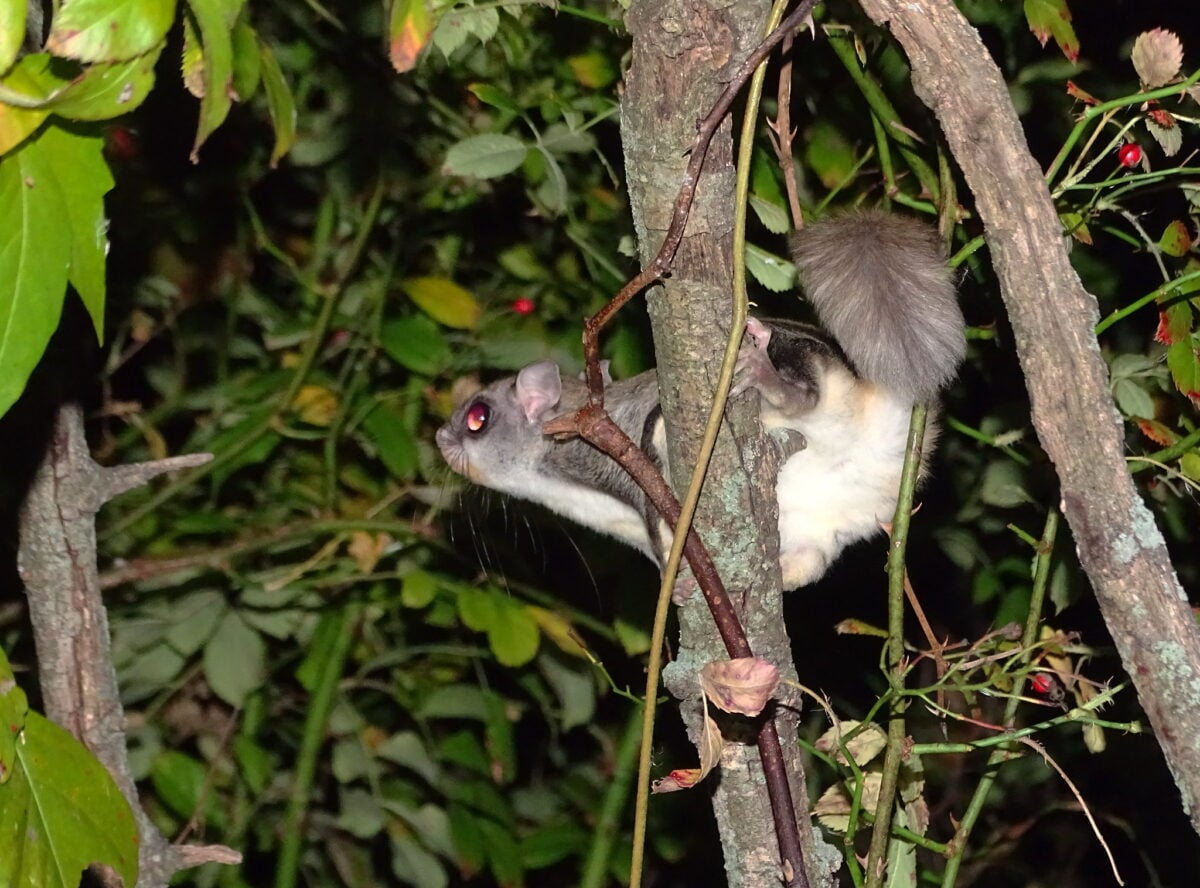
Despite the name, flying squirrels glide. They have membranes of skin between their front and back legs that stretch out like wings.
They can glide over 150 feet between trees, steering with their tail and adjusting the tension in their membranes to control direction. Flying squirrels are nocturnal, which is why most people never see them.
They’re also smaller and more social than tree squirrels, sometimes sharing nests with a dozen other flying squirrels during cold weather.
They Build Two Types of Nests
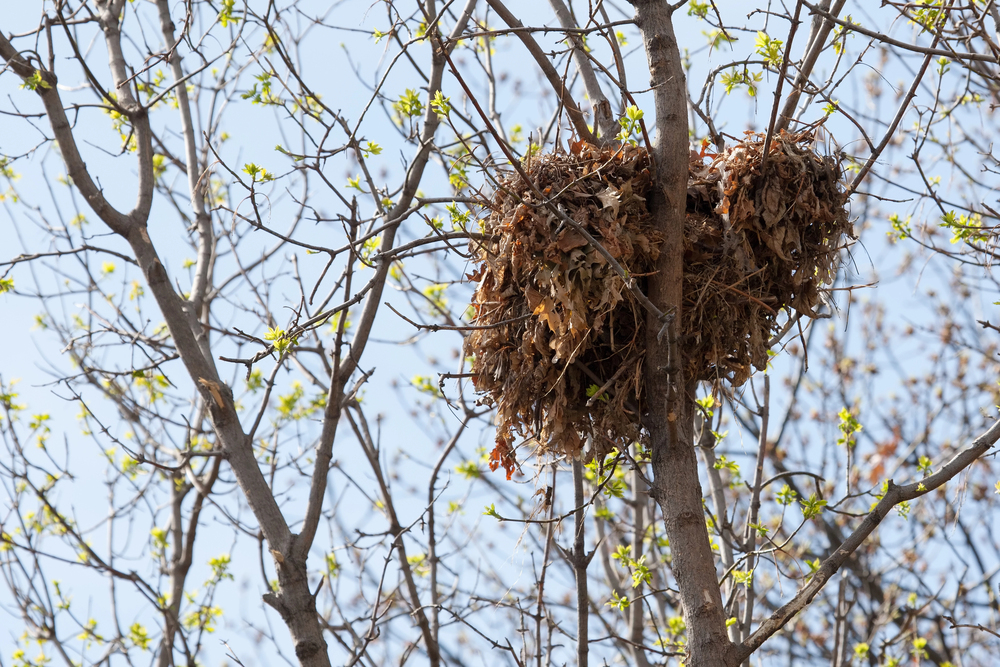
Squirrels construct leaf nests—those messy-looking orbs of leaves high in trees—and also use tree cavities when they can find them. The leaf nests look flimsy, but they’re actually carefully woven with multiple layers for insulation.
Tree cavities provide better protection from weather and predators, so squirrels prefer them when available. In winter, several squirrels sometimes share a nest to conserve body heat.
They can be surprisingly social when survival demands it.
Ground Squirrels Can Carry Plague
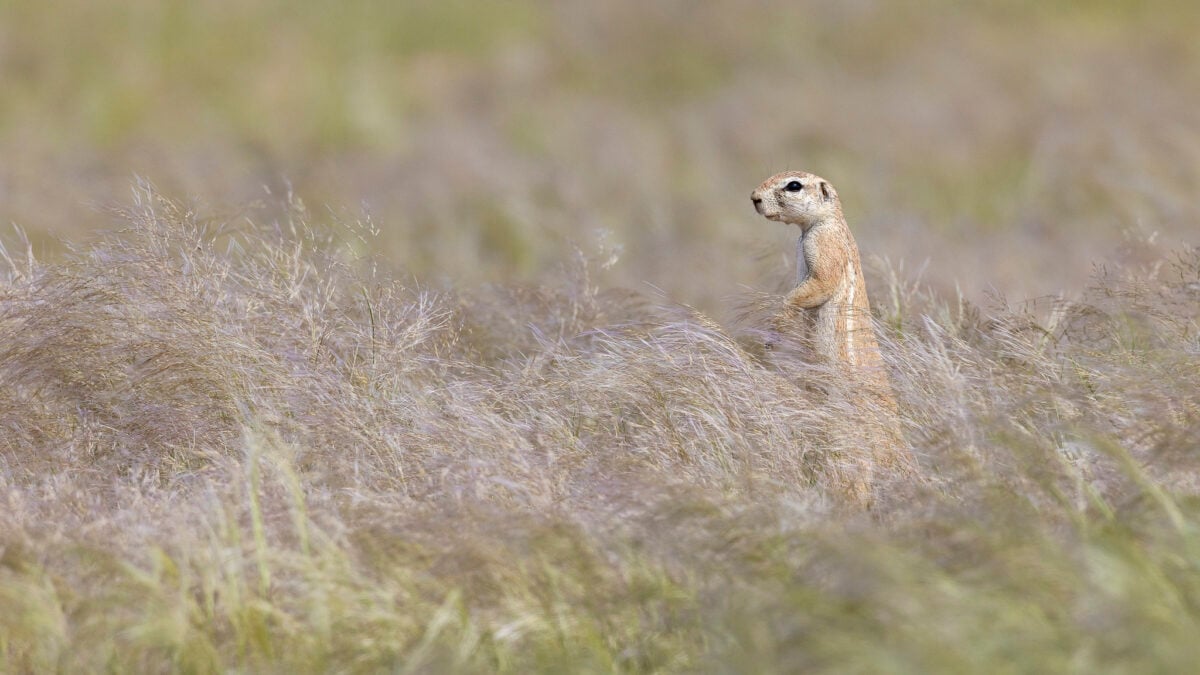
Ground squirrels in the western United States sometimes carry the bacteria that cause plague. They pick it up from fleas, the same way rats spread plague in medieval Europe.
This doesn’t mean you should fear squirrels, but it’s wise to avoid handling them or letting pets chase them in areas where plague is present. Most ground squirrels are healthy.
The risk is low, but it exists.
They Remember Problem-Solving Techniques for Years
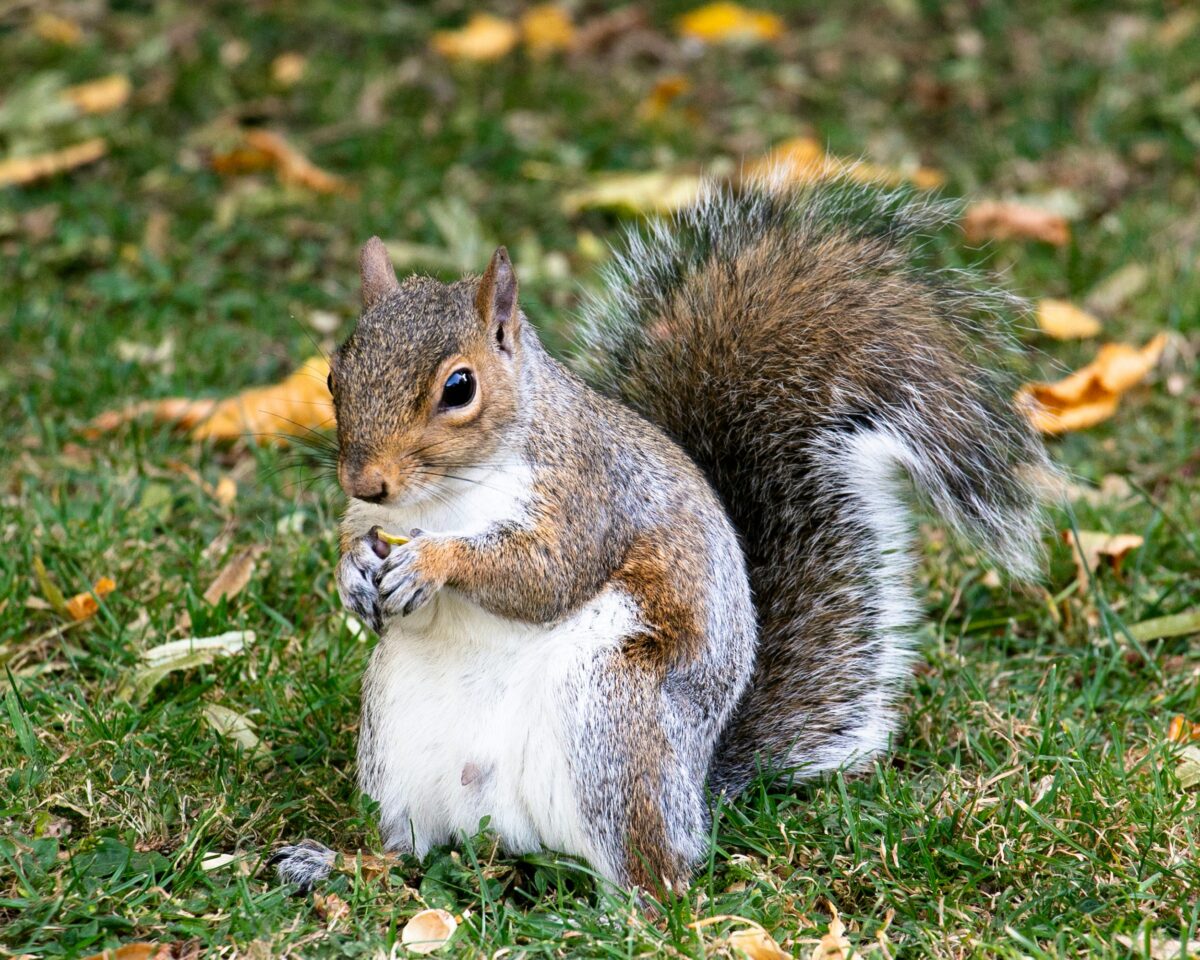
Teach a squirrel how to get food from a puzzle box, and it will remember the solution for at least two years. This memory helps them adapt to changing environments and food sources.
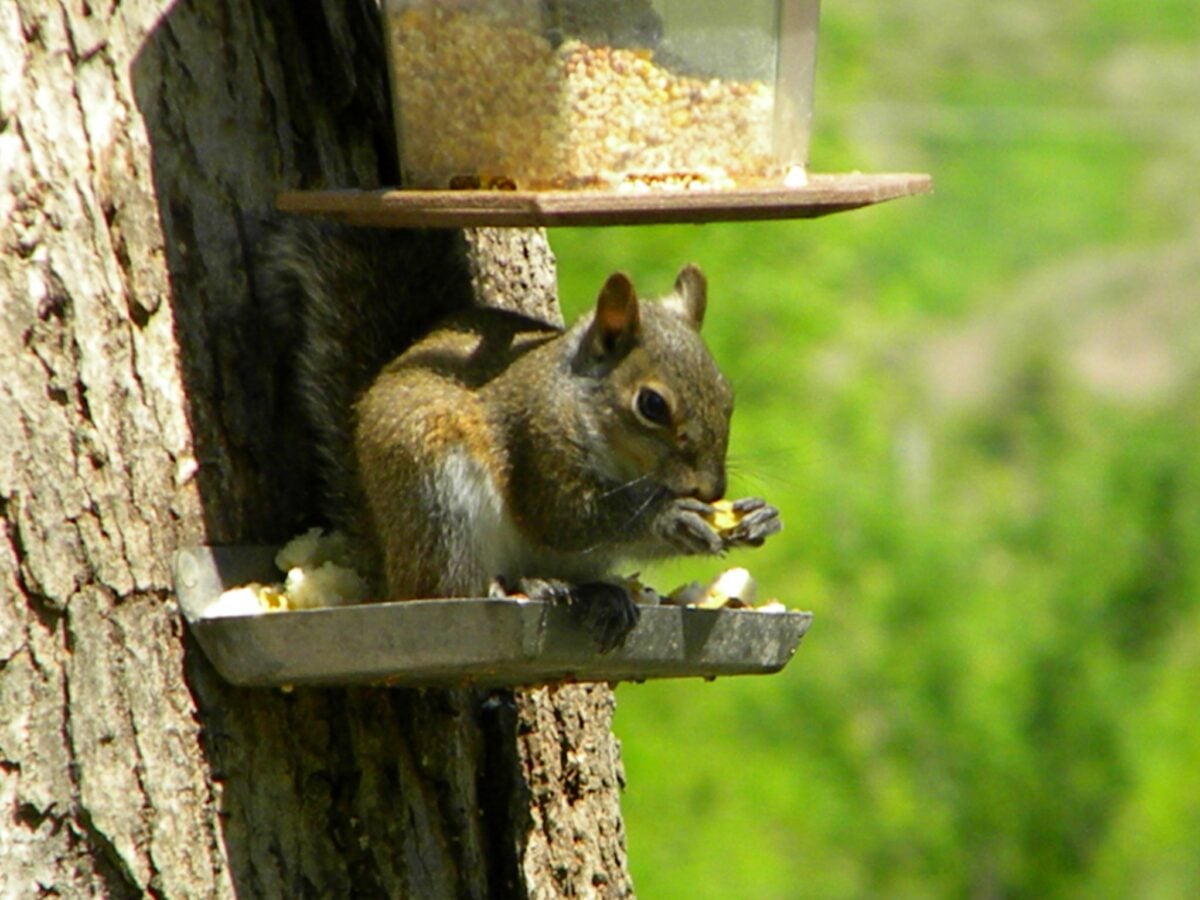
Urban squirrels learn to raid bird feeders, open trash cans, and navigate human obstacles because they remember what worked before. This intelligence is why squirrel-proof bird feeders often fail.
The squirrels eventually figure them out.
Squirrels Talk to Each Other Through Scent
Sure, here’s your rewritten version: Hearing them chatter or watching tails flick might catch attention, yet smell plays a role too.
From cheek to foot, special skin spots produce unique odors. Rubbing on bark or surfaces transfers these signals into the open air.
Smell signals carry details on who owns what space, readiness to mate, or which creature left them behind. Right under your nose – literally – a quiet network runs without you noticing.
The Bushy Tail Has Multiple Jobs
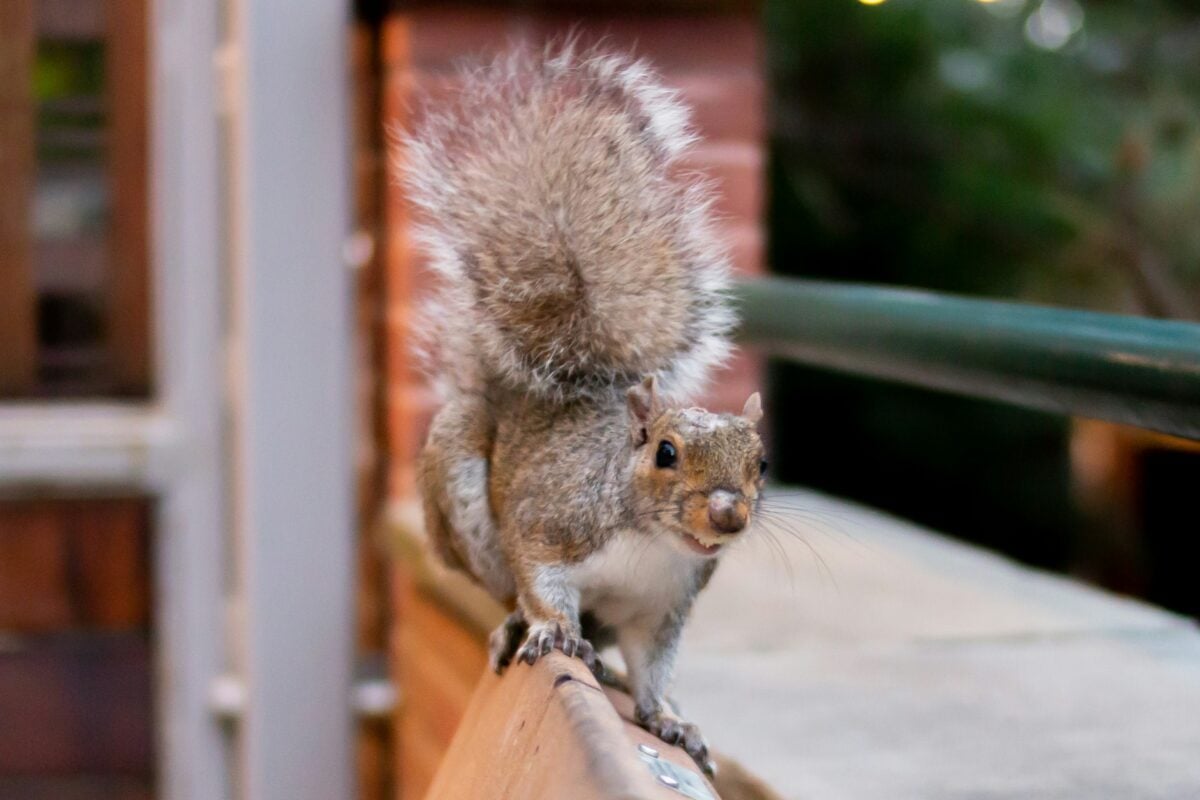
A fluffy tail isn’t just for show – it keeps a squirrel steady while leaping through trees. When the sun beats down, that same tail lifts up to block rays, acting like an umbrella made of fur.
Cold months bring a different trick: the animal curls itself close, using it as insulation against freezing air. Blood moving into the tail releases warmth, yet pulling back circulation holds heat in when needed.
It gets better when you think about how they talk to each other. Their tail? A multitool built right into their body.
The Small Creatures With Big Impact
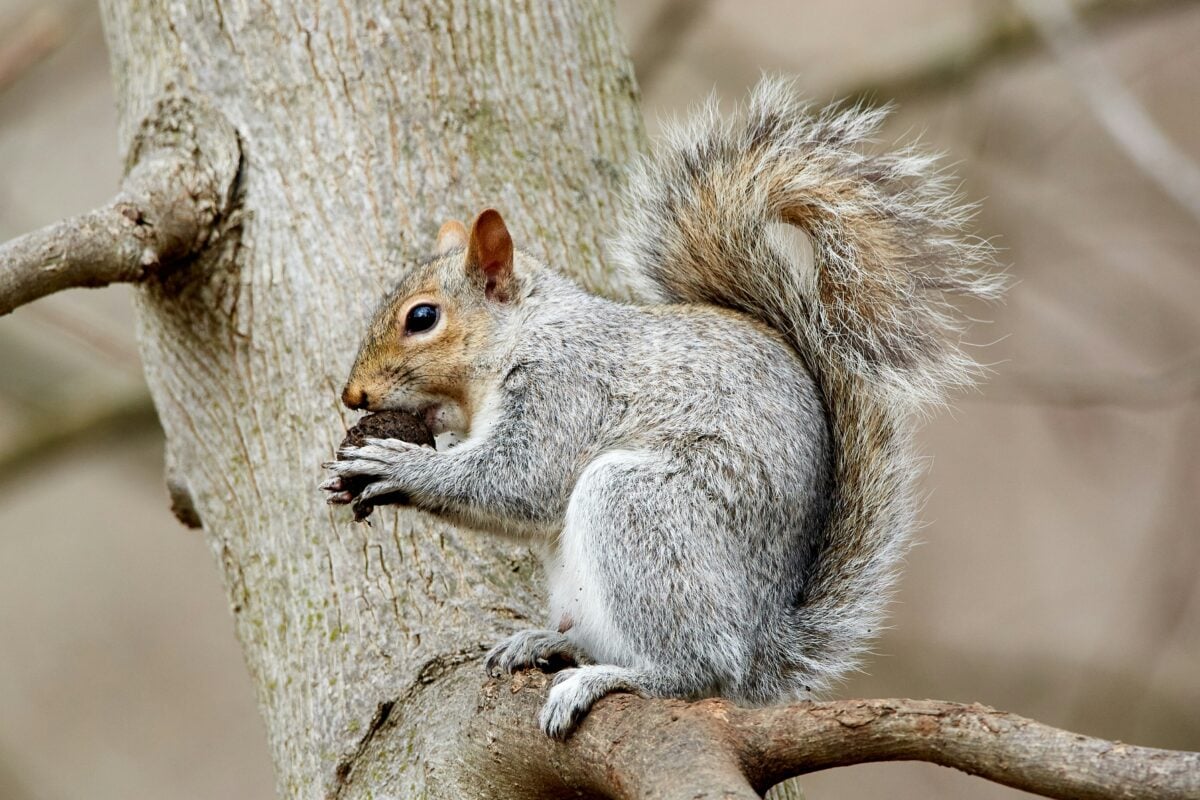
A flash of fur dashing up bark – that is nature fine-tuned by ageless trial. These small creatures reshape woodlands simply by living in them.
Children laugh at their antics while garden owners shake their heads in dismay. Yet wherever they go – city parks, mountain slopes, backyards – they settle without complaint.
Watch how fast they move, how focused they become when hiding seeds under the soil. Each motion carries instinct sharpened long before humans walked here.
Common to see, yes, still unmatched in quiet endurance.
More from Go2Tutors!

- 16 Historical Figures Who Were Nothing Like You Think
- 12 Things Sold in the 80s That Are Now Illegal
- 15 VHS Tapes That Could Be Worth Thousands
- 17 Historical “What Ifs” That Would Have Changed Everything
- 18 TV Shows That Vanished Without a Finale
Like Go2Tutors’s content? Follow us on MSN.