Mascots With Tragic Backstories
Mascots exist to bring joy. They wave at children, pump up crowds, and sell products with cheerful enthusiasm.
But behind those oversized heads and foam costumes, some mascots carry stories that are anything but lighthearted. These characters emerged from accidents, commemorations of disasters, or events that left scars on the people who wore them.
The bright colors and big smiles hide histories that would surprise most fans.
Mr. Peanut Died for Marketing
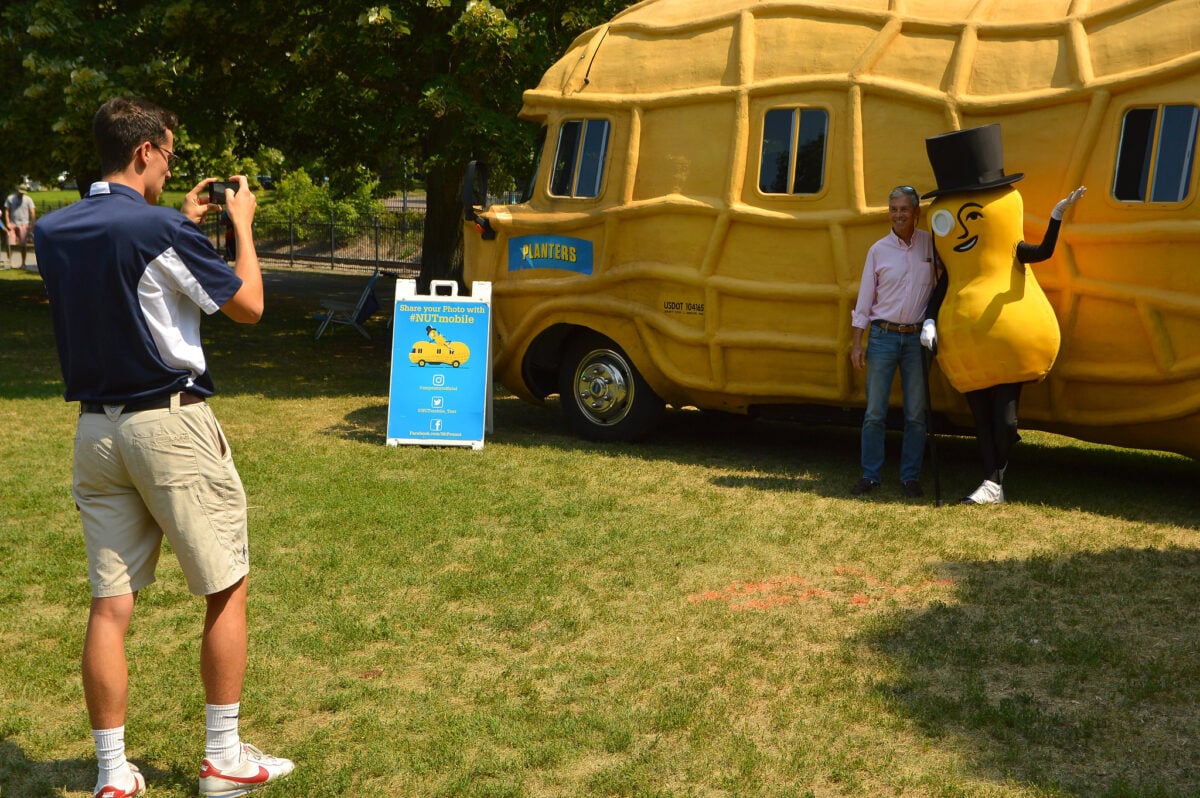
Planters killed off their 104-year-old mascot in a 2020 Super Bowl commercial. Mr. Peanut sacrificed himself to save his friends, plunging to his death in a fiery crash.
The monocled legume exploded on impact, and the company held a funeral complete with celebrity mourners. The stunt aimed to generate buzz and reboot the character as “Baby Nut.”
Instead, it landed during the early days of a global pandemic when people were dealing with actual death and loss. The tone-deaf campaign got pulled back, and Planters scrambled to adjust their messaging.
Mr. Peanut’s death became a case study in how marketing stunts can backfire when reality intervenes. The character returned, of course.
Dead mascots never stay dead when there’s merchandise to sell. But the attempt to create a tragic narrative for a cartoon peanut revealed how disconnected brands can be from the moments they choose to exploit.
Benny the Bull Survived Real Violence
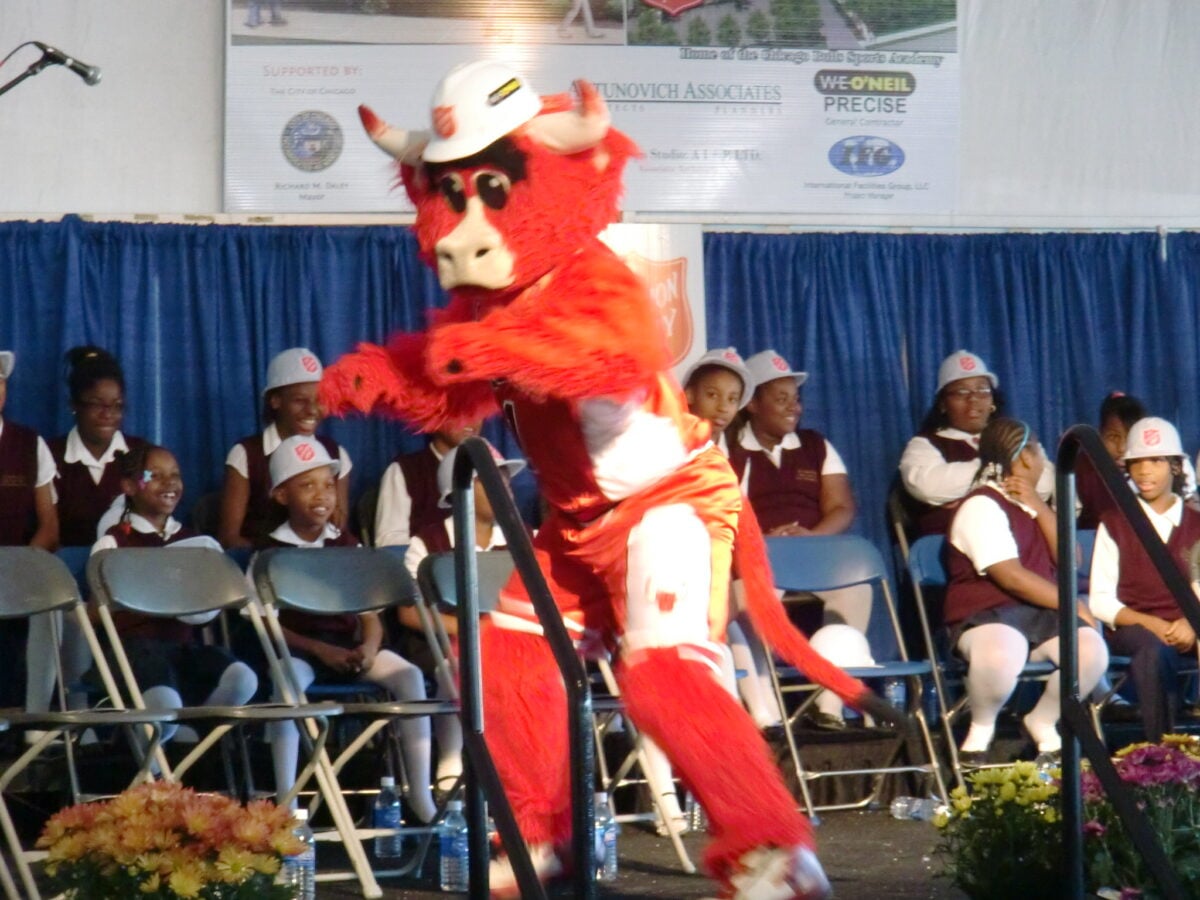
The Chicago Bulls mascot has entertained crowds since 1969, but the job comes with genuine danger. In 2004, a fan attacked Benny during a game, punching the person inside the costume repeatedly.
The assault happened on camera, and security had to pull the attacker away. Multiple people have worn the Benny costume over the decades, and several have suffered injuries from stunts gone wrong, falls, and confrontations with aggressive fans.
The role requires athleticism and showmanship, but it also demands the ability to handle physical confrontations while your vision is limited and your movement restricted by foam and fabric. Barry Anderson, who played Benny for over a decade, once broke his ankle during a performance but continued the routine before seeking medical attention.
The character’s acrobatic stunts and high-energy performances hide the very real risks the performer faces every night.
The Phoenix Suns Gorilla Nearly Died
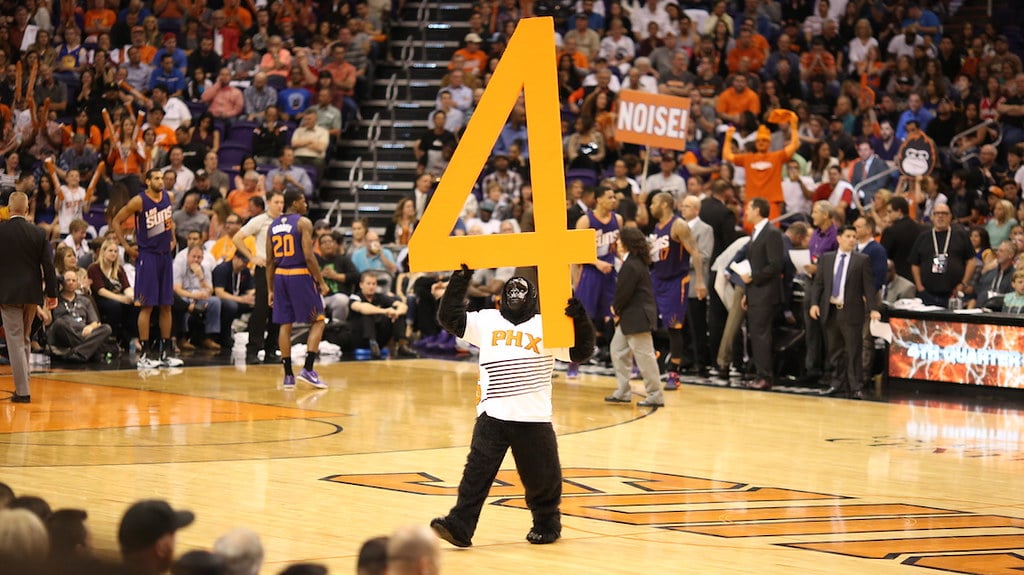
The Phoenix Suns Gorilla, one of the NBA’s most famous mascots, started as a singing telegram gone wrong in 1980. A performer showed up to deliver a message in a gorilla suit and ended up being invited to entertain the crowd.
The role became permanent, and the gorilla became known for increasingly dangerous stunts. During one performance, the gorilla’s bungee cord snapped while he was being lowered from the arena ceiling.
He plummeted toward the court before a backup system caught him just feet from the ground. The near-death experience was captured on video, and you can see the crowd’s reaction shift from excitement to horror in seconds.
Despite multiple close calls over the years, the gorilla continues performing high-risk stunts. The character’s popularity depends on pushing boundaries, even when those boundaries involve significant physical danger to the person inside the costume.
Smokey Bear Represents Endless Loss
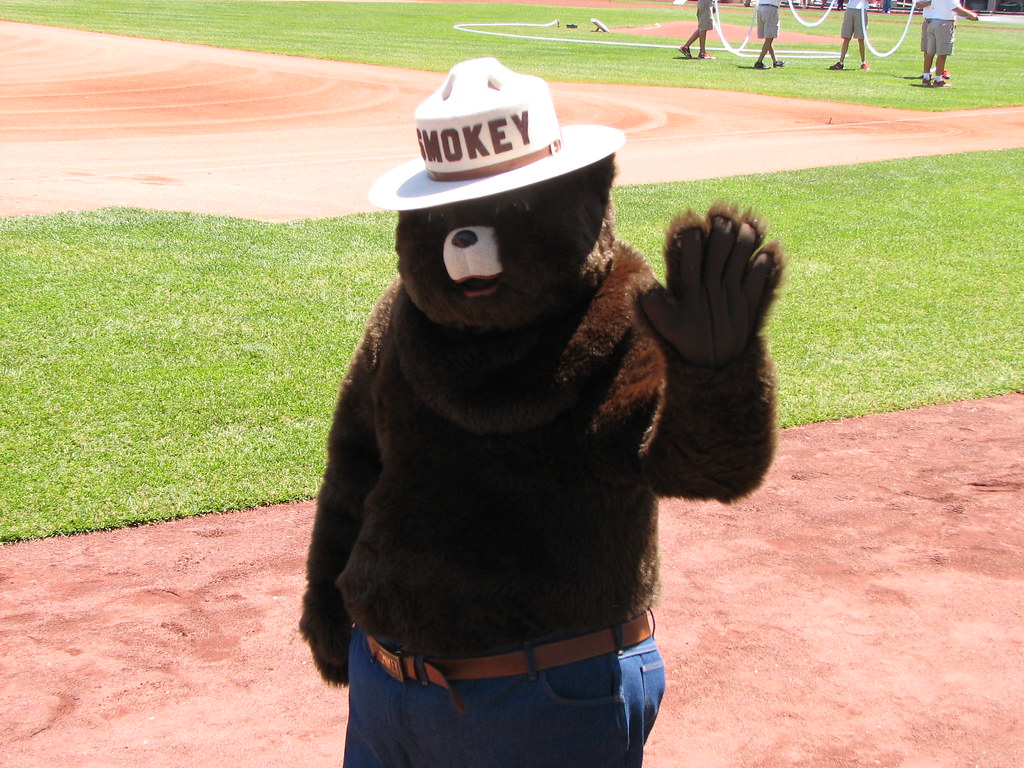
Smokey Bear originated during World War II as a fire prevention mascot, but the character took on a deeper meaning in 1950 when firefighters rescued a real bear cub from a New Mexico wildfire. The cub had climbed a tree to escape the flames, suffering burns on his paws and legs.
They named him Smokey and sent him to the National Zoo. The real Smokey lived in captivity for 26 years, never returning to the wild.
He became a living symbol of the disasters the character was meant to prevent. Every year, wildfires destroy homes, kill people, and devastate ecosystems.
Smokey’s message of prevention comes from a foundation of actual loss and suffering. The original Smokey died in 1976, but the character continues reminding people of fires that could have been prevented and the lives that could have been saved.
The friendly bear represents decades of tragedy compressed into a simple slogan about matches and forest fires.
Ronald McDonald Witnessed Multiple Tragedies
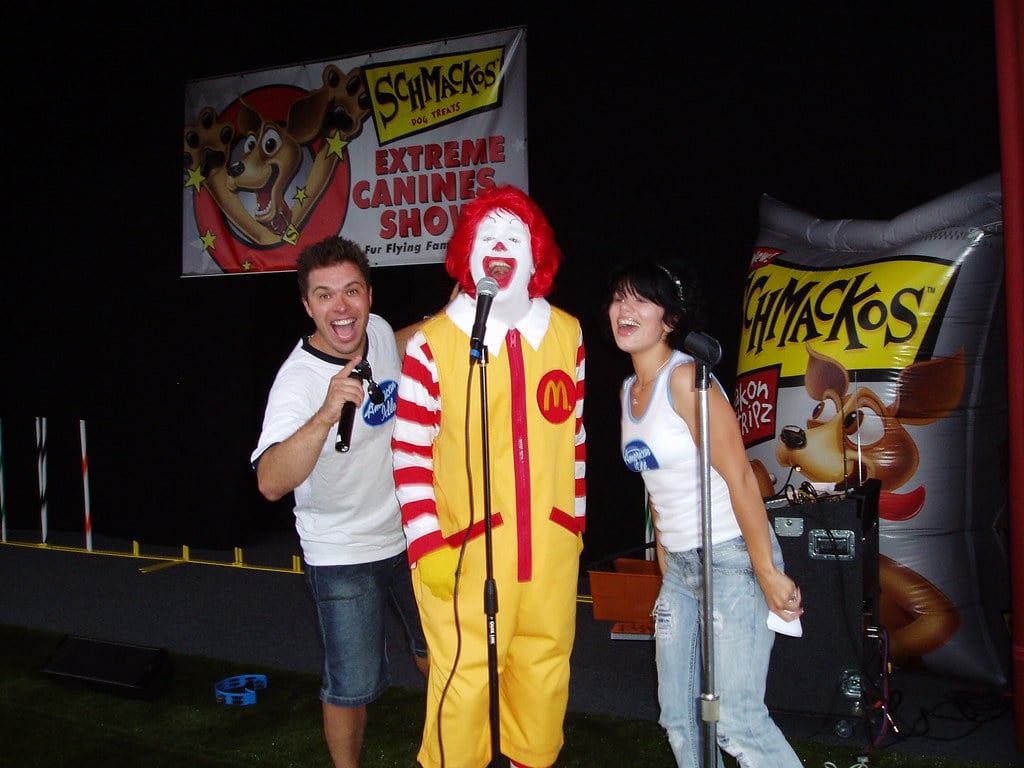
McDonald’s clown has been present for several horrific incidents over the decades. In 1984, a gunman killed 21 people at a McDonald’s in San Ysidro, California.
In 1991, another mass shooting at a McDonald’s in Texas left 23 dead. Ronald McDonald statues stood near these locations, silent witnesses to carnage.
The character has also been connected to childhood obesity debates, labor disputes, and animal welfare controversies. What started as a cheerful mascot to sell hamburgers became associated with some of the darkest moments in fast food history.
McDonald’s has scaled back Ronald’s appearances in recent years, partly due to changing marketing strategies and partly because the clown aesthetic has fallen out of favor. Some people find clowns genuinely frightening, and the character’s association with corporate practices made him a target for activists and critics.
Otto the Orange Got Assaulted
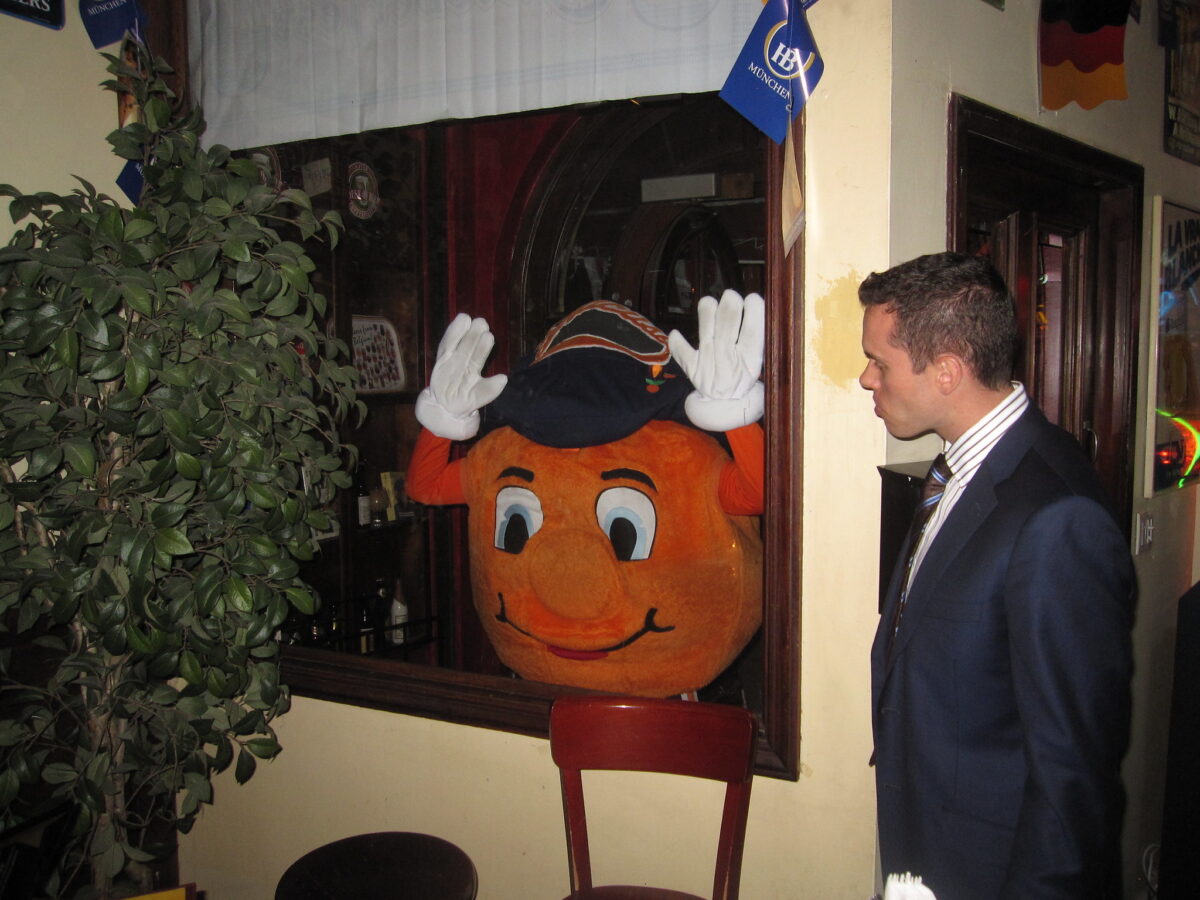
Syracuse University’s mascot was attacked by multiple people during a 2013 basketball game. The video showed fans punching Otto repeatedly while the person inside tried to retreat.
Security eventually intervened, but not before the assault became a viral video that highlighted the vulnerability of mascot performers. The incident sparked discussions about fan behavior and mascot safety.
When you’re inside a costume with limited vision, restricted movement, and no ability to defend yourself effectively, you’re remarkably exposed to anyone who decides to attack. Otto’s assault wasn’t an isolated incident but part of a larger pattern of mascot violence that rarely gets reported.
Syracuse increased security protocols after the attack, but the fundamental problem remains. Mascots exist in crowds of people, some of whom are drunk, angry, or looking for attention.
The costume that creates the character also creates a target.
The Original Phillie Phanatic Suit Was Destroyed
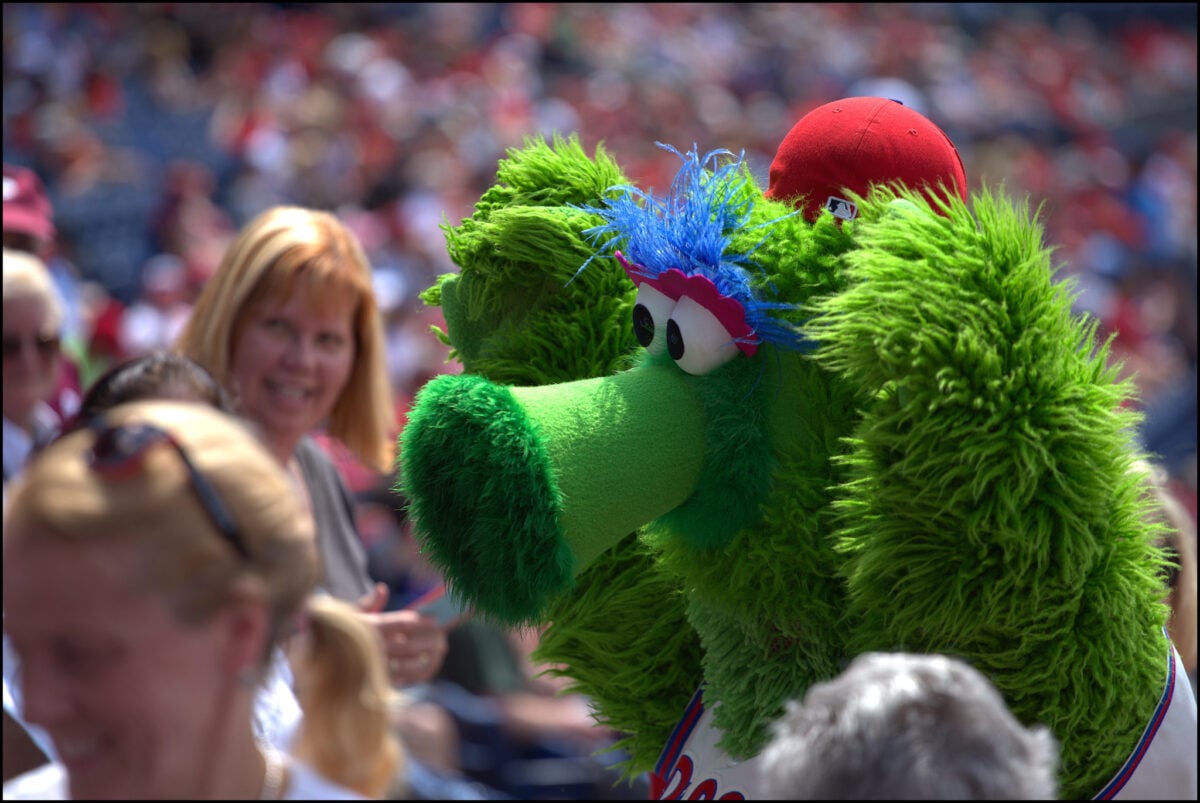
The Philadelphia Phillies and the creators of the Phillie Phanatic have been locked in legal battles over the character’s copyright since 2020. The dispute centers on who owns the rights to one of baseball’s most beloved mascots, created in 1978 by Bonnie Erickson and Wayde Harrison.
The original suit was retired and destroyed as part of various legal and creative decisions over the years. That first costume, which helped define the character and brought joy to millions of fans, no longer exists.
The destruction of the original suit symbolizes how business decisions and legal fights can erase history. The current Phanatic looks slightly different from the original due to the ongoing copyright dispute.
The changes are subtle, but longtime fans noticed. The legal battle turned what should have been a celebration of a cherished character into a reminder that even mascots aren’t immune to corporate conflict.
Stanford’s Indian Became a Controversy
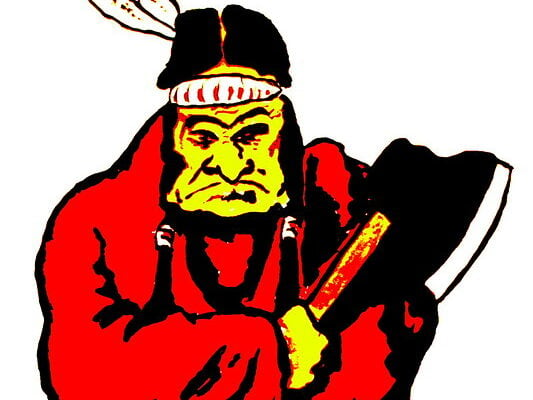
Stanford University retired its “Indians” mascot and “Prince Lightfoot” character in 1972 after Native American students protested the offensive caricature. The mascot had performed for decades, perpetuating stereotypes and appropriating Indigenous culture for entertainment.
The removal sparked backlash from alumni who valued tradition over respect. The controversy highlighted how mascots can harm the very communities they claim to honor.
Prince Lightfoot’s retirement came after years of Native students explaining how the character demeaned their heritage and reduced complex cultures to sports entertainment. Stanford eventually adopted the Cardinal as their mascot, a color rather than a character.
The decision eliminated the problem but took years of advocacy from Indigenous students who had to repeatedly explain why a caricature of their culture wasn’t harmless fun.
Uga VI Collapsed and Died
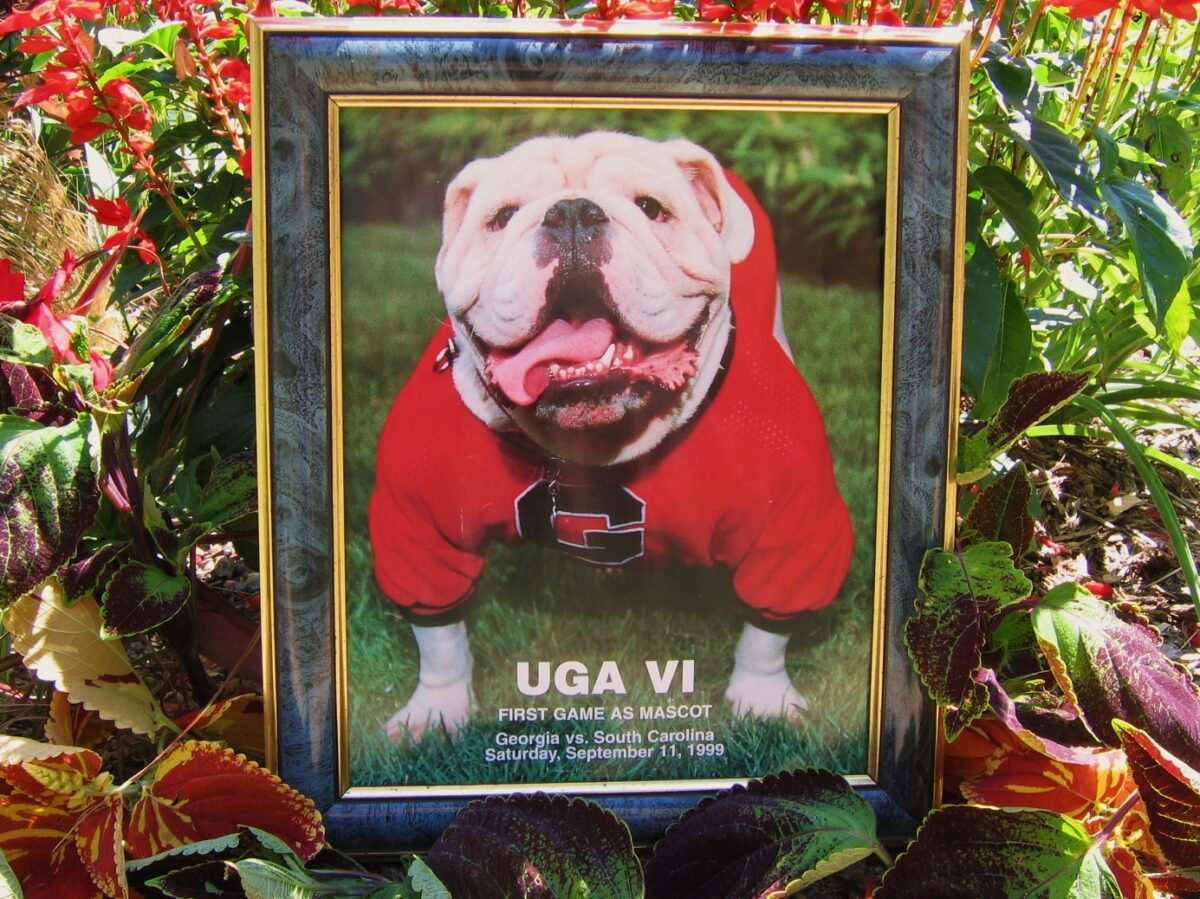
The University of Georgia’s bulldog mascot line has seen multiple dogs die young due to health problems related to their breed. Uga VI, named after the university’s nickname, collapsed during a 2009 game against Georgia Tech when temperatures reached 85 degrees.
The dog died shortly after at age four. English Bulldogs suffer from breathing problems, joint issues, and heat sensitivity.
The breed’s flat face makes it difficult for them to regulate body temperature, and asking these dogs to perform as mascots in hot weather puts them at significant risk. Uga VI’s death brought attention to the ethics of using breeds with known health problems as living mascots.
The university continues using English Bulldogs despite the health concerns. Each new Uga brings joy to fans while facing the same genetic disadvantages that killed previous dogs in the line.
The tradition continues at a cost most fans prefer not to think about.
McGruff’s Actor Went to Prison
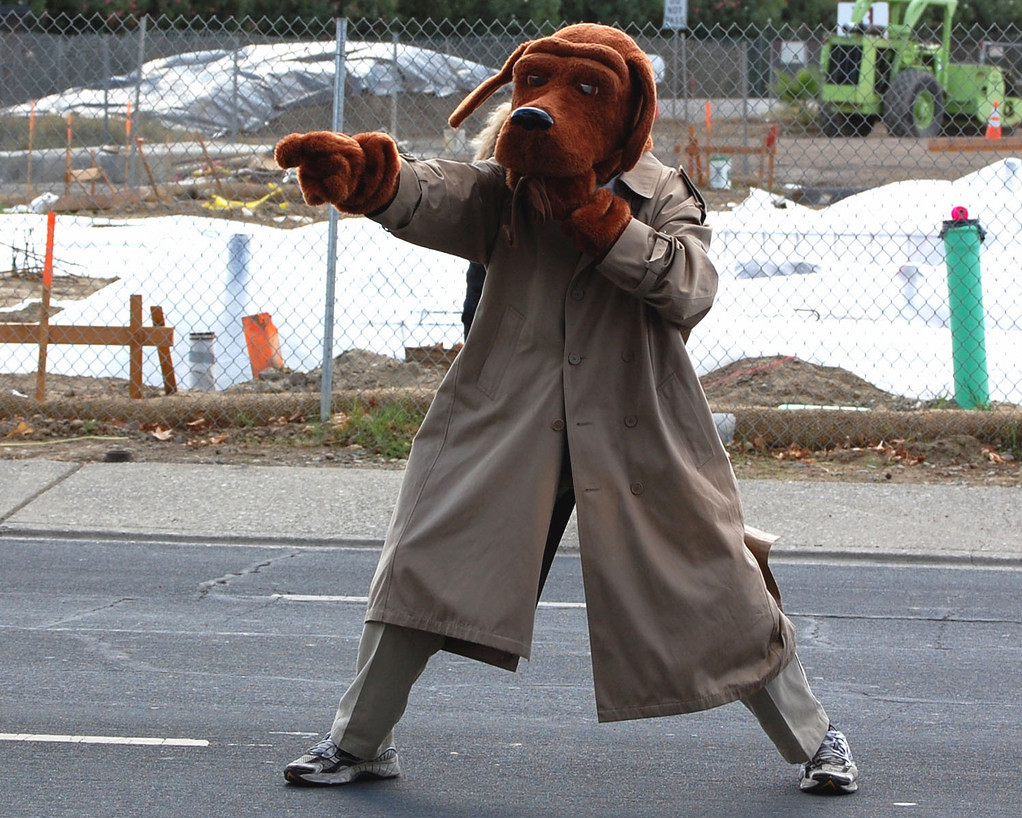
John Morales, who played McGruff the Crime Dog at events for decades, was sentenced to 16 years in prison in 2014. Police found marijuana, grenade launchers, and a massive weapons cache in his home.
The man who told children to “take a bite out of crime” was convicted of drug and weapons charges. The revelation shattered the wholesome image of a character designed to teach kids about safety.
McGruff appeared in schools, on television, and at community events with Morales inside the costume. Parents who had trusted the character to deliver safety messages discovered that the person representing him was stockpiling illegal weapons.
The character continues without Morales, but his arrest demonstrated the disconnect between a mascot’s public image and the reality of who wears the costume. McGruff the Crime Dog preached one message while his performer lived another life entirely.
Big Bird’s Creator Lost His Voice
Caroll Spinney performed as Big Bird and Oscar the Grouch for nearly 50 years, from 1969 to 2018. He retired at age 84 after his body could no longer handle the physical demands of the role.
The man who gave voice to one of children’s television’s most beloved characters spent his final years unable to continue the work that defined his life. Spinney’s retirement came as his health declined.
He struggled with dystonia, a movement disorder that made controlling the massive puppet increasingly difficult. The documentary “I Am Big Bird” showed him preparing to say goodbye to a character that had been his identity for half a century.
The retirement wasn’t tragic in the conventional sense, but it marked the end of an era. Watching Spinney struggle with the reality that his body could no longer do what his heart wanted revealed the physical cost of bringing joy to millions of children across generations.
The San Diego Chicken Nearly Got Fired
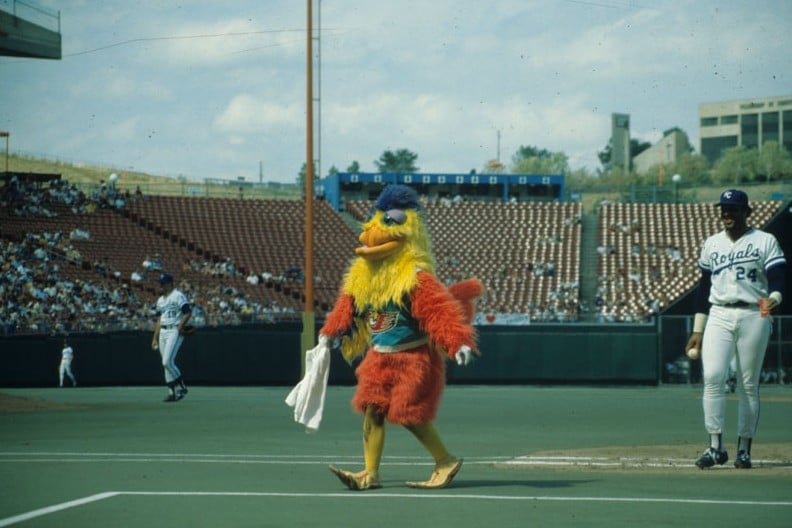
Ted Giannoulas created the San Diego Chicken character in 1974 and transformed mascot performance into an art form. But his relationship with the radio station that hired him deteriorated into lawsuits and bitter disputes over who owned the character rights.
Giannoulas fought for years to keep performing as the character he created. The legal battles drained his finances and nearly ended the Chicken’s career.
The dispute highlighted how performers can lose control of characters they create when businesses own the intellectual property. He eventually won the right to continue performing, but the fight took years and cost him significant money.
The Chicken’s popularity was built on Giannoulas’s creativity and performance skills, yet he nearly lost everything because of contract disputes and ownership claims.
Steely McBeam Got Death Threats
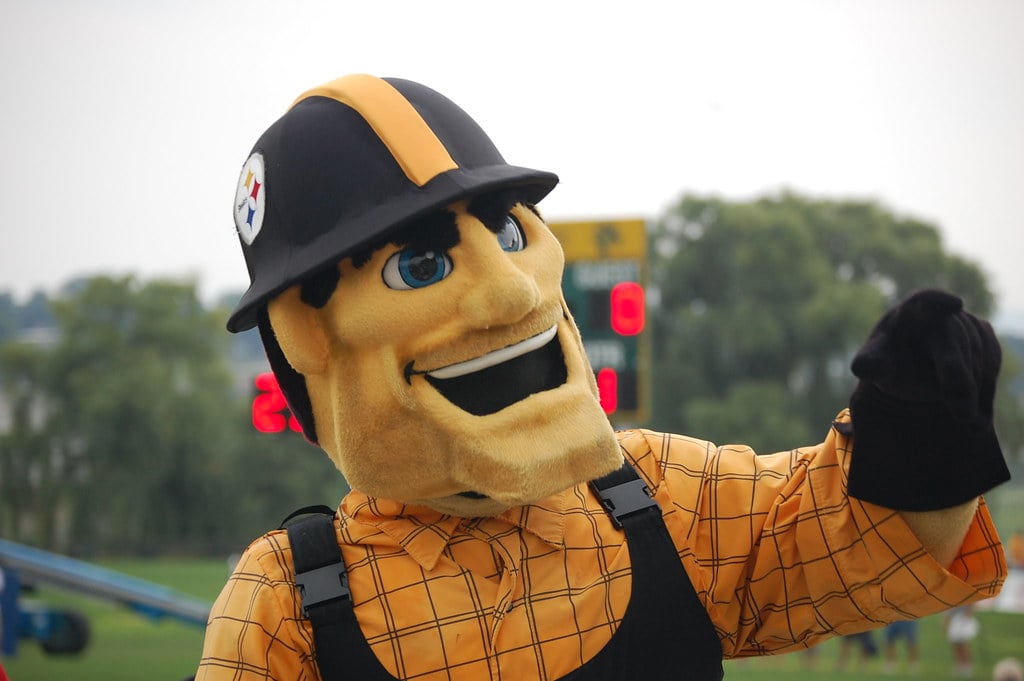
The Pittsburgh Steelers introduced Steely McBeam as their first official mascot in 2007, and fans hated him immediately. The character, meant to represent a steelworker, looked awkward and unsettling.
Fans created websites dedicated to mocking the mascot. Some sent death threats.
The backlash was so intense that the person performing as Steely received actual threats of violence. What should have been a fun addition to game day became a source of harassment and anger.
The mascot still appears at games, but the initial reception scarred the character’s reputation permanently. Steely McBeam demonstrates how mascot design can fail spectacularly when teams misjudge what fans want.
The character never recovered from the hostile launch, and the performer had to deal with genuine hatred directed at a costume designed to entertain children.
What They Carry Forward
What ties these mascots together isn’t just their personal struggles. Behind every grin is a split between how they seem and what lies beneath.
Joyful, carefree figures on the outside – yet built by real people carrying quiet weight. The costumes hide more than faces; they carry loneliness, pressure, unseen effort.
Smiles painted wide, while inside, exhaustion hums low. Performance masks truth.
Stillness behind motion. A grin on the court could hide last week’s hospital visit.
Behind the smile on your screen, days blur from a diagnosis no one sees. Even the animated pitchman may have vanished during a campaign too out of touch to survive.
What feels fake often carries a deeper truth. Reality hums beneath the surface.
Mascots move because real people make them do so, shaped by where they appear. When trouble strikes, the suit offers no defense against harm, sickness, or court fights.
A drawing on a logo won’t stop a company from being tied to sorrow. Behind every grinning face lies pasts that aren’t always light.
When a mascot waves, it is a person inside, working. This work might include pain, fear, accidents – things the grin hides completely.
Still, they move through arenas, shows, ads, holding stories others rarely notice. Behind every bounce, there’s weight no one sees.
More from Go2Tutors!

- 16 Historical Figures Who Were Nothing Like You Think
- 12 Things Sold in the 80s That Are Now Illegal
- 15 VHS Tapes That Could Be Worth Thousands
- 17 Historical “What Ifs” That Would Have Changed Everything
- 18 TV Shows That Vanished Without a Finale
Like Go2Tutors’s content? Follow us on MSN.


