15 Road Trip Routes That Changed America
America’s highways tell stories that go far beyond getting from point A to point B. These ribbons of asphalt have shaped entire regions, created communities, and fundamentally altered how Americans live, work, and travel. Some routes sparked economic booms while others preserved natural wonders for future generations.
The open road has always represented freedom and possibility in American culture. Here is a list of 15 road trip routes that changed America.
Route 66

The ‘Mother Road’ stretched 2,448 miles from Chicago to Santa Monica, becoming the primary artery for westward migration during the Great Depression and Dust Bowl era. Thousands of families packed their belongings and headed west seeking better opportunities—turning this highway into a symbol of hope and perseverance.
Though officially decommissioned in 1985, Route 66 remains deeply embedded in American mythology, inspiring countless songs, books, and movies about the journey west.
Interstate 95
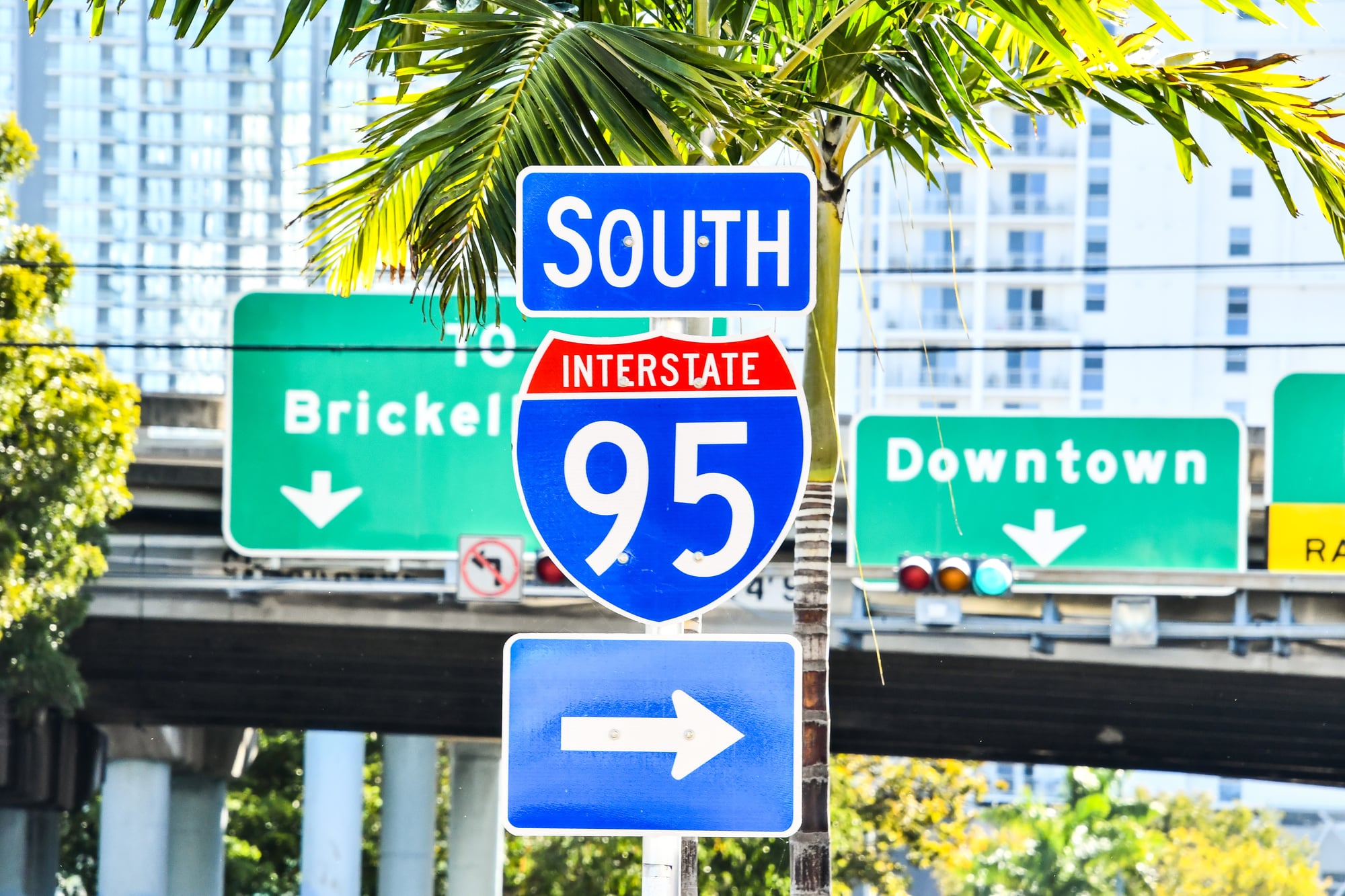
This East Coast corridor connects Maine to Florida, carrying more traffic than any other highway in America and serving as the economic backbone for the entire Eastern Seaboard. The route links major metropolitan areas including Boston, New York, Philadelphia, Washington D.C., and Miami—creating an interconnected megalopolis that drives much of the nation’s commerce.
Construction displaced thousands of urban residents though, particularly in minority communities, fundamentally reshaping American cities during the mid-20th century.
Pacific Coast Highway
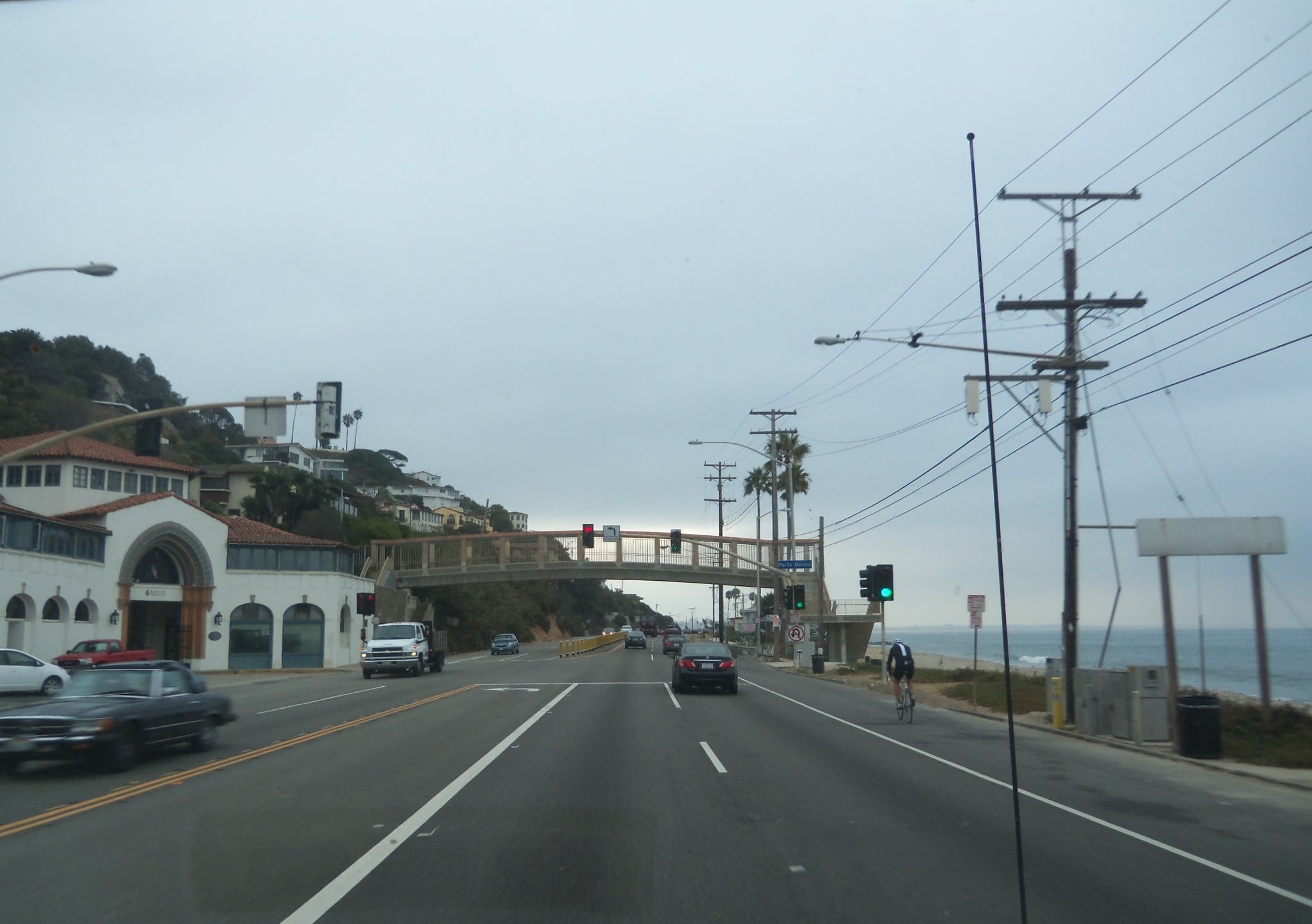
California’s Highway 1 transformed the state’s rugged coastline from an isolated frontier into one of the world’s most scenic drives. The route opened previously inaccessible areas to tourism and development—though it also sparked ongoing debates about balancing preservation with progress.
Construction required incredible engineering feats, including bridges that span dramatic coastal canyons and sections carved directly into cliff sides.
Alaska Highway

Built in just eight months during World War II, this 1,387-mile route connected the continental United States to Alaska for the first time. Military necessity drove the project—providing a land route to defend Alaska from potential Japanese invasion while opening America’s last frontier to development.
The highway transformed Alaska from an isolated territory into an accessible destination, paving the way for statehood and the oil boom that followed.
Blue Ridge Parkway

This scenic mountain route preserves 469 miles of Appalachian beauty while connecting Great Smoky Mountains and Shenandoah National Parks. The Depression-era project provided jobs for thousands of workers—creating a tourism infrastructure that revitalized struggling mountain communities.
The parkway’s careful design philosophy emphasized harmony with natural landscapes, establishing precedents for environmentally sensitive highway construction.
Interstate 10
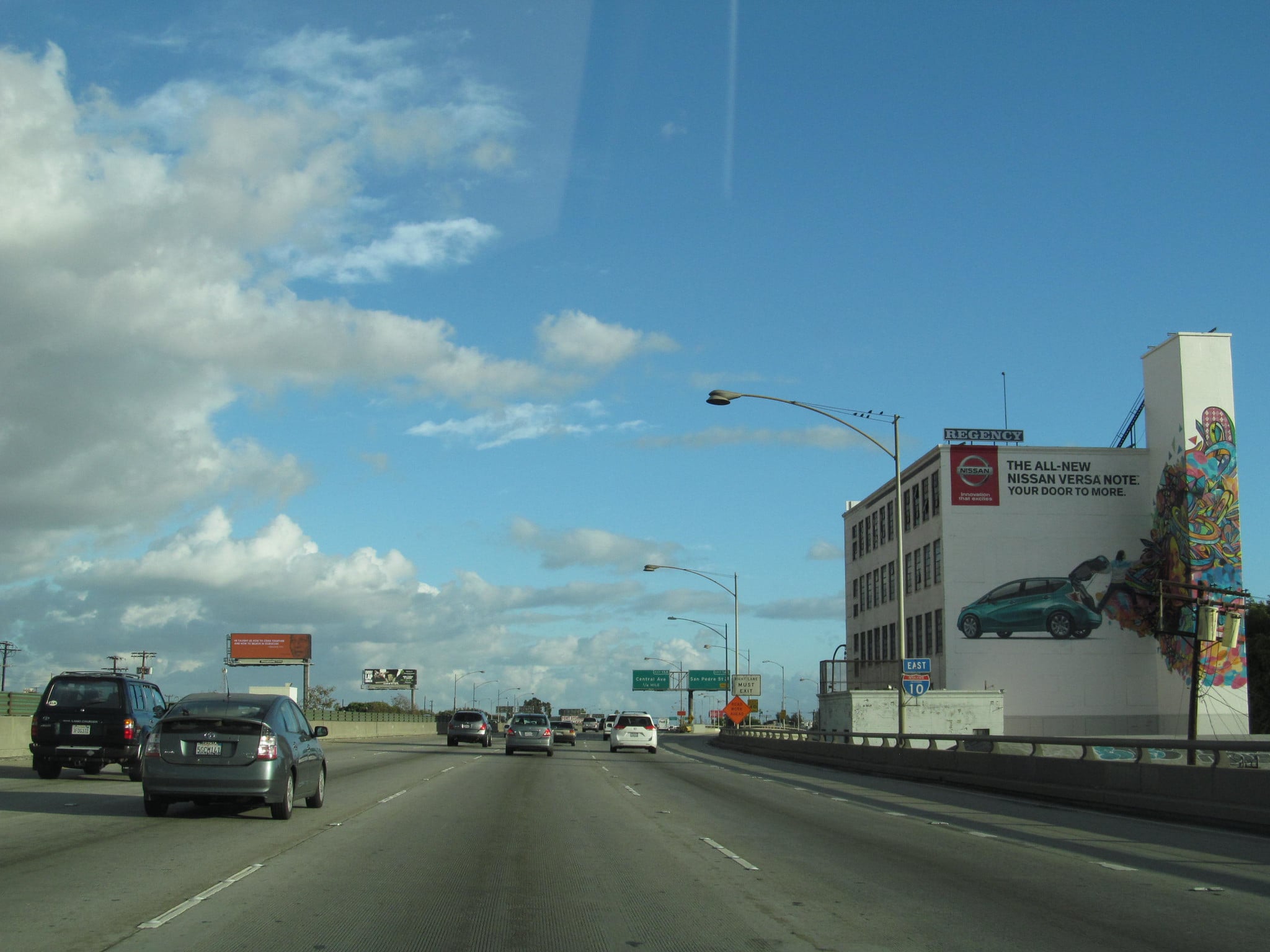
America’s southernmost transcontinental highway spans 2,460 miles from Jacksonville, Florida to Santa Monica, California. The route opened the Sun Belt to massive population growth—connecting previously isolated desert communities to major metropolitan areas.
Interstate 10 became crucial for trade with Mexico, facilitating the economic integration that led to NAFTA and modern cross-border commerce.
Natchez Trace Parkway

This 444-mile route follows an ancient Native American path that later became a vital commercial corridor for early American settlers. The modern parkway preserves historical sites while telling the complex story of westward expansion—including both pioneer achievements and the displacement of indigenous peoples.
Development of the route during the 1930s and 1940s created jobs during the Great Depression while establishing one of America’s most historically significant scenic drives.
Interstate 40

Replacing much of the original Route 66, this transcontinental highway fundamentally altered travel patterns across the American Southwest. The route bypassed many small towns that had thrived on earlier highways—causing some communities to wither while others adapted to become major trucking and logistics hubs.
Interstate 40 also opened remote areas of the Southwest to development, contributing to the region’s transformation from frontier territory to modern economic powerhouse.
Going-to-the-Sun Road
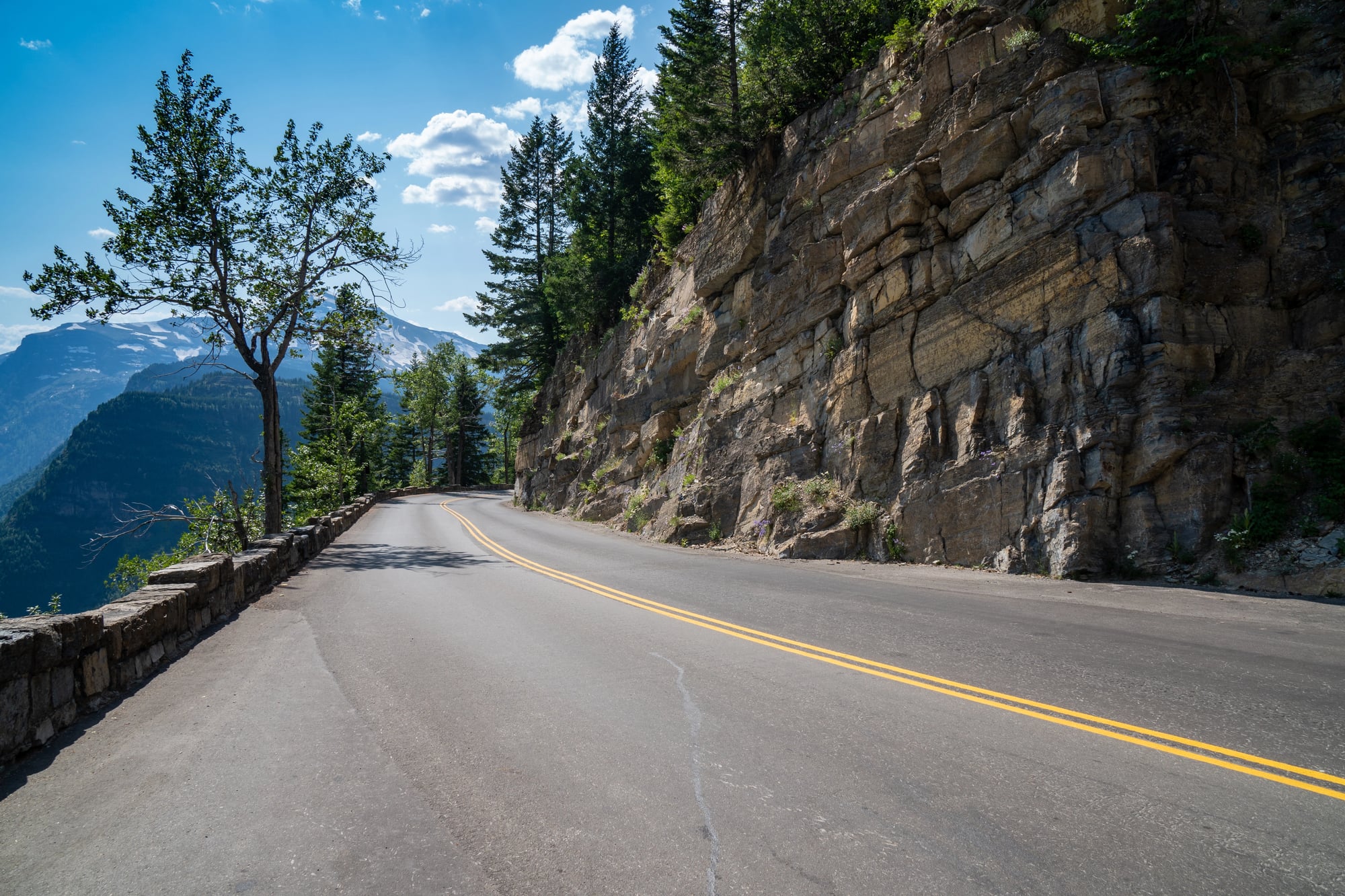
Glacier National Park’s mountain highway required 11 years to complete, overcoming incredible engineering challenges to create one of America’s most spectacular drives. The route opened Montana’s wilderness to visitors who otherwise couldn’t experience the region’s dramatic alpine scenery—democratizing access to natural wonders previously available only to serious hikers.
Construction employed innovative techniques that minimized environmental impact, setting standards for building roads through sensitive ecosystems.
Great River Road
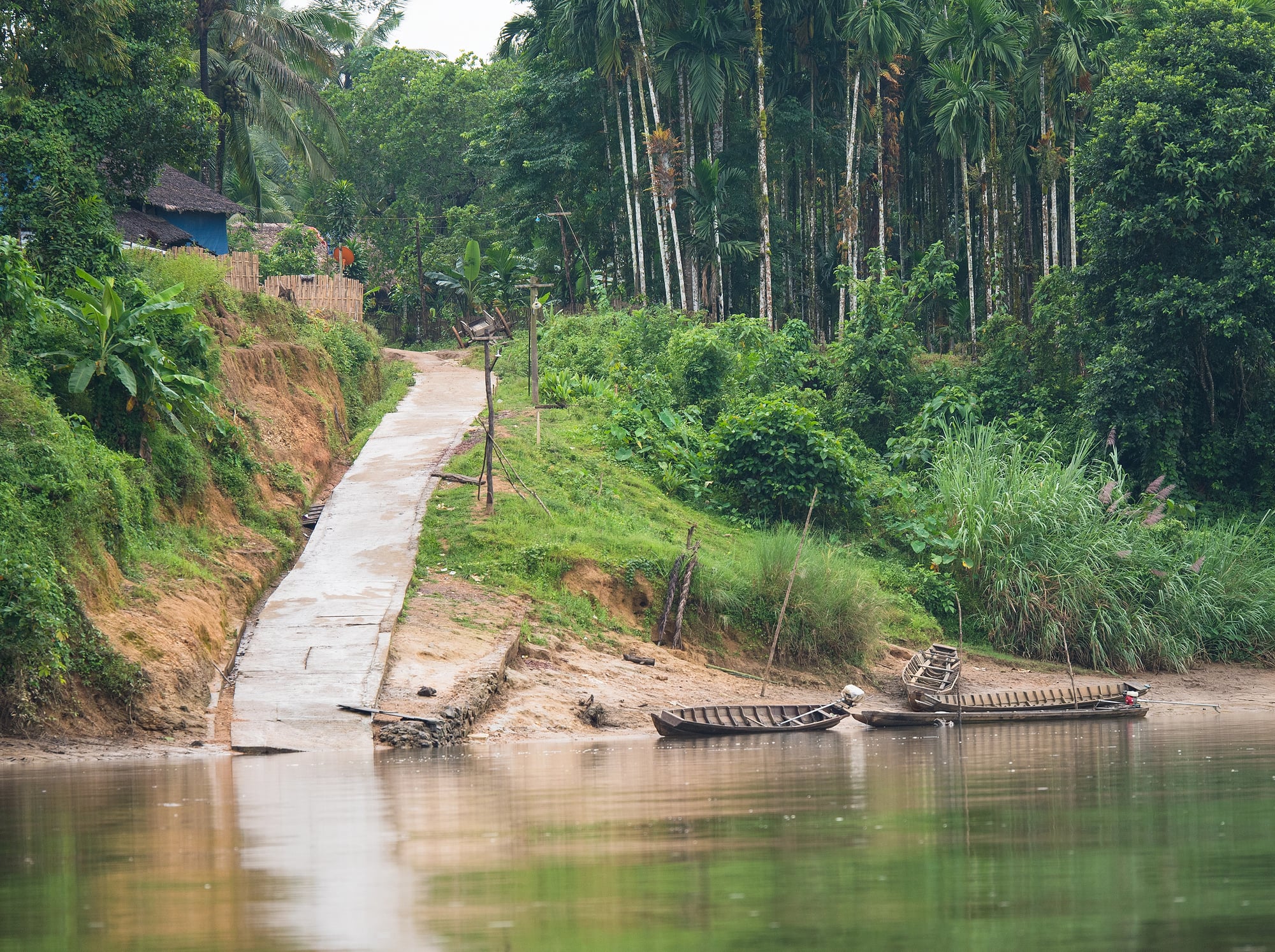
Following the Mississippi River for 3,000 miles through 10 states, this route celebrates America’s most important waterway while connecting diverse communities along its banks. The highway system preserves access to river towns that might otherwise be forgotten—maintaining cultural connections to America’s inland maritime heritage.
Development of the Great River Road also highlighted the Mississippi’s role in American history, from Native American settlements to Civil War battlefields and the Great Migration.
Interstate 75

This major north-south corridor transformed Florida from a regional destination into a national playground, connecting the industrial Midwest to the Sunshine State. The highway made year-round warm weather accessible to millions of Americans—spurring massive development in central and southern Florida that continues today.
Interstate 75 also became a crucial route for trade between the Great Lakes region and Latin America, facilitating economic relationships that reshaped both areas.
Trail Ridge Road

Rocky Mountain National Park’s high-altitude highway reaches 12,183 feet above sea level, making it one of the highest paved roads in North America. The route provides access to alpine environments that few people could otherwise experience, bringing visitors face-to-face with ecosystems found nowhere else in the continental United States.
Construction required overcoming extreme weather conditions and thin air that challenged both workers and equipment.
Interstate 80

America’s second-longest highway spans 2,899 miles from San Francisco to New York City, roughly following the historic transcontinental railroad route. The highway facilitated massive economic development across the American heartland by providing reliable year-round transportation for goods and people.
Interstate 80 also connected previously isolated communities in Nevada, Wyoming, and Nebraska to national markets, spurring growth in areas that had struggled economically.
Overseas Highway
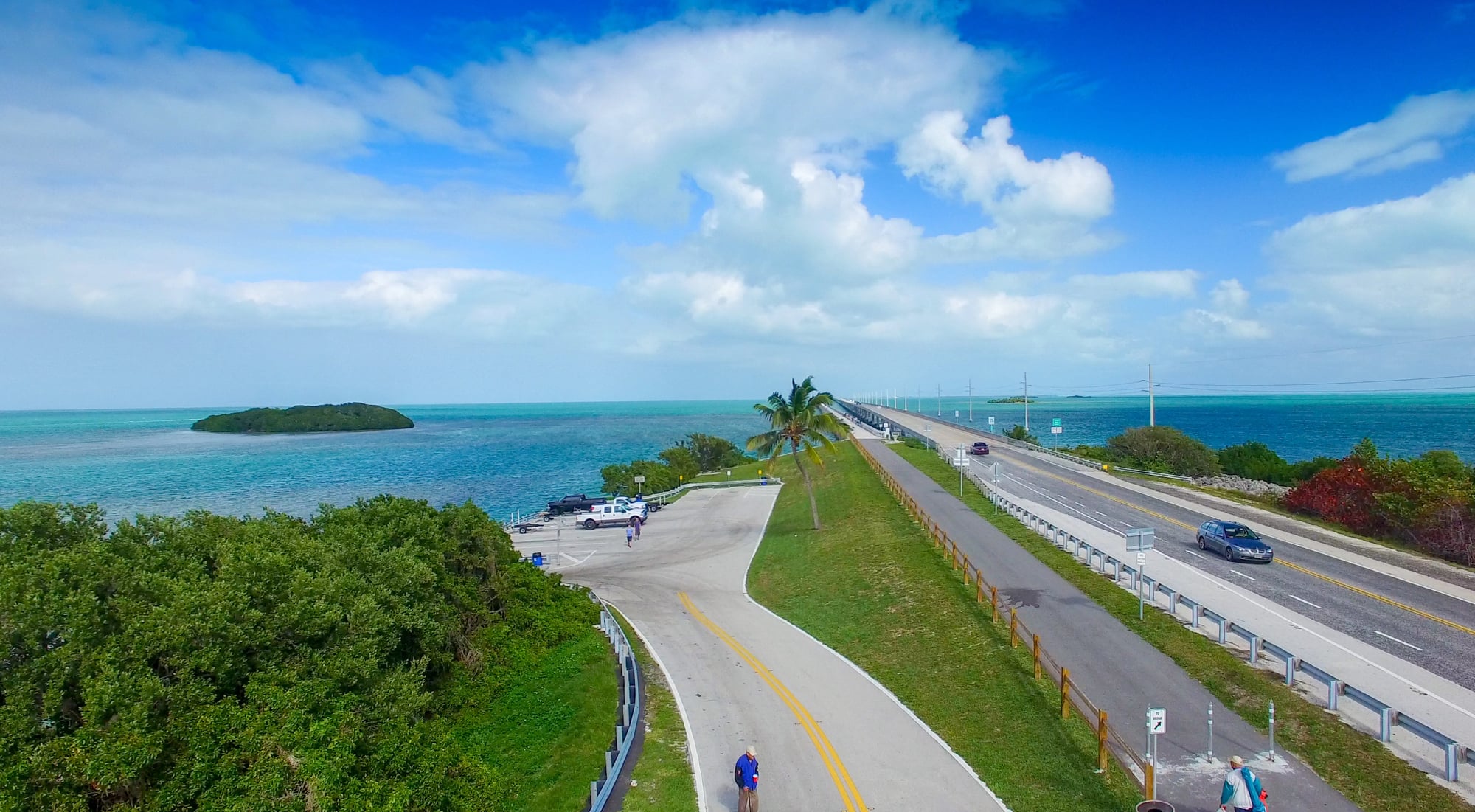
This incredible engineering achievement connects the Florida Keys through 42 bridges, including the famous Seven Mile Bridge that spans the open ocean. The route replaced Henry Flagler’s railroad after a devastating 1935 hurricane, opening the Keys to tourism and development that transformed a string of isolated islands into a major vacation destination.
Construction required innovative techniques for building over water, establishing engineering precedents used in coastal highway projects worldwide.
Skyline Drive
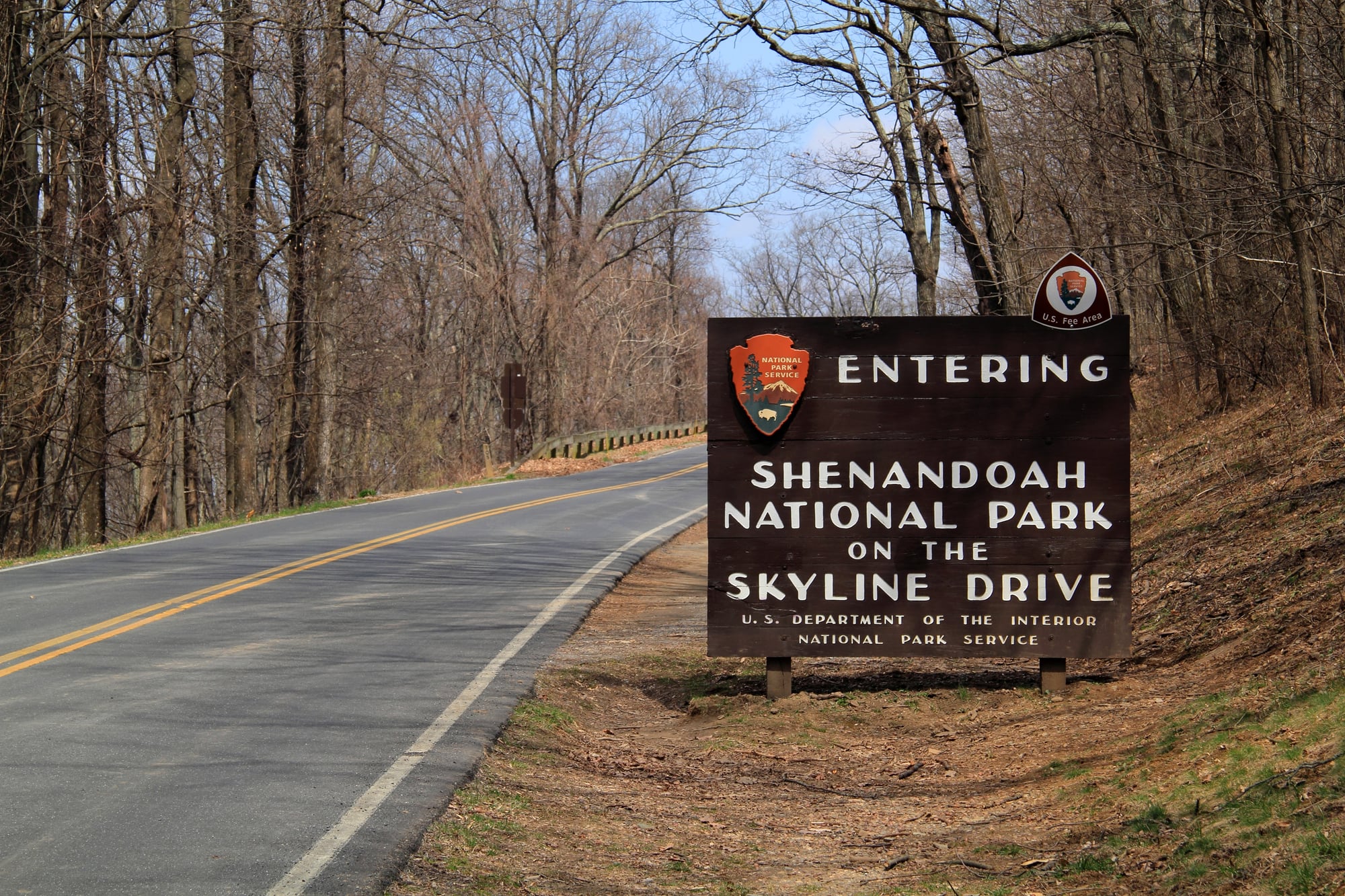
Shenandoah National Park’s mountain ridge highway displaced entire communities when the park was established, creating controversy that still resonates today. The route preserved 105 miles of Blue Ridge Mountains from development while providing scenic access that made the park financially viable.
Skyline Drive’s construction during the Great Depression provided jobs for thousands of workers, though it also erased the history of mountain families who had lived in the area for generations.
Roads That Built a Nation

These highways didn’t just connect places—they created the modern American landscape and transformed how people live, work, and relate to their environment. Each route reflects the era when it was built, from Depression-era public works projects to Cold War strategic infrastructure.
The roads that seemed like simple transportation solutions often carried profound social and economic consequences that continue shaping American life today. Understanding these highways means understanding how America became the mobile, interconnected society we know now.
More from Go2Tutors!

- The Romanov Crown Jewels and Their Tragic Fate
- 13 Historical Mysteries That Science Still Can’t Solve
- Famous Hoaxes That Fooled the World for Years
- 15 Child Stars with Tragic Adult Lives
- 16 Famous Jewelry Pieces in History
Like Go2Tutors’s content? Follow us on MSN.



