Words You Think Are Synonyms But Aren’t
Most people use certain word pairs interchangeably without realizing they’re subtly different. These near-synonyms slip past even careful writers, creating small misunderstandings that add up over time.
The differences aren’t always obvious, but they matter more than you might expect.
Jealous And Envious

Jealous means you’re afraid of losing something you already have. Envious means you want something someone else has that you don’t.
You’re jealous of your partner’s attention when someone flirts with them. You’re envious of your neighbor’s new car.
This distinction has been blurred in casual conversation, but it’s worth preserving. Jealousy protects what’s yours. Envy covets what isn’t.
Regret And Remorse

The gap between these two words is the difference between disappointment and genuine sorrow (which itself reveals how inadequate our emotional vocabulary can be, considering we collapse such distinct feelings into near-identical terms). Regret is wishing things had gone differently — you regret not taking that job, not buying that stock, not saying what you meant when it mattered.
But remorse carries weight that regret doesn’t; it’s the heavy, specific ache that comes when you know you’ve hurt someone, when you’ve crossed a line that shouldn’t have been crossed, when the thing you did wrong wasn’t just unfortunate but genuinely harmful.
Regret looks backward and sighs. Remorse looks backward and winces.
And while regret might fade with time or circumstance (so you didn’t take the job, but this one turned out better anyway), remorse has a way of lingering because it’s tied not just to outcomes but to character — to the uncomfortable recognition that you were, in that moment, less than who you wanted to be.
Sympathy And Empathy
Sympathy is feeling sorry for someone. Empathy is feeling what they feel.
The first keeps a respectful distance while offering comfort. The second steps directly into someone else’s emotional experience.
Sympathy says “I’m sorry for your loss.” Empathy says nothing because it’s too busy drowning in the same grief.
Both have their place, but empathy exhausts you in ways sympathy doesn’t.
Imply And Infer

This mix-up happens constantly in professional settings, and it makes precise people quietly frustrated. Imply is what the speaker does — they suggest something without stating it directly.
Infer is what the listener does — they draw conclusions from what was said (or not said, or said in a particular tone that carried its own message alongside the actual words, because human communication operates on at least three levels simultaneously: the literal content, the emotional subtext, and the relationship dynamic being negotiated through the exchange itself).
So when your boss mentions budget constraints during your performance review, they’re implying something about raises this year. When you walk out of that meeting feeling deflated, you’ve inferred what they meant.
The speaker implies; the audience infers. Mix them up and you sound sloppy to anyone who cares about precision — which, unfortunately for casual communicators everywhere, includes most people who make hiring and promotion decisions.
Continuous And Continual
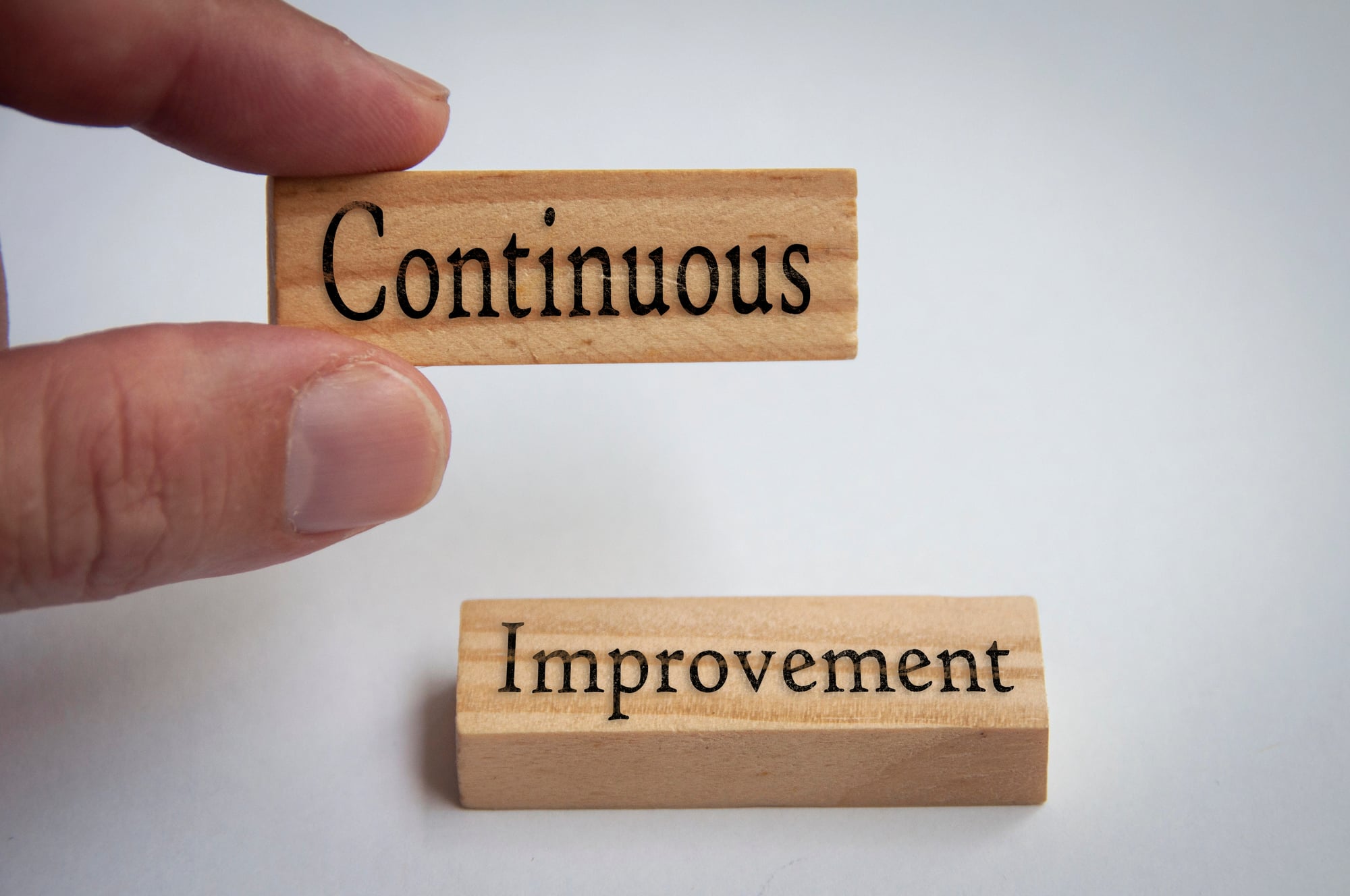
Think of continuous as an unbroken line. Think of continual as a dotted one.
Continuous means without interruption — a continuous hum, a continuous stream of water. Continual means repeated regularly but with breaks — continual phone calls, continual headaches.
The difference shows up most clearly in annoying situations. That neighbor’s dog barks continually, not continuously.
If it barked continuously, someone would call animal control within hours.
Notorious And Famous

Fame is neutral; notoriety carries judgment. Someone becomes famous for their achievements.
They become notorious for their scandals, crimes, or widely criticized behavior. The words aren’t interchangeable, even though people often use “notorious” as if it just means “very famous.”
Al Capone was notorious. Frank Sinatra was famous.
The distinction matters because it reveals the speaker’s attitude toward the person being described.
Compliment And Complement

Compliment with an “i” is praise — the nice thing someone says about your presentation or your haircut or your ability to parallel park in impossible spaces (which, honestly, deserves more recognition than it gets, considering how many otherwise competent adults will circle a block six times rather than attempt a spot that requires actual spatial reasoning).
Complement with an “e” is about completion — two things that complement each other make a better whole together than either could achieve alone.
Wine complements cheese. A good editor complements a talented writer.
Compliments make you feel good; complements make things work better. The spelling difference is subtle, but the meaning gap is significant enough that mixing them up can change what you’re trying to say entirely — telling someone their skills “compliment” the team suggests you think their abilities are just flattery, when you probably mean they “complement” what everyone else brings to the table.
Nauseous And Nauseated

Nauseous means causing nausea. Nauseated means feeling sick.
You are nauseated by something nauseous. The smell is nauseous; you are nauseated.
Most people say “I feel nauseous” when they mean “I feel nauseated.” It’s become so common that some dictionaries now accept both uses, but the original distinction is clearer and more logical.
Disinterested And Uninterested

A disinterested person is impartial — they have no personal stake in the outcome. An uninterested person simply doesn’t care.
Judges should be disinterested in the cases they hear, not uninterested. The first ensures fairness; the second would be grounds for removal from the bench.
This distinction gets trampled in everyday speech, but it’s worth preserving. Disinterested suggests neutrality born of professionalism.
Uninterested suggests apathy.
Comprise And Compose

The whole comprises the parts. The parts compose the whole.
A symphony comprises four movements. Four movements compose a symphony.
Think of “comprise” as “includes” and you’ll get it right most of the time.
The phrase “is comprised of” is technically wrong, though it appears everywhere. It should be “is composed of” or simply “comprises.”
Small difference, big improvement in precision (and fewer people will mentally correct you while you’re speaking, which is surprisingly distracting when you’re trying to make a point about quarterly projections or weekend plans, because there’s always someone in the room who notices these things and spends the rest of your sentence focused on the error rather than the content).
So a book comprises chapters, chapters compose a book, and the book is composed of chapters — but never “comprised of” anything, no matter how natural that sounds or how often you hear it in meetings where otherwise intelligent people somehow collectively agreed to ignore the difference between active and passive construction.
Anxious And Eager

Anxious involves worry or fear. Eager involves excitement or anticipation.
You’re eager for vacation, not anxious for it — unless you’re worried about the flight, the accommodations, or whether you remembered to set your out-of-office message.
The words have drifted together in casual use, but the emotional distinction is real. Anxious carries tension.
Eager carries energy.
Lay And Lie

You lay something down. You lie down yourself.
Lay requires an object; lie doesn’t. The confusion comes from the past tense — “lay” is also the past tense of “lie.”
Yesterday you lay down. Today you lie down. Right now you’re laying this article on the table.
This trips up nearly everyone, including professional writers. The trick is remembering that lay is transitive — it acts on something else.
Farther And Further

Farther is for physical distance. Further is for metaphorical distance or degree.
The store is farther away than you thought. You need to think further about this decision.
Some people use “further” for everything, which mostly works in casual conversation. But the distinction adds precision when precision matters.
Less Than Perfect Understanding

These word pairs reveal something about how language evolves and how meaning shifts when people stop paying attention to subtle distinctions. The differences aren’t arbitrary — they developed because speakers needed ways to express genuinely different concepts.
When we lose these distinctions, we lose precision. When we preserve them, we communicate more clearly than people expect.
More from Go2Tutors!

- The Romanov Crown Jewels and Their Tragic Fate
- 13 Historical Mysteries That Science Still Can’t Solve
- Famous Hoaxes That Fooled the World for Years
- 15 Child Stars with Tragic Adult Lives
- 16 Famous Jewelry Pieces in History
Like Go2Tutors’s content? Follow us on MSN.



