Insane US Special Forces Training Drills
The toughest warriors in the American military don’t start out tough. They get forged through training so difficult that most people quit before finishing.
These programs push human beings past what seems physically and mentally possible, separating those who merely want the title from those willing to earn it through suffering. The drills aren’t designed just to build strength or endurance but to reveal who somebody really is when everything hurts and quitting would be so easy.
Special Forces training transforms ordinary people into operators who can function when exhausted, freezing, injured, and under fire. What happens during these courses sounds almost unbelievable until you hear it from the people who survived them.
The training methods seem crazy because they need to prepare people for situations that are genuinely insane. War doesn’t care if you’re tired or cold or scared.
Hell Week’s Five Days Of No Sleep

Navy SEAL candidates face Hell Week during their third week of Basic Underwater Demolition training, a stretch of five and a half days with less than four total hours of sleep. Trainees run over 200 miles, spend hours in cold ocean water, carry heavy boats on their heads, and do constant physical training while instructors yell and create chaos.
The purpose isn’t physical conditioning alone but breaking down mental barriers. Most people quit Hell Week not because their bodies fail but because their minds convince them to stop.
Roughly 75 percent of candidates don’t make it through this single week, which tells you everything about how hard it really is.
Surf Torture In Freezing Water
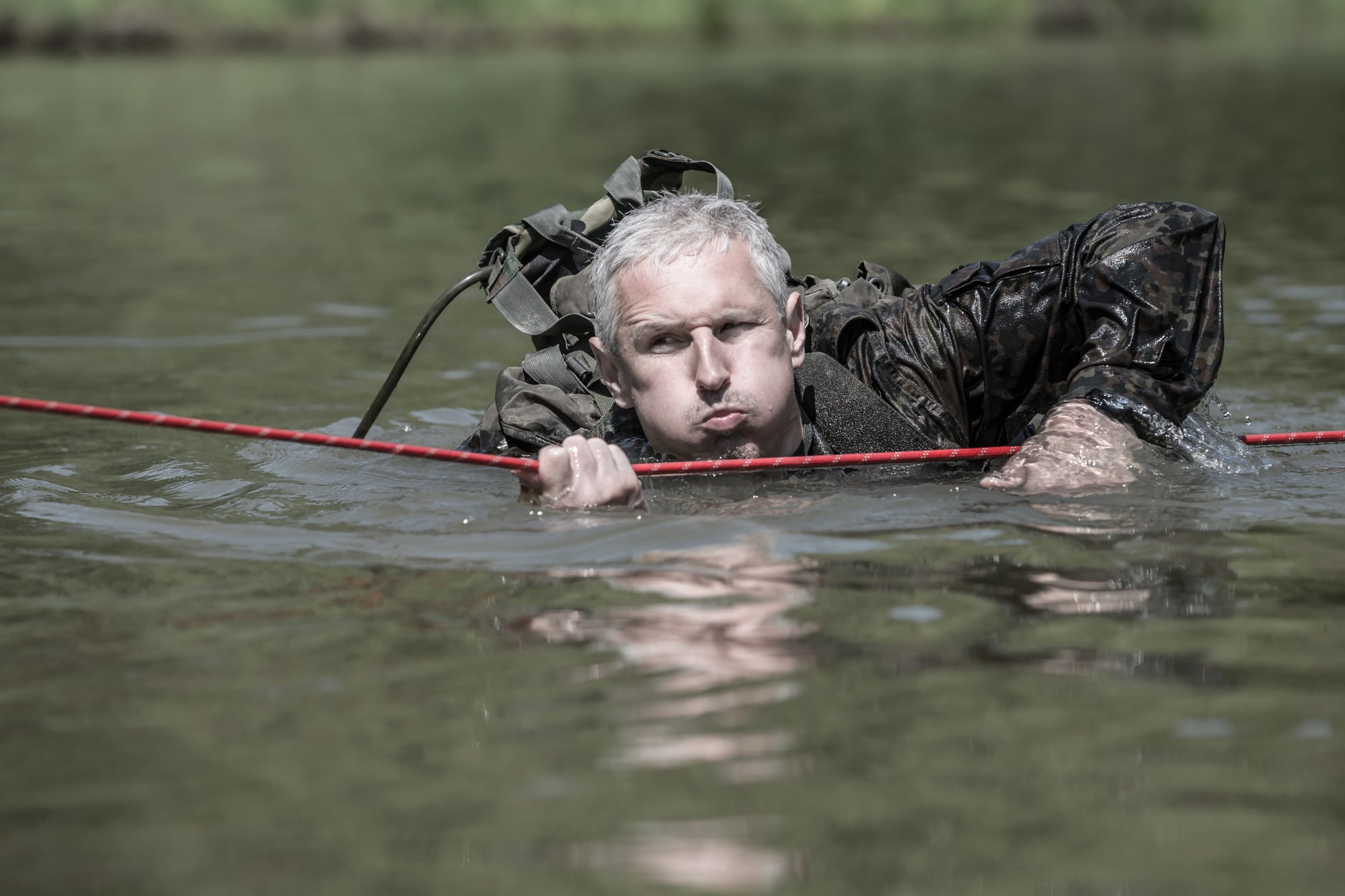
One of the most dreaded drills during SEAL training involves sitting in the Pacific Ocean surf zone while waves crash over candidates who must link arms and stay together. The water temperature hovers around 60 degrees, cold enough to cause hypothermia quickly.
Instructors keep trainees in the water until they start shivering violently, then make them roll in the sand before going back in the ocean. This creates a miserable cycle of cold, sand chafing raw skin, and more cold.
The drill teaches candidates that they can endure far more discomfort than they thought possible while still functioning as a team.
Log PT With 300-Pound Tree Trunks
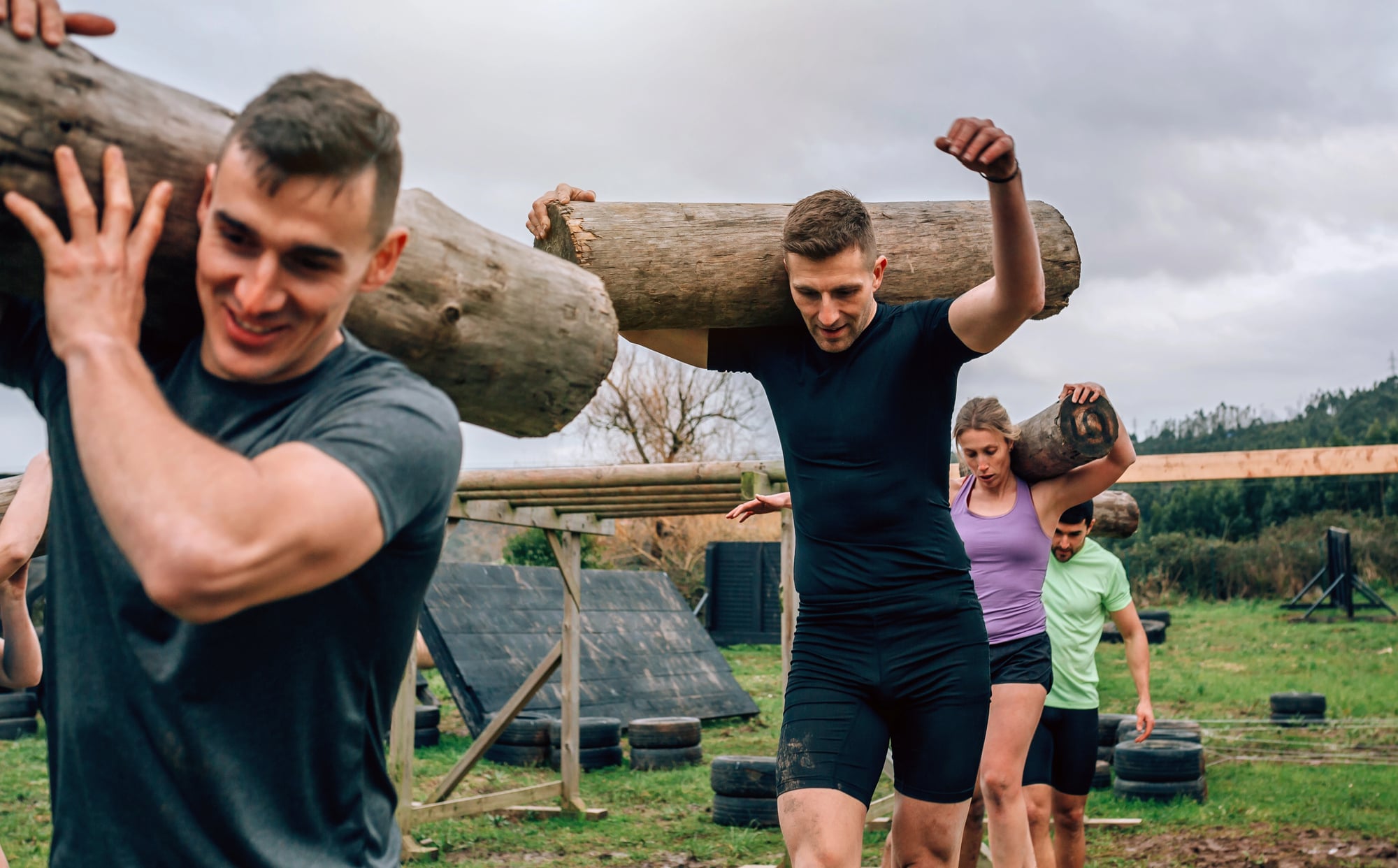
Teams of six to seven SEAL candidates work together carrying massive logs through various exercises that last for hours. They lift the logs overhead, do squats with them, run while holding them, and perform coordinated movements that require perfect teamwork.
Drop the log or fail to coordinate with your teammates, and the whole group suffers punishment. The logs weigh around 300 pounds, making individual effort useless without group coordination.
This drill appears in multiple special operations training programs because it forces people to work together when exhausted and teaches that nobody succeeds alone in special operations.
Drown Proofing With Bound Hands And Feet
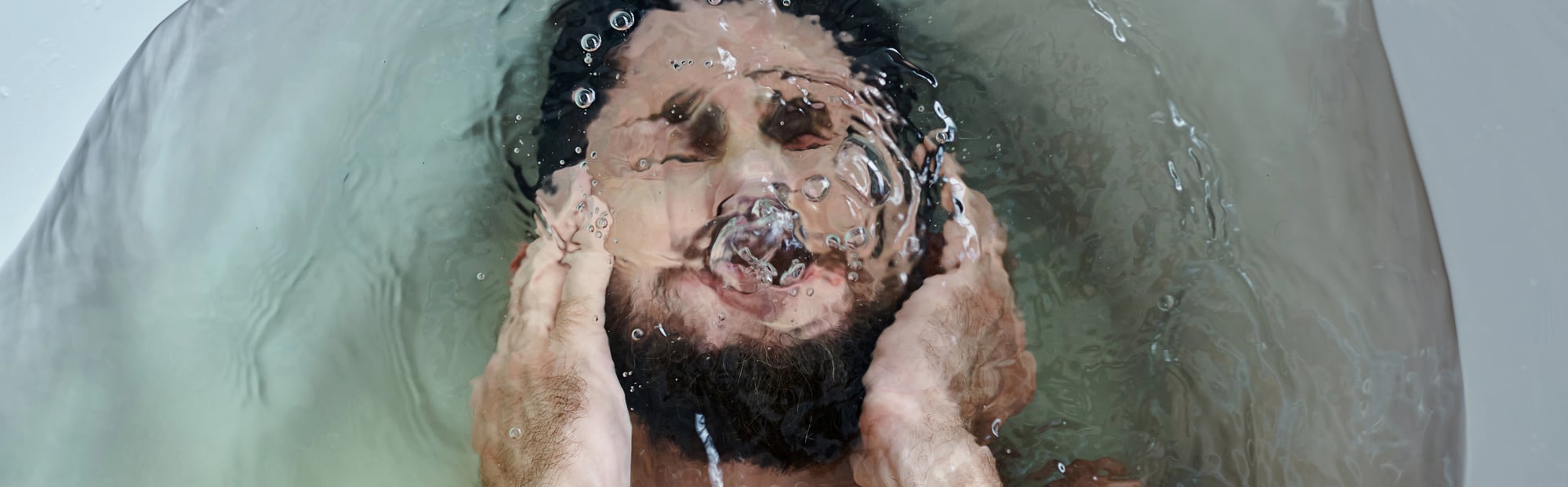
Candidates get their hands tied behind their backs and their feet bound together, then must bob to the bottom of a nine-foot pool, push off, surface for air, and repeat this for five minutes straight. They also have to do forward and backward flips in the water while bound.
The exercise simulates being captured and thrown in water, teaching candidates to stay calm in terrifying situations. Many people panic during this drill and have to be pulled out by safety divers.
Those who pass learn a crucial lesson about controlling fear when circumstances seem hopeless.
The Special Forces 24-Day Gut Check
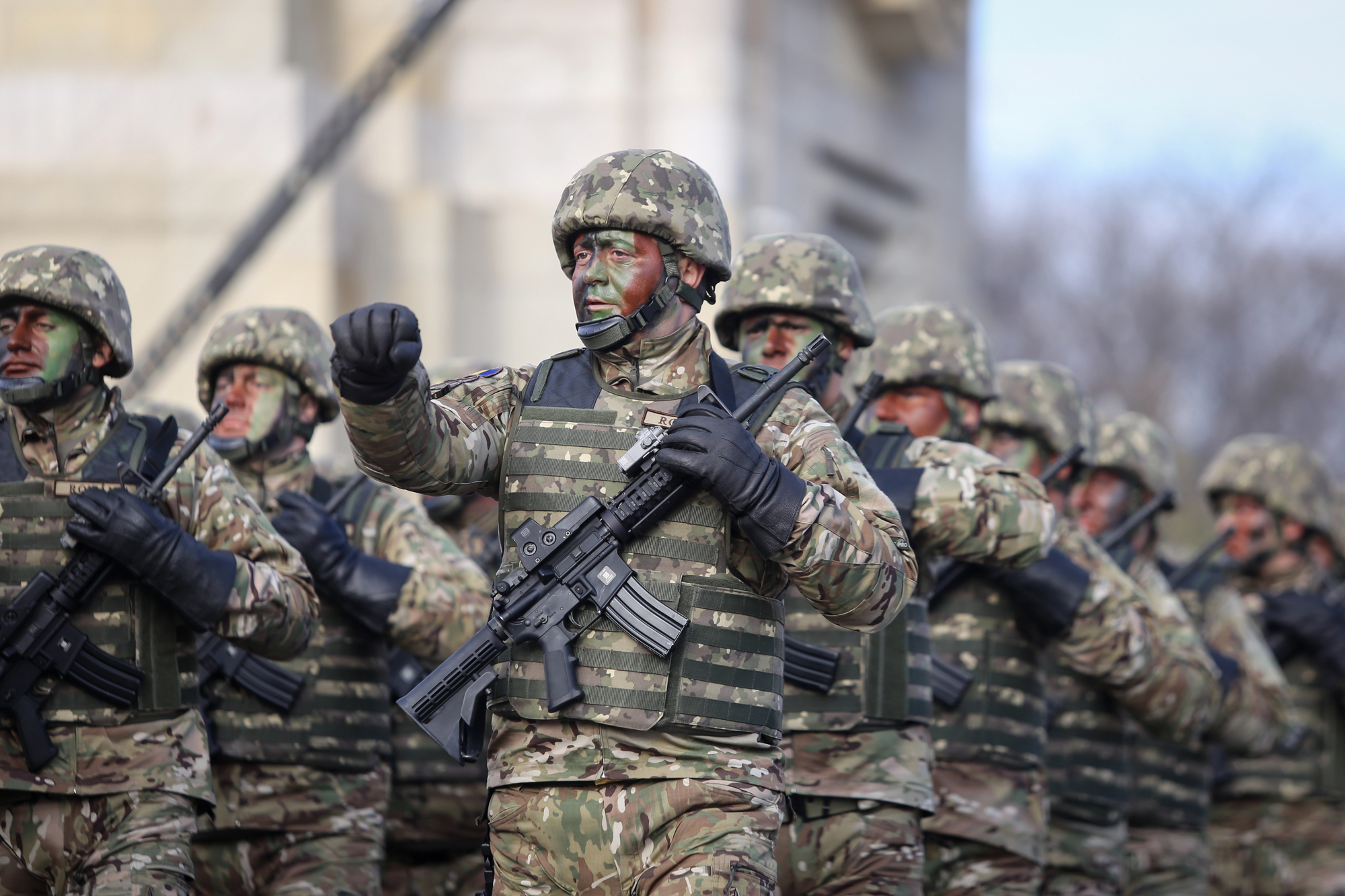
Army Green Beret candidates face Special Forces Assessment and Selection, a 24-day course that filters out those not suited for the job’s demands. Unlike SEAL training which emphasizes water skills and direct action, SFAS tests intelligence, problem-solving, and the ability to function with minimal information.
Candidates face ruck marches covering unknown distances, team challenges where failure is almost guaranteed without cooperation, and individual navigation tests through unfamiliar terrain. The course intentionally keeps candidates confused about what’s expected, mirroring the ambiguity of real special operations missions where nobody hands you clear instructions.
Team Week’s Impossible Problems
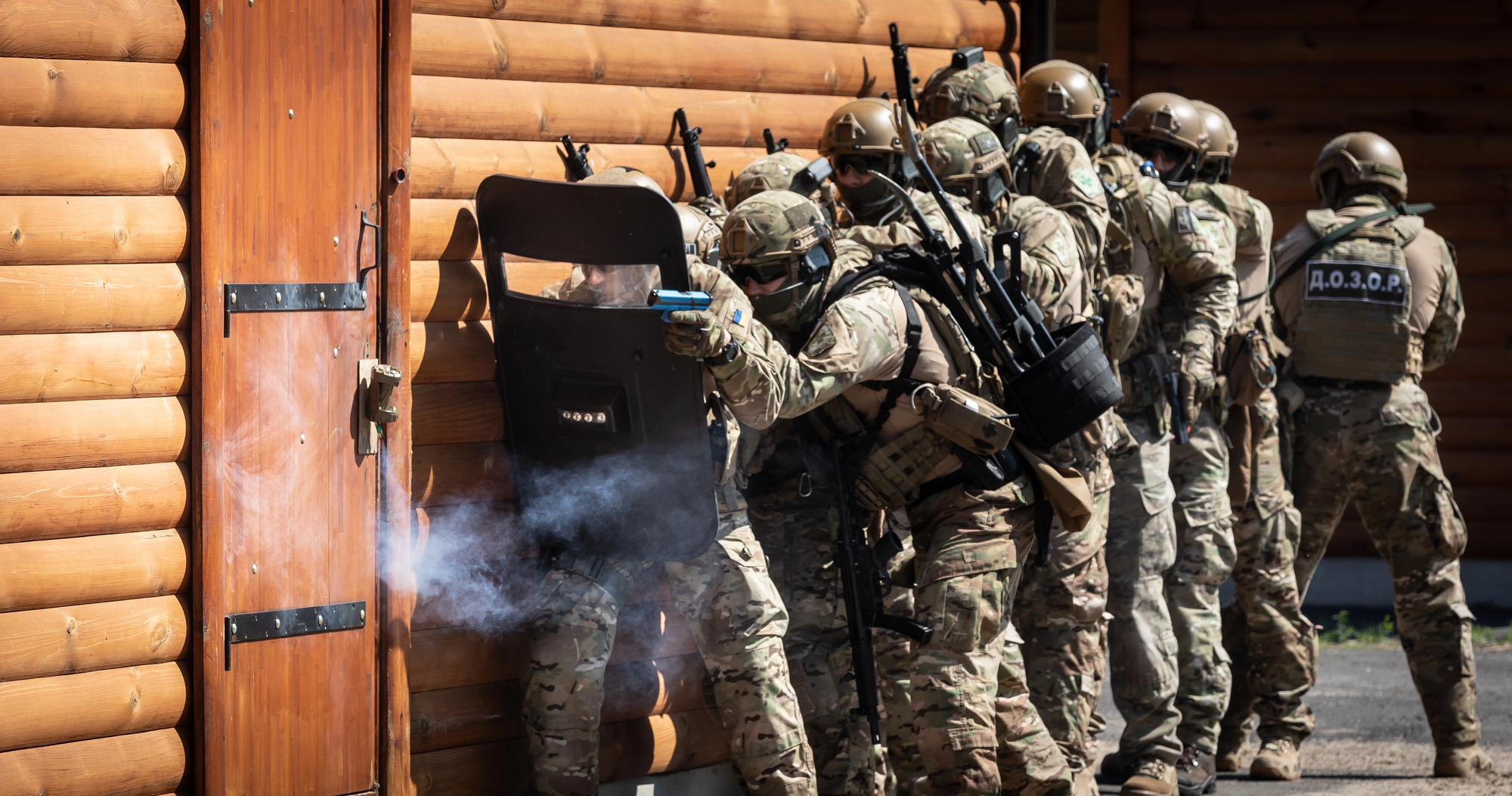
During SFAS, Green Beret candidates face Team Week, where instructors present problems designed to be nearly unsolvable without perfect teamwork. Groups must move heavy objects across obstacles, build structures with limited materials, and accomplish tasks while exhausted and starving.
The catch is that individual brilliance means nothing if the team fails. Instructors watch not for physical strength but for how candidates communicate, adapt, and support teammates under pressure.
Many candidates who excel at individual challenges wash out during Team Week because they can’t shift from solo to team mindset.
Rucking 50 Pounds For Unknown Distances

Special Forces candidates face ruck marches where they carry packs weighing 50 pounds or more across varying terrain for distances they’re not told in advance. Some marches last 12 hours or longer.
Candidates don’t know if they’re walking five miles or 20, which creates mental strain beyond the physical challenge. Feet develop blisters that burst and reform.
Shoulders ache from the pack straps. The uncertainty is intentional, teaching candidates to push forward without knowing when relief will come, a reality of special operations where missions don’t follow neat schedules.
Air Force PJ Hell Night Endurance Test
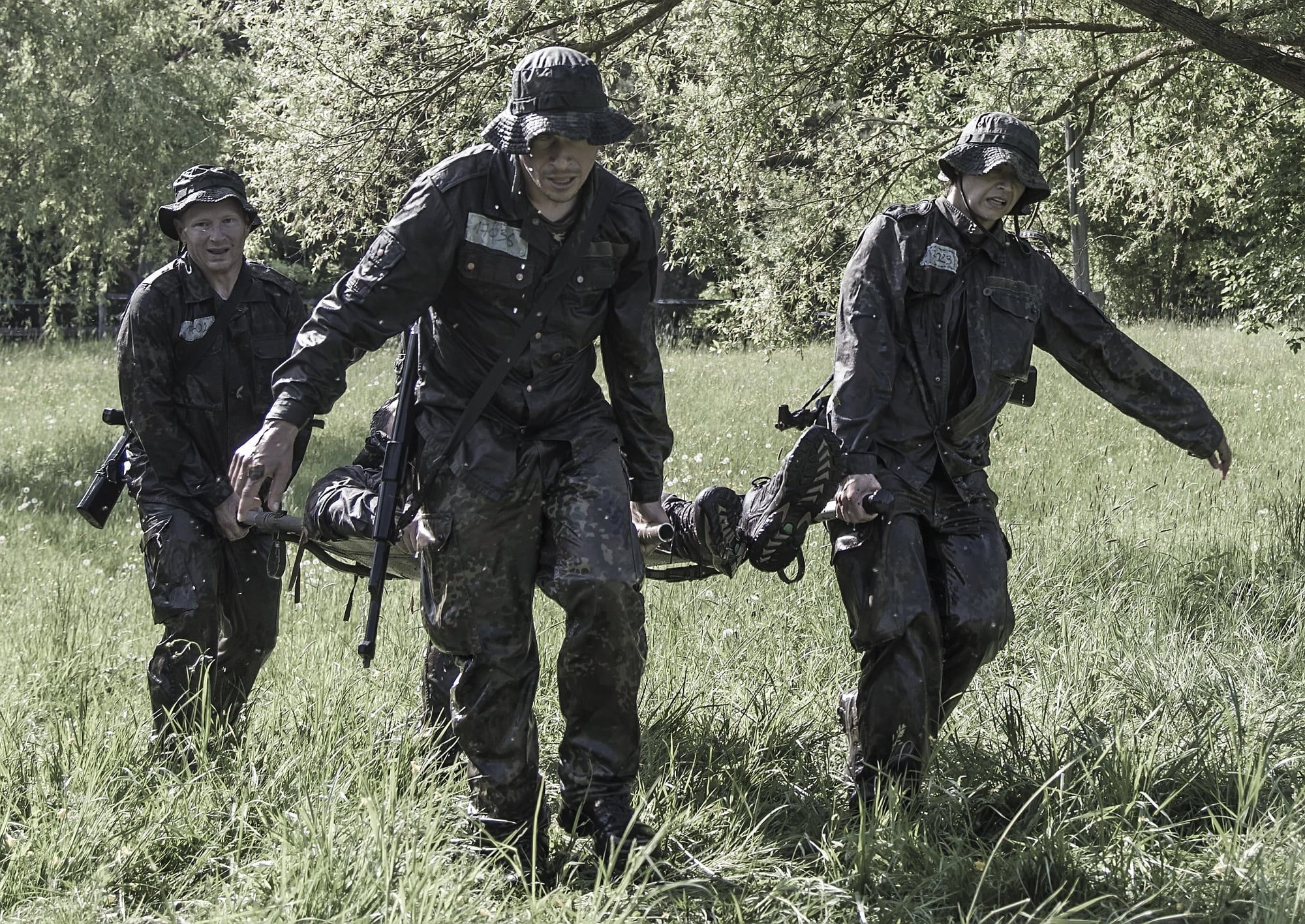
Pararescue candidates endure a 20-hour extended training day called Hell Night that pushes teams to their physical and mental limits through constant activity and sleep deprivation. They run, swim, do calisthenics, flutter kick in cold water wearing heavy fins, and perform team challenges non-stop.
Instructors create chaos and discomfort to simulate battlefield stress. PJ candidates must also memorize medical terminology and pass classroom tests even while exhausted, because real pararescue missions require sharp thinking while physically drained.
The combination of physical suffering and mental challenges reveals who can actually function when everything hurts.
Underwater Knot Tying While Holding Breath
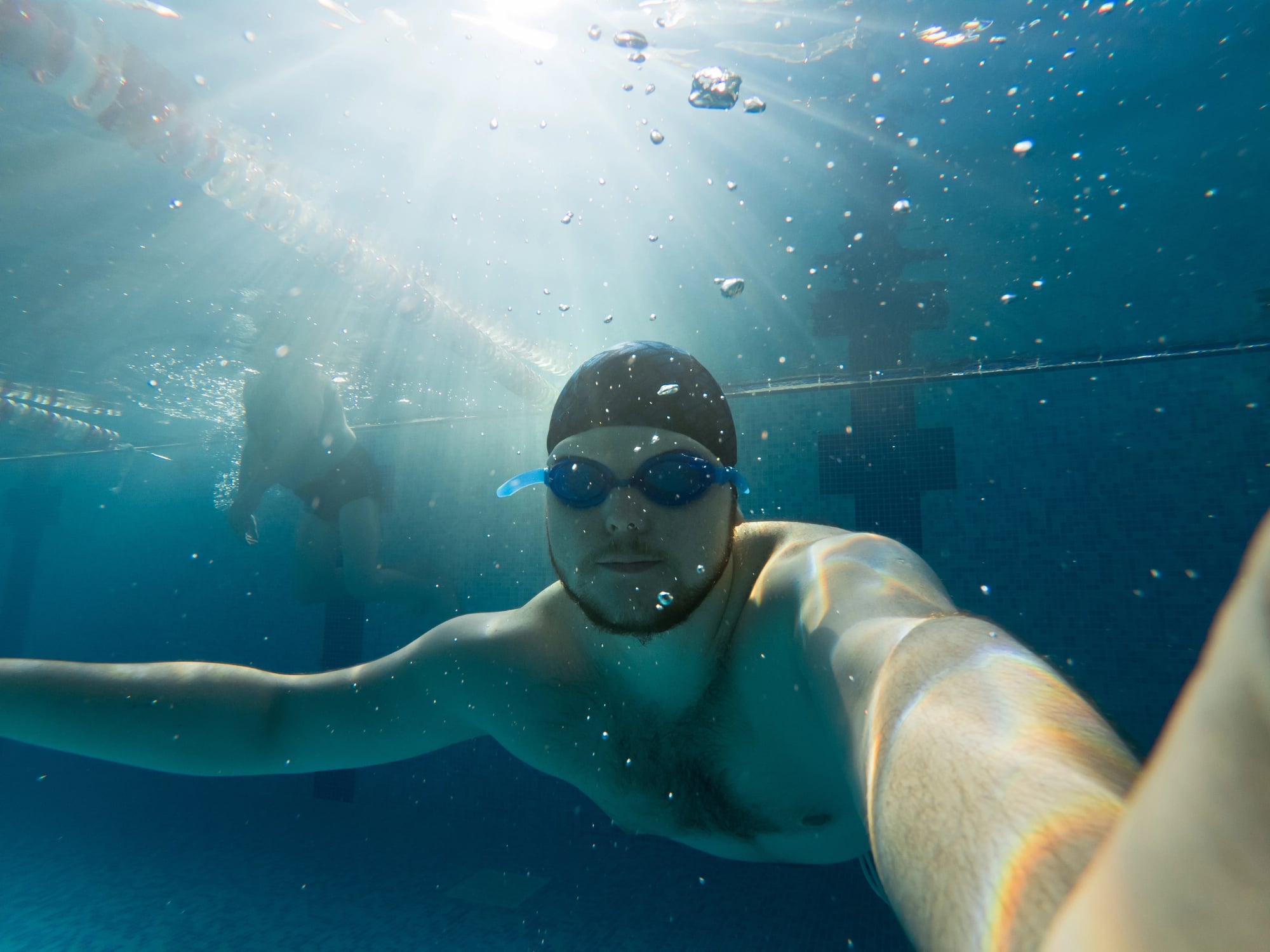
Pararescue candidates must tie specific knots underwater while holding their breath, demonstrating water confidence and the ability to perform precise tasks under stress. They swim to the bottom of a pool, complete the knot correctly, then surface for air.
Mess up the knot and they do it again. The drill prepares PJs for water rescue situations where they might need to secure equipment or victims while submerged.
It also teaches candidates to stay calm when their lungs burn for air, a skill that could save lives during real missions.
The O-Course Race Against Time
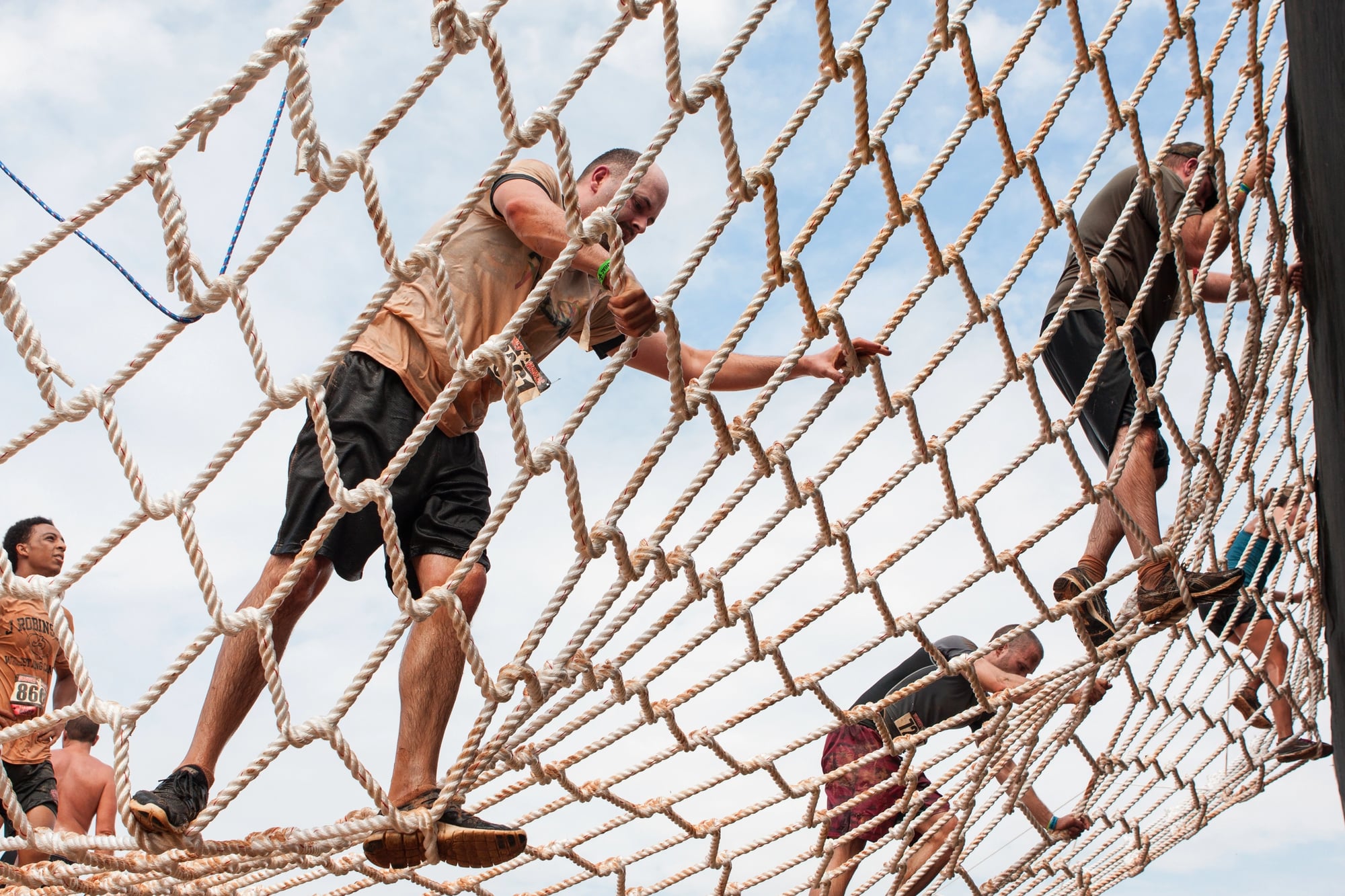
Most special operations training includes brutal obstacle courses that candidates must complete within strict time limits while wearing boots and sometimes carrying weapons or packs. These courses feature rope climbs, wall scrambles, balance beams, cargo nets, and other challenges that test strength, coordination, and determination.
Fall off an obstacle and you might have to start over. Miss the time standard and you face punishment or even dismissal from training.
The courses simulate the physical challenges of combat environments where operators must move quickly through difficult terrain while carrying gear.
Pool Harassment And Equipment Removal
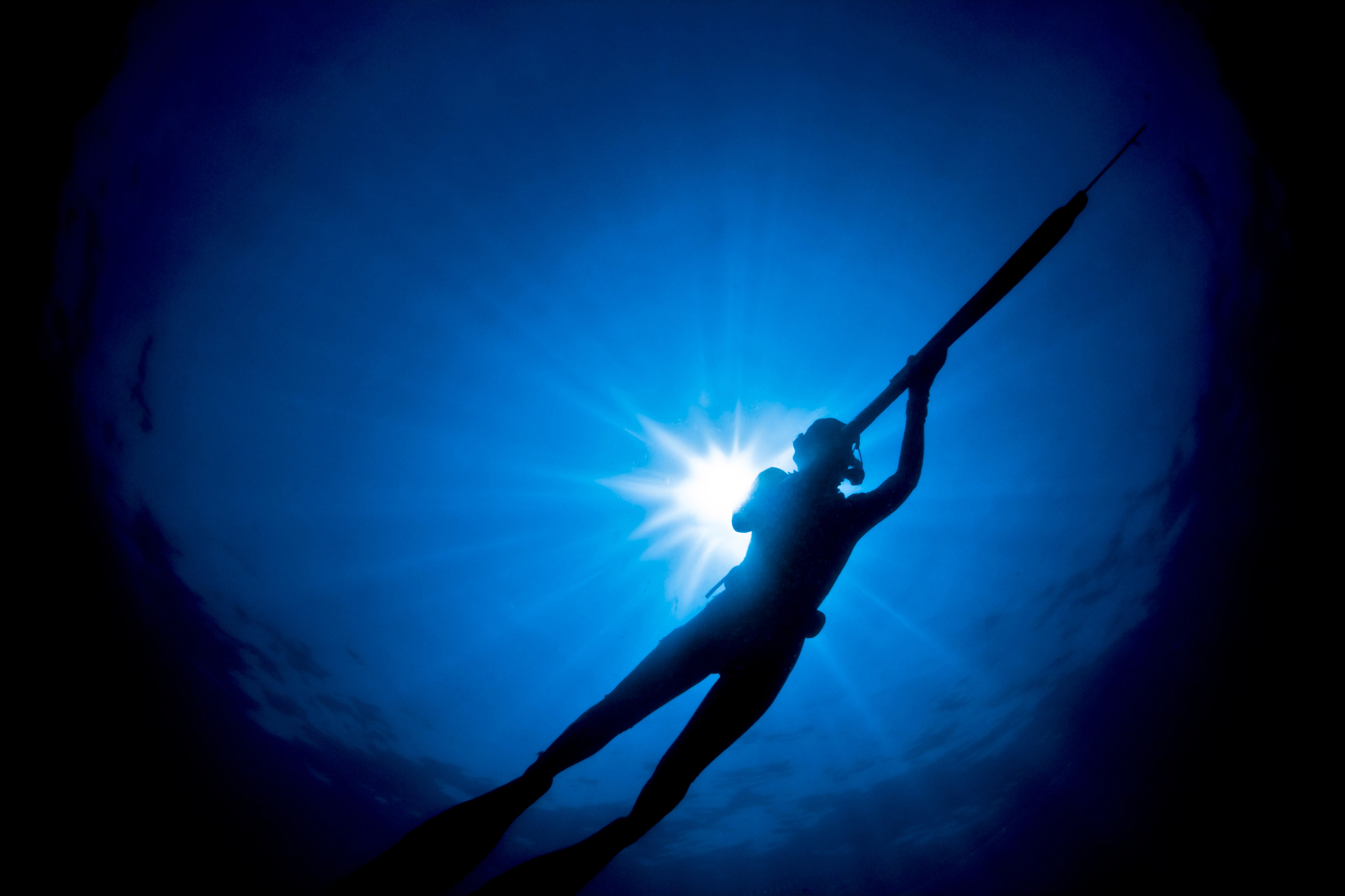
SEAL candidates face pool drills where instructors attack them underwater, tie their air hoses in knots, rip off their masks, and create chaos while candidates must solve problems calmly to avoid drowning. The exercise simulates equipment malfunctions during actual combat dives.
Candidates must untie knots, recover their breathing equipment, clear their masks of water, and keep functioning despite panic trying to take over. Safety divers watch closely because this drill genuinely challenges survival instincts.
Those who pass prove they can think clearly when their brain screams at them to panic.
Buddy Breathing With One Air Source
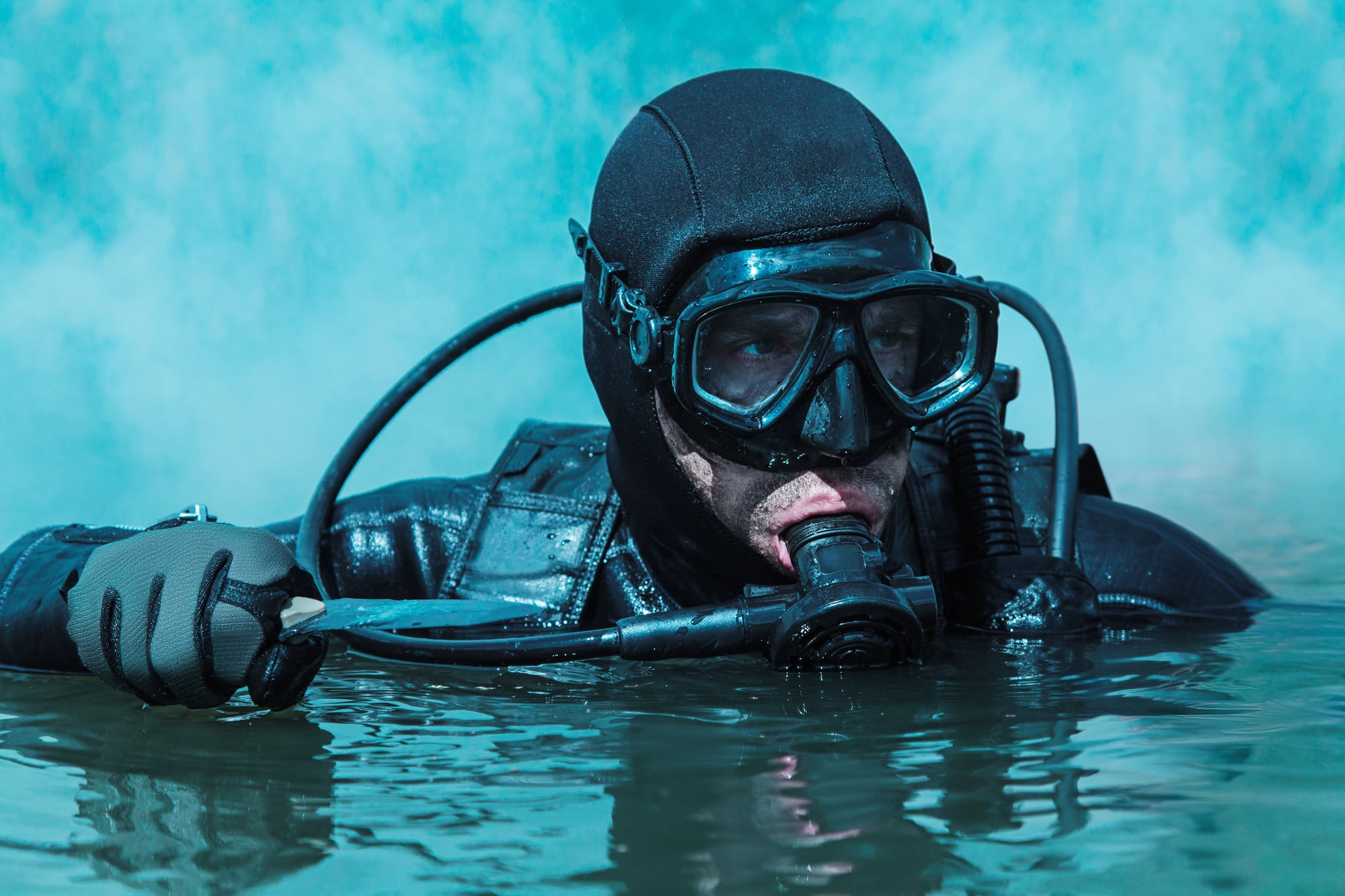
Dive training includes drills where two candidates share a single air tank underwater, passing the regulator back and forth while swimming. This teaches teamwork and trust in life-or-death situations.
One person breathes while the other holds their breath, then they switch. Do this wrong and both people could drown.
The drill prepares special operators for situations where equipment fails and teammates must depend on each other absolutely. It also reveals who can be trusted in the worst circumstances, because selfish actions during buddy breathing could kill your partner.
Combat Swimming In Full Uniform
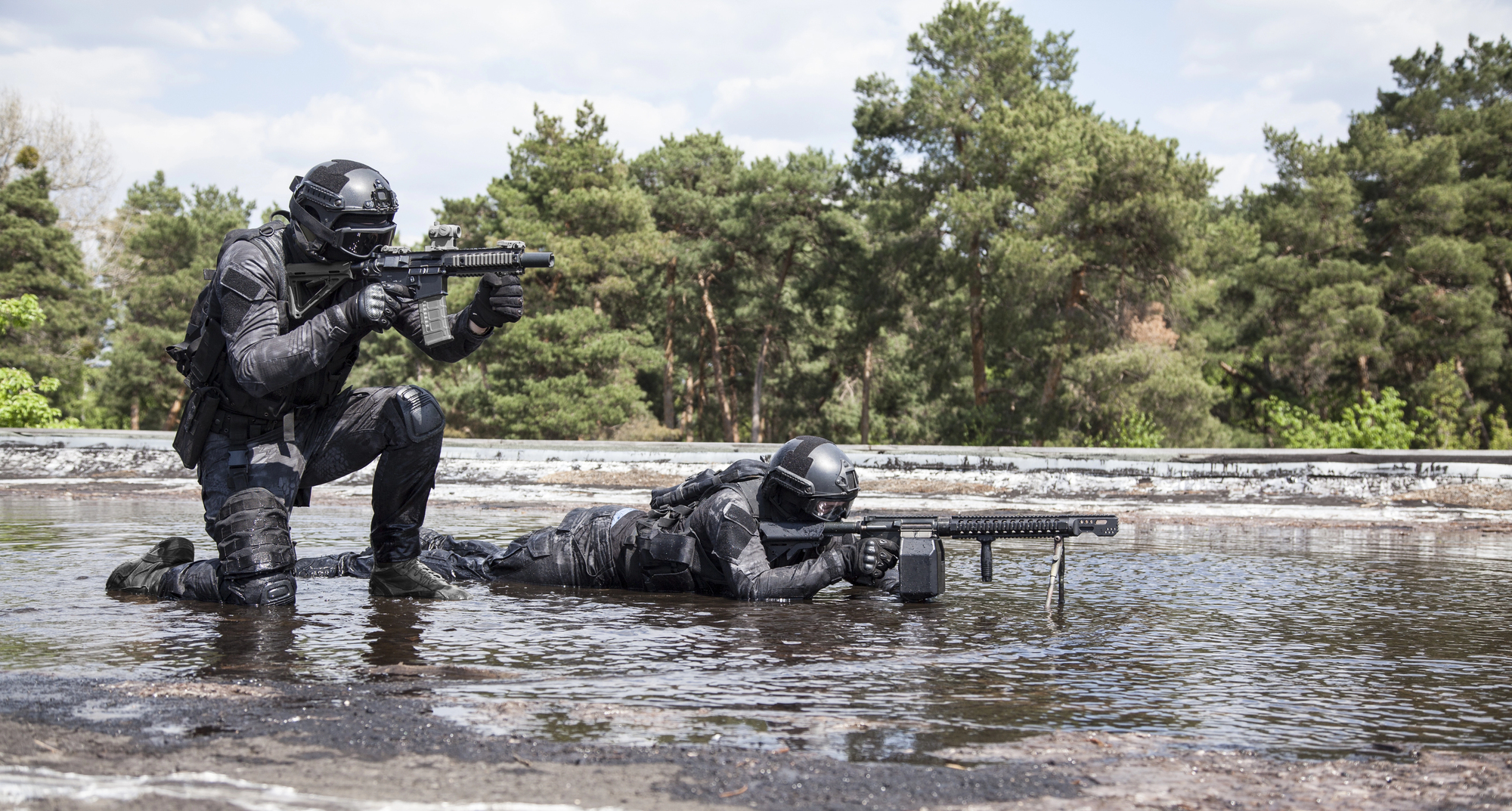
Unlike casual swimming, combat swimming requires candidates to cover long distances while wearing boots, pants, shirts, and sometimes equipment. The clothes create drag and weight that makes swimming exponentially harder.
SEAL candidates swim two miles in the ocean wearing fins. PJ candidates do similar swims.
The drill prepares operators for situations where they might need to swim to shore from a boat or cross water obstacles during missions. It also builds mental toughness because fighting through water while fully clothed feels suffocating and exhausting in ways that regular swimming doesn’t.
Sleep Deprivation Hallucinations

Multiple special operations courses use extended sleep deprivation to test mental resilience. After days with almost no sleep, candidates start hallucinating.
They see things that aren’t there, hear voices, and struggle to distinguish reality from imagination. Instructors watch how candidates handle these altered mental states while still performing tasks and making decisions.
Real combat operations can involve days without sleep, so training must prepare operators for cognitive decline while still requiring them to function. Those who can’t adapt to this mentally altered state don’t make it through selection.
The Brass Bell Of Defeat
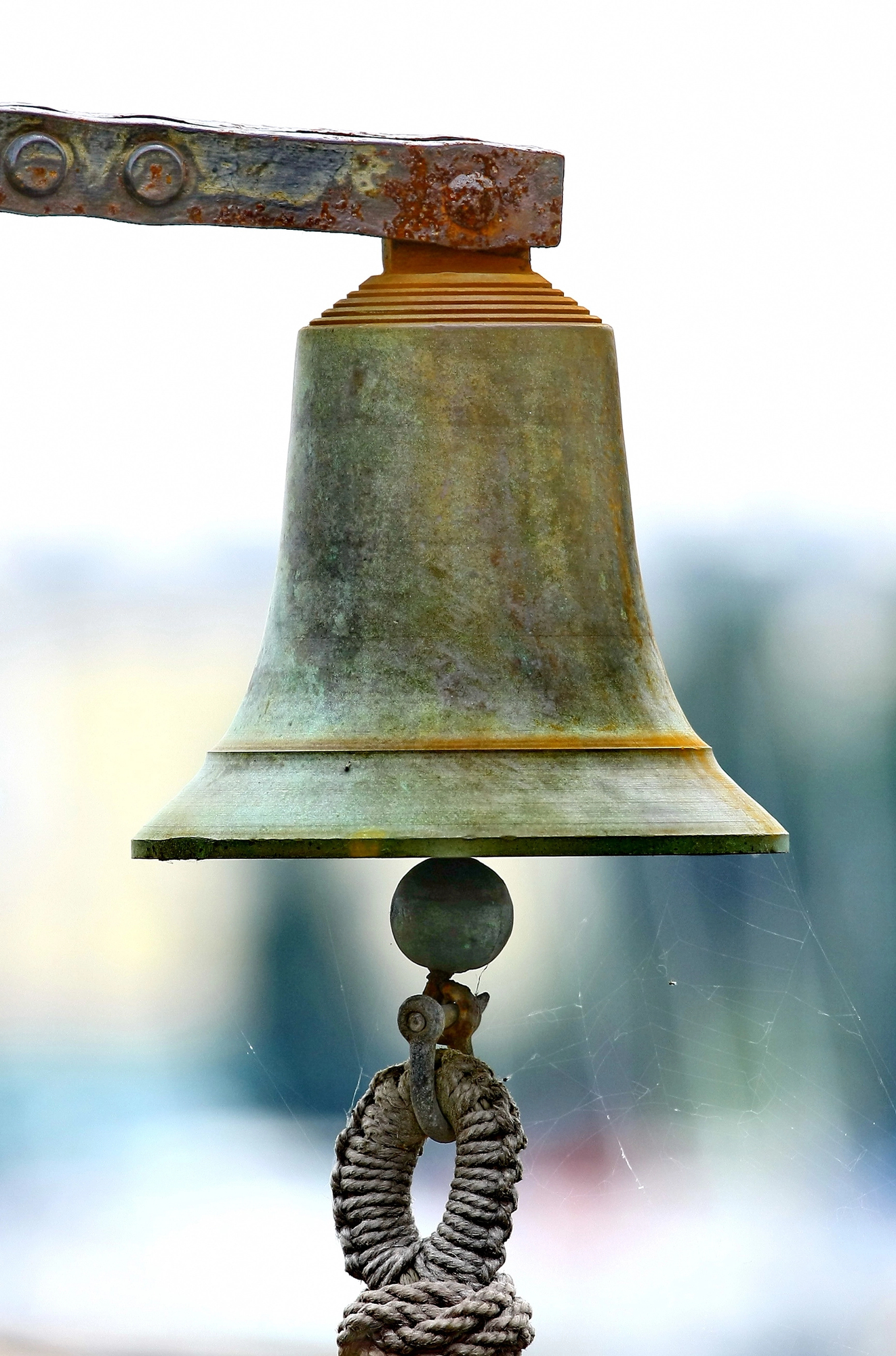
During SEAL training, a brass ship’s bell hangs prominently where candidates can see it constantly. Anyone who wants to quit simply rings the bell three times and places their helmet at its base.
The bell represents the easiest choice in the world when you’re freezing, exhausted, injured, and miserable. Instructors never force candidates to quit but create conditions where quitting feels rational and staying feels crazy.
The bell’s presence is psychological warfare, a constant reminder that relief is available anytime you want it. Resisting that bell separates SEALs from people who merely wanted to be SEALs.
Treading Water With Weights
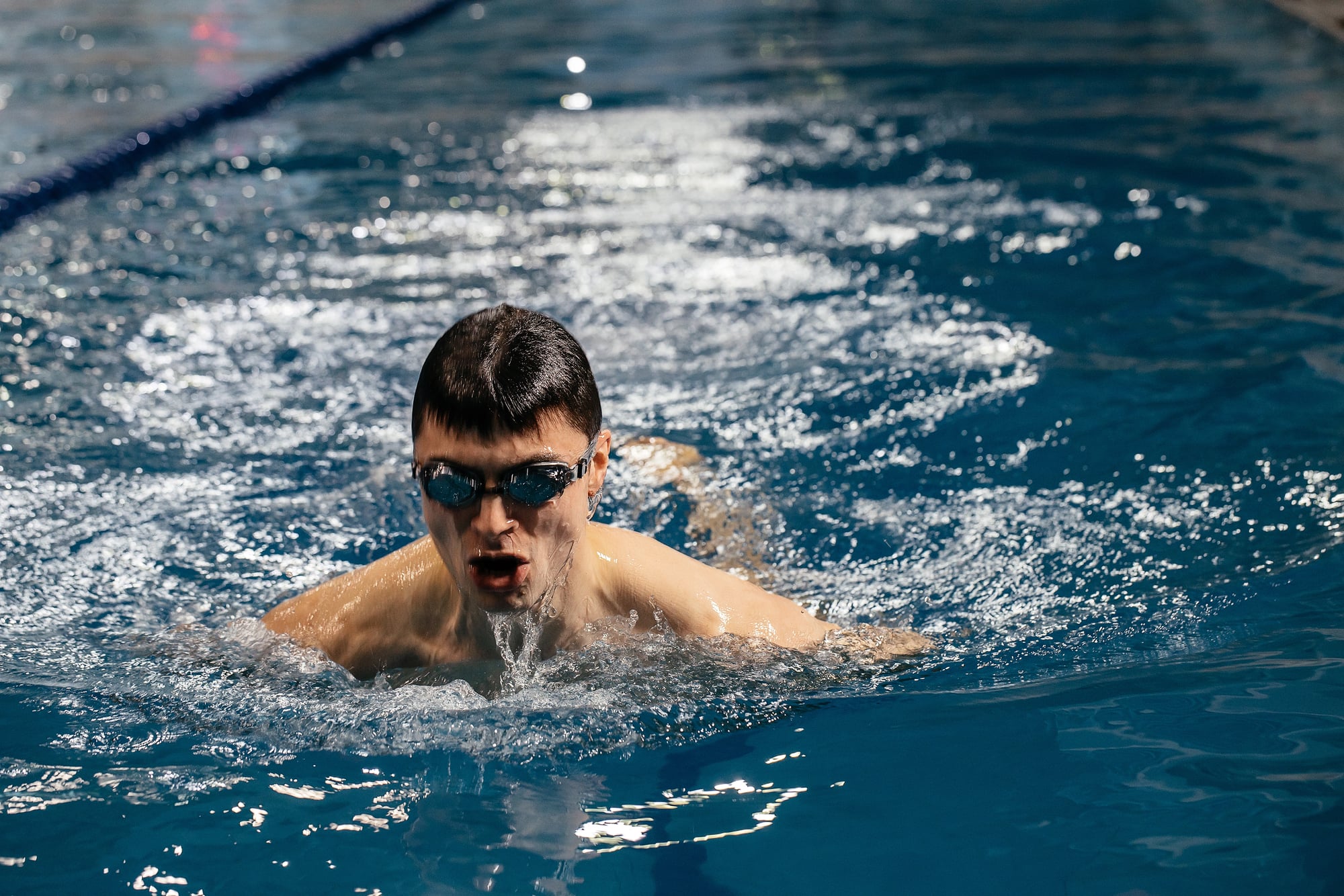
Candidates must tread water while holding weights above their head or bricks at arm’s length for extended periods. This drill builds mental toughness and tests whether candidates will give up when their arms burn and their legs cramp.
The weights aren’t impossibly heavy, but holding them while staying afloat becomes agonizing after minutes. Those who drop the weight fail the exercise.
This mirrors special operations reality where operators must maintain security and readiness even when physically exhausted, because dropping your weapon or losing focus could mean death for your entire team.
Carrying Wounded Teammates Under Fire Simulations
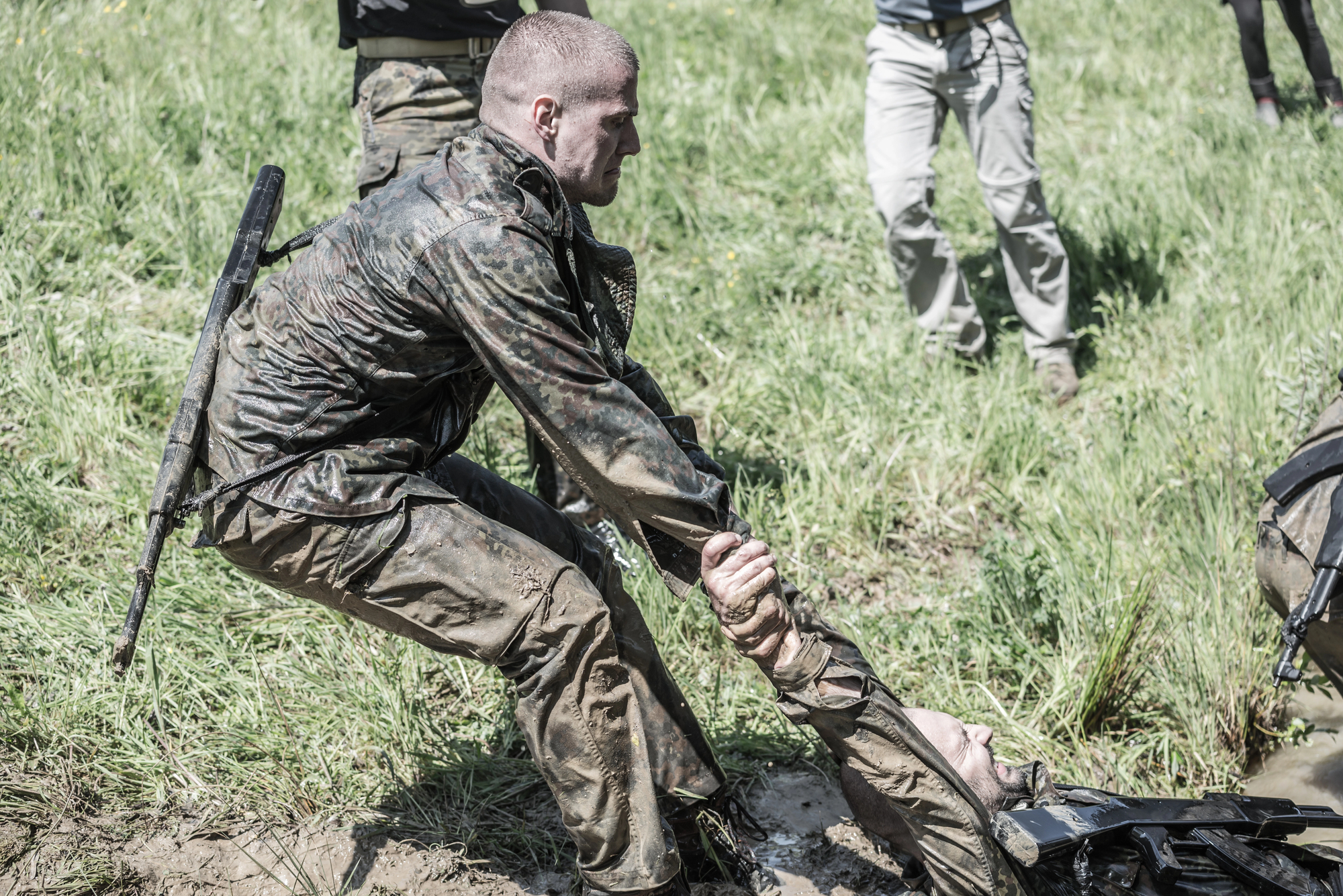
When trainees haul mock casualties through rough terrain, gunfire cracks nearby – blank rounds, thick smoke, confusion swirling around them. Moving fast matters.
So does how they hold their partner. Each grip, each step follows strict rules – even when sprinting over rocks or ducking under barriers.
A slip? A teammate hits the dirt? That is game over. In war, mistakes like that cost lives.
Repeating these motions until breath burns teaches bodies what to do before thought kicks in. It stamps into bones and nerves the unspoken rule: nobody gets left.
Other troops have missions. These units have brotherhoods forged in weight and dust.
Navigation With Map And Compass Only
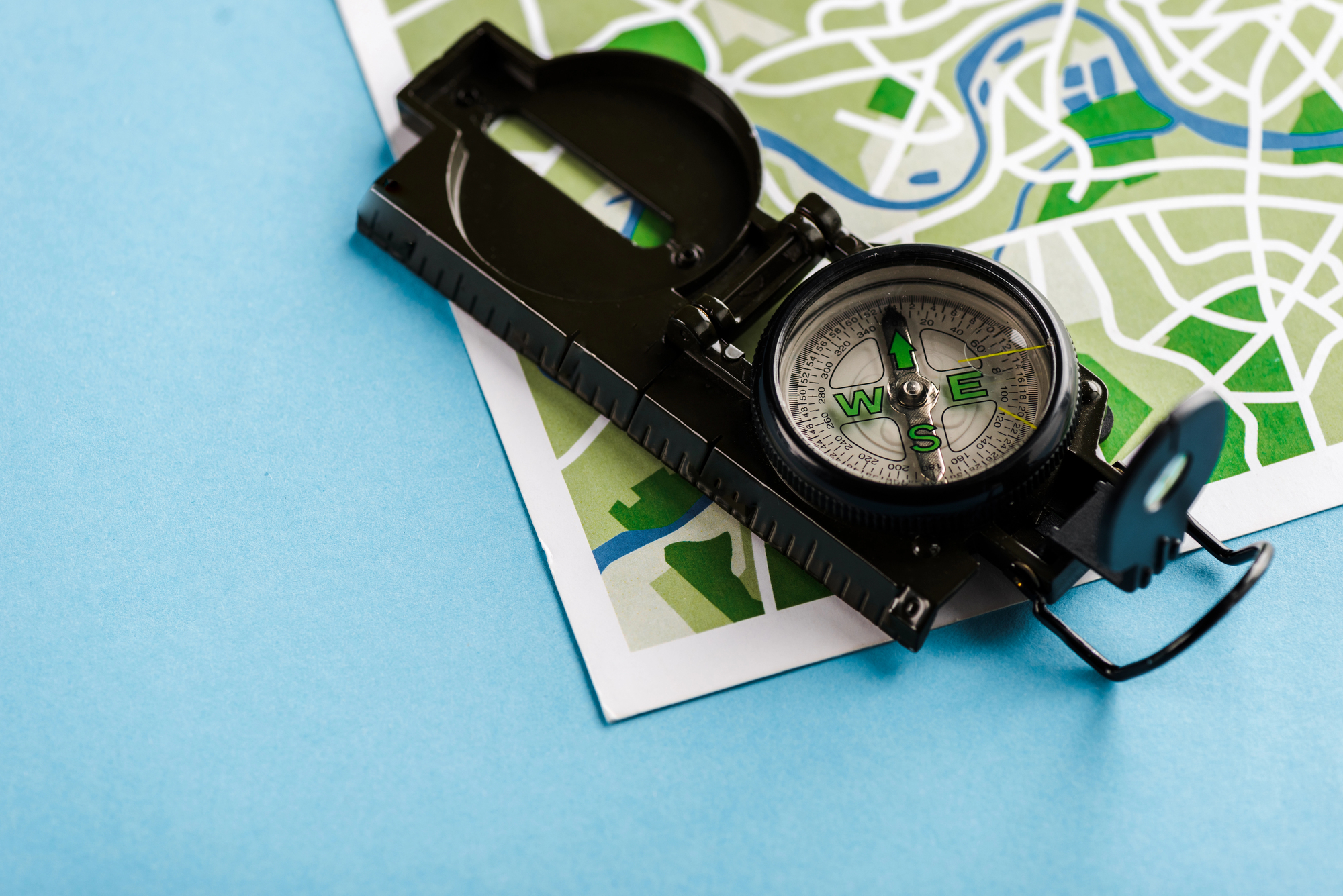
Finding your way without gadgets started long ago, back when there were no satellites overhead. Direction came from paper maps stretched flat under a thumb, guided by the steady needle of a compass.
These days still test that ability during tough selection programs. A set of numbers gets handed out – those are where you need to go.
Thick woods, dark hills, unknown ground, all covered on foot with weight pulling at your shoulders. Phones stay behind; so does every modern shortcut.
Relying only on angles and landmarks keeps you moving straight instead of in circles. One wrong turn steals minutes fast, sometimes too much to recover.
Falling off pace means falling short of passing. When pushed beyond limits, some find strength they did not know existed.
Darkness strips away distractions, leaving only instinct and will. One by one, each person faces the quiet test of moving forward with nothing but their mind to guide them.
Failure of gear doesn’t stop progress – it reveals who adapts. Tired legs keep going; a fogged mind clears.
Solitude becomes a mirror. What shows up matters more than speed or skill.
When Ordinary Humans Become Extraordinary
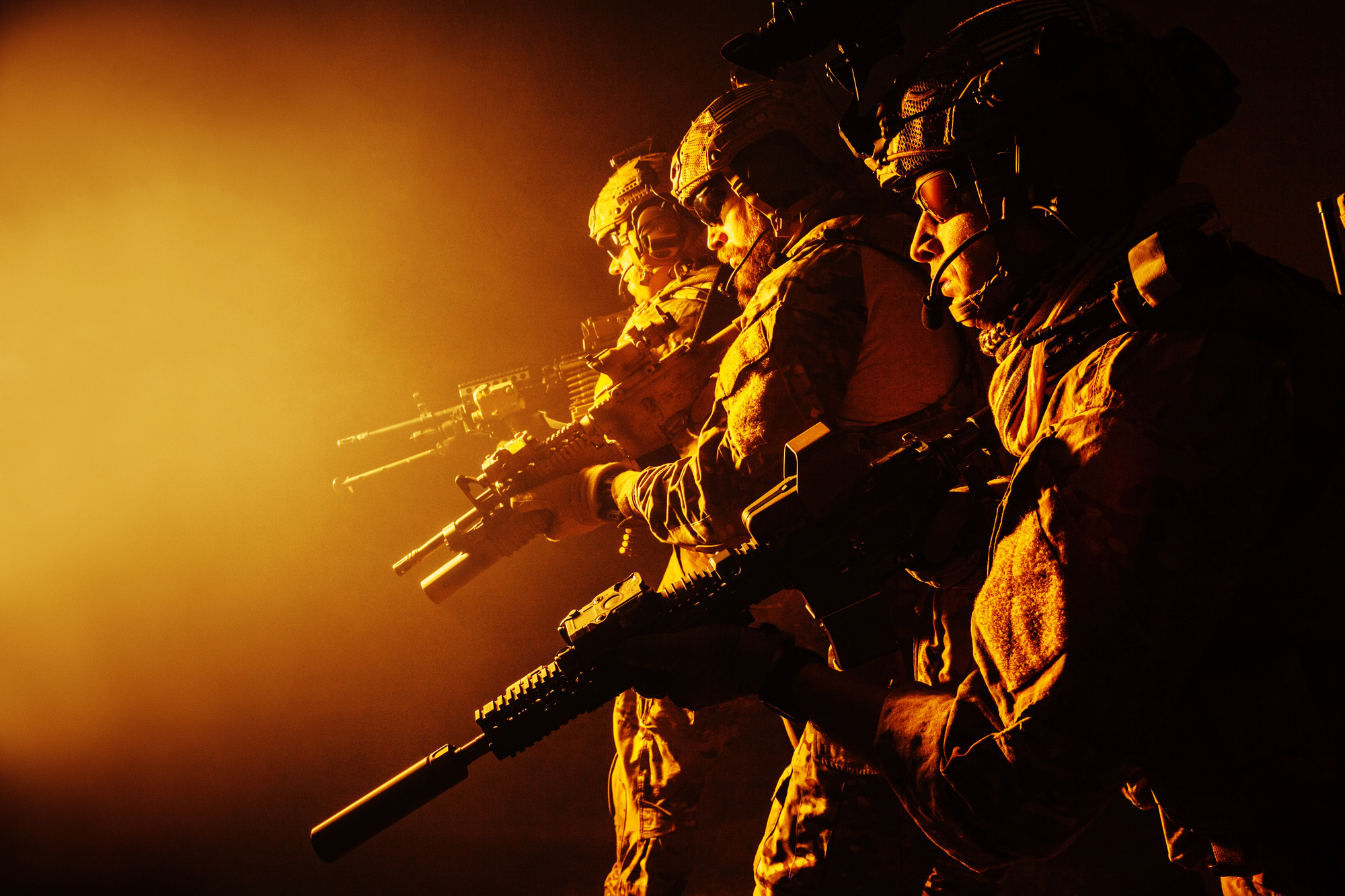
What shapes elite operatives isn’t only tough workouts – it reshapes their entire mindset toward what feels possible. Each one who finishes such a course uncovers a personal truth, impossible to grasp elsewhere.
Hidden toughness surfaces, along with grit previously unseen. Exercises appear extreme since their purpose is total breakdown – only after comes reconstruction into someone new.
Some never wear a uniform, yet still face trials just as fierce. Through grueling tests like Hell Week, people discover strength hidden deep beneath doubt.
Pain pushes hard, but it is the mind that decides whether to keep moving. Physical power fades; what lasts is the will to stay in motion.
Most do not storm beaches, but all meet moments where giving up feels easier than going on.
More from Go2Tutors!

- The Romanov Crown Jewels and Their Tragic Fate
- 13 Historical Mysteries That Science Still Can’t Solve
- Famous Hoaxes That Fooled the World for Years
- 15 Child Stars with Tragic Adult Lives
- 16 Famous Jewelry Pieces in History
Like Go2Tutors’s content? Follow us on MSN.