18 Countries With the Most Government Debt
Heavy government borrowing slips into life without much notice. When roads get built or clinics open, money usually comes from loans taken long ago.
Pensions keep flowing because past debts were already agreed upon. National protection and schools run on funds pulled from future income.
Emergencies push spending higher each time they hit. Over years, these promises pile up beyond what seems possible to repay.
Some countries now carry loads so vast the scale defies imagination.
Not just numbers, but why they exist tells the real story. Big debts often come from strong economies rather than weakness.
Sometimes populations shape borrowing, other times long stretches of disruption build up what governments owe. Choices made by leaders play a role too.
This list shows nations carrying the heaviest government debt loads right now, using widely shared data. Size alone does not mean trouble – it might mean influence.
Take a step back to see where those numbers really start. Each piece fits together differently than it first appears.
United States
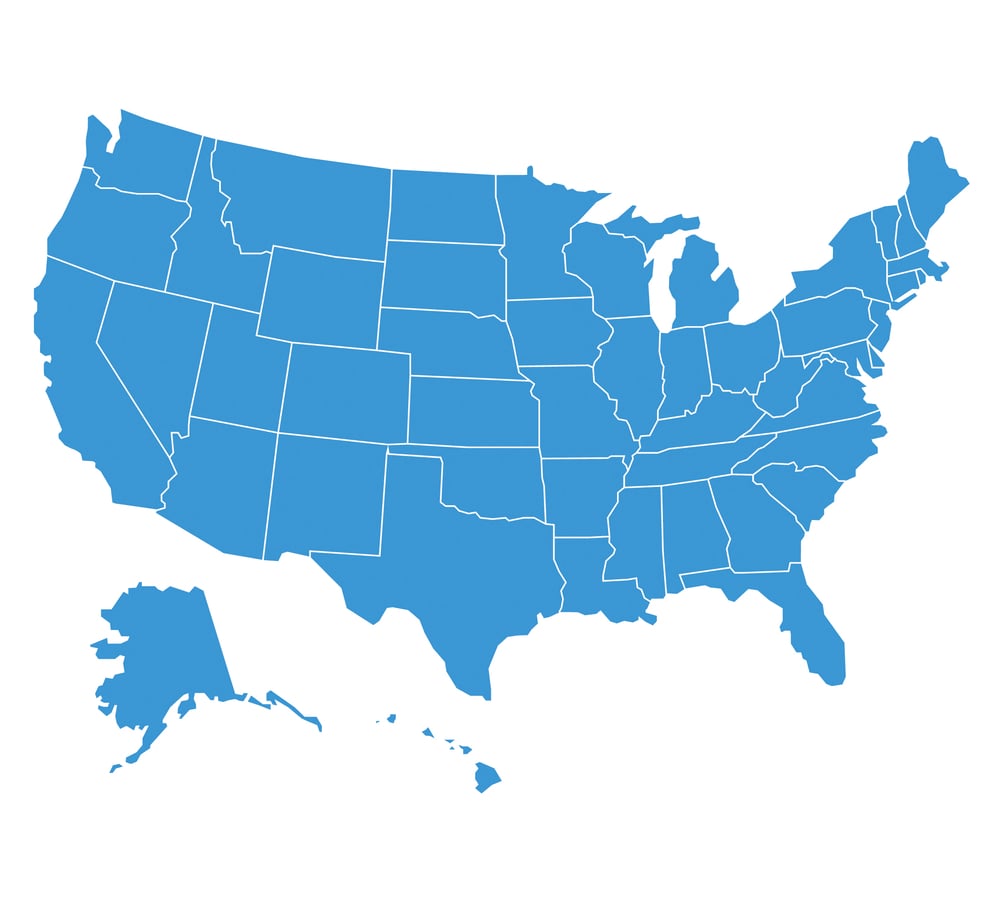
The United States carries more government debt than any other country in the world, by a wide margin. This is partly a function of size.
As the largest economy, it issues debt on a scale that smaller nations simply cannot replicate. Treasury bonds are treated globally as safe assets, which keeps demand consistently high.
Debt growth accelerated during periods of war, recession, and large-scale stimulus, particularly after the 2008 financial crisis and the global pandemic.
Still, the country’s ability to borrow in its own currency provides flexibility that others lack. The scale looks alarming in isolation, but it exists within a system built to sustain it.
Japan

Japan’s government debt is famously large, even relative to its economy. Decades of slow growth, an aging population, and persistent deflationary pressure pushed policymakers toward aggressive borrowing as a stabilising tool.
Much of this debt is held domestically, which changes the risk profile significantly. Rather than relying heavily on foreign lenders, Japan’s government borrows largely from its own institutions and citizens.
That structure has allowed debt to climb steadily without triggering the kind of market panic seen elsewhere, though long-term sustainability remains an open question.
China

China’s government debt has grown rapidly alongside its economic expansion. Infrastructure investment, regional development, and support for state-linked enterprises all contributed to rising borrowing over time.
Unlike many countries, China’s debt picture is spread across multiple layers of government, including central authorities and local financing vehicles. That complexity makes the total harder to pin down precisely.
Still, the overall direction is clear. Debt has become a core tool for managing growth and stability in an economy transitioning away from export-driven expansion.
France

France’s debt reflects a long-standing commitment to public services and social protection. Healthcare, pensions, and state-supported industries form a large part of the national budget, and borrowing has helped maintain those systems through economic downturns.
Debt levels rose notably after the global financial crisis and again during the pandemic, as the government prioritised continuity over austerity.
France’s position within the eurozone also shapes its borrowing environment, tying its fiscal choices to broader regional stability rather than purely national considerations.
United Kingdom
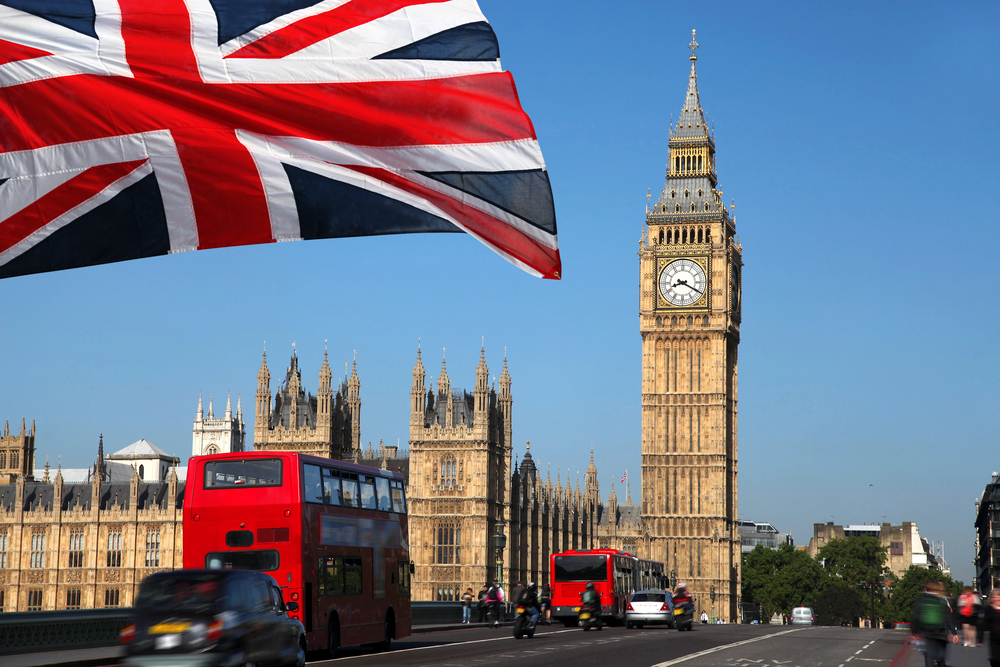
The United Kingdom’s debt trajectory has been shaped by crisis response and structural change. Financial sector support after 2008 marked a turning point, followed by years of uneven growth and political transition.
More recently, emergency spending expanded borrowing further. Despite this, the country continues to access capital markets with relative ease.
The depth of its financial system and long-standing institutions help support high debt levels, even as debates over fiscal discipline remain active.
Italy

Italy has carried high government debt for decades, long predating modern crises. Slow productivity growth and political fragmentation made consistent debt reduction difficult, even during periods of economic expansion.
Membership in the eurozone adds both constraint and protection. Italy cannot issue currency independently, but it also benefits from regional support mechanisms.
The result is a debt profile that remains large and persistent, shaped more by structural inertia than sudden shocks.
Germany
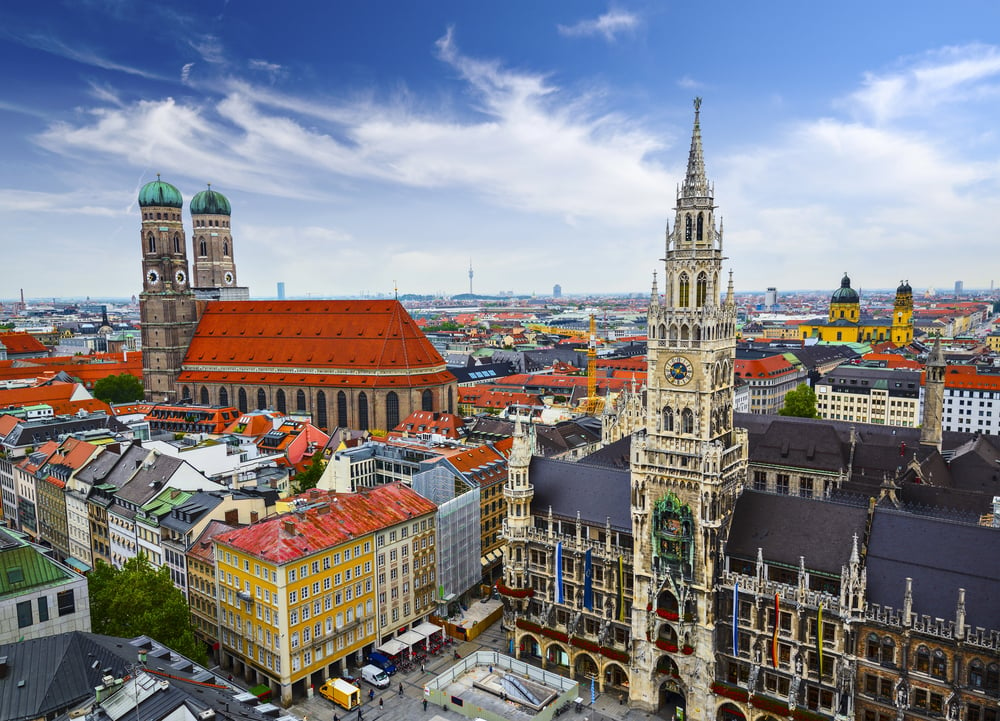
Germany’s debt profile looks different from many peers. While the total figure is high, it sits alongside a strong industrial base and a reputation for fiscal caution.
Borrowing increased during reunification, financial crises, and pandemic response, but long-term policy has emphasised restraint.
Germany’s debt reflects its role as Europe’s largest economy rather than a reliance on borrowing for routine spending.
Canada

Canada’s government debt expanded through infrastructure investment and crisis response, particularly during periods of global instability.
A resource-rich economy with strong institutions, it has historically balanced borrowing with long-term planning.
Provincial debt adds another layer to the national picture, contributing to the overall total.
Still, Canada’s debt growth has generally tracked economic capacity, keeping market confidence intact.
Spain

Spain’s debt story changed dramatically after the collapse of its property market in the late 2000s.
What began as a private-sector crisis quickly shifted onto public balance sheets through bank support and economic stimulus.
Recovery was gradual, and later global disruptions added new borrowing.
Spain’s experience highlights how quickly debt can rise when structural vulnerabilities meet external shocks.
India

India’s government debt reflects the demands of scale and development. Supporting a vast population while investing in infrastructure, education, and social programs requires sustained borrowing.
Debt has grown alongside economic expansion, rather than replacing it.
While the total figure is large, it exists within a context of long-term growth ambitions and a diverse domestic investor base.
Brazil

Brazil’s debt accumulation has been shaped by economic volatility and shifting policy priorities.
Periods of strong growth alternated with downturns that required stimulus and support.
High interest costs historically amplified borrowing needs, though reforms have aimed to stabilise the trajectory.
Brazil’s debt reflects both ambition and the challenges of managing a large, diverse economy.
South Korea

South Korea’s debt has risen steadily as the country expanded social programs and responded to global economic pressures.
Rapid development transformed it into a major economy within a single generation.
Borrowing has been used strategically rather than reactively, supporting growth while maintaining relatively strong fiscal control.
The total figure reflects success as much as obligation.
Australia

Australia entered the global financial crisis with low government debt, then borrowed heavily to cushion the impact.
That shift marked a change in fiscal posture.
Strong commodity exports and population growth helped absorb higher borrowing.
Australia’s debt today reflects proactive intervention rather than long-term fiscal imbalance.
Mexico

Mexico’s government debt has grown through infrastructure spending and efforts to stabilise public finances during global downturns.
Oil revenue volatility historically influenced borrowing patterns.
While debt totals are high, policy has generally aimed to prevent rapid escalation.
Mexico’s position is shaped by its integration with global trade and regional economic cycles.
Netherlands

The Netherlands combines a relatively small population with a highly internationalised economy.
Its debt grew through crisis response and support for financial stability.
Strong institutional credibility allows it to borrow at favourable terms.
The high total figure reflects economic connectivity rather than fiscal distress.
Turkey

Turkey’s debt profile has been influenced by currency dynamics and domestic policy shifts.
Borrowing supported growth but also exposed vulnerabilities when economic conditions tightened.
While total debt remains lower than some peers, its growth places Turkey among the largest global borrowers.
The story is one of momentum and risk existing side by side.
Belgium

Belgium has carried high government debt for much of its modern history.
A complex political structure and strong social systems contribute to sustained borrowing.
Debt levels stabilised at times but rarely declined significantly.
Belgium’s experience shows how debt can become a long-term feature rather than a temporary phase.
Switzerland

Switzerland’s presence on this list often surprises people.
While known for fiscal discipline, its absolute debt total is elevated by the country’s financial sector scale.
Careful management and strong economic fundamentals support this borrowing.
The result is high total debt paired with enduring confidence.
Why Big Numbers Do Not Tell the Whole Story

What stands out most isn’t just the sheer scale of national debt. Yet that number alone tells half the story at best.
How big an economy is changes how heavy that burden feels. Interest rates play a quiet but powerful role behind the scenes.
Control over money printing shifts the balance too. Confidence in leadership quietly steers outcomes more than often admitted.
What looks like a burden in one place might be strength somewhere else.
From nation to nation, heavy borrowing takes different shapes – sometimes control, sometimes survival.
A number carry it forward not because they must, but because they aim far.
Meaning hides in background details, never in side-by-side charts. One size fits none when history weighs in.
More from Go2Tutors!

- The Romanov Crown Jewels and Their Tragic Fate
- 13 Historical Mysteries That Science Still Can’t Solve
- Famous Hoaxes That Fooled the World for Years
- 15 Child Stars with Tragic Adult Lives
- 16 Famous Jewelry Pieces in History
Like Go2Tutors’s content? Follow us on MSN.