Notorious Criminals Of Different U.S. States
Stories about crime often cling to locations. One incident might stand in for an entire town or region, not since it sums up the area, yet due to its grip on public notice during a specific time.
Notoriety arrived for these individuals by chance, size of deeds, press spotlight, along with how their acts revealed cracks in safeguards built to keep citizens safe. Still talked about today, these cases stick because of their backdrop, not just the drama.
One shows what was happening then – locally, culturally, quietly pushing events forward. Layer by layer, place after place, they sketch where wrongdoing, fairness, and what people recall bump into each other nationwide.
A second glance reveals outlaws linked to certain states – how their paths crossed into national memory. Each left marks that shaped more than local headlines.
Lives unfolded where crime met chance, leaving echoes far beyond borders.
Al Capone — Illinois
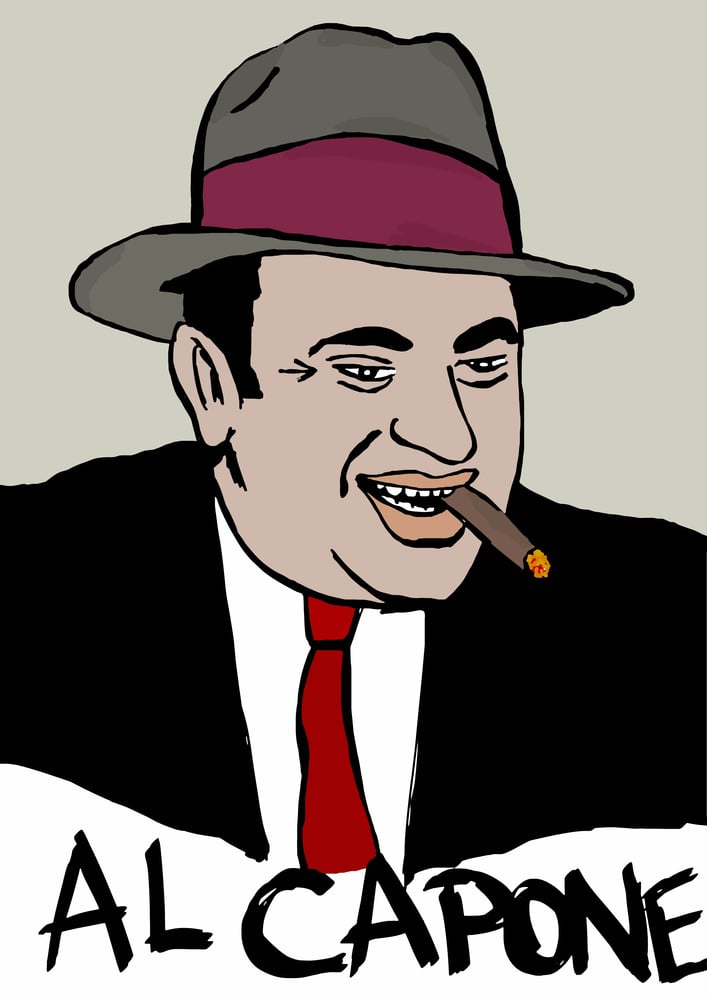
Al Capone’s name remains inseparable from Chicago, even decades after his downfall. Operating during Prohibition, Capone built an empire around illegal alcohol distribution, bribery, and intimidation.
His influence stretched across the city, shaping politics and policing in ways that embarrassed authorities at every level. What ultimately ended Capone’s reign was not violence-related charges, but tax evasion.
That outcome cemented his legacy as both powerful and oddly vulnerable. His story revealed how financial records could succeed where traditional law enforcement struggled.
Charles Ponzi — Massachusetts
Charles Ponzi did not invent fraud, but he perfected a model that still bears his name. Operating out of Boston in the early 20th century, he promised investors enormous returns through international postal reply coupons.
The system relied entirely on new money paying earlier participants. When the scheme collapsed, it exposed how optimism and poor oversight can fuel large-scale deception.
Ponzi’s case became a cautionary tale taught in finance and economics, long after the man himself faded from view.
Ted Kaczynski — Montana

Ted Kaczynski lived in near isolation in rural Montana, a setting that contrasted sharply with the national impact of his crimes. Over many years, he carried out a series of mail bomb attacks targeting universities and airlines.
His actions created widespread fear and forced changes in mail-handling procedures. Kaczynski was eventually identified through a manifesto published by newspapers, recognized by a family member.
The case highlighted the unexpected role of language analysis and public cooperation in solving complex investigations.
Bernard Madoff — New York
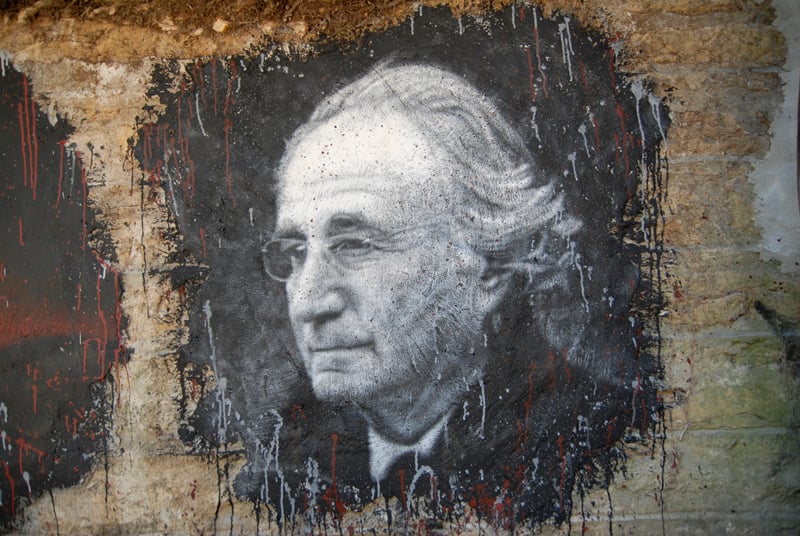
Bernard Madoff operated one of the largest financial frauds in U.S. history, centered in New York’s financial world. Presenting himself as a trusted investment advisor, he ran a massive deception that unraveled during the 2008 financial crisis.
Losses reached into the billions, affecting individuals, charities, and institutions. The scandal shattered assumptions about trust and reputation in finance.
It also led to regulatory reforms and renewed scrutiny of oversight systems that failed to detect the scheme earlier.
John Dillinger — Indiana

John Dillinger became a national figure during the Great Depression, when bank robberies were viewed by some as rebellion against powerful institutions. Operating across the Midwest, Dillinger gained a reputation for daring escapes and public defiance.
His notoriety was amplified by newspapers and radio, which turned crime into serialized entertainment. Dillinger’s eventual capture and death marked a turning point in how federal authorities pursued interstate criminals.
Whitey Bulger — Massachusetts

James ‘Whitey’ Bulger dominated organized crime in Boston for years while secretly serving as an informant. His ability to evade arrest exposed deep flaws in law enforcement oversight and accountability.
When he fled, he remained at large for over a decade. Bulger’s eventual capture reopened debates about corruption and misplaced trust.
His story became less about criminal operations and more about institutional failure.
Aileen Wuornos — Florida

Aileen Wuornos committed multiple murders in Florida during the late 1980s and early 1990s. Her case drew intense media attention due to its complexity and the circumstances surrounding her life.
Coverage often focused on background rather than just the crimes themselves. The case sparked discussion about mental health, poverty, and how the justice system handles defendants with deeply troubled histories.
It remains one of Florida’s most discussed criminal cases.
Timothy McVeigh — Oklahoma

Timothy McVeigh carried out the 1995 bombing of the Alfred P. Murrah Federal Building in Oklahoma City. The attack killed 168 people and shocked the nation.
It forced a reckoning with domestic extremism and security vulnerabilities. McVeigh’s actions reshaped federal building security standards across the country.
The case is remembered not only for its scale, but for how it changed public awareness of internal threats.
Frank Abagnale — Louisiana

Frank Abagnale became known for passing fraudulent checks and impersonating professionals while still a teenager. Operating in multiple states, his early exploits included time spent in Louisiana.
His ability to exploit trust systems made him notorious rather than violent. After serving time, Abagnale later worked with law enforcement to help prevent fraud.
His story stands out as an example of how criminal expertise can be redirected under the right conditions.
H.H. Holmes — Illinois

H.H. Holmes operated during the 1893 World’s Fair in Chicago, using a custom-built hotel to carry out murders. His crimes shocked a rapidly industrializing nation unprepared for such calculated deception.
Newspapers amplified the horror, cementing his reputation. Holmes’ case influenced how authorities approached missing persons and urban crime.
It also revealed how anonymity in growing cities could be exploited.
George Jung — California

George Jung played a major role in large-scale drug trafficking between the U.S. and Colombia during the 1970s and 1980s. Based largely in California, his operations fed into broader international networks.
His story later became widely known through film portrayals. Beyond the individual, Jung’s case illustrated how global supply chains and demand shaped modern organized crime.
It also showed how lifestyle glamorization can obscure long-term consequences.
Carlos Lehder — Florida

Carlos Lehder was instrumental in establishing smuggling routes through Florida during the rise of international drug trafficking. His operations relied on geography, using the state’s coastline to move shipments efficiently.
Lehder’s arrest marked a shift toward stronger international cooperation in law enforcement. Florida’s role as a gateway state became a central focus in anti-trafficking strategies.
Why These Cases Still Resonate

What makes someone infamous isn’t just what they did wrong. Timing plays a role, along with how much coverage it got, plus whether the moment revealed some deeper crack in the system.
Each one turned into more than a person – more like signs pointing at broken systems, public dread, or shifting norms across the U.S. The reason we return to their names has less to do with fascination and more to do with lingering doubts around who holds control, whom we believe, and who answers when things go off track.
Looking back without drama keeps the weight where it belongs – not on fame, but on consequence.
More from Go2Tutors!

- The Romanov Crown Jewels and Their Tragic Fate
- 13 Historical Mysteries That Science Still Can’t Solve
- Famous Hoaxes That Fooled the World for Years
- 15 Child Stars with Tragic Adult Lives
- 16 Famous Jewelry Pieces in History
Like Go2Tutors’s content? Follow us on MSN.