15 Disasters Caused by One Missing Bolt
Sometimes the smallest things cause the biggest problems. A single missing bolt might seem insignificant, but in engineering, these tiny fasteners often stand between success and catastrophe. When one bolt fails or goes missing, it can trigger a domino effect that brings down entire structures, crashes planes, or causes industrial accidents that make headlines worldwide.
The stories that follow show just how much weight these little pieces of metal carry. Here is a list of 15 disasters that happened because one crucial bolt wasn’t where it was supposed to be.
The Kolkata Flyover Collapse
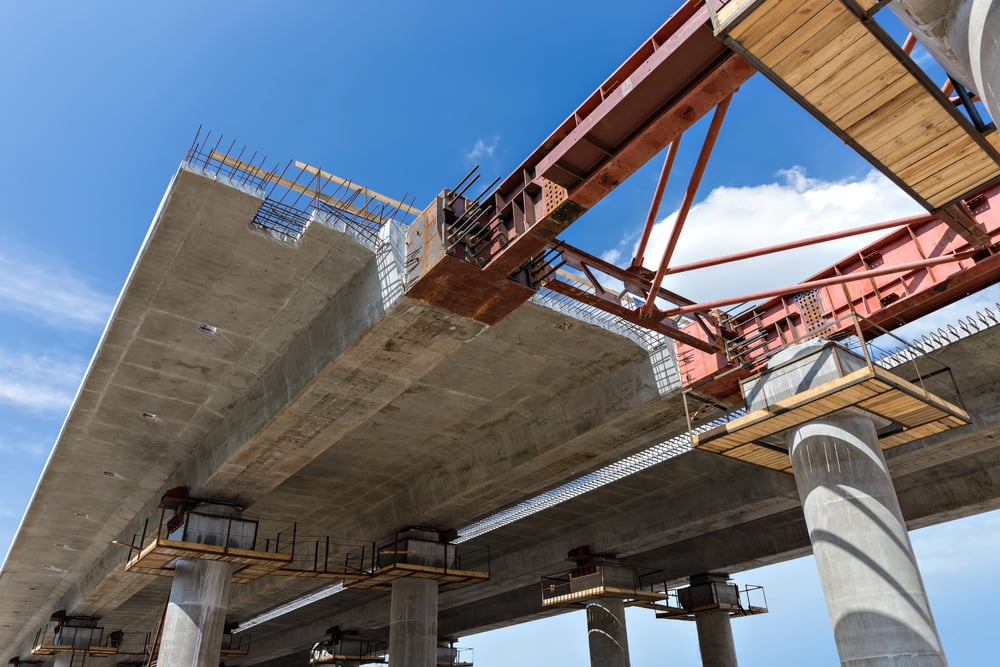
In March 2016, a massive flyover under construction in Kolkata, India, suddenly collapsed, killing 27 people and injuring 80 more. Failed bolts were identified as the immediate cause of this failure, though investigators continued searching for the root cause.
The tragedy showed how a single faulty connection could bring down tons of concrete and steel in seconds.
The Tacoma Narrows Bridge Disaster
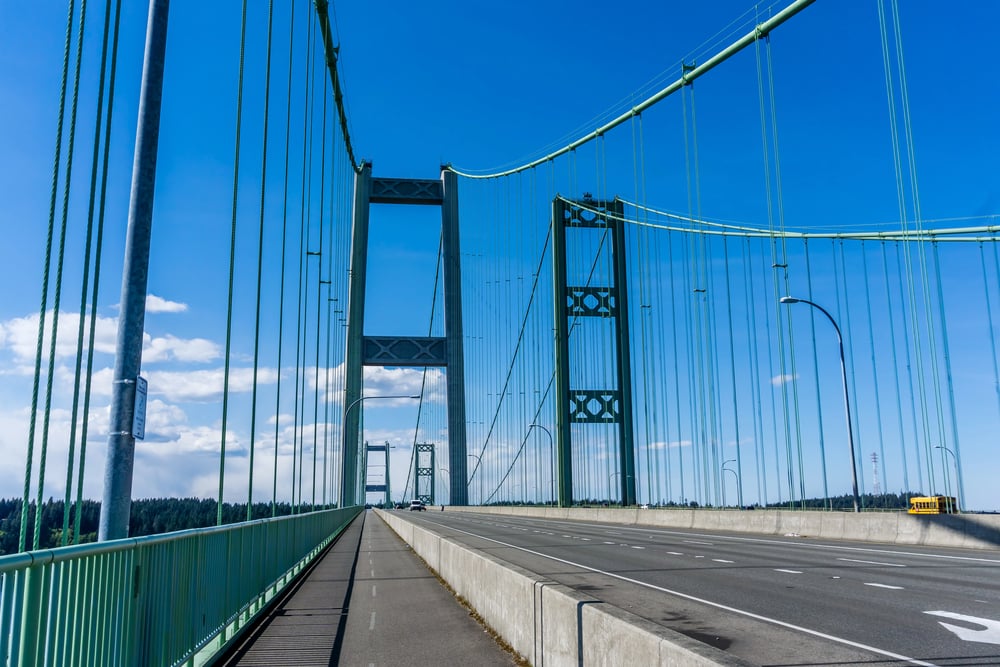
While the famous 1940 collapse of the Tacoma Narrows Bridge is often attributed to wind-induced vibrations, the actual failure began with critical bolts that couldn’t handle the stress. The bridge’s design flaws were magnified when key fasteners failed under the twisting forces.
This disaster changed how engineers think about bridge construction and the importance of every single connection point.
The De Havilland Comet Window Failures
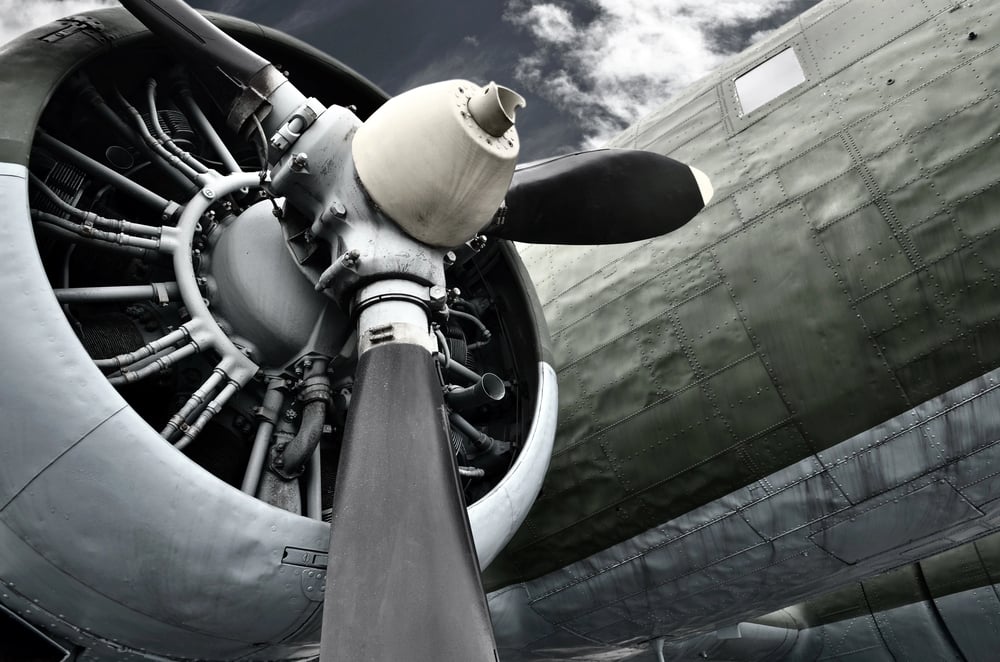
The world’s first commercial jet airliner, the De Havilland Comet, suffered a series of catastrophic failures in the 1950s. Investigators discovered that missing or improperly installed bolts around the aircraft’s square windows created stress concentration points.
When these bolts failed, the resulting metal fatigue led to explosive decompression and crashes that killed dozens of passengers.
The Kansas City Hyatt Regency Walkway Collapse
In 1981, two suspended walkways at the Hyatt Regency Hotel in Kansas City collapsed during a busy tea dance, killing 114 people. The disaster traced back to a design change that doubled the load on certain bolts.
When these critical fasteners couldn’t handle the stress, the entire structure came down in what remains one of America’s worst engineering failures.
The Aloha Airlines Flight 243 Incident
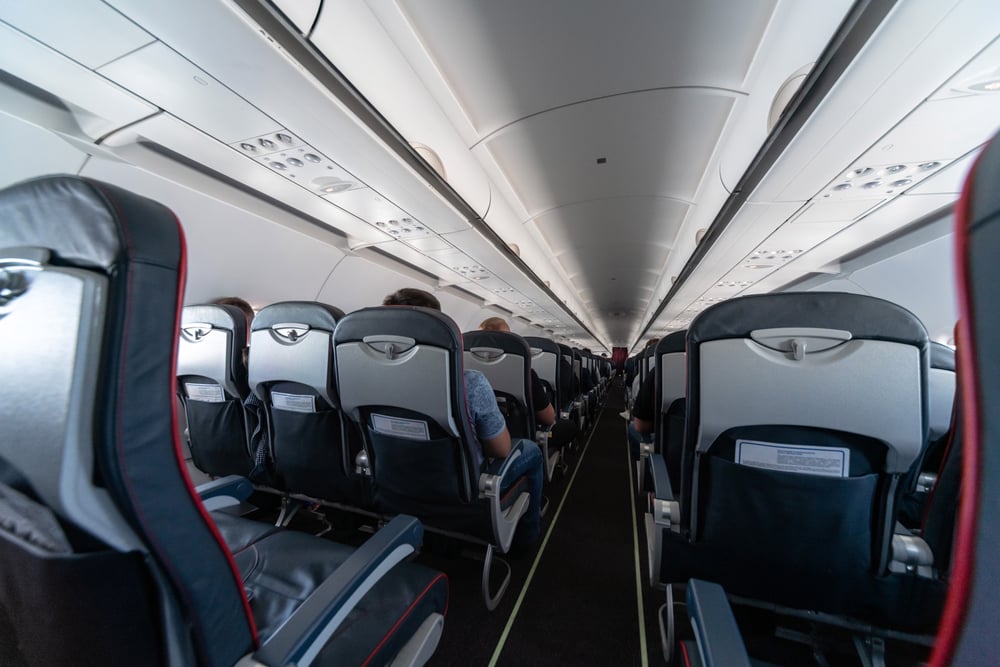
In 1988, a large section of the fuselage roof tore away from Aloha Airlines Flight 243 during flight. The primary cause was widespread fatigue damage that started around rivet and bolt locations.
Missing or loose bolts had allowed cracks to spread between fastener points, eventually leading to the dramatic structural failure that somehow the plane survived.
The Silver Bridge Collapse
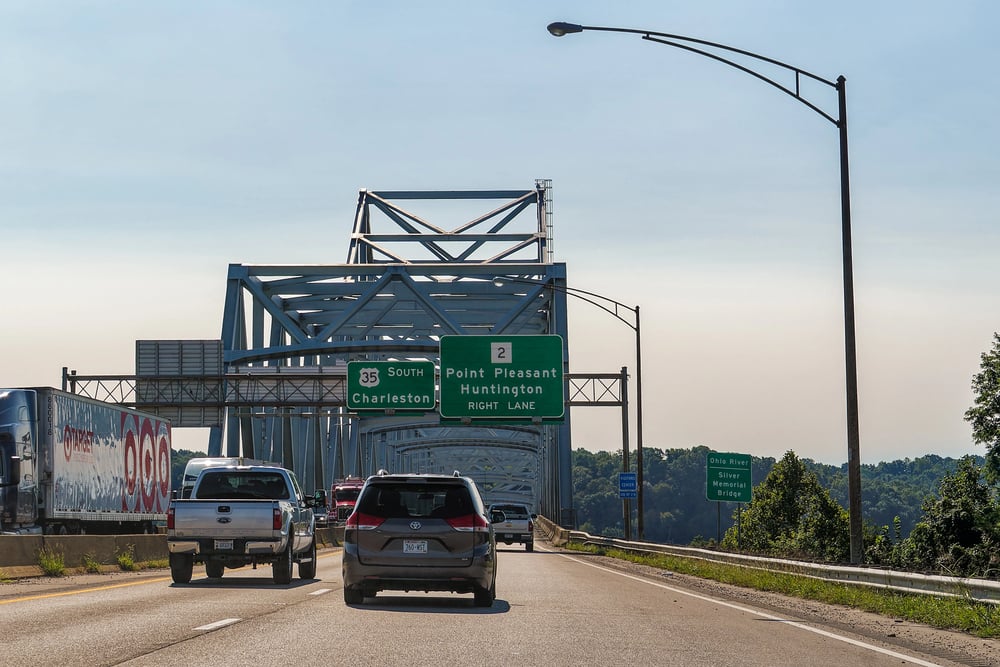
The Silver Bridge connecting Ohio and West Virginia collapsed in 1967 during rush hour traffic, killing 46 people. The failure began with a single eyebar that had developed a crack around a bolt connection.
This one faulty link caused a chain reaction that brought down the entire suspension bridge in less than a minute.
The Ronan Point Apartment Building Collapse
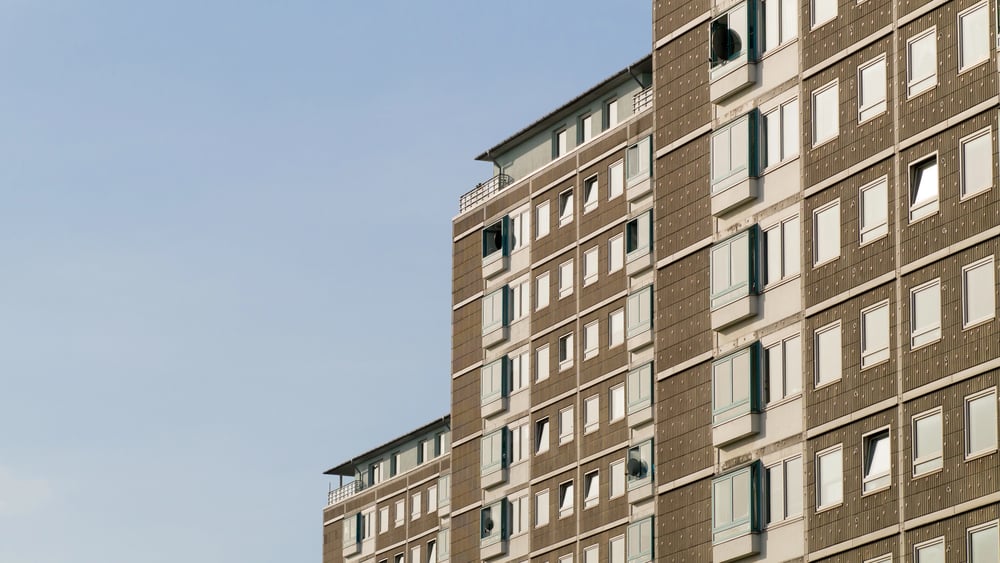
In 1968, a gas explosion in one apartment at Ronan Point in London caused a progressive collapse that killed four people and injured 17. The disaster revealed that the building’s precast concrete panels were held together by insufficient bolts.
When the explosion displaced one panel, the inadequate bolt connections couldn’t prevent the domino effect that followed.
The Challenger Space Shuttle Disaster
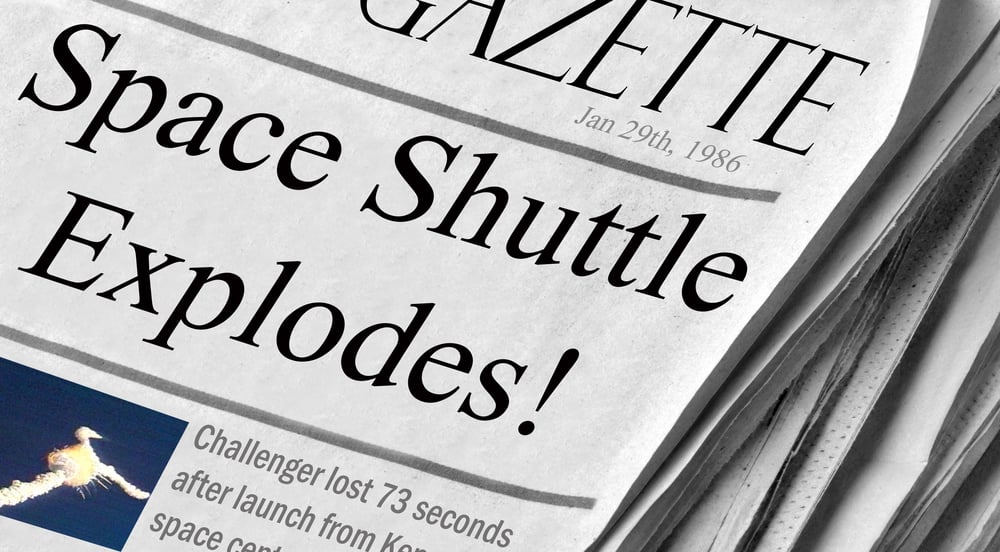
While O-ring failure is widely known as the cause of the Challenger explosion, the disaster also involved critical bolts that couldn’t maintain their seal under cold conditions. The shuttle’s solid rocket boosters relied on numerous bolts to maintain joint integrity.
When these connections failed in freezing temperatures, hot gases escaped and led to the tragic loss of seven crew members.
The Morandi Bridge Collapse
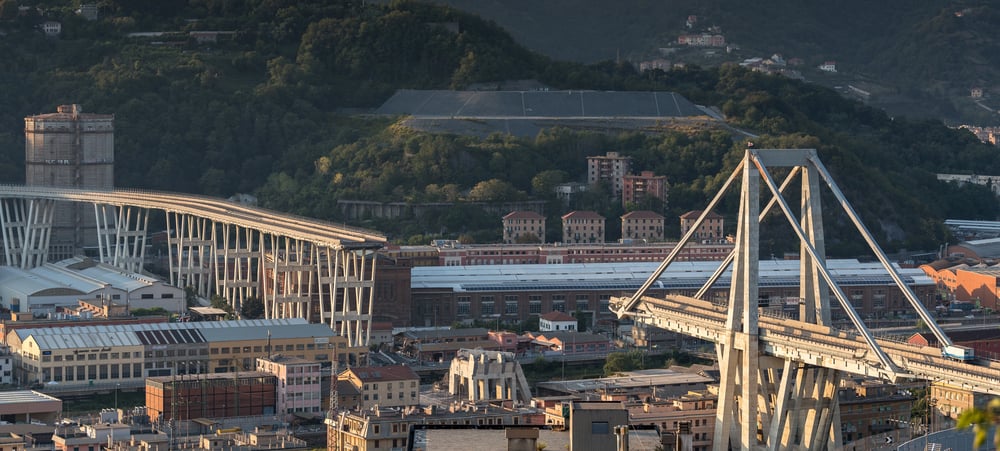
The 2018 collapse of the Morandi Bridge in Genoa, Italy, killed 43 people and shocked the engineering world. Investigators found that corroded and missing bolts in the bridge’s cable-stayed design had compromised the structure’s integrity over decades.
The disaster highlighted how routine maintenance of seemingly minor components like bolts can prevent catastrophic failures.
The Eschede Train Derailment

Germany’s worst train accident occurred in 1998 when an ICE high-speed train derailed, killing 101 people. The disaster began with a faulty wheel that had been improperly maintained with missing bolts.
When the wheel failed at high speed, it caused a chain reaction that derailed multiple cars and brought down a road bridge.
The Sampoong Department Store Collapse
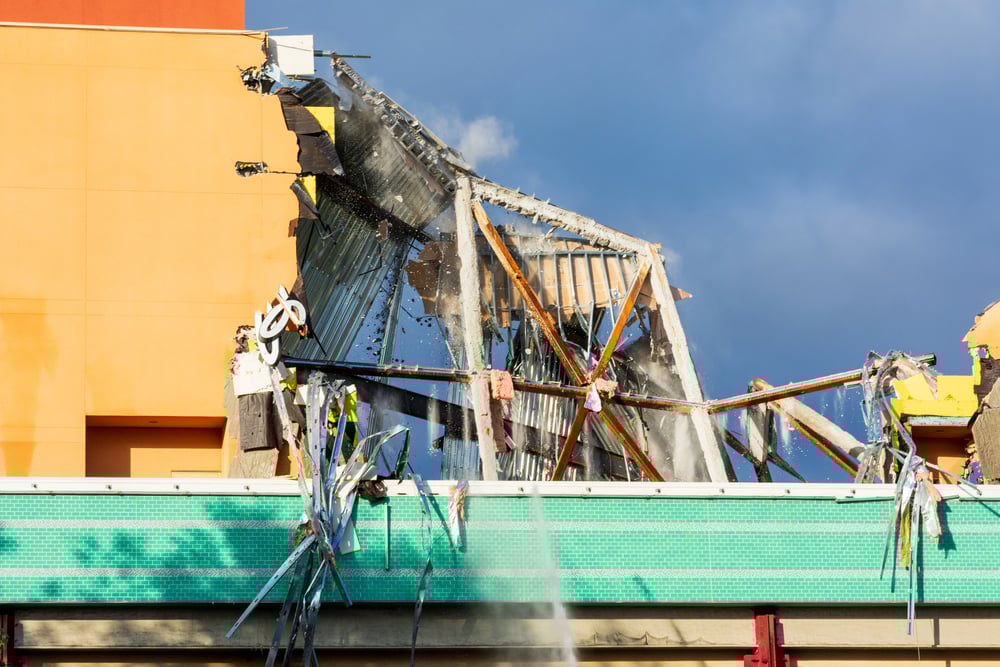
In 1995, the Sampoong Department Store in Seoul, South Korea, collapsed, killing 502 people. While multiple factors contributed to the disaster, investigators found that critical bolts connecting the building’s columns had been removed or not properly installed during construction.
The missing connections couldn’t handle the building’s weight, leading to progressive collapse.
The Big Bay Point Lighthouse Accident
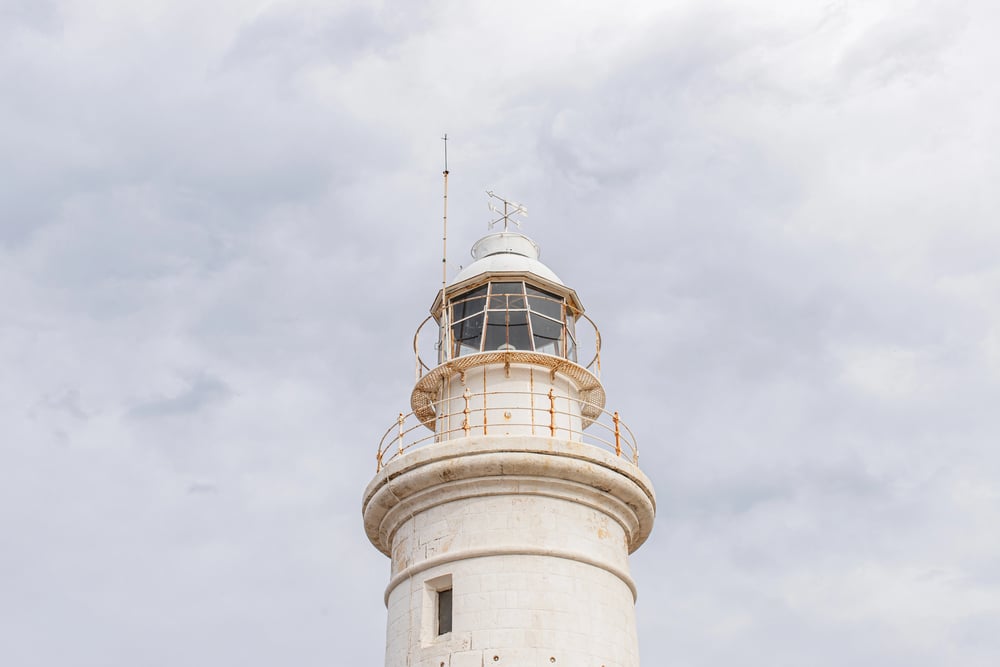
During construction of the Big Bay Point Lighthouse in Michigan, a worker was killed when scaffolding collapsed due to missing bolts. The tragedy occurred when critical connections weren’t properly secured, causing the temporary structure to fail.
This incident led to stricter safety protocols for construction projects involving temporary structures.
The Skyway Bridge Truck Accident
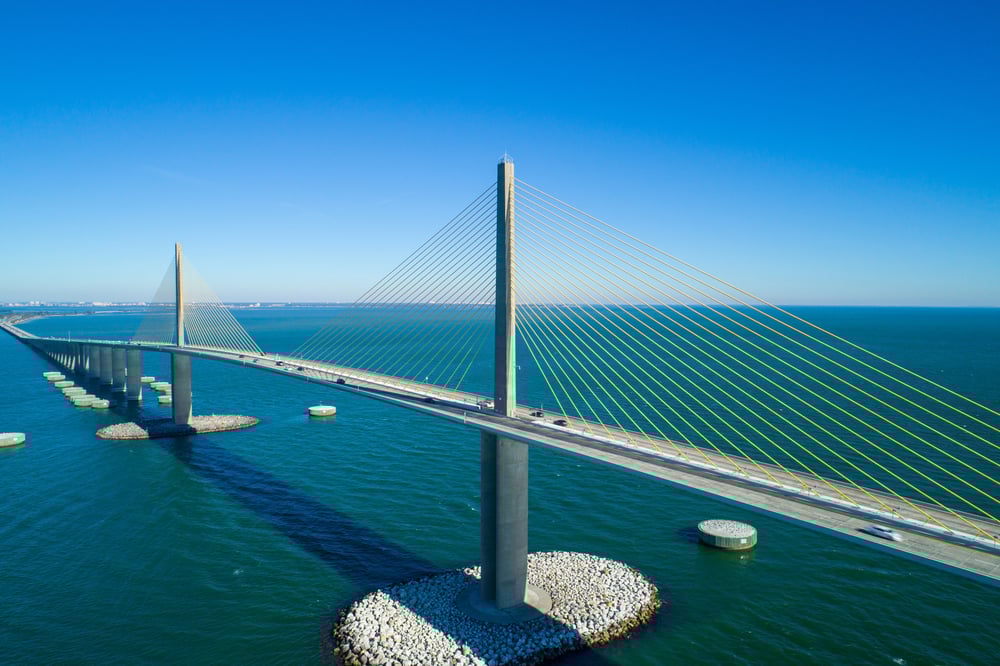
While not a complete bridge failure, a 2019 incident on the Sunshine Skyway Bridge in Florida involved a truck losing its load when cargo securing bolts failed. The missing fasteners caused shipping containers to fall into Tampa Bay, nearly causing a maritime disaster.
The incident showed how even vehicle-related bolt failures can have far-reaching consequences.
The London Eye Construction Incident
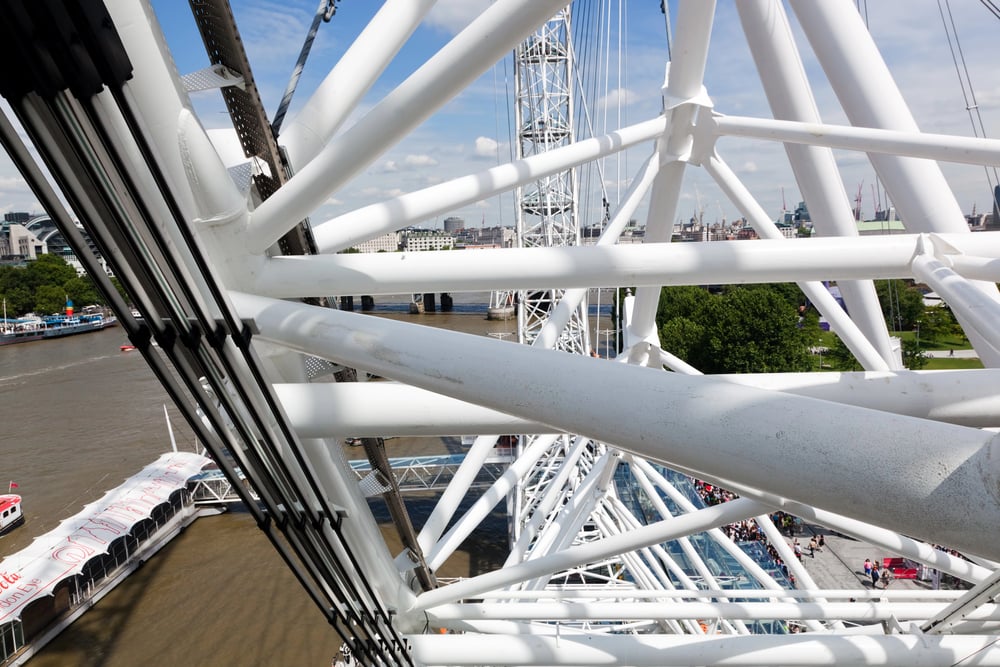
During the initial construction of the London Eye in 1999, workers discovered that several critical bolts were missing from the giant wheel’s rim connections. While the structure didn’t collapse, the missing fasteners could have caused catastrophic failure once the wheel became operational.
The discovery forced engineers to completely reinspect all connections before opening.
The Offshore Oil Platform Accident
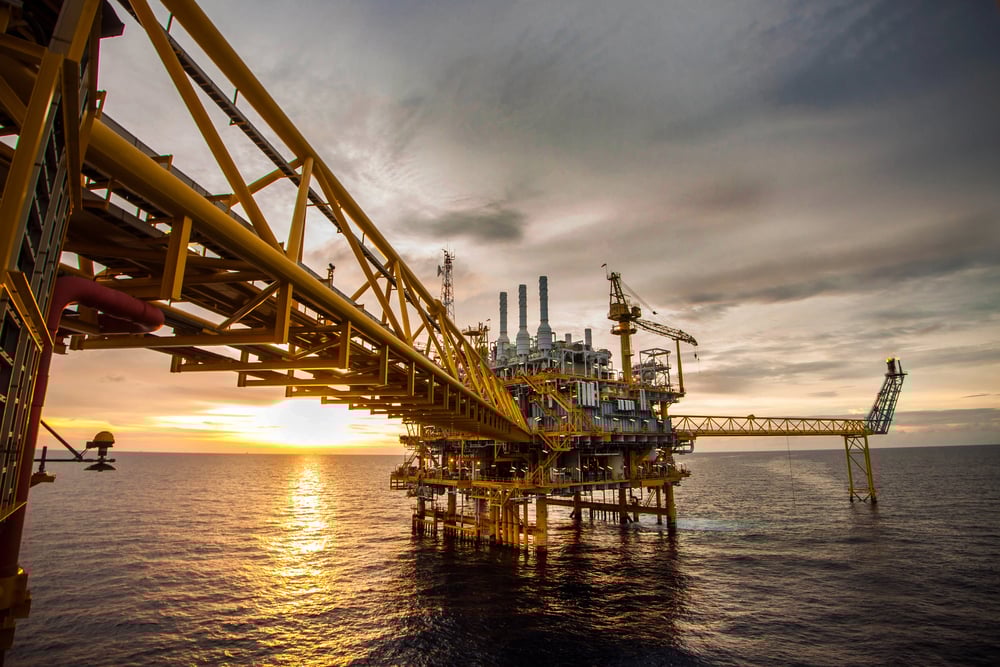
In 2005, a North Sea oil platform experienced a near-catastrophic failure when investigators found that dozens of bolts connecting critical structural elements were missing or severely corroded. The platform had to be evacuated and reinforced before operations could resume.
The incident highlighted how harsh marine environments can cause bolt failures that threaten entire installations.
When Small Things Have Big Consequences
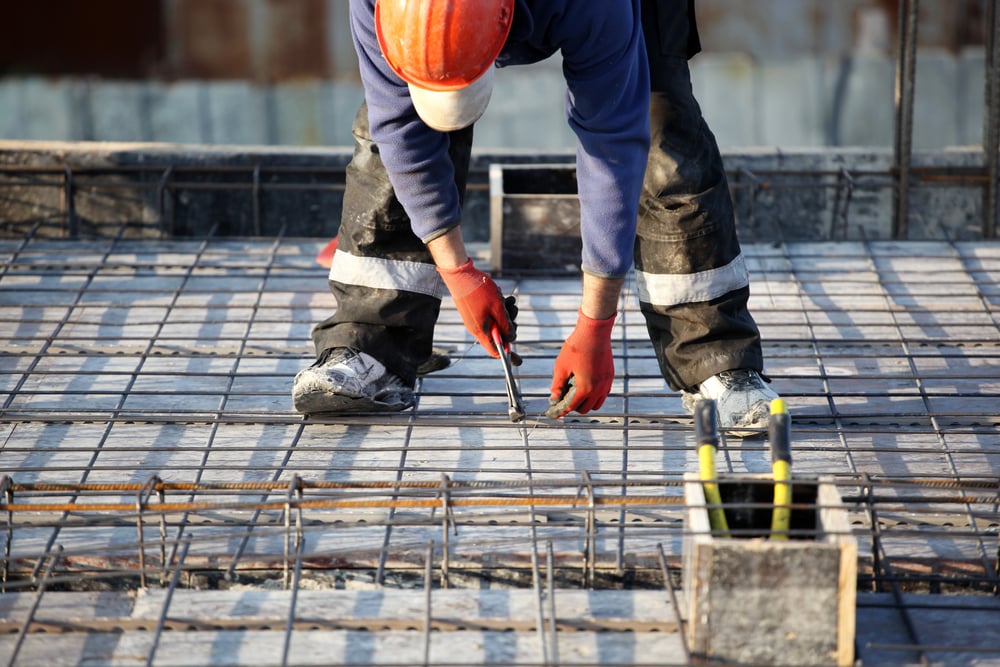
These disasters remind us that engineering is only as strong as its weakest link, and sometimes that link is smaller than your thumb. Modern construction codes and inspection procedures have evolved largely because of these failures, with engineers now understanding that every bolt, rivet, and fastener plays a crucial role in structural integrity.
The next time you see a construction worker carefully torquing bolts or an inspector checking connections, remember that they’re not just following procedure—they’re preventing the next disaster that could make this list.
More from Go2Tutors!

- The Romanov Crown Jewels and Their Tragic Fate
- 13 Historical Mysteries That Science Still Can’t Solve
- Famous Hoaxes That Fooled the World for Years
- 15 Child Stars with Tragic Adult Lives
- 16 Famous Jewelry Pieces in History
Like Go2Tutors’s content? Follow us on MSN.