15 Photos Capturing What Peak 1980s Technology Looked Like
The 1980s hit different when it came to technology. Everything was bigger, beeper, and unapologetically plastic. This was the decade when home computers stopped being science fiction and started taking up entire desks, when portable music meant lugging around a device the size of a small suitcase, and when the future looked like it would be covered in wood grain and powered by cassette tapes.
These weren’t just gadgets—they were statements. Owning a VCR meant you controlled time itself. Having a computer meant you were living in tomorrow. And if you could afford a mobile phone, you were basically carrying around a piece of the space program in your briefcase.
The Osborne 1 Portable Computer
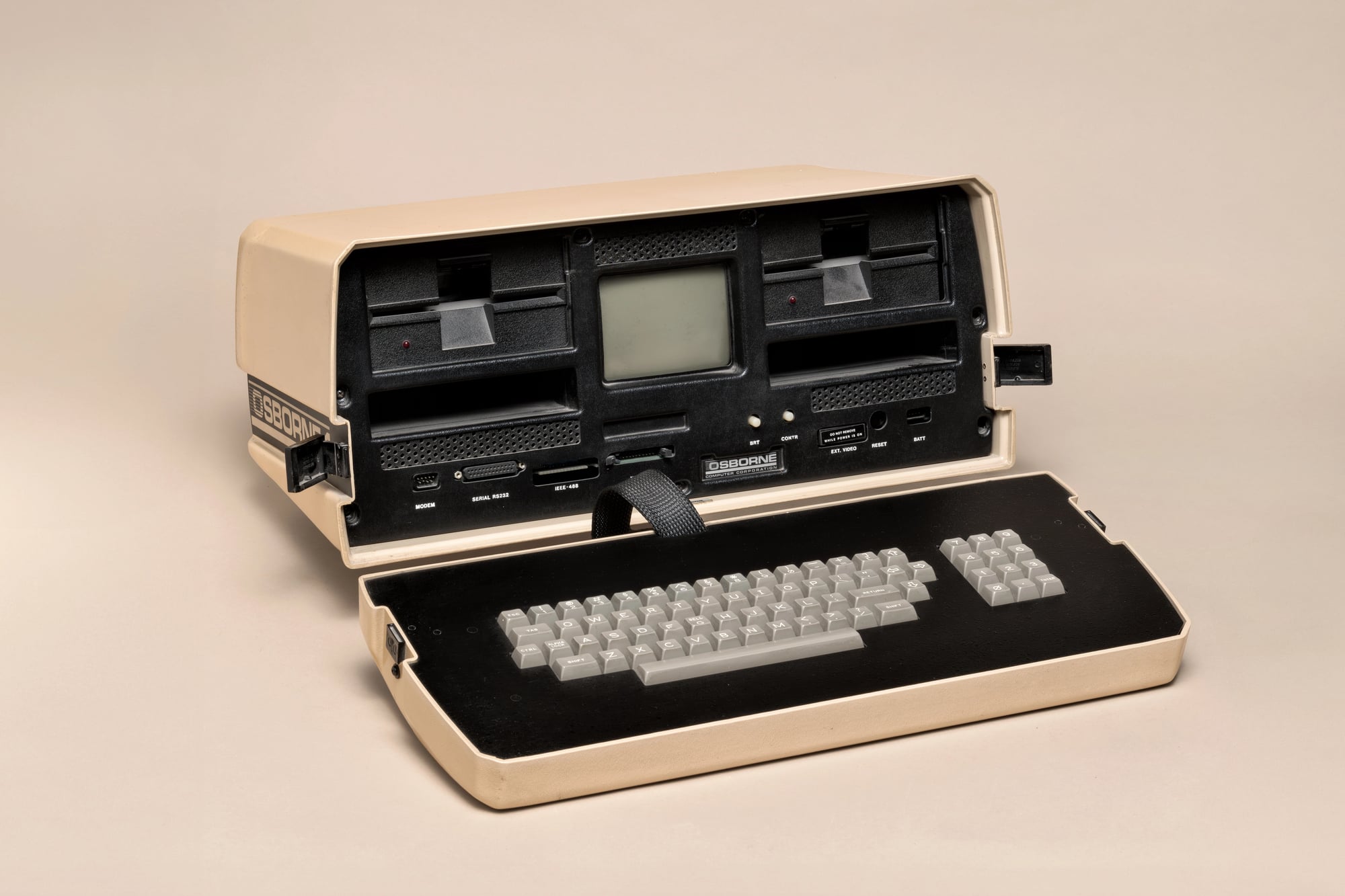
The Osborne 1 was about as portable as a cinder block. Twenty-four pounds of pure computing power that came with its own carrying case and a screen roughly the size of a kitchen timer.
This machine cost $1,795 in 1981, which translates to about $6,000 today, and people lined up to buy it anyway.
The Sony Walkman
There’s something almost rebellious about the way the Sony Walkman sat against the ear (and this was back when most people still thought of music as something that happened in rooms, not inside your head), the way it turned every sidewalk into a private concert hall and every commute into a soundtrack.
The yellow foam headphones became a uniform for a generation that was just figuring out how to carry their identity with them—and the Walkman wasn’t just playing music, it was playing the score to whatever movie they imagined their life to be.
When you see those old photos of people walking down city streets with that distinctive yellow foam pressed against their ears, you’re not just looking at someone listening to music. You’re looking at the exact moment personal technology stopped being about productivity and started being about transformation.
The Motorola DynaTAC 8000X
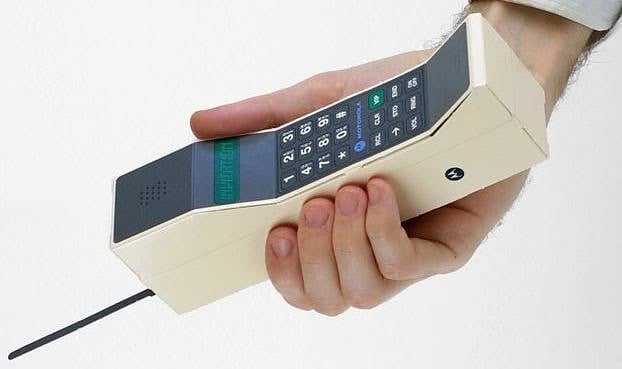
Gordon Gekko’s phone weighed two pounds and cost $3,995. The battery lasted thirty minutes if you were lucky, and charging it took ten hours.
Most people couldn’t afford one, which was exactly the point. This wasn’t a communication device—it was a status symbol that happened to make phone calls.
The Atari 2600
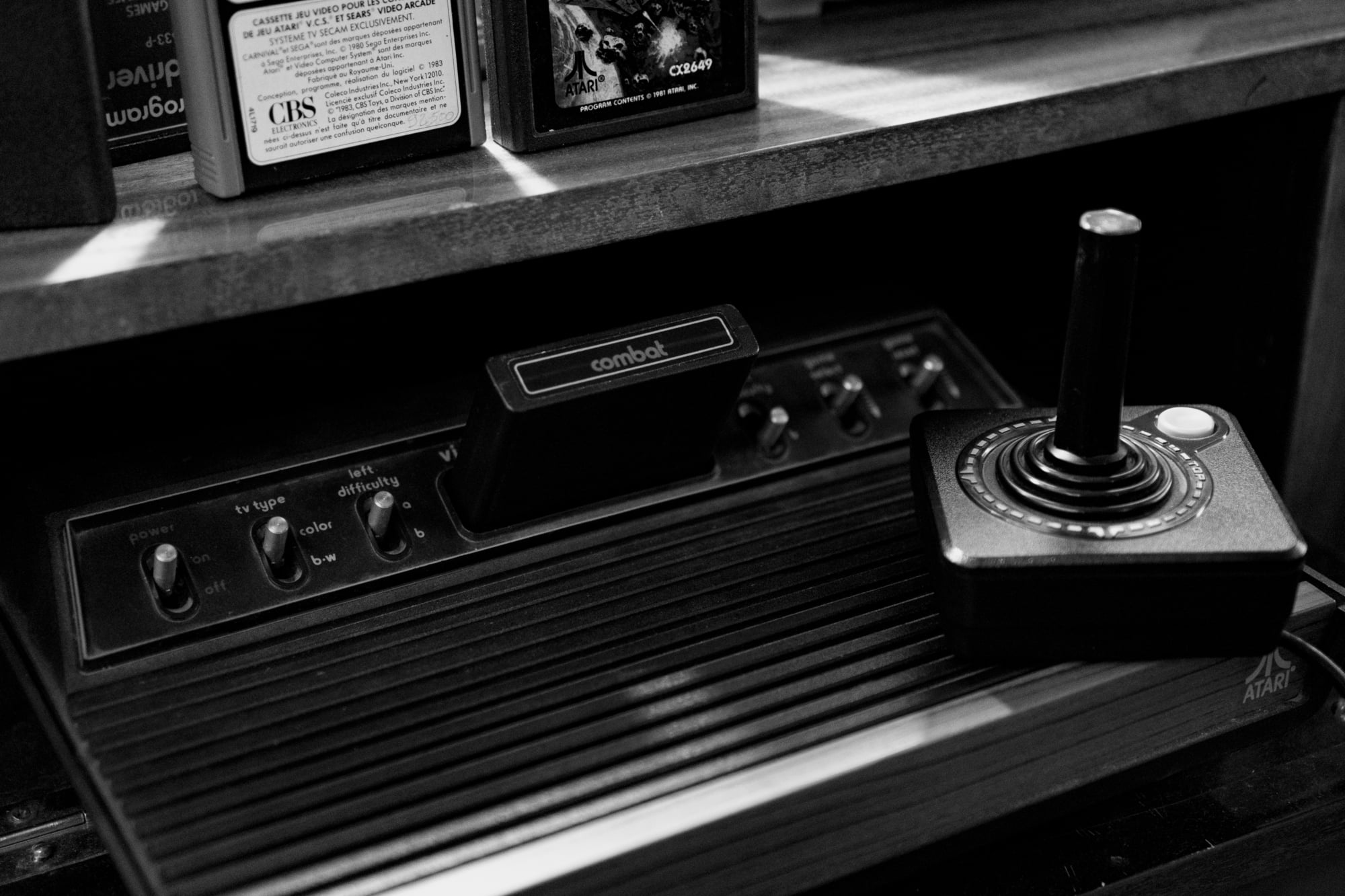
The Atari 2600 turned living rooms into arcades and parents into referees. Wood grain plastic met space-age cartridges, and suddenly every family argument revolved around whose turn it was to play Pac-Man.
The joysticks broke constantly, but nobody cared because this was the closest thing to magic most people had ever plugged into their television.
The Apple IIe
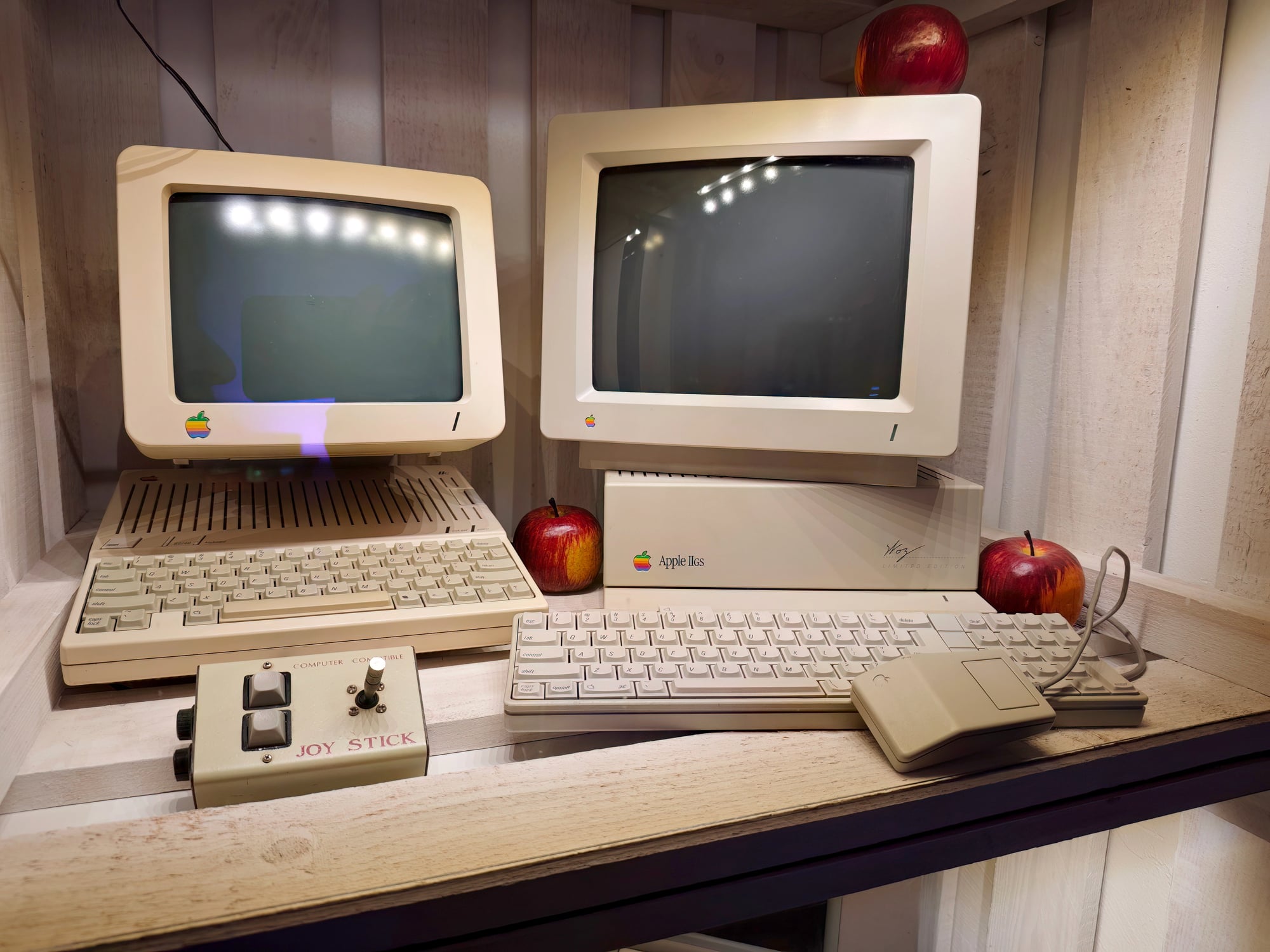
The Apple IIe was the first computer that looked like it belonged in a house rather than a laboratory, and that shift mattered more than any technical specification ever could.
The beige plastic housing wasn’t trying to disappear into your desk setup—it was announcing itself as the centerpiece. The green phosphor screens made text glow from within, making every document and line of code feel alive.
The keyboard had a satisfying mechanical click that meant every letter typed felt deliberate. People who used Apple IIe computers in the 1980s still remember that sound—not because it was remarkable, but because it was the sound of the future arriving one keystroke at a time.
The VHS Player
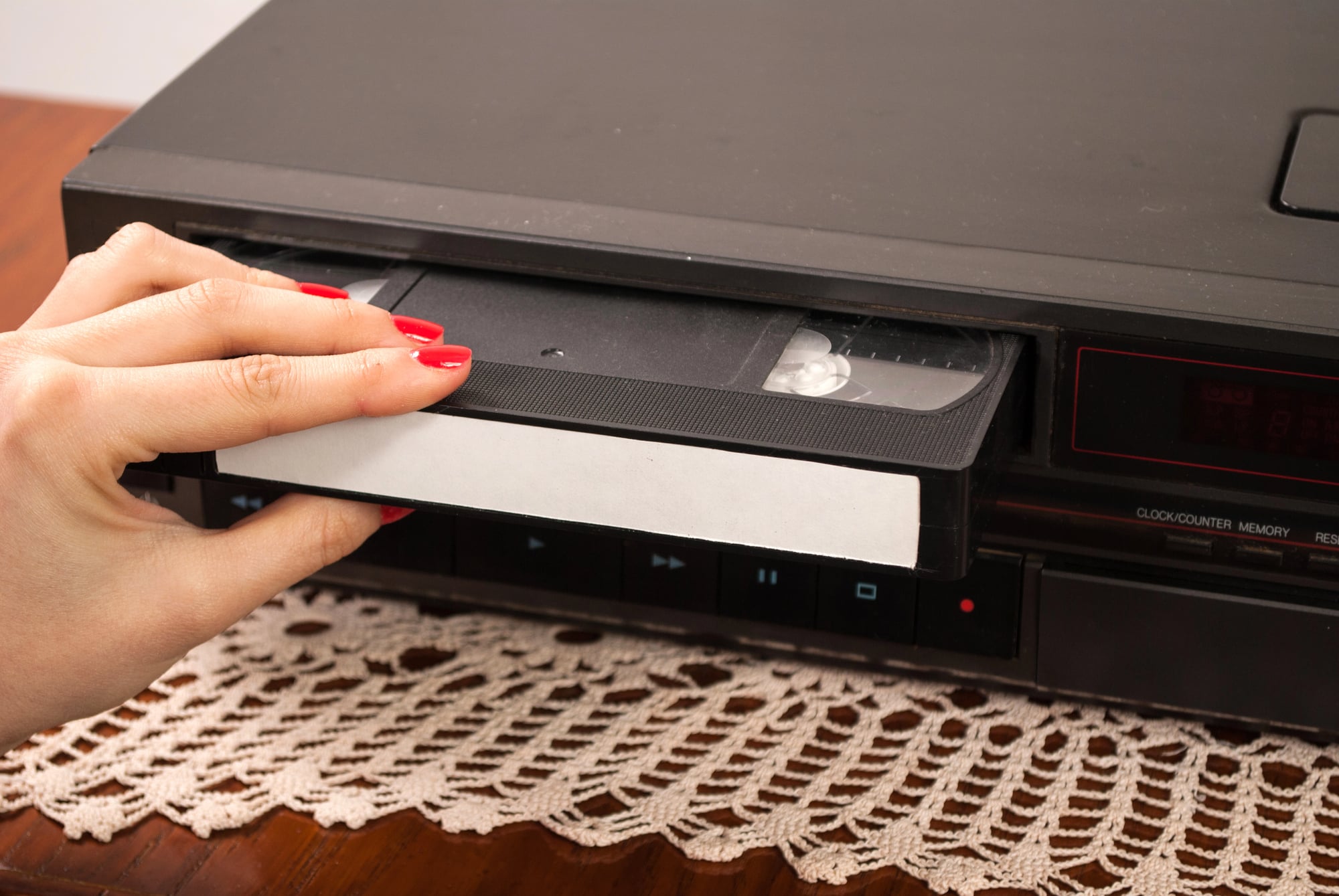
VHS players were time machines disguised as entertainment systems. Programming the clock was an advanced degree in itself, but once you figured it out, you could record shows, pause live television, and build a movie collection that took up half your living room.
The blinking 12:00 became the universal symbol of technological surrender.
The Compact Disc Player
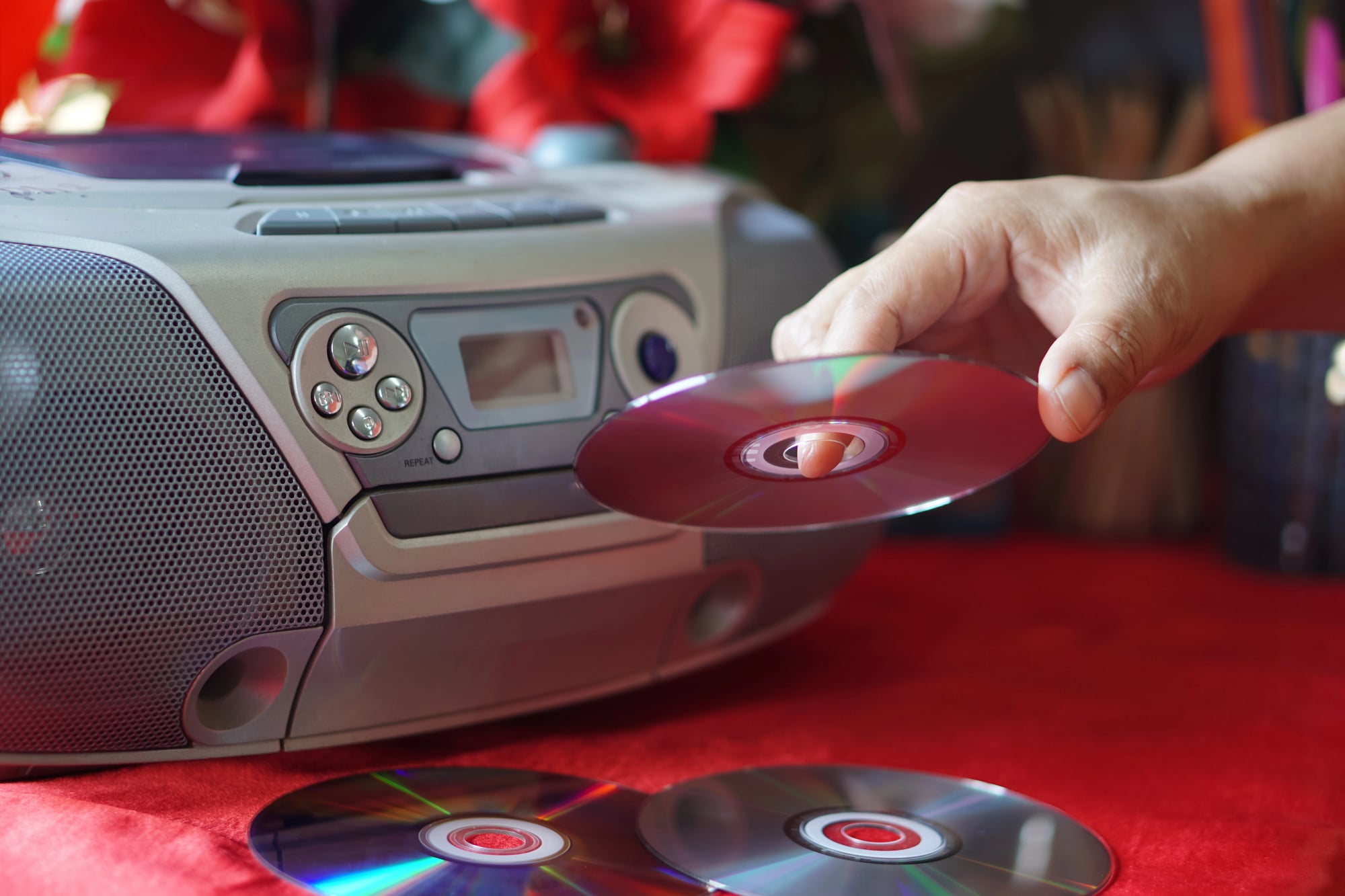
Compact discs promised perfect sound forever, and for a brief moment in the mid-1980s, it seemed like they might deliver.
No scratches, no skips, no rewinding—just pure digital clarity that made your vinyl collection sound like it was being played through a tin can. The players cost a fortune, and the discs weren’t much cheaper, but perfection never came cheap.
The Nintendo Entertainment System
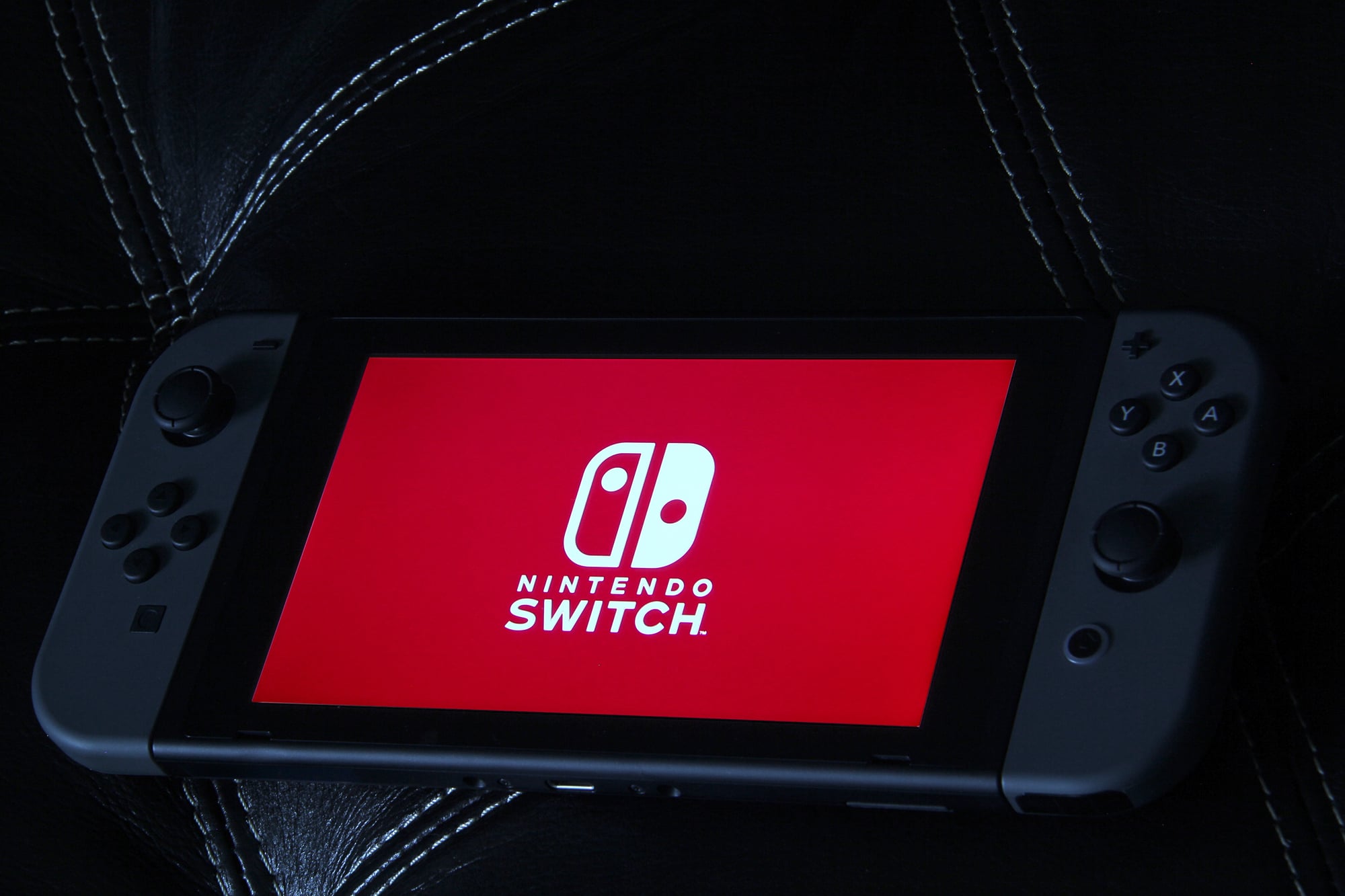
Nintendo saved video games from the crash of 1983, creating the first generation of kids who grew up thinking entertainment could be interactive.
The gray and black console looked serious compared to Atari’s wood grain aesthetic, and the games demanded strategy, exploration, and obsessive dedication that parents found both impressive and slightly concerning.
The Commodore 64
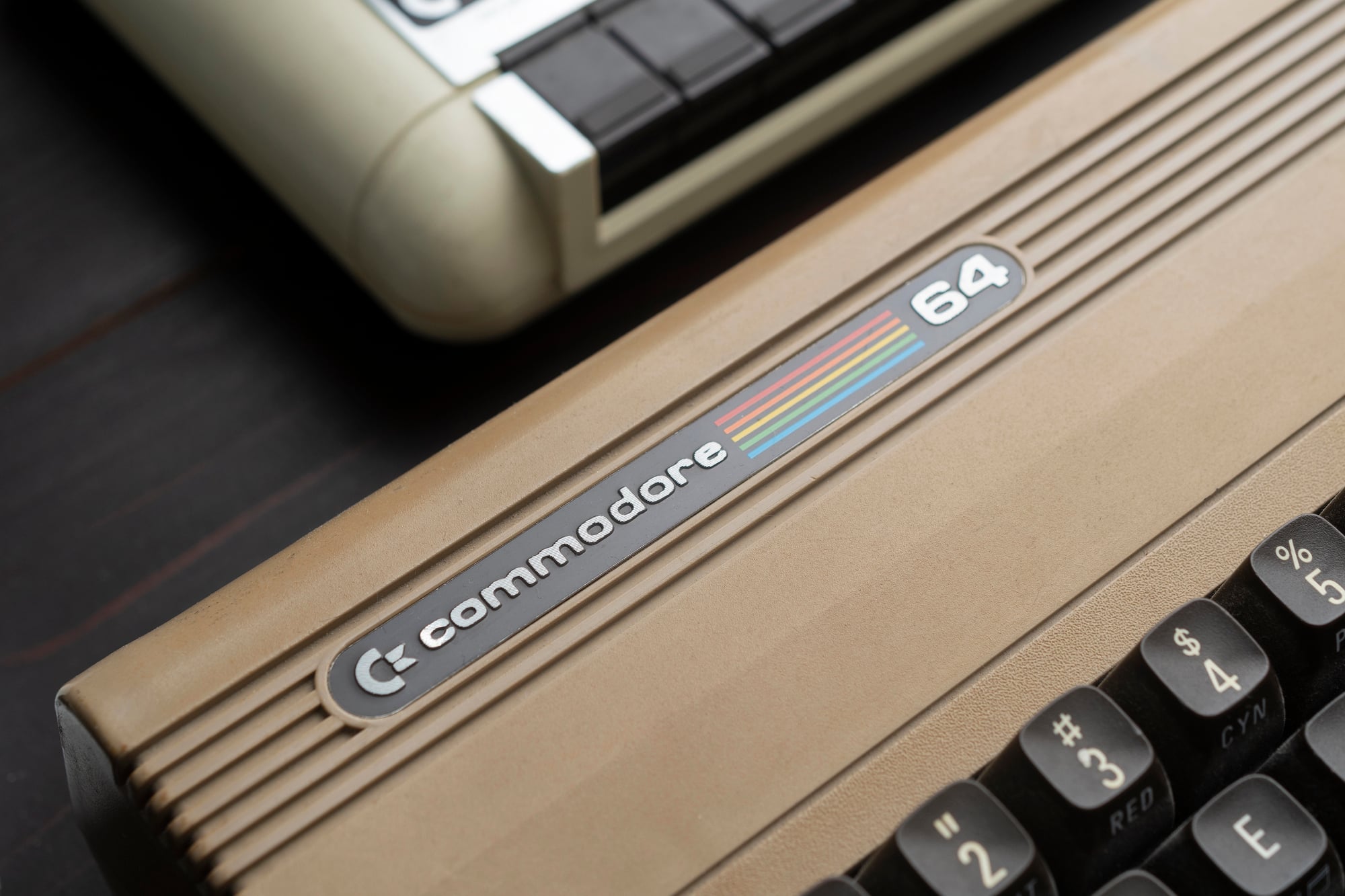
The Commodore 64 was the people’s computer—affordable enough for families but powerful enough to run serious software.
That brown and beige keyboard connected to any television, transforming it into a window into programming, gaming, and the early internet. Eight million people bought one, making it the best-selling computer model of all time.
The Panasonic Boom Box
Holding a Panasonic boom box loaded with eight D-cell batteries was holding rebellion in your hands—not philosophical, but physical.
These weren’t just stereos; they were territorial markers, ways of claiming public space with private taste. The chrome detailing caught sunlight, and the analog meters bouncing in rhythm turned music into something visual and immediate.
The IBM PC

IBM brought corporate credibility to personal computing.
This wasn’t a toy or a hobbyist’s experiment—this was serious business equipment that happened to fit on a desk. The base model cost $1,565 (about $5,000 today), but for businesses ready to embrace the computer age, IBM was the safe choice.
The Betamax Player
Sony’s Betamax was technically superior to VHS in almost every measurable way but lost the format war anyway.
Better picture quality, more reliable mechanics, and smaller tapes couldn’t compete with VHS’s longer recording times and cheaper licensing deals. Sometimes the best technology doesn’t win—it just becomes a very expensive lesson about timing and market strategy.
The Texas Instruments TI-99/4A

The TI-99/4A tried to be the computer for everyone and ended up being the computer for no one in particular.
It had a 16-bit processor when most competitors were 8-bit, but marketing couldn’t decide if it was a gaming console, home computer, or educational tool. The chiclet keyboard didn’t help. Despite innovative features, it never found its audience before TI pulled the plug in 1984.
The Sinclair ZX81
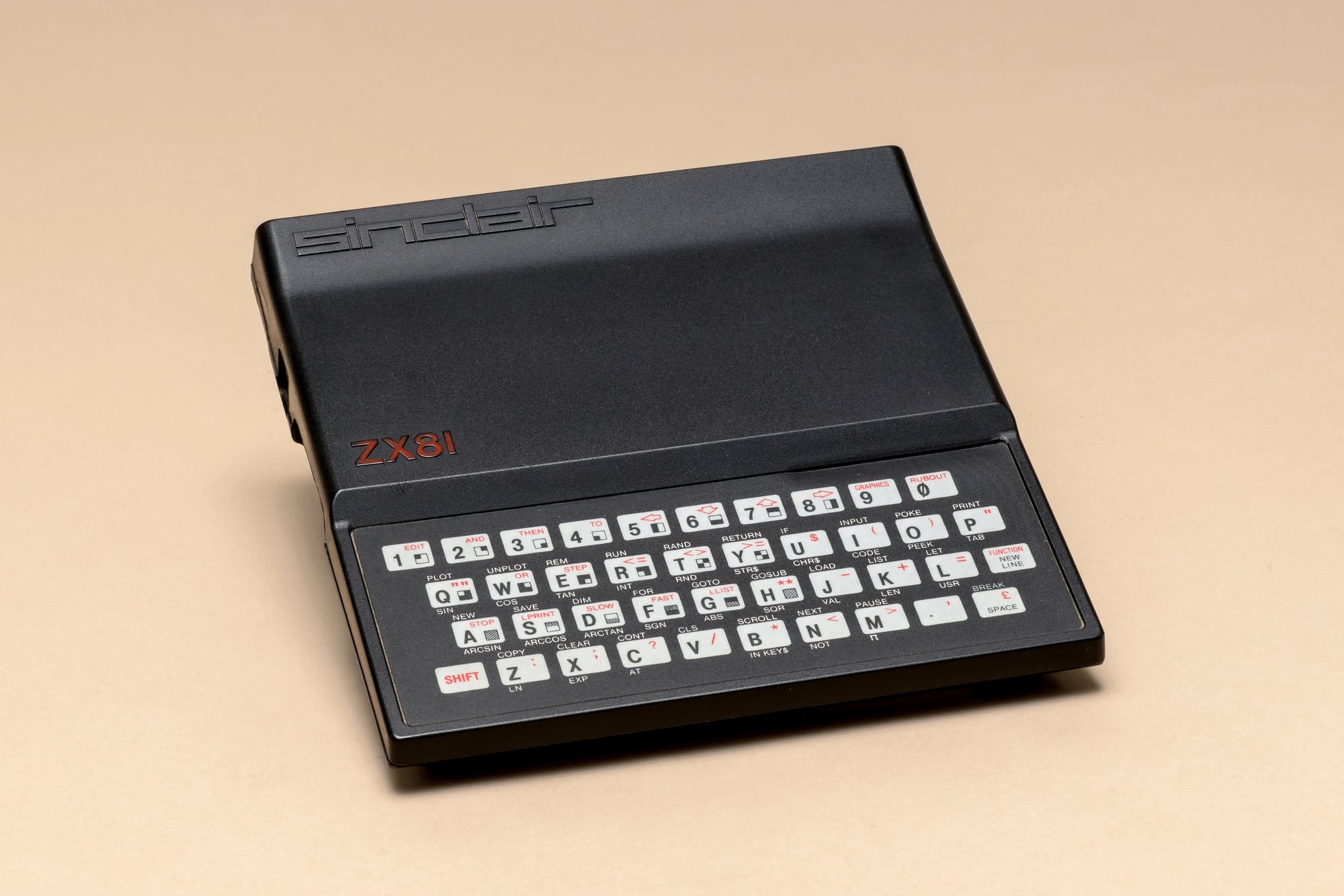
The Sinclair ZX81 cost $99 and delivered exactly $99 worth of computing experience.
The membrane keyboard felt like typing on a placemat, and the 1KB of RAM could barely handle a grocery list. Lightweight enough to blow away in a strong breeze, it was nonetheless accessible computing for the masses—sometimes accessibility matters more than quality.
The Radio Shack TRS-80

Nicknamed the “Trash-80,” the TRS-80 sold like crazy anyway.
Practical, no-nonsense computing for people who shopped at Radio Shack, it combined a computer, monitor, and cassette deck in one unit—convenient or limiting, depending on your perspective.
When Tomorrow Felt Tangible

Looking back at these photos, what strikes you isn’t how primitive the technology seems, but how optimistic it all felt.
Every beige plastic case and every blinking LED represented someone’s vision of a better future—faster, more connected, more entertaining. The 1980s didn’t just give us better gadgets; they gave us the first glimpse of a world where technology wasn’t just for experts in lab coats, but for anyone willing to learn which buttons to push.
These machines changed everything, one household at a time. Despite all their limitations and quirks, they delivered on their promise. The future did turn out more connected, more entertaining, and more powerful than anyone in 1985 could have imagined—it just took a few more decades to get the size right.
More from Go2Tutors!

- The Romanov Crown Jewels and Their Tragic Fate
- 13 Historical Mysteries That Science Still Can’t Solve
- Famous Hoaxes That Fooled the World for Years
- 15 Child Stars with Tragic Adult Lives
- 16 Famous Jewelry Pieces in History
Like Go2Tutors’s content? Follow us on MSN.



