Brands That Changed Their Main Product
Companies don’t always stick to what made them famous. Sometimes they pivot completely, trading their original business for something entirely different.
The reasons vary wildly. Maybe the market dried up, technology moved on, or someone spotted a better opportunity.
Whatever the cause, these shifts often surprise people who knew the brand for one thing and watched it become known for something else entirely. Some transformations worked brilliantly.
Others stumbled. But all of them show how businesses adapt when sticking to the plan stops making sense.
Let’s look at some of the most dramatic product changes in corporate history.
Nokia
Nokia started as a paper mill in Finland back in 1865. The company ground wood pulp and produced paper products for decades before branching into rubber boots and tires.
By the mid-1900s, Nokia had become a conglomerate making everything from toilet paper to gas masks. The electronics division didn’t emerge until the 1960s, and mobile phones came even later.
When the Soviet Union collapsed, Nokia lost a major customer and had to reinvent itself fast. The company sold off its paper, rubber, and cable divisions to focus entirely on mobile phones.
For about 15 years, Nokia dominated the cell phone market so completely that people forgot it ever made anything else. Then smartphones happened, and Nokia couldn’t keep up with Apple and Samsung.
Microsoft bought the phone business in 2014, and Nokia shifted again into telecommunications infrastructure. Today the company builds 5G networks and networking equipment, a far cry from chopping trees in the Finnish wilderness.
Nintendo
Nintendo began in 1889 making handmade playing cards in Kyoto, Japan. The cards featured hand-painted designs and became popular for a card game called Hanafuda.
For nearly 80 years, Nintendo stuck with cards and expanded into Western-style playing cards when those became popular in Japan. The company tried all sorts of random businesses in the 1960s.
They ran taxi services, love hotels, and even sold instant rice. Most of these ventures flopped hard.
Nintendo finally found success with toys in the late 1960s, then moved into electronic toys and arcade games in the 1970s. The leap to video game consoles in the 1980s with the Famicom (known as the NES in America) changed everything.
Nintendo became synonymous with home gaming and never looked back. The playing cards still exist as a tiny side business, but nobody associates Nintendo with card games anymore unless they’re talking about Pokemon.
Colgate
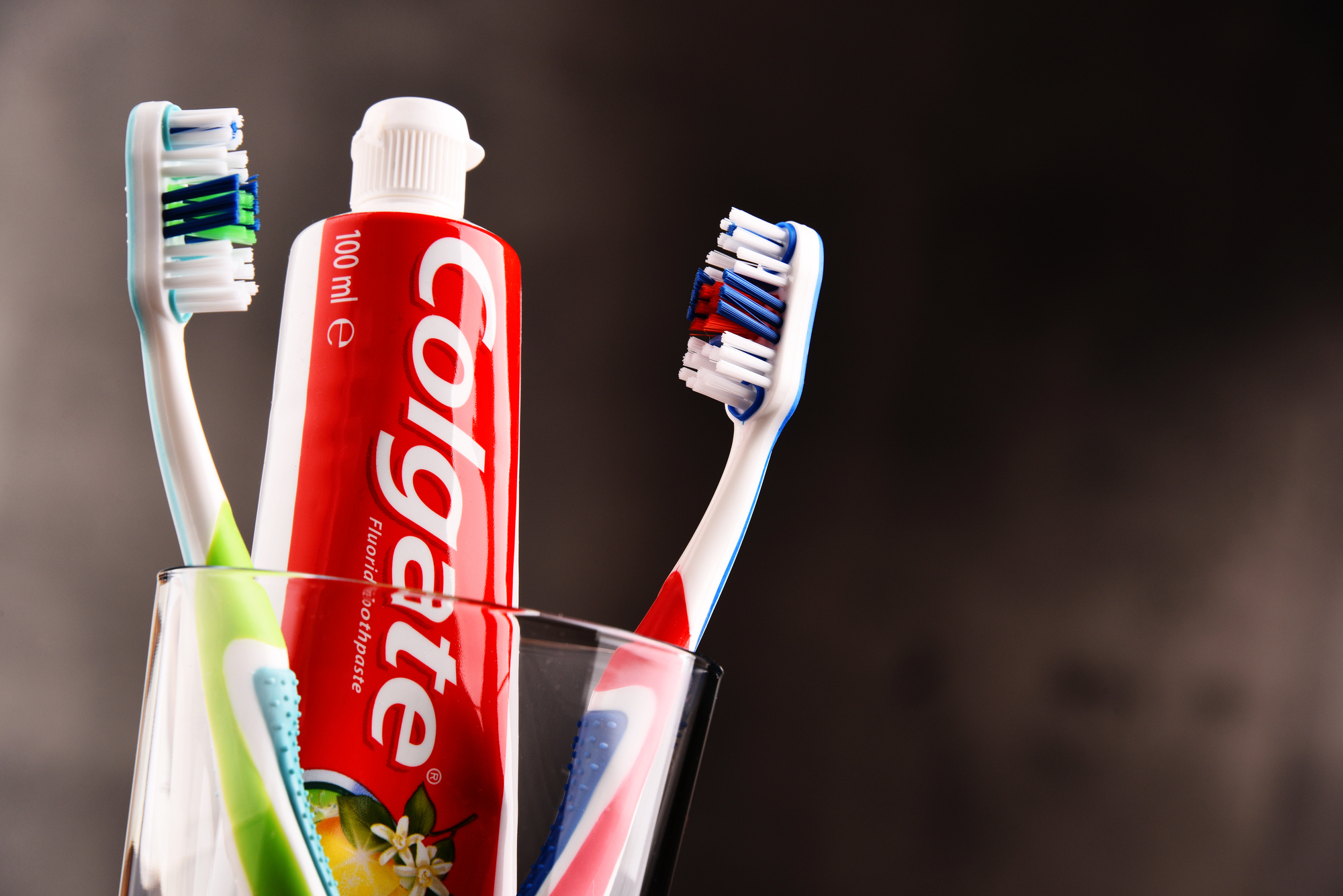
Colgate started in 1806 selling soap, candles, and starch out of a small shop in New York City. William Colgate figured people needed to stay clean and keep their clothes presentable, so those products made perfect sense.
The company grew steadily for decades making these household staples. Toothpaste didn’t enter the picture until 1873, and even then it came in jars rather than tubes.
Colgate treated toothpaste as just another product in a long line of soaps and cleaning items. The tubes arrived in 1896, making toothpaste easier to use and more hygienic.
Sales took off. By the early 1900s, toothpaste had become Colgate’s biggest seller.
The company still makes soap and other cleaning products, but when people hear Colgate, they think of toothpaste first and always. The brand name is so tied to dental care that some people use it as a generic term for toothpaste regardless of the actual brand they’re buying.
Tiffany & Co.
Charles Lewis Tiffany opened his store in 1837 selling stationery and fancy goods in New York City. The shop carried writing paper, desk accessories, umbrellas, and various imported items that wealthy New Yorkers might want.
Jewelry wasn’t the focus at all. Tiffany started adding jewelry to the inventory in the 1840s, but it remained just one category among many.
The Civil War changed the trajectory. Tiffany supplied swords, medals, and other military goods to the Union Army, which brought in serious money.
After the war ended, Tiffany pivoted hard into fine jewelry and silverware. The company bought out competitors, hired talented designers, and marketed aggressively to wealthy Americans.
The famous Tiffany Blue Box debuted, and the brand became synonymous with engagement rings and luxury jewelry. Today Tiffany still sells some fancy stationery, but nobody walks into that store thinking about notebooks and pens.
They’re there for diamonds and that iconic blue packaging.
Hasbro
Hasbro began in 1923 as Hassenfeld Brothers selling textile remnants and school supplies in Rhode Island. The brothers bought leftover fabric scraps from mills and resold them to smaller manufacturers.
School supplies came later as a side business that seemed practical and steady. The company didn’t touch toys until the 1940s when they started making basic items like doctor and nurse kits for children.
These sold well enough to convince them toys had potential. Mr. Potato Head arrived in 1952 and became Hasbro’s first major hit.
The original version didn’t include a plastic potato body, just the parts you stuck into a real potato. Parents found this simultaneously clever and messy.
G.I. Joe launched in 1964 and transformed Hasbro into a major toy company. The school supply business quietly faded as action figures, board games, and other toys took over.
Today Hasbro owns massive franchises like Transformers, My Little Pony, and Monopoly. Nobody remembers them selling pencils and fabric scraps, which is probably for the best.
American Express
American Express started in 1850 as an express mail and freight delivery service. The company moved packages, money, and valuables across New York and eventually nationwide.
Wells Fargo operated similarly out West, and both companies competed fiercely for shipping business. American Express realized they could make more money moving financial instruments than physical packages.
They launched money orders in 1882, providing a safer way for people to send money than mailing cash. Traveler’s cheques came next in 1891, solving the problem of carrying large amounts of cash while traveling abroad.
These financial products proved incredibly profitable and less physically demanding than hauling freight around the country. The charge card arrived in 1958, originally as a cardboard card for existing customers.
The green card became iconic, and American Express fully committed to financial services. The delivery business disappeared entirely.
Today American Express is one of the most recognized credit card companies globally, and most people don’t even know they once delivered packages alongside the Pony Express.
Samsung
Samsung started in 1938 in South Korea as a trading company dealing in dried fish, locally grown groceries, and noodles. Lee Byung-chul founded the company with 30,000 won (about $27 in 1938 dollars) and operated out of a small building in Taegu.
The grocery and fish business did fine locally but had limited growth potential. Samsung expanded into textiles and sugar refining in the 1950s and 60s, building factories and manufacturing operations across South Korea.
Electronics entered the picture almost by accident in 1969 when Samsung bought a struggling electronics company. The move seemed risky since Samsung knew nothing about making televisions or radios.
But the timing worked perfectly as South Korea industrialized rapidly. Samsung poured resources into electronics, then semiconductors, then mobile phones.
The transformation accelerated through the 1980s and 90s until electronics completely dominated the business. Today Samsung is one of the world’s largest electronics manufacturers.
Nobody associates the brand with fish or noodles anymore, though the company still technically operates some food businesses through subsidiaries.
Wrigley
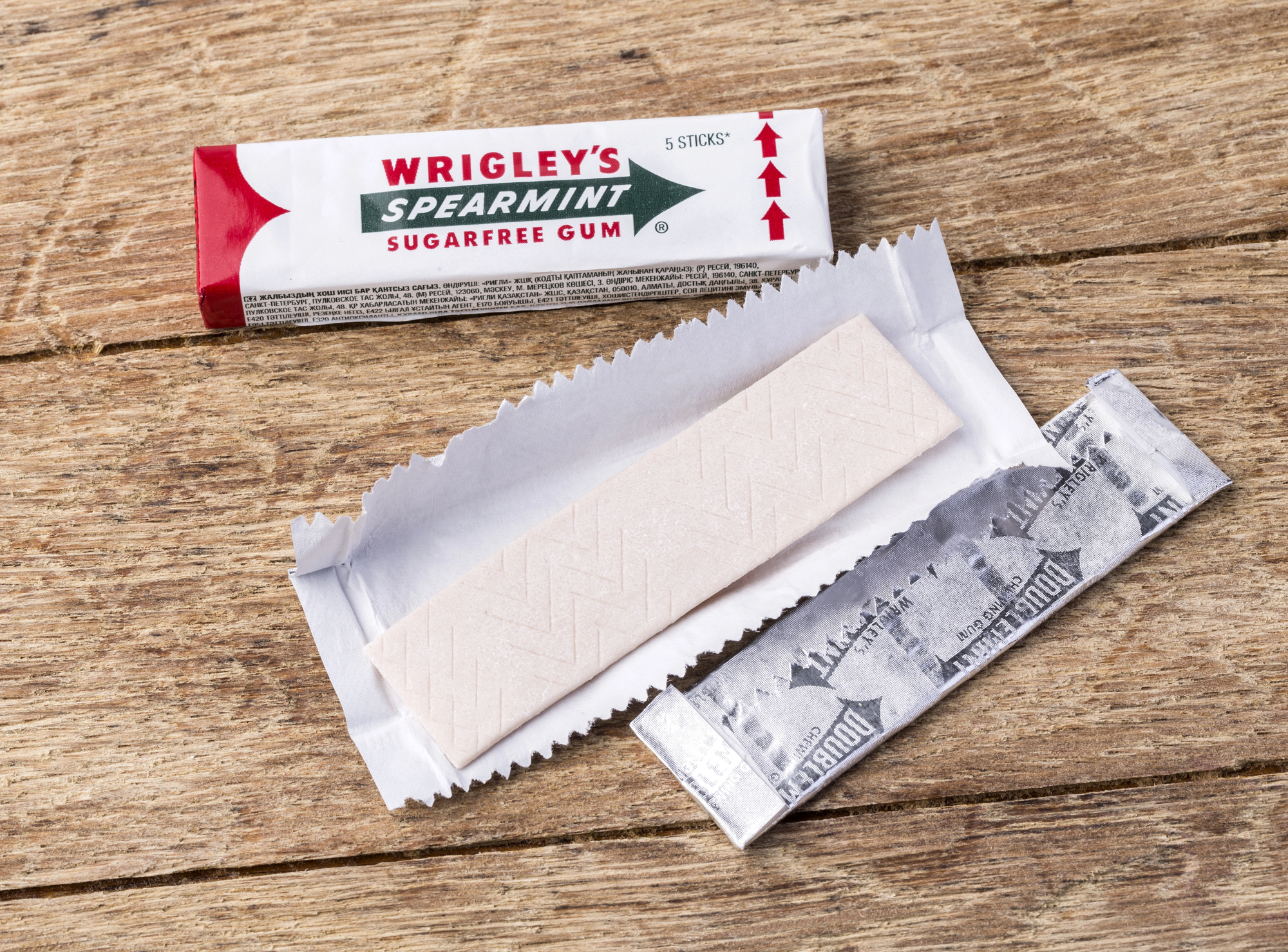
William Wrigley Jr. started out selling his father’s soap products in 1891. He worked as a traveling salesman, hauling soap around to stores and convincing shopkeepers to stock it.
Competition in the soap market was brutal, and Wrigley struggled to stand out. He started offering baking powder as a free gift with soap purchases to sweeten the deal.
Customers liked the baking powder better than the soap. Wrigley noticed this reaction and switched to selling baking powder instead, now offering chewing gum as the free incentive.
The pattern repeated. People wanted the gum more than the baking powder. Wrigley finally got the message and went all-in on chewing gum in 1893.
He introduced Juicy Fruit and Wrigley’s Spearmint the same year. Aggressive advertising and smart marketing made Wrigley’s gum a household name across America.
The soap and baking powder businesses vanished completely. For over a century, Wrigley meant gum and nothing else.
Mars bought the company in 2008, but the brand identity remains locked to those little foil-wrapped sticks.
Lamborghini
Ferruccio Lamborghini made his fortune building tractors in post-war Italy. His company started in 1948 converting surplus military vehicles into agricultural tractors that Italian farmers desperately needed.
The business boomed as Italy rebuilt after World War II. Lamborghini tractors became known for quality and reliability.
Ferruccio got rich, bought several Ferraris, and kept having problems with their clutches. The famous story says he complained to Enzo Ferrari about the issues and got dismissed rudely.
Enzo allegedly told him to stick to tractors and stop bothering him about cars. Whether that conversation happened exactly as legend claims remains debatable, but Ferruccio definitely decided to build his own sports cars out of spite and ambition.
Automobili Lamborghini launched in 1963 with the goal of creating better grand touring cars than Ferrari. The 350 GT impressed everyone, and subsequent models like the Miura and Countach became automotive icons.
The tractor business continued separately and still exists today under different ownership. But when people hear Lamborghini, they picture wild supercars with scissor doors, not farm equipment.
Berkshire Hathaway
Berkshire Hathaway began as a textile manufacturing company in the 1800s in New England. Two separate textile mills merged in 1955 to form the company, producing fabrics in Rhode Island and Massachusetts.
The textile industry in America was already dying, undercut by cheaper foreign production. Warren Buffett started buying shares in 1962 because the stock price kept dropping, which looked like a bargain.
He took control in 1965 and quickly realized textiles had no future in the United States. Buffett kept the textile operations running until 1985 while using the company’s cash flow to buy insurance companies and other businesses.
The textile mills finally closed for good, and Berkshire transformed into a holding company owning dozens of diverse businesses. Today Berkshire Hathaway owns everything from GEICO insurance to Dairy Queen to the BNSF Railway.
The company is worth hundreds of billions of dollars, and Warren Buffett became one of the richest people on Earth. Not bad for a dying textile mill that Buffett once called his worst investment decision.
Raytheon
Raytheon started in 1922 as the American Appliance Company, making refrigerators and electronics for home use. The founders wanted to compete in the growing market for household appliances as electricity spread across America.
The name changed to Raytheon in 1925 (meaning “light from the gods”), and they initially focused on radio tubes and related components. Home appliances didn’t work out as planned, so the company pivoted to radio equipment.
World War II transformed Raytheon completely. The military needed radar systems desperately, and Raytheon became a major defense contractor almost overnight.
They produced about 80 percent of all magnetron tubes used in Allied radar systems during the war. After 1945, Raytheon stayed in the defense business rather than returning to consumer products.
The company developed missiles, weapons systems, and advanced military technology throughout the Cold War and beyond. Today Raytheon Technologies is one of the world’s largest defense contractors.
The refrigerator business is long forgotten, replaced by Patriot missiles and electronic warfare systems.
Play-Doh
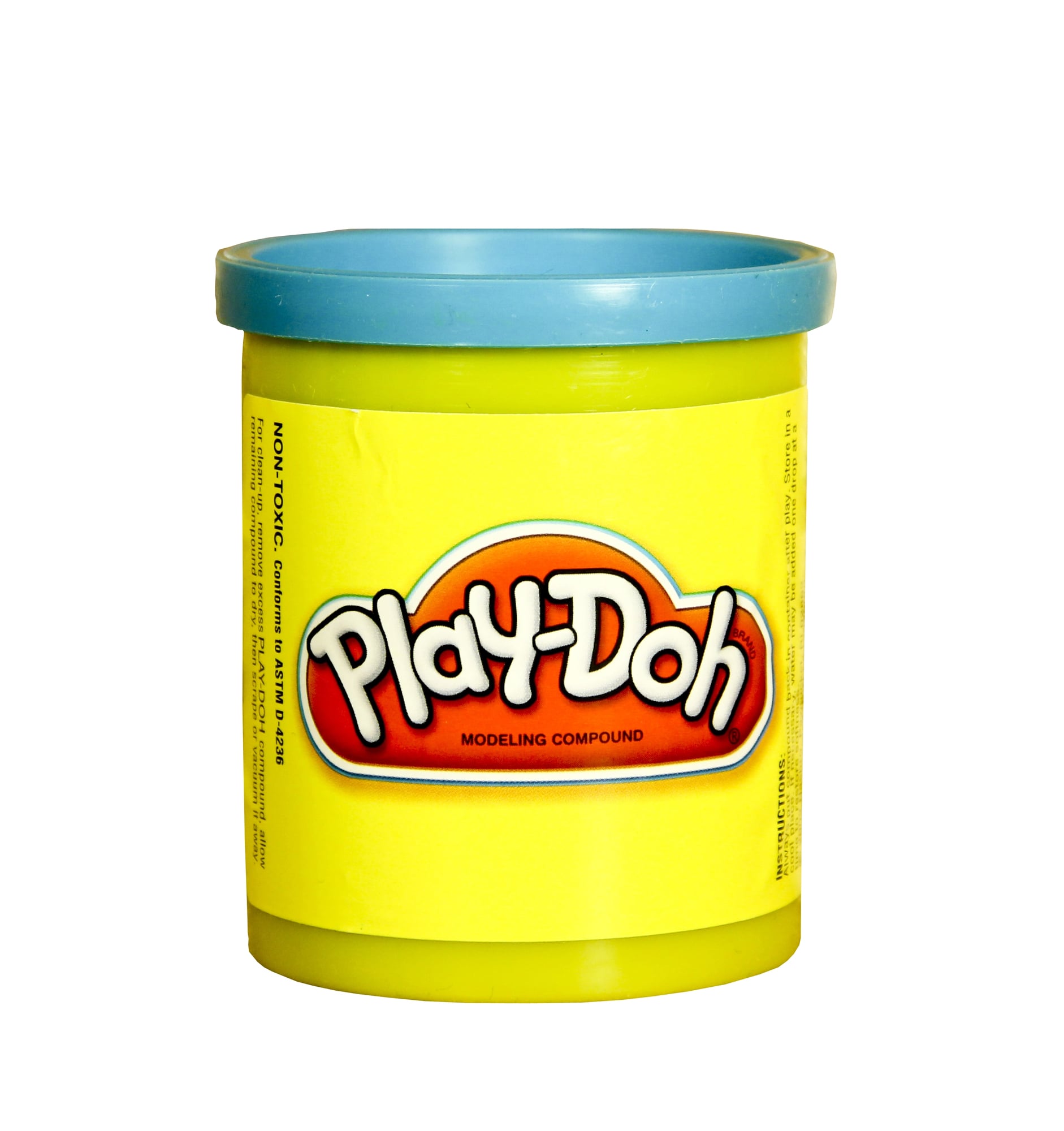
Play-Doh started life as a wallpaper cleaner in the 1930s. Noah McVicker created the putty-like substance for Kutol Products to help people remove coal soot from wallpaper.
Houses heated with coal left grimy residue on walls, and regular cleaning products couldn’t remove it without damaging the paper. The cleaning putty worked perfectly for this specific problem.
But after World War II, people switched from coal to cleaner heating sources like natural gas and oil. Wallpaper cleaning putty suddenly had no market.
Kutol Products nearly went bankrupt. Noah’s nephew Joseph noticed his sister-in-law using the wallpaper cleaner as modeling clay in her kindergarten classroom.
Kids loved the stuff because it was soft, moldable, and safe. Joseph removed the cleaning chemicals, added colors and a pleasant scent, and rebranded it as a children’s toy.
Play-Doh launched in 1956 and became an instant hit. General Mills bought the brand in 1965, and Hasbro acquired it later.
Generations of children have played with Play-Doh, and none of them have any idea it once cleaned dirty wallpaper.
Wipro
Wipro started in 1945 in India as Western India Vegetable Products Limited, making cooking oil and soap. The company specialized in hydrogenated vegetable oils, which were becoming popular as alternatives to animal fats.
The soap business grew from there as a natural extension. Wipro expanded into other consumer goods through the 1950s and 60s, adding laundry detergent, toiletries, and skincare products.
The company did well enough but remained a mid-sized regional player in household goods. The real transformation started in 1980 when Azim Premji took over after his father died.
Premji saw that India’s economy was opening up and technology offered huge opportunities. Wipro entered the IT business cautiously at first, offering computer hardware and services.
The IT division grew explosively through the 1990s as companies worldwide started outsourcing technology work to India. Wipro became one of India’s largest IT services companies, competing globally with IBM and Accenture.
The consumer goods business still exists as a separate division, but Wipro’s identity is now completely tied to technology and IT services.
Suzuki
Suzuki Motor Corporation started in 1909 as a loom manufacturer in Hamamatsu, Japan. Michio Suzuki founded the Suzuki Loom Works to build weaving equipment for Japan’s textile industry.
The looms gained a reputation for quality and innovation, and the business prospered. Suzuki built these machines for nearly 30 years before thinking about anything else.
The company attempted to enter the automobile market in the 1930s with prototype cars, but World War II interrupted those plans. After the war, Japan’s textile industry struggled, and Suzuki realized looms wouldn’t support the company long-term.
The first motorized bicycle appeared in 1952, powered by a small engine attached to a regular bicycle frame. This simple vehicle sold incredibly well in post-war Japan where people needed cheap transportation.
Motorcycles came next, then small cars starting with the Suzulight in 1955. The automotive business grew until it completely overshadowed loom manufacturing.
Today Suzuki makes motorcycles, cars, and outboard motors sold worldwide. The loom business ended decades ago, and most people don’t even know Suzuki ever made weaving equipment.
Yamaha
Yamaha Corporation began in 1887 making reed organs and pianos in Hamamatsu, Japan. Torakusu Yamaha repaired a broken reed organ at a school and thought he could build better instruments himself.
The first piano came a few years later, and Yamaha instruments gained respect for quality craftsmanship. The company built pianos exclusively for decades and became Japan’s largest piano manufacturer.
World War II forced Yamaha to produce propellers for aircraft since the government needed war materials. After Japan surrendered, Yamaha had manufacturing capacity and expertise but a devastated piano market.
The company started making motorcycles in 1955 using the same metalworking skills developed for airplane propellers. The first Yamaha motorcycle used a 125cc engine and sold well to Japanese consumers.
Yamaha expanded aggressively into motorcycles, then boats, then sporting goods, then electronics. Today Yamaha makes everything from grand pianos to jet skis to golf clubs to audio equipment.
The musical instrument business remains important, but most people worldwide know Yamaha for motorcycles first. The diversity is staggering for a company that once just made pianos in a single Japanese city.
Avon
Avon started in 1886 as the California Perfume Company, selling fragrances door-to-door. David McConnell founded the company after realizing that when he gave away perfume samples while selling books, people wanted the perfume more than the books.
He hired women as sales representatives, which was revolutionary for that era. The direct-sales model worked brilliantly, and the company grew steadily.
The name changed to Avon in 1939, inspired by Stratford-upon-Avon because McConnell liked Shakespeare. Avon expanded beyond perfume into cosmetics, skincare, and personal care products through the mid-1900s.
The Avon Lady became an American cultural icon, and millions of women worked as Avon representatives. The company dominated direct sales for decades.
But the internet and changing shopping habits crushed that business model. Women entered the workforce in larger numbers and weren’t home during the day for door-to-door sales.
Avon tried transitioning to online sales and retail partnerships while downsizing the representative network. The transformation has been messy and incomplete.
Today Avon is a fraction of its former size, struggling to find relevance in modern retail. The perfume roots are still there, but the company had to abandon the door-to-door model that once defined it.
DuPont
Starting in 1802, mills rose beside the Brandywine River in Delaware where DuPont first made explosives. Fleeing France after the Revolution, Éleuthère Irénée du Pont de Nemours noticed poor gunpowder in America.
High-grade black powder followed – crafted for both army needs and business demands. Over time, it grew into the nation’s top source of gunpowder.
For one hundred years, its hold on the trade stayed unchallenged. Supplying both armies in the Civil War brought uneasy moments for the firm.
Out of wartime explosives know-how, new paths opened after World War I – chemicals became the next frontier. Nylon appeared first, then Teflon slipped into kitchens, later Kevlar strengthened armor.
One invention followed another across decades, each shaping what the company would become. Size grew quietly behind lab doors and factory smoke.
A sliver of income now comes from explosives. Over time, pieces got peeled away through sales or spinoffs – leading to a union with Dow Chemical by 2017, later fracturing into three distinct firms.
That blast-filled past still lingers in the background. Today’s version leans on high-performance materials, niche chemistry.
Mention DuPont and minds drift toward futuristic plastics, molecular breakthroughs – not old-fashioned powder. Gunpowder fades behind lab-born wonders.
Sharp
A small idea sparked things – a metal-capped pencil created by Tokuji Hayakawa back in 1912. That clever tool resisted breakage inside coat pockets, standing out right away.
He named it Ever-Sharp, a title that stuck longer than anyone expected. Sales began quietly but grew steady from word alone.
What began as one man’s fix eventually shaped an entire brand. Belt buckles came next for Hayakawa, along with various small metal items made much like earlier pieces.
When the big quake hit Tokyo in 1923, the workshop crumbled – so he set out for Osaka instead. By 1925, his hands were shaping something new: Japan’s initial crystal radio receivers.
That shift quietly turned a metalsmith outfit into an electronic pioneer. Radios led to TVs, then machines that calculate, each step stretching what the name could mean.
Back in 1973, Sharp rolled out the planet’s initial LCD calculator – this move quietly set them ahead in screen tech. After that came gadgets powered by sunlight, boxes that heat food fast, machines cleaning indoor air.
These days you’ll find their devices and home tools on shelves across continents; they helped shape screens inside TVs and phones too. Writing instruments? That part of the story wrapped up years earlier.
Hardly anyone recalls the brand began with pens – even if its title points straight back to an old-school sharp-pointed pen idea.
The Hidden Shape of Changes
A path can change even if the starting point stays fixed. What counts is noticing when a plan no longer holds, not clinging to how it began.
A free sample handed out at an event ended up drawing bigger crowds than the flagship item ever did. In different cases, sudden shifts followed after buyers disappeared overnight.
Machines improved so much that older versions could not compete. Some began with bitterness or drive, where creators set out to show doubters they were mistaken.
What worked usually had one thing in common – leaders ready to walk away from what earned money if something stronger appeared. Jumping into unknown areas took guts, especially when the moment matched big changes in tech or economy.
Many attempts failed, just as many firms vanished by standing still. Yet those who remade themselves entirely ended up wider, deeper, louder than if they’d stayed put.
From cleaning stains on walls came cartoons kids loved for decades. Tractor factories shifted gears into fast machines.
Soap producers turned switches and built digital empires.
More from Go2Tutors!

- The Romanov Crown Jewels and Their Tragic Fate
- 13 Historical Mysteries That Science Still Can’t Solve
- Famous Hoaxes That Fooled the World for Years
- 15 Child Stars with Tragic Adult Lives
- 16 Famous Jewelry Pieces in History
Like Go2Tutors’s content? Follow us on MSN.