Photos of Iconic Sports Stadiums That No Longer Exist
There’s something haunting about looking at photographs of stadiums that once roared with the cheers of thousands but now exist only in memory. These cathedrals of sport, where legends were made and hearts were broken, have been reduced to parking lots, shopping centers, or empty fields.
Each demolished stadium takes with it decades of history, countless memories, and the echoes of moments that defined generations of fans. The photographs that remain serve as windows into a past when baseball was America’s undisputed pastime, when football stadiums were simpler but somehow more magical, and when the architecture of sport told stories as compelling as the games themselves.
Ebbets Field
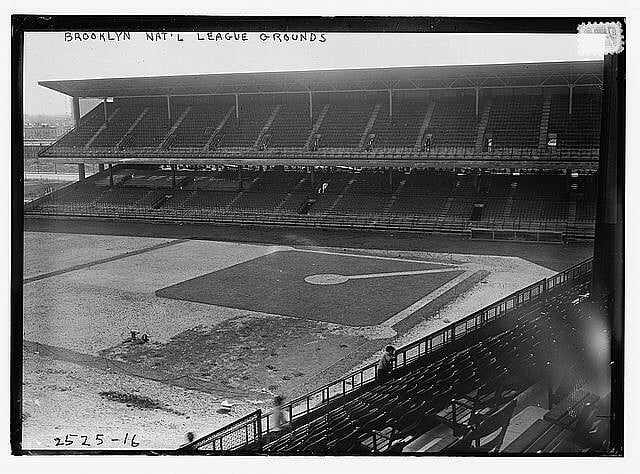
Brooklyn’s cathedral is gone. Demolished in 1960 for apartment buildings.
The Dodgers played their final game there in 1957, but the heartbreak lingers in every photograph of that intimate ballpark where Jackie Robinson broke baseball’s color barrier.
Polo Grounds
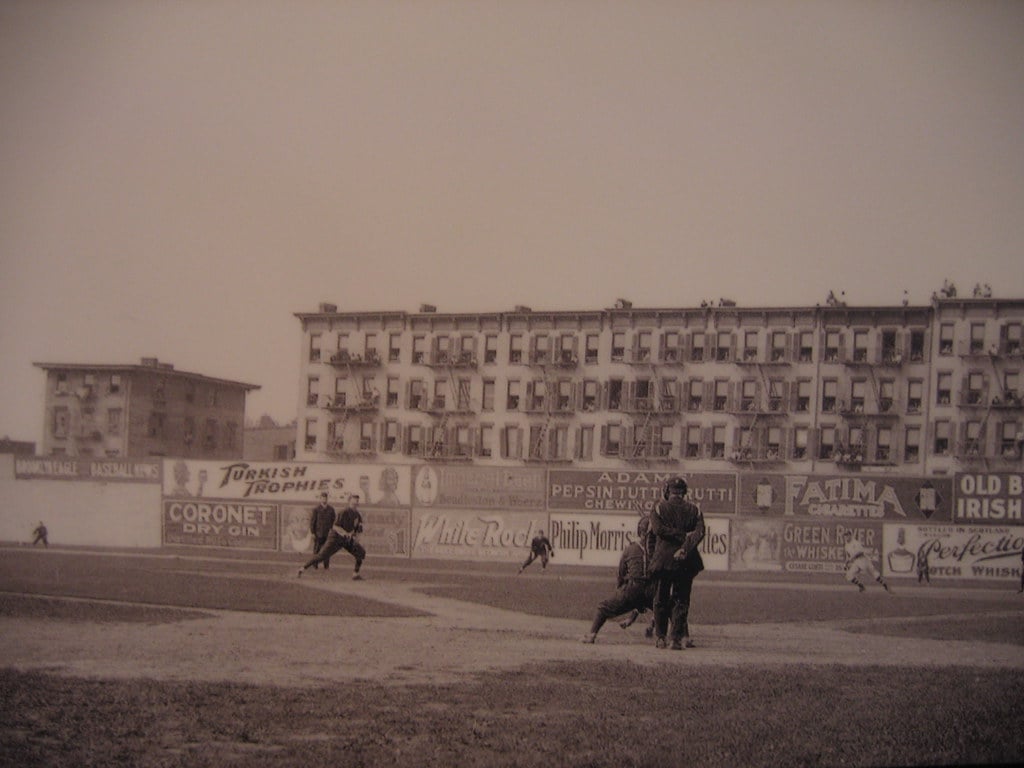
The horseshoe-shaped oddity that was the Polo Grounds defied every convention of ballpark design, and perhaps that’s what made it so magnificent.
It hosted the Giants for decades and witnessed Bobby Thomson’s “Shot Heard ‘Round the World” in 1951. The stadium was demolished in 1964, seven years after the Giants left for San Francisco in 1957.
So much history was packed into its bizarre dimensions, from World Series games to Negro League matchups, and even early Yankees appearances before they built their own home.
Tiger Stadium
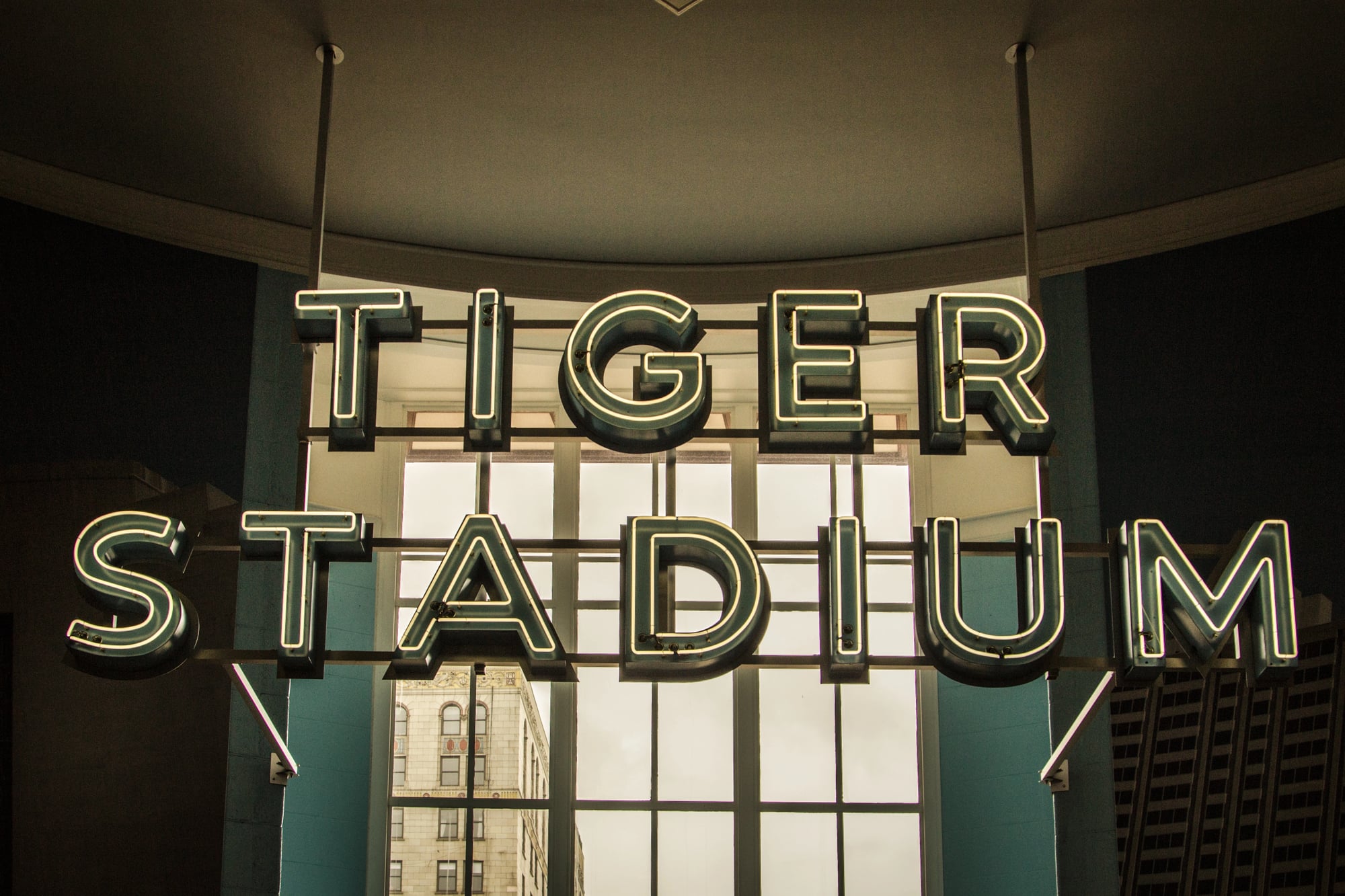
Tiger Stadium sat tucked into the corner of Michigan and Trumbull like a neighborhood fixture that happened to hold 52,000 people.
Home runs regularly landed near surrounding streets, giving the place an intimacy modern stadiums rarely match. It opened in 1912 and became a symbol of old Detroit’s stubborn character.
Forbes Field
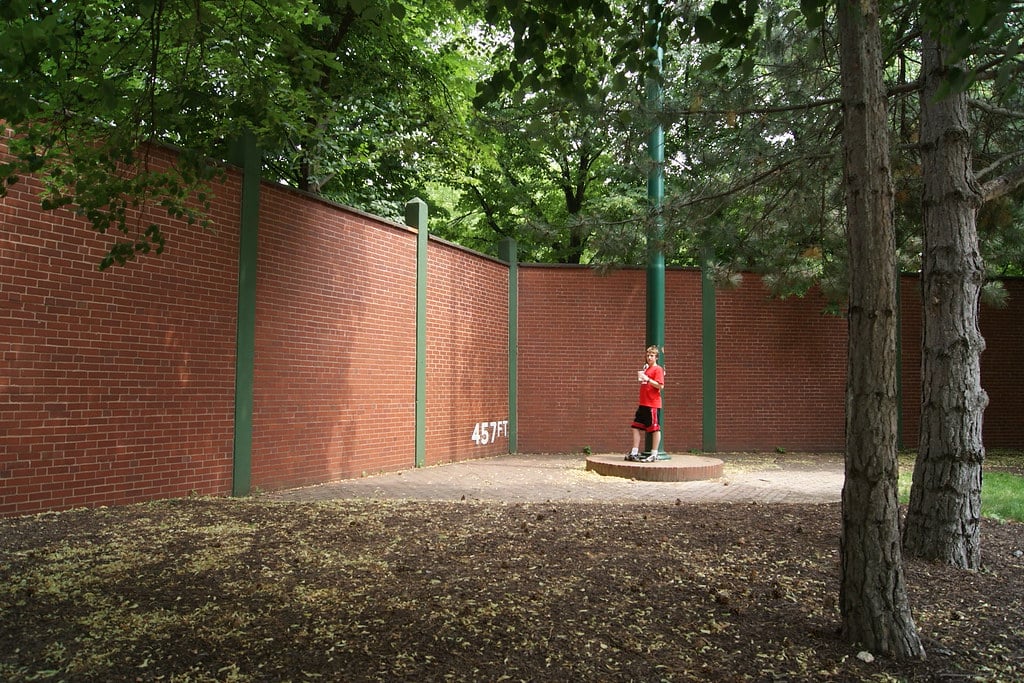
Forbes Field was overbuilt and overengineered, which is exactly what made it memorable.
Opened in 1909 and closed in 1970, it featured massive outfield dimensions and a towering brick wall in right field. It refused to make things easy for hitters or visiting teams.
Yankee Stadium (Original)
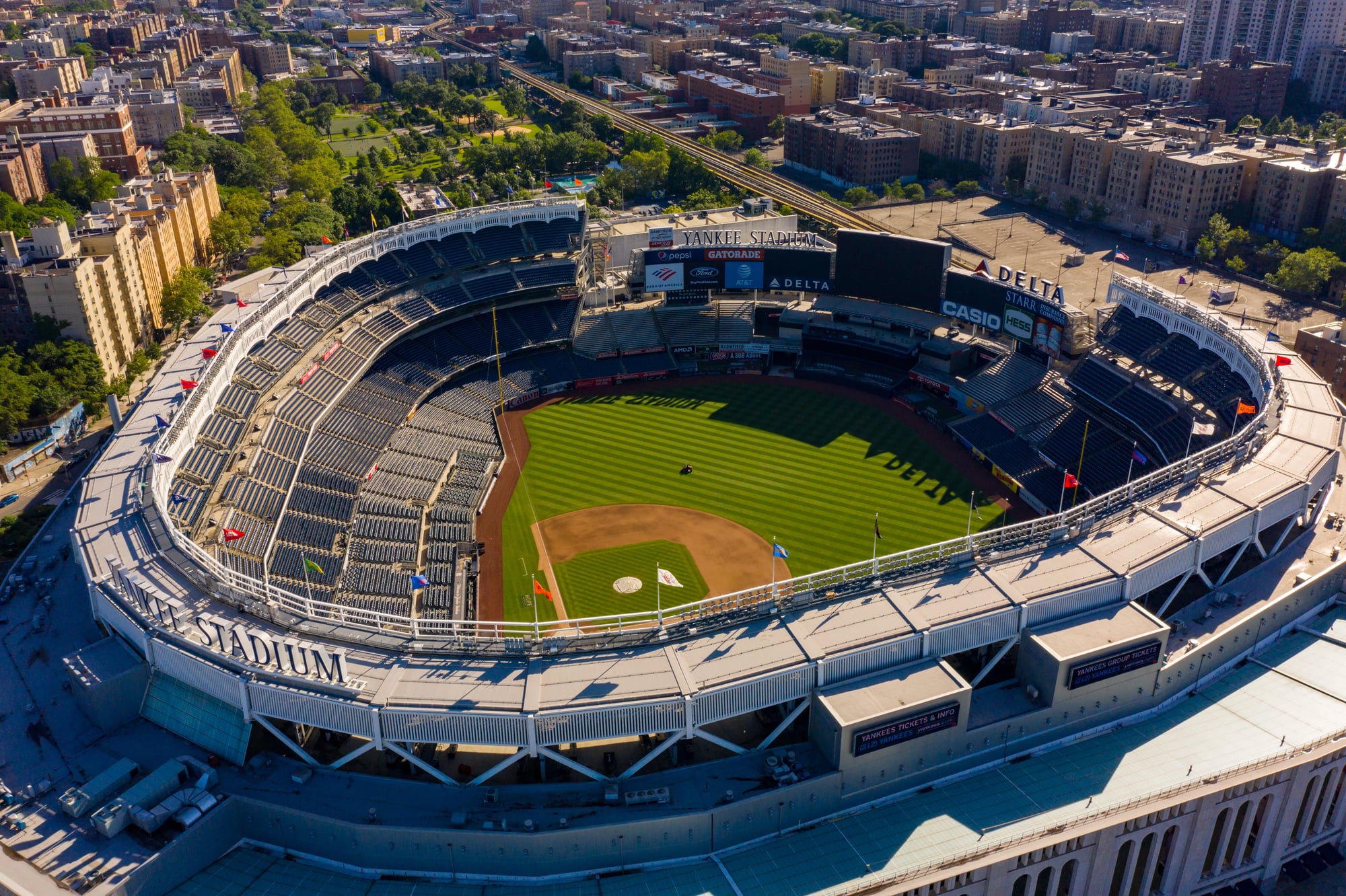
The original Yankee Stadium evolved so much over time that its identity slowly transformed before its demolition in 2008.
It hosted some of baseball’s most iconic moments, including Babe Ruth’s legendary era and Lou Gehrig’s farewell speech. Even in its altered state, it remained a monument to baseball mythology.
Comiskey Park
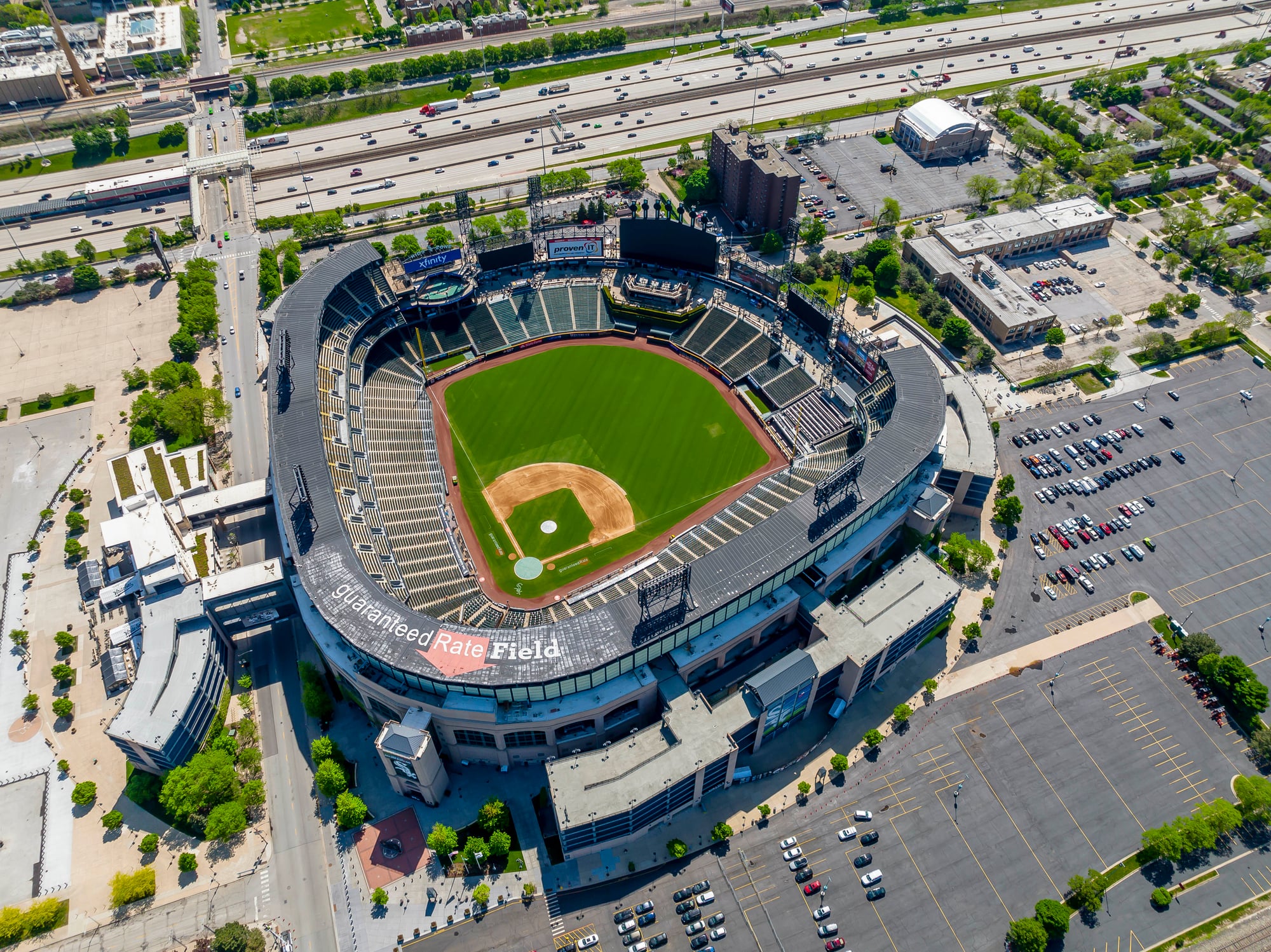
Comiskey Park embodied Chicago’s working-class identity.
Opened in 1910, it stood for more than eight decades before being demolished in 1991. Its pinstripe facade and overhanging upper deck created a sense of closeness that modern stadiums often try to replicate but rarely achieve.
Municipal Stadium
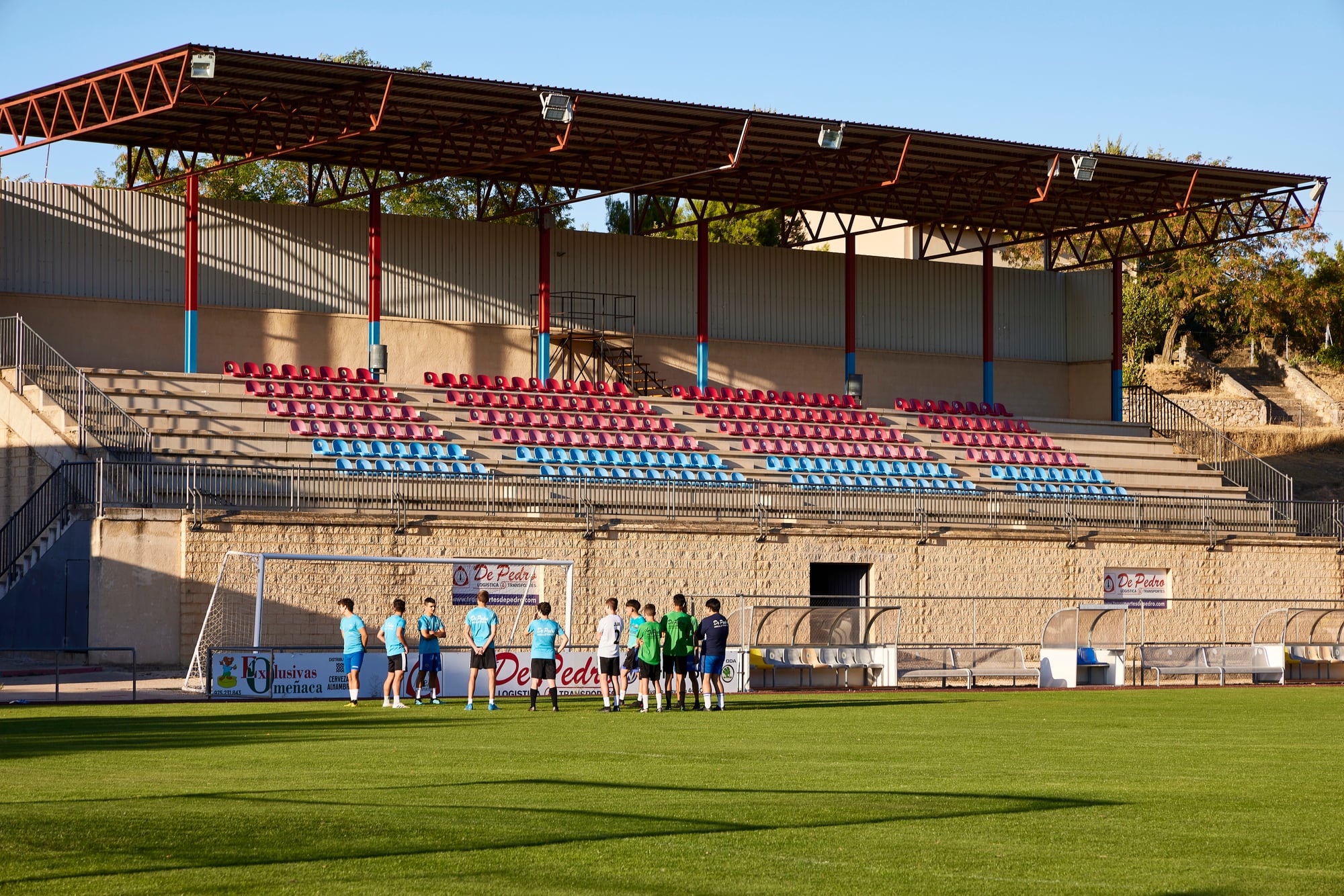
Cleveland’s Municipal Stadium was built for 78,000 but often felt empty during regular games.
However, during major events, it transformed into an immense, roaring venue. Its size was both its defining feature and its greatest flaw.
Griffith Stadium (Washington)
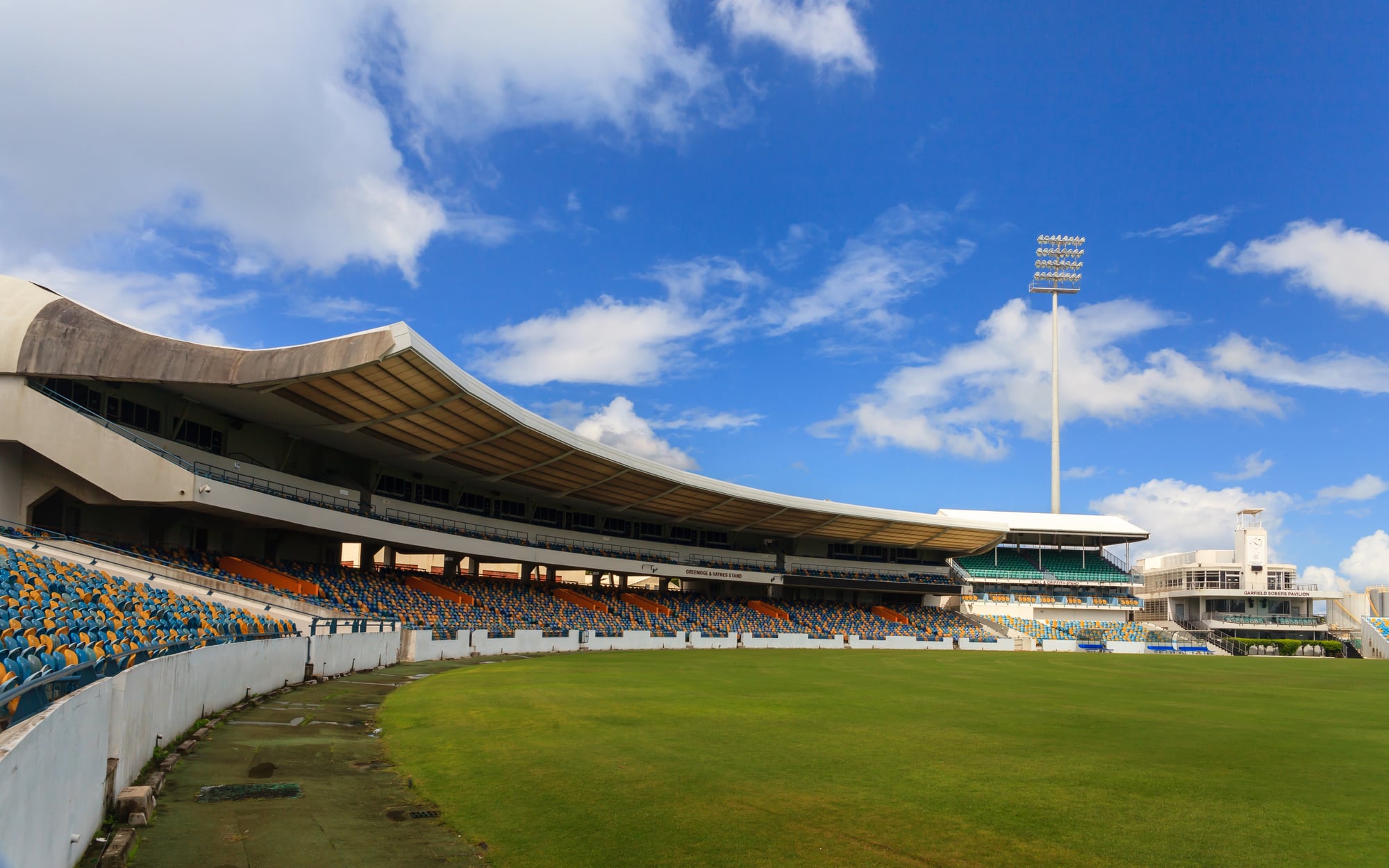
Griffith Stadium carried the history of Washington baseball from 1911 to 1961.
It hosted championship moments, presidential first pitches, and decades of Senators baseball. Its quiet dignity remained even as the team declined, before it was demolished in 1965 after the franchise moved to Minnesota in 1960.
Shibe Park
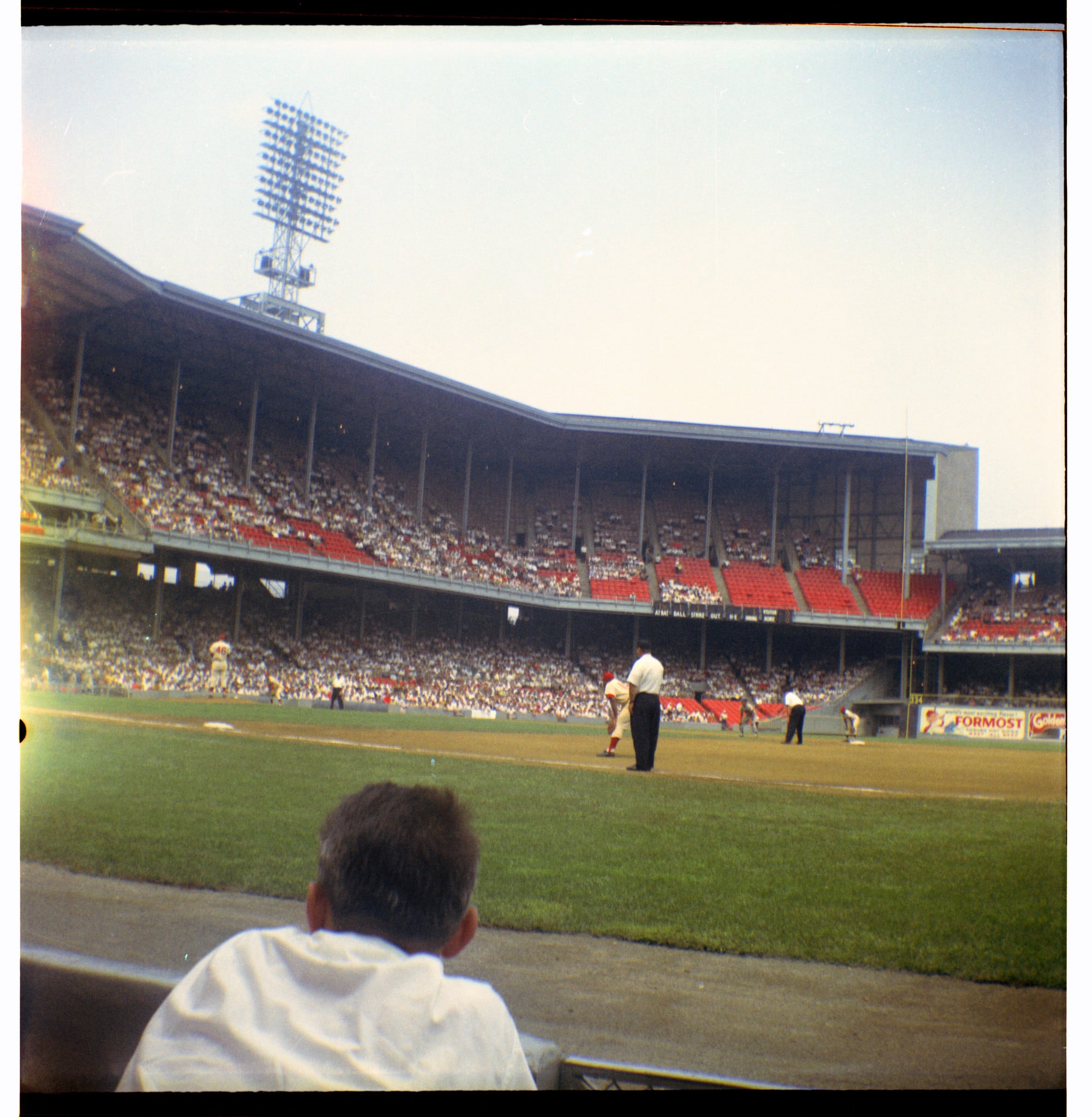
Shibe Park opened in 1909 as baseball’s first concrete-and-steel stadium.
It represented permanence and ambition in early baseball architecture. Connie Mack managed championship teams there before financial struggles reshaped the franchise.
Memorial Stadium
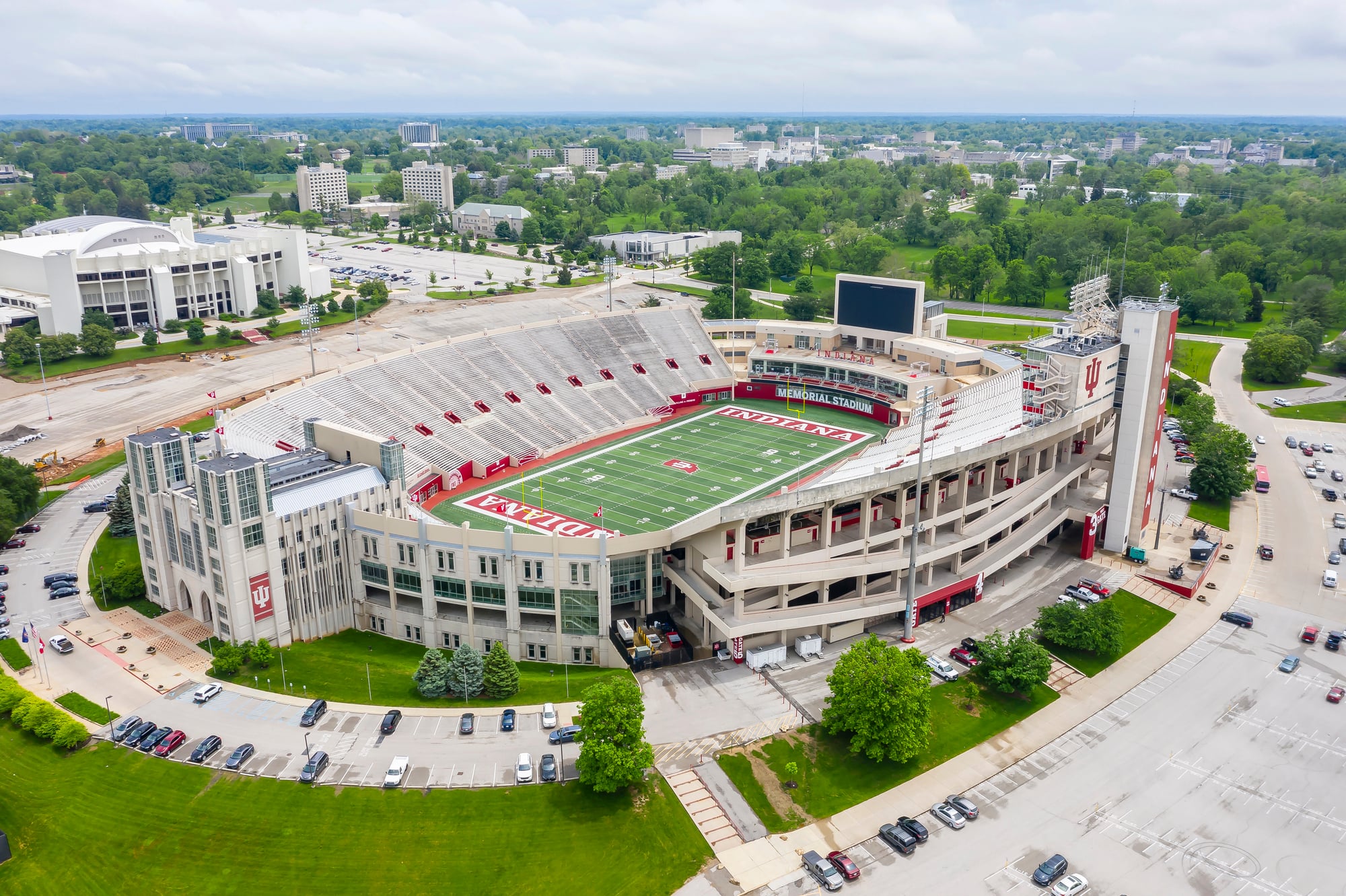
Memorial Stadium in Baltimore served as a shared home for baseball and football from 1954 until 2001.
It hosted iconic Orioles and Colts moments, becoming a deeply personal space for generations of fans. Its demolition made way for housing, marking the end of an era in Baltimore sports history.
Three Rivers Stadium
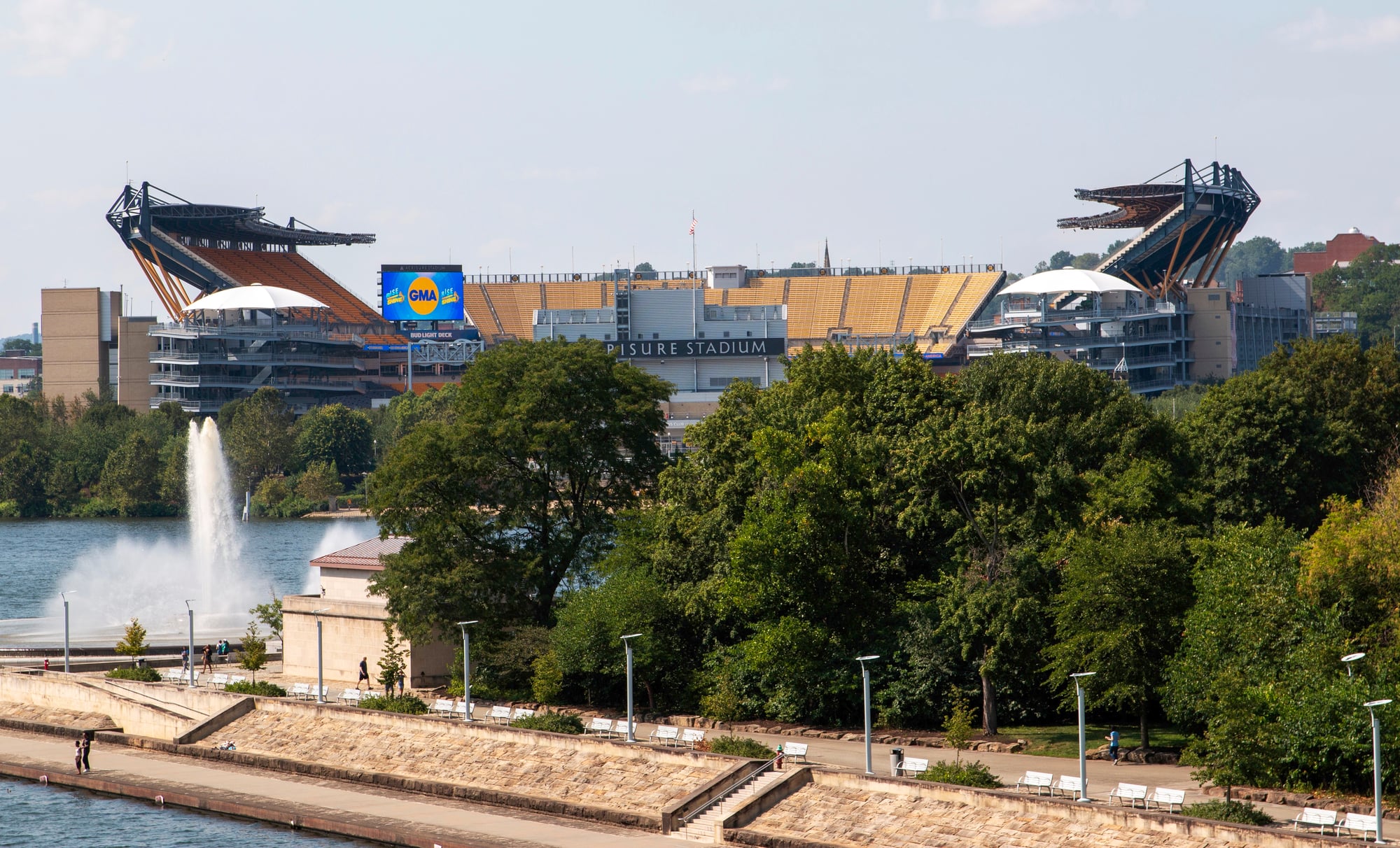
Three Rivers Stadium was practical but lacked personality.
Built in the 1970s, it featured artificial turf and symmetrical design. It reflected an era of efficiency over character and was widely criticized before its eventual demolition.
The Astrodome
The Astrodome opened in 1965 as the world’s first domed stadium.
It solved weather issues but created new problems with artificial turf and enclosed acoustics. Despite its innovation, it never fully replicated the feel of outdoor baseball.
Atlanta-Fulton County Stadium
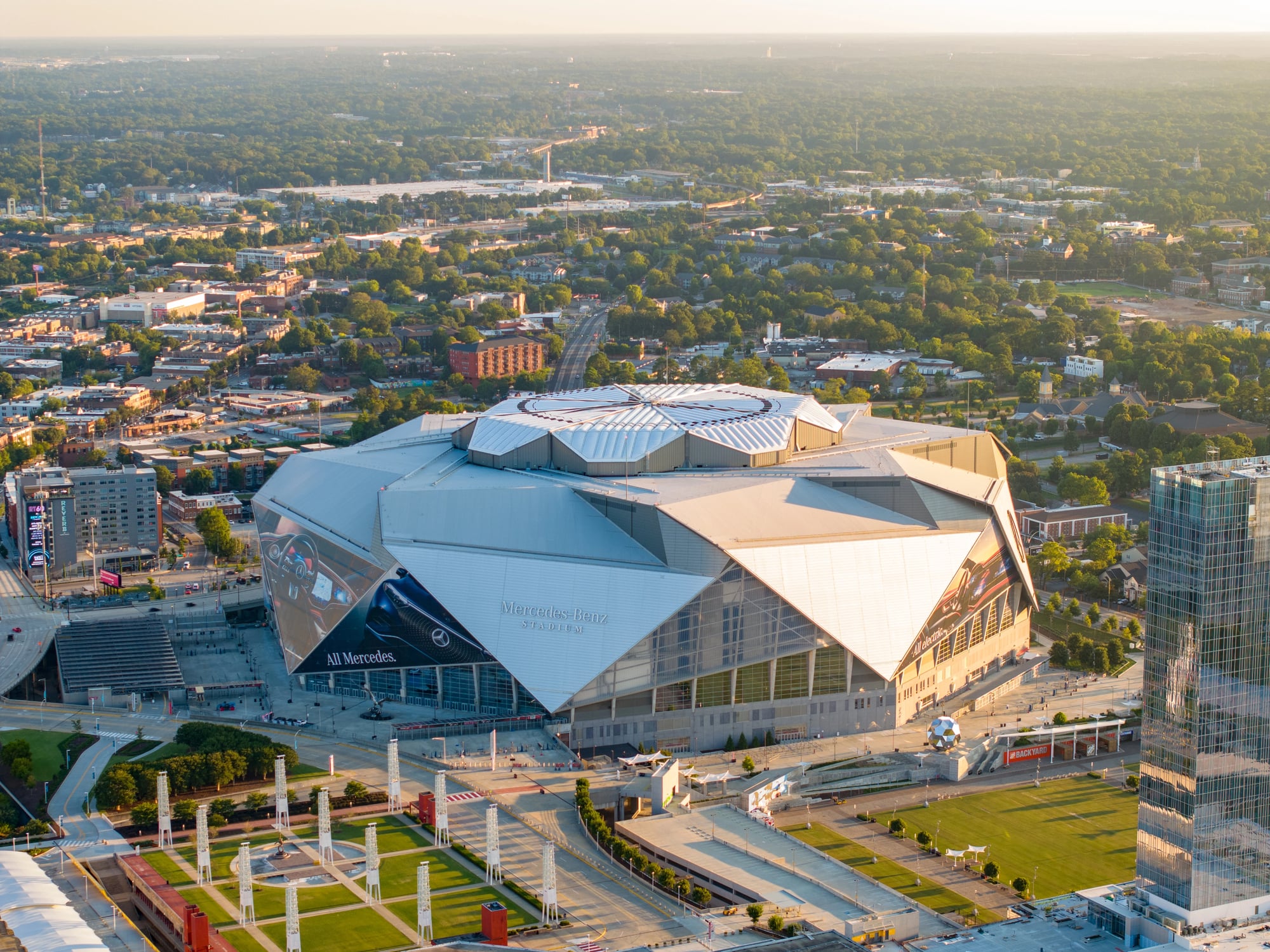
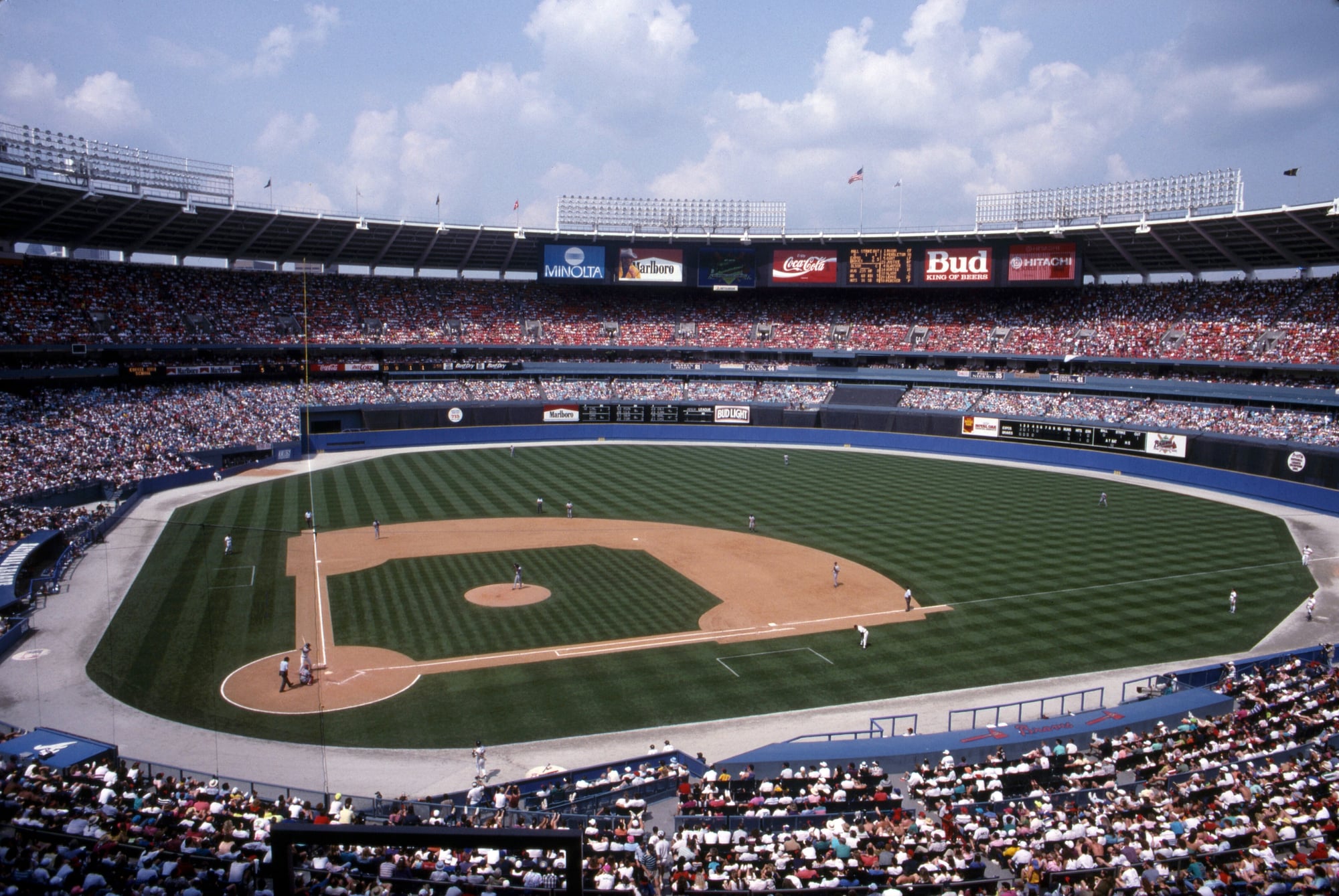
Atlanta-Fulton County Stadium helped establish Atlanta as a major league city.
It was a multipurpose venue that hosted Hank Aaron’s historic 715th home run in 1974. Functional but unremarkable, it served its role until newer stadiums replaced it.
When the Wrecking Crews Arrive
Every demolished stadium raises the same question about what is truly lost.
It is not just the structure, but the atmosphere, history, and emotional weight embedded in its design. Older stadiums created a sense of place that modern venues often struggle to replicate.
The photographs that remain preserve more than architecture—they preserve the feeling of entering somewhere that mattered.
More from Go2Tutors!

- The Romanov Crown Jewels and Their Tragic Fate
- 13 Historical Mysteries That Science Still Can’t Solve
- Famous Hoaxes That Fooled the World for Years
- 15 Child Stars with Tragic Adult Lives
- 16 Famous Jewelry Pieces in History
Like Go2Tutors’s content? Follow us on MSN.