17 Surprising Facts About Everyday Objects You Never Questioned
You reach for them without thinking. Use them daily without pause.
These familiar objects surround your life so completely that their strangeness has become invisible — until someone points out what’s been hiding in plain sight all along.
Toilet Paper
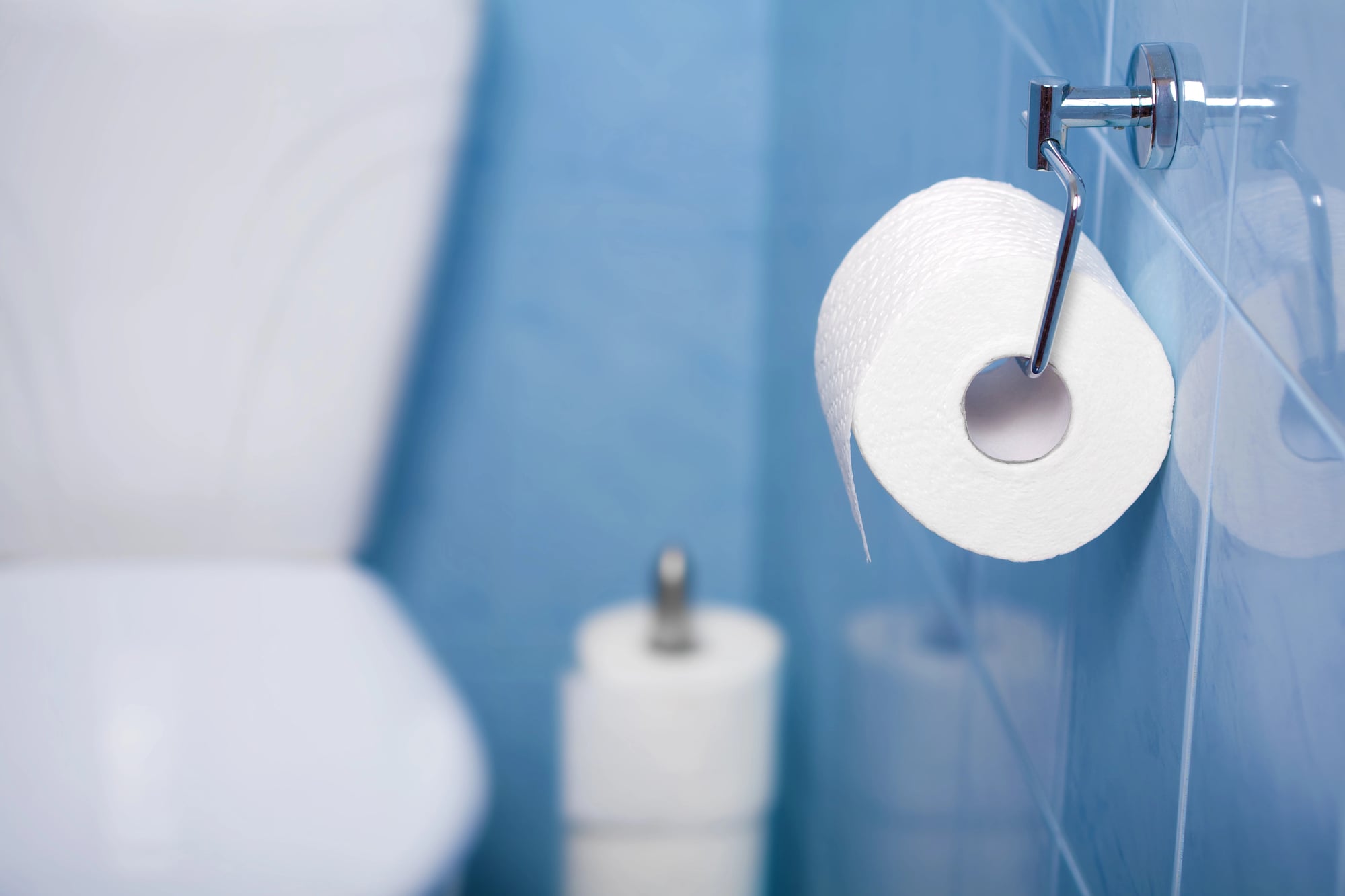
The perforated lines on toilet paper weren’t always standard. Early versions came as continuous rolls, leaving people to tear off whatever amount seemed reasonable.
The dotted lines appeared in 1928, which means humans somehow managed bathroom business for decades without this crucial innovation. And yet civilization didn’t collapse.
Keyboards

Your keyboard follows a layout called QWERTY, deliberately designed to slow down typing. Back when typewriters had metal arms that could jam if you typed too fast, this awkward arrangement kept the most common letters spread apart.
Computers don’t have this problem, but the inefficient layout stuck anyway. Efficiency lost to habit.
Aluminum Foil
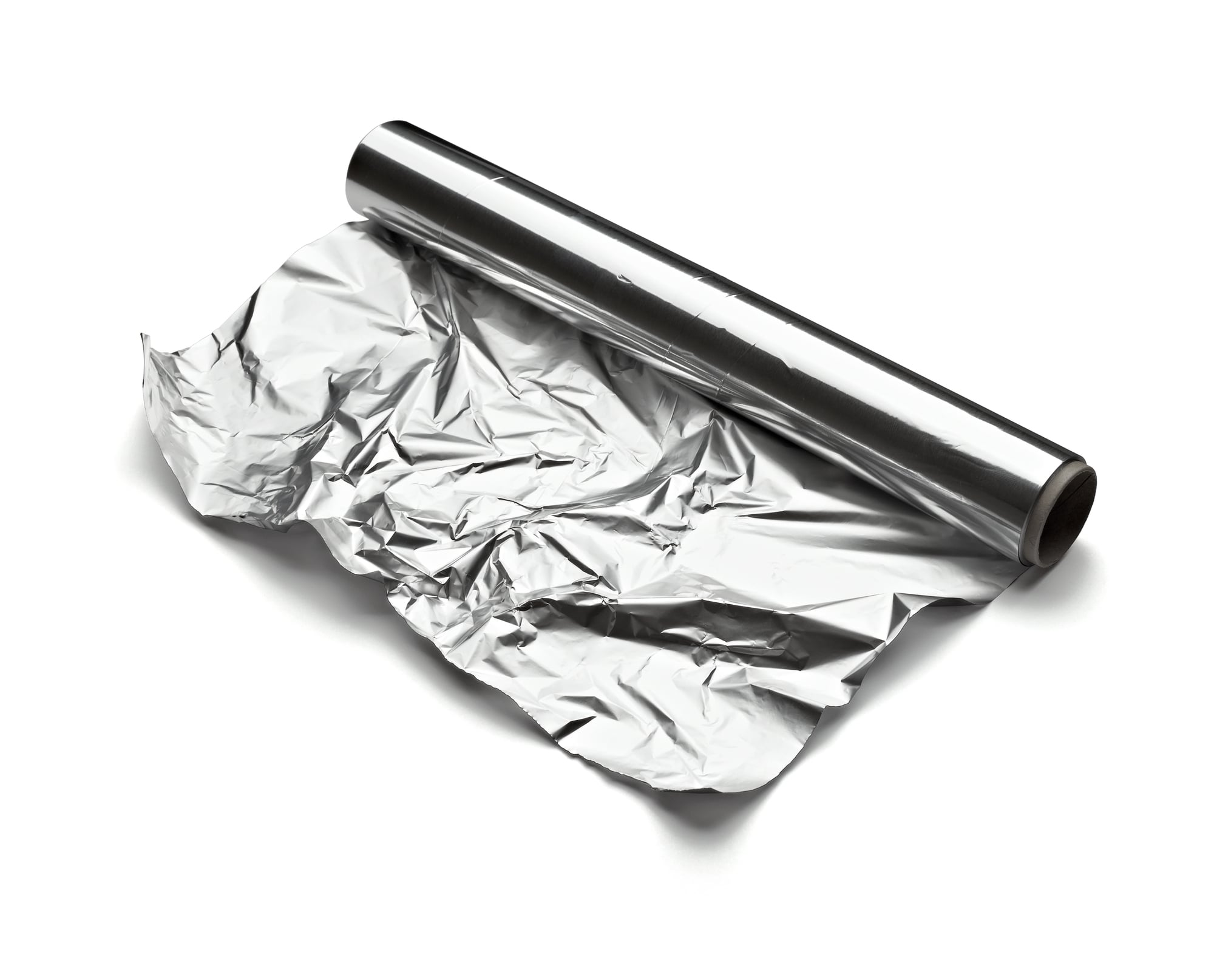
There’s a phenomenon that happens with aluminum foil that feels almost like magic, though it’s really just physics playing tricks on your expectations (and doing it so consistently that most people never pause to wonder why). When you wrap something in foil, one side catches light differently than the other — one looks matte, the other shiny — and this isn’t because they’re made of different materials or treated with different coatings.
It’s because of how the foil gets made: two sheets pressed together during the final rolling process, so the side that touches the metal rollers comes out shiny while the side that only touches the other sheet of foil stays dull. But here’s what catches people off guard: this difference is purely cosmetic. Neither side insulates better or reflects heat more effectively, though the visual difference is so pronounced that it feels like it should matter.
Ballpoint Pens
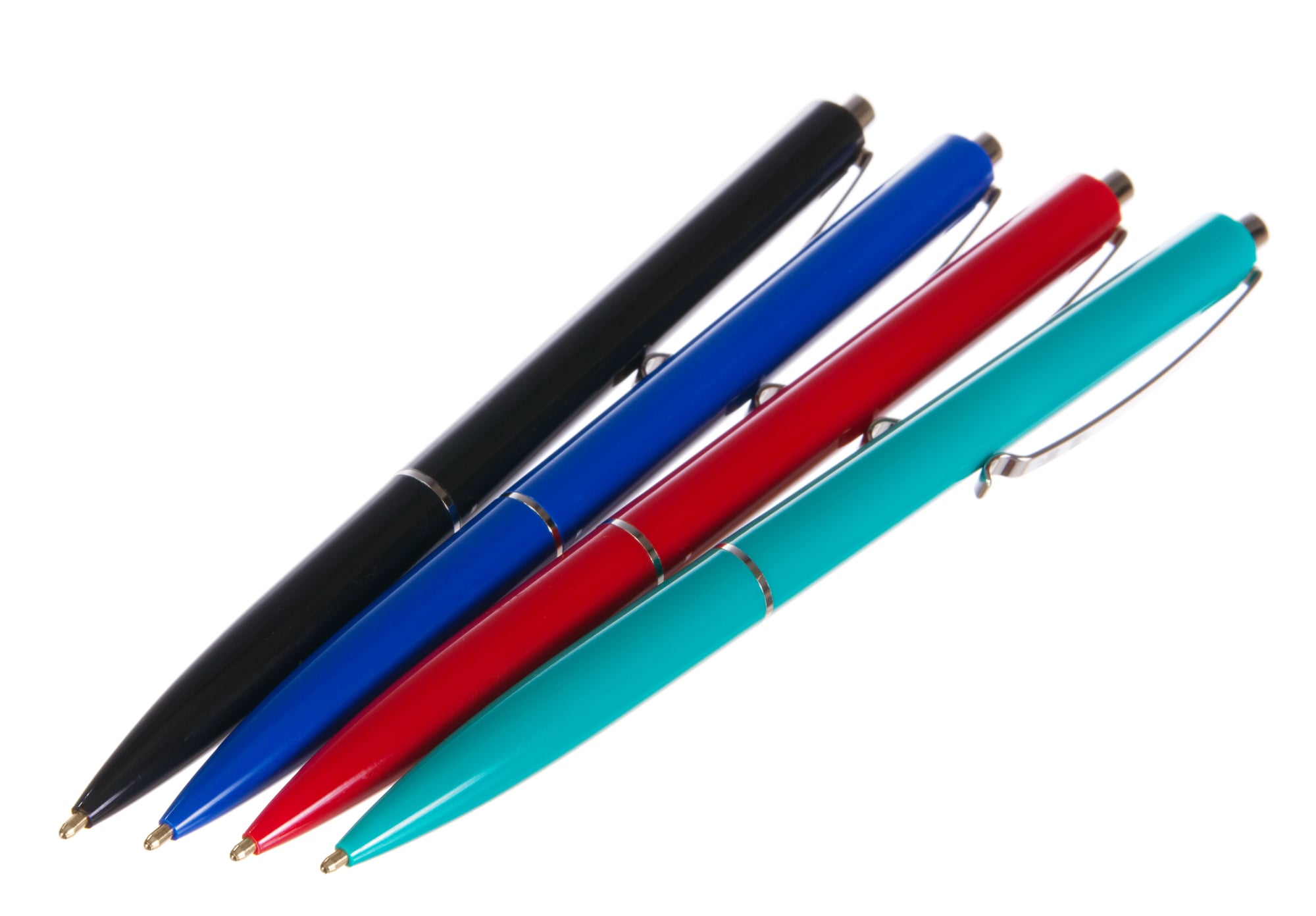
Ballpoint pens are criminally underrated. A tiny steel round sits in the tip, rolling ink onto paper with mechanical precision that would impress any engineer.
The average pen can draw a line two miles long before running dry. Most people lose them before finding out.
Staplers
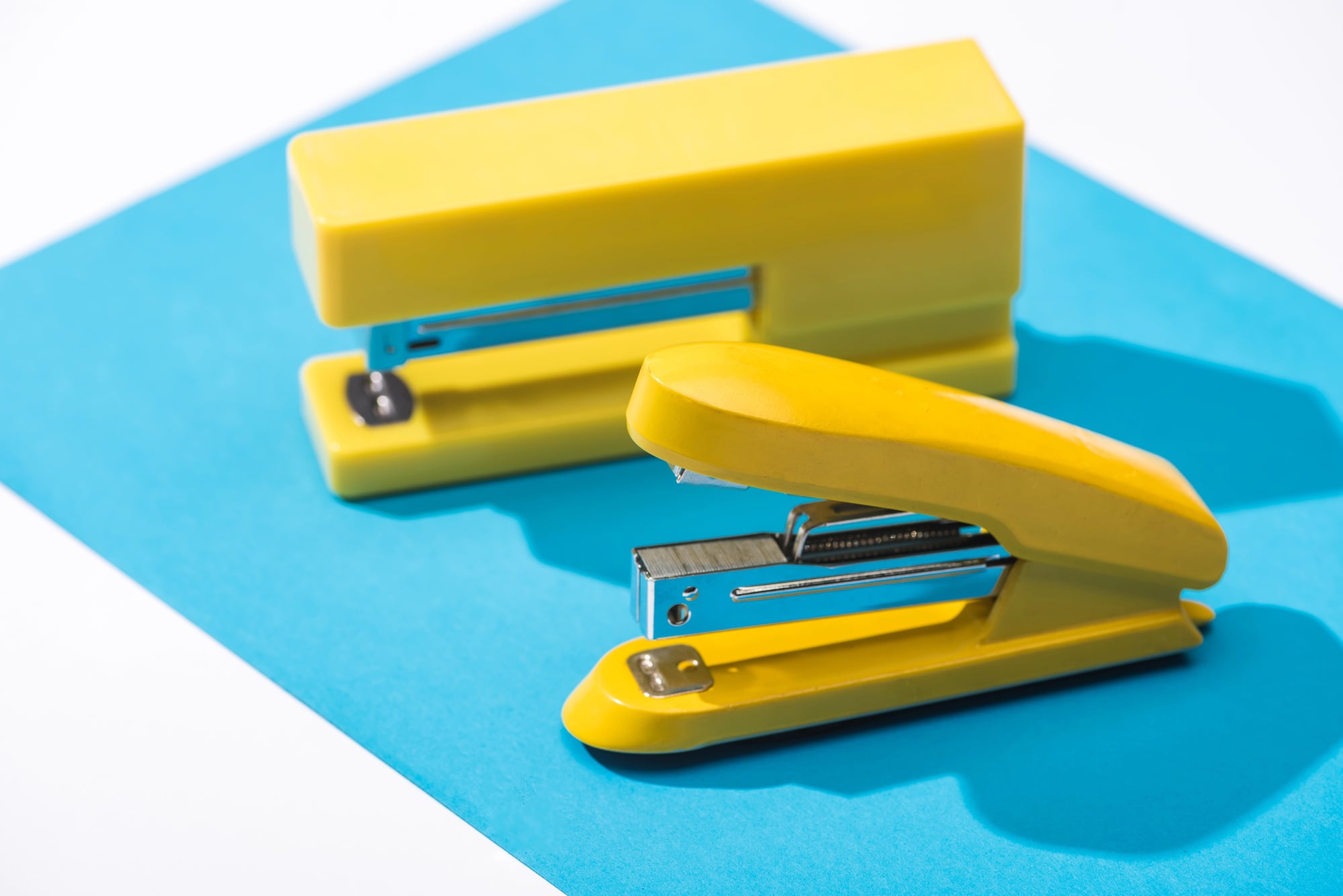
The stapler sitting on your desk (assuming you still have a desk, assuming you still use staplers in whatever digital wasteland work has become) represents a surprisingly contentious design choice that most people never think to question, but which office supply engineers apparently argued about for decades. The metal plate at the bottom — the anvil, if you want to get technical about it — can flip between two positions, and while everyone uses the first position that bends staple legs inward for permanent binding, that second position exists for “temporary” stapling where the legs bend outward for easy removal.
So every stapler is actually two tools, but the second function might as well be invisible since almost no one knows it exists. And that’s not even getting into the broader question of why we still bind paper together with tiny metal fasteners when everything else has gone digital — sometimes the most familiar objects are the ones that reveal how stubborn human habits can be.
Paper Clips
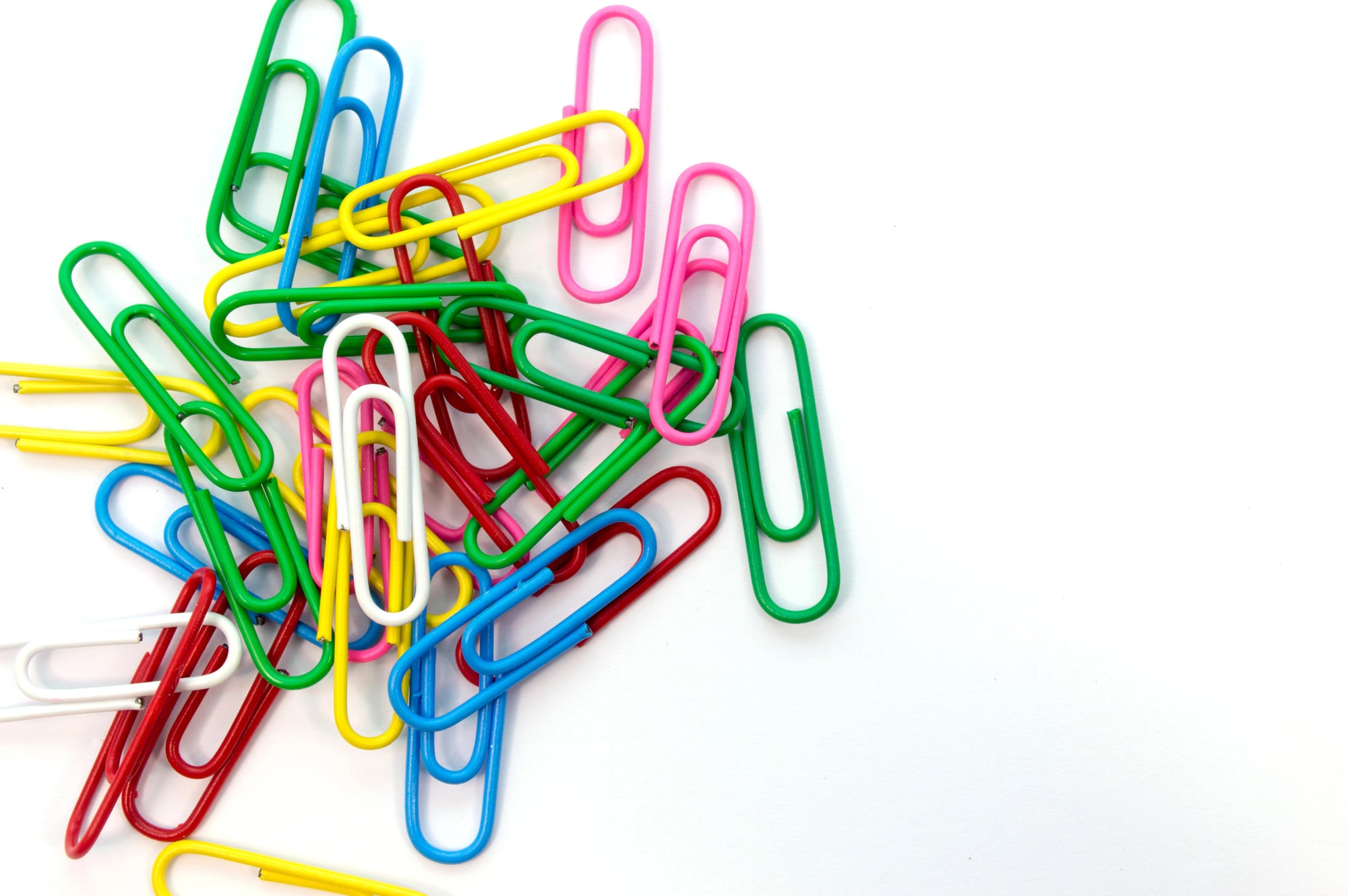
Paper clips bend into perfect spirals under stress, and there’s something almost meditative about watching one surrender to repeated pressure. The standard design hasn’t changed in over a century because it struck the ideal balance between spring tension and structural integrity.
When your mind wanders during meetings, your fingers find them instinctively.
Pencils
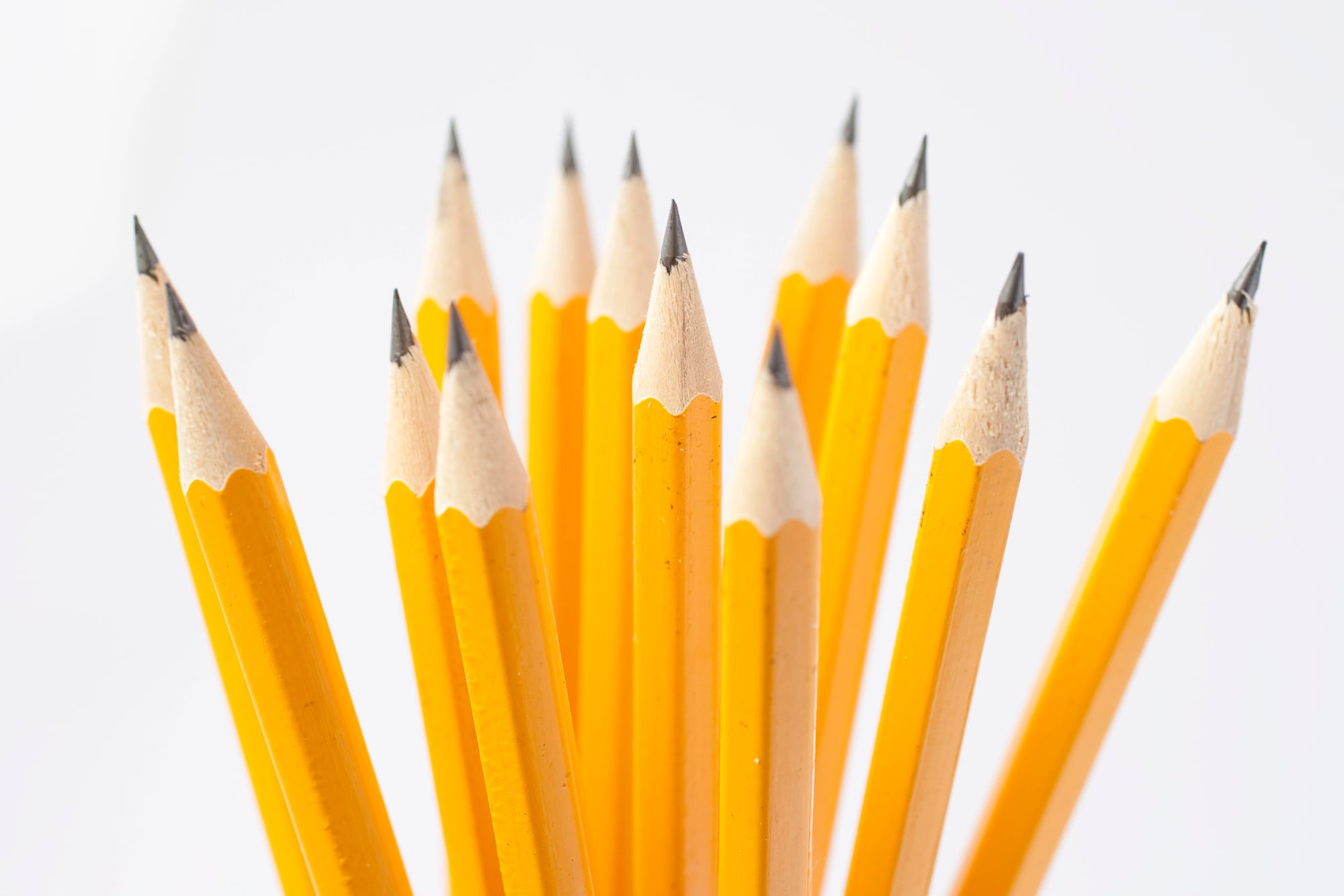
Yellow pencils are a marketing gimmick that became standard. American manufacturers started painting pencils yellow in the 1890s to suggest they contained high-quality Chinese graphite, since yellow was associated with Chinese royalty.
The graphite connection was questionable, but the color stuck. Now yellow means “pencil” in most people’s minds, even though the wood underneath is just regular cedar.
Ice Cube Trays
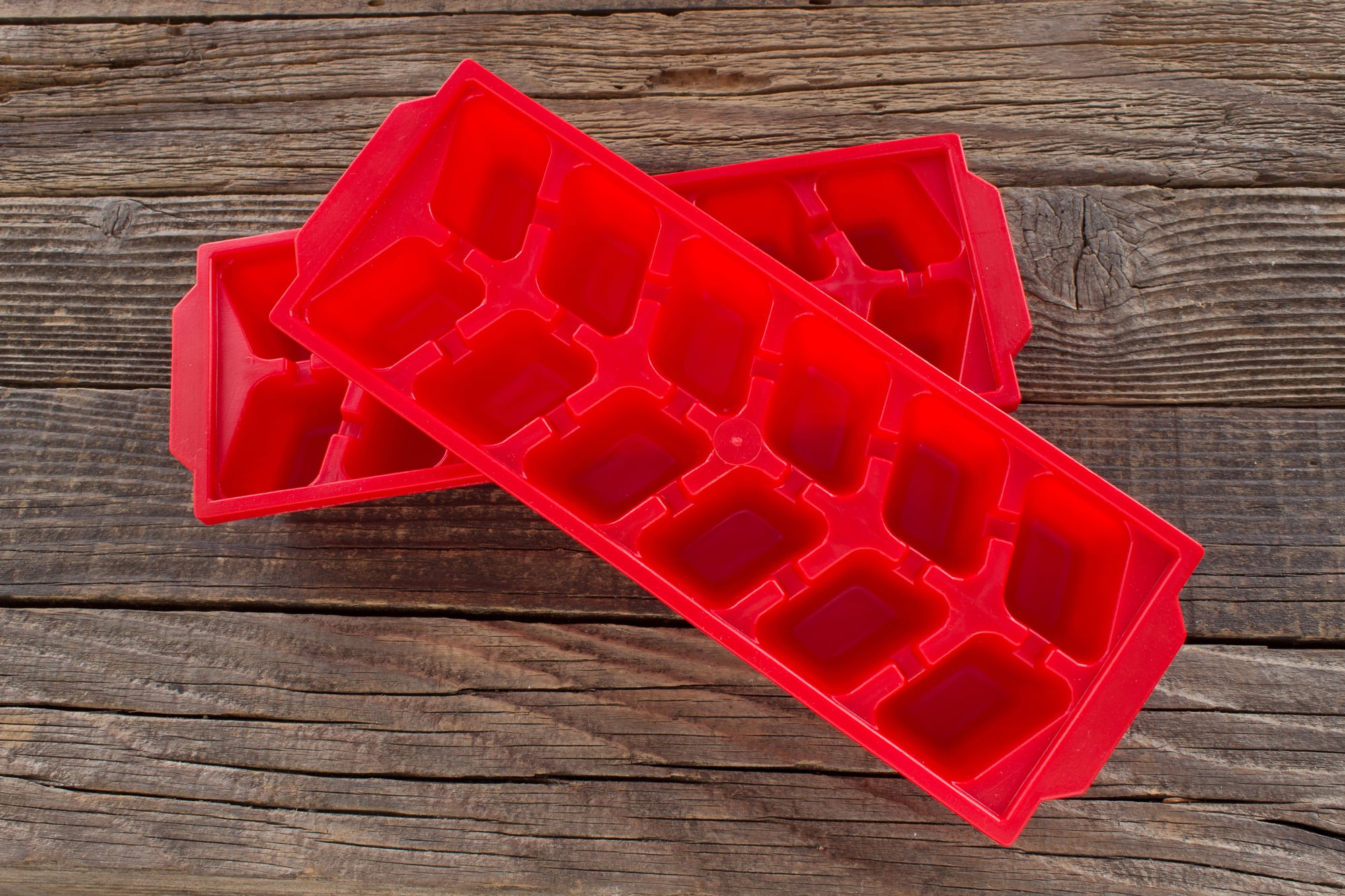
Those cloudy spots in your ice cubes happen because tap water contains dissolved air and minerals that get pushed to the center as the water freezes from the outside in. The ice looks imperfect, but it’s actually showing you exactly how freezing works — a visible record of the process happening in slow motion.
Commercial ice machines freeze water differently, which is why restaurant ice cubes look clearer and somehow more legitimate.
Rubber Bands
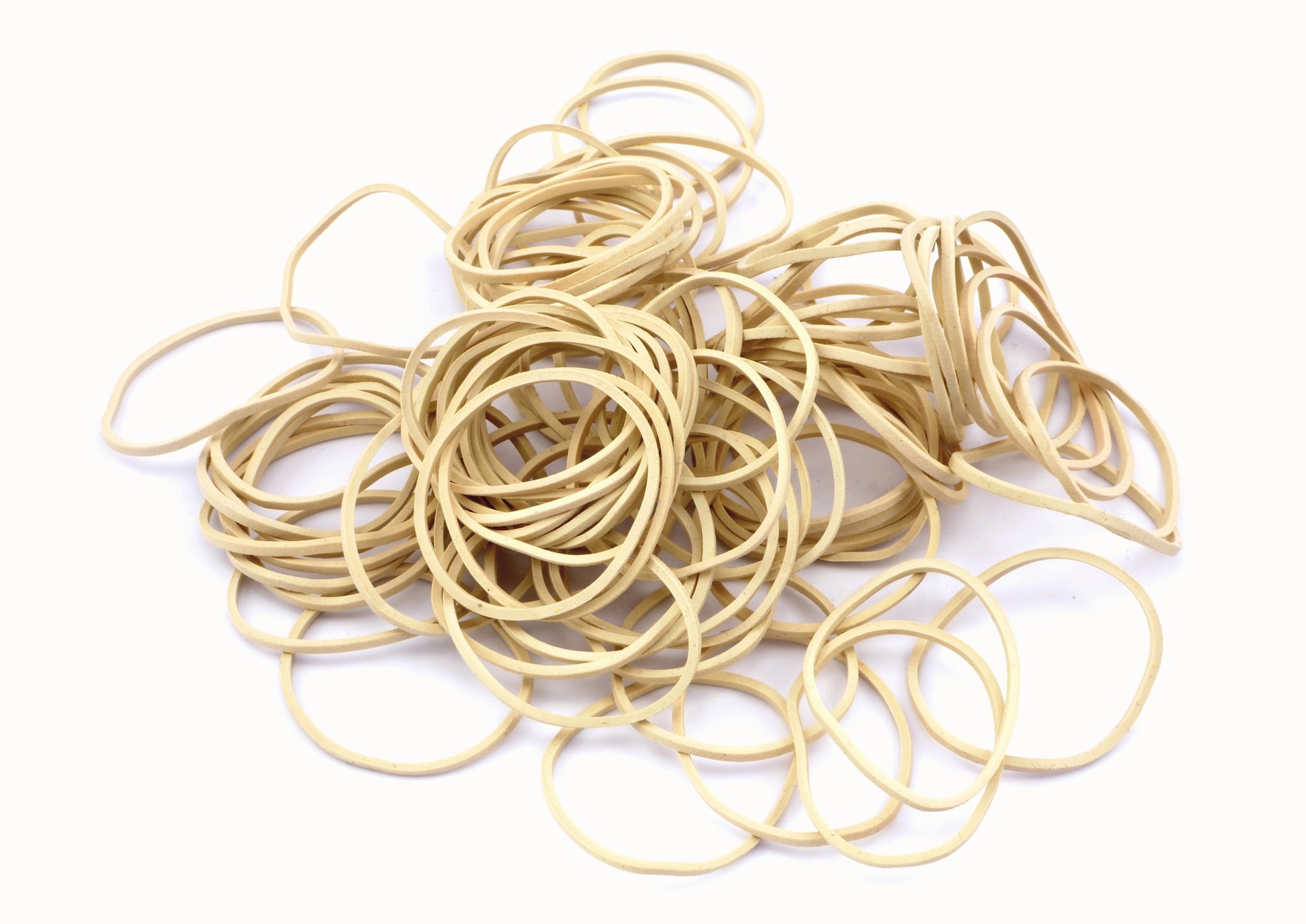
Rubber bands get stronger when heated and weaker when cooled, which is the opposite of what happens to most materials (and exactly backwards from what most people would guess if asked to predict it, since we’re used to thinking of heat as something that weakens and breaks things down). This happens because rubber is made of long polymer chains that become more elastic and organized when heated, rather than breaking apart like other substances do.
So a rubber band left in a hot car will actually have more snap to it than one pulled from a cold drawer, though this fact is useful mainly for winning bar bets or impressing people who are easily impressed by physics trivia. The practical takeaway is that rubber behaves more like a living thing than a manufactured material — it responds to temperature the way muscle fibers respond to warming up.
Coffee Cups
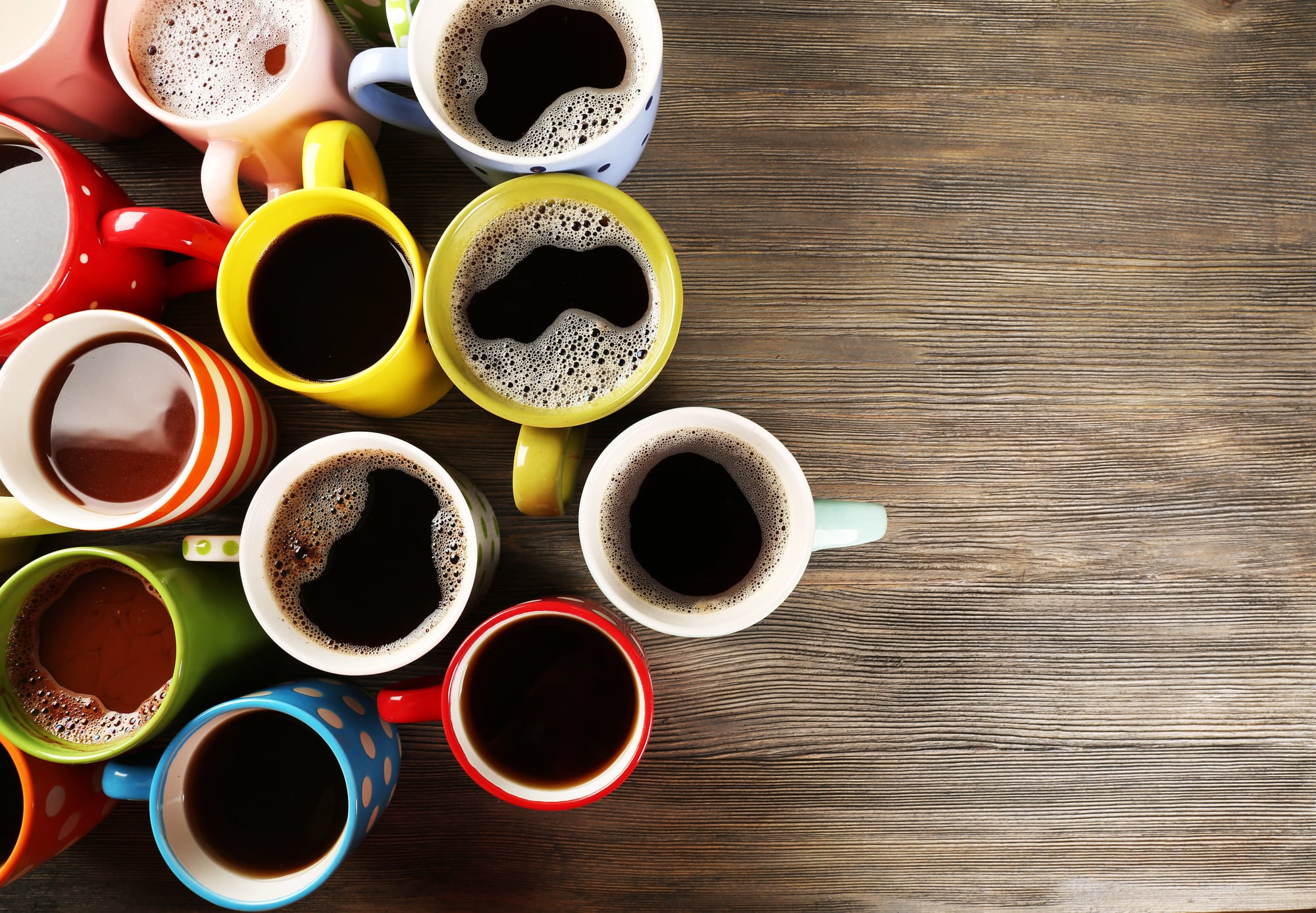
Coffee cup handles are angled precisely to keep your knuckles from touching the hot ceramic while you drink. The curve isn’t arbitrary — it’s engineered to accommodate the natural grip of an average human hand.
Yet most people hold mugs differently than the designer intended, which explains why your fingers still get uncomfortably warm sometimes.
Zippers
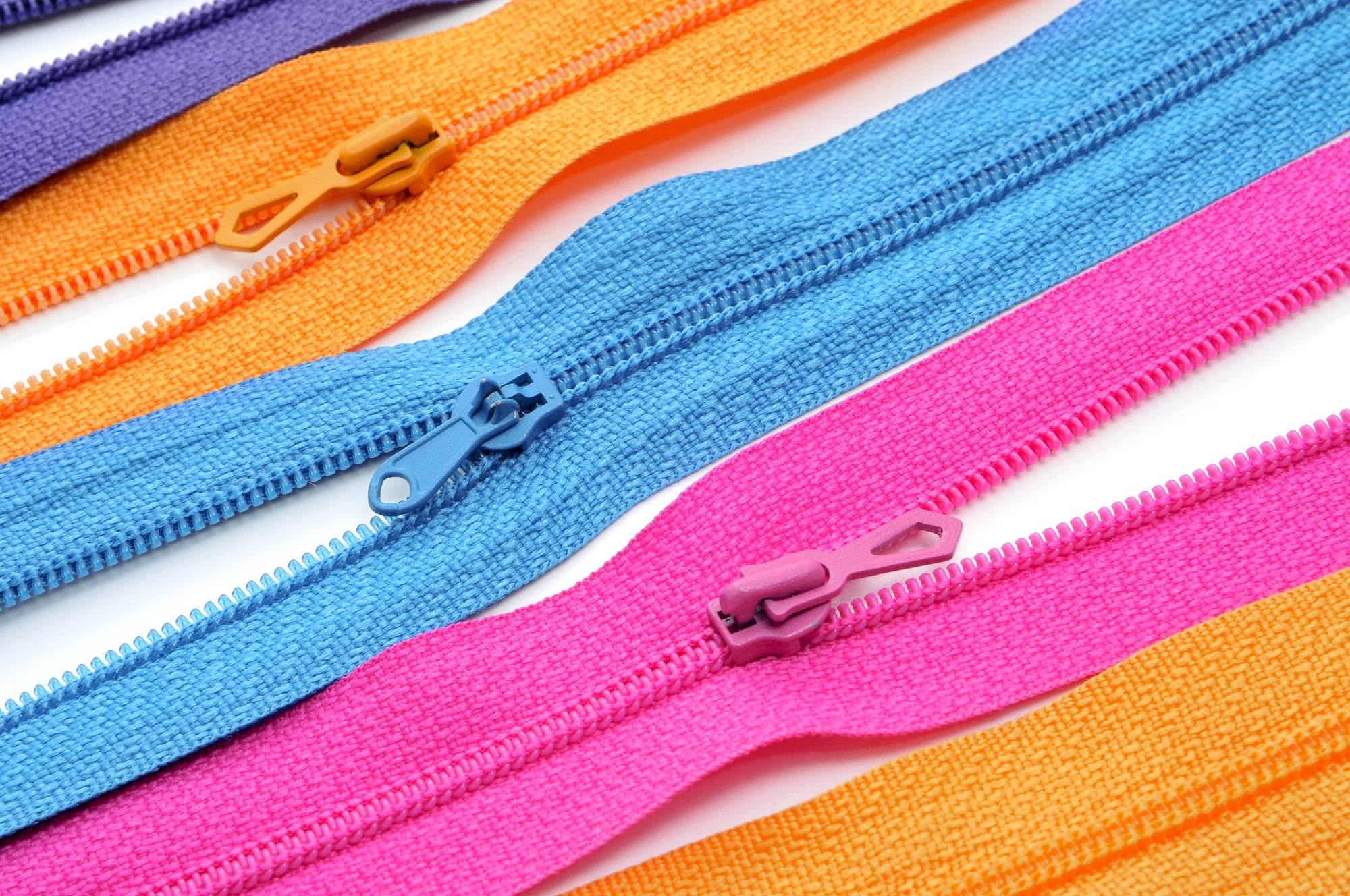
Zippers fail in predictable ways, and the failure almost always happens at the slider, not the teeth. The slider wears down from repeated use until it can’t grip the teeth tightly enough to keep them locked together.
This is why old jackets come apart at inconvenient moments — the metal is fine, but the mechanism has given up.
Buttons
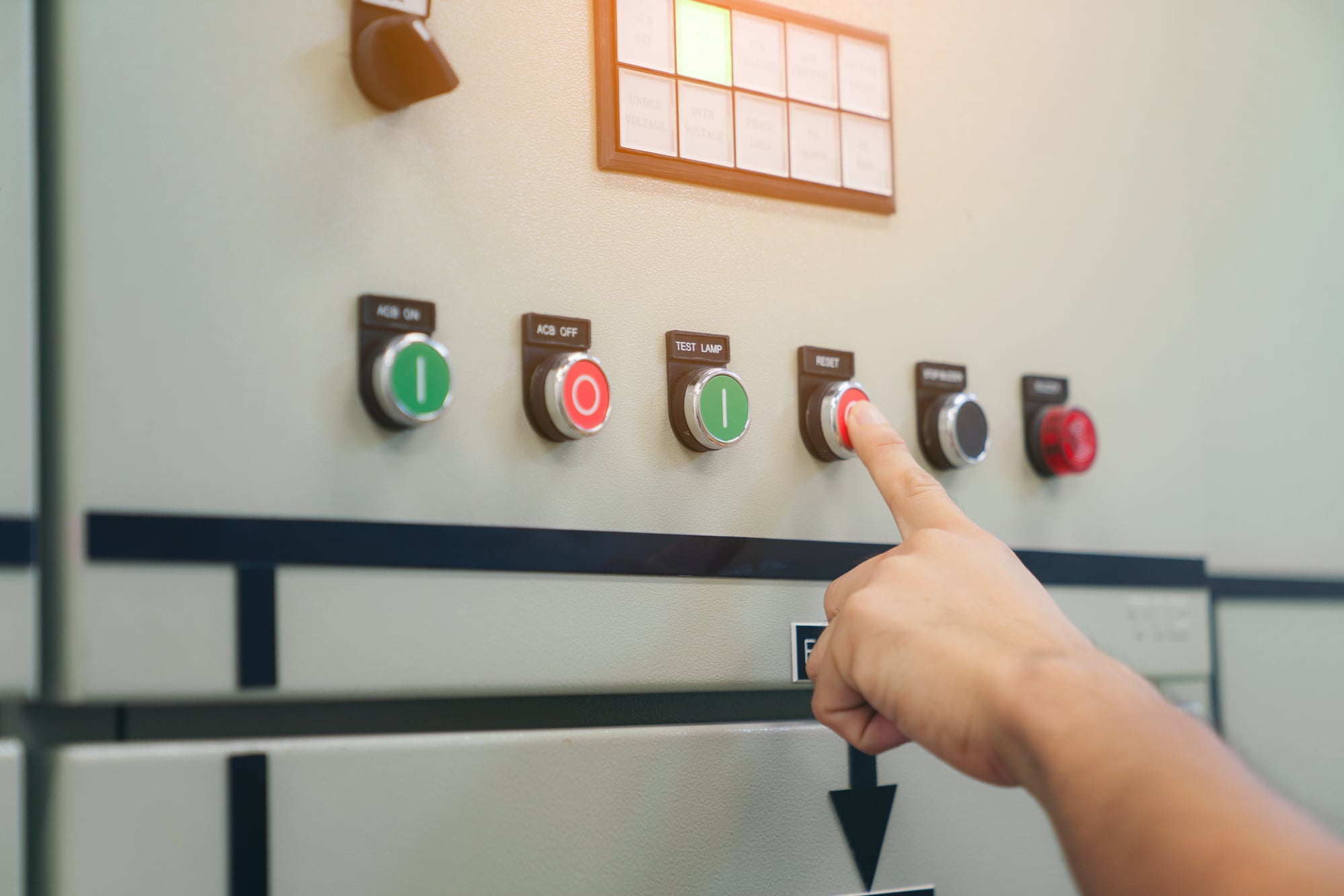
Buttons on men’s and women’s clothing are sewn on opposite sides, a tradition that dates back to when wealthy women had servants to dress them. Servants found it easier to button clothing when the buttons were on their right side, which meant the woman’s left.
Men dressed themselves, so their buttons stayed on their right. The practical reason disappeared centuries ago, but clothing manufacturers kept the distinction anyway.
Erasers
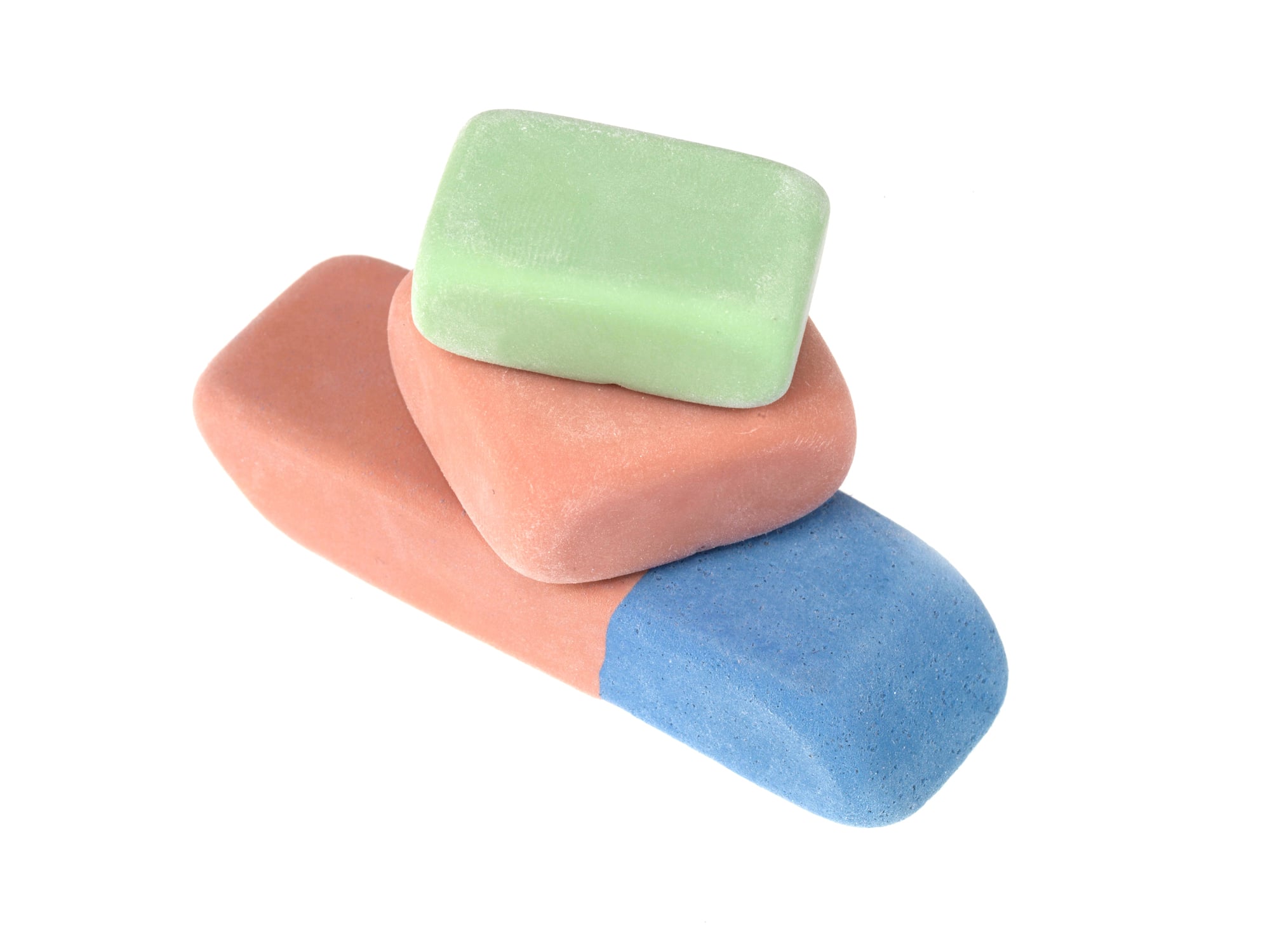
The pink erasers attached to pencils are almost useless on modern paper (which is ironic, considering they’re probably the most recognizable symbol of “correcting mistakes” in American culture, right up there with white-out and the backspace key). These erasers were designed for the paper used in the 1960s, but paper manufacturing changed and the erasers never adapted — they now smear more than they erase, often leaving pink streaks that look worse than the original pencil mark.
The eraser manufacturers know this, paper manufacturers know this, and anyone who’s tried to erase something in the last thirty years knows this, but the pink erasers keep getting attached to pencils because that’s what people expect to see. Meanwhile, the white plastic erasers sitting in the supply closet actually work, but they look too industrial to put on the end of a cheerful yellow pencil.
Light Switches
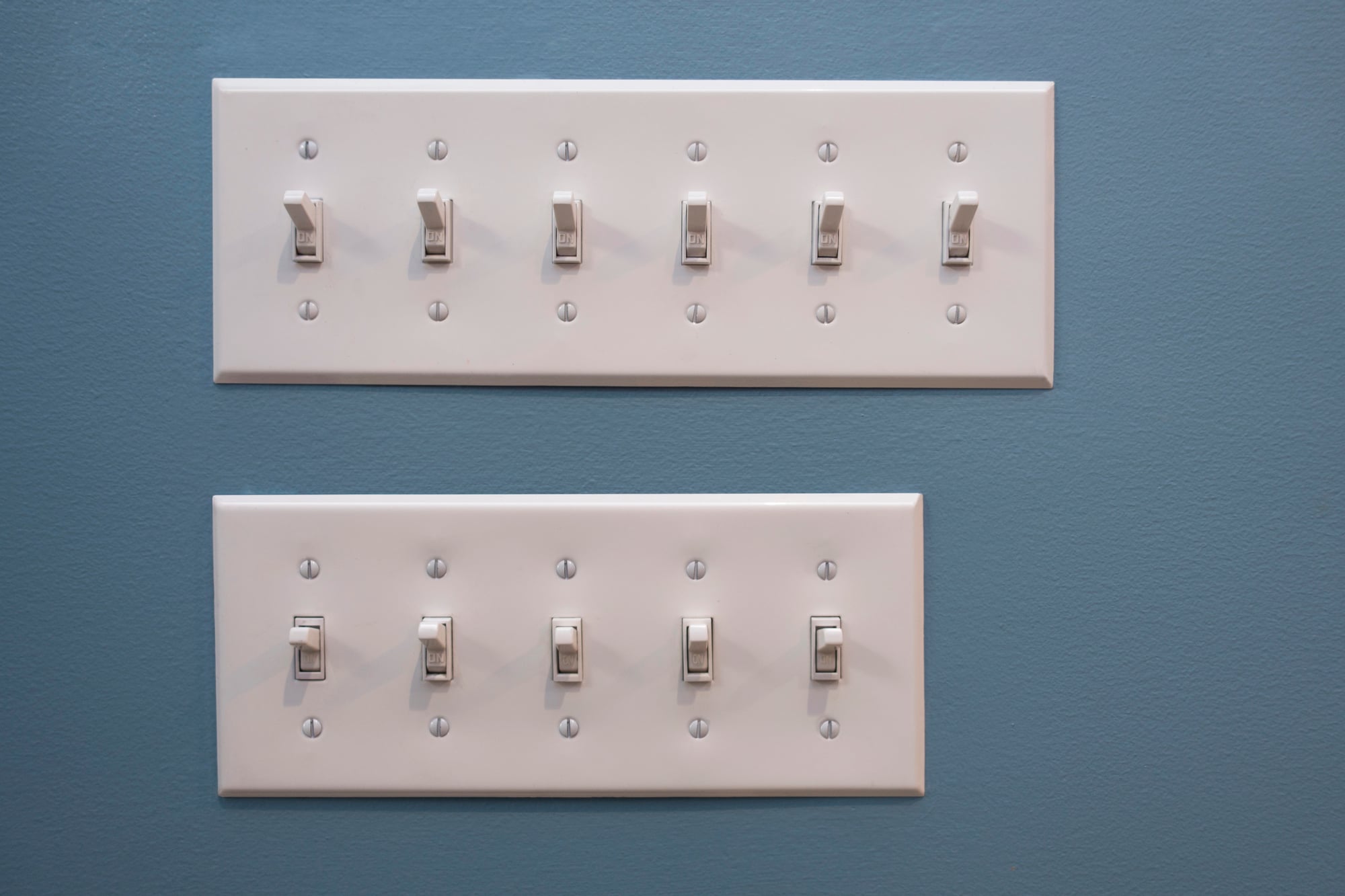
Light switches flip up for “on” in North America but down for “on” in most other countries. There’s no functional reason for this difference — it’s purely cultural, like driving on different sides of the road.
Both systems work perfectly well, which makes the consistency within each region even more remarkable.
Bottle Caps
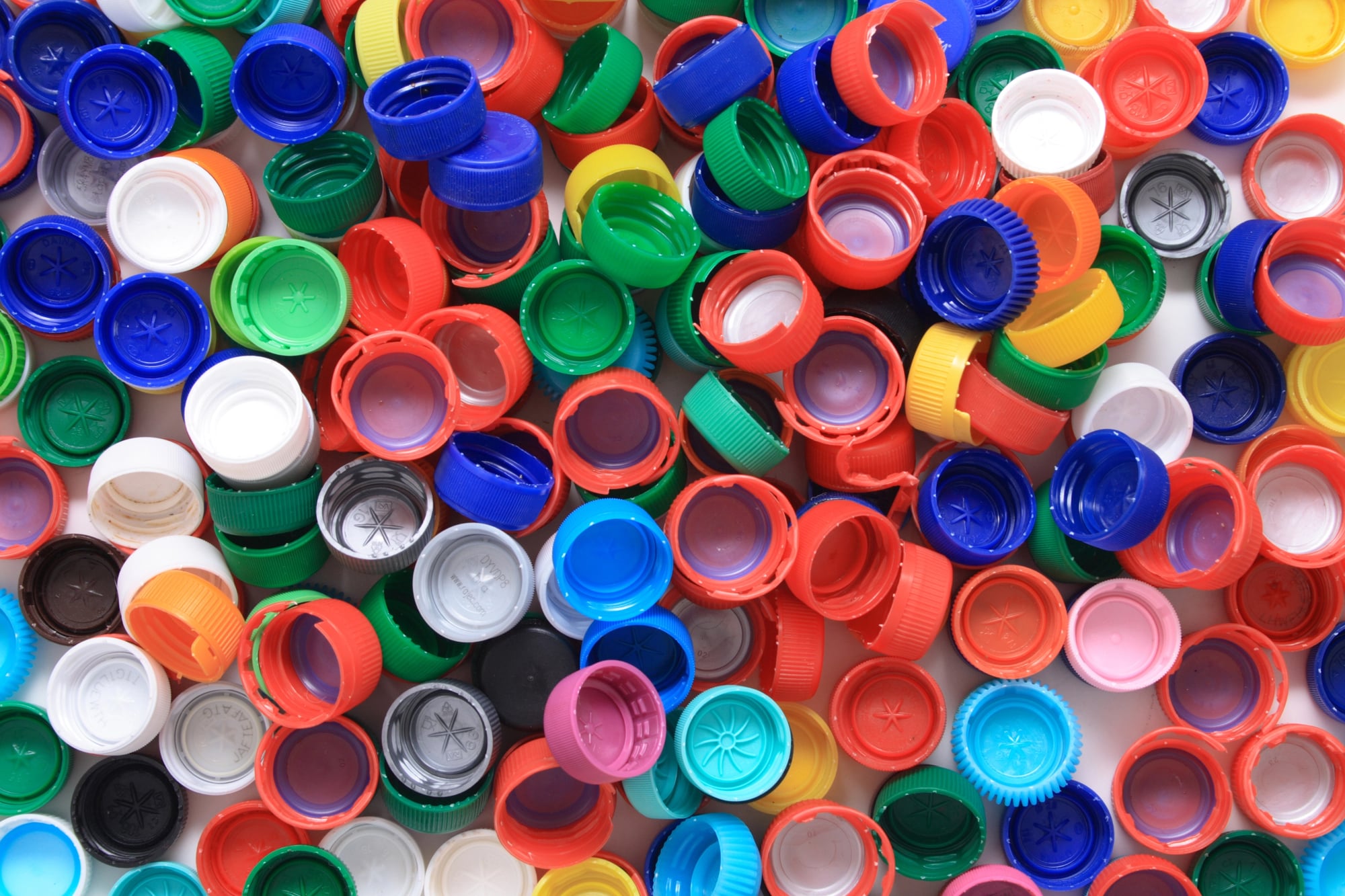
Bottle caps have 21 ridges around the edge, a number that resulted from years of testing to find the optimal grip for human fingers. Too few ridges and the cap slips when wet.
Too many and it becomes uncomfortable to twist. Someone spent considerable time figuring out that 21 was exactly right, though most people never count them.
Shoelaces
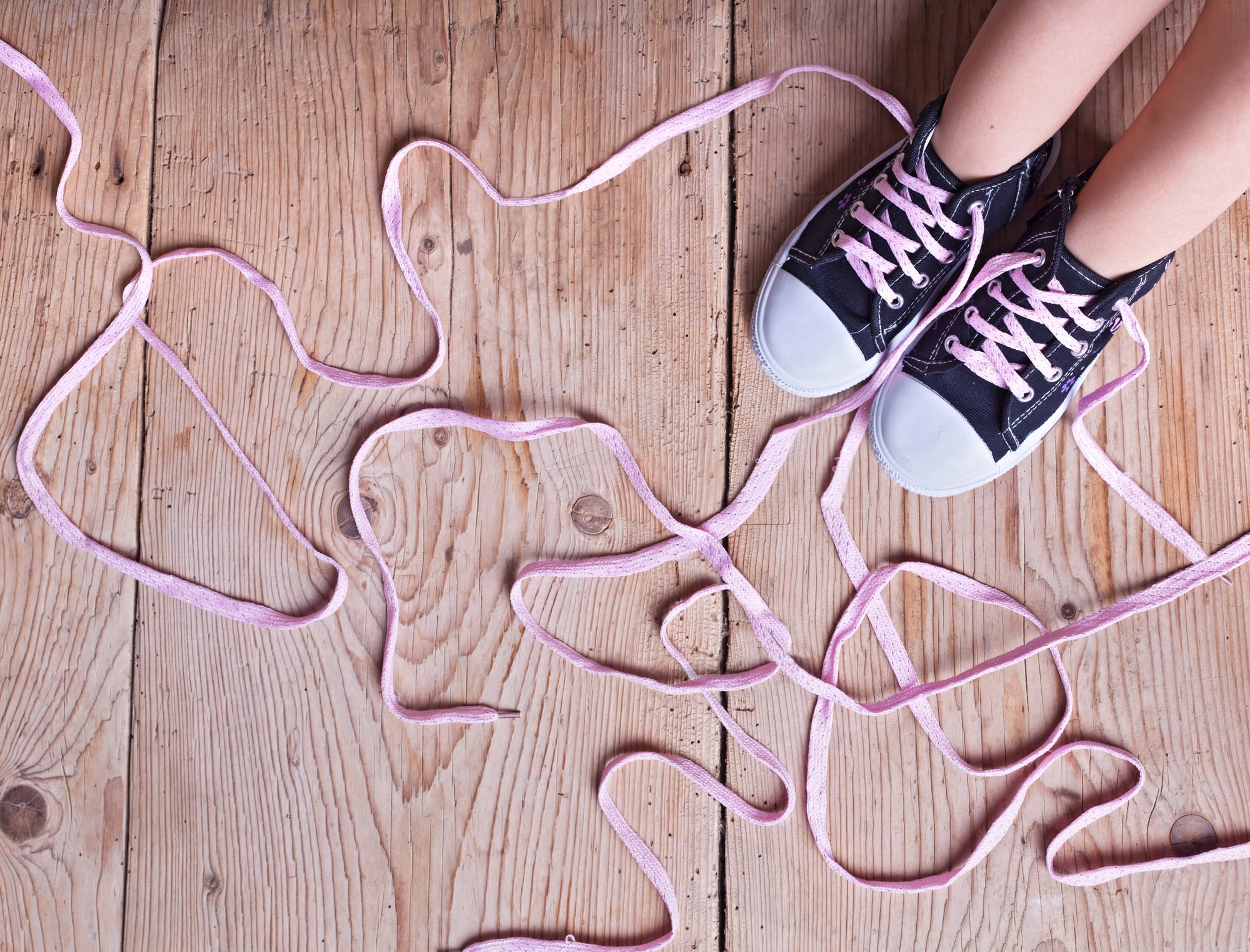
Shoelaces come untied because of a combination of forces that engineers didn’t fully understand until 2017. The impact of your foot hitting the ground loosens the knot while the whipping motion of the free ends pulls it apart completely.
It’s a mechanical process that happens gradually, then suddenly — which explains why shoelaces seem fine until they’re completely undone.
Salt Shakers
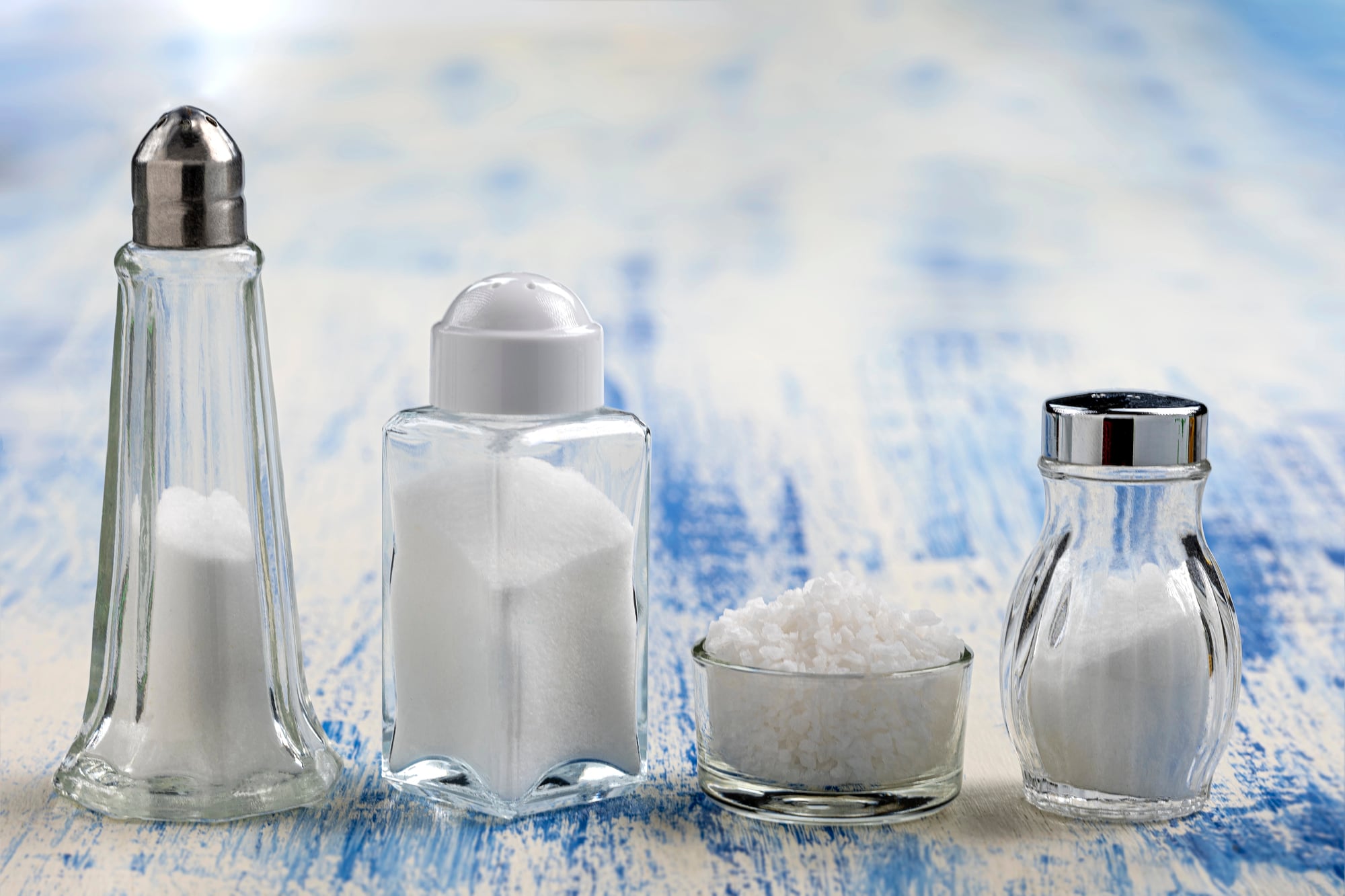
Salt shaker openings are smaller than pepper shaker openings, but which container gets more openings varies by region and personal preference. Some people believe salt should have more pits because you use it more often.
Others think pepper needs more pits because the granules are larger. There’s no official standard, which means every restaurant makes this decision independently, and somehow civilization continues functioning despite this chaos.
The Persistence Of The Practical
These objects persist not because they’re perfect, but because they’re good enough. They’ve survived decades or centuries of small improvements and cultural shifts by finding the sweet spot between function and familiarity — a place where efficiency meets expectation and stays there, quietly doing work that goes unnoticed until it stops working entirely.
More from Go2Tutors!

- The Romanov Crown Jewels and Their Tragic Fate
- 13 Historical Mysteries That Science Still Can’t Solve
- Famous Hoaxes That Fooled the World for Years
- 15 Child Stars with Tragic Adult Lives
- 16 Famous Jewelry Pieces in History
Like Go2Tutors’s content? Follow us on MSN.