Divers Who Found Sunken Ancient Cities
The ocean floor holds secrets that have waited centuries to be discovered. When divers plunge beneath the waves, they sometimes stumble upon entire cities that vanished long ago, swallowed by rising seas or natural disasters.
These underwater explorers have rewritten history books and sparked imaginations around the world with their incredible finds. Let’s meet some of the remarkable people who found lost worlds hiding in the depths.
Franck Goddio and the city of Thonis-Heracleion

Franck Goddio spent years searching Egypt’s coastal waters before his team made an astounding discovery in 2000. They found Thonis-Heracleion, a major port city that disappeared beneath the Mediterranean Sea over 1,200 years ago.
The ancient Egyptians and Greeks had both used this city as a gateway for trade, and it was mentioned in old texts, but nobody knew where it actually was. Goddio’s team discovered massive statues, gold coins, and the remains of more than 60 ships in the murky waters near Alexandria.
Robert Marx and Port Royal
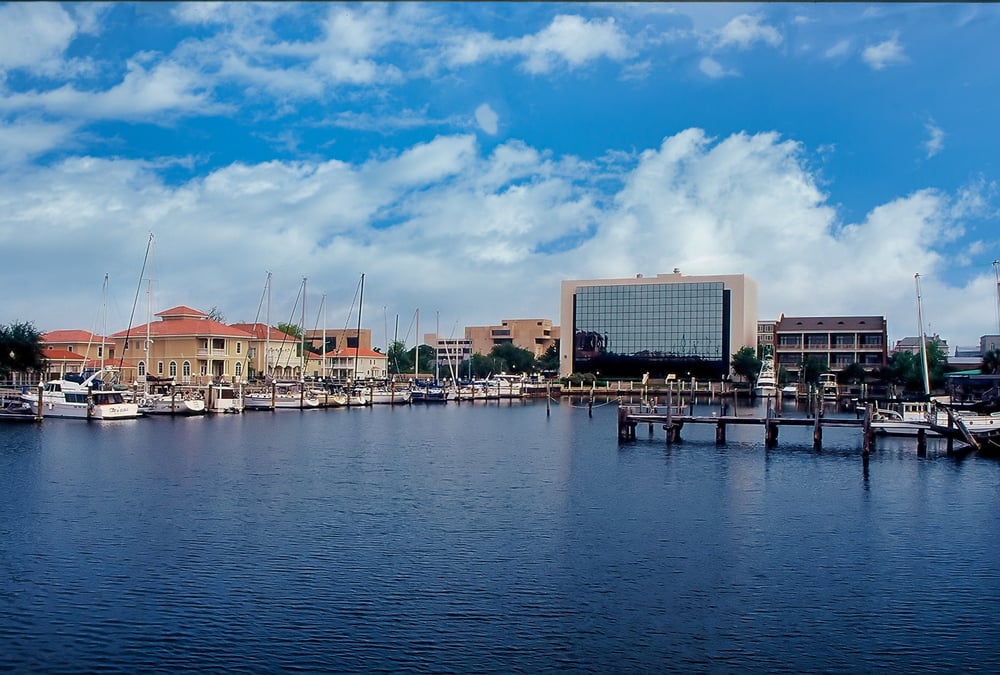
Robert Marx dove into the waters off Jamaica in the 1960s and found the remains of Port Royal, once called the ‘wickedest city on Earth’. An earthquake and tsunami destroyed this pirate haven in 1692, sending most of it sliding into the sea in just minutes.
Marx recovered thousands of artifacts that gave historians a snapshot of daily life in a 17th-century Caribbean port. The preservation was so good that even food remained in cooking pots on the ocean floor.
Nicholas Flemming and Pavlopetri
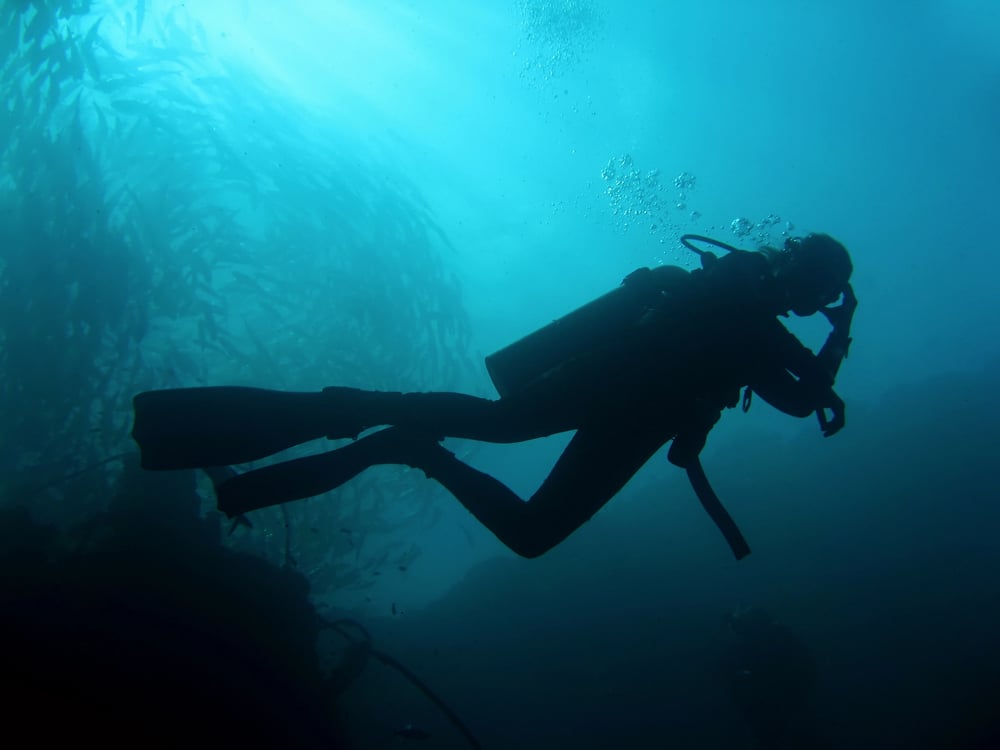
A British oceanographer named Nicholas Flemming was surveying the waters off southern Greece in 1967 when he spotted something unusual. Stone structures covered the seabed in organized patterns that clearly weren’t natural.
Flemming had discovered Pavlopetri, which turned out to be about 5,000 years old, making it one of the oldest submerged cities ever found. The streets, buildings, and courtyards were still visible despite spending millennia underwater.
Mehmet Çakir and the submerged basilica
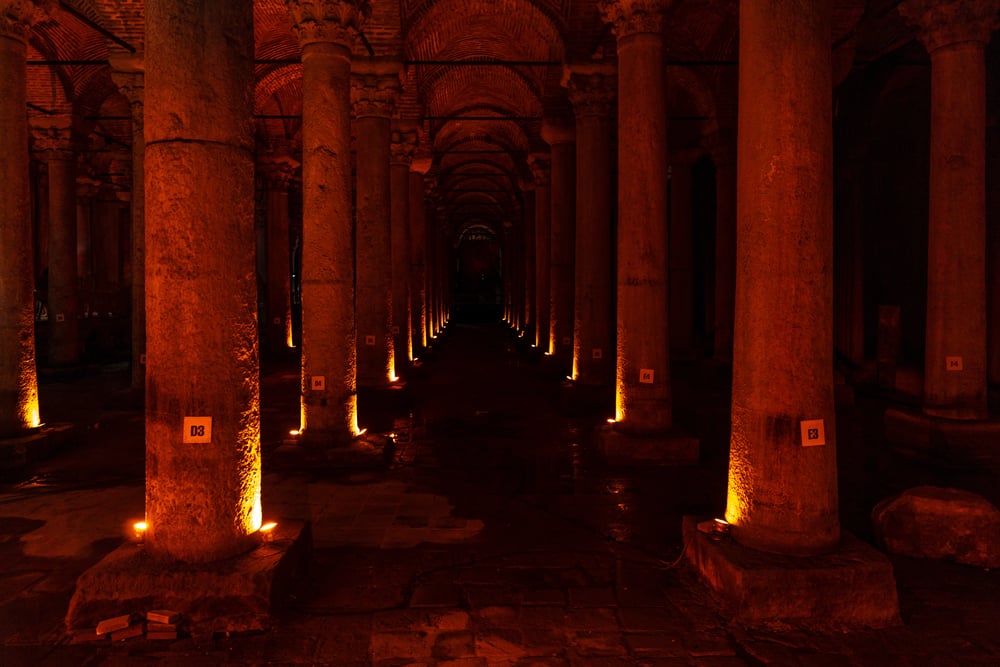
Turkish diver Mehmet Çakir was photographing Lake Iznik in 2014 when he noticed walls rising from the lakebed just 20 feet below the surface. What he’d found was a 1,600-year-old basilica that probably fell into the water after an earthquake.
The church still had visible tile work and the remains of its foundation. Archaeologists later confirmed it dated back to around 390 AD, built during the early Christian era.
George Bass and the Bronze Age shipwrecks
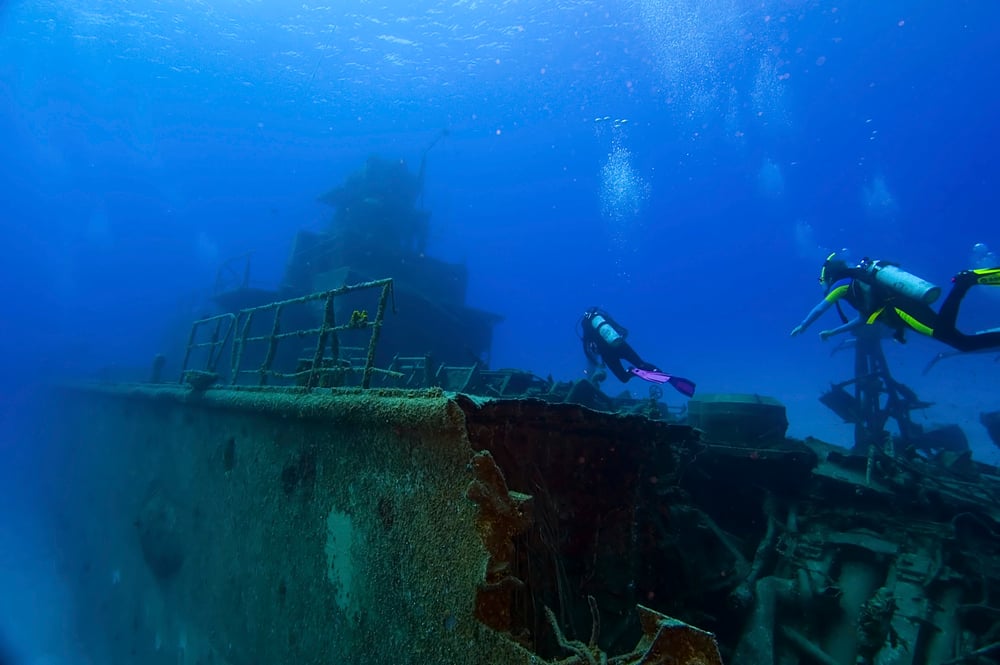
George Bass pioneered underwater archaeology in the Mediterranean during the 1960s and discovered several ancient shipwrecks off the Turkish coast. His work at Cape Gelidonya revealed a ship from 1200 BC carrying copper ingots and tools.
Bass didn’t just find sunken cities, but he developed methods that other divers still use today to properly excavate underwater sites without destroying them. His techniques turned underwater exploration from treasure hunting into real science.
Yonaguni diving team and Japan’s mystery
A group of Japanese divers led by Kihachiro Aratake found strange formations off Yonaguni Island in 1986 while looking for good spots to watch hammerhead sharks. The underwater structures include what look like steps, terraces, and carved faces.
Scientists still debate whether humans shaped these rocks or if nature created them, but some believe they could be remnants of a civilization from over 10,000 years ago. The site has become one of the most controversial underwater discoveries in modern times.
Paulina Zelitsky and Cuba’s underwater city
Marine engineer Paulina Zelitsky was mapping the ocean floor off Cuba’s coast in 2001 when her sonar equipment picked up geometric patterns at a depth of 2,000 feet. Her team’s images showed what appeared to be pyramids and other structures.
The discovery sparked heated debates among archaeologists because the depth would mean the structures were incredibly ancient, possibly dating back to when sea levels were much lower. Investigations continue, though the extreme depth makes exploration difficult and expensive.
John Gunter and Lake Titicaca’s ruins

Diver John Gunter explored Lake Titicaca, straddling the border between Peru and Bolivia, and found extensive ruins beneath its waters in the late 1960s. The discoveries included a temple, terraces, and a road that stretched for over half a mile underwater.
These structures probably belonged to the Tiwanaku civilization, which thrived more than 1,000 years ago. The high altitude of the lake, sitting at 12,500 feet above sea level, makes diving there particularly challenging.
Israeli divers and Atlit-Yam
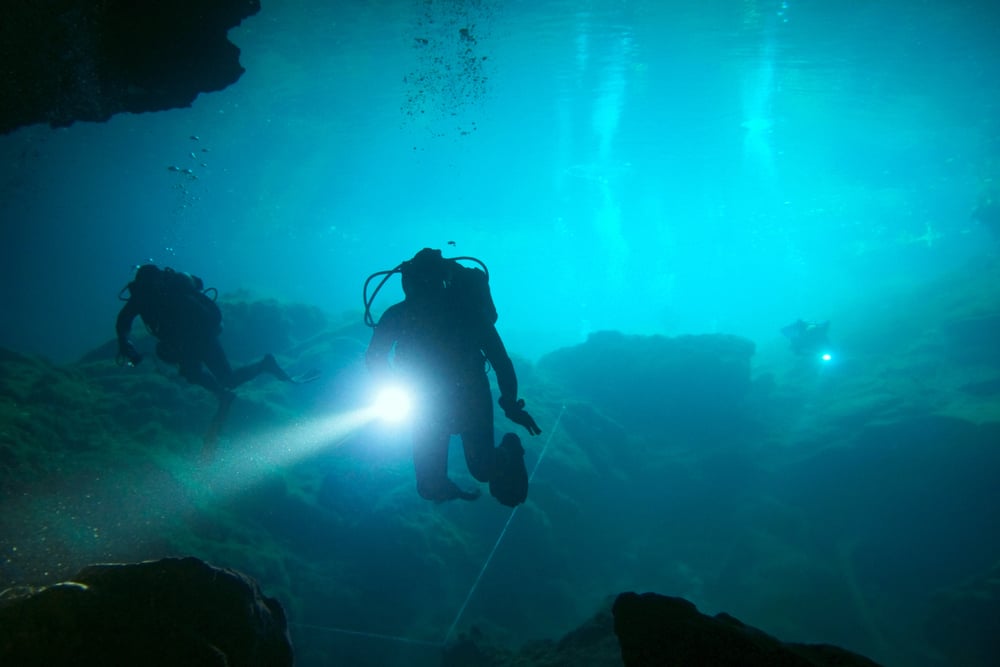
A team of Israeli divers found Atlit-Yam off their country’s Mediterranean coast in 1984. This Neolithic village dates back 9,000 years and sits about 30 feet underwater.
The site includes stone houses, a well, and even human skeletons still in their graves. One of the most remarkable finds was a stone circle that archaeologists believe was used for rituals.
The village probably sank when a tsunami struck the coast thousands of years ago.
Pierre Tailliez and Caesarea Maritima

Pierre Tailliez, one of the pioneers of scuba diving, explored the ancient port of Caesarea Maritima off Israel’s coast in the 1950s. King Herod built this magnificent harbor city around 22 BC, and it became one of the most important ports in the Roman Empire.
Tailliez and his team found massive harbor structures, including breakwaters and warehouses, all submerged beneath the waves. The harbor’s engineering was so advanced that historians still study how the Romans built it.
Chinese fishermen and Lion City

Local fishermen had known about structures beneath Qiandao Lake in China for years, but organized diving expeditions in 2001 revealed the full extent of what lay below. The city of Shi Cheng, also called Lion City, was deliberately flooded in 1959 to create a reservoir and hydroelectric station.
Divers found an entire Ming and Qing dynasty city perfectly preserved by the lake’s cold waters. The wooden beams, stairs, and intricate carvings looked almost new despite being underwater for decades.
Alexandria diving team and Cleopatra’s palace
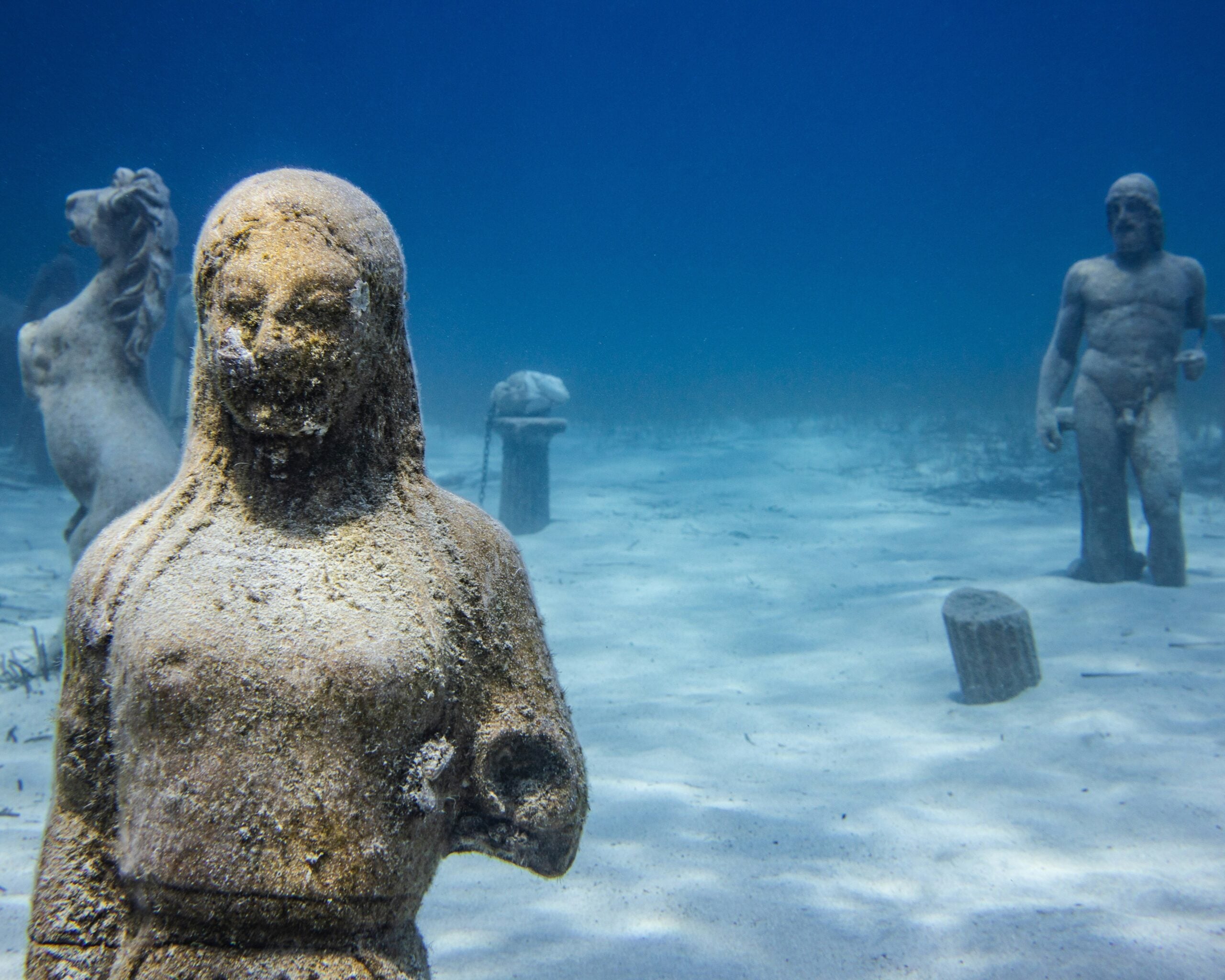
A team of divers working in Alexandria’s harbor since the 1990s has uncovered what may be the remains of Cleopatra’s royal palace. Earthquakes and tsunamis destroyed much of ancient Alexandria’s waterfront, sending buildings and statues into the Mediterranean.
The divers have recovered columns, statues, pottery, and foundations that match descriptions from ancient texts. The discovery has helped archaeologists understand the layout of one of the ancient world’s most famous cities.
Robert Ballard and ancient shipwrecks in the Black Sea

Robert Ballard, known for locating the Titanic, shifted focus to the Black Sea – there, he uncovered ancient ships in amazing shape. Since the sea’s depths hold no oxygen, wooden parts don’t decay.
Back in 1997, his crew came across boats from the Byzantine era; masts and ropes were still whole. Though some wrecks were more than a millennium and a half old, they seemed freshly submerged.
These finds revealed how early civilizations crafted vessels and navigated them.
Dwarka discovery by marine archaeologists
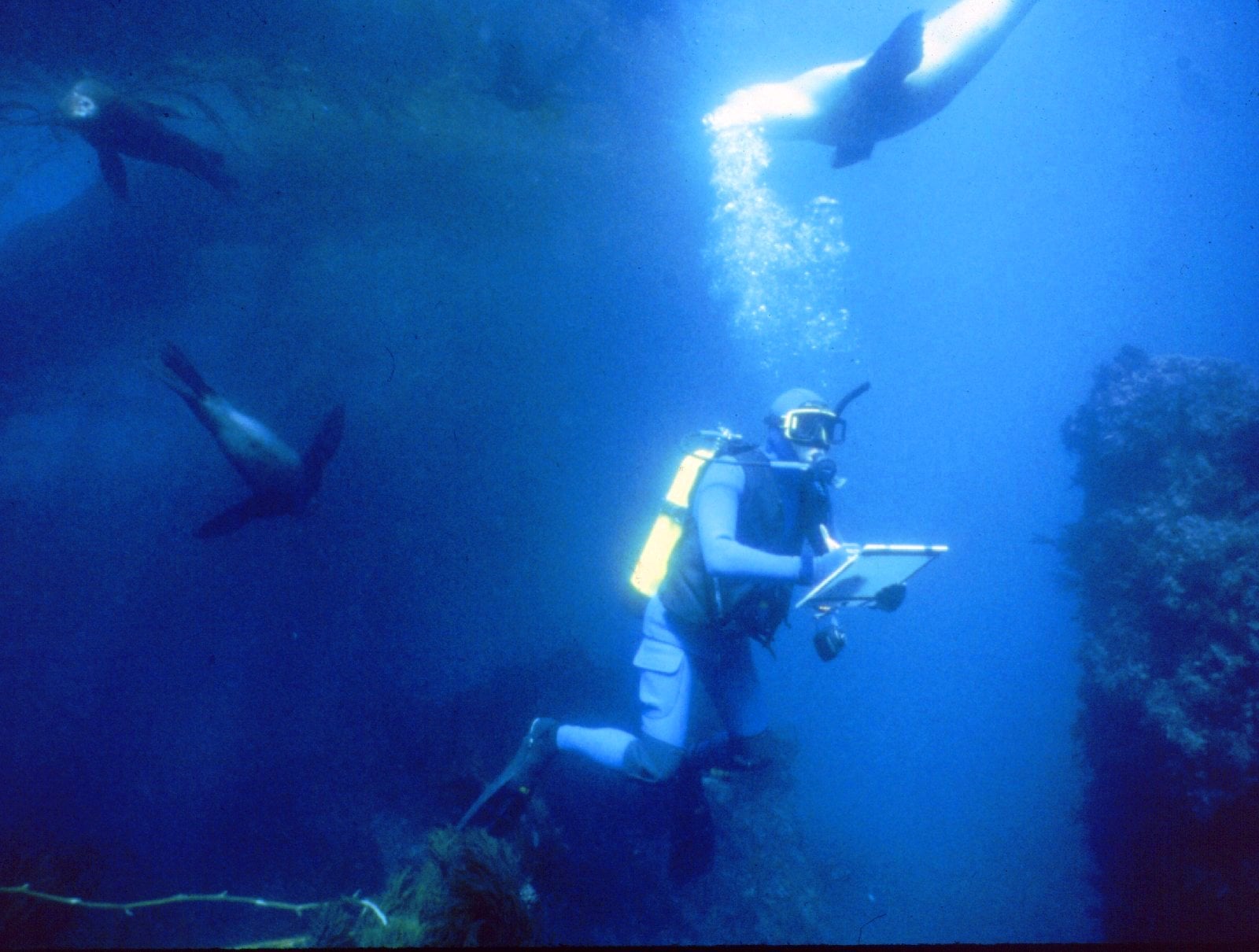
Indian ocean scientists checked the sea near Gujarat’s shore – close to today’s Dwarka town – in the 80s and 90s. They came across rock formations, old anchors, also bits of broken pots possibly thousands of years old.
A few experts think these relics may link to the mythic Dwarka spoken of in ancient Hindu stories. The find stirred both hype and debate at once; studies continue aiming to pin down how old the sunken ruins really are.
Greek sponge divers and Antikythera
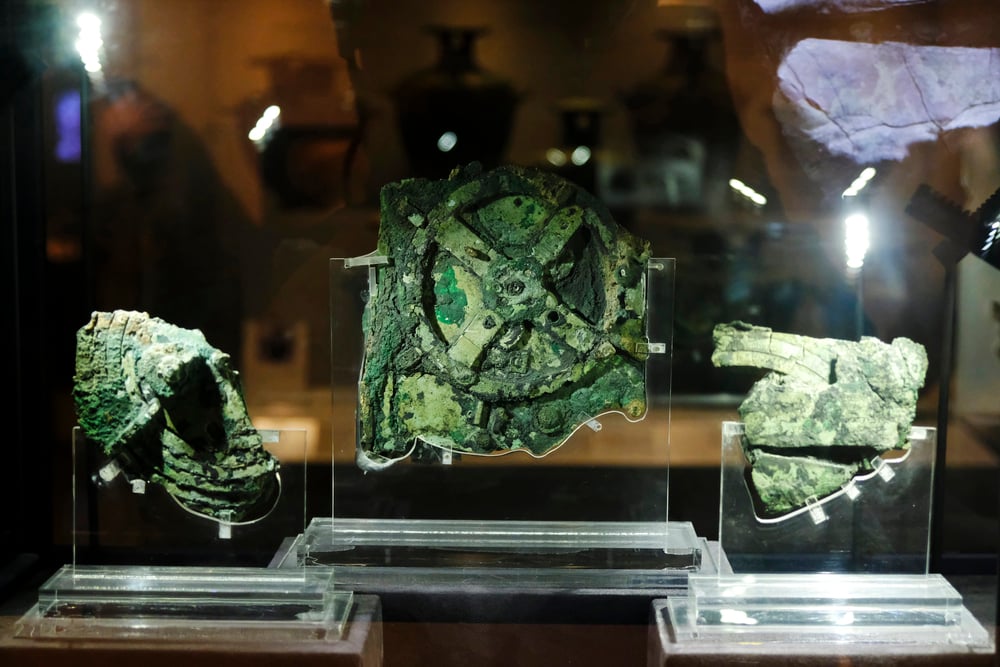
Sponge divers near a Greek island stumbled on a wreck back in 1900 – this find shook up archaeology big time. Inside, past statues and old items, sat a rusty bronze device; turns out, it was an early machine for tracking stars and planets.
Folks now call it the Antikythera mechanism, proof that ancient Greeks were way ahead tech-wise than we thought. Over the years, new teams of divers came back again and again, uncovering fresh relics every trip.
Doggerland explorers
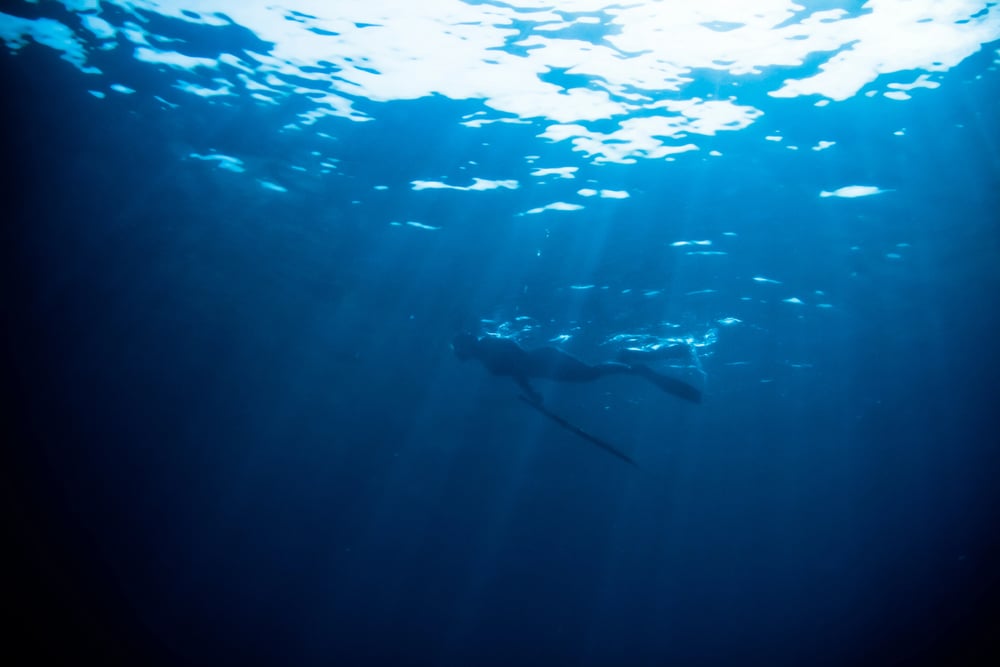
Fishers and deep-sea hunters in the waters off Britain spot old tools, skeletons, or relics from a sunken stretch known as Doggerland. Back when ice still gripped Earth, this broad flat linked the UK to continental lands – people stayed their ages until ocean levels climbed by roughly 8,500 years ago.
Every object hauled up adds clues about how folks survived on that drowned terrain. New scans done with high-end sound tech show buried rivers and ridges under today’s seabed.
What do these finds really tell us now?
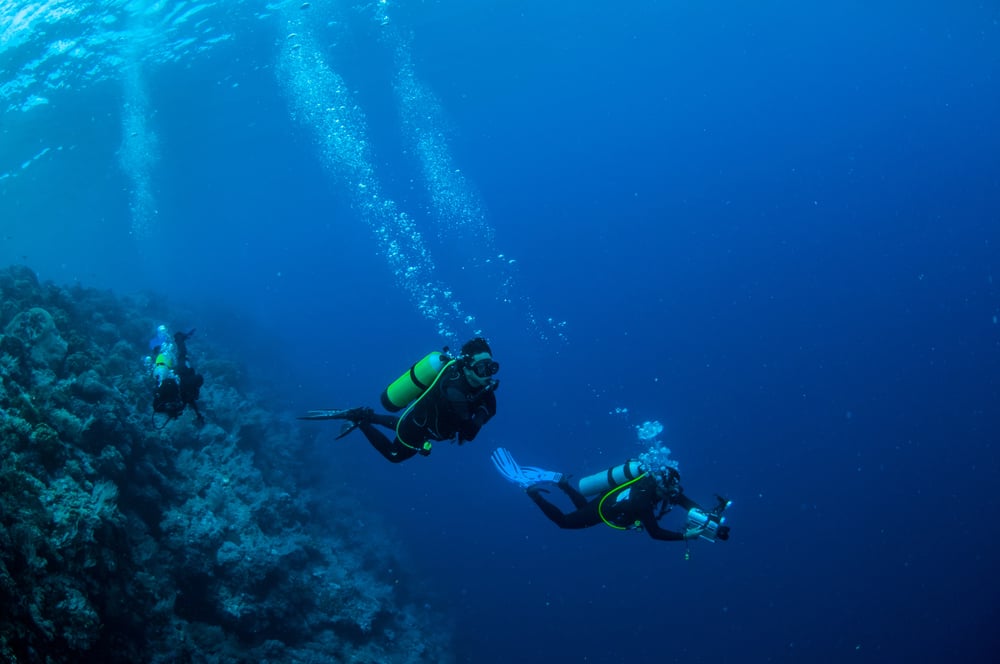
Those who explore beneath the waves shifted our view of ancient times. Bravery mixed with wonder uncovered lost societies – ones history books ignored or didn’t know at all.
Each time they go under, there’s a chance to flip what we thought was true about the past. Hidden deep below, the sea guards endless mysteries, ready for new adventurers to stumble upon.
Gear gets better bit by bit, so today’s divers access spots once unreachable, opening doors to find no one saw coming.
More from Go2Tutors!

- The Romanov Crown Jewels and Their Tragic Fate
- 13 Historical Mysteries That Science Still Can’t Solve
- Famous Hoaxes That Fooled the World for Years
- 15 Child Stars with Tragic Adult Lives
- 16 Famous Jewelry Pieces in History
Like Go2Tutors’s content? Follow us on MSN.