Most Successful Indie Films in History
Most people think of indie films as scrappy, under-the-radar projects that play at festivals and quietly disappear. And sometimes, that’s exactly what happens.
But every now and then, one of these films breaks through in a way nobody expected. A movie made on a shoestring budget ends up dominating the box office.
A first-time director becomes a household name overnight. A story told without the backing of a major studio turns out to be exactly what audiences were waiting for.
The films on this list did all of that — and then some. Some changed entire genres.
Others rewrote how movies get made and marketed. A few launched the careers of actors and directors who went on to shape Hollywood for decades.
What they all share is that they did it without the safety net of a big studio system behind them.
The film that invented the zombie genre: Night of the Living Dead (1968)

George Romero made Night of the Living Dead for around $114,000. That’s not a typo.
The film went on to gross roughly $30 million, making it one of the most profitable movies ever made on a per-dollar basis. But the money is almost beside the point.
Night of the Living Dead is the film that invented the modern zombie movie as you know it. Before Romero, zombies in film were mostly tied to voodoo and hypnosis.
After this movie, the walking dead became one of the most enduring figures in horror. John Carpenter, Wes Craven, and Sean Cunningham have all pointed to Night of the Living Dead as a direct influence on Halloween, A Nightmare on Elm Street, and Friday the 13th.
The film was also quietly groundbreaking in another way. Its lead actor, Duane Jones, was one of the first Black actors to headline a horror film — and the script never once acknowledged his race as something unusual. For 1968, that was a statement.
The road trip that changed American cinema: Easy Rider (1969)
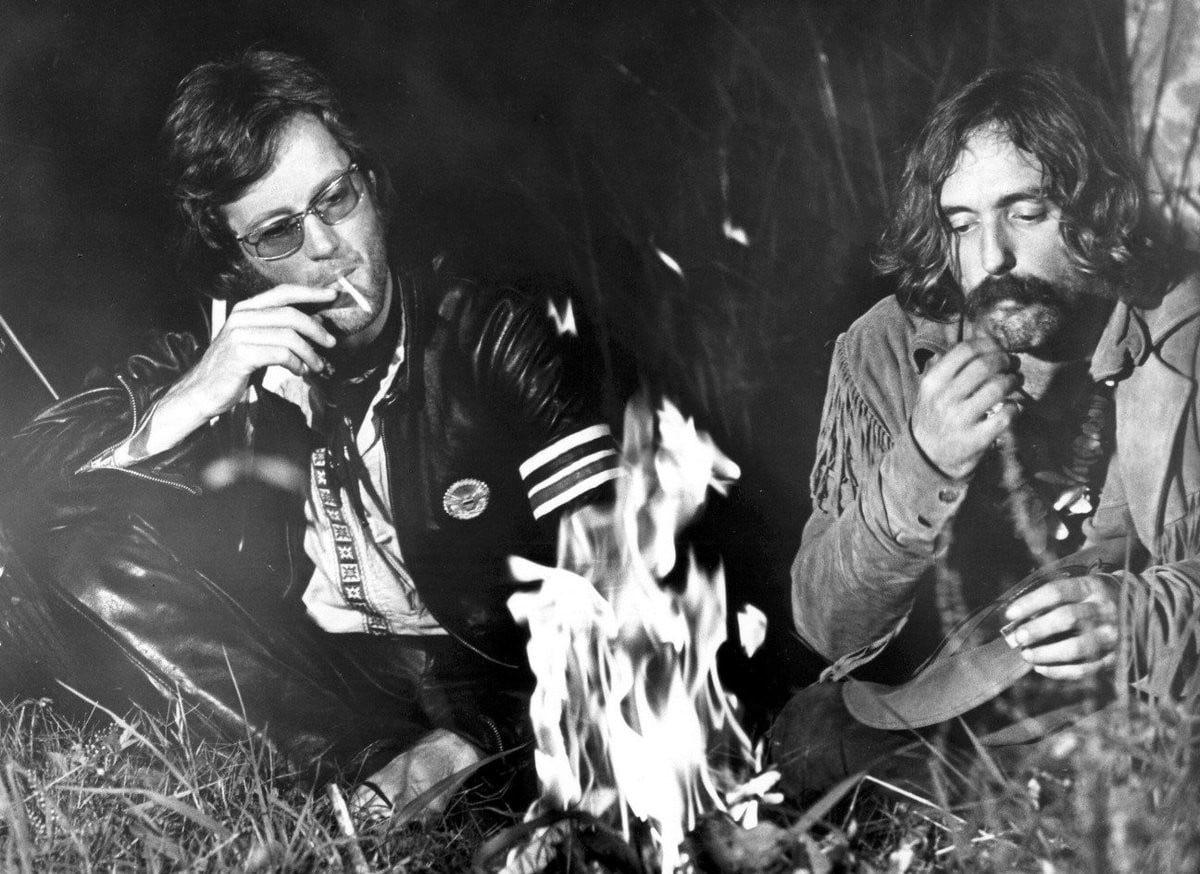
Dennis Hopper’s Easy Rider cost around $400,000 to make. It earned $60 million at the box office and received two Oscar nominations.
More importantly, it convinced Hollywood that young audiences wanted something radically different from what they’d been getting. The film followed two motorcycle riders traveling through the American South, and it captured a restless, countercultural energy that mainstream Hollywood had no idea how to handle.
Studios didn’t know what to do with a movie like this. And then it made a fortune.
Easy Rider is widely credited with kicking off the New Hollywood era — a period when directors like Martin Scorsese and Francis Ford Coppola were given more creative freedom than filmmakers had enjoyed in decades. Without Easy Rider proving that audiences hungered for rawer, more personal filmmaking, that whole era might never have happened.
The movie every studio rejected: The Graduate (1967)
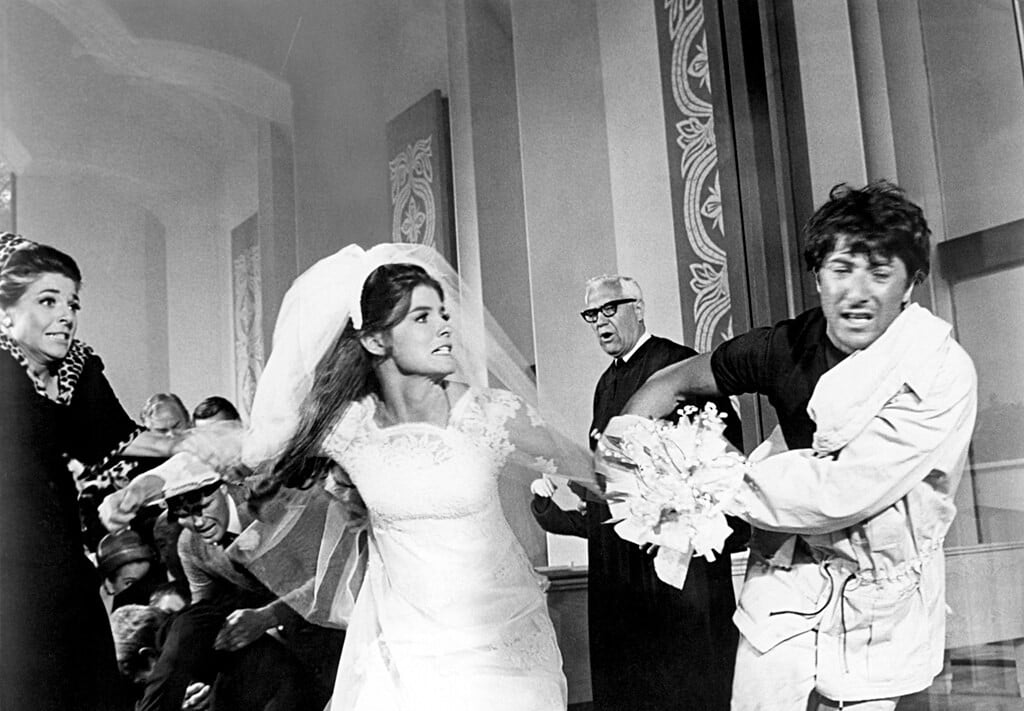
Every studio in Hollywood turned down The Graduate. They read the source material and, according to producer Lawrence Turman, hated it.
Nobody thought it was funny. It took one producer willing to take a risk to get it made on a budget of $3 million.
The result was the highest-grossing film of 1967. Adjusted for inflation, it has earned over $784 million — placing it among the highest-grossing independent films ever made.
The movie also launched Dustin Hoffman into stardom. Before The Graduate, he had essentially no screen credits.
After it, he was one of the most in-demand actors in the country. When he showed up to audition, the producer mistook him for a delivery worker.
The Graduate also helped cement a new way of using music in films. Mike Nichols’ decision to weave Simon and Garfunkel’s music throughout the movie set a standard that filmmakers are still chasing.
It’s one of those rare films where the soundtrack is as iconic as the story itself.
The dance movie that defied every expectation: Dirty Dancing (1987)
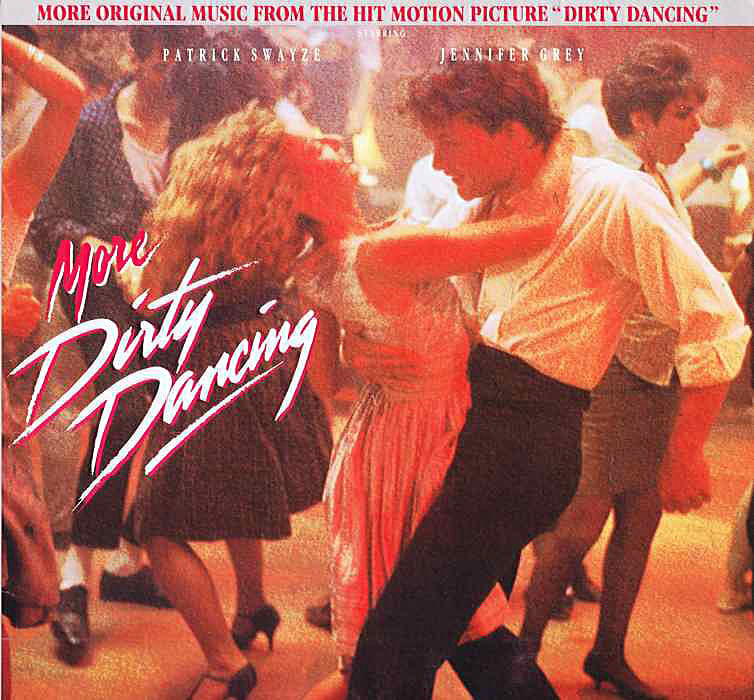
Dirty Dancing wasn’t supposed to be a big deal. It was a romantic dance film — not exactly the kind of movie that sends studio executives scrambling. But it connected with audiences in a way that surprised everyone involved.
Made on a modest independent budget, Dirty Dancing earned over $200 million worldwide and became one of the defining films of the 1980s. The chemistry between Jennifer Grey and Patrick Swayze carried the whole thing, and the film’s soundtrack — particularly its Oscar-winning original song — became inescapable.
What made Dirty Dancing a true indie success was how it defied expectations. Dance films weren’t a reliable draw at the box office.
This one proved that if the story and the performances were right, genre conventions didn’t matter much.
The heist that rewrote the rules: Reservoir Dogs (1992)
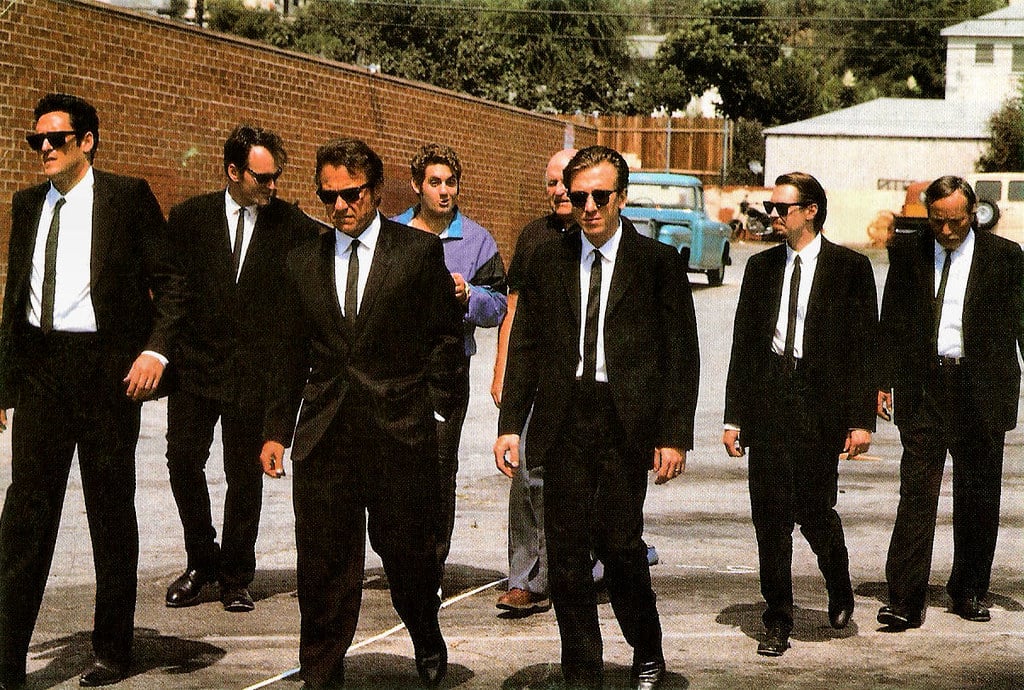
Reservoir Dogs didn’t make much money when it first came out. It earned around $2.9 million against a very small budget.
But calling it unsuccessful would be a serious mistake. Quentin Tarantino’s debut premiered at the Sundance Film Festival and immediately created a stir.
Empire magazine later named it the greatest independent film ever made. The film’s true impact wasn’t measured in opening-weekend grosses — it was measured in how many filmmakers it inspired to pick up a camera and try something bold.
Reservoir Dogs put nonlinear storytelling, sharp dialogue, and a darkly funny take on violence front and center. It proved that an indie film could be stylish, quotable, and genuinely exciting without spending big money.
After Tarantino followed it up with Pulp Fiction two years later, the film’s reputation only grew. Today, it’s considered one of the most influential debuts in the history of American cinema.
The movie that made indie cinema cool: Pulp Fiction (1994)
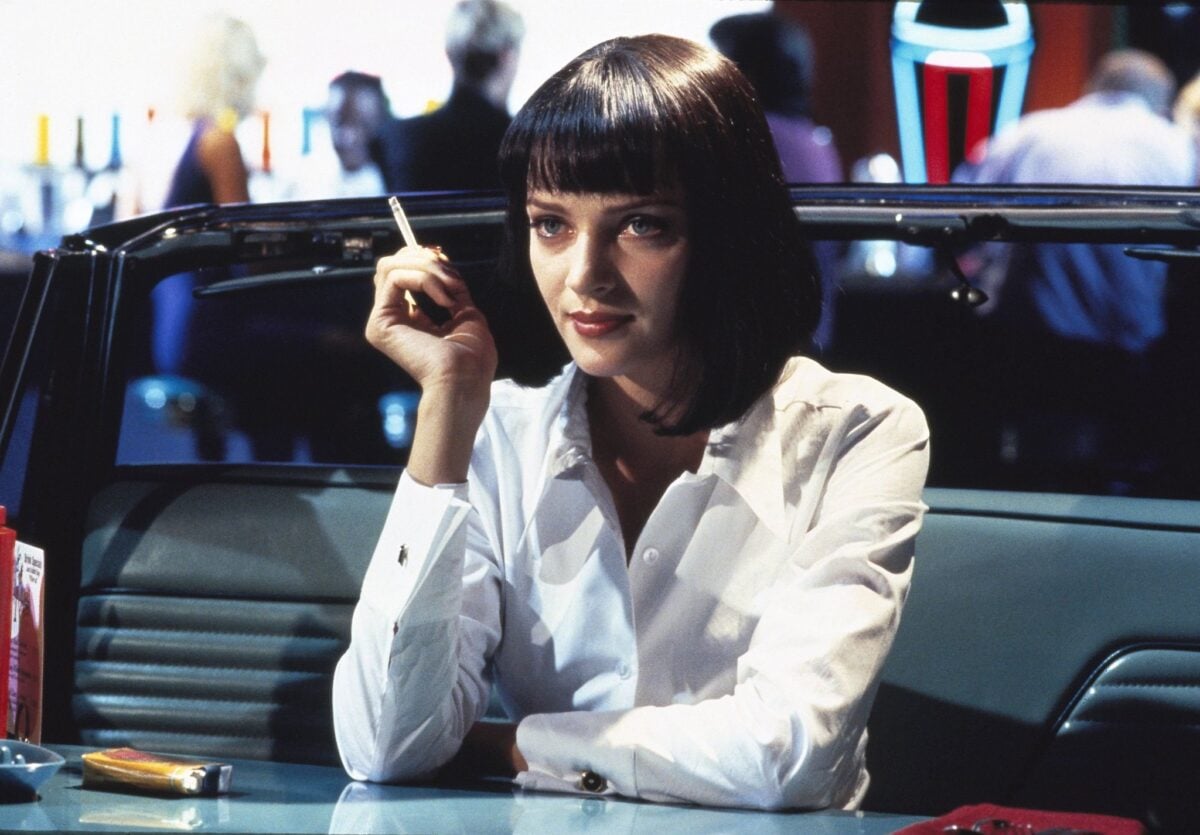
If Reservoir Dogs opened the door, Pulp Fiction kicked it wide open. Made for about $8 million, it grossed over $200 million worldwide and won the Palme d’Or at the Cannes Film Festival.
It also took home the Oscar for Best Original Screenplay. Pulp Fiction is the film that proved independent movies could compete with anything Hollywood’s biggest studios were putting out.
It revived John Travolta’s career, turned Samuel L. Jackson into one of the most recognizable actors on the planet, and spawned an entire wave of crime films that borrowed its energy and style.
The film’s influence goes far beyond box office numbers. Its dialogue became part of the cultural vocabulary. Its mix of humor, violence, and pop-culture references created a template that filmmakers are still working from.
For a lot of people, Pulp Fiction is the moment when indie cinema stopped being a niche interest and became something everyone wanted to be a part of.
The underdog comedy nobody saw coming: The Full Monty (1997)
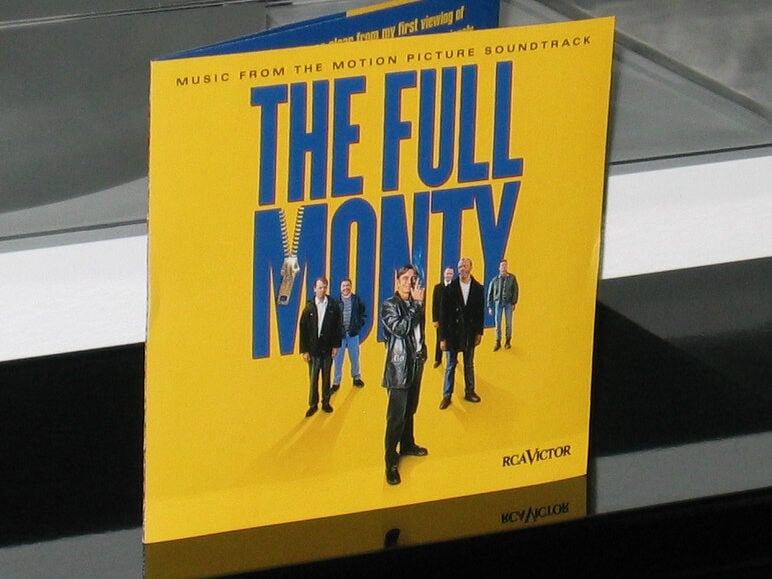
The Full Monty arrived quietly. It was a British comedy about six unemployed men in Sheffield who decided to form a stage act to make ends meet.
Not exactly the kind of premise that generates massive buzz. Audiences responded to it in a big way.
The film earned well over $100 million worldwide on a budget of just $3.5 million. It became a cultural phenomenon in Britain and found a surprisingly large audience internationally.
What made The Full Monty work was its honesty. The story tackled issues like masculinity, unemployment, and self-worth with humor and real tenderness.
It didn’t try to be anything other than what it was — a funny, surprisingly moving film about regular people dealing with hard times. That’s a formula that rarely gets greenlit by major studios, which is exactly why it worked so well as an indie.
The script two unknowns wrote in a garage: Good Will Hunting (1997)
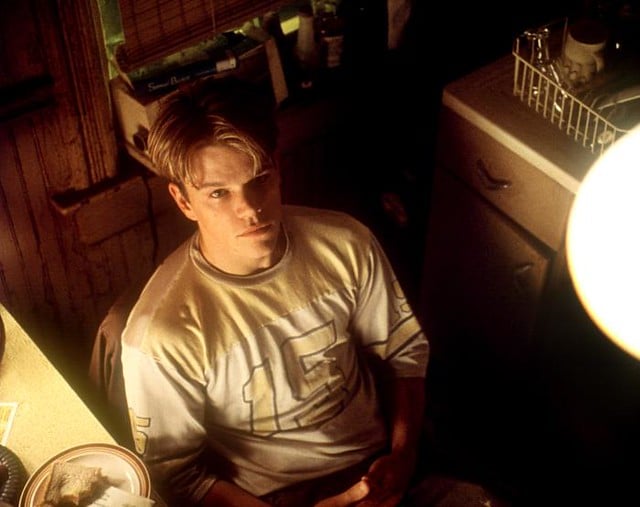
Matt Damon and Ben Affleck wrote Good Will Hunting when they were in their early twenties with no real credits to speak of. They shopped the script around for years before it finally got made on a budget of $10 million.
The film earned over $225 million worldwide and won two Academy Awards — Best Supporting Actor for Robin Williams and Best Original Screenplay for Damon and Affleck. Williams’ performance became one of the most quoted and beloved in film history.
Good Will Hunting is a textbook case of what happens when a great script finds the right hands. The story of a troubled young genius finding his way resonated with audiences across every demographic.
It also proved that you didn’t need an all-star cast or a massive budget to tell a story people genuinely cared about.
The marketing campaign that fooled an entire country: The Blair Witch Project (1999)
The Blair Witch Project was made for somewhere between $60,000 and $200,000 — estimates vary. It earned close to $250 million worldwide. That ratio is almost impossible to beat in the history of filmmaking.
The real story behind Blair Witch was the marketing. The filmmakers released almost no information about the movie before it came out.
They even listed the three lead actors as missing and presumed dead on IMDb. People walked into theaters genuinely unsure whether what they were watching was real.
The found-footage format that Blair Witch popularized went on to spawn dozens of imitators. It also proved something important about how films could be promoted in the early days of the internet.
Word of mouth and mystery, it turned out, could be more effective than any traditional marketing campaign with a big budget behind it.
The rom-com that nobody expected to matter: My Big Fat Greek Wedding (2002)
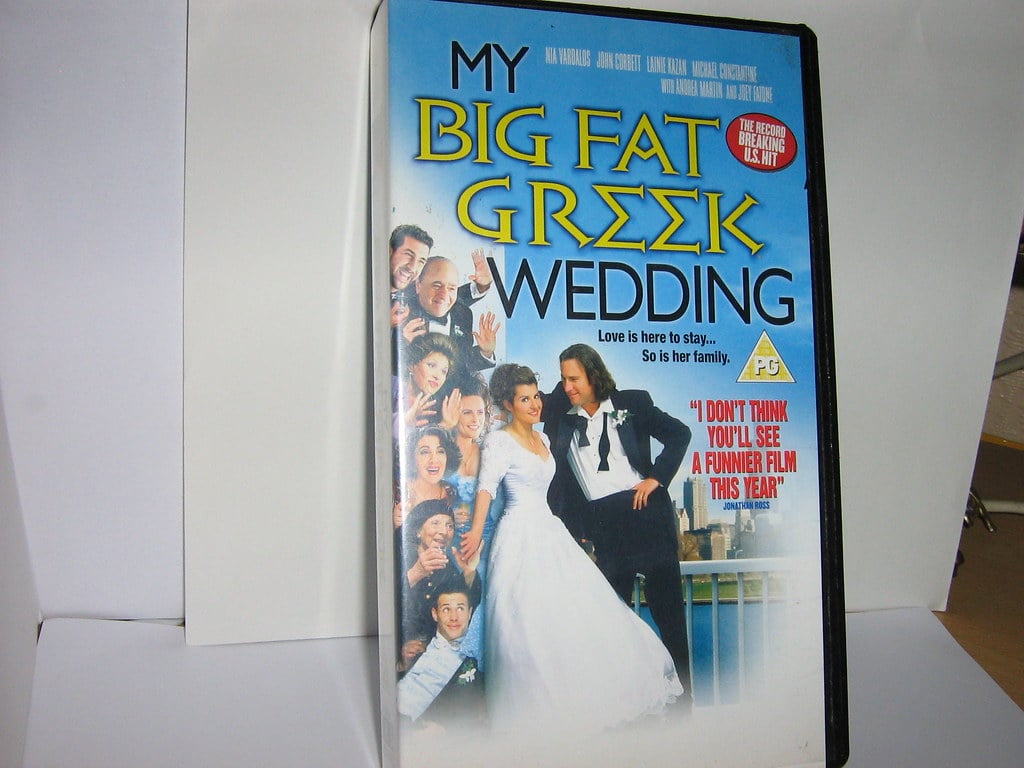
Nia Vardalos developed My Big Fat Greek Wedding from a one-woman comedy show she performed in Toronto. The film was released through an indie distributor with almost no marketing budget and an almost entirely unknown cast.
It grossed over $368 million worldwide on a budget of $5 million. That makes it the highest-grossing independent romantic comedy in history — a record it still holds today.
The story of a Greek-Canadian woman navigating the chaos of falling in love outside her family’s cultural expectations was funny, warm, and specific enough to feel deeply personal. But it also connected with audiences everywhere.
Vardalos earned an Oscar nomination for Best Original Screenplay. My Big Fat Greek Wedding proved that a sharp, heartfelt script could carry a movie entirely on its own.
The highest-grossing independent film ever made: The Passion of the Christ (2004)
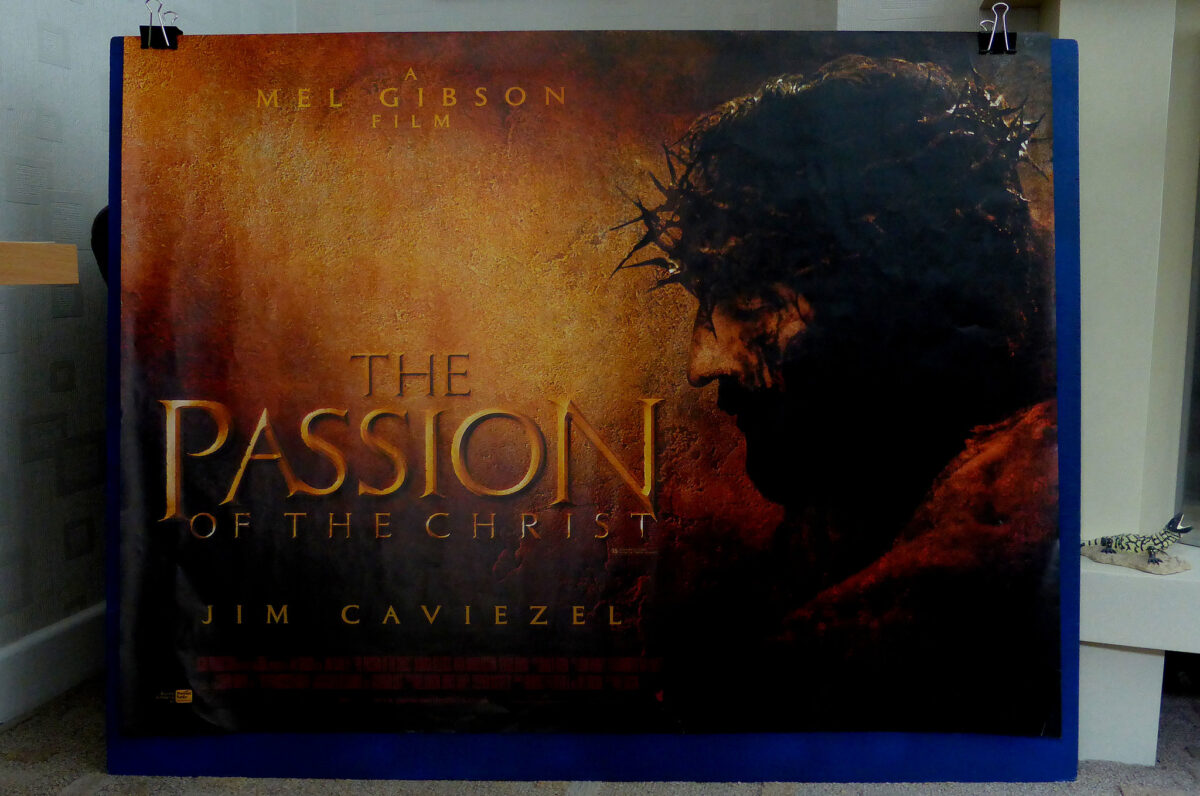
Mel Gibson financed The Passion of the Christ himself. No major studio would touch it.
The film, which depicts the final hours of Jesus Christ’s life, was shot entirely in ancient languages with no subtitles for much of the dialogue. Every instinct in Hollywood told Gibson this was a terrible idea.
The film grossed over $900 million worldwide on a budget of $25 million. It remains the highest-grossing independent film in history — and it isn’t particularly close.
It generated an enormous amount of conversation, controversy, and debate, which only seemed to drive more people into theaters. Whatever your feelings about the subject matter, the film is an extraordinary case study in what can happen when a filmmaker believes in a project enough to fund it alone, without a studio’s safety net.
The family road trip that won everyone over: Little Miss Sunshine (2006)
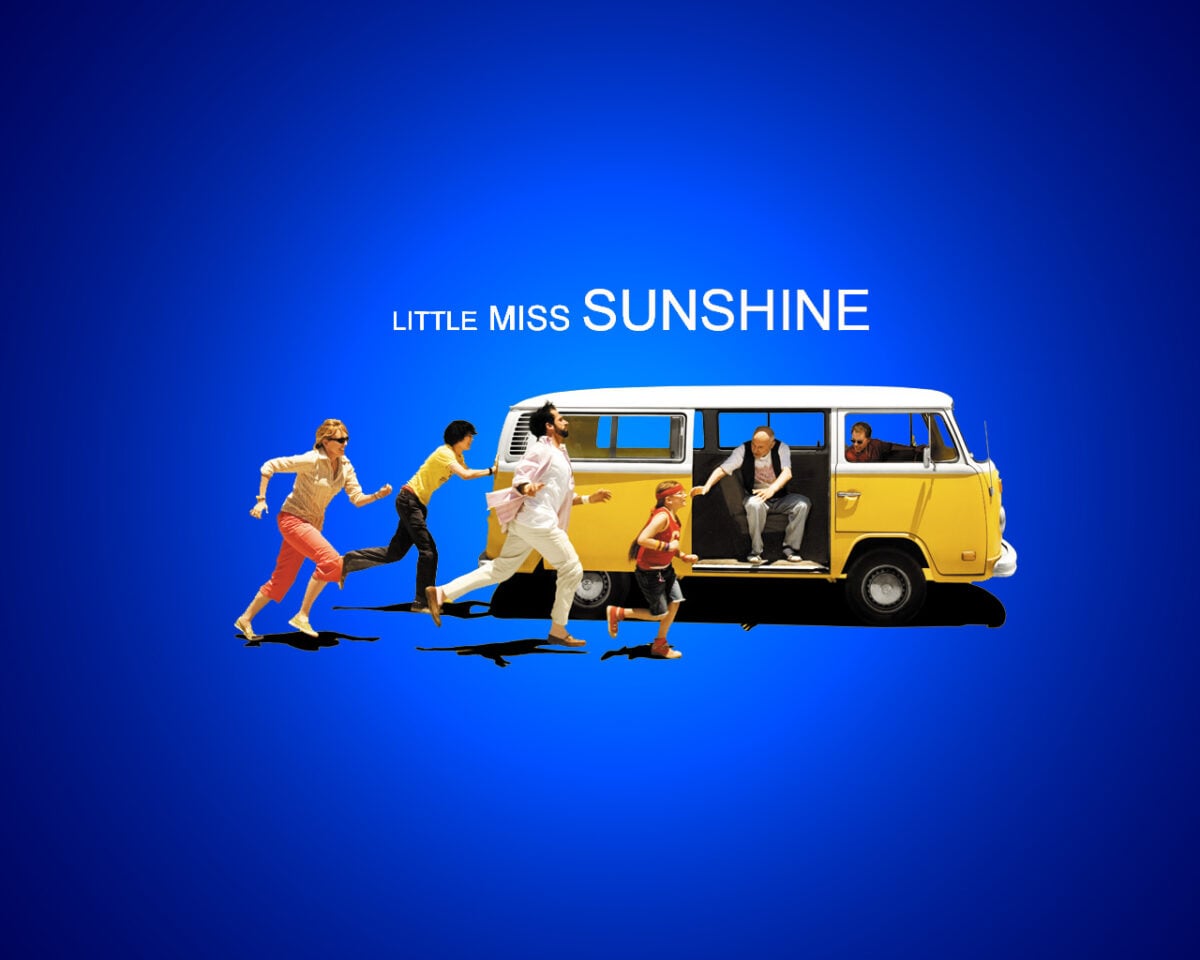
Little Miss Sunshine was rejected by dozens of studios before it finally found a distributor. It was made for $8 million, and for a long time it looked like it might simply disappear.
Instead, it became one of the most beloved indie films of the decade. The movie earned over $100 million worldwide and won two Academy Awards — Best Original Screenplay and Best Supporting Actor for Alan Arkin.
More importantly, it became the kind of film people discovered on their own and immediately told their friends about. The story of a dysfunctional family driving across the country for a child beauty pageant sounds simple on paper.
But the writing was so sharp and the performances so good that it turned into something genuinely special. Little Miss Sunshine is a reminder that sometimes the films with the smallest budgets have the biggest hearts.
The story that almost never reached theaters: Slumdog Millionaire (2008)

Danny Boyle’s Slumdog Millionaire was made for $15 million and was nearly released straight to television. The company that backed it, Film4, was a small independent outfit.
At one point, the film was considered too obscure for a wide theatrical run. It grossed over $377 million worldwide and won eight Academy Awards, including Best Picture and Best Director.
The story of a young man from the slums of Mumbai who ends up on a game show became one of the most talked-about films in years. Slumdog Millionaire is proof that the right story, told with enough energy and heart, can reach audiences anywhere in the world — no matter where it was made or how much it cost to produce.
The horror film that started a national conversation: Get Out (2017)

Starting out strong, Jordan Peele stepped into filmmaking by writing and directing Get Out. A tight budget of 4.5 million shaped how things unfolded on set. Filming wrapped fast – only 23 days passed before they were done.
Money poured in later, topping 255 million globally. Profit-wise, it stood alone throughout 2017.
Not every detail shows up in statistics. A wave of attention followed Get Out, spreading fast.
Conversations grew around its look at race, selfhood, others’ hidden judgments behind friendly faces – talk filled cafes, offices, online spaces. Symbols from scenes people hadn’t expected became common references everywhere.
That script award went to Peele; history noted it – he made the list alone as the first African American winner there. A hit can also make you question things.
Jordan Peele’s Get Out showed horror does not have to choose between scaring audiences and making sharp points about race. One moment it grips your nerves, next it nudges uncomfortable truths into view.
Not every movie dares that balance. This one did – quietly, powerfully.
Thought followed fear without feeling forced.
When the budget doesn’t matter

A twist runs through these movies, though probably not the kind you’re thinking of. Not every story here began with spare change.
Luck didn’t carry each one across the line. Something quieter ties them together – trickier to name.
Every one of these movies carried a message, yet delivered it unlike anything viewers had come across earlier. A few rewrote what genre films could be.
Others kicked off acting journeys stretching long past their release dates. Several started debates people kept having well into the future.
Each managed this without big film companies shaping how the tale unfolded. Here’s where most get it wrong about breakout indie films.
Money spent matters less than you think. Lasting impact comes from the tale told.
More from Go2Tutors!

- The Romanov Crown Jewels and Their Tragic Fate
- 13 Historical Mysteries That Science Still Can’t Solve
- Famous Hoaxes That Fooled the World for Years
- 15 Child Stars with Tragic Adult Lives
- 16 Famous Jewelry Pieces in History
Like Go2Tutors’s content? Follow us on MSN.