15 Major Movies You Didn’t Realize Were Remakes
Hollywood loves to tout its originality, but scratch beneath the surface of many beloved films and you’ll find they’re actually reimagined versions of earlier works.
Some of these remakes are so well-crafted or culturally significant that they’ve completely overshadowed their predecessors. Others drew inspiration from foreign films, classic literature adaptations, or even earlier Hollywood productions that time forgot.
The result is a landscape where some of cinema’s most celebrated “original” stories are actually sophisticated retellings.
The Magnificent Seven
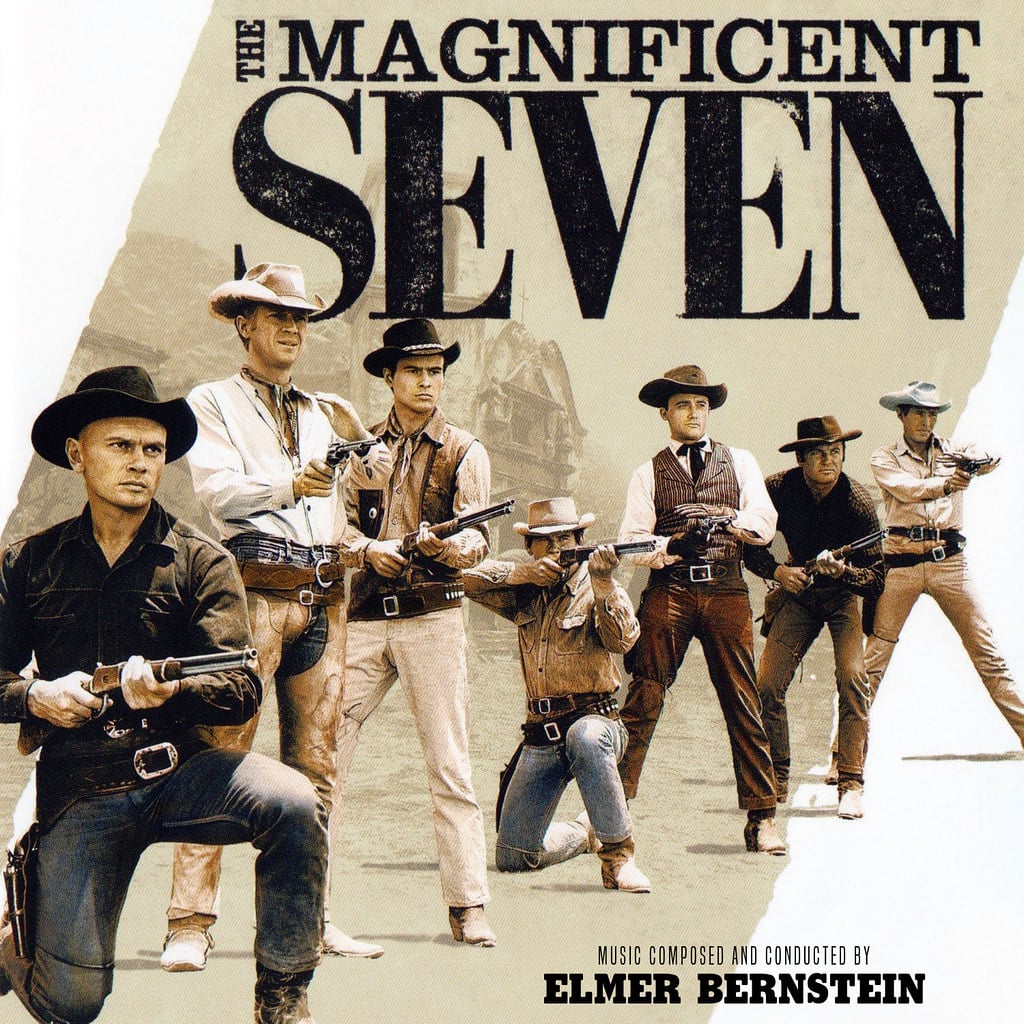
John Sturges took Akira Kurosawa’s “Seven Samurai” and transplanted it to the American West.
Same basic premise: hired guns protecting a village from bandits.
The 1960 version became a classic Western in its own right.
A Fistful Of Dollars
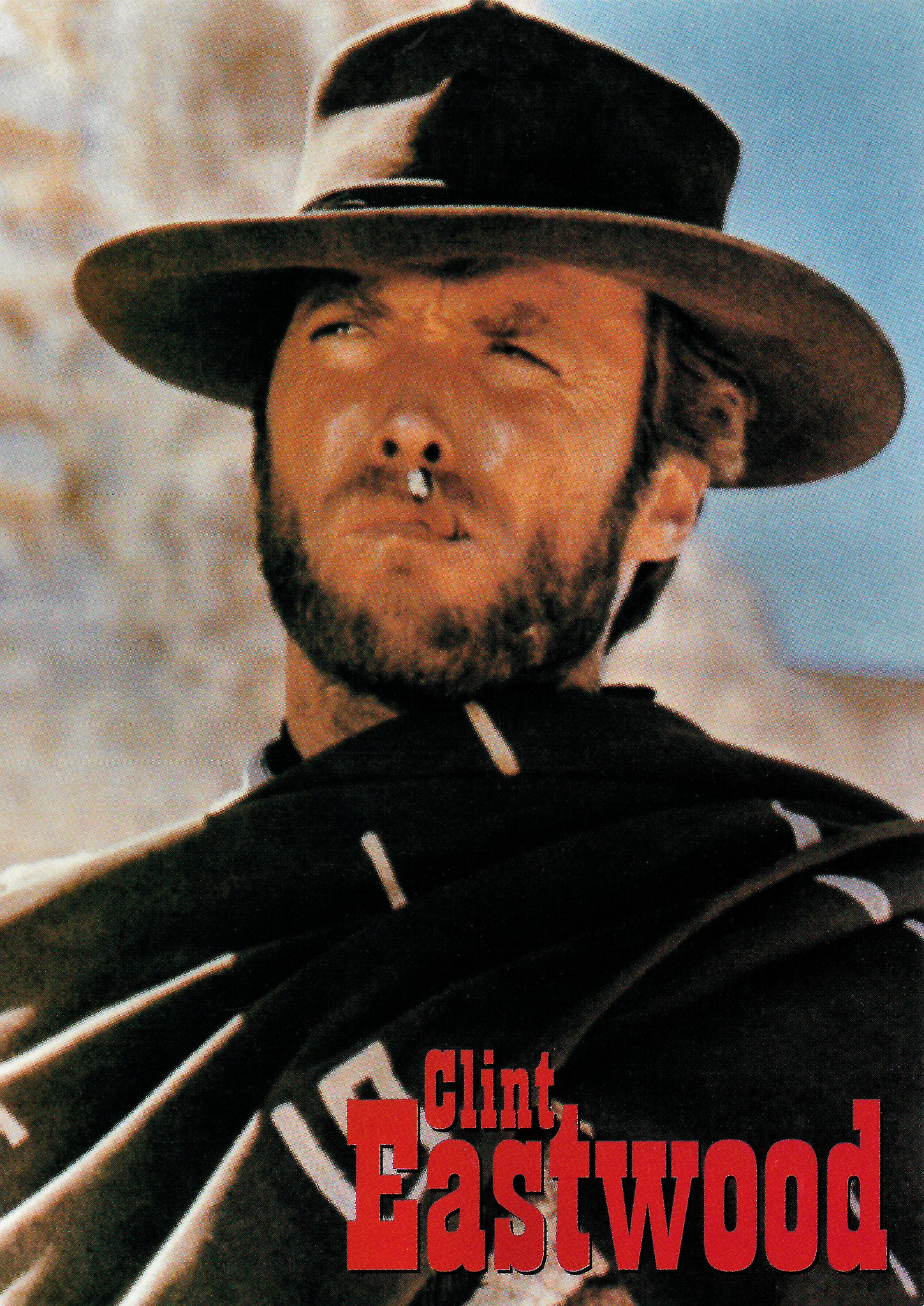
Sergio Leone essentially remade “Yojimbo” without telling Kurosawa about it first (which led to some legal complications later).
Clint Eastwood’s Man with No Name follows the same plot as Toshiro Mifune’s ronin — playing two rival factions against each other in a dusty town.
Leone just swapped samurai swords for six-shooters and created the spaghetti Western genre in the process.
Scarface
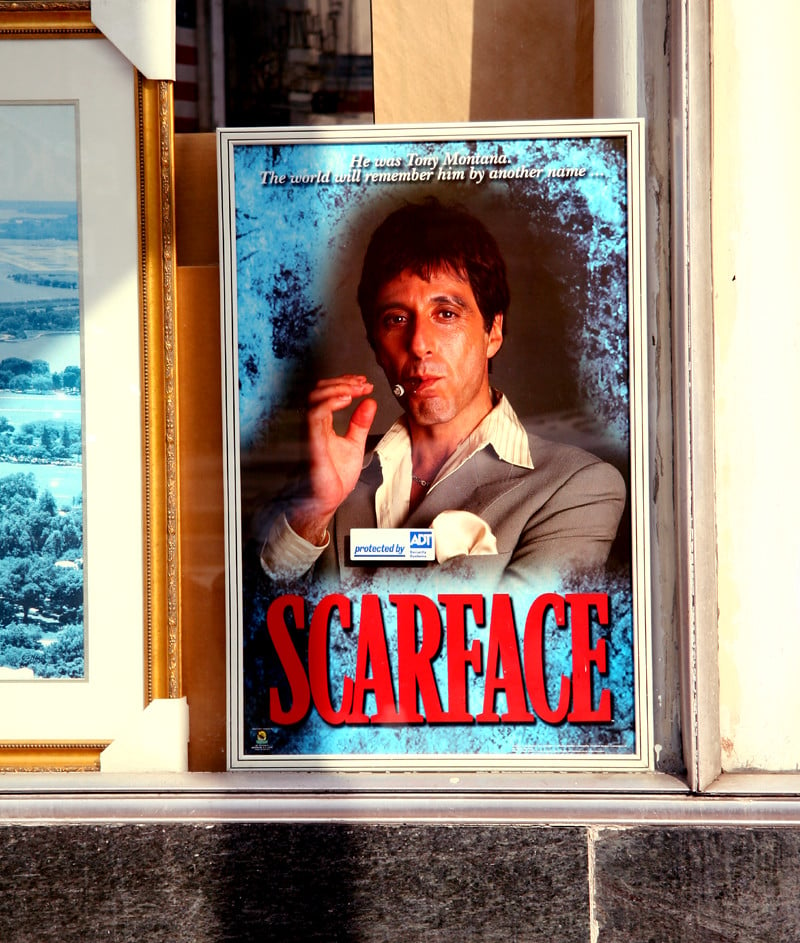
When people think of “Scarface,” they picture Al Pacino’s Tony Montana and his cocaine empire in 1980s Miami, but Brian De Palma’s film was actually remaking Howard Hawks’ 1932 gangster picture of the same name.
The original followed a Prohibition-era bootlegger (loosely based on Al Capone) who rises and falls in Chicago’s underworld — and while the settings, time periods, and substances differ dramatically, the fundamental story arc remains remarkably similar: an ambitious immigrant climbs the criminal ladder through violence and excess, only to watch his empire crumble as paranoia and hubris consume him (the brothers-in-law subplot, the sister’s tragic fate, even the “say hello to my little friend” moment all echo the original).
But De Palma’s version became so iconic that most viewers have no idea they’re watching a remake. Fair enough.
The Departed
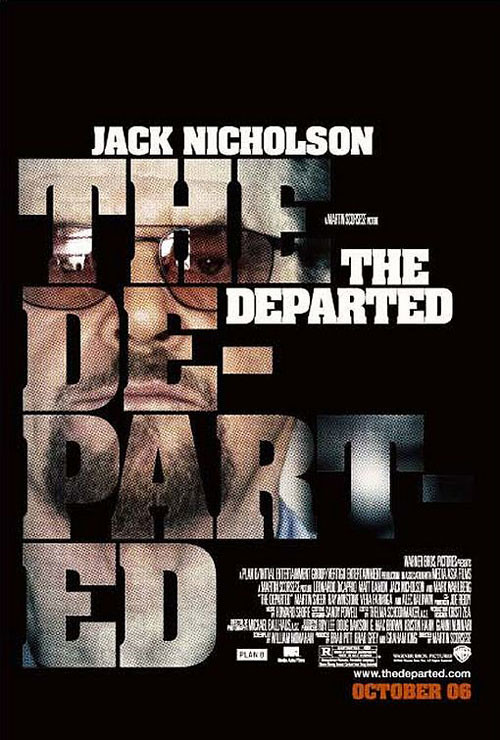
Scorsese lifted this one directly from the Hong Kong thriller “Infernal Affairs.”
The double-agent premise — cop infiltrating the mob, mobster infiltrating the police — stays identical.
Even some of the key plot beats match exactly.
Heat
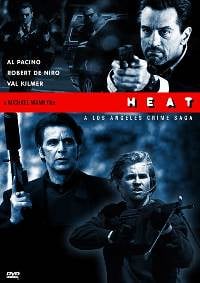
This feels like observing a chess master replaying a game they almost won years earlier, studying each move with the patience that comes from knowing exactly where the mistakes were made.
Michael Mann had already told this story once before in a 1989 television movie called “L.A. Takedown” — the same cat-and-mouse dynamic between a meticulous bank robber and the detective who understands him too well, the same careful choreography of professional criminals planning one last score while law enforcement closes in.
But where the TV version felt hurried, constrained by smaller ambitions, “Heat” became something altogether more patient and deliberate.
The story stretched out like a long afternoon shadow, allowing De Niro and Pacino to inhabit their roles with the weight of lived experience rather than rushing toward the inevitable confrontation.
Vanilla Sky
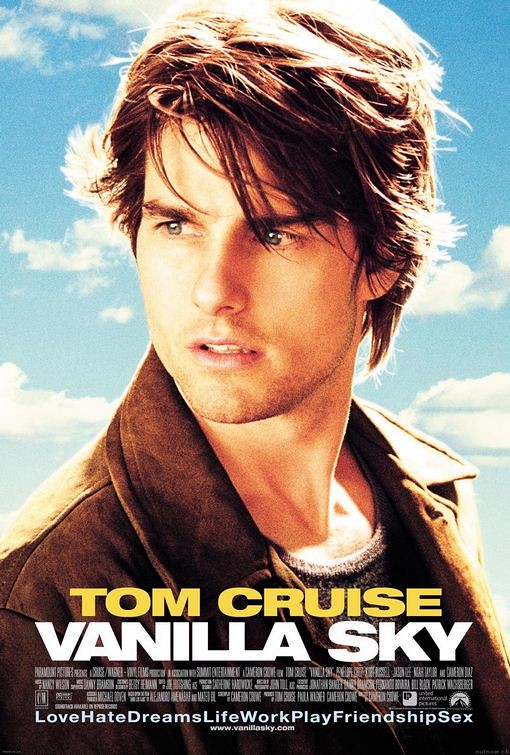
Cameron Crowe remade Alejandro Amenábar’s “Open Your Eyes” almost scene for scene.
The Spanish original explored the same themes of reality, identity, and perception through a similar plot involving a disfigured man questioning what’s real and what isn’t.
The Ring
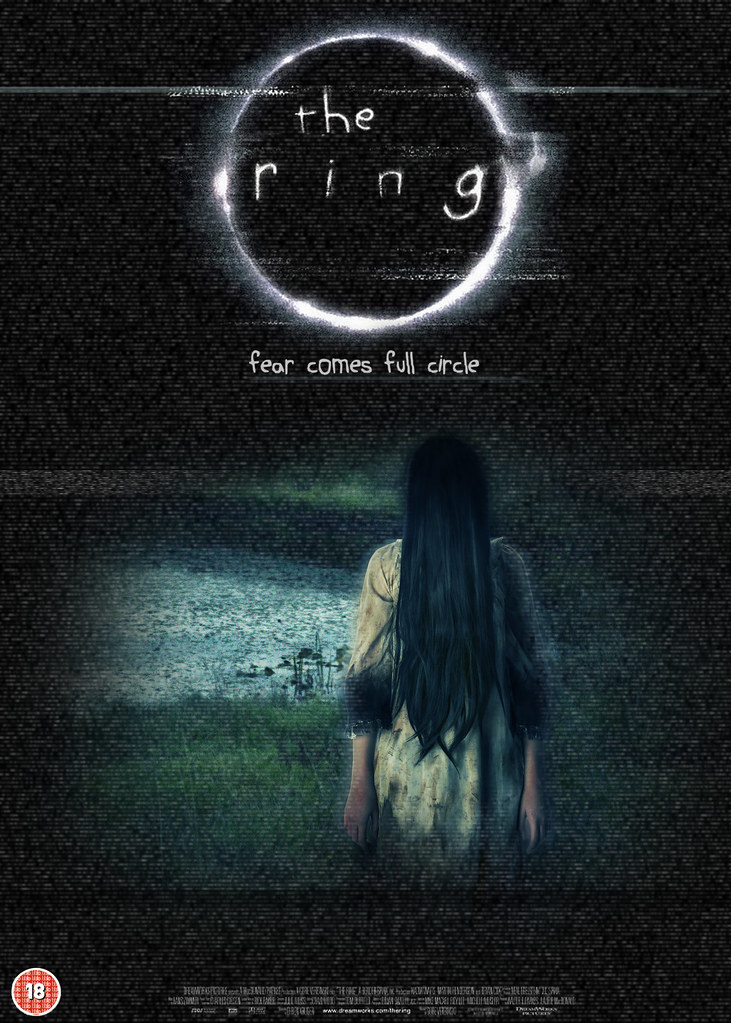
Hollywood has a habit of taking successful Asian horror films and giving them the American treatment, but Gore Verbinski’s version of “Ringu” actually managed to be genuinely terrifying on its own terms — which is saying something, considering how effectively creepy the Japanese original was.
The cursed videotape concept remained intact, but Verbinski added his own atmospheric touches that made the story feel native to the Pacific Northwest rather than simply transplanted.
The seven-day countdown structure works just as well in either version, though the American remake leaned harder into the investigative journalism angle.
Some Like It Hot

Billy Wilder adapted a 1935 French film called “Fanfare of Love.”
The basic setup — two male musicians disguising themselves as women to escape trouble — came straight from the original.
Wilder just moved the setting to Prohibition-era America and added his signature wit.
The Birdcage
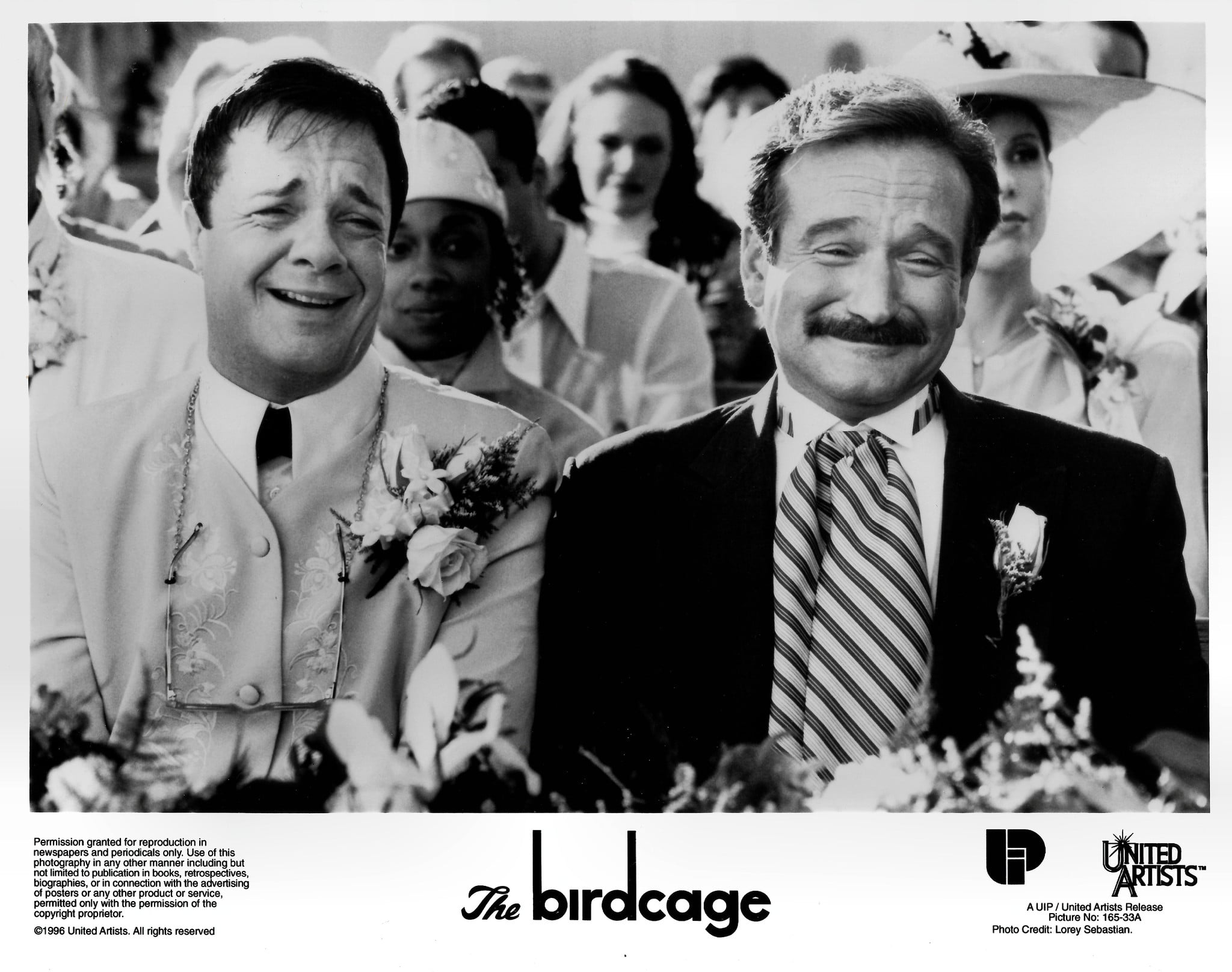
There’s something almost theatrical about watching Mike Nichols take Édouard Molinaro’s “La Cage aux Folles” and carefully translate not just its plot but its entire sensibility for American audiences, like watching a beloved play adapted for a different stage with new actors who somehow capture the same essential spirit.
The French original had already perfected the delicate balance between farce and genuine emotion — a gay couple trying to present as traditionally conservative to impress their son’s fiancée’s uptight parents.
Nichols understood that the story’s heart lay not in the drag performances or the mistaken identities, but in the deeper questions about family, authenticity, and the lengths people go to protect the ones they love.
Robin Williams and Nathan Lane inhabited their roles with the same mixture of flamboyance and tenderness that made the original work, but they brought distinctly American rhythms to the comedy.
Dirty Rotten Scoundrels
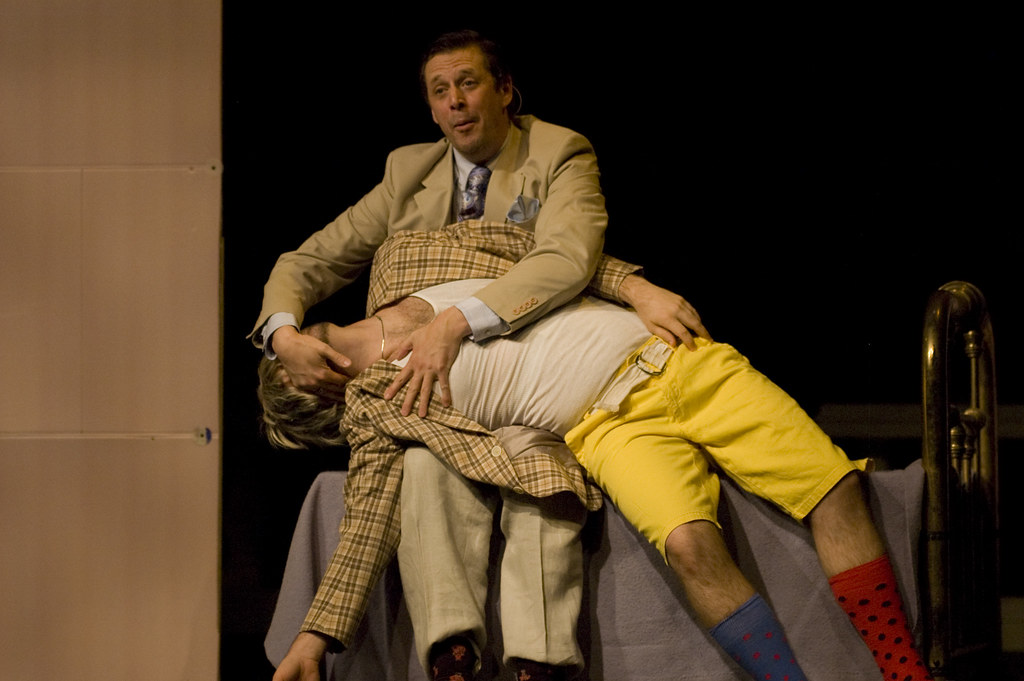
Frank Oz remade “Bedtime Story,” a 1964 comedy starring David Niven and Marlon Brando as competing con men targeting wealthy women on the French Riviera.
The Steve Martin and Michael Caine version follows the same plot structure, including the bet over who can swindle a particular mark first.
Ocean’s Eleven
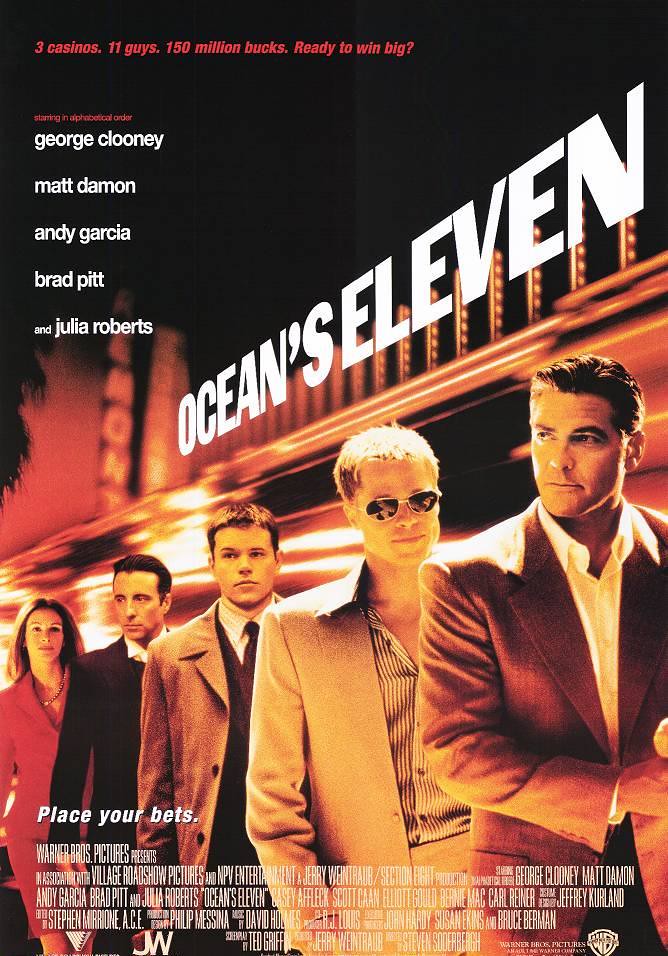
Steven Soderbergh’s slick heist film was actually a remake of the 1960 Rat Pack vehicle starring Frank Sinatra, Dean Martin, and Sammy Davis Jr.
The original focused on World War II veterans robbing five Las Vegas casinos simultaneously on New Year’s Eve.
Soderbergh kept the basic premise but updated everything else — the technology, the target (three casinos instead of five), and the entire aesthetic.
The Rat Pack version felt like watching friends hang out and occasionally remember they were supposed to be making a movie. Soderbergh’s version treated the heist like a precision instrument.
3:10 To Yuma
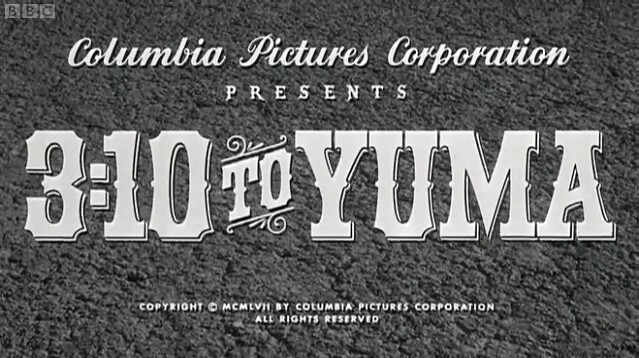
James Mangold’s 2007 Western starring Russell Crowe and Christian Bale was a remake of Delmer Daves’ 1957 film with Glenn Ford and Van Heflin.
Both films adapted the same Elmore Leonard short story about a rancher escorting a captured outlaw to catch a train to prison.
True Grit
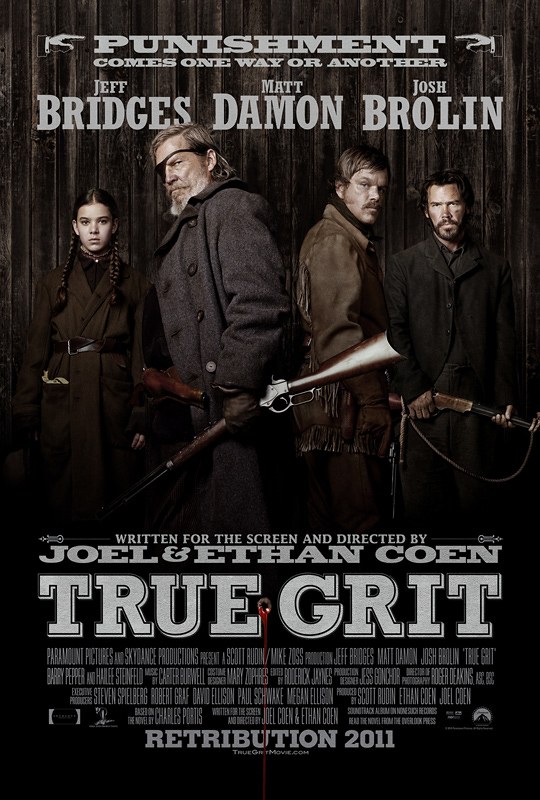
The Coen Brothers took on the 1969 John Wayne vehicle, though both films adapted Charles Portis’ novel rather than one remaking the other directly.
Still, the Coens were clearly aware of the earlier film’s iconic status when they cast Jeff Bridges as Rooster Cogburn and shifted the focus more heavily onto Hailee Steinfeld’s Mattie Ross.
The dialogue hews closer to Portis’ original prose, which gives the remake a more literary texture than Wayne’s version.
But the essential story remains the same: a determined teenage girl hires a hard-drinking U.S. Marshal to track down her father’s killer in Indian Territory.
Both films understand that Mattie’s unwavering sense of justice drives everything else.
Insomnia
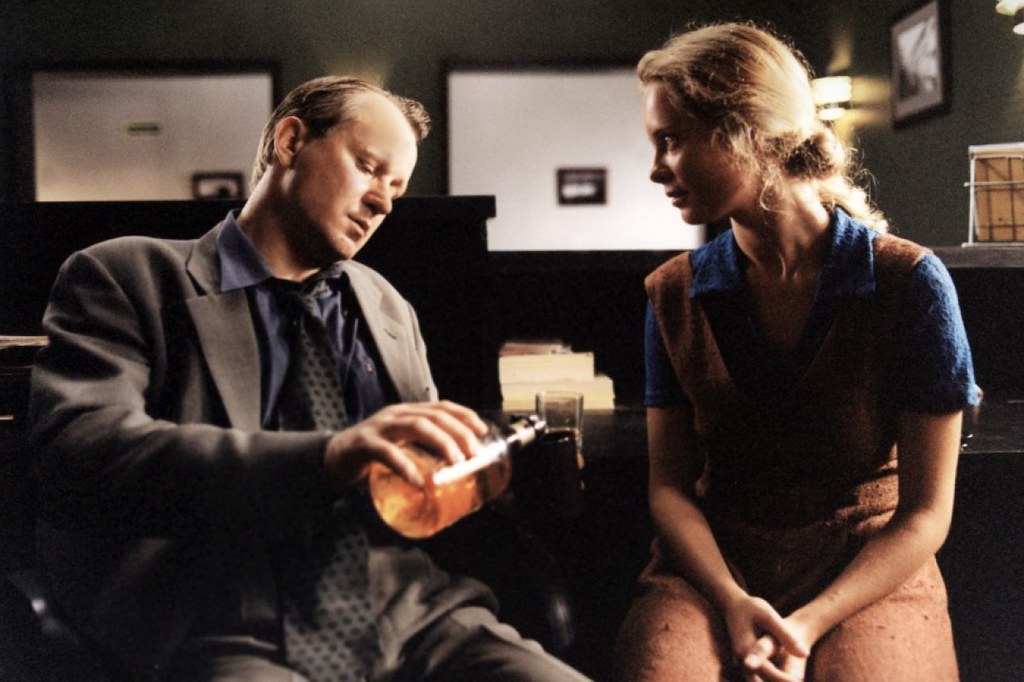
Christopher Nolan remade Erik Skjoldbjærg’s 1997 Norwegian thriller about a detective investigating a murder in a town where the sun never sets.
The sleeplessness caused by constant daylight becomes both literal and metaphorical as the protagonist’s moral compass deteriorates.
Nolan moved the setting from Norway to Alaska and cast Al Pacino and Robin Williams, but kept the psychological deterioration at the story’s center.
The Thomas Crown Affair
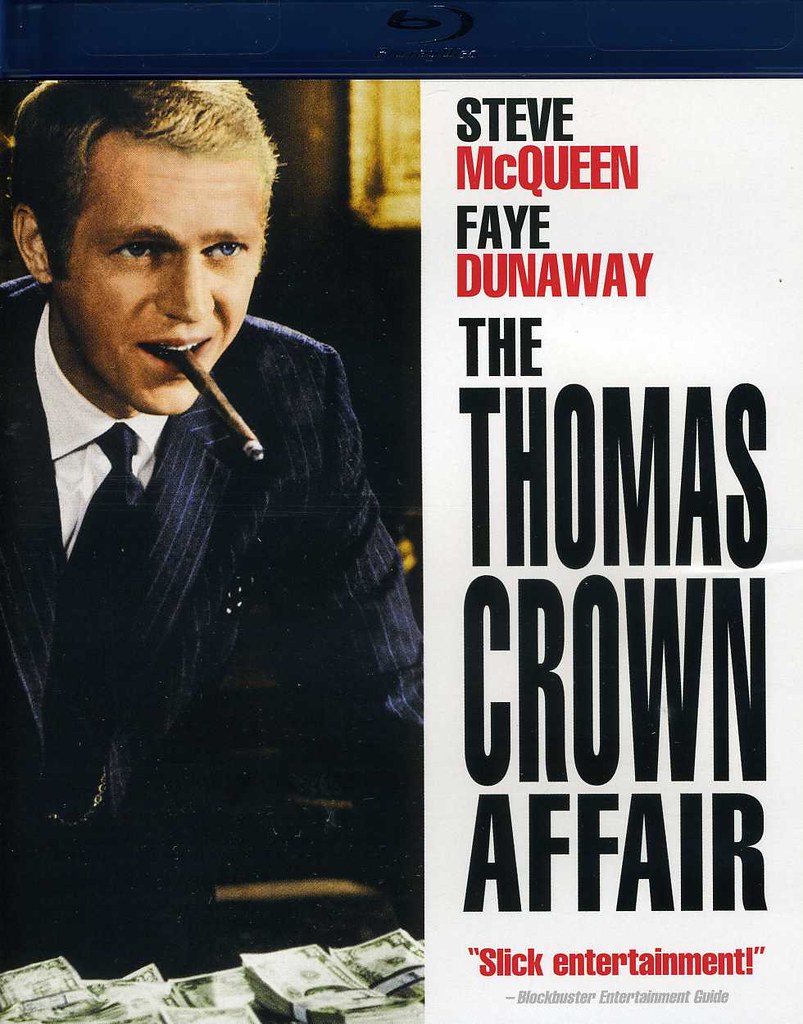
There’s something fitting about a movie centered on art theft being itself a kind of sophisticated appropriation, taking Norman Jewison’s 1968 original and polishing it into something that feels both familiar and entirely new.
John McTiernan’s 1999 version starring Pierce Brosnan and Rene Russo follows the same essential template — wealthy, bored businessman commits elaborate heist, sharp insurance investigator pursues him, intimate tension complicates everything.
But where Steve McQueen’s Crown felt detached and almost clinical in his approach to both crime and romance, Brosnan brought a warmer, more playful energy to the role.
The chess game between investigator and suspect plays out through gallery openings and museum heists instead of boardrooms and race tracks, but the fundamental dynamic remains: two professionals who recognize something in each other that makes the usual rules feel suddenly negotiable.
When Remakes Become Legends

The best remakes don’t just copy their sources — they find new ways into familiar stories, bringing different cultural perspectives or updated sensibilities that make old narratives feel immediate again.
Some of these films became so culturally significant that they’ve essentially replaced their predecessors in the public consciousness. Others stand alongside their originals as complementary works, each offering something the other cannot.
Either way, they remind us that great stories have a way of demanding to be told again, finding new voices and new contexts that reveal different facets of the same enduring themes.
More from Go2Tutors!

- The Romanov Crown Jewels and Their Tragic Fate
- 13 Historical Mysteries That Science Still Can’t Solve
- Famous Hoaxes That Fooled the World for Years
- 15 Child Stars with Tragic Adult Lives
- 16 Famous Jewelry Pieces in History
Like Go2Tutors’s content? Follow us on MSN.