Design Ideas That Improved Comfort
Comfort affects your daily life – how chairs feel, rooms seem, even how tools fit in hand – way more than folks usually notice. A tiny tweak in shape or layout might turn a frustrating moment into one you enjoy without noticing.
Good comfort fixes stay out of sight; they simply help, slipping into the background while everything runs smoother.
Imagine when you last slumped into a chair that just fit right, or grabbed a gadget that felt natural to hold. It wasn’t luck.
Some person saw an issue, tried fixes, then tweaked till it faded quietly into your day. Most upgrades like this pop up by watching real behavior – how folks do stuff – not guesses on how they ought to.
What’s missing between idea and reality? That opening is where smarter, comfier designs are born.
The Angled Keyboard Tray
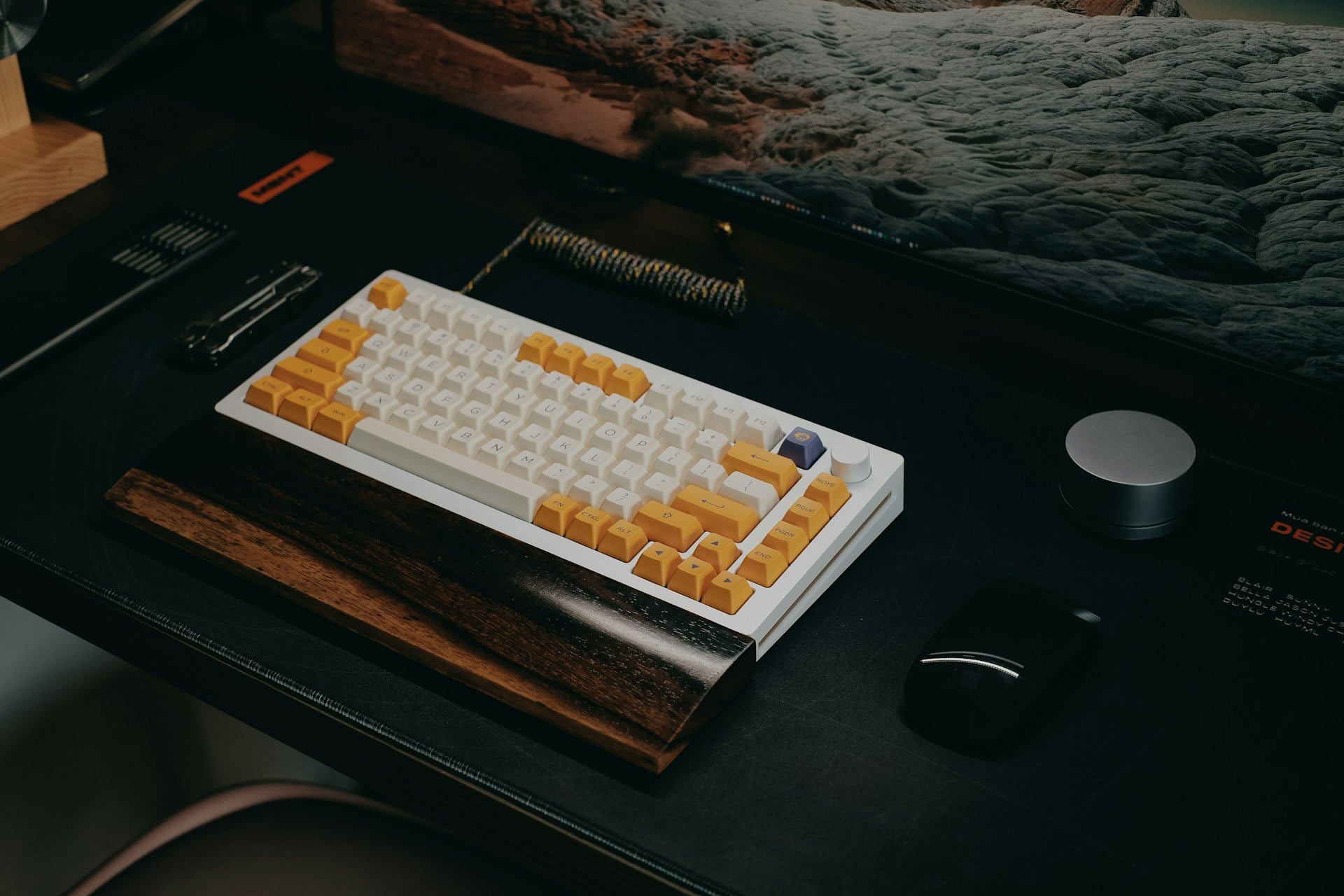
Flat keyboards force your wrists into awkward positions all day long. The simple addition of a negative tilt—where the keyboard slopes gently downward away from you—changed how millions of people type.
Your wrists stay neutral instead of bent upward, and that small adjustment reduces strain across your entire arm. The design costs almost nothing to implement, but the payoff in reduced fatigue adds up over hours of use.
Most keyboards come with feet that prop up the back, creating the opposite effect. That positive tilt makes the keys easier to see but forces your wrists to bend upward constantly.
Office workers who type for hours discovered this creates tension through the forearms and into the shoulders. The negative tilt solves this by keeping your hands in line with your forearms, the way they naturally hang when relaxed.
Keyboard trays that mount under desks make this adjustment simple, dropping the keyboard to the right height and angle in one move.
Curved Shower Rods
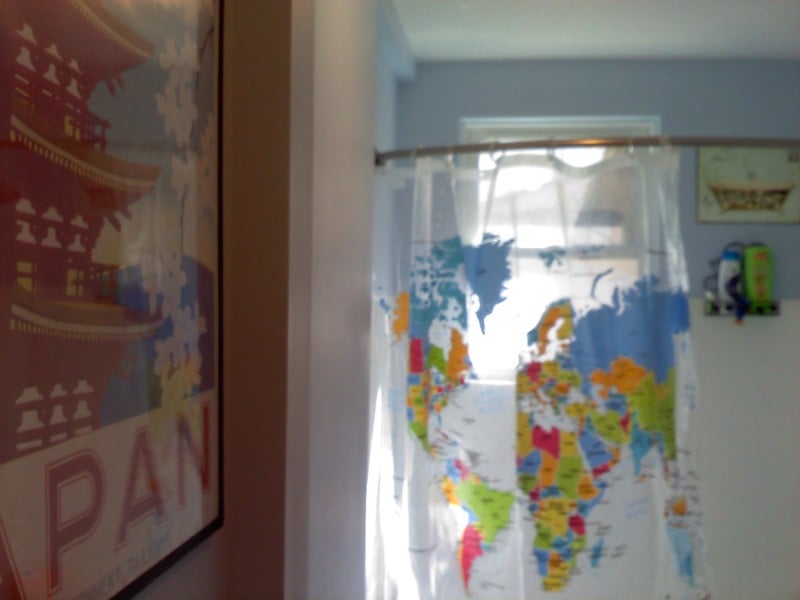
Standard shower curtains stick to you when you’re trying to wash. A curved rod that bows outward creates several extra inches of space without requiring a bathroom remodel.
You get room to move, the curtain stays where it belongs, and the whole shower feels larger. This works because it changes the geometry without changing the footprint.
The physics behind curtain cling involves air pressure differences created by running water. Hot water generates air currents that push the curtain inward, and there’s nothing to hold it back with a straight rod.
The curved design adds distance between you and the curtain at the point where you need it most—around your shoulders and midsection. Hotels figured this out first, installing curved rods to make standard tubs feel more spacious.
The home market followed once people realized they could get the same upgrade without tearing out tile or moving plumbing.
Contoured Pillows
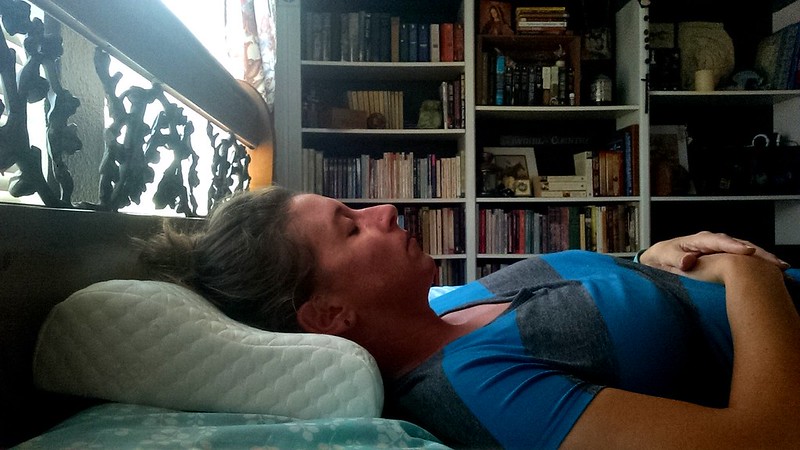
Your neck doesn’t form a straight line when you sleep. Traditional flat pillows force you to choose between too much support or too little, leaving you adjusting all night.
Contoured pillows with a depression in the center and raised edges support your head while letting your neck settle into proper alignment. The shape matches your anatomy instead of fighting it.
Stadium-Style Classroom Seating
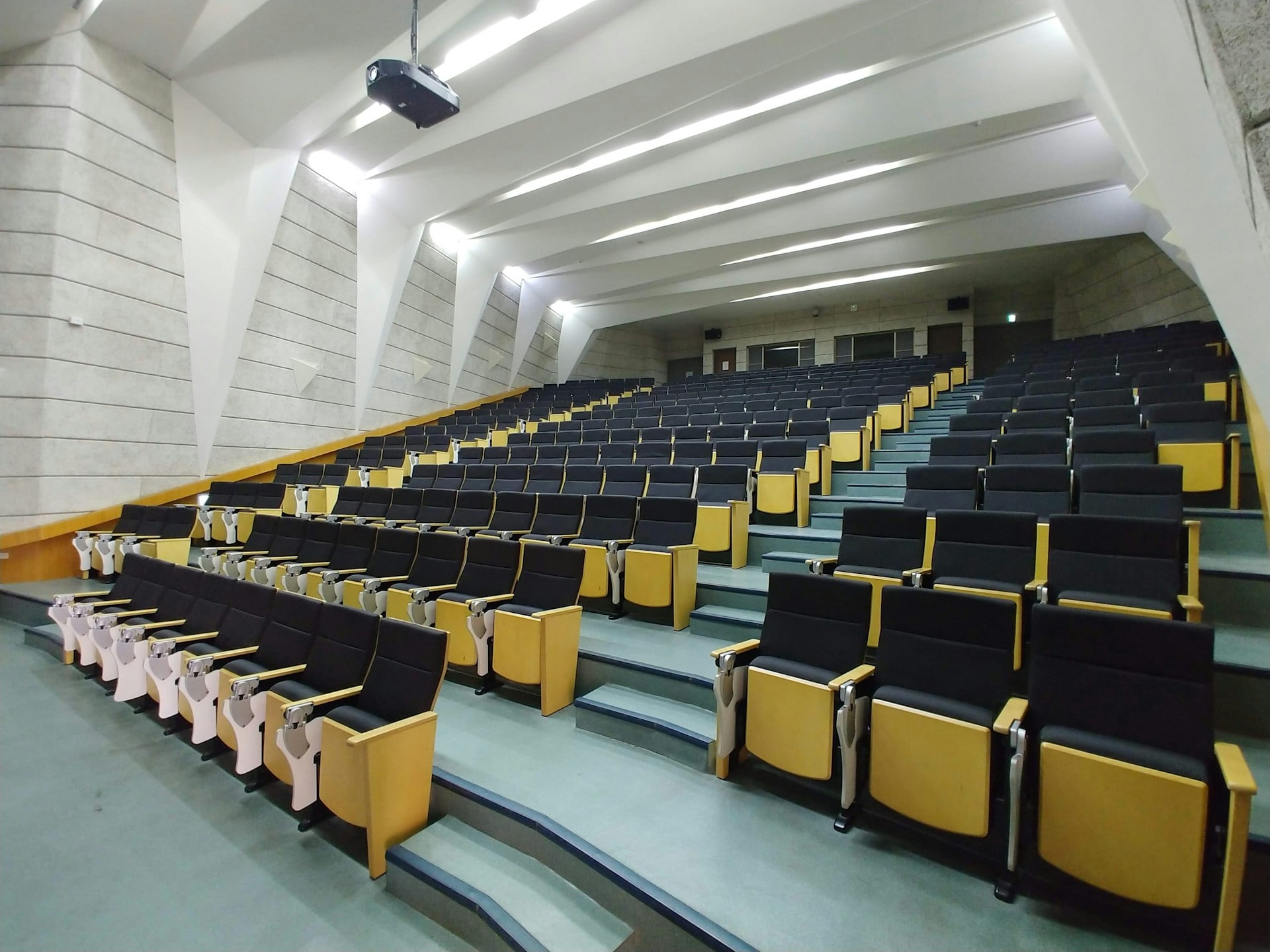
When every row sits at the same level, students in the back spend lectures staring at other people’s heads. Raising each successive row just slightly creates clear sightlines for everyone.
Students can see demonstrations, read the board, and make eye contact with instructors without craning their necks. The design acknowledges that visibility matters as much as capacity.
Offset Door Hinges

Doors that swing into small bathrooms or closets eat up precious floor space. Offset hinges—sometimes called swing-clear hinges—let doors swing completely out of the doorway, opening the full width of the frame.
You gain several inches of usable space without moving walls. Small bathrooms suddenly feel less cramped, and wheelchair users can navigate more easily.
Weighted Blankets
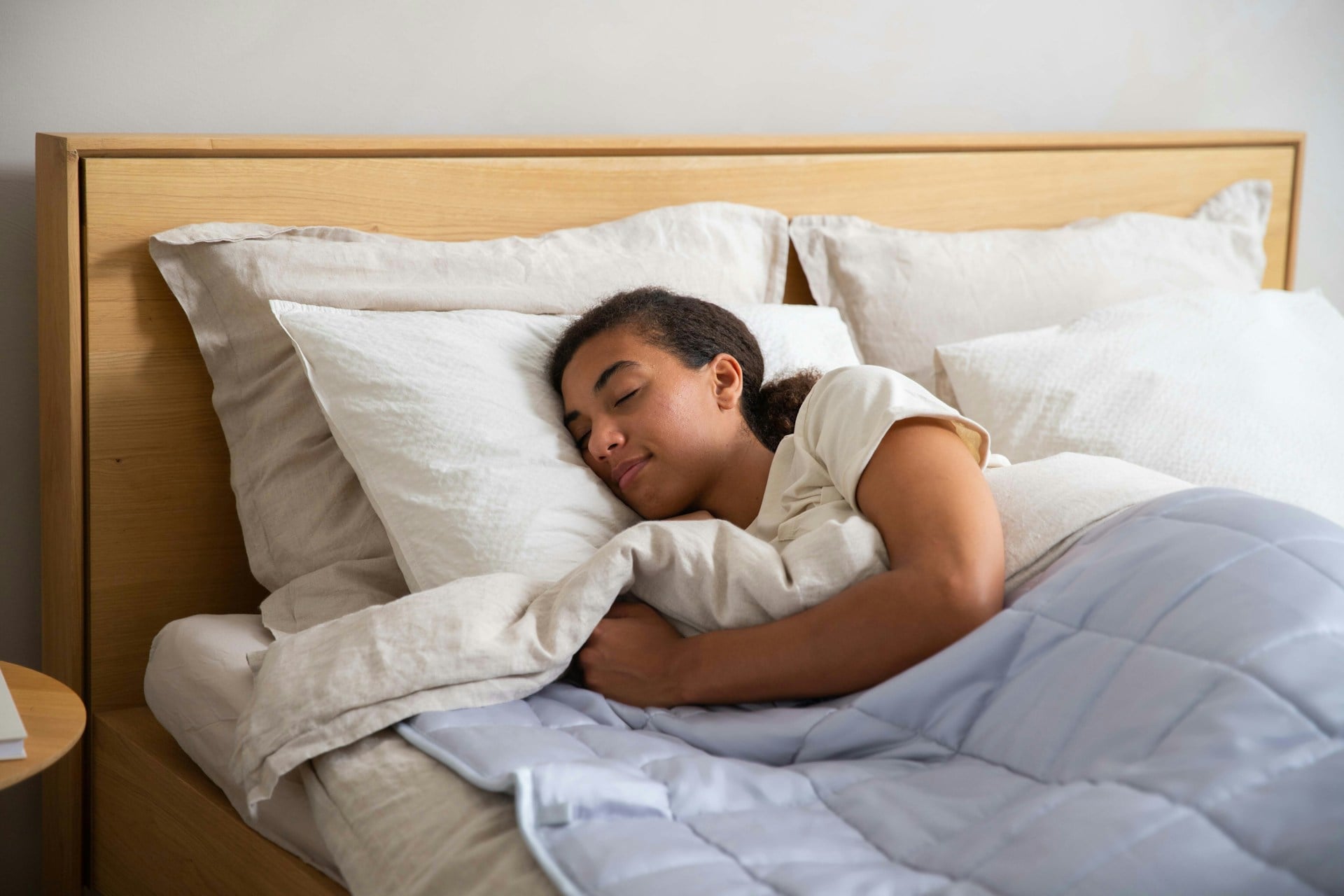
Some people need pressure to calm their nervous systems, but piling on regular blankets creates too much heat. Weighted blankets distribute small glass beads or plastic pellets evenly across the fabric, providing gentle pressure without excessive warmth.
The weight stays consistent across your body, offering steady sensory input that helps many people sleep better. The design separates the sensory component from the thermal one.
The concept came from therapy work with children who had sensory processing issues. Occupational therapists noticed that deep pressure helped these kids feel calmer and more focused.
The principle works for adults too, triggering a relaxation response similar to being hugged or held. Early versions used rice or beans as filler, but those materials clumped unevenly and couldn’t be washed.
Glass beads solved both problems—they stay distributed, handle moisture, and pack more weight into less bulk. Modern weighted blankets compartmentalize the filling into small squares, preventing the beads from shifting to one end and creating an uncomfortable lump.
Split King Mattresses
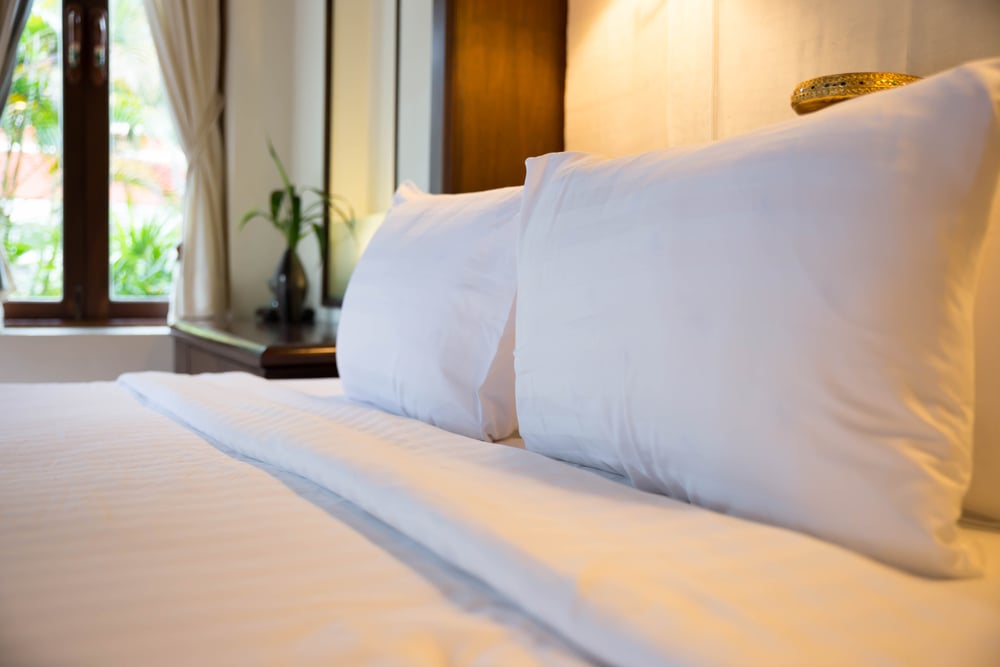
Couples often want different firmness levels but don’t want to sleep in separate beds. A split king uses two extra-long twin mattresses side by side, letting each person choose their preferred support while sharing the same bed frame.
You can even adjust each side independently if you have an adjustable base. The design solves the compromise problem without sacrificing togetherness.
Task Lighting with Adjustable Color Temperature
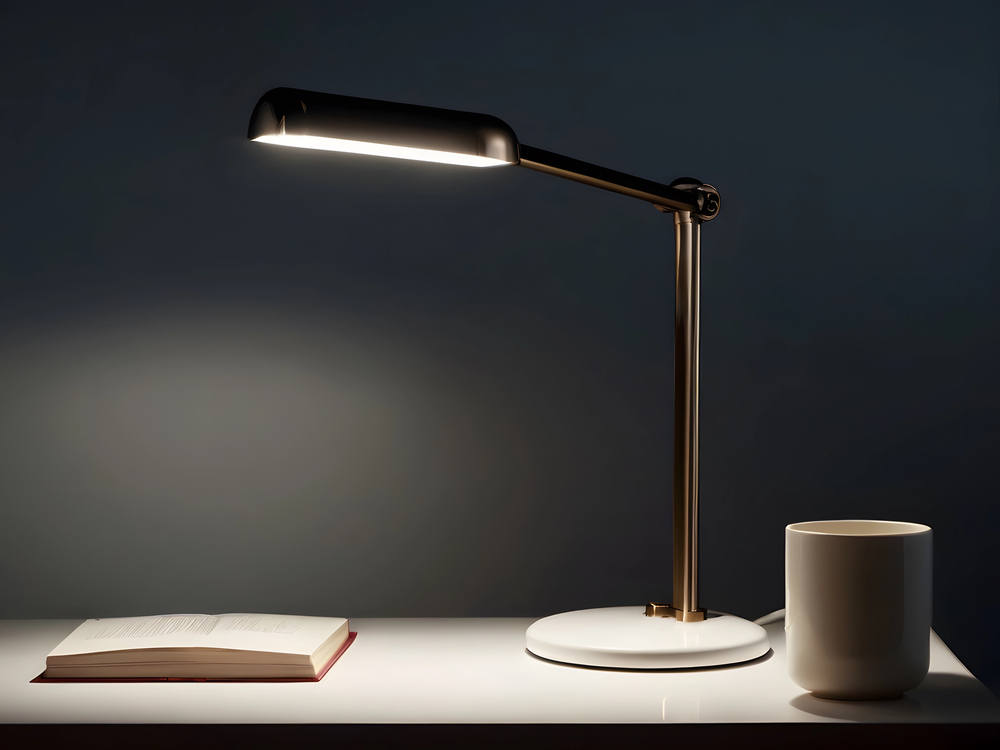
Blue-toned light helps you focus during work, but it disrupts sleep if you use it too close to bedtime. Adjustable color temperature lets you shift from cool, energizing light to warm, relaxing tones throughout the day.
Your eyes adjust more naturally to the changing light, and you can match the illumination to your activity. The flexibility works with your circadian rhythm instead of against it.
Your brain reads blue light as a signal that it’s daytime, suppressing melatonin production and keeping you alert. That’s great at 9 AM, terrible at 9 PM.
Traditional bulbs locked you into one color temperature, forcing you to choose between being productive during the day or sleeping well at night. Smart bulbs and adjustable fixtures solved this by separating color from brightness.
You can have bright light that’s warm-toned for evening reading, or dim light that’s cool-toned for late-night focused work. The ability to tune both variables independently gives you control over how the light affects your body and mind.
Floating Nightstands
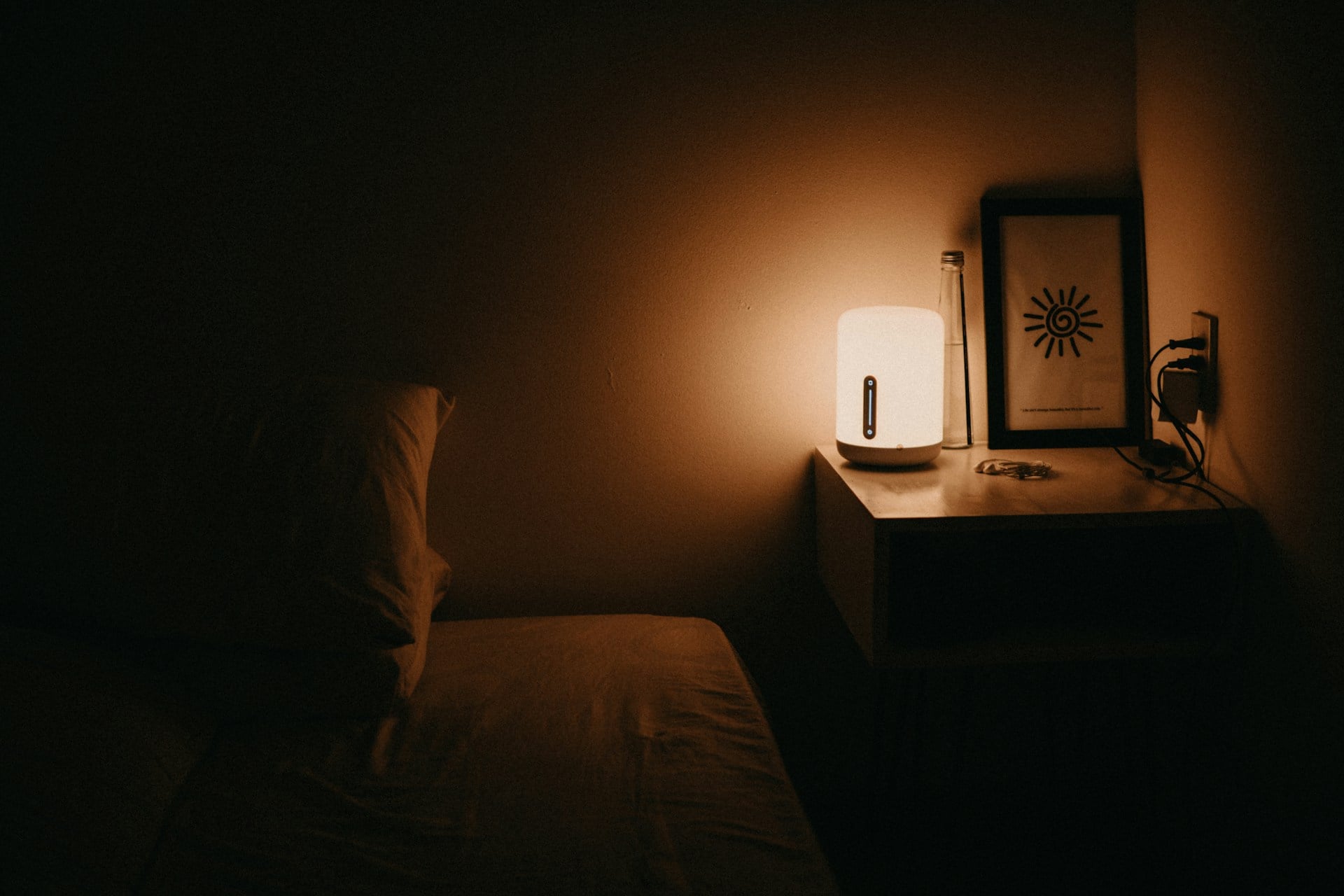
Traditional nightstands take up floor space and make cleaning underneath them difficult. Wall-mounted floating nightstands attach directly to the wall, keeping your essentials within reach while leaving the floor clear.
They work especially well in small bedrooms where every inch counts. The design also reduces visual clutter by eliminating furniture legs.
Breathable Office Chair Mesh
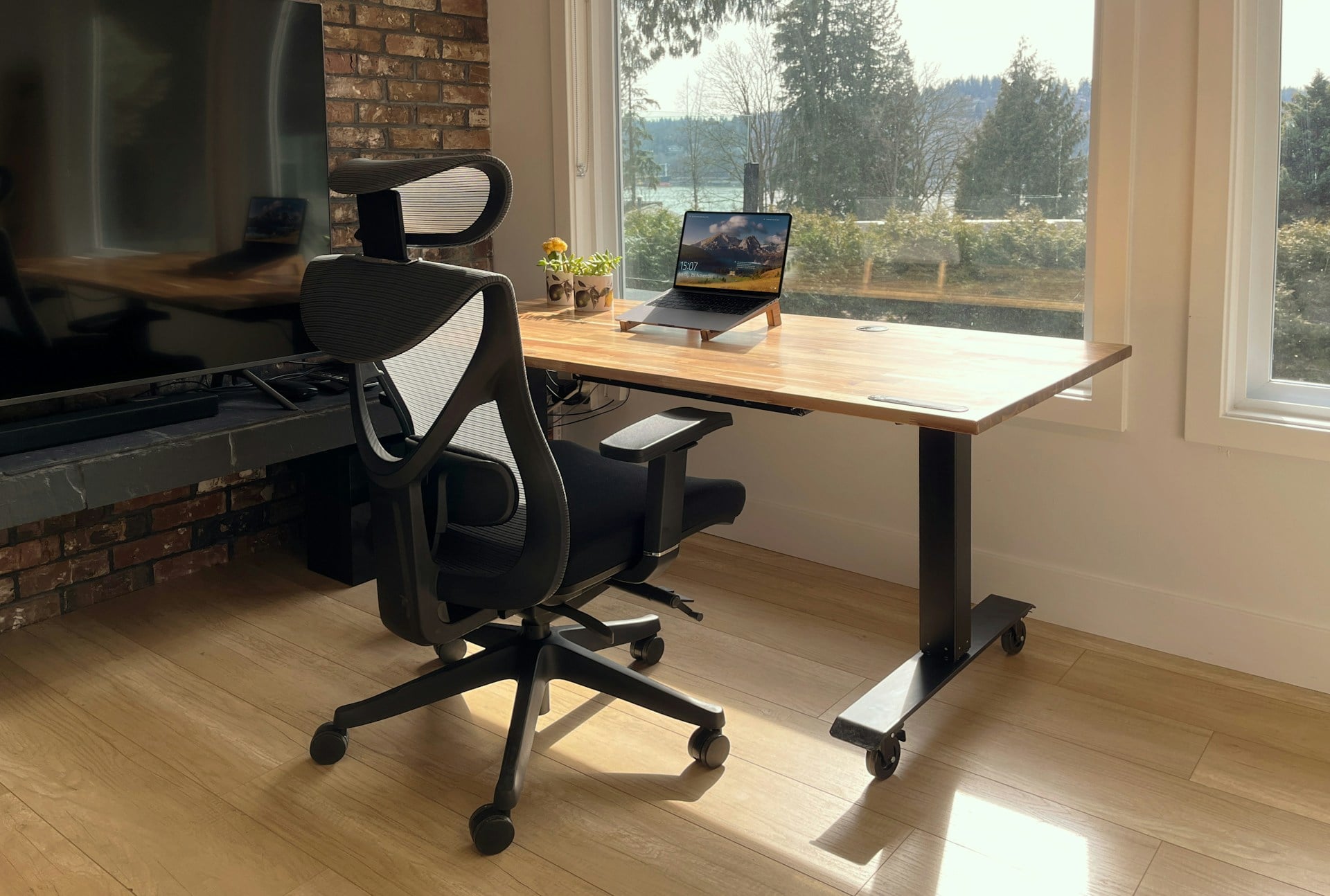
Foam seat cushions trap heat, leaving you uncomfortable during long work sessions. Mesh seats and backs allow air to circulate, preventing the heat buildup that makes you want to stand up every twenty minutes.
The material flexes with your movements while maintaining support. You stop noticing the chair, which is exactly what good seating design should do.
Traditional office chairs used thick foam padding to provide cushioning, but foam acts like insulation. Your body heat has nowhere to go, and moisture from perspiration gets trapped against your skin.
After an hour, the discomfort becomes distracting. Mesh seats use tension instead of padding for support, creating a suspended surface that conforms to your shape while leaving air gaps.
The open weave lets heat escape continuously, keeping the surface temperature closer to room temperature. High-quality mesh maintains its tension over years of use, while cheaper foam compresses and loses support, creating pressure points that weren’t there when the chair was new.
Pull-Out Cutting Boards
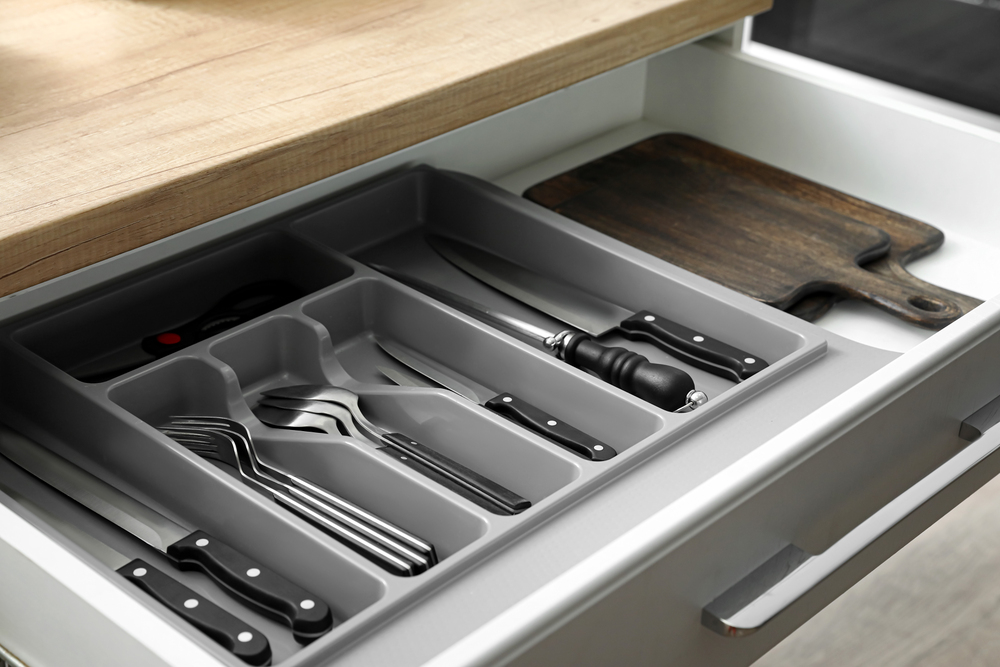
Counter space disappears fast when you’re cooking. A cutting board that slides out from under the counter gives you extra prep space exactly when you need it, then tucks away when you’re done.
You don’t sacrifice cabinet storage or clutter your counters with a board that sits out permanently. The design adds function to wasted space between the countertop and the cabinet box.
Toe-Kick Drawers
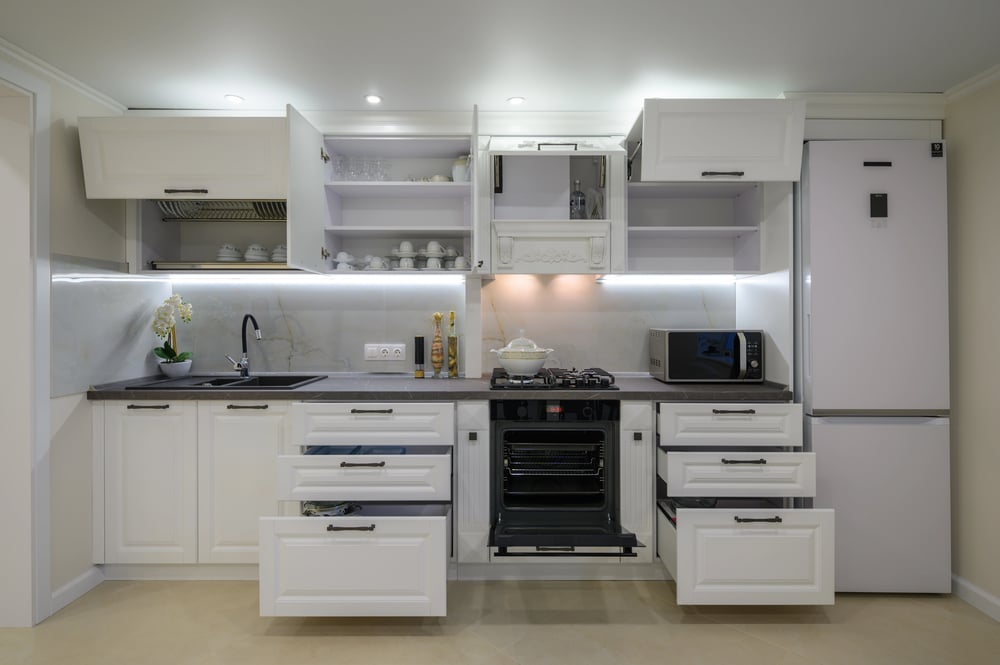
The recessed area at the bottom of kitchen cabinets—the toe kick—usually serves no purpose beyond letting you stand close to the counter. Thin drawers built into this space provide storage for flat items like baking sheets, cutting boards, and cooling racks.
You reclaim space that was essentially dead before, and the location keeps these items accessible without taking up deeper cabinet room.
Rainfall Showerheads
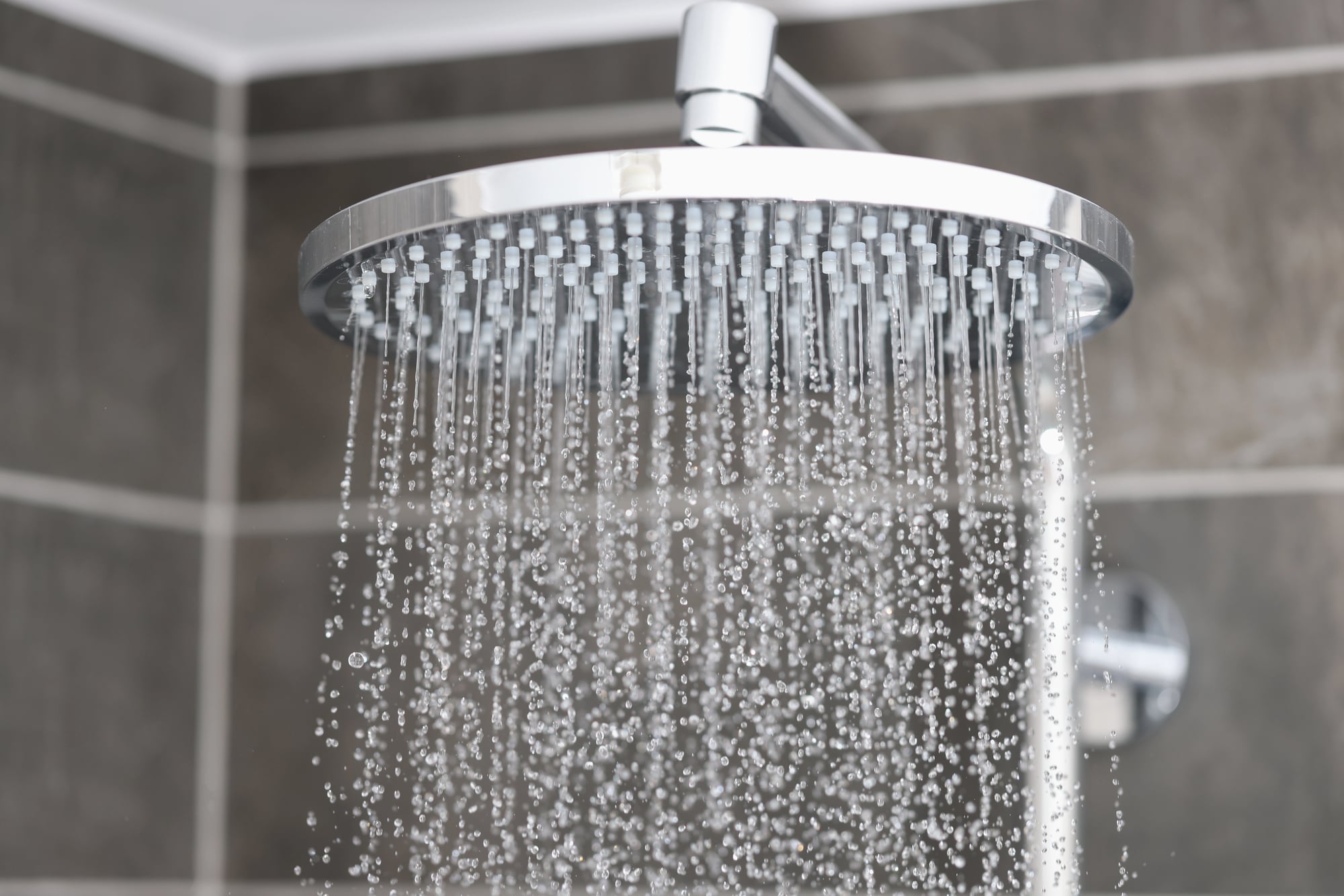
Traditional showerheads spray water at you from an angle, hitting mainly your front or back. Rainfall heads mount directly overhead and distribute water evenly across a wider area, covering more of your body at once.
The larger spray pattern and gentler pressure create a more relaxing experience. You’re surrounded by water instead of targeted by it.
Touch-Activated Kitchen Faucets
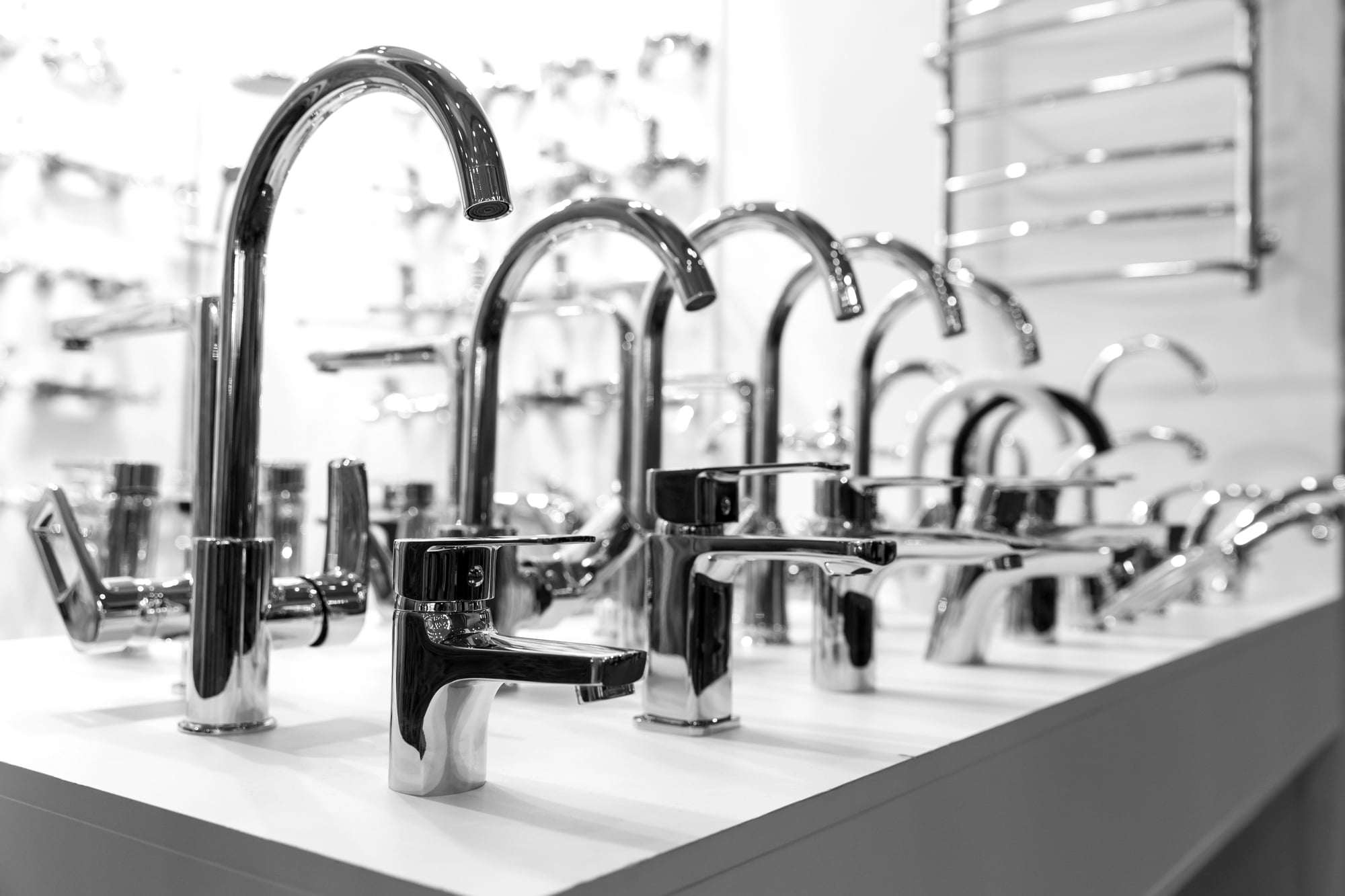
When your hands are covered in raw chicken or flour, turning on a faucet becomes a problem. Touch activation lets you start the water with a quick tap using your wrist, forearm, or elbow.
You avoid contaminating the handle, and you can shut off the water just as easily. The design acknowledges that your hands aren’t always free or clean in the kitchen.
Soft-Close Drawers and Doors
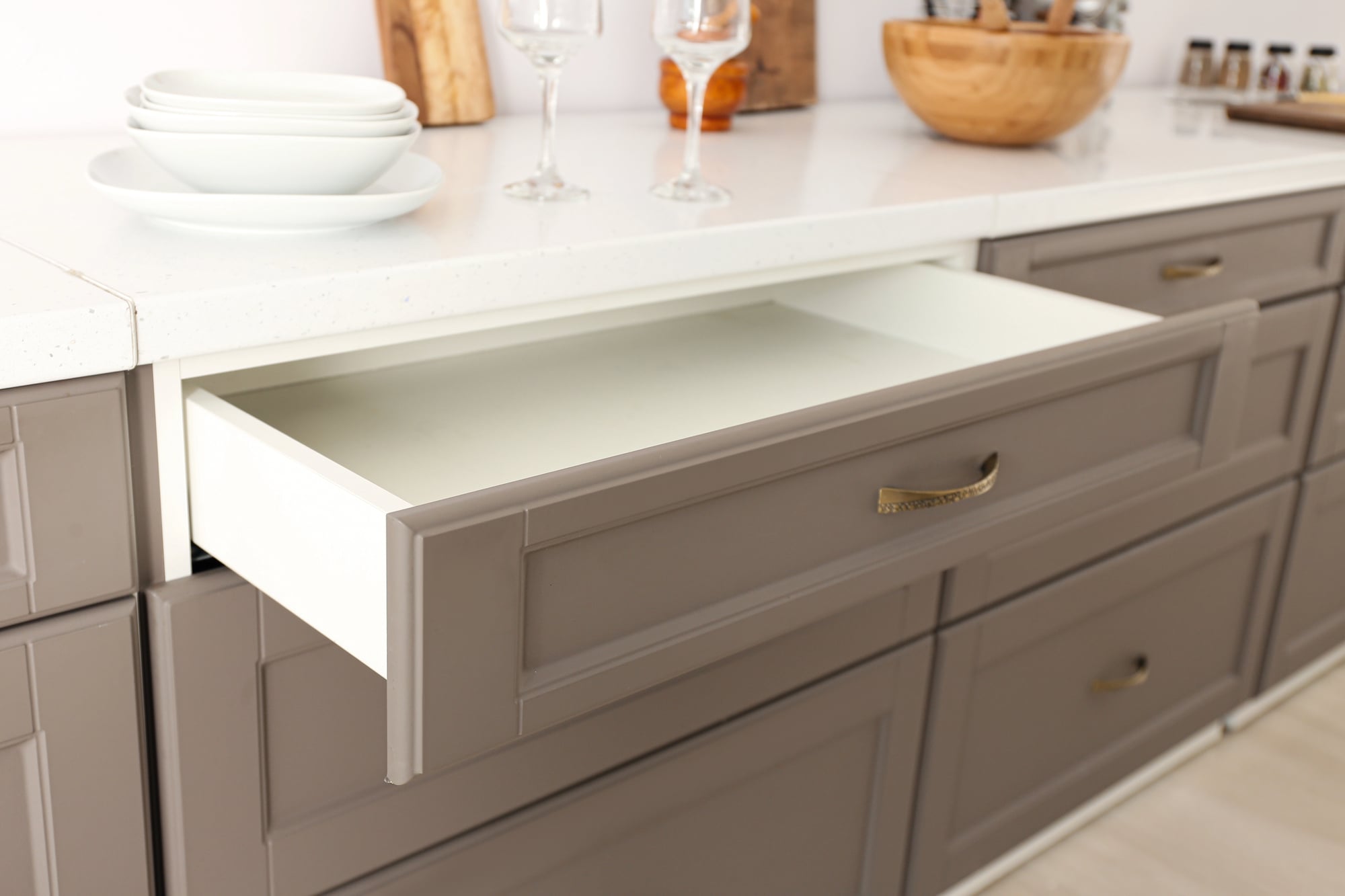
Slamming cabinet doors creates noise and gradually damages both the cabinet and your ears. Soft-close mechanisms use hydraulic dampers to slow the closing motion in the last few inches, bringing doors and drawers to a gentle stop.
Your kitchen stays quieter, the hardware lasts longer, and you can close cabinets without disturbing others. The mechanism removes the harshness from a daily action you repeat dozens of times.
The damper works like a shock absorber, using fluid resistance to absorb the momentum of a closing door or drawer. You can push with normal force, and the mechanism takes over at the end of the travel.
This protects the cabinet joints from the repeated impact of closing, which loosens screws and cracks wood over time. It also eliminates the startle response that comes from unexpected loud noises in your home.
Early morning or late night, you can move through the kitchen without worrying about waking sleeping family members. The technology adds a small cost during installation but pays back in reduced maintenance and improved quality of life.
Where Comfort Really Starts

Great design stays quiet, slipping into your day without demanding attention. Instead it just works, smoothing out hiccups while staying invisible.
Top upgrades quietly handle issues you never noticed before – then once they’re there, life without them seems broken.
These upgrades have one thing in common. Not fighting how humans actually are – they go along with it.
Recognizing folks wear out, rooms aren’t always roomy, bodies differ in form and demands. Creators of these tweaks noticed pain spots many just live with.
A shower curtain clinging to your skin? That’s not some rule of nature – it’s just something we haven’t fixed yet. A keyboard shoving your wrists sideways? Not destiny – just someone’s old idea that could’ve gone differently.
Comfort is about cutting out little daily annoyances. One change may feel tiny, yet when combined, they shift how you feel around your space.
A seat that keeps you cool, a door that closes quietly, a cushion holding your head right – none grab focus, which is precisely what makes them important.
More from Go2Tutors!

- The Romanov Crown Jewels and Their Tragic Fate
- 13 Historical Mysteries That Science Still Can’t Solve
- Famous Hoaxes That Fooled the World for Years
- 15 Child Stars with Tragic Adult Lives
- 16 Famous Jewelry Pieces in History
Like Go2Tutors’s content? Follow us on MSN.