Toys Modeled After Grown-Up Inventions
Walk through any toy store and you’ll spot them immediately—the miniature versions of things adults use every day. These scaled-down replicas fill entire aisles, from plastic kitchens to toy lawn mowers to cash registers that beep just like the real ones.
Kids reach for them first, drawn to the familiar shapes they see their parents handling. The appeal makes sense.
Children spend their days watching adults operate mysterious machines and tools, and they want in on the action. A toy version lets them join that world without the actual risks or responsibilities.
But these toys do more than just entertain. They teach, they prepare, and they satisfy that deep childhood urge to feel capable and grown-up.
Kitchen Sets That Actually Look Like Kitchens
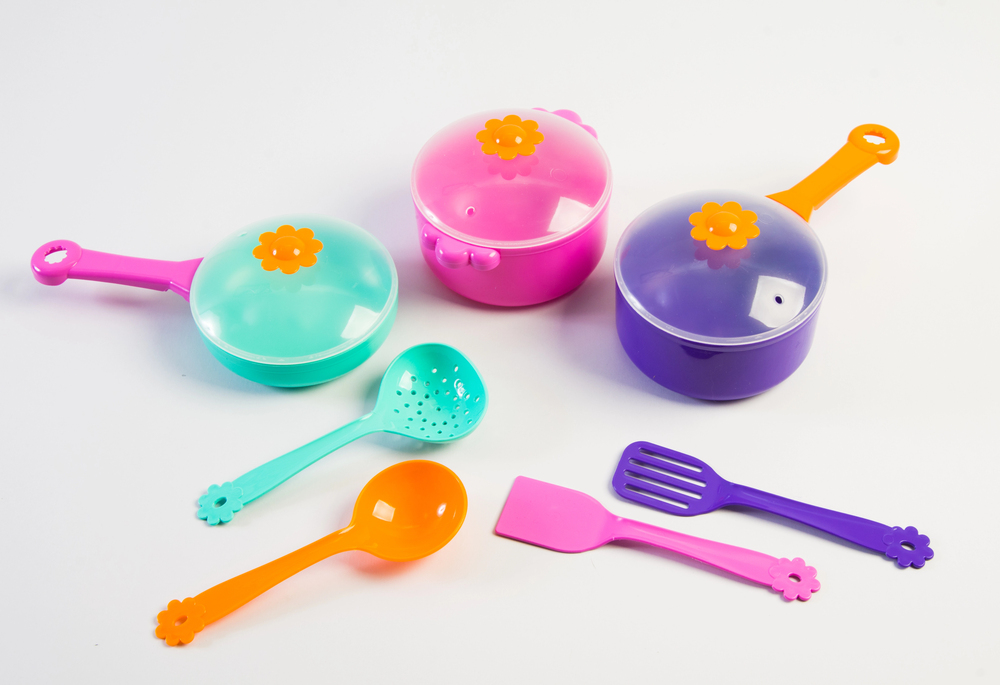
The toy kitchen dominates playrooms for good reason. It mimics the one room where kids watch their parents work constantly.
Modern versions come with realistic features—burners that glow red, faucets that make water sounds, ovens with clicking knobs. Some even include play food that looks disturbingly accurate.
These sets teach more than people realize. Kids learn to organize, to follow sequences, to understand cause and effect.
Put the pot on the stove, turn the knob, and wait for the food to “cook.” The steps mirror real cooking, minus the burns and smoke alarms.
The social aspect matters too. Kitchen play brings kids together to share roles and negotiate who gets to be the chef.
These interactions build communication skills that extend far beyond pretend pancakes.
Tool Benches and Workshop Dreams
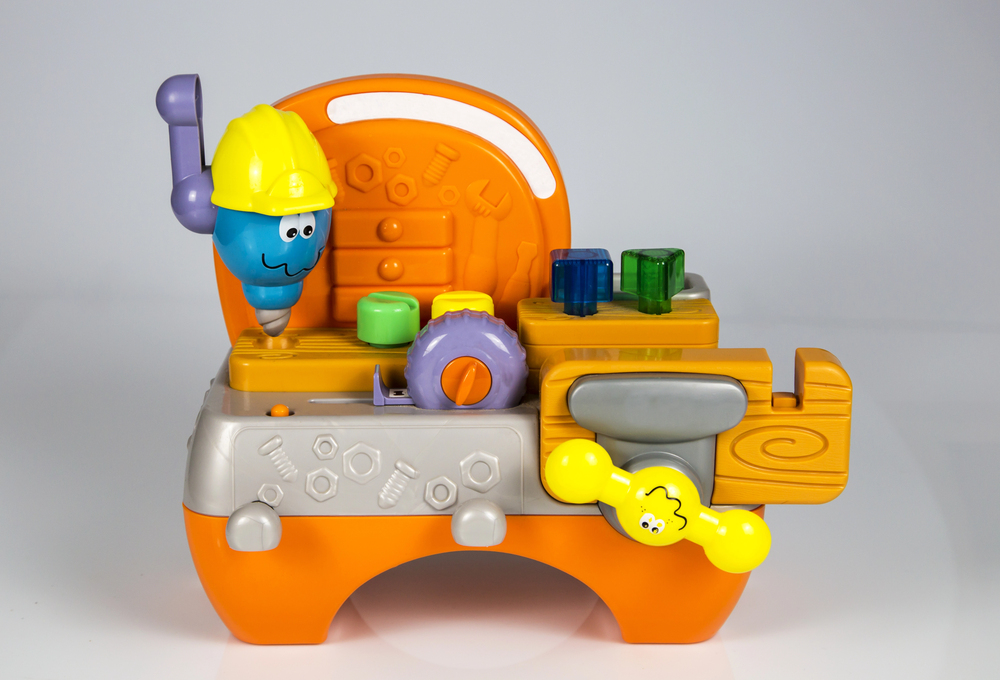
Power tools fascinate children partly because adults treat them with such respect. That seriousness translates into desire.
A toy workbench gives kids access to hammers, wrenches, and saws without the danger of actual construction. Better versions include real functions—screws that turn, boards that fit together, nuts that actually thread onto bolts.
The physical feedback teaches coordination and problem-solving. Figuring out which tool works for which job requires trial and error, the same process adults use when tackling home repairs.
Cash Registers and the Magic of Money
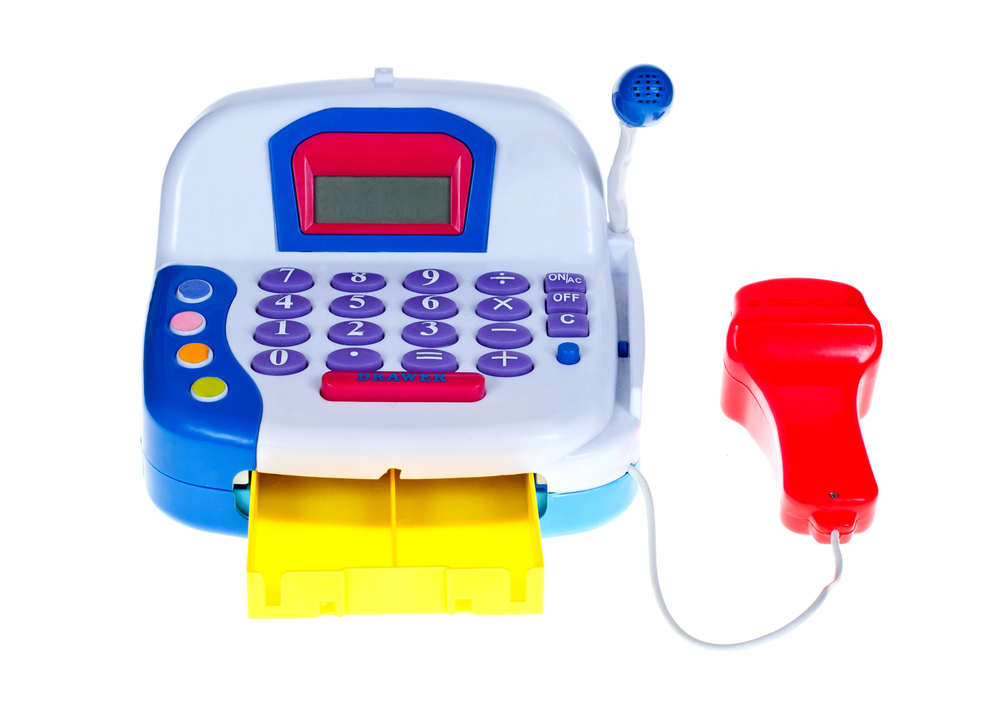
The beeping, the drawer that pops open, the scanner that lights up—cash registers capture everything exciting about stores from a child’s perspective. Toy versions replicate these features with impressive accuracy.
Playing store teaches math naturally. Kids count money, make change, add up totals.
They don’t think they’re studying. They think they’re running a business.
That shift in perspective makes learning feel purposeful rather than forced. The transaction ritual matters too.
Scanning items, announcing totals, exchanging money for goods—these steps introduce economic concepts through repetition rather than explanation.
Phones That Don’t Actually Connect
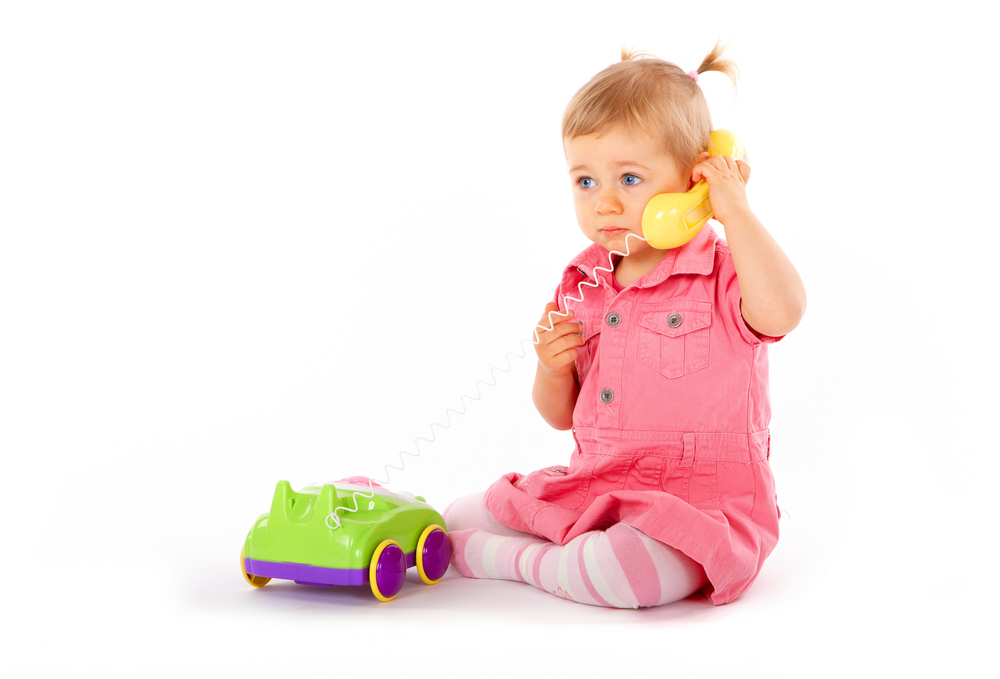
Toy phones have evolved dramatically. The plastic rotary phones of the past gave way to smartphones with touch screens and pretend apps.
Kids want phones because phones represent power and connection in the adult world. These toys let children mimic the constant checking, swiping, and talking they observe daily.
Some versions teach actual skills—letters, numbers, simple games that build recognition. Others just provide a safe outlet for the phone obsession that starts earlier than parents like to admit.
Vacuum Cleaners With Real Suction
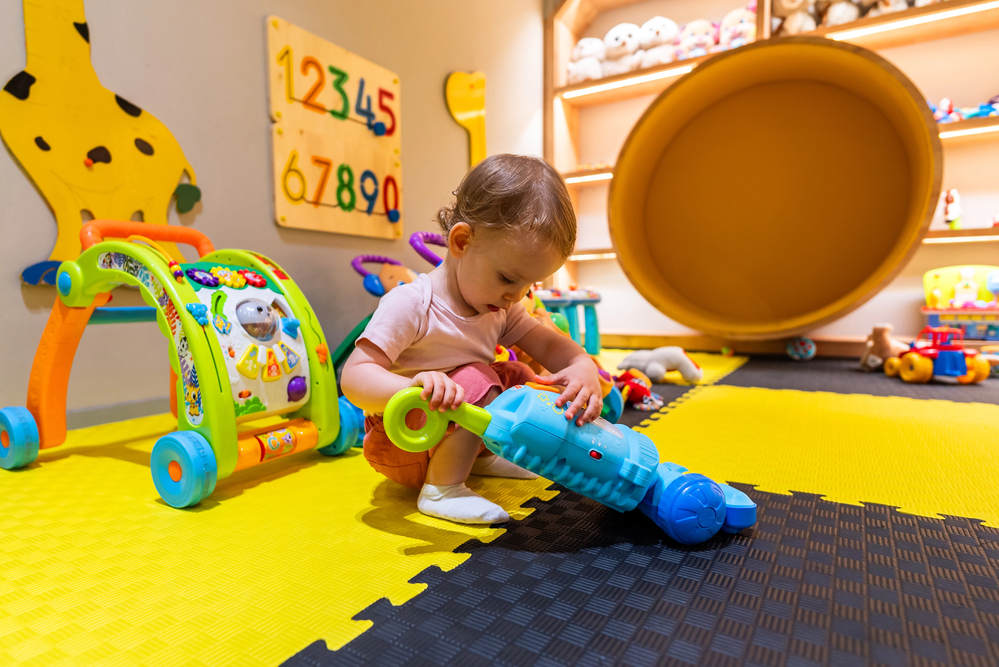
Few things delight toddlers more than a toy vacuum that actually picks things up. These tiny cleaning machines usually come with colorful beads that get sucked into a clear chamber, creating visible proof of success.
The appeal starts with imitation—kids see adults pushing vacuums around constantly. But the satisfaction comes from seeing results.
The floor looks different after they use it. That sense of accomplishment builds confidence and teaches that effort creates change.
These toys also introduce the concept of responsibility without the pressure. Cleaning becomes play rather than chore, which sometimes carries over into actual helpfulness years later.
Lawn Mowers for the Grass-Cutting Crowd
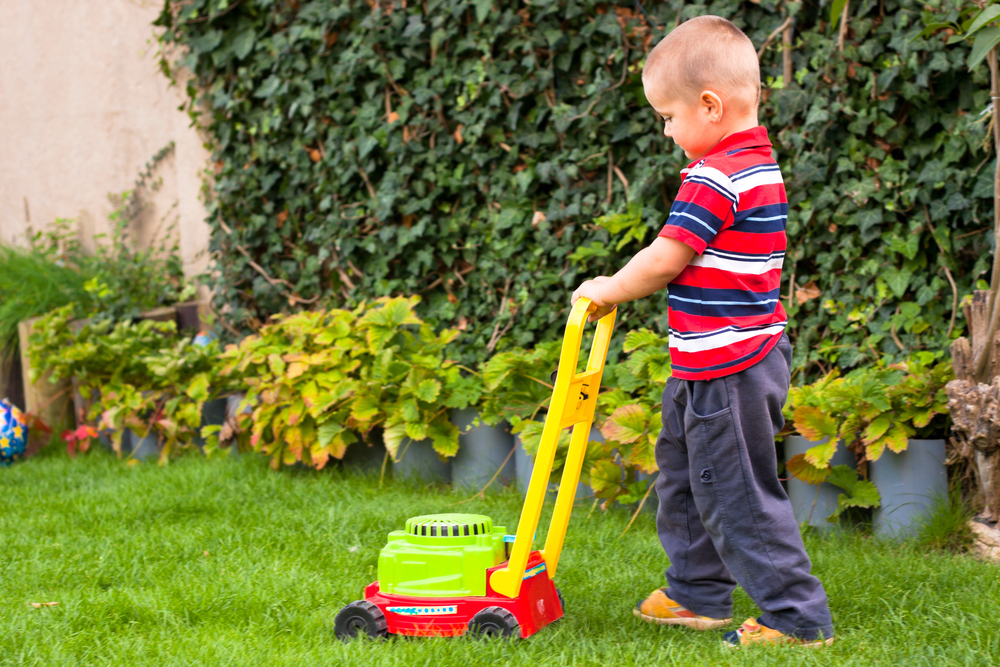
Toy lawn mowers make noise, they have spinning parts, and they require pushing in straight lines. Kids love them because lawn mowing looks serious and important when Dad or Mom does it.
Physical activity matters. Pushing a mower around the yard burns energy and builds strength.
The repetitive motion teaches persistence. Mowing requires covering ground systematically, which introduces spatial reasoning.
Some versions blow bubbles while kids push, which adds a magical element to outdoor chores. That combination of work and wonder defines the best childhood toys.
Medical Kits That Diagnose Everything
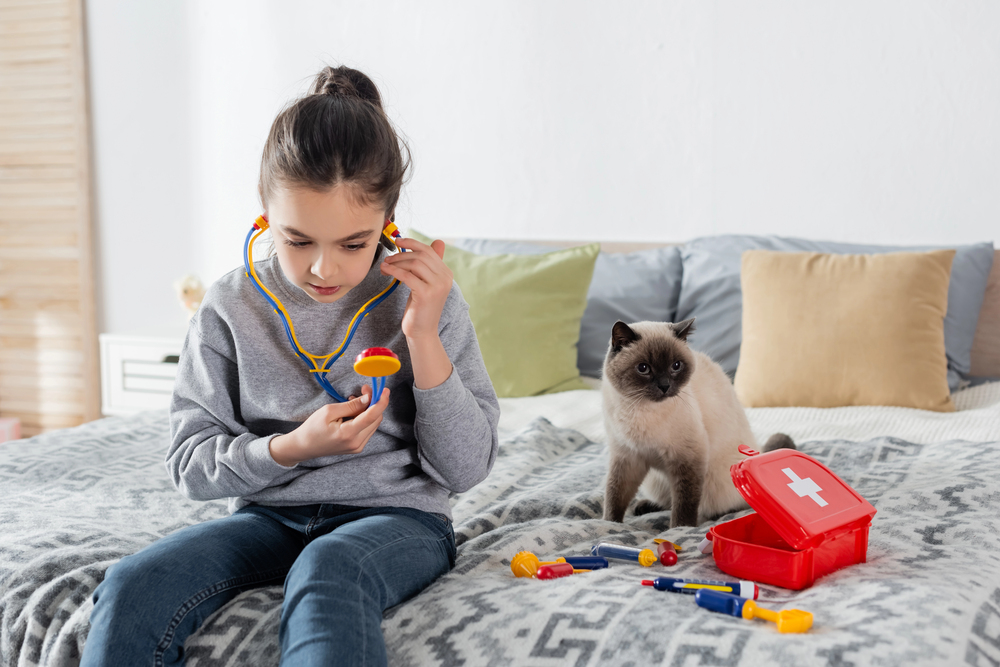
A toy stethoscope turns every kid into a doctor. These kits usually include bandages, syringes without needles, thermometers, and other hospital equipment scaled down to child size.
The comfort factor runs deep here. Kids who fear doctors sometimes process that anxiety through play.
Examining stuffed animals and administering pretend shots shifts them from patient to caregiver, giving them control over scary situations. Empathy development deserves attention too.
Playing doctor requires imagining someone else’s pain and figuring out how to help. Those early exercises in caring for others plant important seeds.
Computers and Tablets That Teach While They Trick
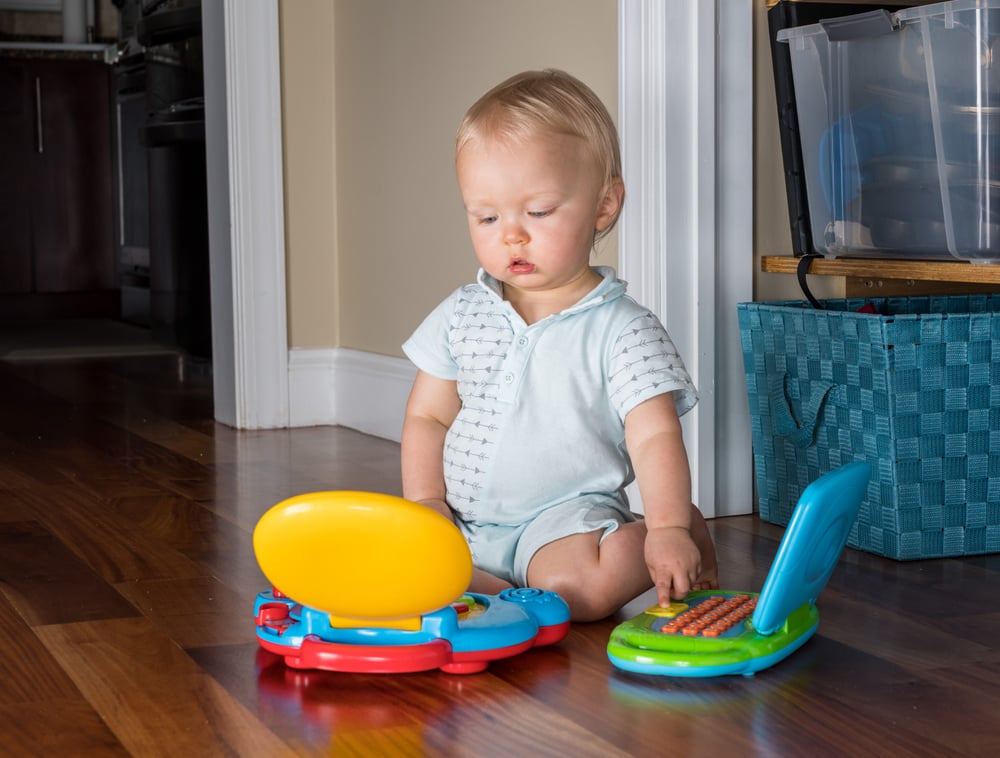
Educational electronics try hard to look like adult devices. They have keyboards, screens, and apps, but everything routes toward learning objectives.
Kids think they’re using technology. Parents know they’re drilling spelling words.
The better versions balance education with genuine fun. Games that teach reading shouldn’t feel like reading practice.
When done right, these toys make literacy and math feel like natural parts of playing rather than studying. The screen time debate complicates these toys.
Even educational content delivered through a tablet raises questions about limits and balance that each family answers differently.
Cameras That Capture Childhood Vision
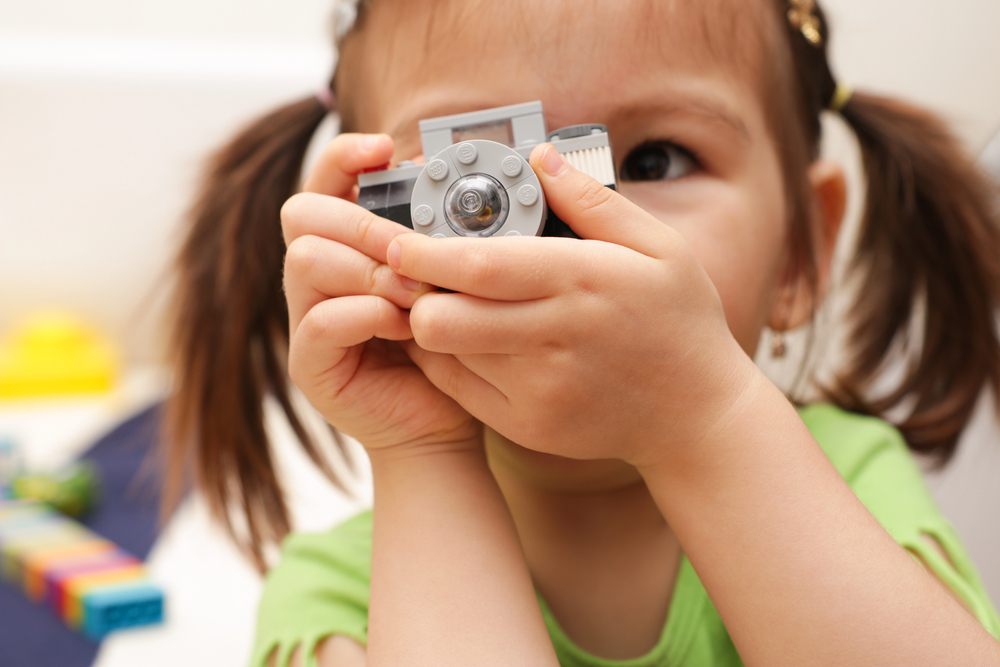
Kids see the world differently than adults, and giving them cameras reveals that perspective. Toy cameras range from simple point-and-shoot models to more sophisticated digital versions with real memory cards.
Photography requires observation. Kids start noticing details they normally miss—the pattern on a leaf, the way light hits a puddle.
That heightened awareness enriches their experience of ordinary moments. The documentation aspect matters too.
Kids create their own records of what seemed important to them on any given day. Those photos often surprise parents with their choices and compositions.
Power Drills That Spin But Don’t Destroy
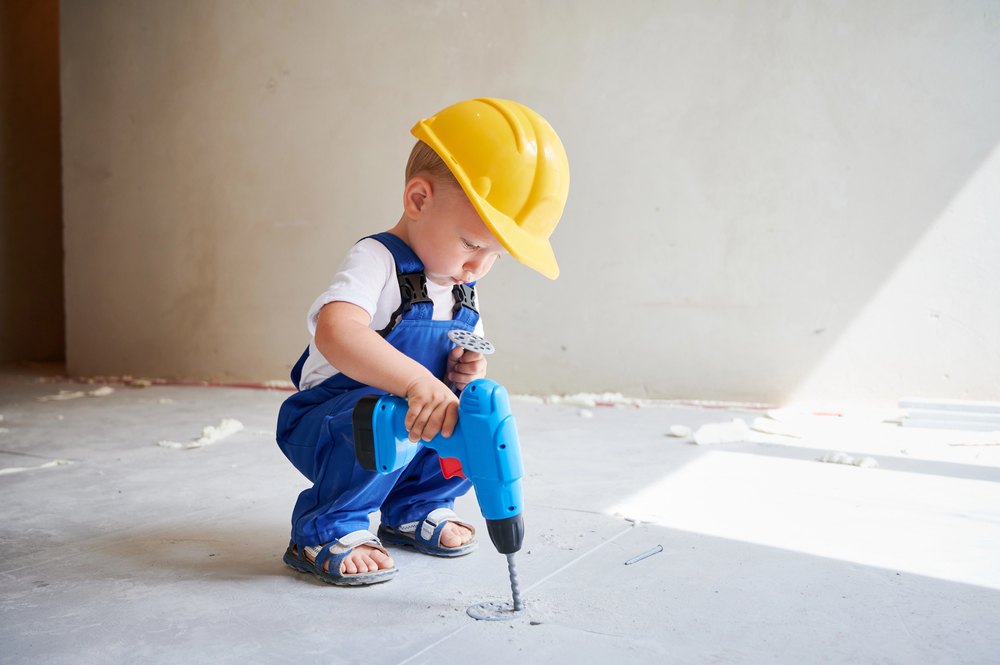
The sound of a drill draws children like moths to light. Toy versions replicate that buzzing noise and rotating bit without any actual drilling capacity.
Kids press them against surfaces, pretending to build or repair. These toys scratch the itch to use tools that adults clearly value.
The trigger mechanism teaches fine motor control. Figuring out which plastic screws fit which plastic surfaces introduces spatial reasoning.
The construction play that follows often grows elaborate. Kids who start with a toy drill sometimes graduate to entire building projects with blocks, cardboard, and whatever else they can find.
Ride-On Vehicles That Go Nowhere Fast
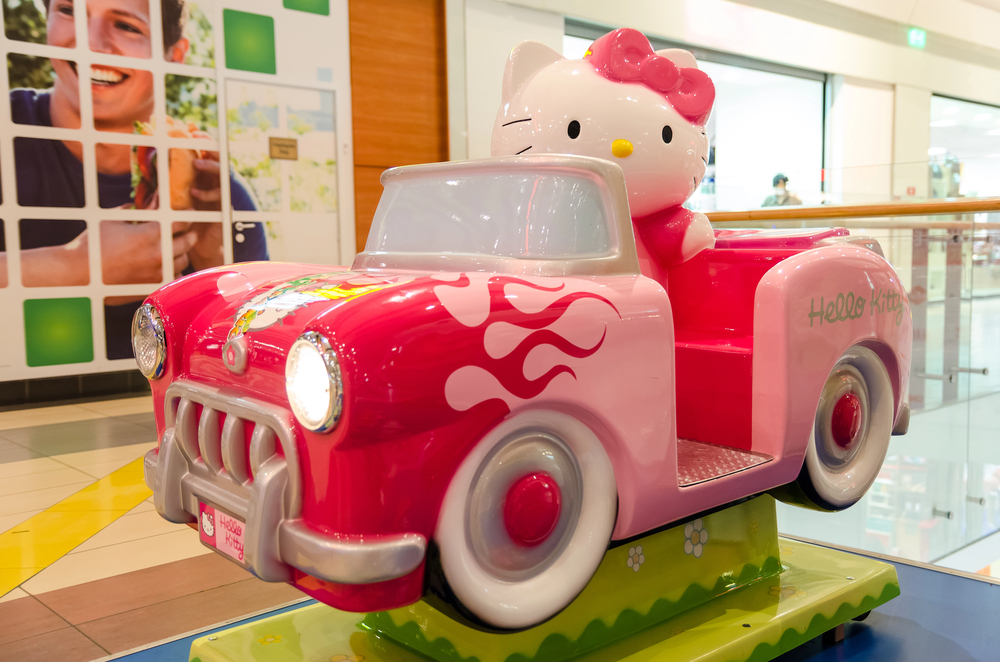
Battery-powered cars, tractors, and motorcycles let kids experience driving years before legal age. These vehicles move slowly but create genuine thrills for their tiny operators.
The control aspect fascinates children. They steer, they accelerate, they park (sort of).
Those decisions give them autonomy in a world where adults make most of their choices. Outdoor play encourages exercise and coordination.
Navigating paths, avoiding obstacles, and managing speed—even at walking pace—builds skills that transfer to actual vehicles eventually.
Washing Machines With Spinning Windows
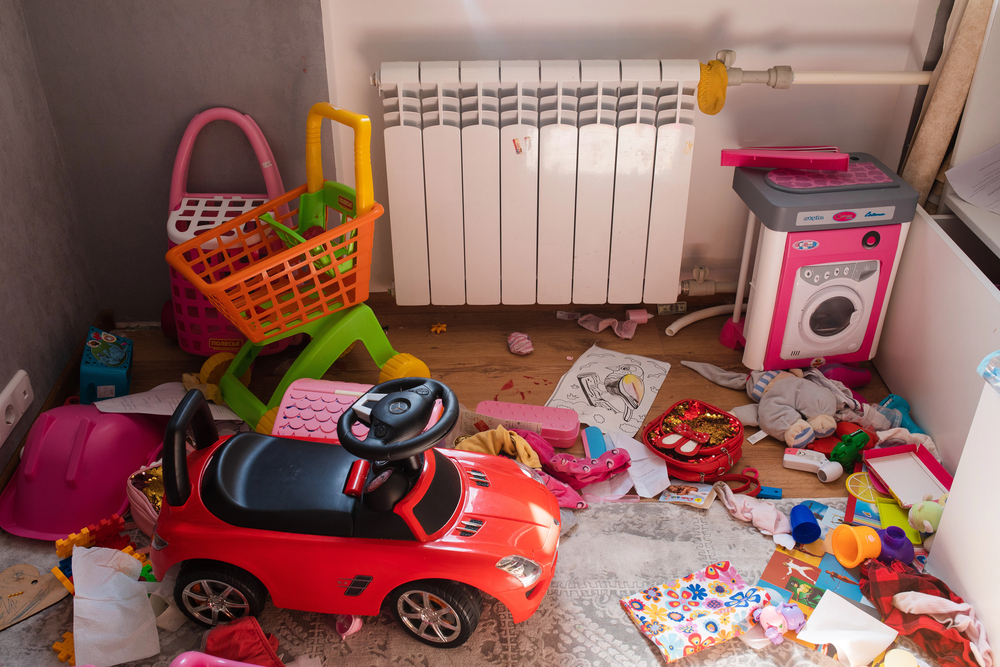
Laundry machines captivate toddlers because of those mesmerizing windows showing clothes tumbling around. Toy versions replicate the experience with safe spinning chambers and pretend detergent.
The sorting activity teaches organization. Light clothes versus dark clothes, dirty versus clean—these categories introduce classification skills.
The step-by-step process mirrors real laundry, teaching that complex tasks break down into manageable parts. Some kids genuinely want to help with real laundry after playing with these toys.
Others just like watching things spin. Both outcomes count as wins.
Construction Equipment That Moves Earth (Sort Of)
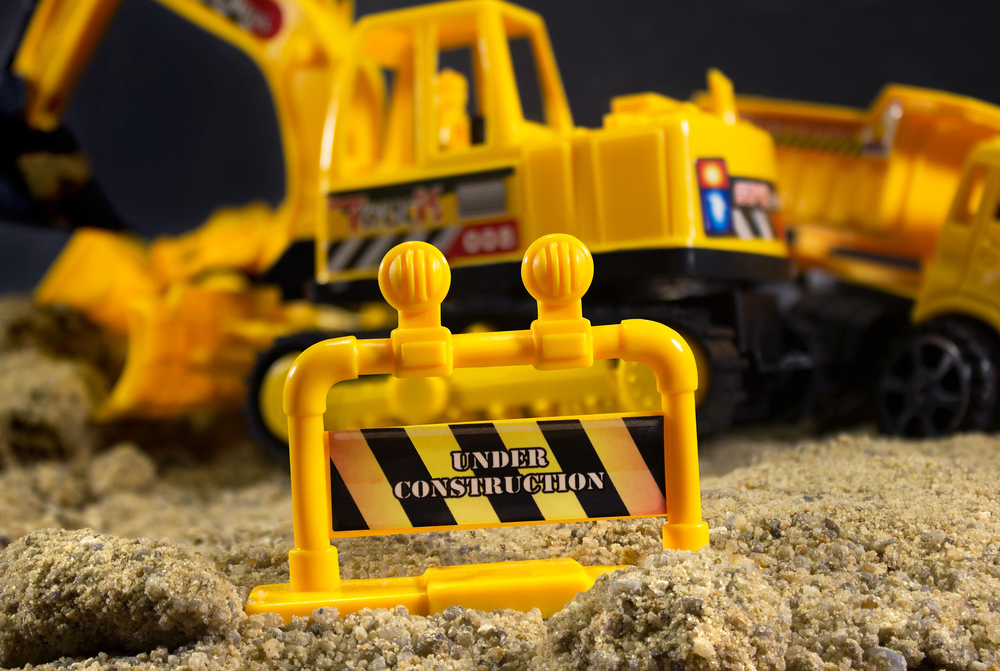
Little ones often stare at building zones, eyes wide. Machines like toy diggers, lorries that tip loads, or tall lifting arms catch their attention.
Power lives in these metal bodies. What was flat ground becomes something else entirely.
Footprints press into soft ground where small hands shape worlds. Building unfolds not with plans but with shovels and buckets full of grit.
Each mound rises because effort poured in without warning. Size shifts how it feels to stand beside what you made.
Doing something real shows up in dirty palms and proud eyes. When kids play with levers, they start seeing how force moves things.
Hydraulics show slow power in motion, not just diagrams on paper. Dumping sand teaches timing and balance without anyone saying a word.
Machines make sense after being touched, twisted, tested. Ideas stick when arms get tired from lifting. Learning happens while laughing at spills.
Motion explains what lectures cannot.
Play Meets Preparation
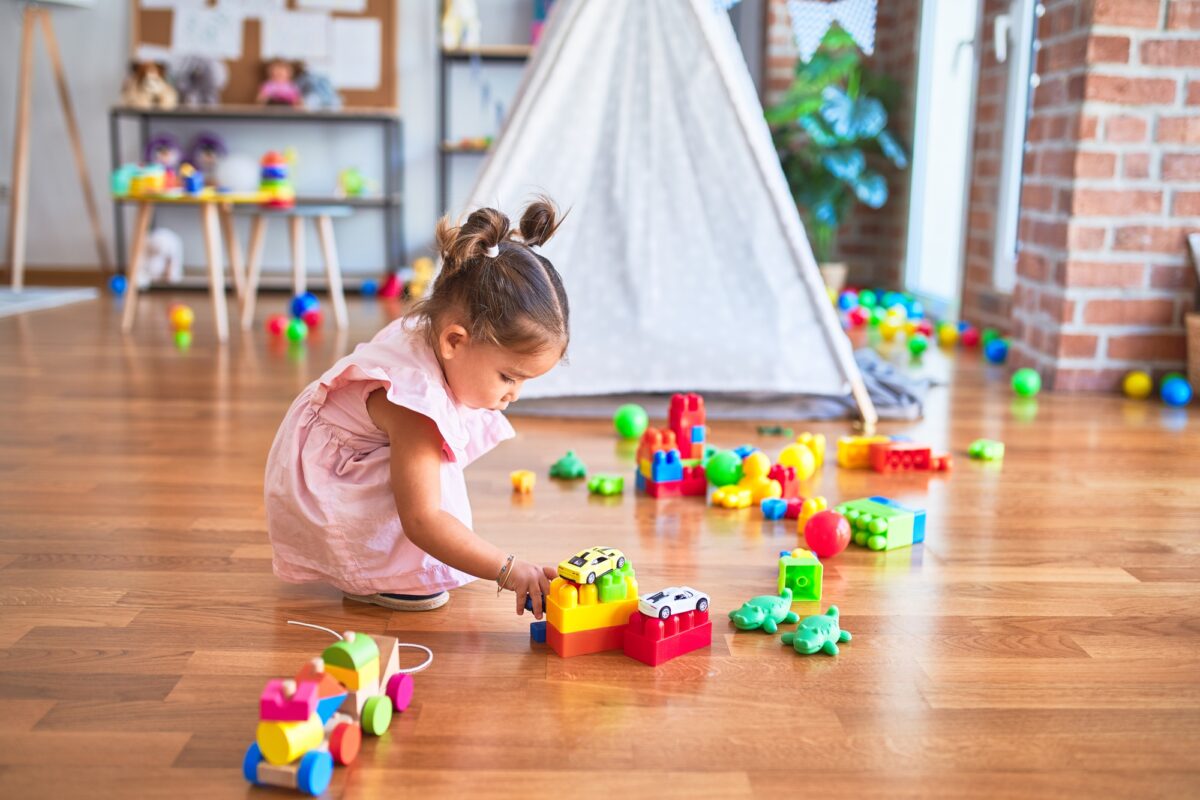
Watching grown-ups work sticks with kids more than you might think. Those little hammers, tiny stoves – each one pulls them a step closer to what lies ahead.
Instead of just observing, they jump in, shaping who they could become. Through pretend jobs, real skills start to grow without anyone naming them.
Right now is where things actually come alive. Watching shifts into doing, thanks to these playthings.
That endless kid query – “Can I give it a go?” – finally gets a reply. Often, reality forces a stop, either due to danger or limits of space.
Mini replicas flip refusal into chance. Suddenly, skills too far off become something close enough to grasp.
Here’s the surprise. Little ones have no idea they’re picking up skills.
They believe it’s only fun, maybe the wisest twist of all once you think about it. Grown-ups realize effort blends into enjoyment, solving problems brings its own reward, confidence grows bit by bit when repeated enough.
Young minds learn this by driving toy tractors and serving pretend meals, slowly getting ready for real life without even noticing.
More from Go2Tutors!

- The Romanov Crown Jewels and Their Tragic Fate
- 13 Historical Mysteries That Science Still Can’t Solve
- Famous Hoaxes That Fooled the World for Years
- 15 Child Stars with Tragic Adult Lives
- 16 Famous Jewelry Pieces in History
Like Go2Tutors’s content? Follow us on MSN.