Most Influential Speeches Ever Delivered
Words can ignite revolutions, mend wounds, and even carry entire nations forward. History proves that a single speech—sometimes no longer than a few minutes—can outlast the speaker and echo across centuries.
Here’s a list of the most influential speeches ever delivered, moments when language itself became history’s engine.
Martin Luther King Jr.’s “I Have a Dream”
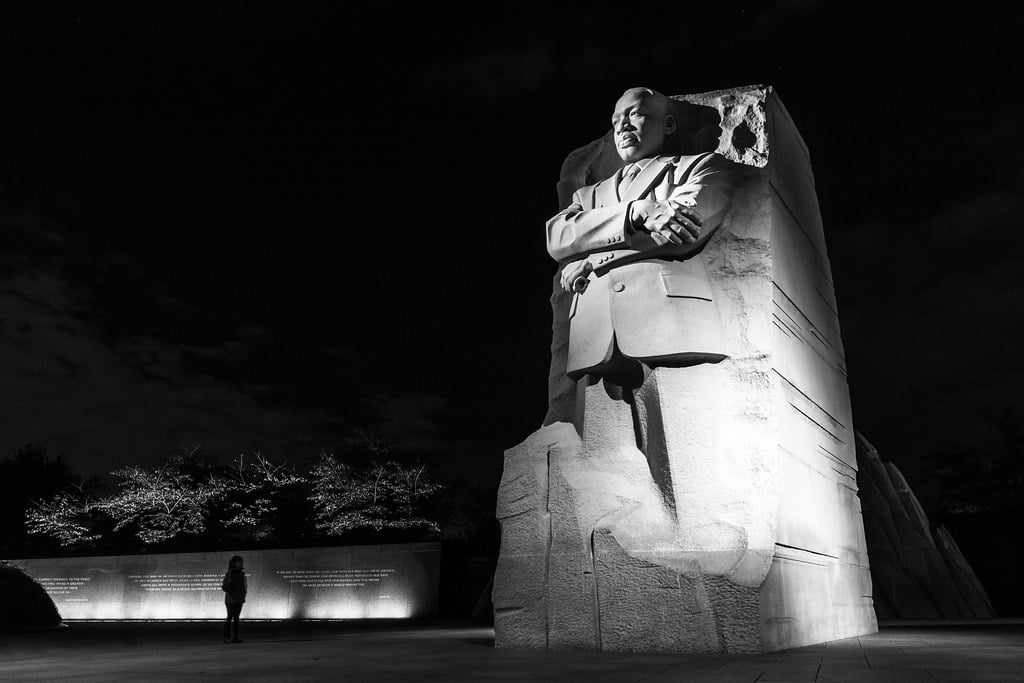
During the March on Washington in 1963, King’s voice rolled out over the crowd with a vision of equality that inspired millions. His rhythmic repetition and vivid imagery turned what began as protest into a defining moment of the civil rights era.
The dream he described still lingers—both promise and challenge.
Abraham Lincoln’s Gettysburg Address

Just over two minutes long, Lincoln’s 1863 address was astonishingly brief—yet it reshaped the Civil War as a struggle for freedom and equality. Standing on blood-soaked ground where thousands had fallen, he lifted grief into resolve.
Few speeches have carried so much weight in so little time.
Like Go2Tutors’s content? Follow us on MSN.
Winston Churchill’s “We Shall Fight on the Beaches”

In 1940, with Britain isolated against Nazi Germany, Churchill’s voice became a shield. His defiance—pledging to fight on beaches, fields, and streets—wasn’t simply a strategy.
It was survival through words. Not subtle, not soothing, still exactly what a nation on the edge needed.
Nelson Mandela’s Rivonia Trial Speech

In 1964, Mandela faced possible execution yet stood in court declaring he was prepared to die for a democratic South Africa. The courage in those words transformed him from defendant to enduring symbol.
Decades later, they read like prophecy fulfilled—when he became president.
John F. Kennedy’s Inaugural Address

“Ask not what your country can do for you—ask what you can do for your country.” The line from 1961 still defines Kennedy’s legacy.
Yet the whole speech mattered: a call to unity, responsibility, and service in a Cold War world. The crisp Boston winter air only sharpened its bite.
Like Go2Tutors’s content? Follow us on MSN.
Franklin D. Roosevelt’s “The Only Thing We Have to Fear”

America, sunk deep in the Depression in 1933, needed reassurance. Roosevelt’s calm words—“the only thing we have to fear is fear itself”—were more than comfort.
They steadied banks, markets, and everyday households. Words became a kind of currency—purchasing back hope.
Sojourner Truth’s “Ain’t I a Woman?”
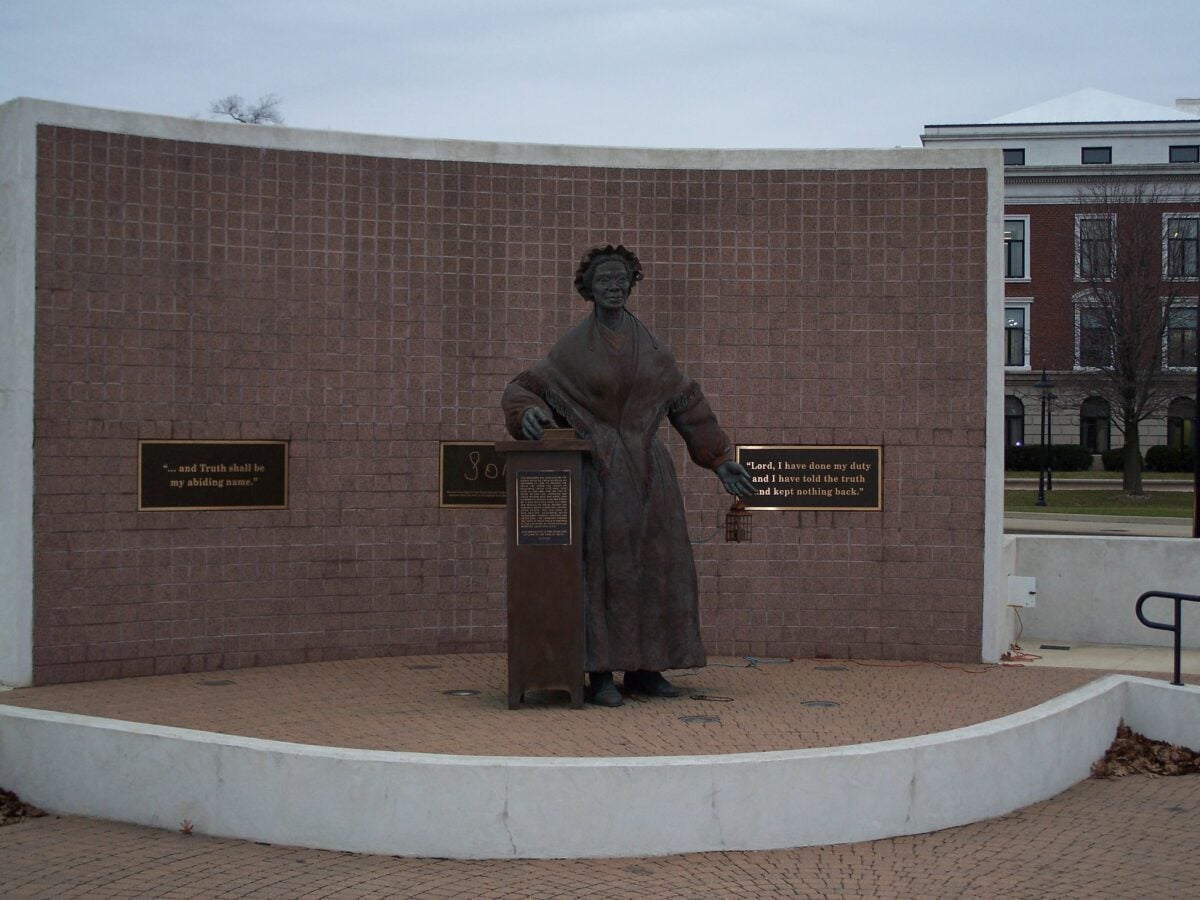
At a women’s rights convention in 1851, Sojourner Truth, once enslaved, delivered raw and unpolished remarks on gender and racial equality. Her words lacked polish but not impact—cutting sharper than ornate speeches.
Plain truth spoken with thunder.
Ronald Reagan’s “Tear Down This Wall”
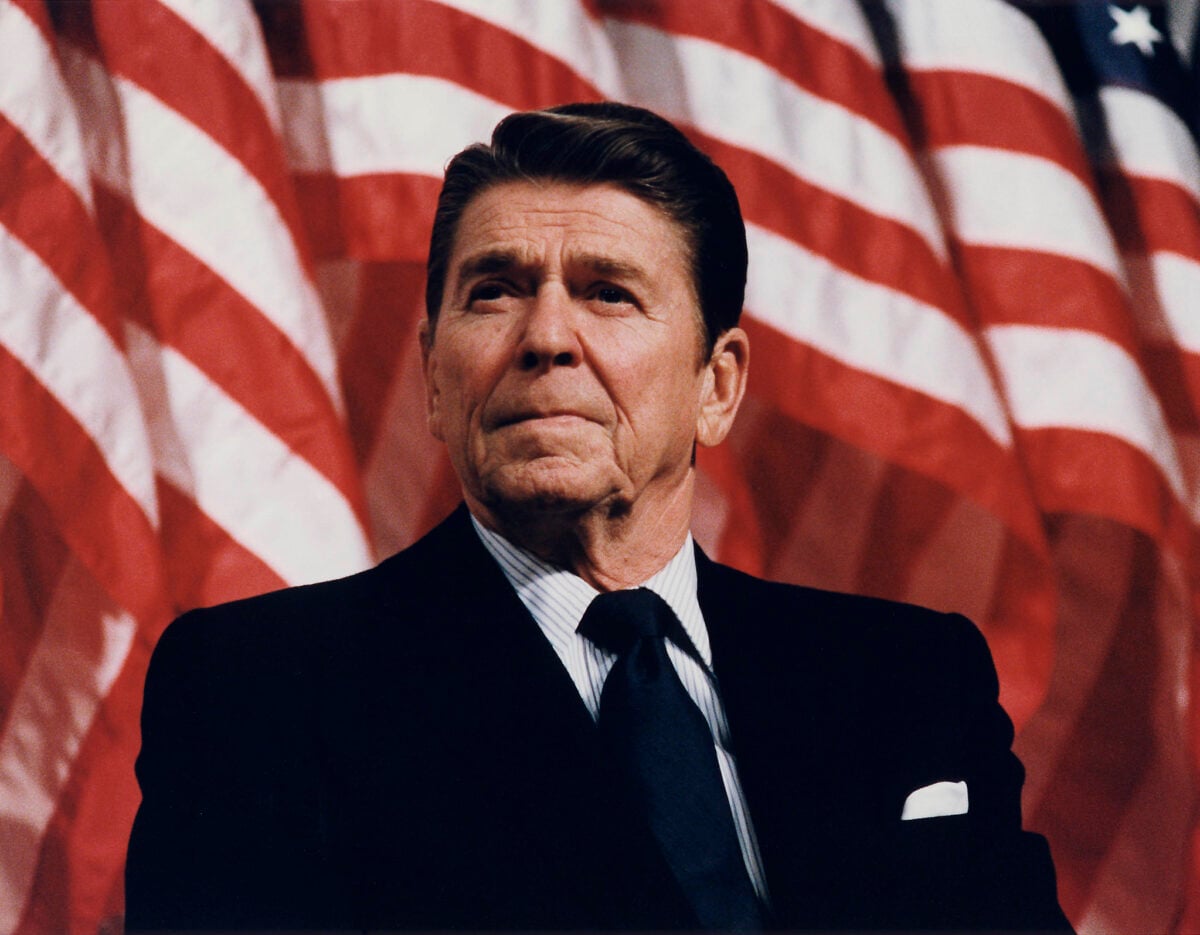
In 1987, Reagan stood at the Berlin Wall and openly challenged Mikhail Gorbachev to let Berlin be free. At the time, it seemed symbolic—even naïve.
Yet just two years later, the Wall fell, and his phrase became history’s shorthand for its collapse. Timing, as always, proved everything.
Like Go2Tutors’s content? Follow us on MSN.
Barack Obama’s 2004 DNC Keynote

Before he was president, Obama’s keynote at the Democratic National Convention turned him into a national figure overnight. Speaking of unity beyond red and blue states, his cadence carried a new kind of energy into politics.
Still, no one quite foresaw just how far that one night would take him.
Pericles’ Funeral Oration
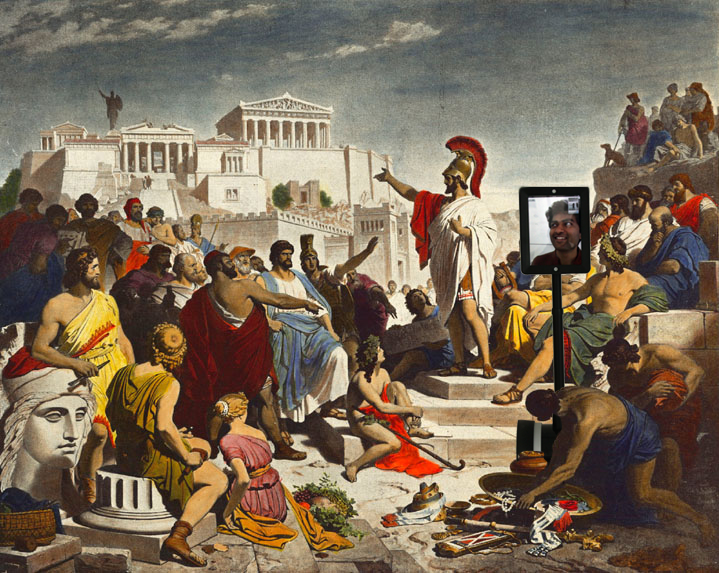
In ancient Athens, Pericles honored soldiers fallen in the Peloponnesian War. His speech celebrated democracy, civic duty, and the pride of citizenship.
The words defined ideals that still echo in modern politics. Two thousand years may have faded the papyrus, but the ideas remain intact.
Malala Yousafzai’s UN Speech

In 2013, just 16 years old and fresh from surviving an assassination attempt, Malala addressed the UN. Her call for girls’ education was fearless, personal, and remarkably steady.
A teenager—yet her voice carried a weight that silenced leaders across the globe.
Like Go2Tutors’s content? Follow us on MSN.
Patrick Henry’s “Give Me Liberty or Give Me Death”
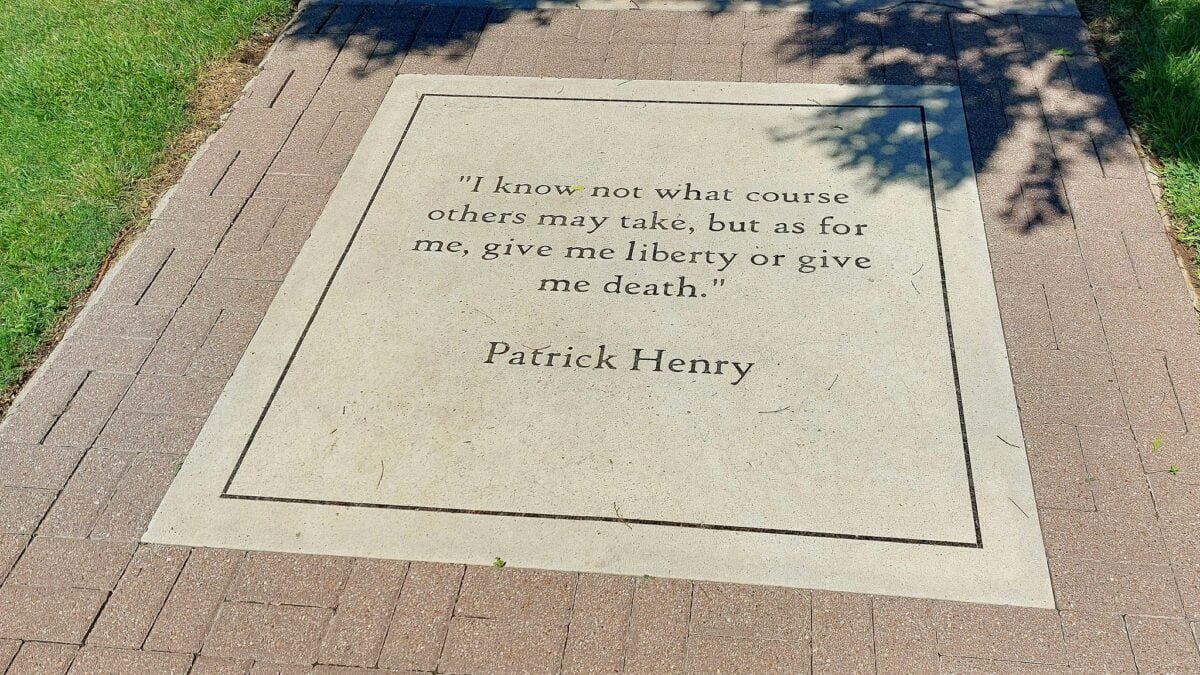
In 1775, Henry’s fiery plea rang through the Virginia Convention. His cry for liberty at any cost pushed colonists toward open revolution.
Dramatic? Yes. Over the top? Maybe.
Yet undeniably effective—history proves it.
Elie Wiesel’s “The Perils of Indifference”

In 1999, Holocaust survivor Elie Wiesel spoke at the White House about the dangers of apathy. His soft, deliberate words carried tragedy and warning all at once.
Even so, it wasn’t volume but gravity that made his message unforgettable.
Chief Joseph’s Surrender Speech
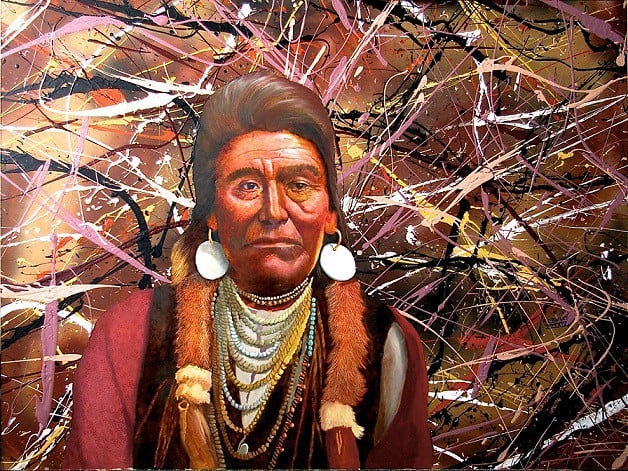
By 1877, after leading his people through exhaustion and retreat, Chief Joseph surrendered to U.S. forces. His words—“I will fight no more forever”—captured sorrow, dignity, and resignation.
Haunting even now, it remains one of history’s most unforgettable farewells.
Like Go2Tutors’s content? Follow us on MSN.
Susan B. Anthony’s Women’s Suffrage Speech

Arrested for casting a vote in 1872, Anthony spoke boldly in defense of women’s right to the ballot. Her speech in 1873 demanded recognition of equality and became a cornerstone of the suffrage movement.
Straightforward, uncompromising, and strikingly ahead of its time.
When Words Outlive the Moment
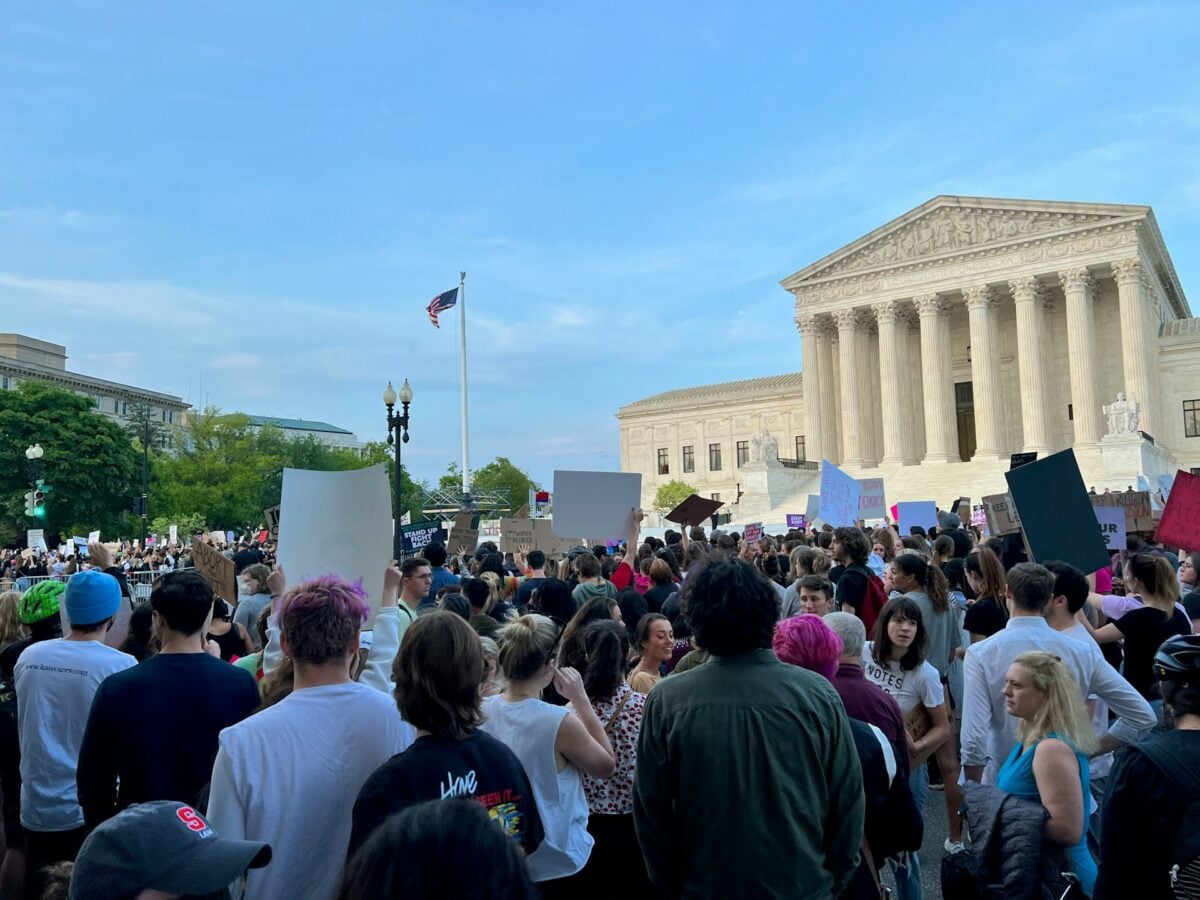
These speeches show that language can outlast its occasion, bridging generations. They stirred people in their own time but also endured—reshaping how societies view themselves and what they dare to attempt.
Long after applause fades, words keep working.
More from Go2Tutors!

- 16 Historical Figures Who Were Nothing Like You Think
- 12 Things Sold in the 80s That Are Now Illegal
- 15 VHS Tapes That Could Be Worth Thousands
- 17 Historical “What Ifs” That Would Have Changed Everything
- 18 TV Shows That Vanished Without a Finale
Like Go2Tutors’s content? Follow us on MSN.