Biggest Festivals Measured by Attendance Numbers
People love coming together for festivals. Whether it’s music, culture, religion, or pure celebration, these massive gatherings show how humans crave connection and shared experiences.
Some festivals draw crowds so large they rival entire city populations, creating temporary communities that pulse with energy and excitement. Let’s look at the festivals that attract the most people from around the world.
Kumbh Mela
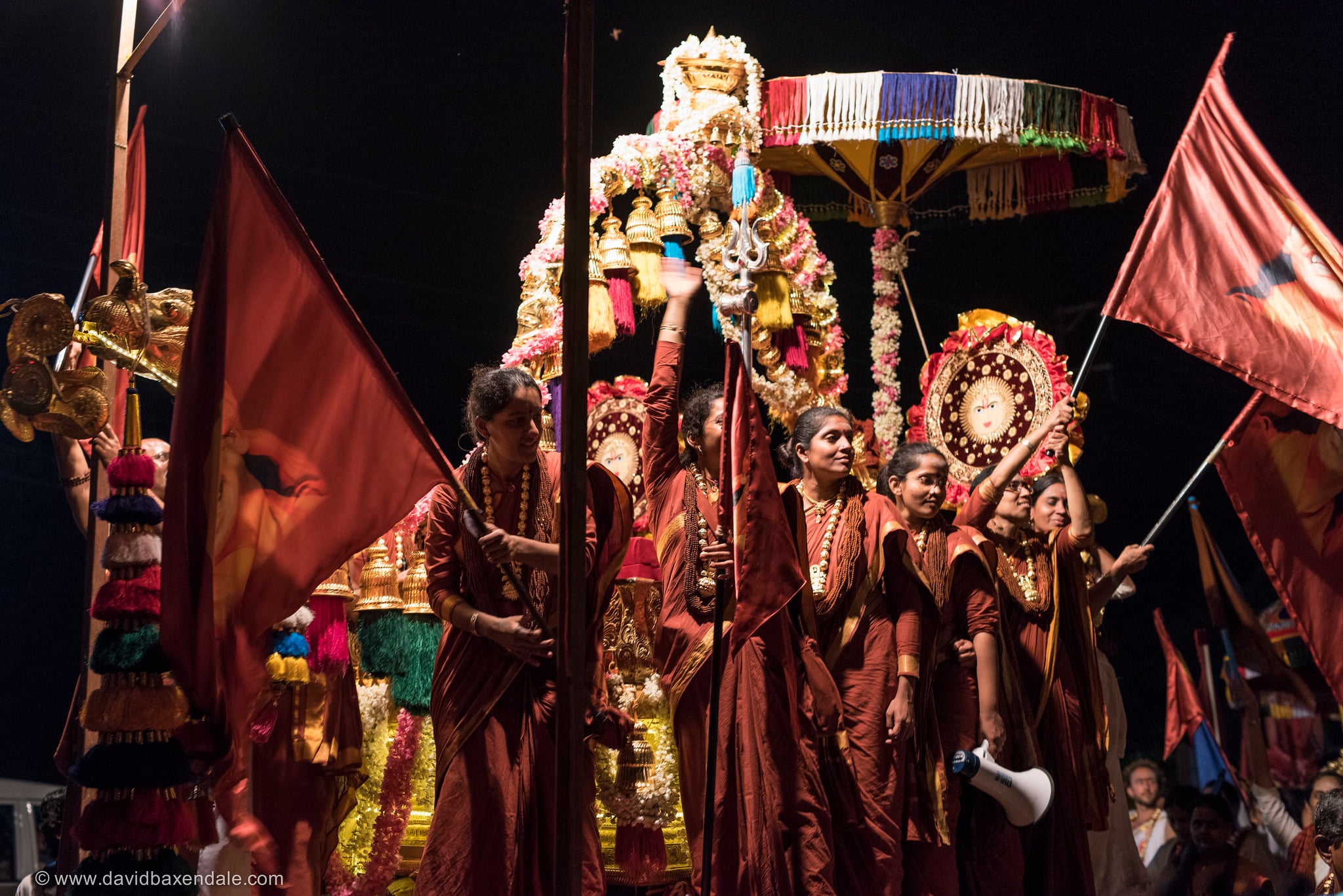
This Hindu pilgrimage festival in India holds the record as the largest peaceful gathering on Earth. Millions of pilgrims travel to sacred rivers to bathe and cleanse themselves spiritually.
The 2019 Kumbh Mela in Prayagraj saw an estimated 220 million visitors over its 49-day duration. People camp along riverbanks, holy men perform rituals, and the sheer scale creates a city that appears and disappears like clockwork.
The festival rotates between four cities every three years, with the full cycle completing every twelve years.
Arbaeen Pilgrimage
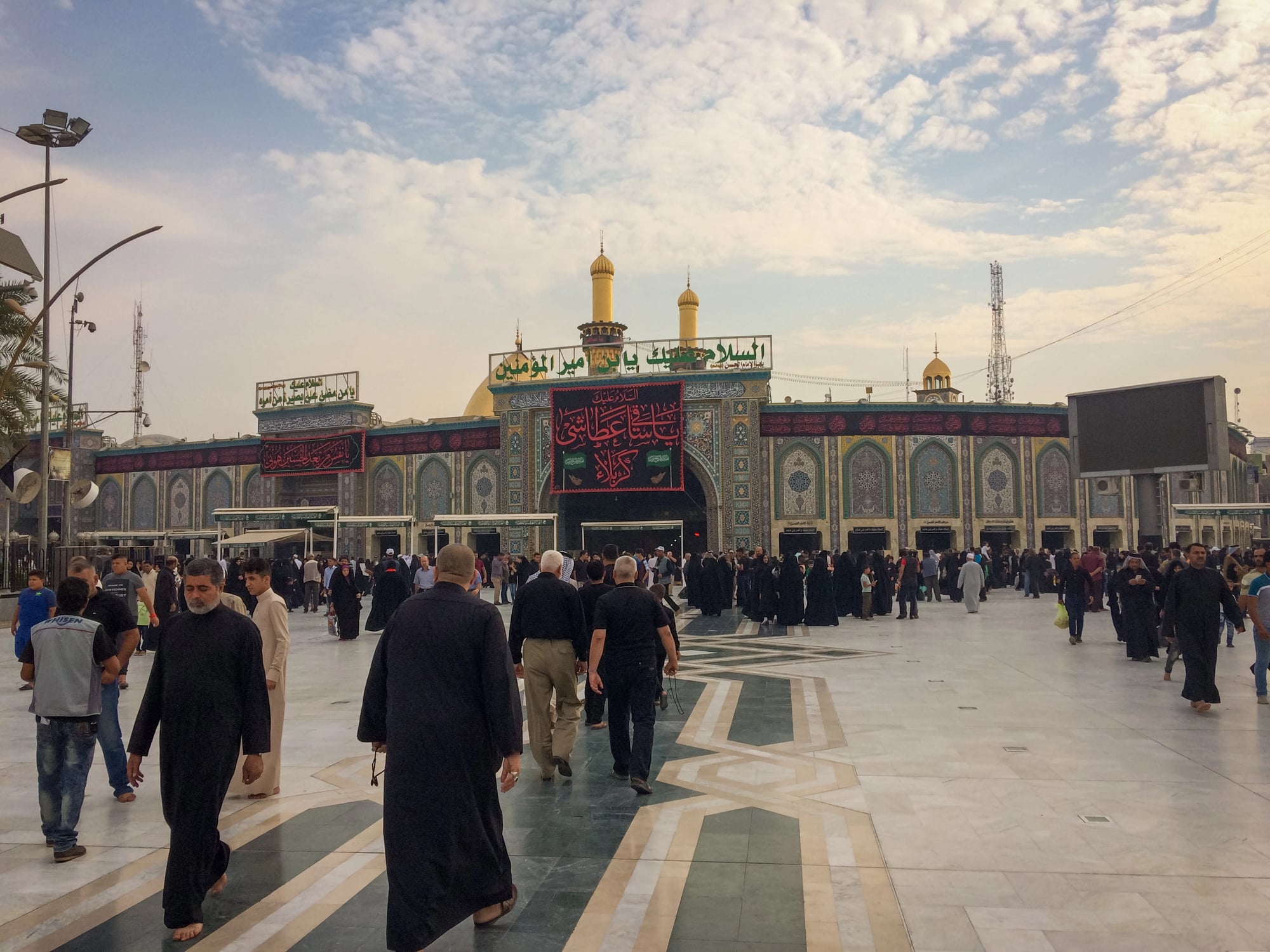
Taking place in Iraq, this Shia Muslim observance draws roughly 20 to 30 million participants annually. Pilgrims walk to Karbala to commemorate the 40th day after the martyrdom of Imam Husayn.
Many walk for days, sometimes covering hundreds of miles on foot. Communities along the route offer free food, water, and shelter to travelers.
The procession creates one of the longest human chains ever recorded. Despite security challenges, attendance keeps growing each year.
Carnival in Rio de Janeiro
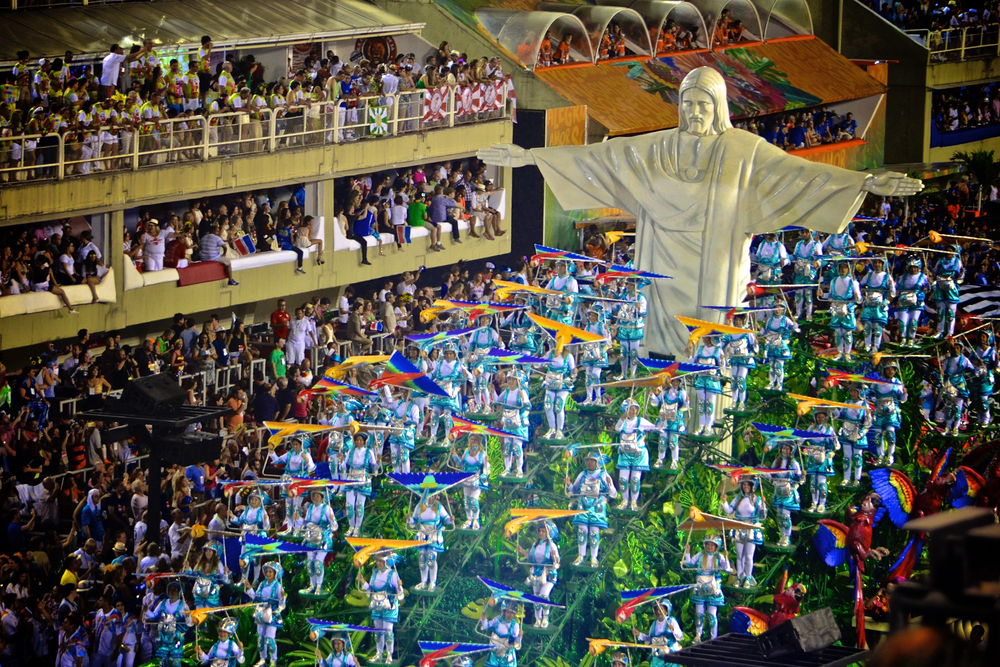
Brazil’s most famous party attracts about 5 million people to Rio’s streets every year. The celebration lasts five days leading up to Lent, featuring elaborate parades, samba competitions, and street parties called blocos.
Performers spend months preparing costumes that sparkle with thousands of sequins and feathers. The Sambadrome hosts the main parade where samba schools compete for glory.
Neighborhoods transform into open-air dance floors where strangers become friends within minutes.
Oktoberfest
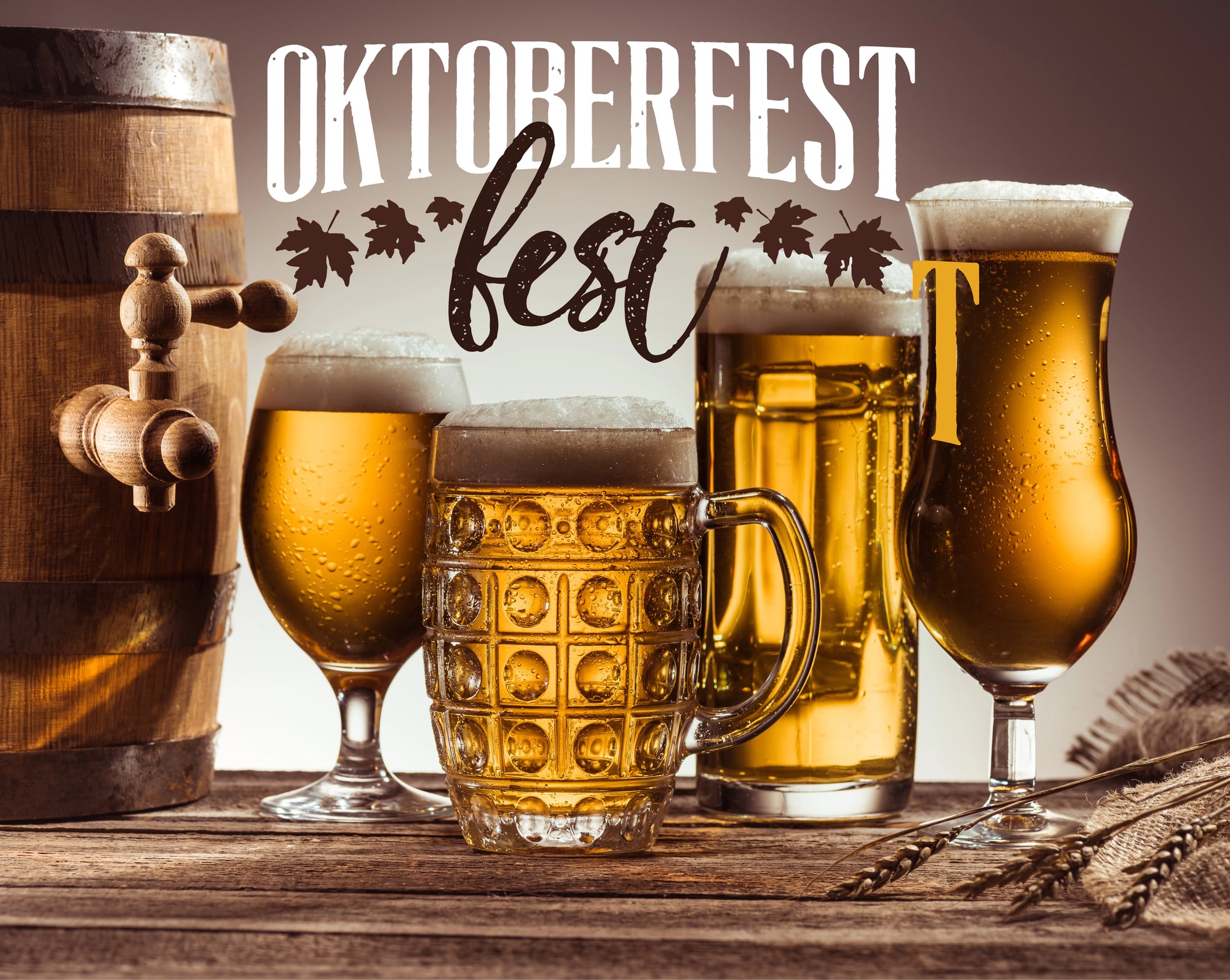
Munich’s beer festival welcomes around 6 million visitors during its 16 to 18 day run each fall. What started as a royal wedding celebration in 1810 became the world’s largest beer festival.
Massive tents house thousands of people at once, each operated by different Munich breweries. Servers carry impossible numbers of beer steins while navigating crowded aisles.
Traditional Bavarian music, food, and clothing create an atmosphere that feels both authentic and tourist-friendly. The festival generates hundreds of millions for Munich’s economy.
Magh Mela
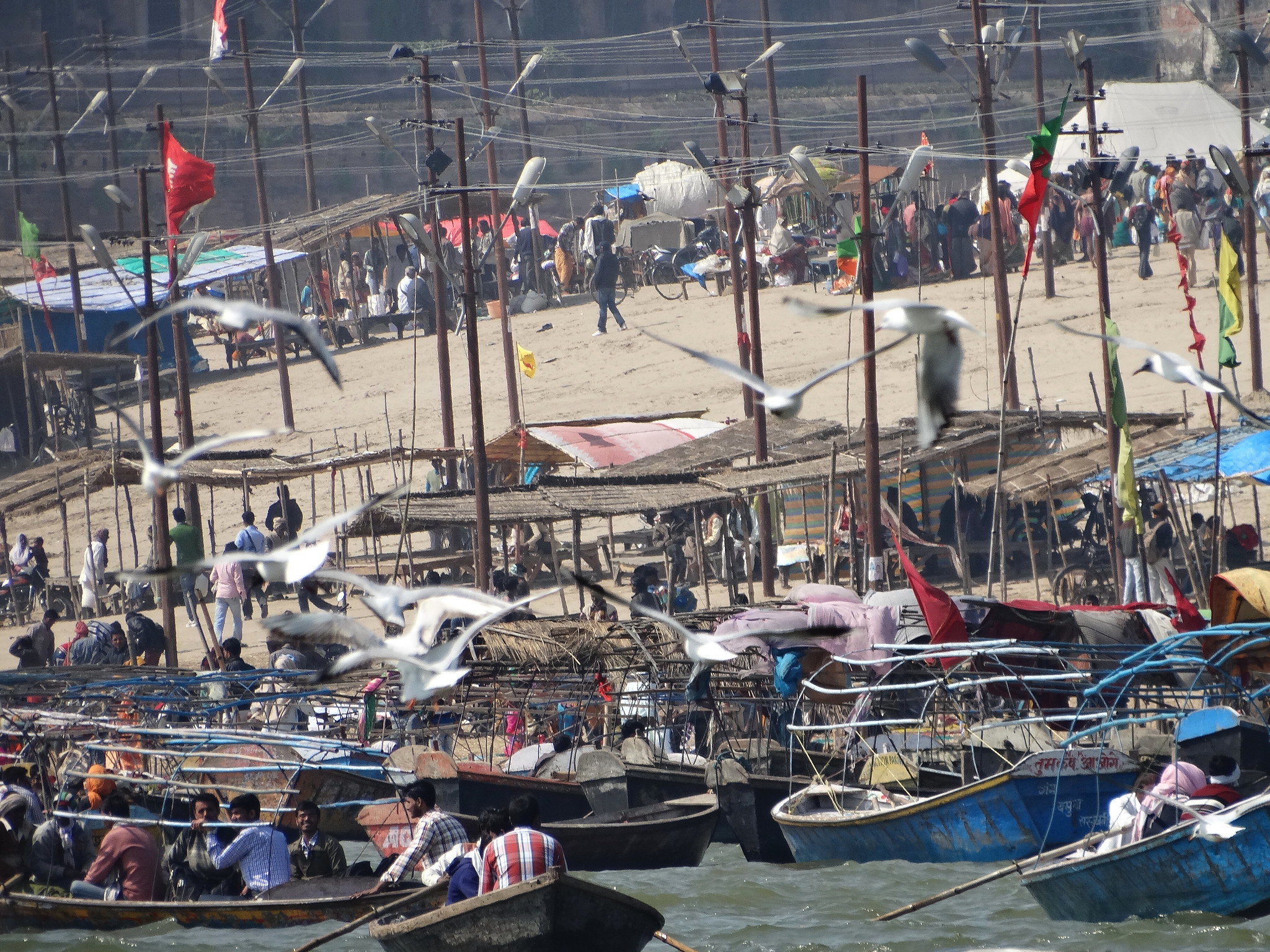
Another major Hindu festival in India, Magh Mela occurs annually in Prayagraj and draws 10 to 15 million attendees. It happens during the Hindu month of Magh, typically January and February.
Pilgrims take holy dips at the confluence of three sacred rivers. Temporary tent cities spring up with basic amenities for the faithful.
The festival lacks the massive scale of Kumbh Mela but still ranks among the world’s largest gatherings. Spiritual teachers set up camps to share wisdom with seekers.
Hajj
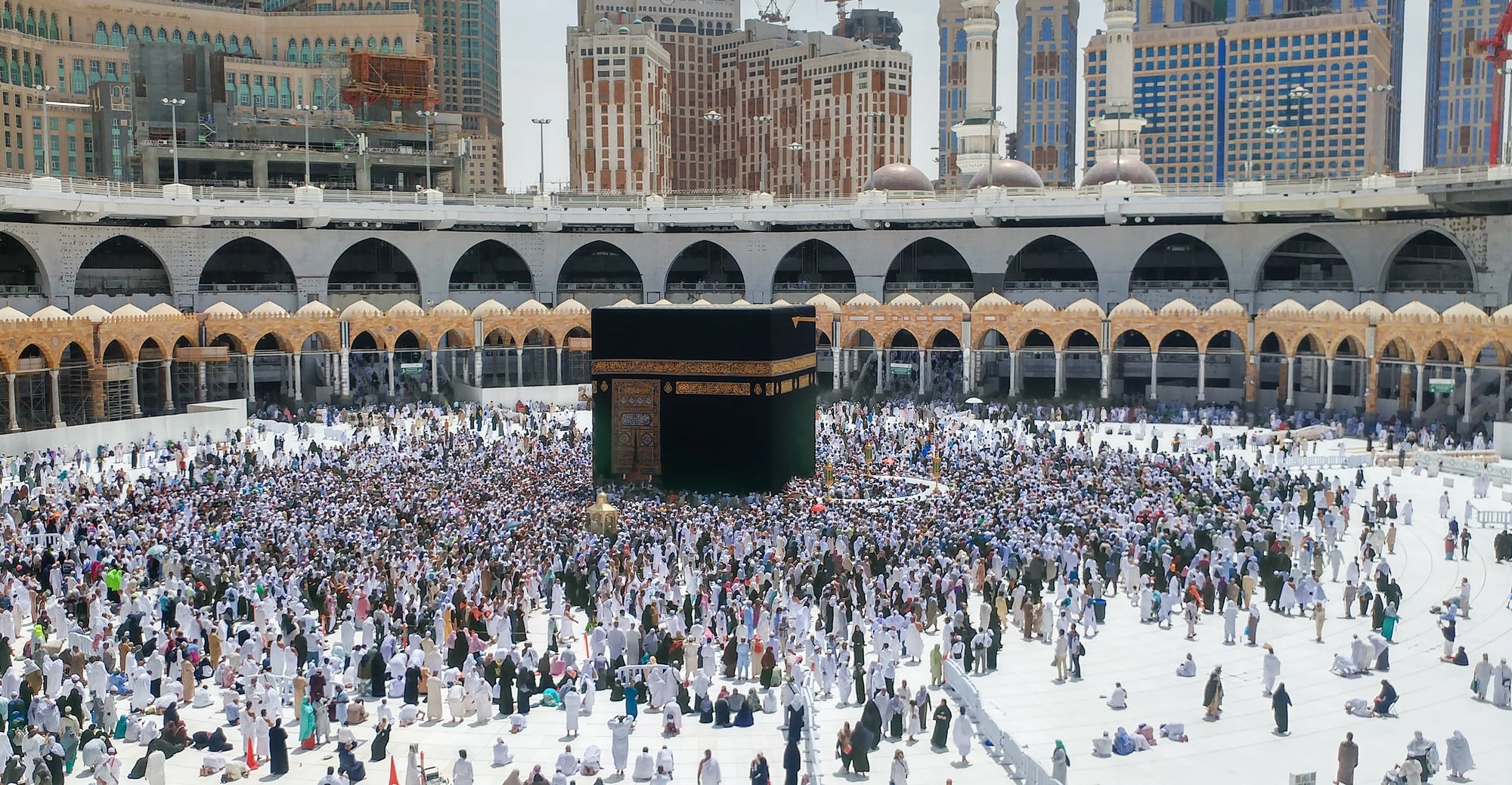
This Islamic pilgrimage to Mecca brings together roughly 2 to 3 million Muslims from every corner of the globe. All physically and financially able Muslims must complete Hajj at least once in their lifetime.
The Saudi government carefully manages numbers through a quota system to prevent overcrowding. Pilgrims perform specific rituals over several days, including circling the Kaaba and standing at Mount Arafat.
The logistical coordination required resembles moving a small country. Modern infrastructure helps manage the crowds, but the experience remains deeply personal.
Timkat
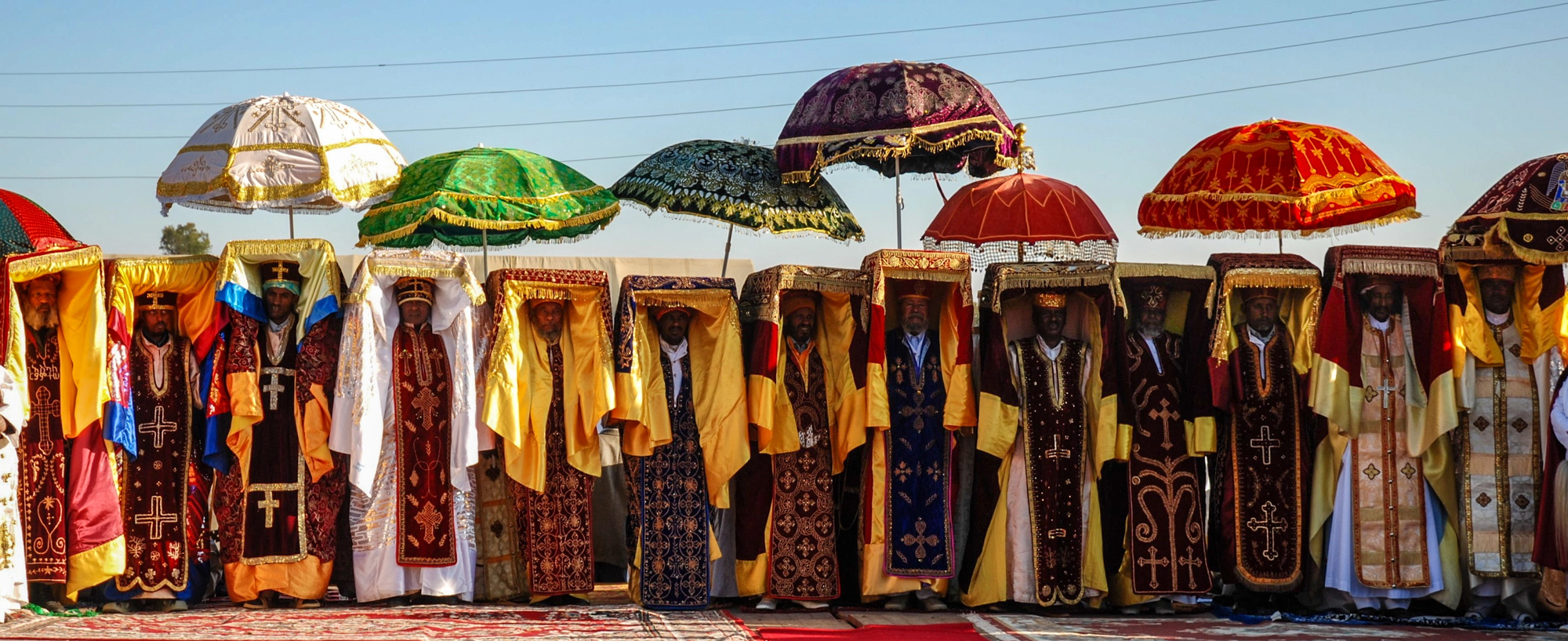
Ethiopia’s Orthodox Christian festival celebrating Epiphany draws hundreds of thousands of participants annually. Priests parade replicas of the Ark of the Covenant through streets while followers dress in traditional white garments.
The celebration peaks with a blessing of water where crowds immerse themselves or get sprinkled. Cities like Gondar and Lalibela become pilgrimage destinations during this three-day event.
The festival combines religious devotion with cultural pride. Tourists increasingly join the celebrations, adding to the numbers.
Creamfields
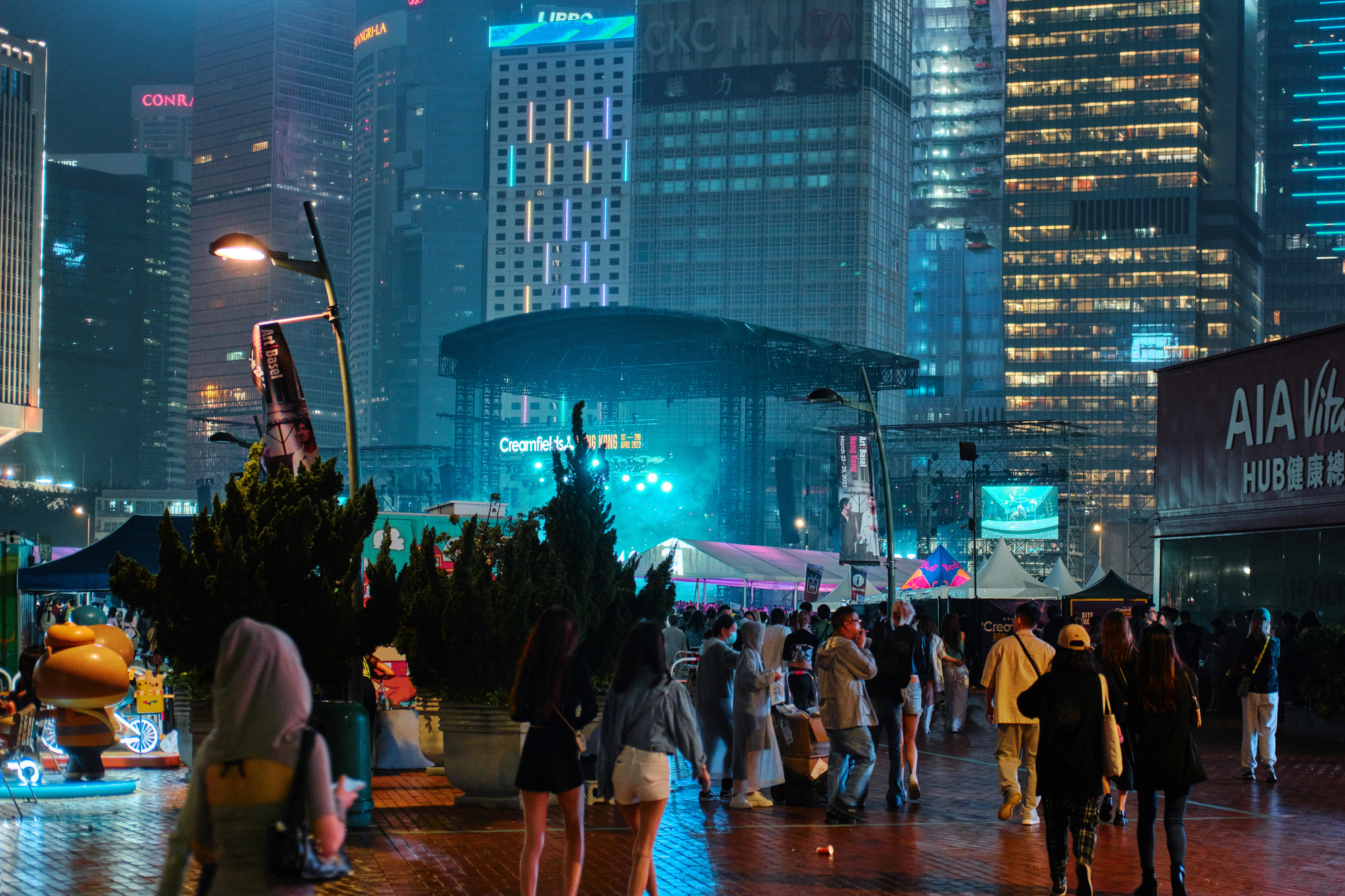
This electronic dance music festival in England attracts roughly 70,000 people over four days each August. Since 1998, it’s grown from a single-day event to a major fixture on the EDM calendar.
Multiple stages host world-famous DJs and producers who keep crowds dancing from afternoon until late night. The festival grounds transform into a temporary city with camping areas and vendor zones.
Rain or shine, attendees show up ready to celebrate. Similar Creamfields events now happen in other countries.
Essence Festival
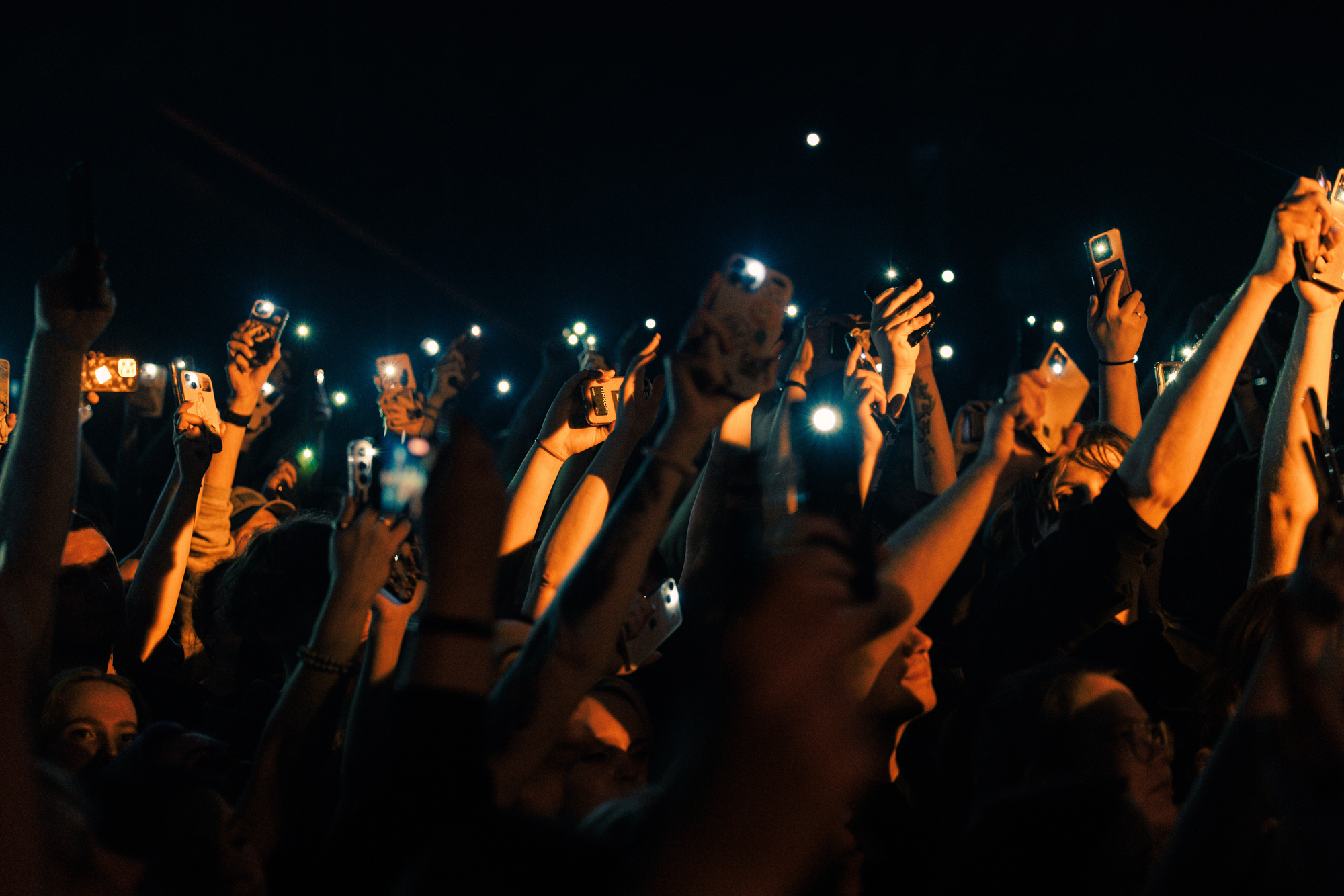
New Orleans hosts this celebration of African American culture and music, drawing around 500,000 visitors during the July 4th weekend. R&B, hip-hop, and gospel artists headline multiple stages across the city.
The festival includes empowerment seminars, marketplace vendors, and culinary experiences. Founded in 1995 to celebrate Essence magazine’s 25th anniversary, it became an annual tradition.
The event significantly boosts New Orleans’ tourism during the summer. Attendees range from families to friend groups seeking a weekend of culture and entertainment.
Summerfest
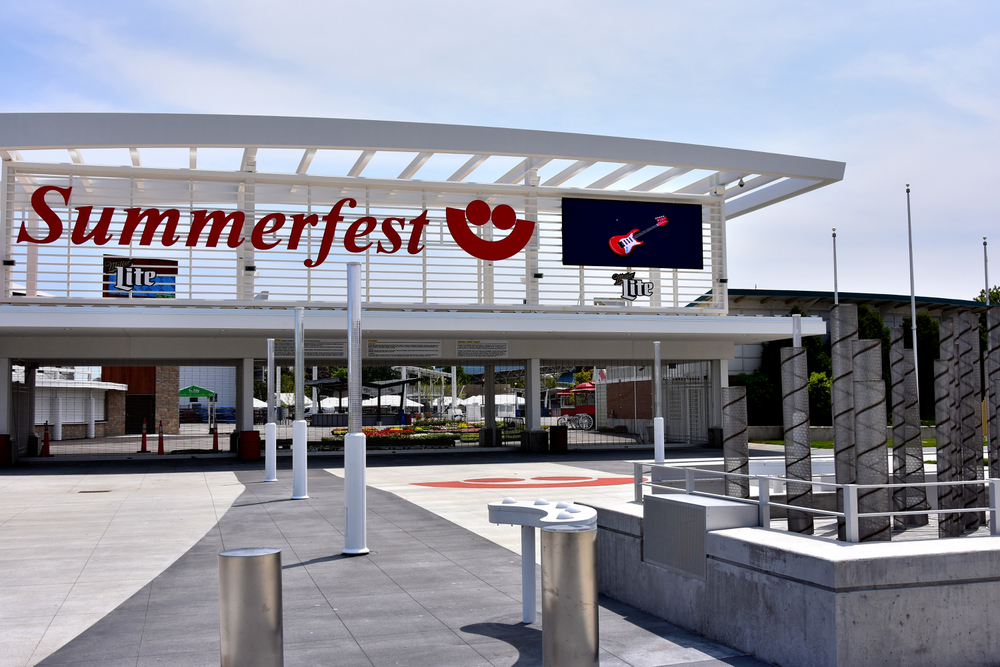
Milwaukee’s music festival claims the title of ‘The World’s Largest Music Festival’ with attendance around 800,000 over eleven days. More than 800 acts perform on multiple stages along Lake Michigan’s shore.
The festival offers something for everyone, from rock and country to jazz and hip-hop. Local Milwaukee bands share stages with international superstars.
Food vendors represent the city’s diverse culinary scene. The lakefront location provides natural cooling during hot summer days.
Glastonbury Festival
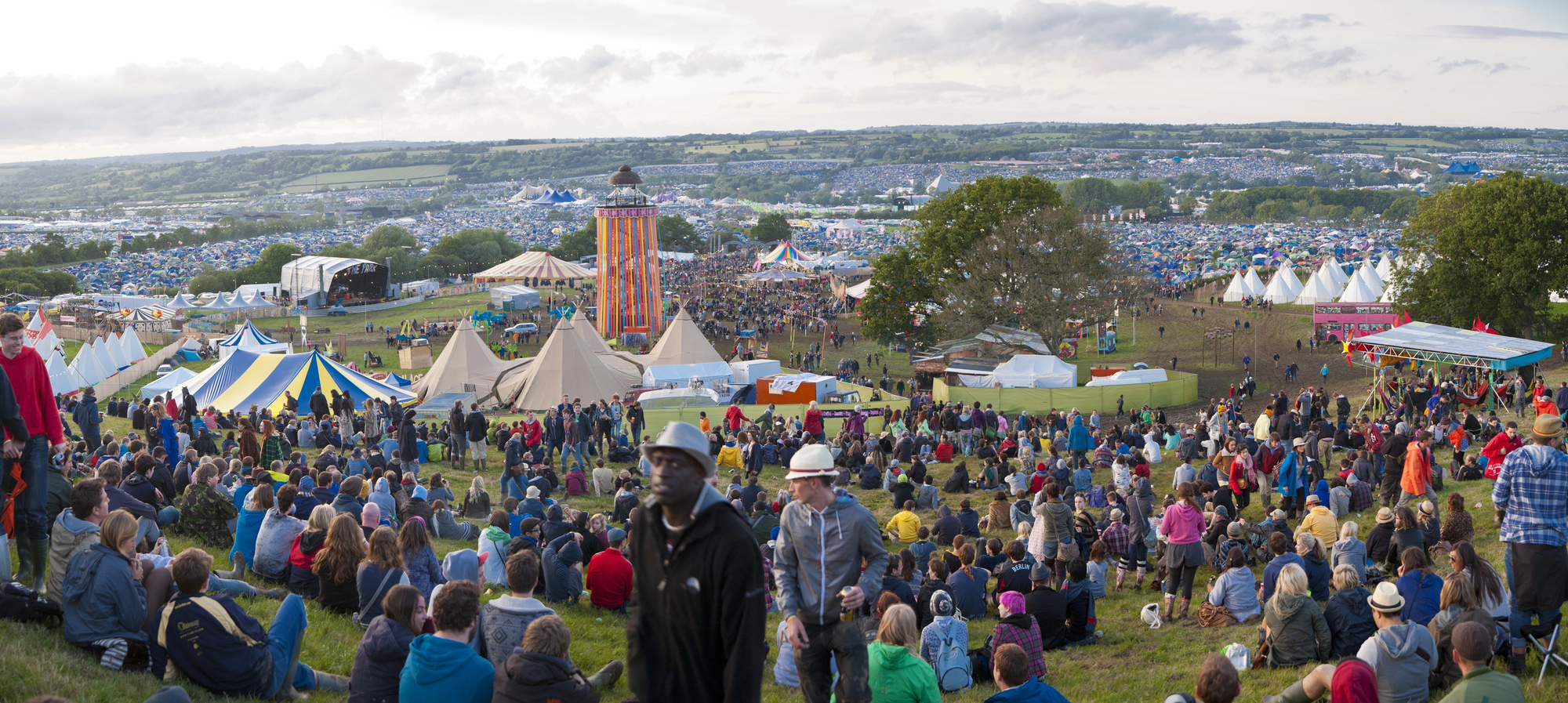
England’s legendary music and performing arts festival draws roughly 200,000 people to a farm in Somerset. Getting tickets requires luck and persistence since they sell out within minutes.
The five-day event features hundreds of performances across numerous stages and areas. Mud becomes part of the experience when rain turns fields into slippery challenges.
Beyond music, the festival includes theater, circus acts, and political activism. Founder Michael Eavis still oversees operations decades after the first event.
Donauinselfest
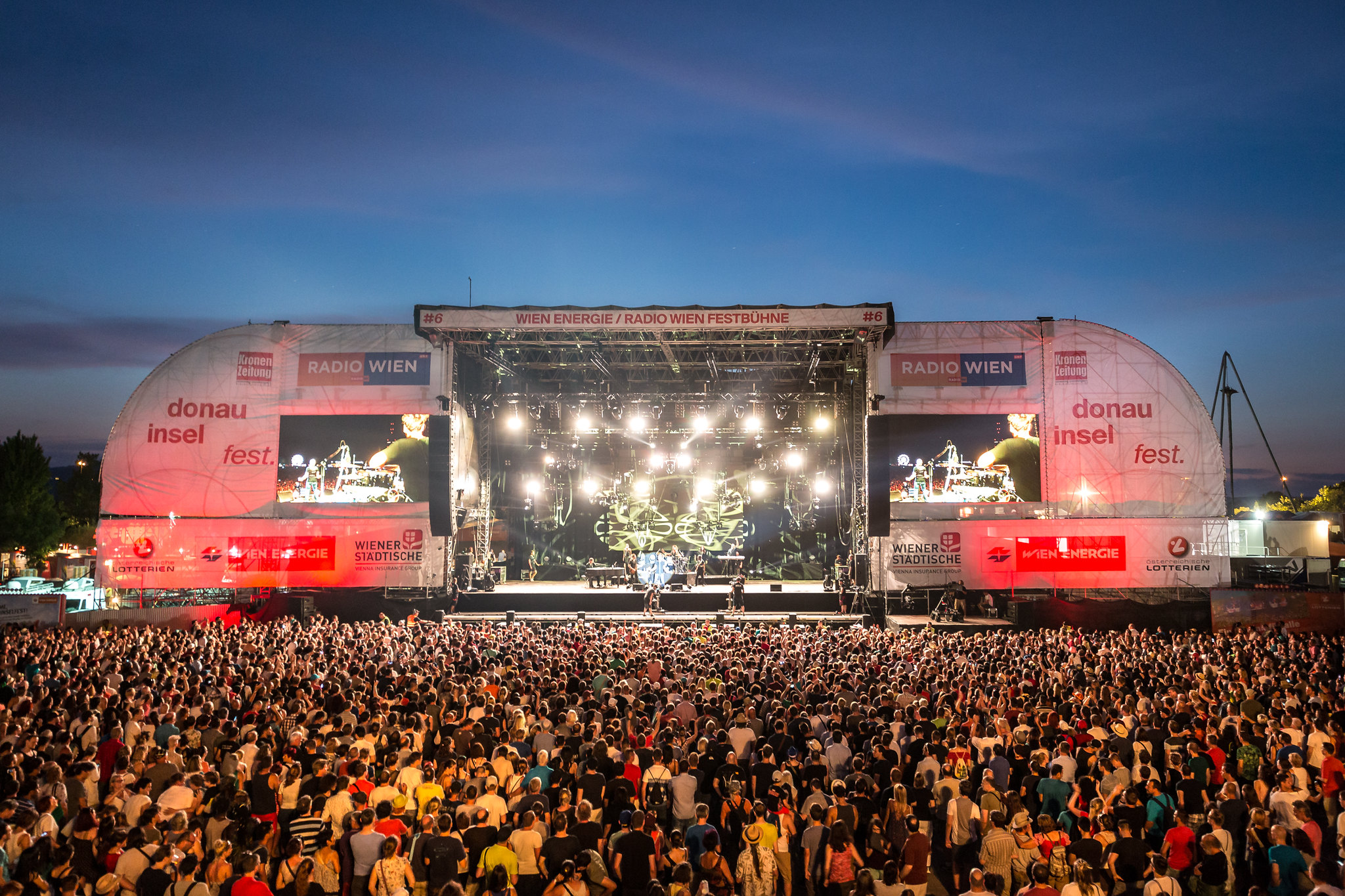
Vienna’s free music festival on Danube Island attracts about 3 million visitors over three days in June. The event showcases primarily German-language pop and rock acts across multiple stages.
Being completely free makes it accessible to everyone regardless of budget. Families picnic on the grass while teenagers crowd near the main stages.
The festival celebrates Vienna’s cultural scene while providing entertainment that suits all ages. Food stands offer everything from traditional Austrian dishes to international cuisine.
Songkran
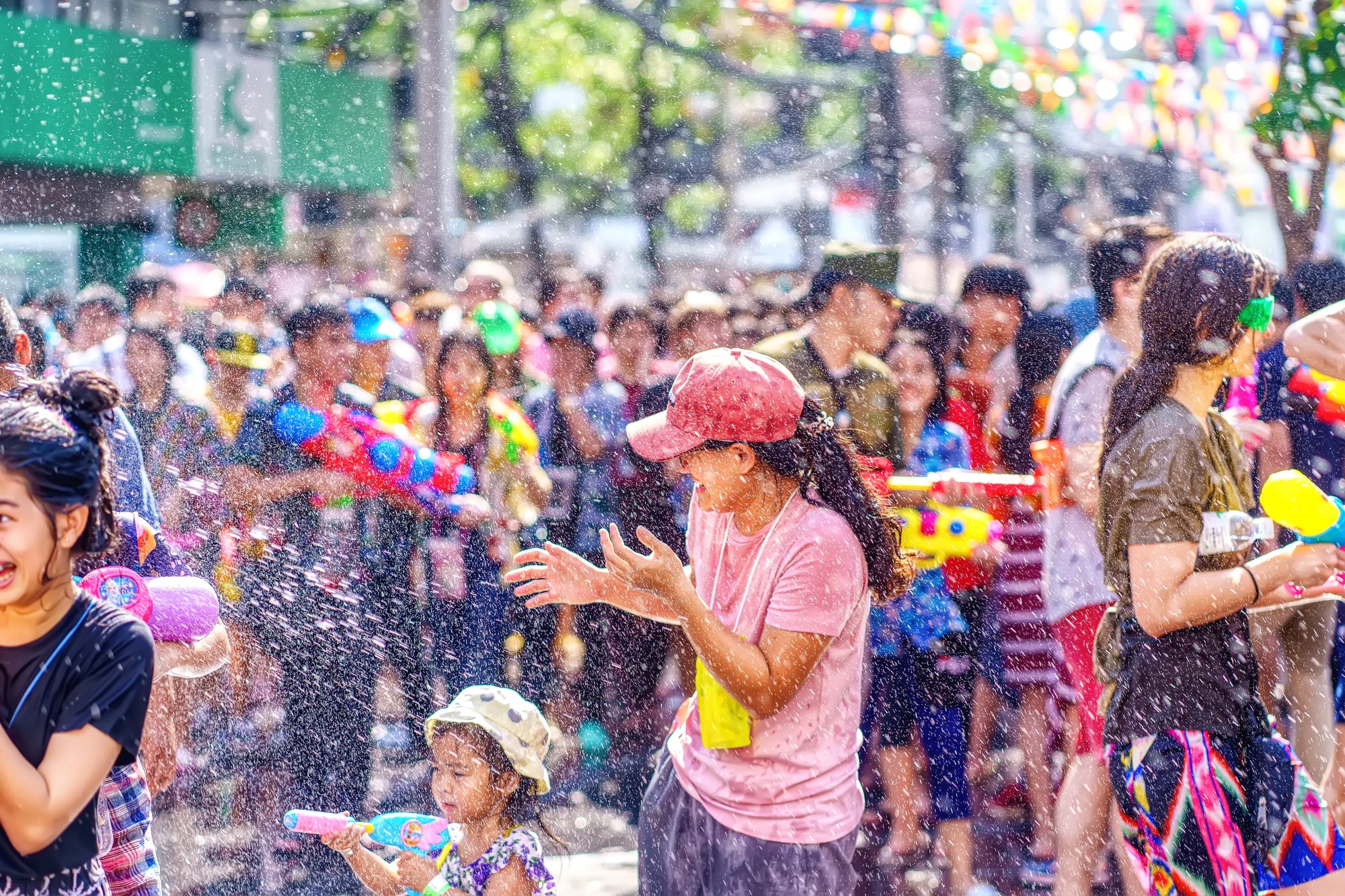
Thailand’s water festival marking the traditional New Year brings millions into the streets for three days in April. What began as a gentle ritual of pouring water on elders transformed into the world’s largest water fight.
Cities become battlegrounds where everyone gets soaked by buckets, hoses, and water guns. Bangkok sees massive crowds in areas like Khao San Road and Silom.
Tourists plan trips specifically to experience the joyful chaos. The festival coincides with the hottest time of year, making the water welcome.
Gion Matsuri
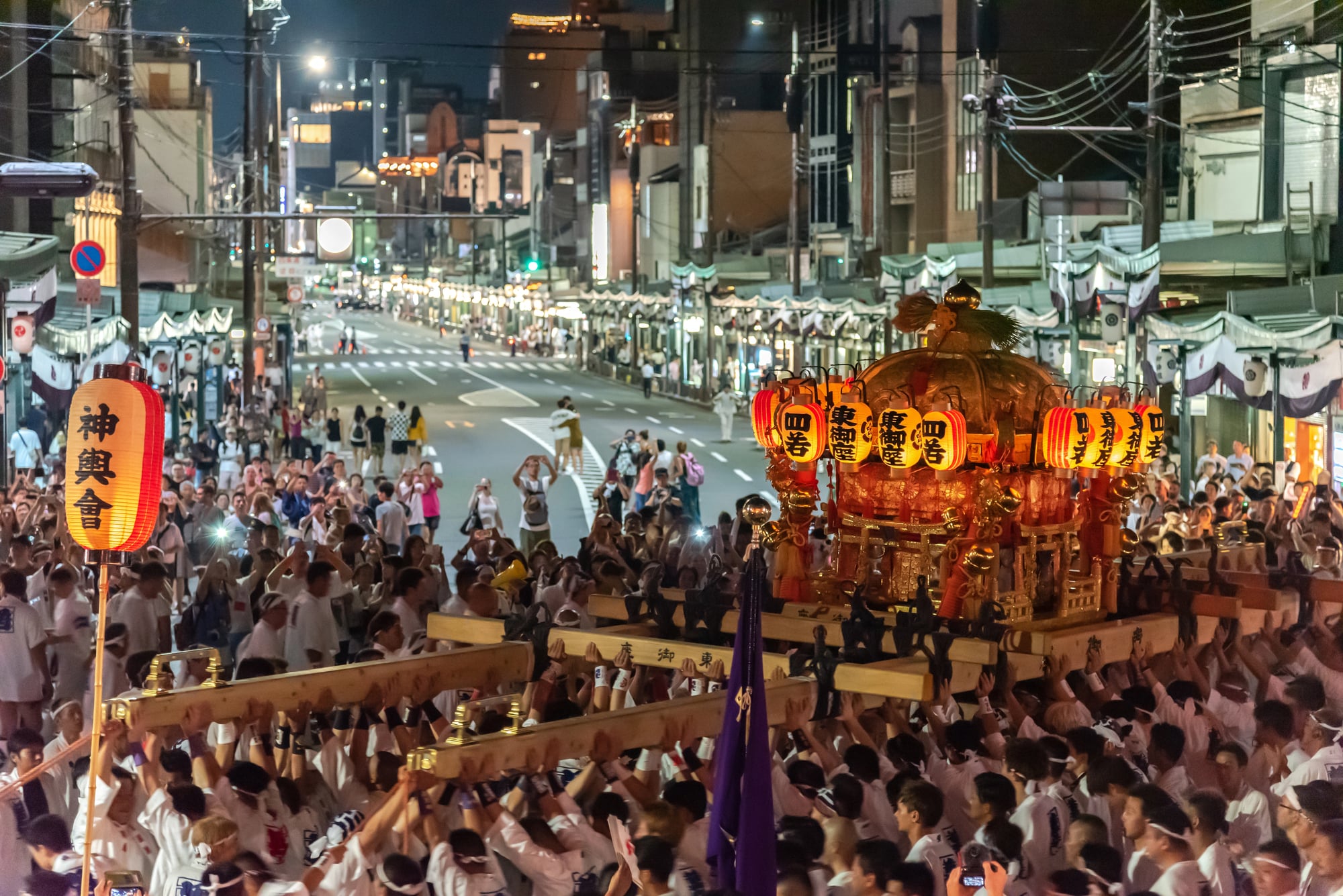
Kyoto’s month-long festival in July draws millions of visitors to experience traditional Japanese culture. The highlight comes with two grand processions of elaborate floats through the city streets.
Some floats date back centuries and showcase incredible craftsmanship. Neighborhoods compete to present the most impressive displays.
Evening street parties feature traditional food and games. The festival honors the gods who protect against plague and disaster.
Preparation involves entire communities working together for months.
Mardi Gras
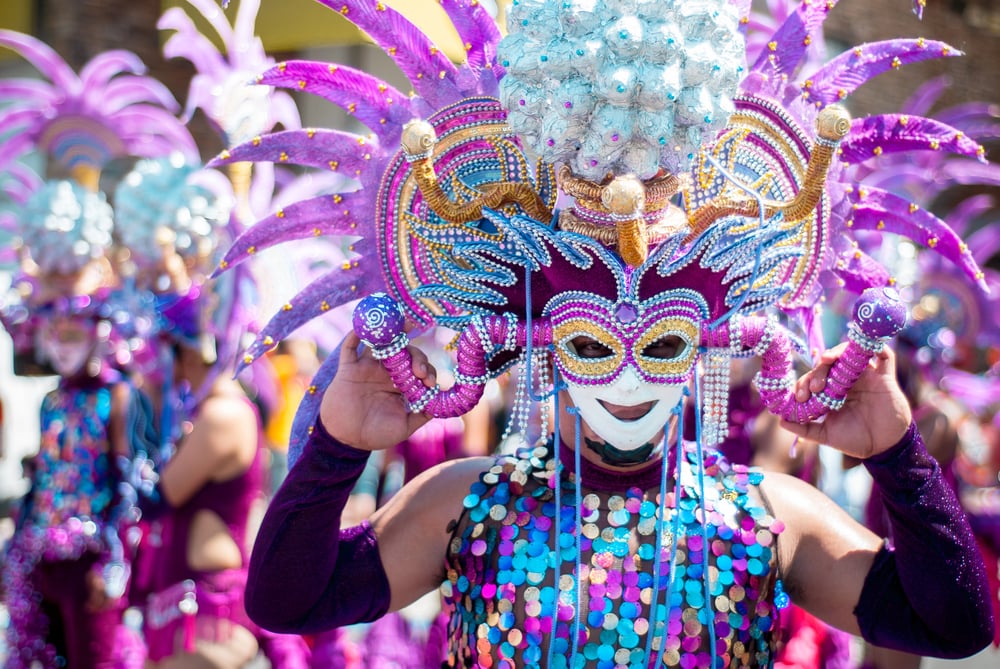
New Orleans’ pre-Lenten celebration attracts roughly 1.4 million people to the city’s streets. Parades organized by social clubs called krewes roll through various neighborhoods throwing beads and trinkets.
The celebration actually spans several weeks, building to a climax on Fat Tuesday. Revelers wear elaborate costumes and masks while enjoying king cake and hurricanes.
Bourbon Street becomes nearly impassable with wall-to-wall crowds. The tradition dates back to French colonial times, blending European and American influences.
Cherry Blossom Festival
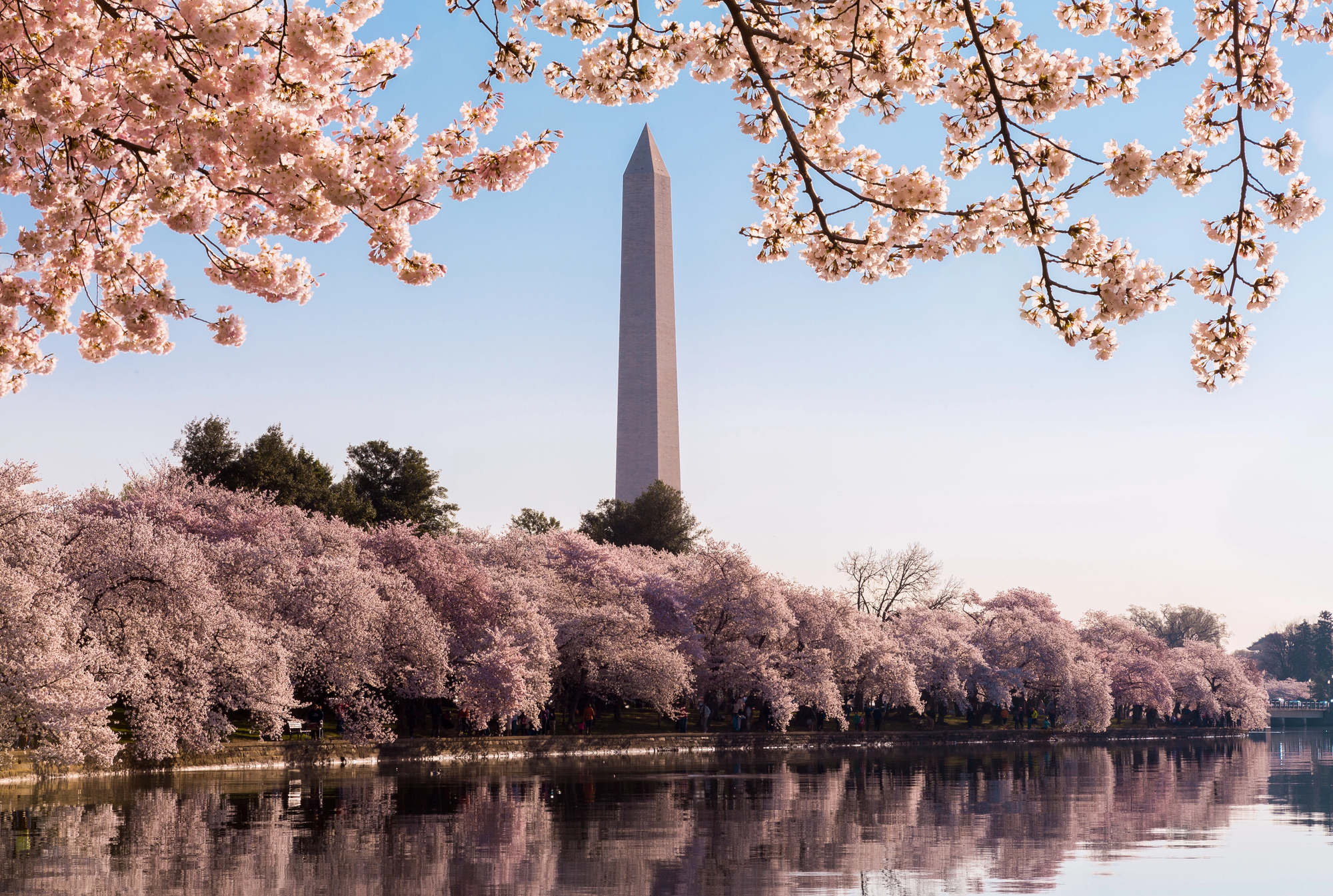
Spring brings a burst of pink to Washington D.C., thanks to cherry trees gifted long ago by Japan. Three thousand blossoms arrived back in 1912, now marking an annual moment of color.
Crowds swell – around one and a half million – when the festival unfolds over several weeks. Weather decides just when petals peak, sometimes surprising visitors, other times leaving them waiting.
Photographers flood the Tidal Basin, hunting light and angles beneath blooming branches. Parades move through streets while music fills parks, alongside displays where art meets tradition.
Blossoms in soft pink and white bring fleeting beauty to the landscape. From every corner of the nation, people arrive just to see it change.
Coachella Valley Music and Arts Festival
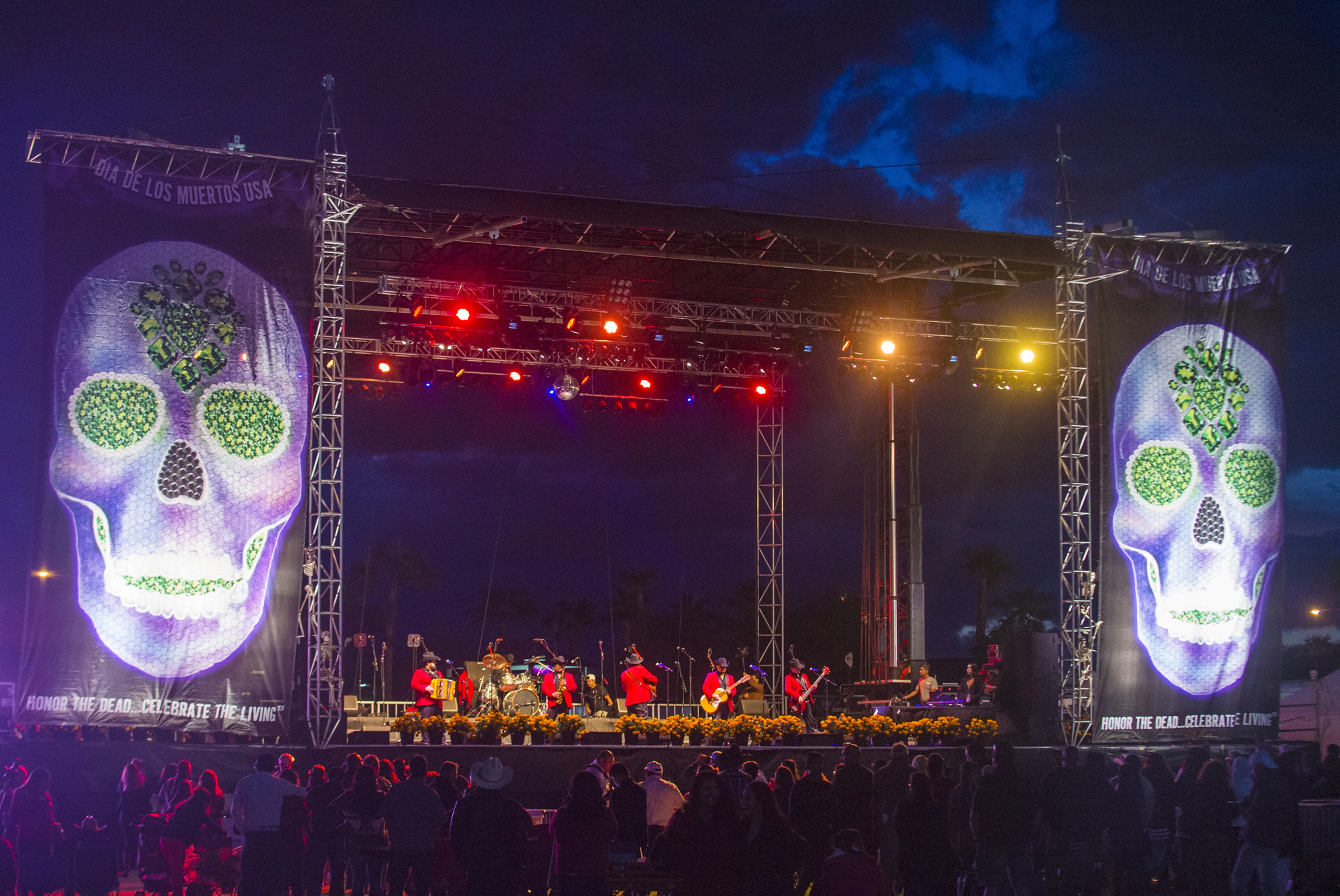
Weekends in April see around 125,000 folks head into California’s desert for one big festival. This gathering shaped how today’s long music events are run – others just followed after.
Big stars usually take the main stage, whereas lesser-known acts light up quieter spots throughout the grounds. Outfits matter here; visitors show off personal flair like it is part of the performance itself.
Scattered across the space, art pieces pop up where you least expect them. Long after the music ends, clips shared online keep the vibe alive.
Where festivals bring us together
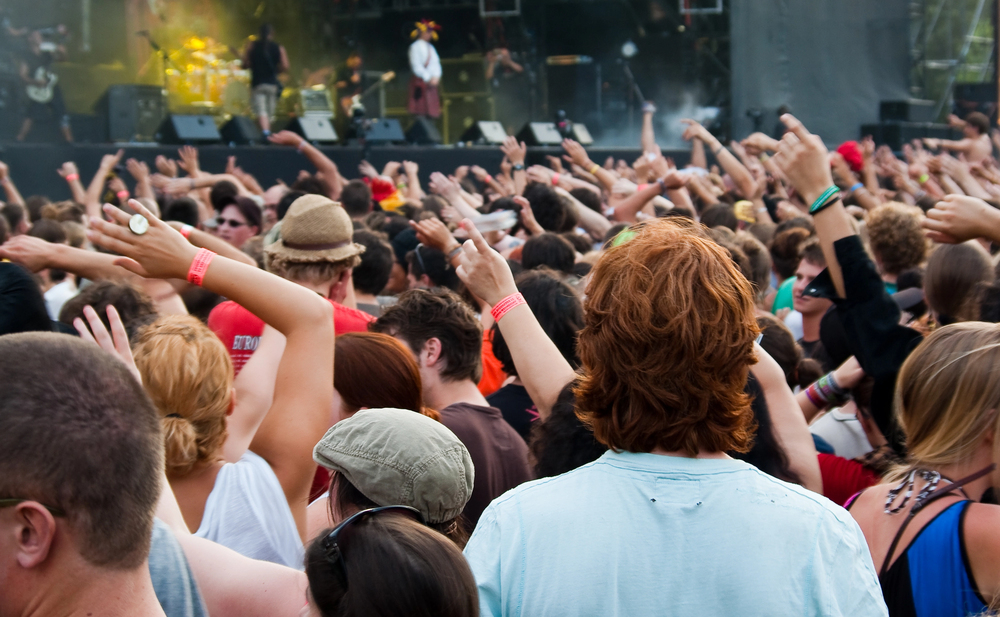
Folks show up in droves, proving distance between lives doesn’t kill the urge to stand beside someone unknown and feel part of a pulse. Screens link minds across continents, yet nothing beats standing shoulder to shoulder where sound vibrates through bone.
Getting there – hours packed into cars, trains rattling past towns you’ve never seen – is half the reason it sticks in memory. When belief swells voices, when rhythm moves hips without thought, or just because breath fills lungs another day, bodies gather.
As long as hearts beat, they’ll find their way back.
More from Go2Tutors!

- The Romanov Crown Jewels and Their Tragic Fate
- 13 Historical Mysteries That Science Still Can’t Solve
- Famous Hoaxes That Fooled the World for Years
- 15 Child Stars with Tragic Adult Lives
- 16 Famous Jewelry Pieces in History
Like Go2Tutors’s content? Follow us on MSN.



