Most Effective Brain Training Games for Adults
Your brain is like any other part of your body — it needs to be used or it starts to slip. The good news is that keeping your mind sharp doesn’t have to feel like homework.
There are games, both digital and classic, that push your brain in ways that actually stick. Some of them you already know.
Others are worth picking up right away. The key isn’t playing for hours on end.
It’s about the right kind of challenge, done regularly, over time. Here are the games that actually deliver.
Lumosity — The App Everyone’s Heard Of

Lumosity is probably the most well-known brain training app out there, and for the most part, it earns that reputation. The platform offers dozens of mini-games designed to target specific cognitive skills like memory, attention, and processing speed.
Each session takes about ten minutes, which makes it easy to fit into a daily routine. The games are short, but they ramp up in difficulty as you get better, which keeps things from feeling too easy too fast.
That said, it’s worth being realistic about what Lumosity can and can’t do. It trains you in the specific tasks it gives you.
Whether that translates into sharper thinking in everyday life is a different question entirely. But as a tool for regular mental exercise, it’s hard to beat.
Peak — Sharp and Quick

Peak is another app-based option, and it does a few things better than the competition. The games feel tighter and more polished, and the feedback you get after each session is genuinely useful.
It breaks down your performance by skill area, so you can see exactly where you’re strong and where you need work. Peak also keeps things moving fast. You’re not sitting around waiting between rounds.
If you have five minutes while waiting for coffee to brew, Peak fills that time well.
BrainHQ — The Science-Backed Option

BrainHQ stands out because it’s built on decades of neuroscience research. The exercises were developed by cognitive scientists, not just game designers.
That distinction matters. The training focuses heavily on processing speed and auditory perception, and multiple studies have shown that consistent use leads to measurable improvements in memory and attention — not just in the app, but in real life.
It’s not as flashy as Lumosity or Peak. The interface is straightforward and the games themselves are simple.
But if you care more about results than aesthetics, BrainHQ is worth the investment of your time.
Sudoku — A Classic for Good Reason

Sudoku has been around for decades, and it remains one of the best exercises for logical reasoning and working memory. Every time you solve a puzzle, your brain is forced to hold multiple constraints in mind at once and work through them systematically.
That’s exactly the kind of mental workout that builds cognitive strength over time. The beauty of Sudoku is that it scales perfectly.
Start with easy puzzles and work your way up. By the time you’re tackling hard or expert-level grids, your brain is doing serious work without it feeling like a grind.
Chess — The Gold Standard of Mental Exercise

Chess is one of the oldest brain training tools in existence, and there’s a reason it’s lasted. A single game forces you to plan ahead, anticipate your opponent’s moves, weigh risk against reward, and adapt when things don’t go as expected.
All of those skills translate directly into sharper thinking in other areas of life. You don’t need to be a grandmaster to benefit.
Playing at any level — even against a computer set to an easy difficulty — keeps your brain engaged. And as you improve, the mental demands increase naturally.
Online platforms make it easy to find opponents at any skill level, any time of day.
Crossword Puzzles — Word Power

Crossword puzzles tap into a different part of your brain than most other games on this list. They test vocabulary, recall, and the ability to think of words from indirect clues.
That last part is what makes them effective — you’re not just remembering words, you’re retrieving them under specific conditions. Doing a crossword daily is one of the simplest habits you can build for keeping your mind sharp.
Newspapers still publish them, and there are plenty of free apps that offer a new puzzle every day.
The Dual N-Back Task — Deceptively Simple

The dual n-back is not a game in the traditional sense. It’s more of a cognitive exercise, and it’s a tough one. You listen to a sequence of sounds and simultaneously watch a sequence of shapes move on a screen.
Your job is to identify when either the sound or the shape matches what happened a certain number of steps back. It sounds confusing, and at first it is.
But research consistently shows that regular practice with dual n-back training improves working memory in ways that carry over into everyday tasks. Free versions are available online and on mobile.
Even ten minutes a few times a week produces results over time.
Word Games — Wordle, Boggle, and Beyond
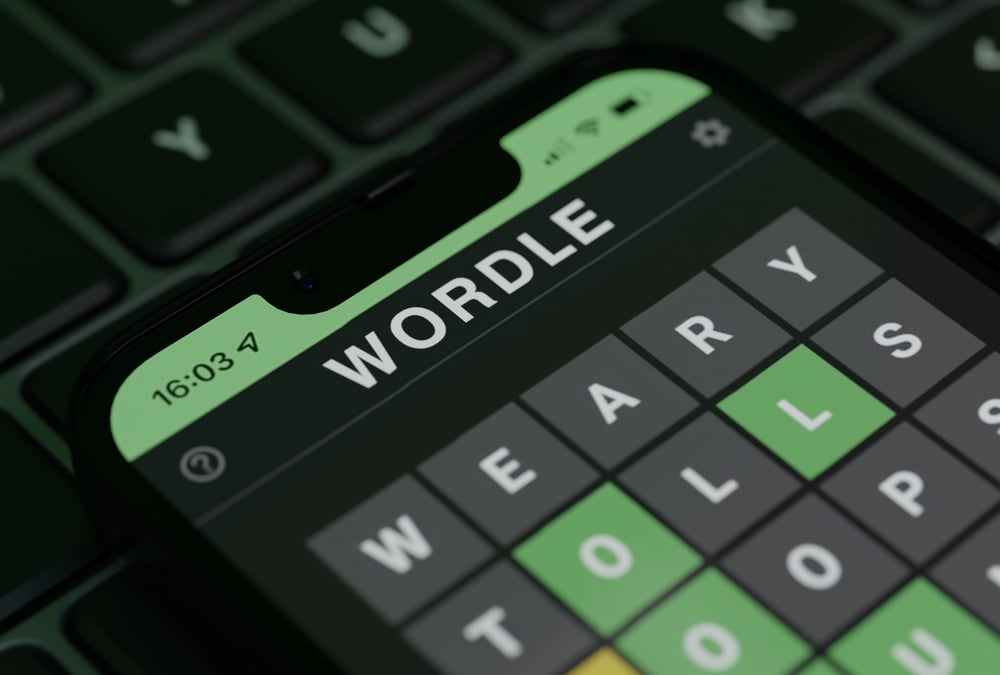
Word games as a category deserve a spot here because they train your brain in a uniquely flexible way. Wordle, for example, forces you to think about letter patterns, probability, and the process of elimination — all within five guesses.
Boggle pushes you to find words quickly from a random grid of letters, which sharpens both vocabulary and spatial thinking. These games are short, easy to access, and genuinely fun.
They also keep your language skills sharp, which matters more than people think as they get older.
Tetris — More Mental Work Than You’d Expect

Tetris looks simple on the surface. But the speed at which you need to process falling shapes, rotate them mentally, and decide where they fit requires fast spatial reasoning and quick decision-making. Studies have actually linked regular Tetris play to improved cognitive flexibility and problem-solving skills.
It’s also one of the most satisfying games ever made, which means you’re more likely to stick with it. That consistency matters more than almost anything else when it comes to brain training.
Memory Card Matching — Old School, Still Effective

The classic memory card game — flipping cards to find matching pairs — is surprisingly effective for training short-term memory. Your brain has to store the locations of cards you’ve already seen and pull that information back up when a matching card appears.
That’s a direct workout for the hippocampus, the part of your brain responsible for memory formation. Digital versions add layers of difficulty by increasing the number of cards or adding time limits.
Playing against another person adds a competitive element that keeps you focused and engaged.
Board Games — Catan, Risk, and More

Board games like Settlers of Catan and Risk force you to think several moves ahead while reacting to what other players are doing. You’re managing resources, calculating odds, forming alliances, and adjusting your strategy on the fly.
That combination of planning and adaptability is a serious mental workout. Playing with other people also adds a social dimension that solo apps can’t replicate.
Social interaction itself keeps the brain active, and the back-and-forth of a strategy game keeps everyone at the table thinking constantly.
Scrabble — The Underrated Mental Challenge
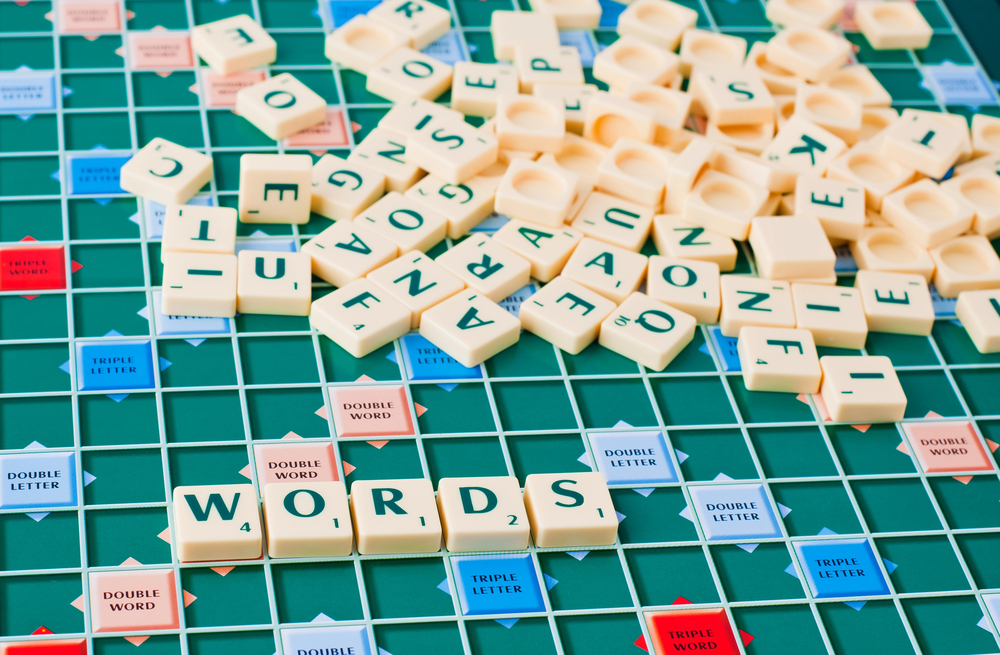
Scrabble doesn’t just test how many words you know. It tests how well you can use what you know under pressure. You’re working with a limited set of letters, trying to maximize your score while blocking your opponents.
That requires spatial thinking, vocabulary recall, and quick math — all at the same time. Playing regularly keeps your vocabulary broad and your mind flexible.
And unlike some of the digital options, Scrabble is genuinely fun to play with friends or family, which makes it something you’ll actually keep doing.
Mahjong — Patience and Pattern Recognition
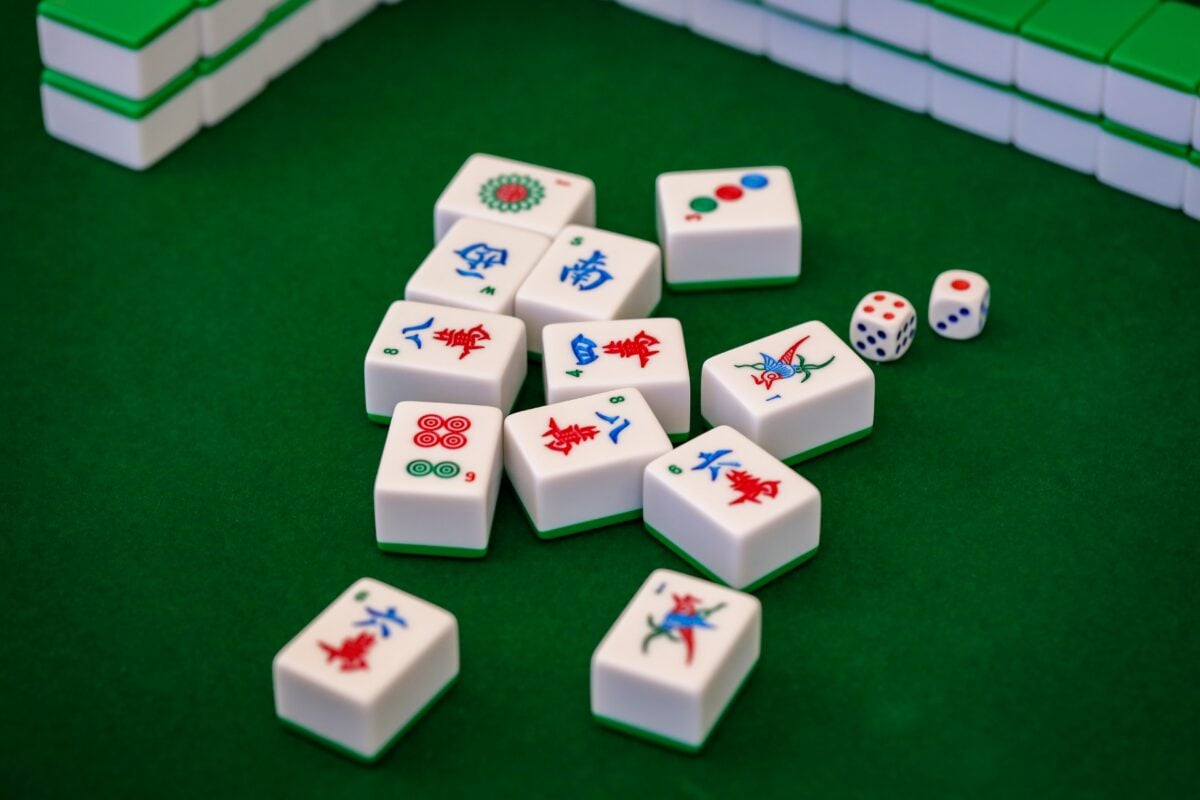
Mahjong sits at an interesting intersection of memory, pattern recognition, and strategy. The traditional tile-matching format requires you to track dozens of tiles, remember which ones have already been played, and figure out the best sequence of moves to clear the board.
It rewards patience and focus in a way that faster-paced games don’t. If you find yourself getting restless with quick-fire apps, Mahjong offers a slower, deeper kind of mental engagement that still does real work on your brain.
The Habit Matters More Than the Game
Change shows up only when practice becomes routine. Not after one try, never again. A daily dose of ten minutes, most days each week, keeps things moving forward.
Months pass like this, slowly building an effect. Choose whatever feels right – puzzle books, online drills, board matches – it makes little difference.
Sticking around longer than a few tries? That part decides everything. Playing regularly matters more than picking the perfect game.
Try an option here that fits how you like to spend time. Stick with it long enough, and results begin showing up quietly.
Gratitude won’t arrive by mail, yet benefits still build behind the scenes.
More from Go2Tutors!

- The Romanov Crown Jewels and Their Tragic Fate
- 13 Historical Mysteries That Science Still Can’t Solve
- Famous Hoaxes That Fooled the World for Years
- 15 Child Stars with Tragic Adult Lives
- 16 Famous Jewelry Pieces in History
Like Go2Tutors’s content? Follow us on MSN.