16 Movie Remakes That Were Worse Than Expected
Hollywood’s obsession with remakes isn’t new. Sometimes these updated versions work brilliantly — introducing classic stories to fresh audiences or improving on originals with modern technology. Other times, though, they fall flat on their faces.
The most disappointing remakes tend to make the same mistakes. They strip away what made the original special, get distracted by flashy effects, or exist purely because studios recognize the brand name. Here are 16 movie remakes that left audiences wishing filmmakers had just left well enough alone.
Psycho (1998)
Gus Van Sant’s shot-for-shot remake of Hitchcock’s masterpiece remains one of cinema’s most baffling decisions. The 1998 version copied nearly every camera angle, line of dialogue, and musical cue from the original — which only made its inferiority more obvious.
Vince Vaughn’s Norman Bates couldn’t match Anthony Perkins’ disturbing charisma, while Anne Heche felt wooden compared to Janet Leigh’s vulnerable Marion Crane. It’s like watching someone trace over the Mona Lisa with crayons.
Total Recall (2012)
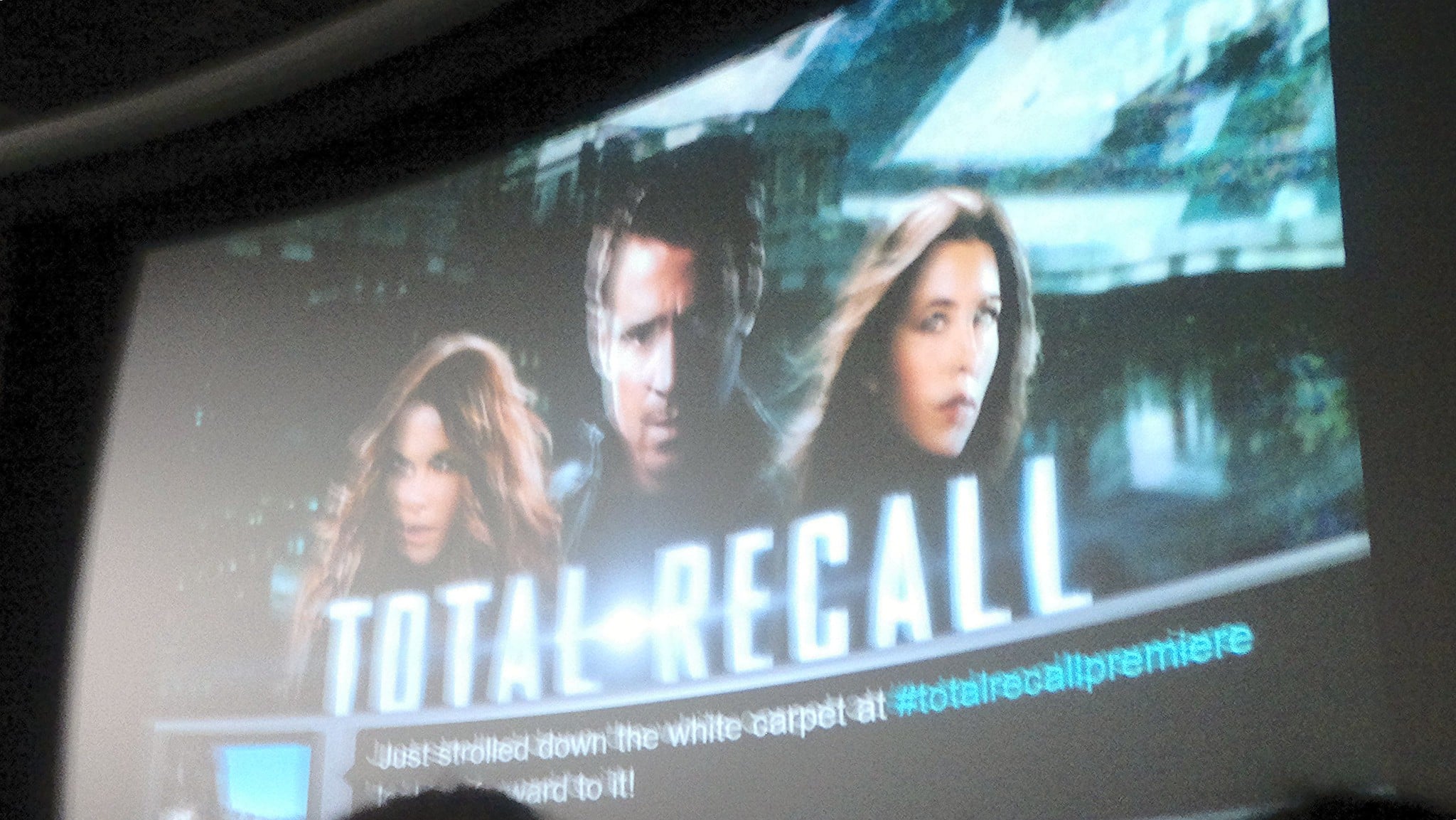
Colin Farrell’s version stripped away everything that made Verhoeven’s 1990 original memorable. Sure, the 2012 remake had prettier visuals and smoother action sequences — yet it completely abandoned the satirical bite and mind-bending questions about identity that gave Schwarzenegger’s version its soul.
Removing Mars from the equation also shrunk the story’s imagination down to generic Earth-bound chases.
Planet of the Apes (2001)
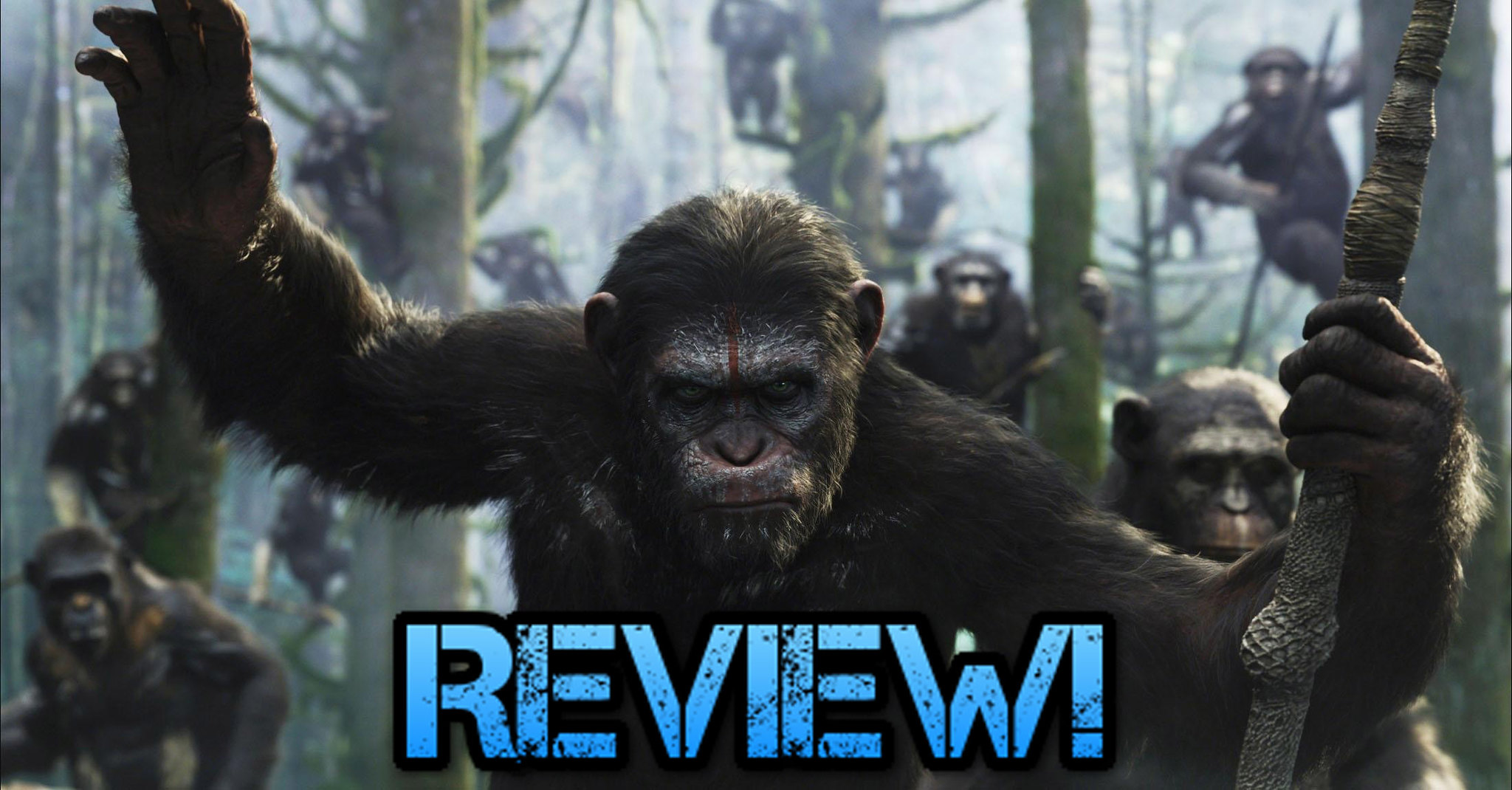
Tim Burton got so caught up in elaborate makeup and costume design that he forgot to tell a compelling story. The ape prosthetics were technically impressive, no doubt about it — but the film lacked any of the social commentary that made the 1968 original so powerful.
Mark Wahlberg sleepwalked through scenes that demanded Charlton Heston’s commanding presence, while that notorious ending confused more people than it enlightened.
Like Go2Tutors’s content? Follow us on MSN.
The Fog (2005)
Carpenter’s 1980 ghost story mastered the art of atmospheric dread through subtlety and practical effects. The 2005 remake threw that approach out the window — replacing creeping suspense with cheap jump scares and CGI phantoms that looked more ridiculous than terrifying.
When a studio won’t even screen their horror movie for critics beforehand, that’s usually your first warning sign.
The Wolfman (2010)
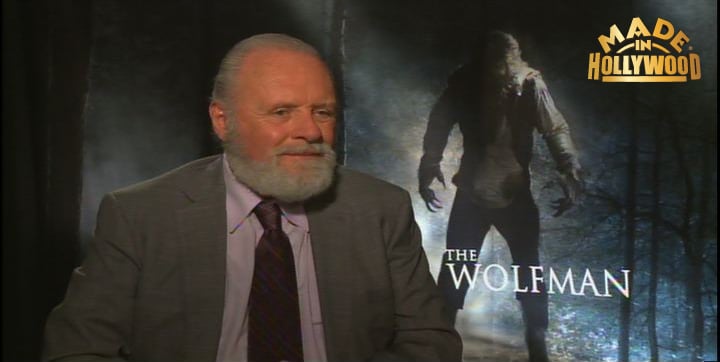
The 1941 classic understood that great monster movies need emotional weight alongside the scares. Benicio del Toro’s 2010 version had all the period details and impressive makeup you could want — yet somehow lost the tragic core that made Lon Chaney Jr.’s performance so heartbreaking.
Despite its massive budget and talented cast, the remake felt empty inside.
The Wicker Man (2006)
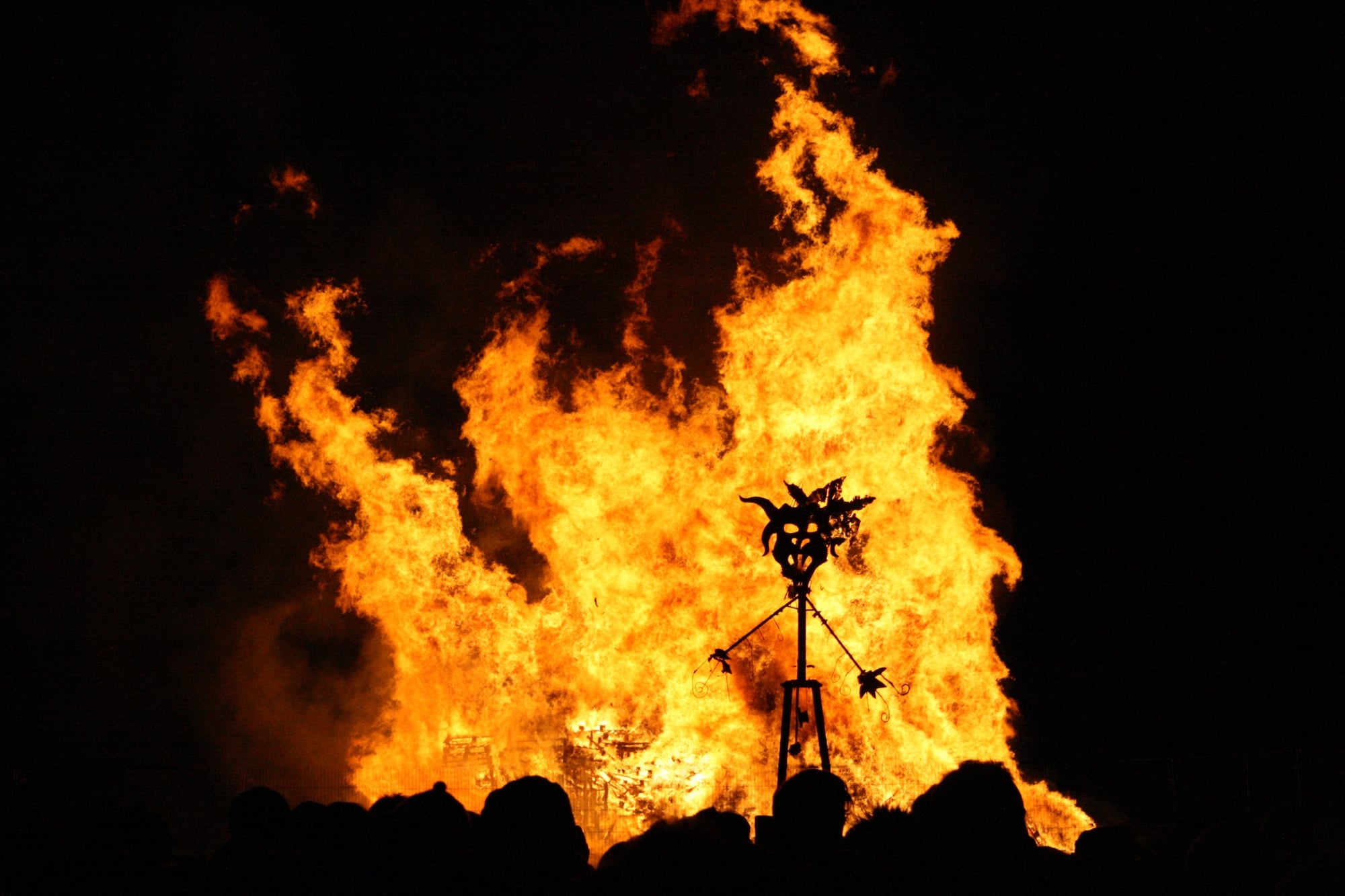
LaBute’s remake of the British cult film became legendary for all the wrong reasons. Nicolas Cage’s completely unhinged performance turned psychological horror into accidental comedy gold.
The original’s complex themes about paganism and sacrifice got replaced with clumsy gender politics — missing the entire point of what made the source material so unsettling.
Like Go2Tutors’s content? Follow us on MSN.
Robocop (2014)
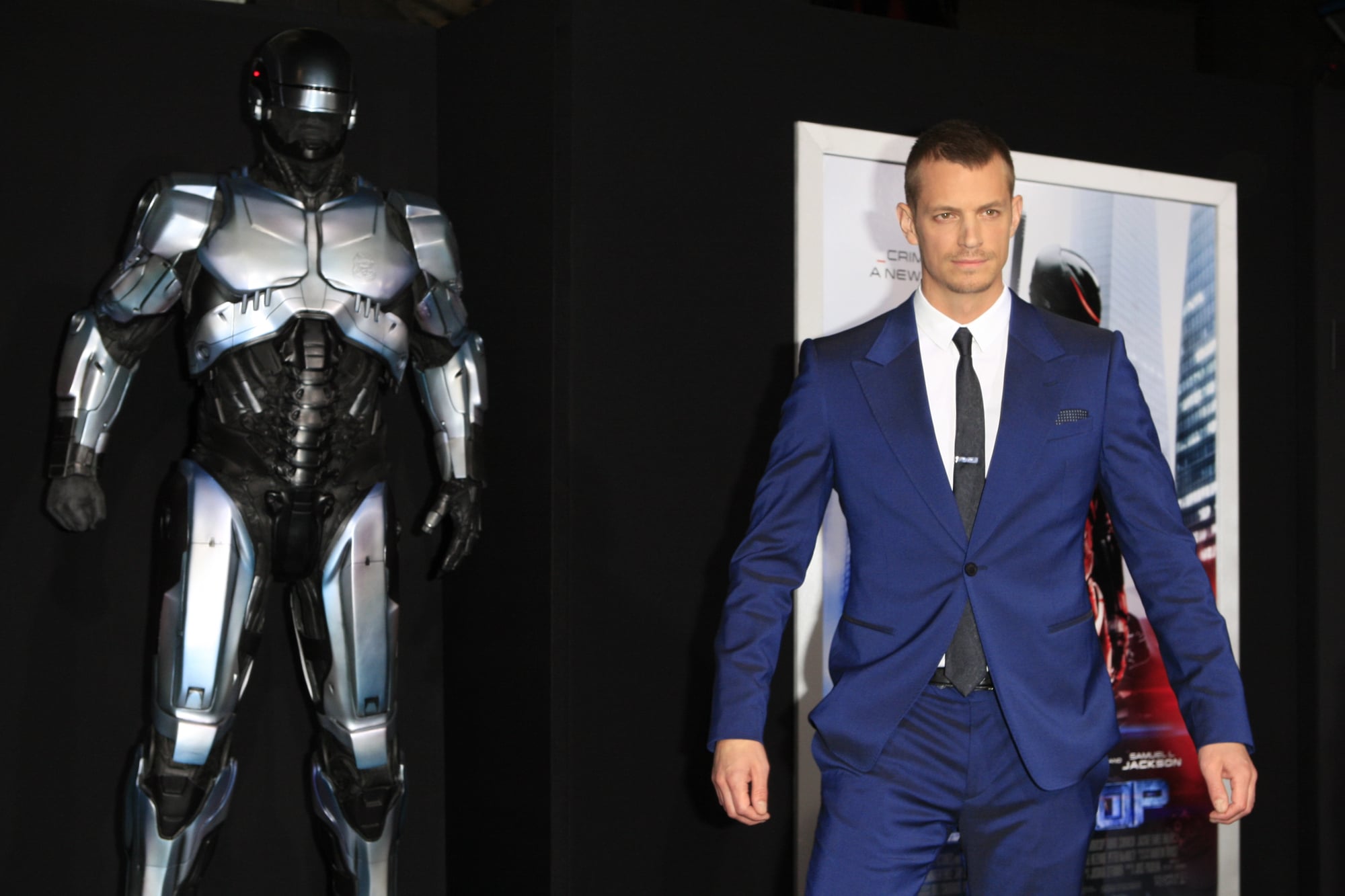
Verhoeven’s 1987 masterpiece brilliantly disguised sharp corporate satire as a sci-fi action flick. The 2014 remake neutered both the violence and social commentary to snag that PG-13 rating — essentially removing everything that made the original work.
Joel Kinnaman’s performance lacked the mechanical precision that made Peter Weller’s cyborg cop so iconic.
Carrie (2013)
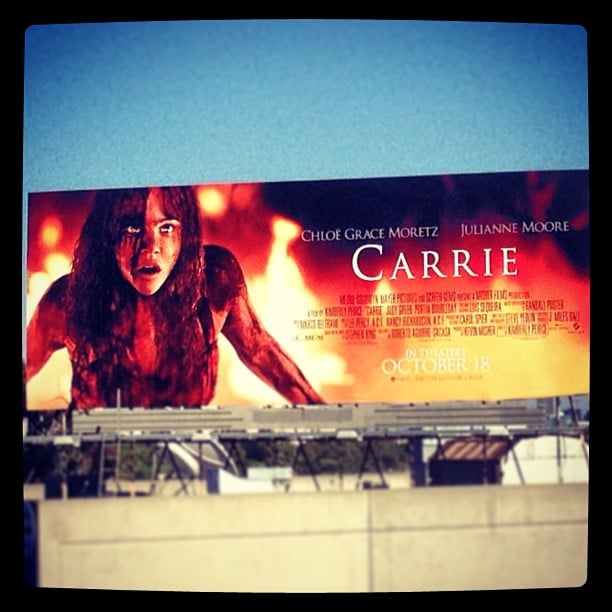
Brian De Palma had already delivered the definitive adaptation of King’s novel back in 1976. This 2013 version with Chloë Grace Moretz felt safe and unnecessary — lacking the raw, uncomfortable intensity of Sissy Spacek’s breakthrough performance.
While updating the bullying for the smartphone era made sense, the remake couldn’t recapture that perfect storm of terror and sympathy.
The Thing (2011)

Carpenter’s 1982 version was itself a remake that vastly improved on the 1951 original. This 2011 prequel tried recapturing that paranoid magic — but leaned too heavily on computer-generated effects that looked fake next to Carpenter’s grotesque practical work.
The absence of genuine character development meant audiences never felt the creeping distrust that made the earlier film so effective.
Like Go2Tutors’s content? Follow us on MSN.
A Nightmare on Elm Street (2010)
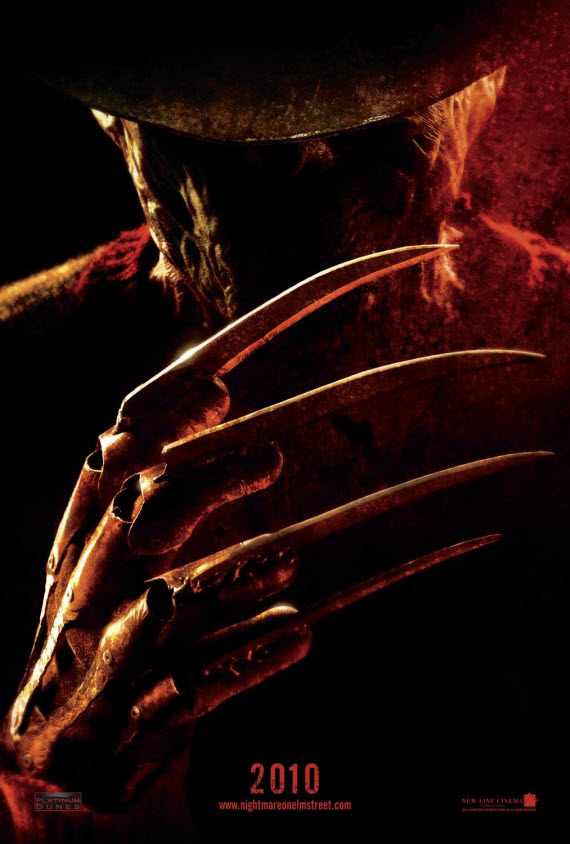
Craven’s original gave horror fans one of their most iconic villains in Freddy Krueger. The 2010 remake attempted making Freddy more realistic and less campy — which actually drained away the darkly playful personality that made Robert Englund’s version so memorable.
Jackie Earle Haley’s more serious approach couldn’t compensate for generic scares and sluggish pacing.
Red Dawn (2012)
The 1984 original tapped directly into Cold War anxieties with its tale of teenage guerrilla fighters. This 2012 update switched the invading force to North Korea, though the premise felt far less plausible or urgent.
Chris Hemsworth and his young co-stars couldn’t capture the raw desperation that made Patrick Swayze’s version so emotionally resonant during the Reagan era.
The Karate Kid (2010)

Moving the action to China and switching from karate to kung fu might’ve seemed logical on paper. Jackie Chan brought genuine martial arts credibility, while the fight choreography was undeniably impressive.
However, the remake lacked the underdog charm of Ralph Macchio’s Daniel and the quiet wisdom of Pat Morita’s Mr. Miyagi. It felt more like a vehicle for Will Smith’s son than a sincere tribute to the beloved original.
Like Go2Tutors’s content? Follow us on MSN.
Footloose (2011)
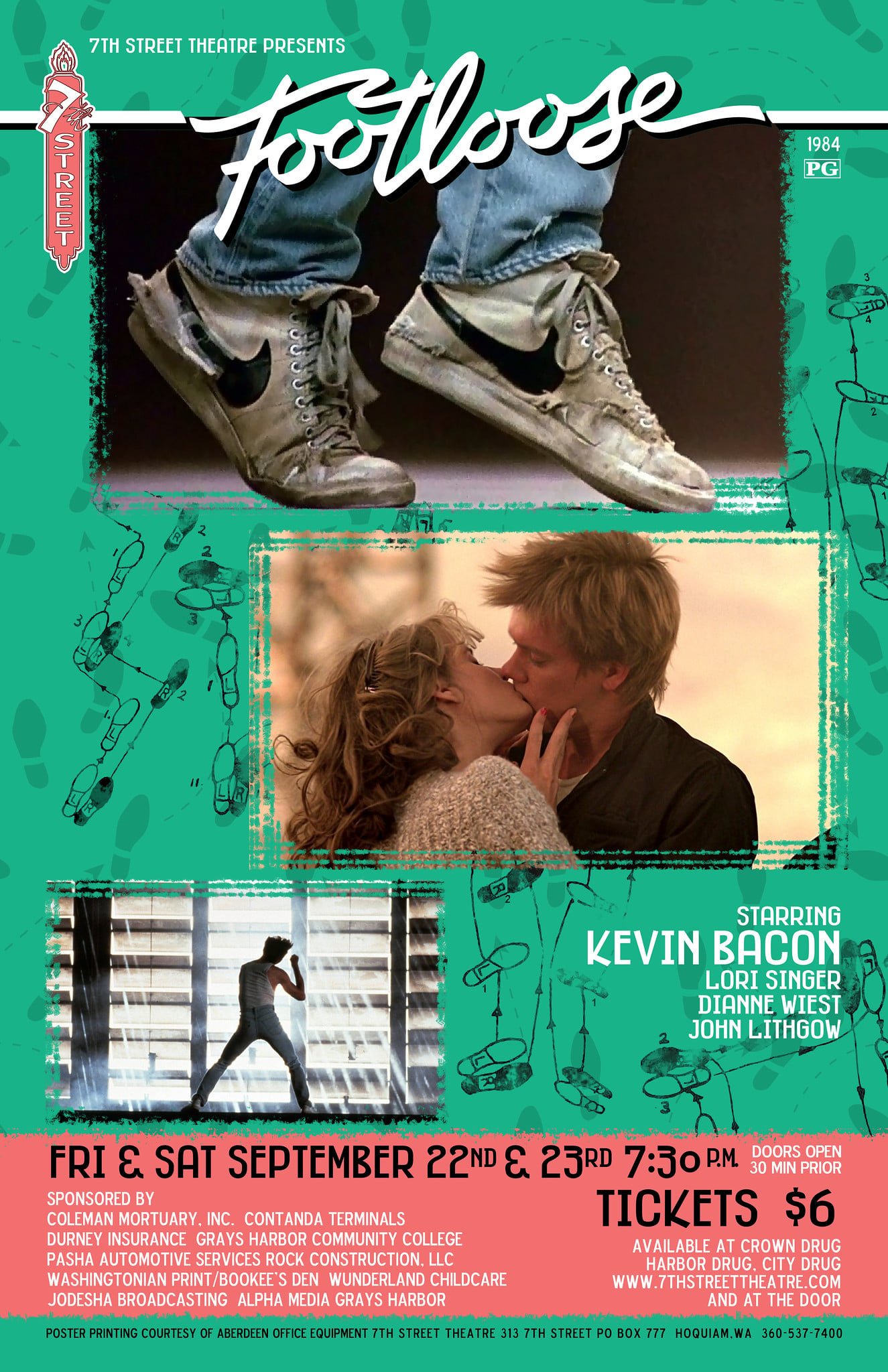
The 1984 version perfectly captured teenage rebellion against small-town authoritarianism. This 2011 remake hit every required plot point yet felt mechanical and uninspired throughout.
The updated soundtrack couldn’t match those iconic ’80s anthems, while the dance sequences looked over-choreographed rather than spontaneous. Kevin Bacon’s natural charisma proved impossible to replicate.
Conan the Barbarian (2011)
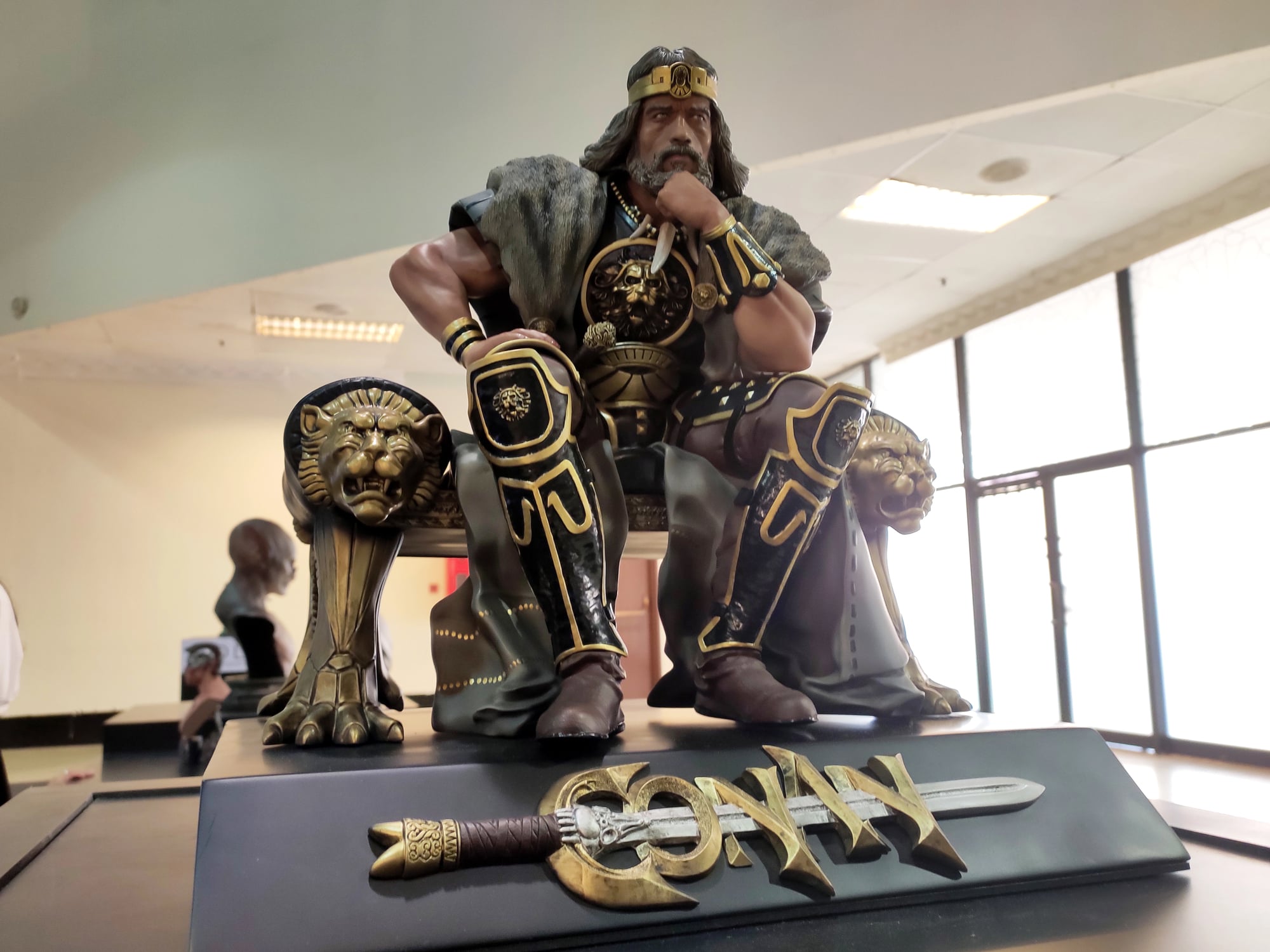
Schwarzenegger’s 1982 portrayal gave Robert E. Howard’s character a mythic, larger-than-life quality. Jason Momoa’s 2011 version actually stayed closer to the source material and featured superior sword-fighting choreography.
Yet somehow it felt generic and forgettable, lacking the memorable dialogue and epic scope that turned Arnold’s version into a cult phenomenon.
The Stepford Wives (2004)

The 1975 original delivered a genuinely chilling commentary on gender roles and suburban conformity. Frank Oz’s 2004 remake starring Nicole Kidman transformed that horror into campy comedy, completely undermining the serious feminist themes.
The satirical approach felt tone-deaf rather than clever, wasting an opportunity to update those relevant social critiques for contemporary audiences.
Like Go2Tutors’s content? Follow us on MSN.
Bangkok Dangerous (2008)
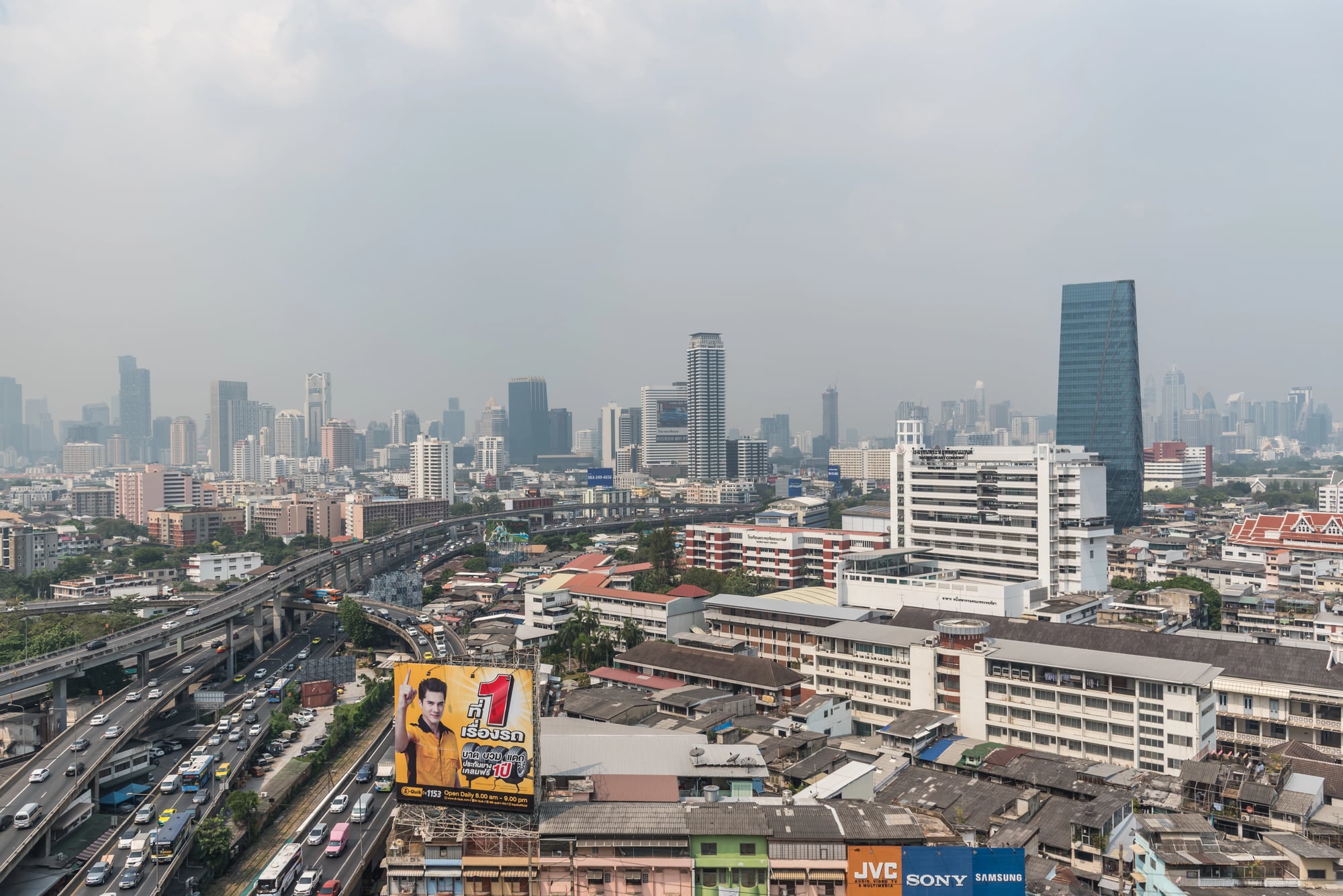
The original 2000 Thai film was a stylish crime thriller with real emotional depth and cultural authenticity. Nicolas Cage’s Hollywood remake eight years later turned that nuanced story into another generic action vehicle.
The film stripped away everything that made the original compelling, feeling more like an excuse for Cage to collect another paycheck than a genuine artistic endeavor.
What These Failures Reveal About Creative Risk
These disappointing remakes demonstrate that success can’t simply be reverse-engineered through bigger budgets and recognizable names. The greatest films capture lightning in a bottle through unique combinations of timing, talent, and cultural context that resist easy replication.
While Hollywood will undoubtedly keep mining past successes for profitable content, these cautionary tales remind us why fresh perspectives matter more than familiar formulas. Sometimes the best way to honor a classic is to leave it alone and create something entirely new instead.
More from Go2Tutors!

- 18 Unexpectedly Valuable Collectibles You Might Have Lying Around
- 20 Little-Known Historical Battles That Had Huge Consequences
- 20 Historical Artifacts That Scientists Can’t Explain
- 15 Inventions That Were Immediately Banned After Being Created
- 20 Actors Who Were Almost Cast in Iconic Roles
Like Go2Tutors’s content? Follow us on MSN.