Countries With the Strictest Law Enforcement
Laws exist everywhere, but the way they’re enforced varies dramatically from place to place. Some countries take a firm approach to maintaining order, while others allow more flexibility.
The strictness of law enforcement often reflects cultural values, historical events, and political systems. Understanding how different nations enforce their rules reveals a lot about how societies function.
Singapore: Fines for Almost Everything
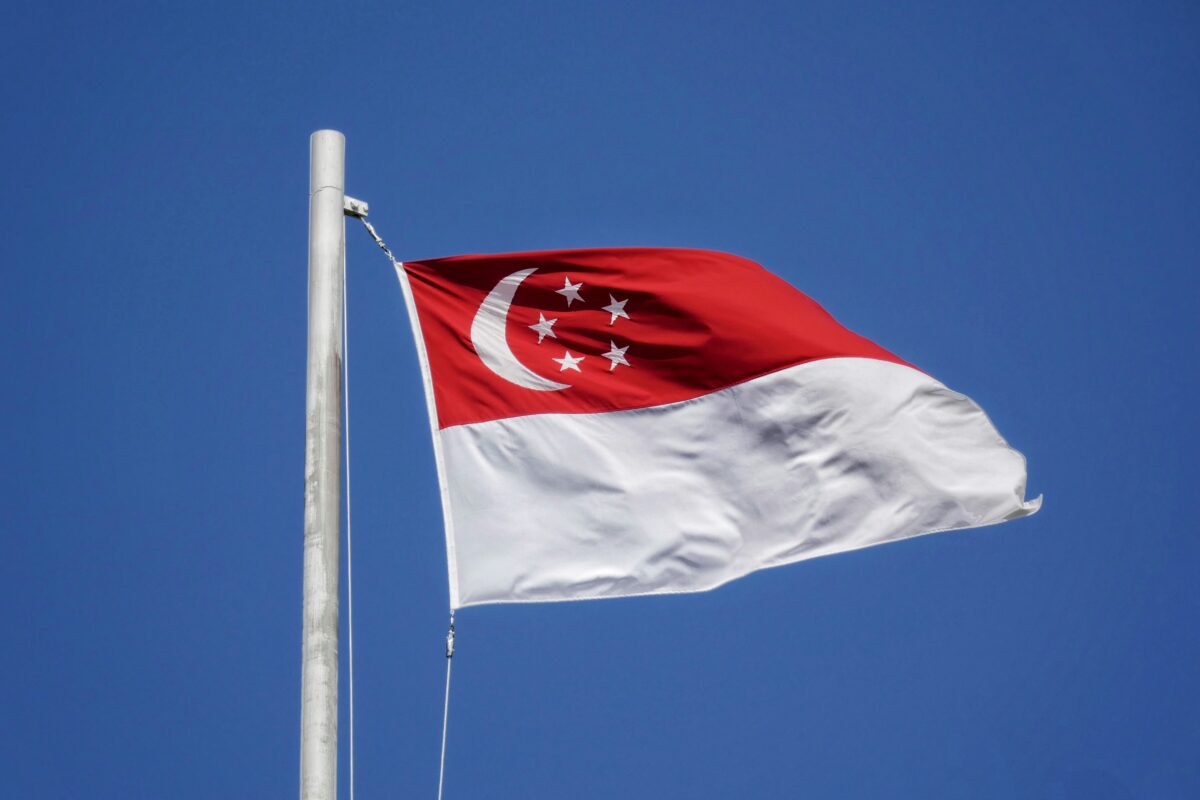
Singapore has a reputation for being spotless, and that cleanliness comes with consequences. Chewing gum is banned unless you have a prescription.
Jaywalking costs you a fine. Littering brings hefty penalties.
Failing to flush a public toilet can result in a citation. The government enforces these rules consistently, and you’ll see the results when walking through any neighborhood.
The strict approach extends to serious crimes too—drug trafficking carries a mandatory death penalty.
North Korea: Total Control
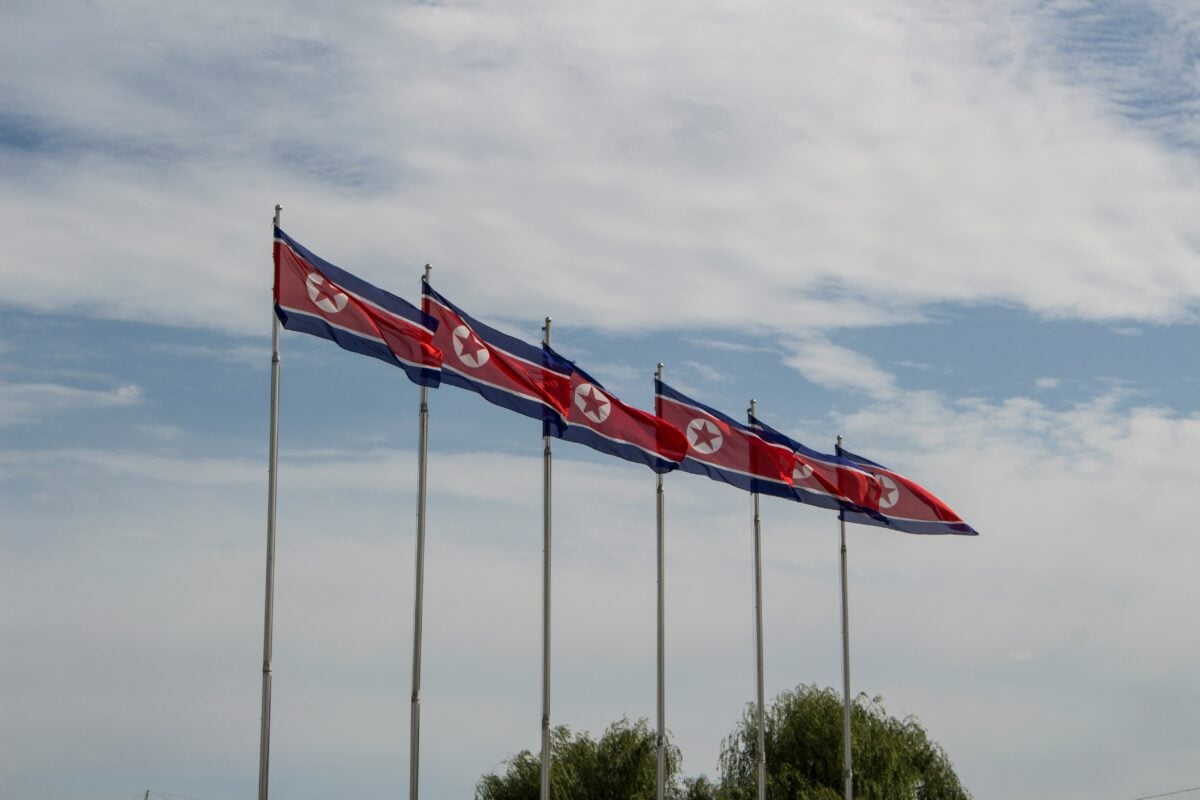
The government monitors nearly every aspect of daily life. Citizens need permission to travel between cities.
Foreign media is completely banned. Owning unauthorized electronics can land you in a labor camp.
Three generations of a family can face punishment for one person’s crime. The state controls what you wear, where you live, and what information you can access.
Enforcement is absolute because the government sees any deviation as a threat to its existence.
Saudi Arabia: Religious Law Governs Everything
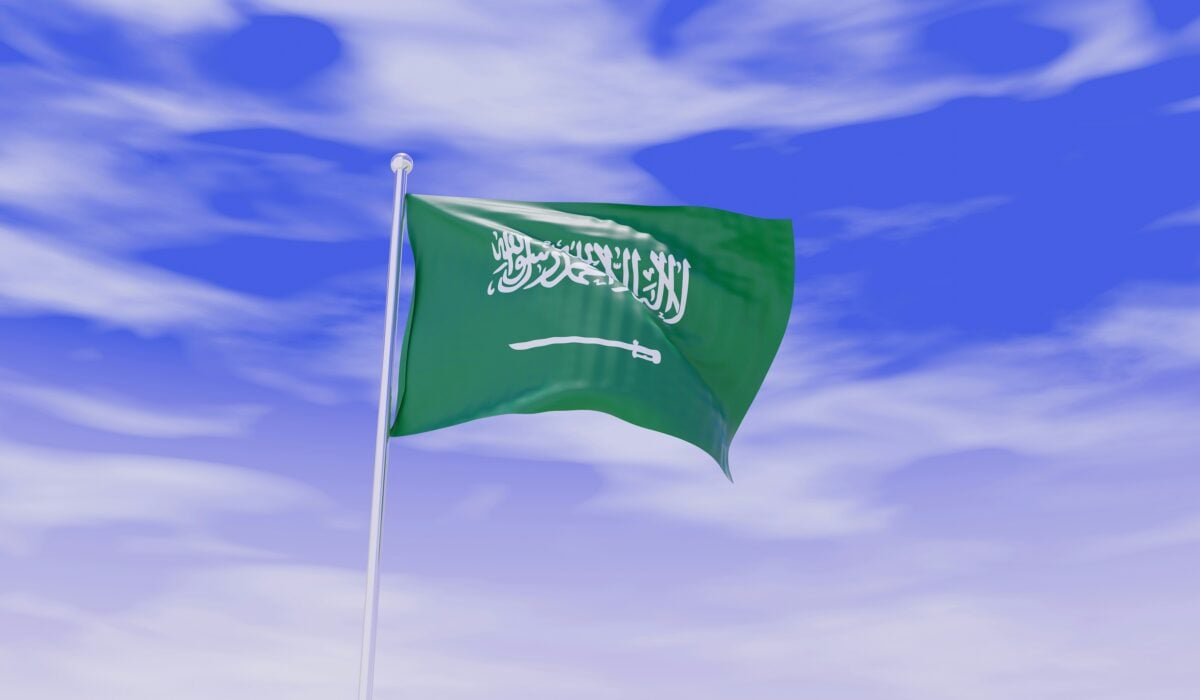
Sharia law shapes the entire legal system. Public displays of affection between unmarried couples are illegal.
Women faced driving bans until 2018. Alcohol is completely prohibited.
Theft can result in amputation. The religious police, known as the Mutawa, patrol public spaces to enforce moral codes.
Punishments are severe and public. The legal system doesn’t separate religious rules from civil law—they’re the same thing.
Japan: Social Pressure Reinforces Legal Compliance

Japan maintains one of the lowest crime rates in the world through a combination of law enforcement and cultural expectations. Police have broad powers to detain suspects for questioning.
The conviction rate exceeds 99 percent. But the real enforcement mechanism is social shame. Getting arrested brings disgrace to your entire family.
Communities actively participate in neighborhood watch programs. The fear of standing out or causing trouble keeps most people in line.
China: Surveillance State Technology

The government has installed hundreds of millions of cameras with facial recognition capabilities. Social credit scores track citizens’ behavior and restrict access to services for those with low ratings.
Internet content is heavily monitored and censored. Unauthorized gatherings are quickly dispersed. Local police can detain people without formal charges for extended periods.
The technological infrastructure makes enforcement more efficient and pervasive than ever before.
United Arab Emirates: Zero Tolerance for Drugs
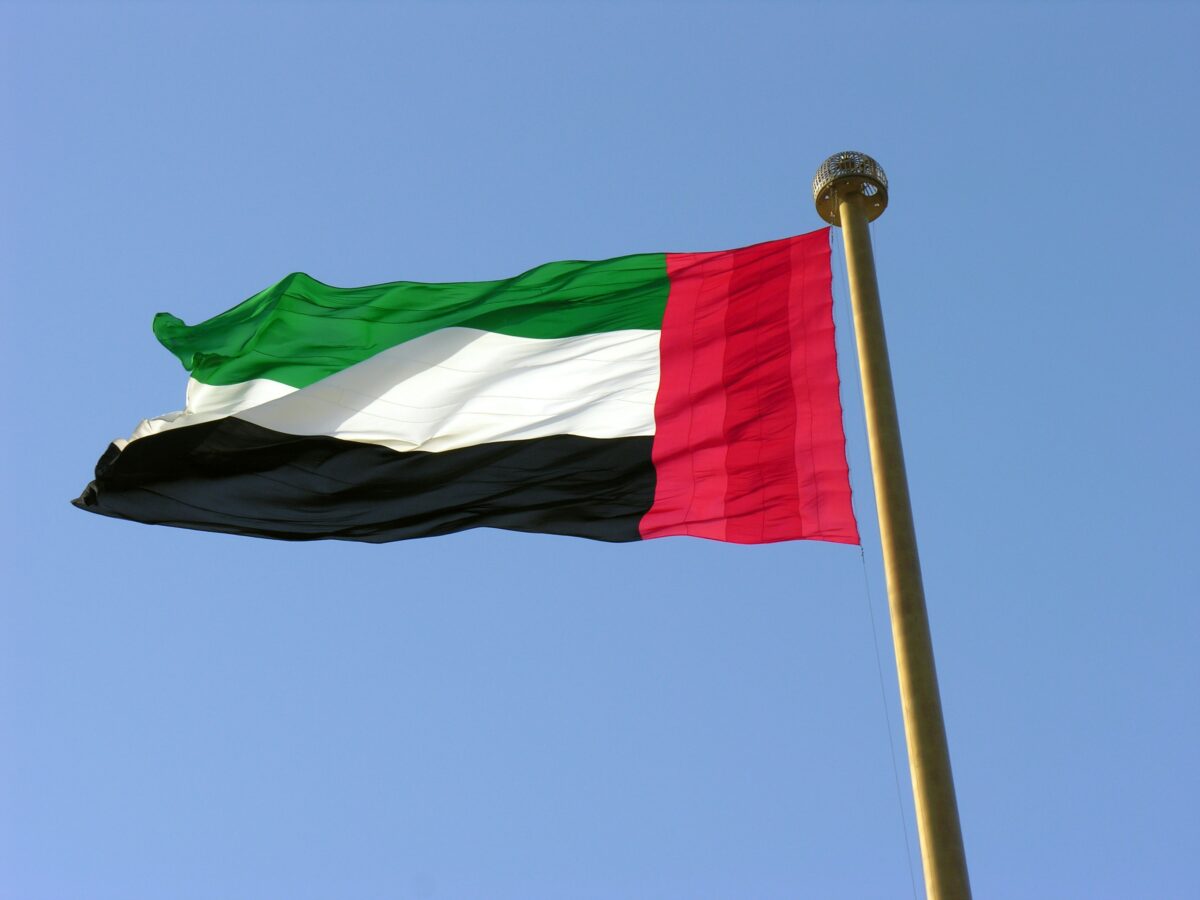
The UAE treats drug offenses with extreme severity. Possession of even trace amounts can result in four-year prison sentences.
Testing positive for drugs is treated the same as possession—even if you consumed them legally in another country weeks earlier. Customs officials thoroughly search all incoming travelers.
The government publicizes harsh sentences to deter potential offenders. The strict approach extends to prescription medications too.
Many common medicines in other countries are illegal here.
Iran: Morality Police Enforce Dress Codes
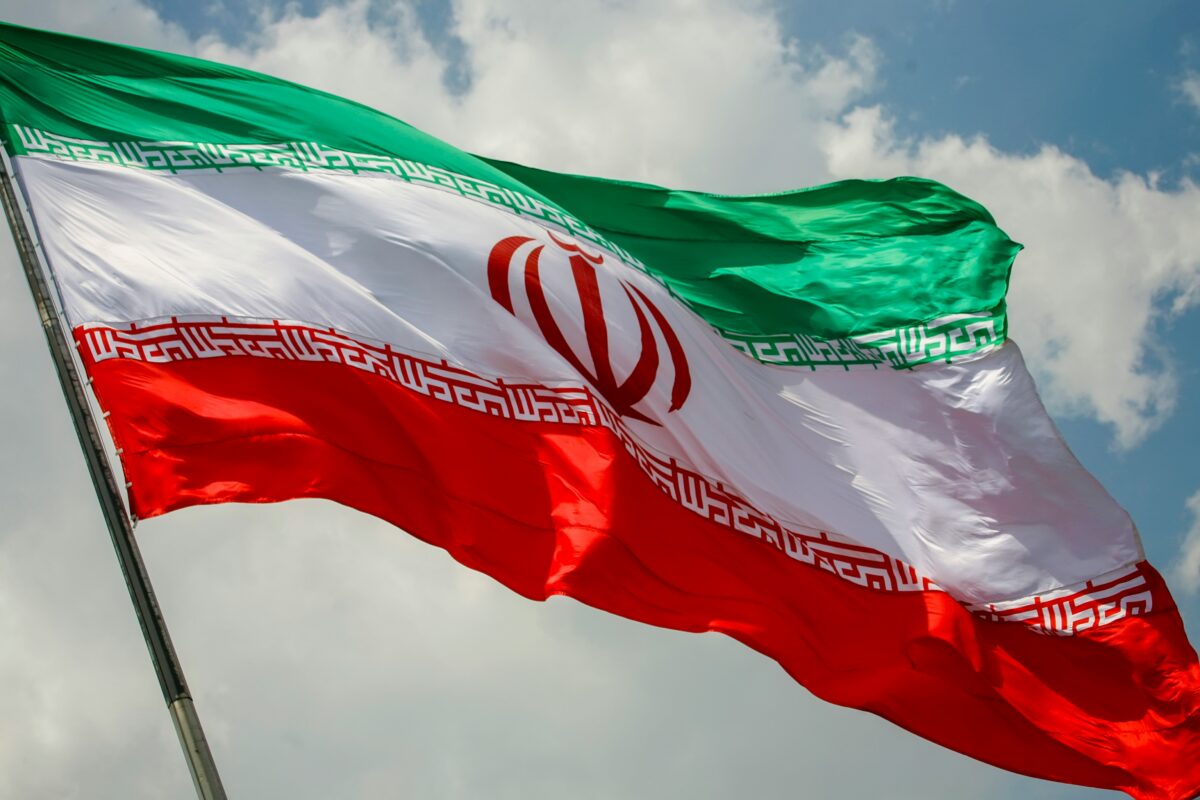
The guidance patrol monitors public spaces to ensure compliance with Islamic dress codes. Women must wear hijabs in public.
Men face restrictions on hairstyles and clothing choices. Unmarried couples can’t be seen together in public.
Authorities shut down parties and gatherings deemed inappropriate. The penalties range from warnings to imprisonment.
Enforcement varies by region but remains a constant presence in daily life.
Brunei: Islamic Criminal Code
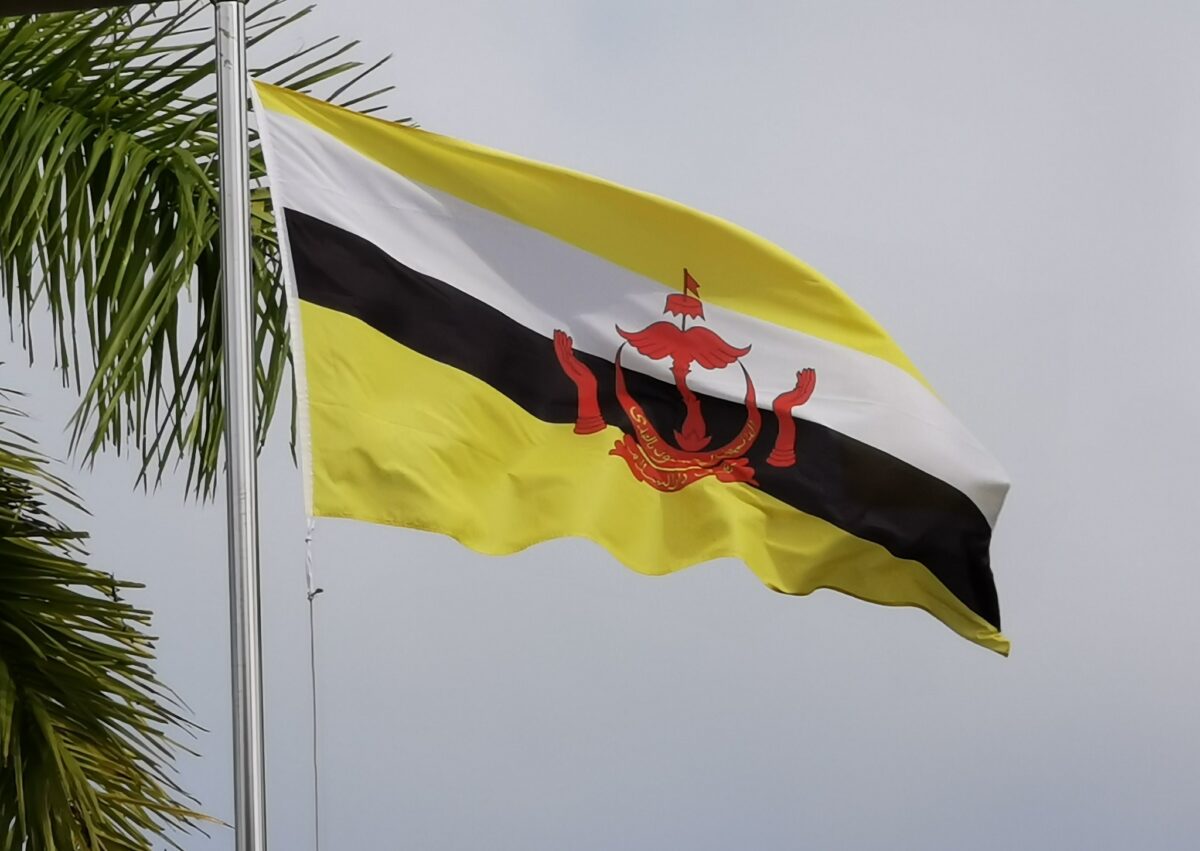
The country implemented strict Islamic criminal laws that include harsh punishments for various offenses. Adultery and theft carry severe penalties.
The legal system combines civil and religious law. Enforcement is taken seriously by authorities who see it as upholding traditional values.
The small nation maintains tight control over its population through consistent application of these rules.
Qatar: Strict Rules for Residents and Visitors
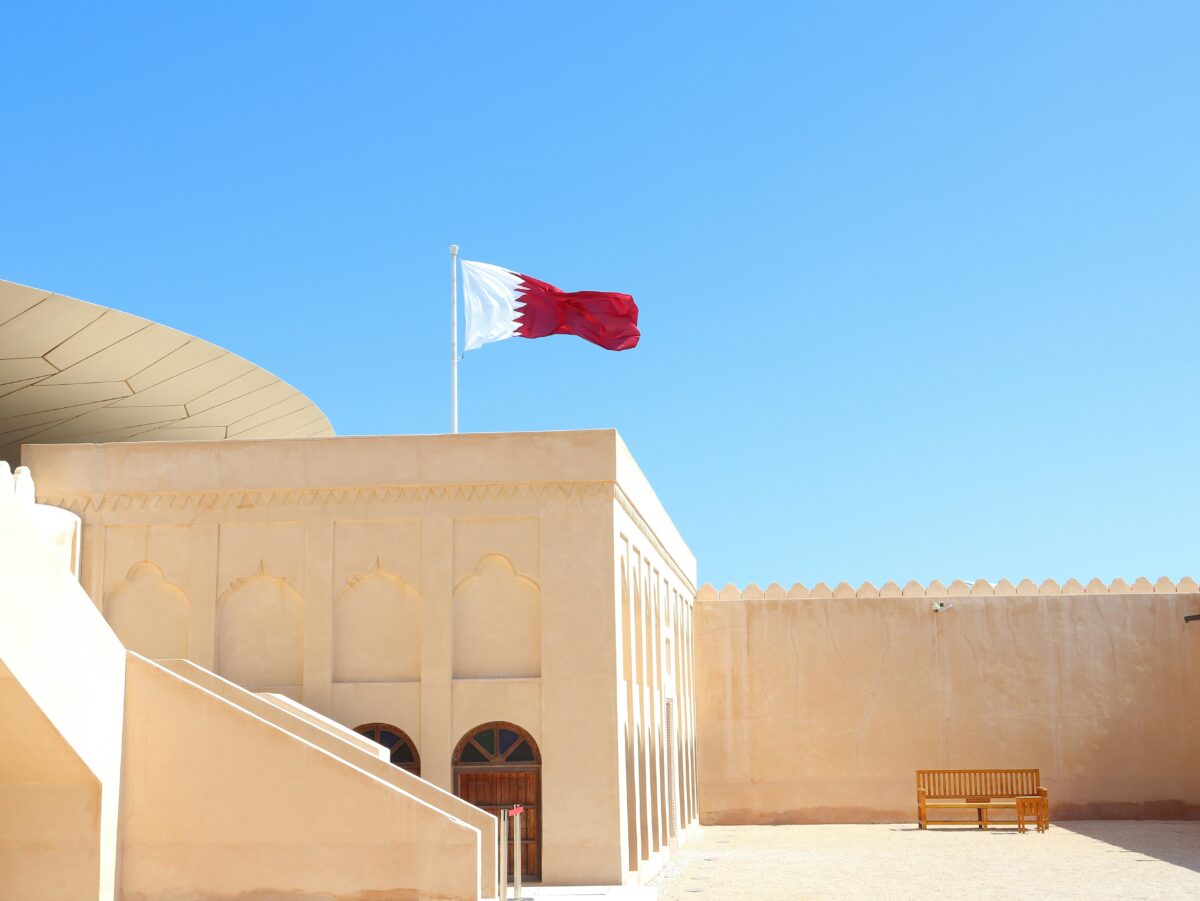
Public drunkenness is illegal. Cohabitation outside marriage is prohibited.
Photography restrictions are extensive—you can’t take pictures of government buildings or even some private properties without permission. The government enforces these rules on both citizens and foreign residents.
Offenders face deportation or imprisonment. During major international events, enforcement sometimes relaxes slightly, but the laws remain on the books.
Russia: Expanding Police Powers
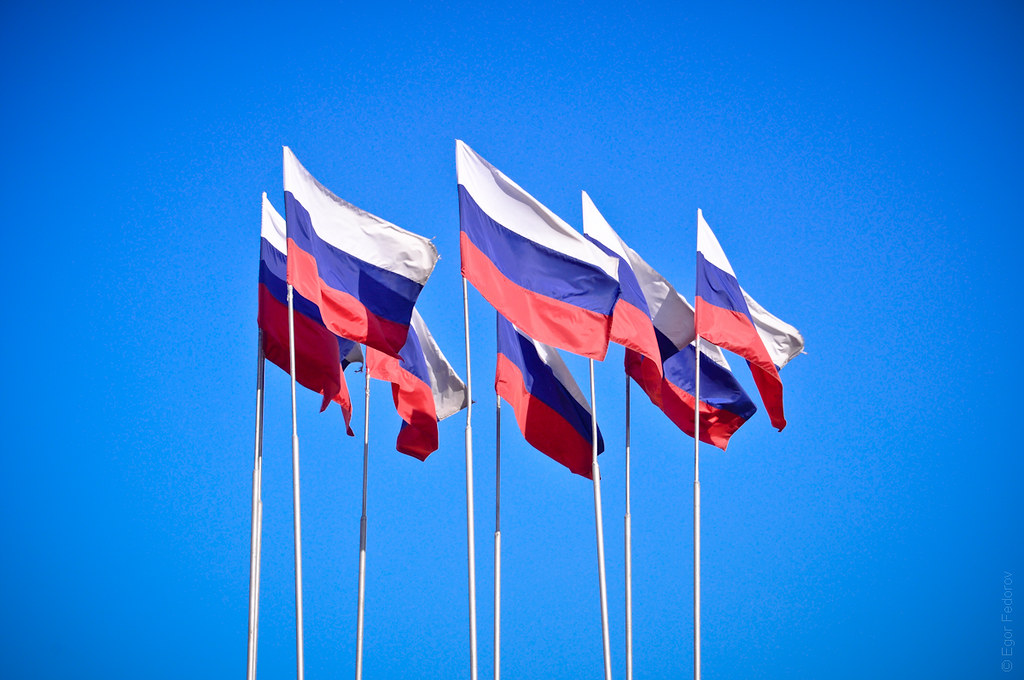
Law enforcement agencies have gained increasing authority in recent years. Police can stop anyone to check documents without cause.
Protests require government approval. Opposition to government policies can result in detention.
Authorities use anti-extremism laws broadly to silence critics. The legal system gives prosecutors tremendous power.
Once charged, defendants face an uphill battle regardless of the evidence.
Turkmenistan: Authoritarian Grip
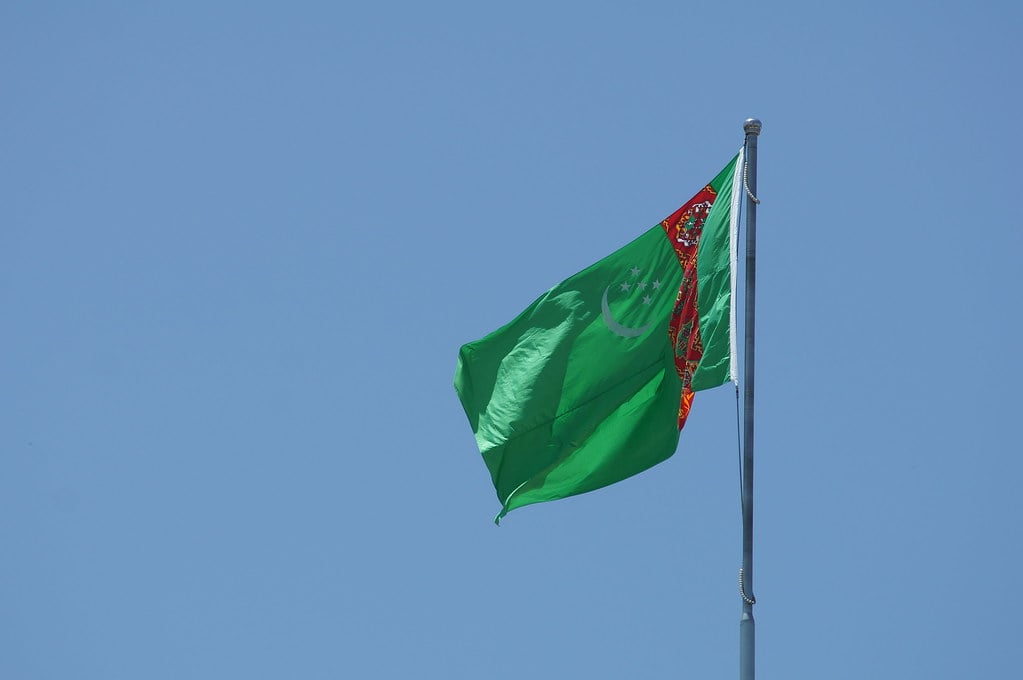
The government controls nearly every aspect of society. Travel outside the country requires special permission.
Internet access is heavily restricted. Independent media doesn’t exist.
Security forces monitor private conversations. The president’s image appears everywhere, and criticism brings swift punishment.
Foreign visitors face intense scrutiny. The enforcement apparatus exists primarily to maintain the current government’s power.
Belarus: The Last Dictatorship in Europe
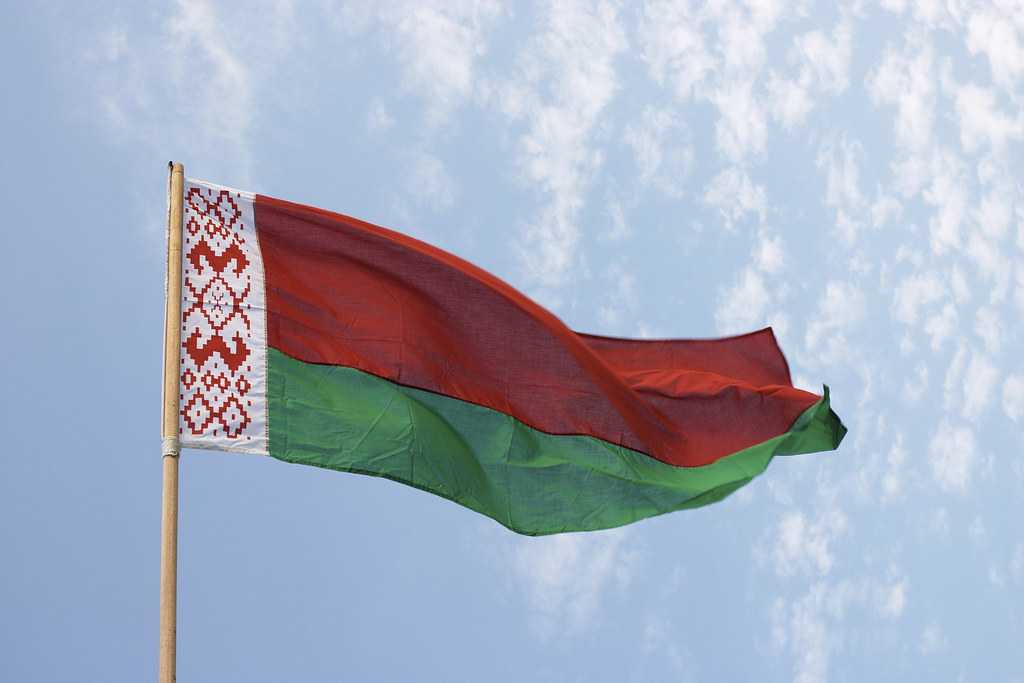
Security services operate with minimal oversight. Political protests are met with mass arrests and violence.
Independent journalists face harassment and imprisonment. The government monitors phone calls and internet activity.
Business owners who don’t support the regime face pressure and legal troubles. The judicial system serves political interests rather than justice.
Enforcement tools are used primarily to suppress dissent.
Vietnam: Communist Party Control
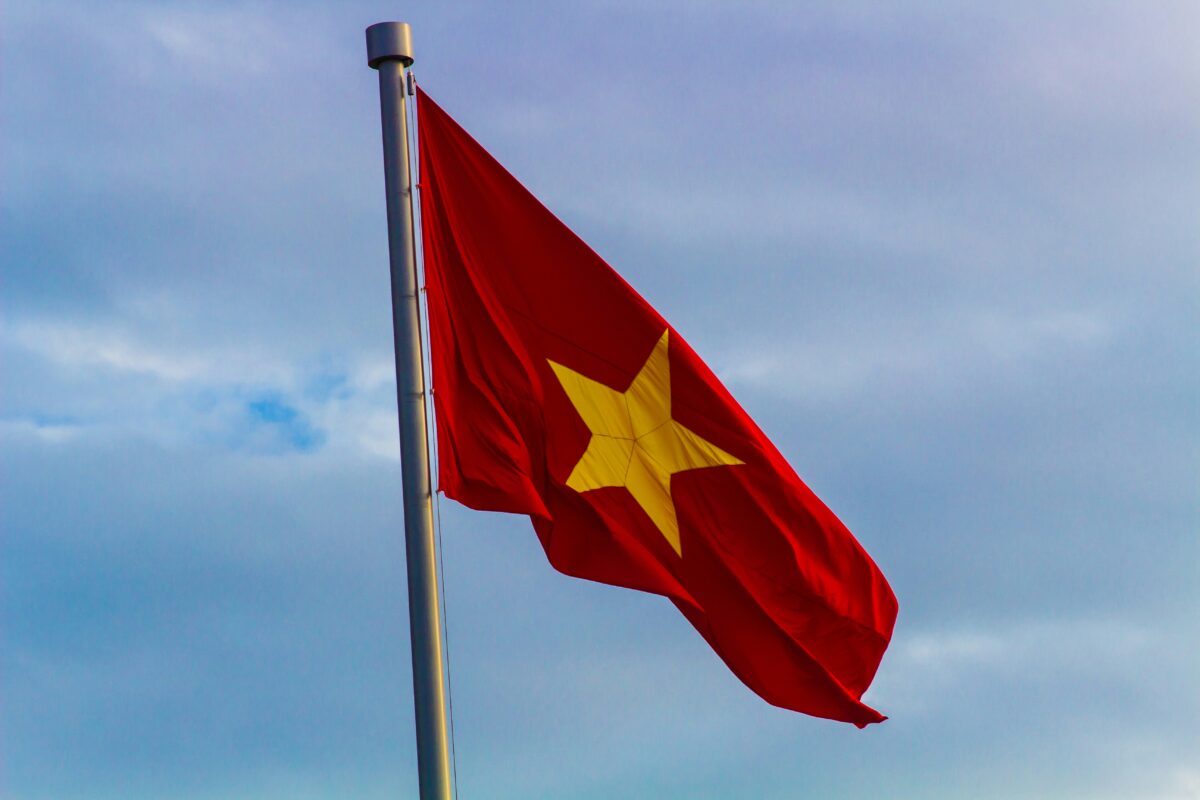
The government maintains strict control through a combination of surveillance and social organization. Neighborhood committees monitor residents.
Internet censorship is extensive. Religious practice requires government approval.
Political opposition is not tolerated. Police can detain suspects for months without charges.
The enforcement system prioritizes stability and party control above individual freedoms.
Cuba: Revolutionary Legacy

The government controls all major institutions. Travel restrictions limit where citizens can go both inside and outside the country.
Private business operates under tight constraints. Security services monitor potential dissidents.
Criticizing the government publicly brings consequences. The enforcement system reflects decades of revolutionary paranoia about foreign influence and internal opposition.
Where Order Meets Oppression
Rules exist because groups of people require order. Yet enforcement can shift from protection into dominance without clear warning.
Some nations highlight quiet streets or peaceful public life when defending tight oversight. Missing from those claims are the quiet losses – personal liberty traded away, suspicion growing where confidence once lived, behavior shaped more by watching eyes than personal choice.
Life feels fair enough to some, given that compromise. Yet daydreams of running away fill others, stretching across years.
More from Go2Tutors!

- 16 Historical Figures Who Were Nothing Like You Think
- 12 Things Sold in the 80s That Are Now Illegal
- 15 VHS Tapes That Could Be Worth Thousands
- 17 Historical “What Ifs” That Would Have Changed Everything
- 18 TV Shows That Vanished Without a Finale
Like Go2Tutors’s content? Follow us on MSN.