19 Photos of Las Vegas Before It Became Las Vegas
Long before neon buzzed overhead, the valley waited beneath endless sky. A railroad stop – nothing more than a speck on cracked earth – held its breath.
Grit drifted between squat walls while laborers lingered, quiet, uncelebrated. Change arrived sharply, not in slow waves but sudden pivots.
Today those faded photos seem less real, closer to fragments of sleep. Here’s a closer look at 19 documented photographs that capture Las Vegas before it became the city most people recognize today.
Las Vegas Springs in the 1870s
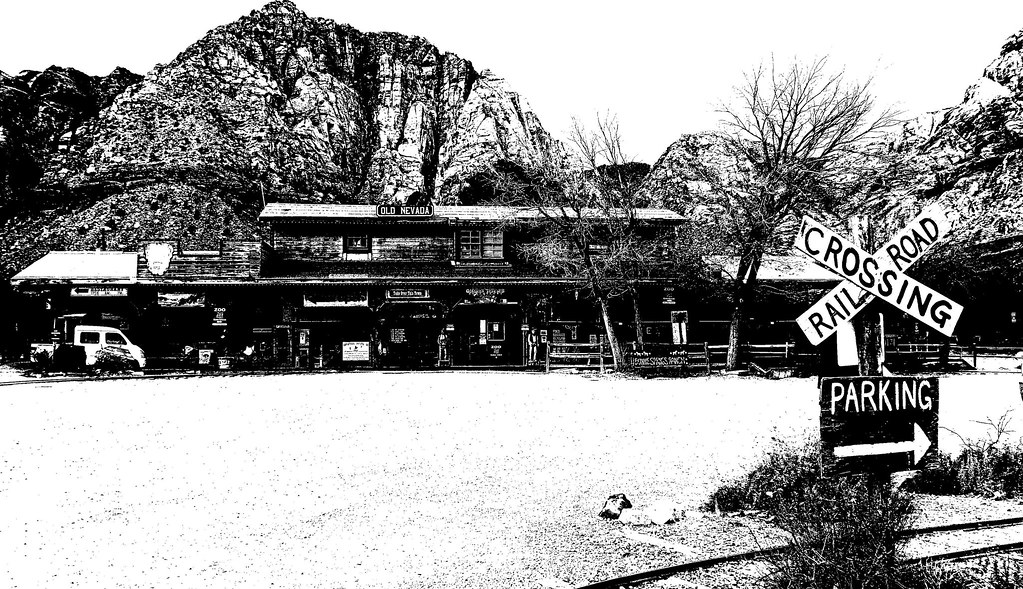
Out near the desert floor, old pictures catch sight of Las Vegas Springs – a splash of green where little else grows. Water flowed here first, feeding Paiute people for generations before newcomers arrived.
By the 1800s, photos reveal a quiet valley, lush and still, nothing like the rows of towers that would later rise. Pools of water made the place worth staying.
Had there been no steady supply, rail lines might’ve passed it by, then silence instead of homes. That little town started because damp ground broke through stone.
The Old Mormon Fort in the Early 1900s
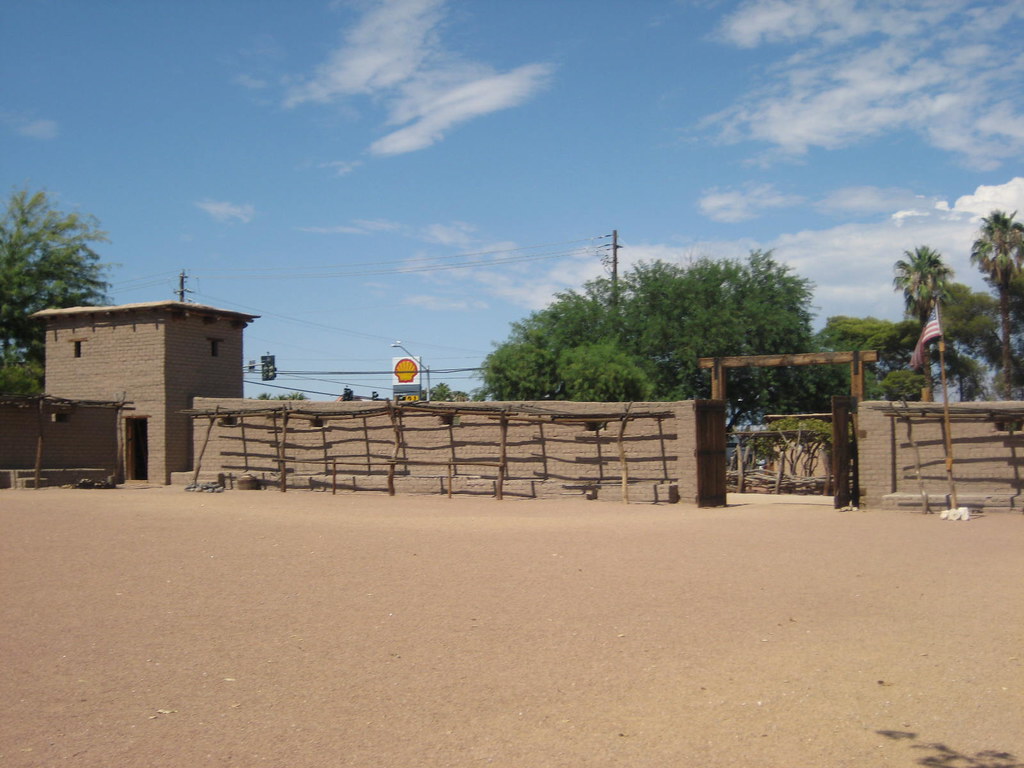
Photographs of the Old Mormon Fort taken around 1905 show a simple adobe structure standing alone against open desert. Built in 1855, it marked one of the earliest non-Indigenous attempts to establish a permanent settlement in the valley.
The fort looks small and vulnerable in these images. There are no surrounding neighborhoods, no paved roads, just wide stretches of land.
It feels less like the birthplace of a major city and more like a distant frontier post.
The 1905 Land Auction
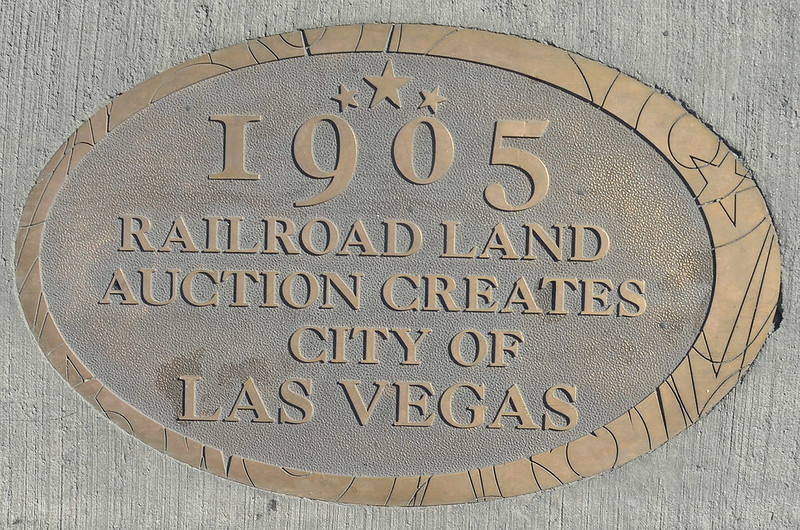
One of the most significant early photographs captures the 1905 land auction that officially launched Las Vegas as a town. Crowds gathered near railroad tracks while parcels were sold to eager buyers.
The ground beneath them was dusty and undeveloped. That image represents a turning point.
The lots being claimed would eventually become downtown Las Vegas, including Fremont Street. At the time, it was little more than ambition marked out with wooden stakes.
Fremont Street in 1910
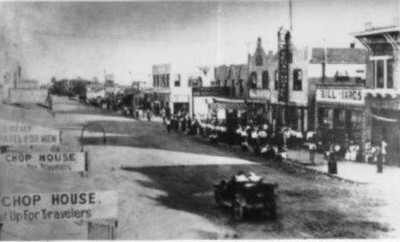
Images from 1910 show Fremont Street as a dirt road lined with wooden storefronts. Horses and early automobiles shared the street.
Buildings were low, functional, and built for shade rather than spectacle. There is no sign of the flashing canopy or electric dazzle that now defines the area.
Instead, it looks like countless other small western towns trying to establish a commercial center. The glamour was still decades away.
The First Railroad Depot
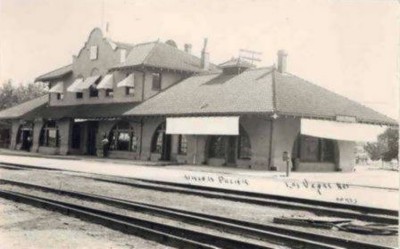
Early photographs of the Las Vegas railroad depot reveal how central the train was to the town’s survival. The structure appears modest, surrounded by open desert and scattered buildings.
Tracks stretch outward in long, straight lines toward distant mountains. The depot served as a lifeline, bringing supplies and people into the valley.
Without the railroad, Las Vegas might have remained a watering stop rather than a municipality. Growth followed the steel rails.
Early Residential Streets
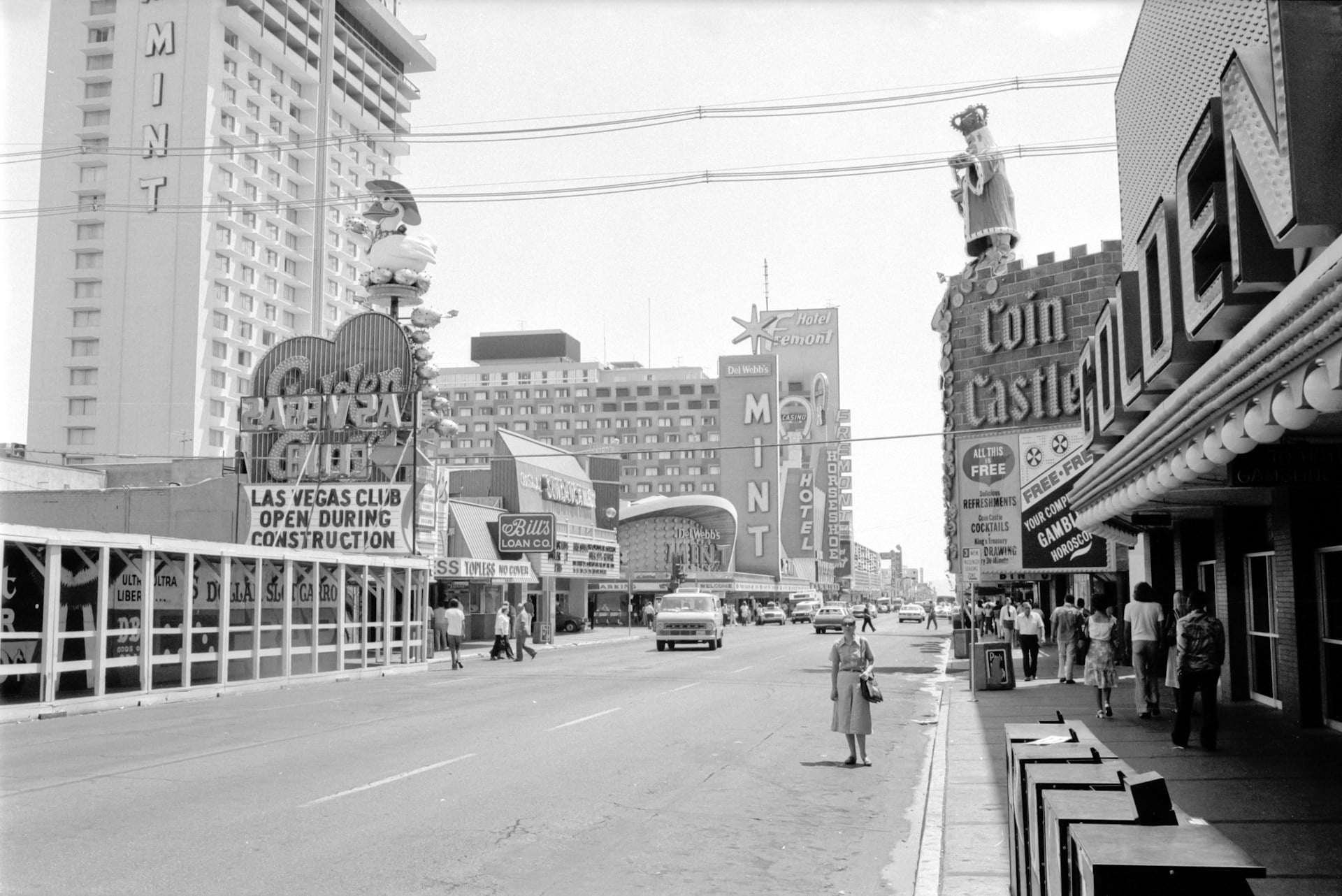
Photographs from the 1910s and 1920s show simple wooden houses spaced far apart along unpaved streets. There were no manicured lawns or suburban grids.
Homes were practical and built to endure heat and dust. These images reveal a community trying to take root.
Families lived here year-round, raising children and running small businesses. The idea of Las Vegas as a purely tourist destination had not yet taken hold.
The Fremont Hotel in 1908
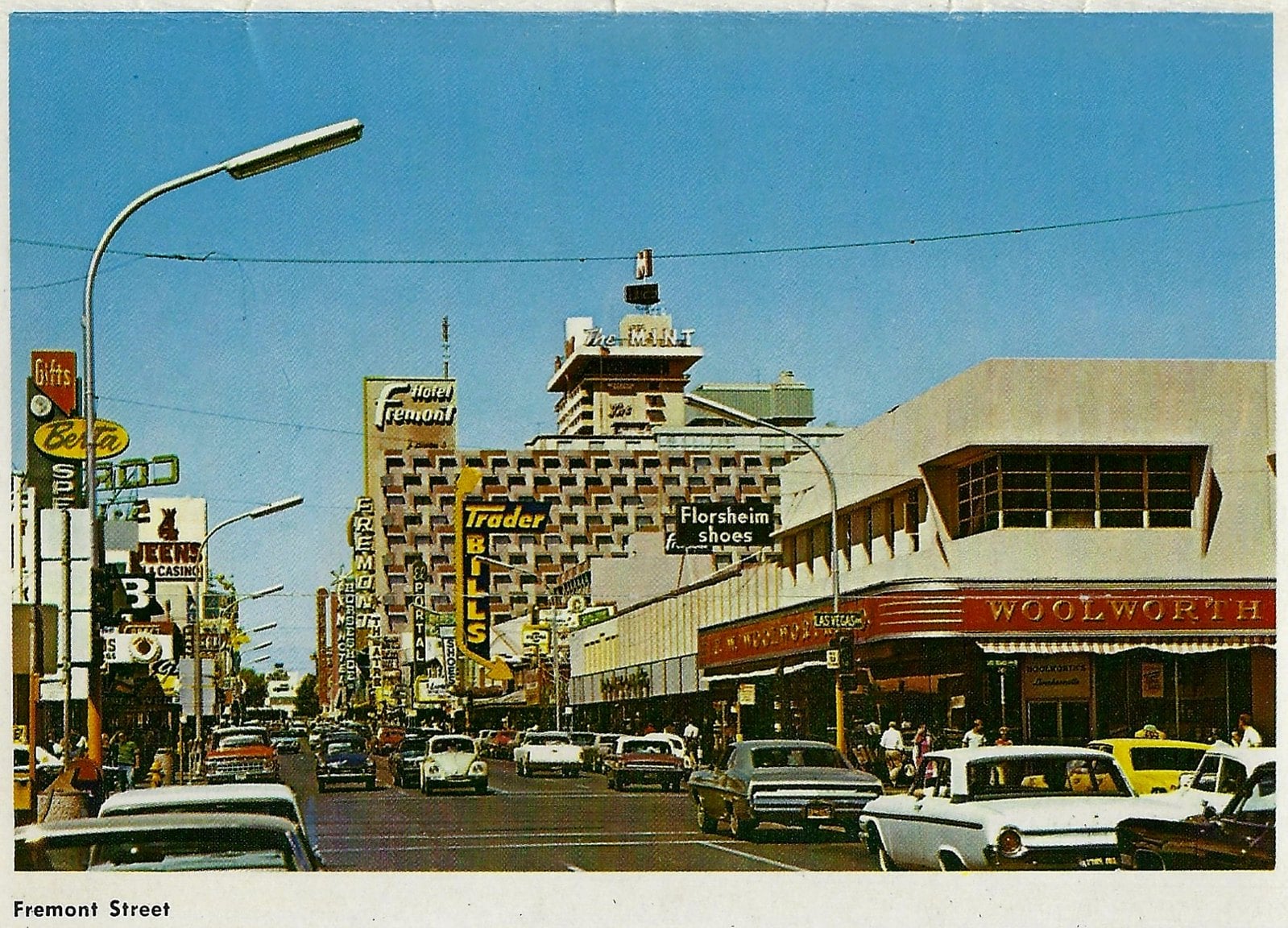
The Fremont Hotel appears in early 20th-century photographs as a straightforward two-story building with a balcony and minimal ornamentation. It catered primarily to railroad workers and business travelers.
Looking at the image now, it feels understated. Yet at the time, it represented progress and stability.
Hospitality in Las Vegas began modestly, long before luxury suites and themed resorts became the norm.
Las Vegas High School in 1930
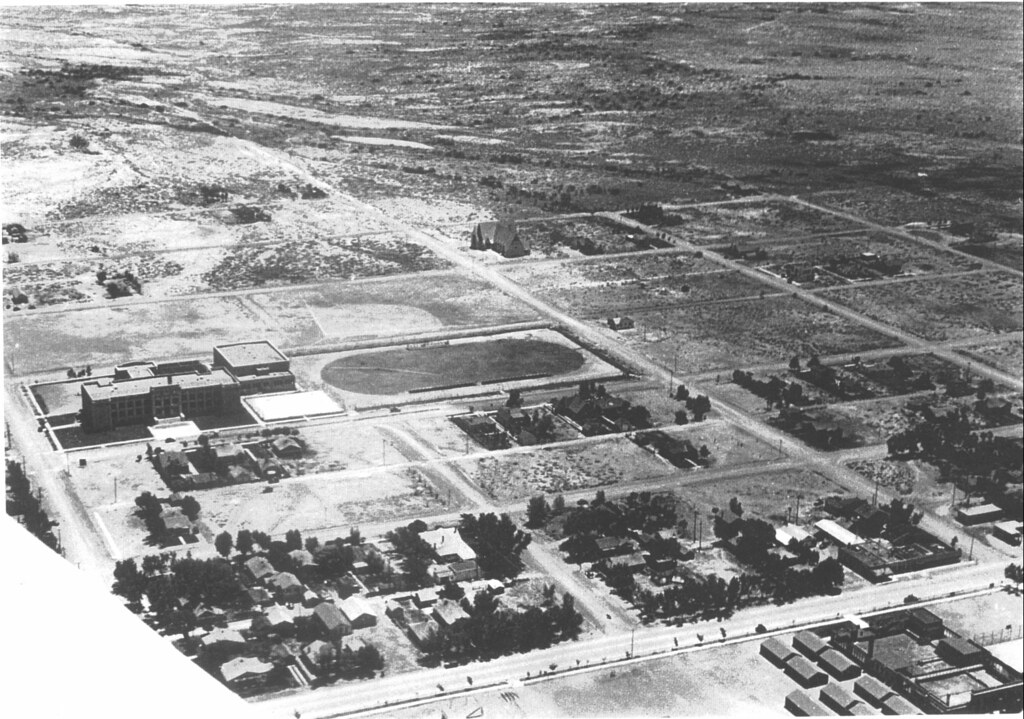
The completion of Las Vegas High School in 1930 signaled growing civic pride. Photographs show a solid, dignified building standing above a still-small town.
It projected permanence at a time when Las Vegas was still defining itself. The image contrasts sharply with the city’s later reputation for transience.
In 1930, the focus was on education, families, and infrastructure rather than spectacle.
Hoover Dam Construction in 1931
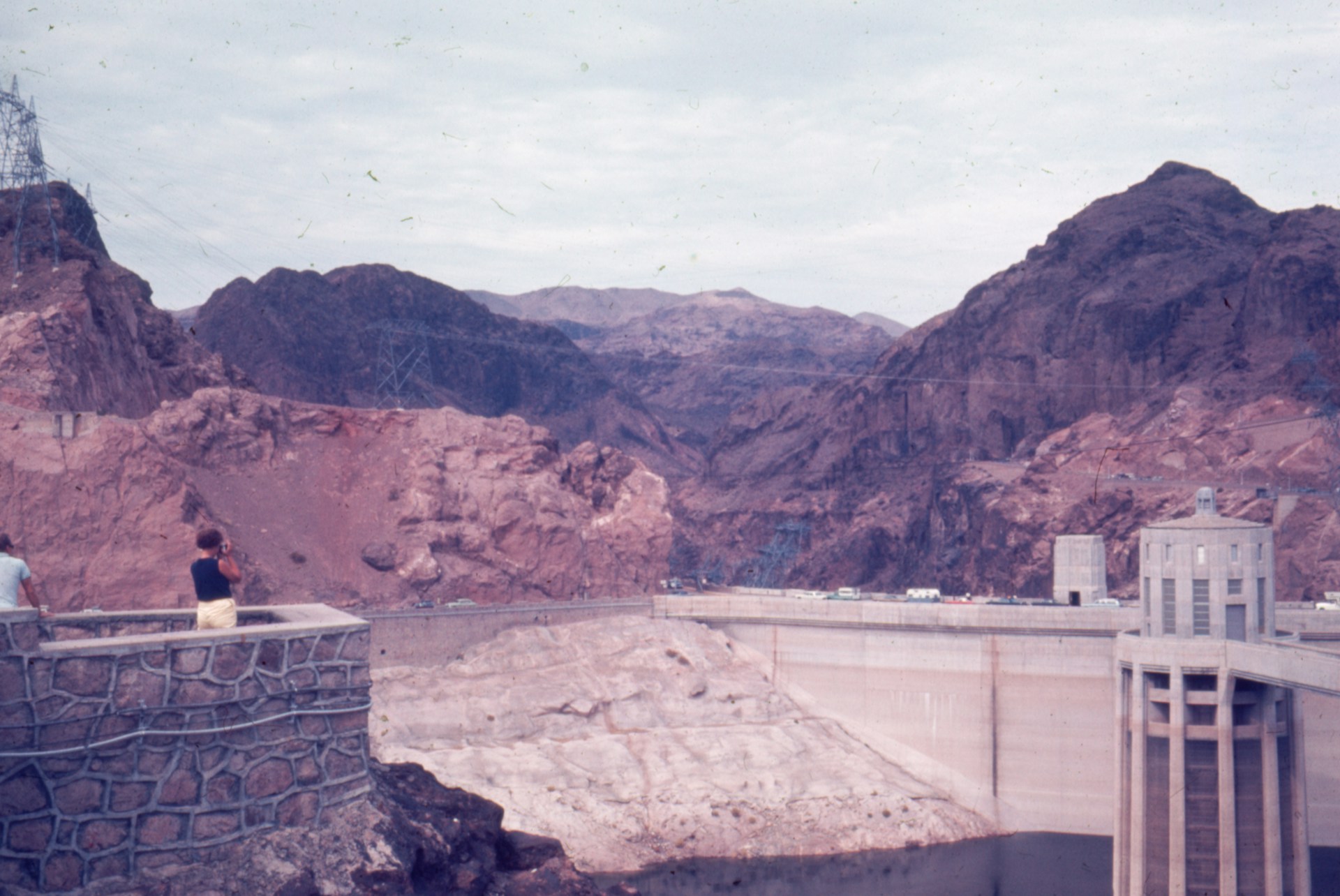
Though located roughly 30 miles southeast of Las Vegas, Hoover Dam dramatically altered the town’s trajectory. Photographs of workers and construction equipment from the early 1930s show the scale of the federal project.
The dam brought thousands of workers to southern Nevada and stabilized the region’s water and power supply. Las Vegas grew as a service hub for those laborers.
The city’s population surged before casinos defined its image.
Downtown in the Mid-1930s
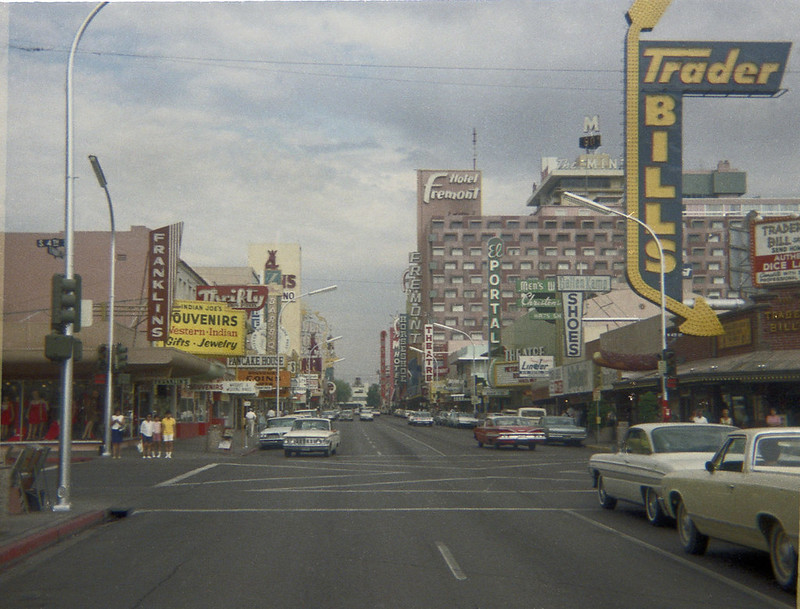
By the mid-1930s, photographs show a busier Fremont Street. Automobiles dominate the roads, storefronts multiply, and signage becomes more decorative.
Even so, the street remains restrained compared to its later incarnation. The growth feels steady rather than explosive.
The buildings are still relatively low, and the desert horizon remains visible beyond them. The transformation is underway, but not yet dramatic.
The Apache Hotel
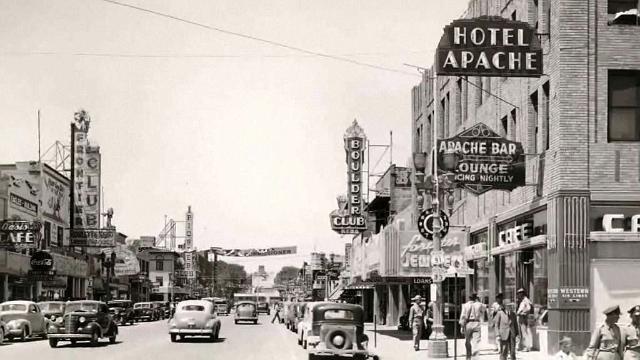
Back then, the Apache Hotel rose above most structures nearby. Photographs from the 1930s capture its height clearly.
Brick covered the outside walls, giving it a solid look. Standing tall on Fremont Street, it caught the eye easily.
Height combined with material made it different. Back then, the structure hinted that Las Vegas aimed higher.
Though smaller than today’s skyscrapers, it carried weight. Within its time, it stood for reach, not just brick.
Night Scenes Before Neon Dominance
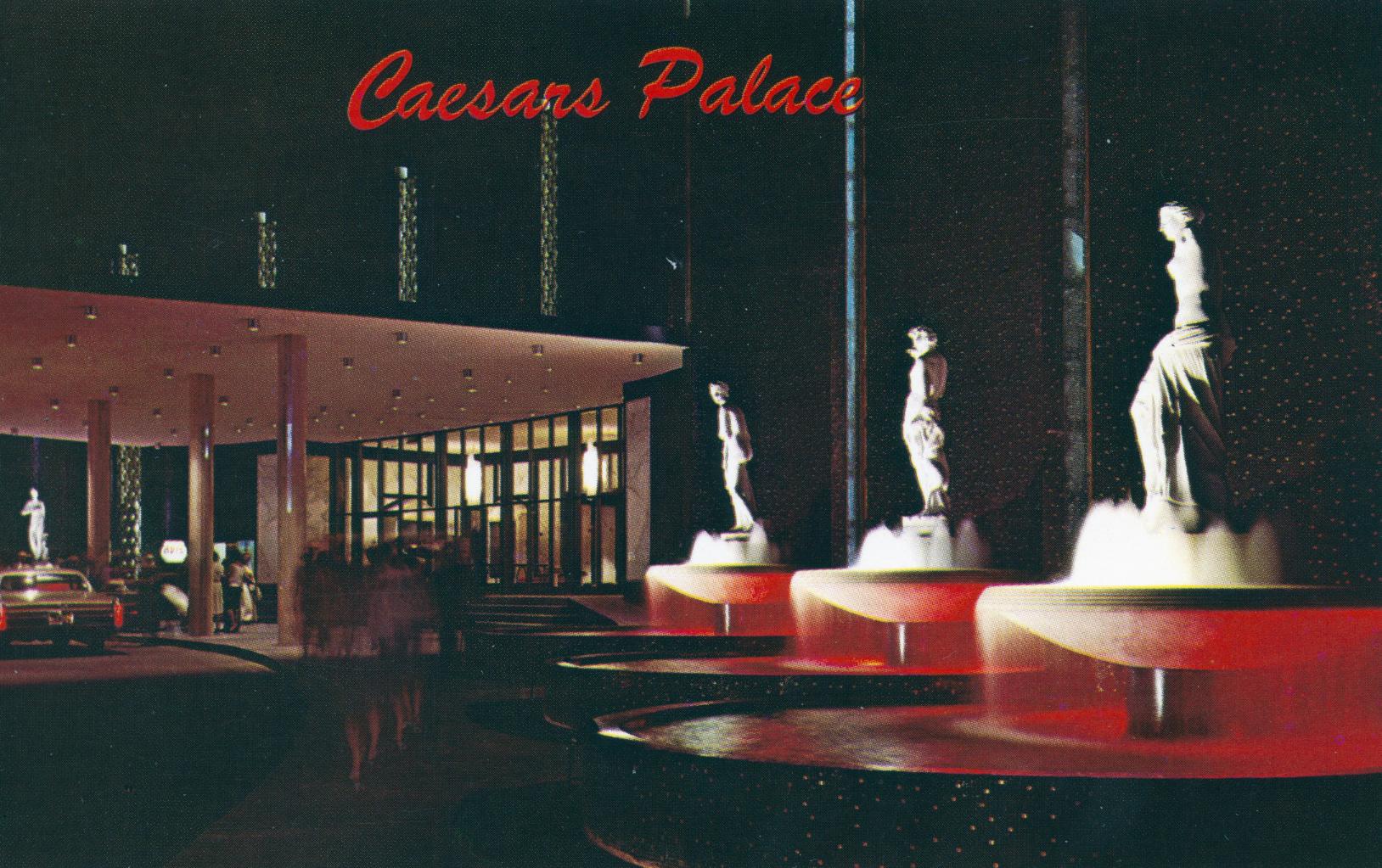
Nighttime photographs from the late 1930s reveal dimly lit streets with simple illuminated signs. Electricity was present, but the city had not yet embraced the intense glow that would later define it.
Without the neon spectacle, Las Vegas looks subdued. The absence of overwhelming light changes the entire mood.
It resembles a quiet western town settling into the evening.
Desert Surrounding the Town
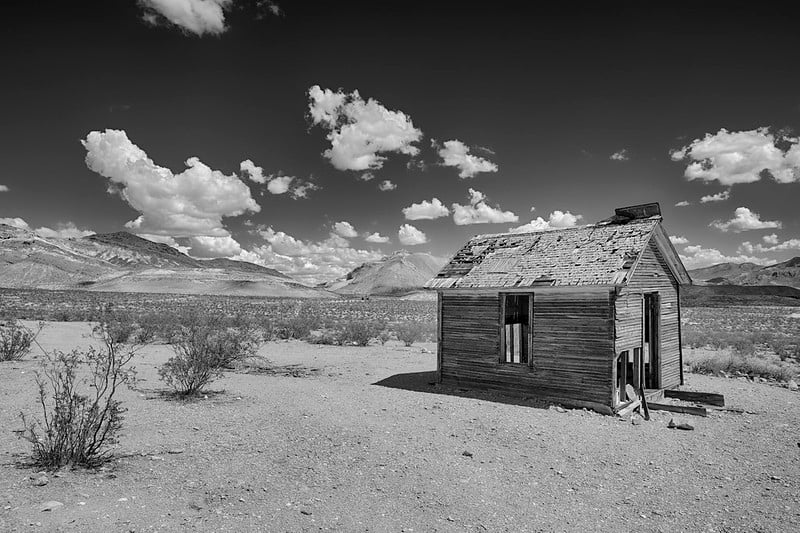
Many early photographs frame Las Vegas as a small cluster of buildings surrounded by vast open desert. Mountains rise in the distance, and undeveloped land stretches in every direction.
These images emphasize how isolated the town once was. Development had not yet consumed the valley.
The desert dominated the skyline rather than hotel towers.
The El Rancho Vegas in 1941
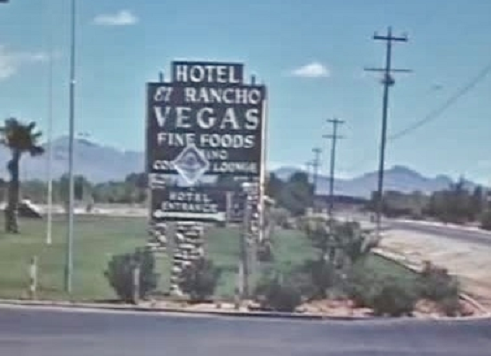
When El Rancho Vegas opened in 1941 along what would become the Strip, photographs show a western-style roadside lodge surrounded by open land. It did not resemble the mega-resorts that would follow.
This image often marks the beginning of the entertainment-focused Las Vegas. Even then, the setting was sparse and unassuming.
The Strip was still mostly empty desert.
Small-Town Parades and Community Events
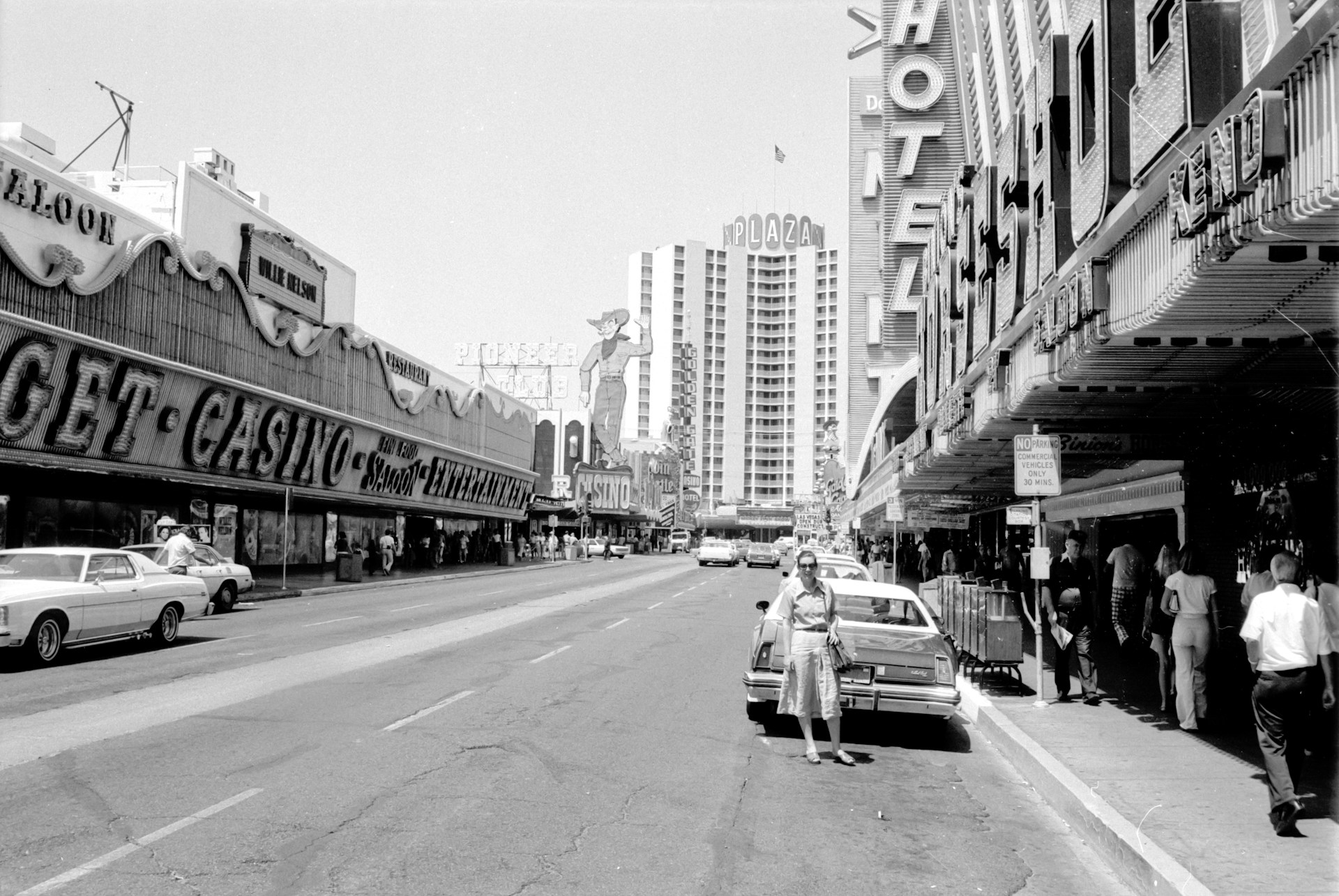
Fremont Street fills with people during parades seen in photos from the 1920s and 1930s. Flags wave above crowds while music rolls through the air from marching bands below.
Moments like these were recorded simply, without fuss or staging. Faces look on, some smiling, others focused ahead.
These gatherings mattered, even if they seem quiet now. Sound fades over time, yet images stay behind.
Look closely, these pictures capture people who belong, not just pass through. A sense of knowing one another hums beneath the surface.
Life here moves at the rhythm of routine. Identity isn’t built on spectacle – it grows quietly, like moss on stone.
Early Gambling Halls
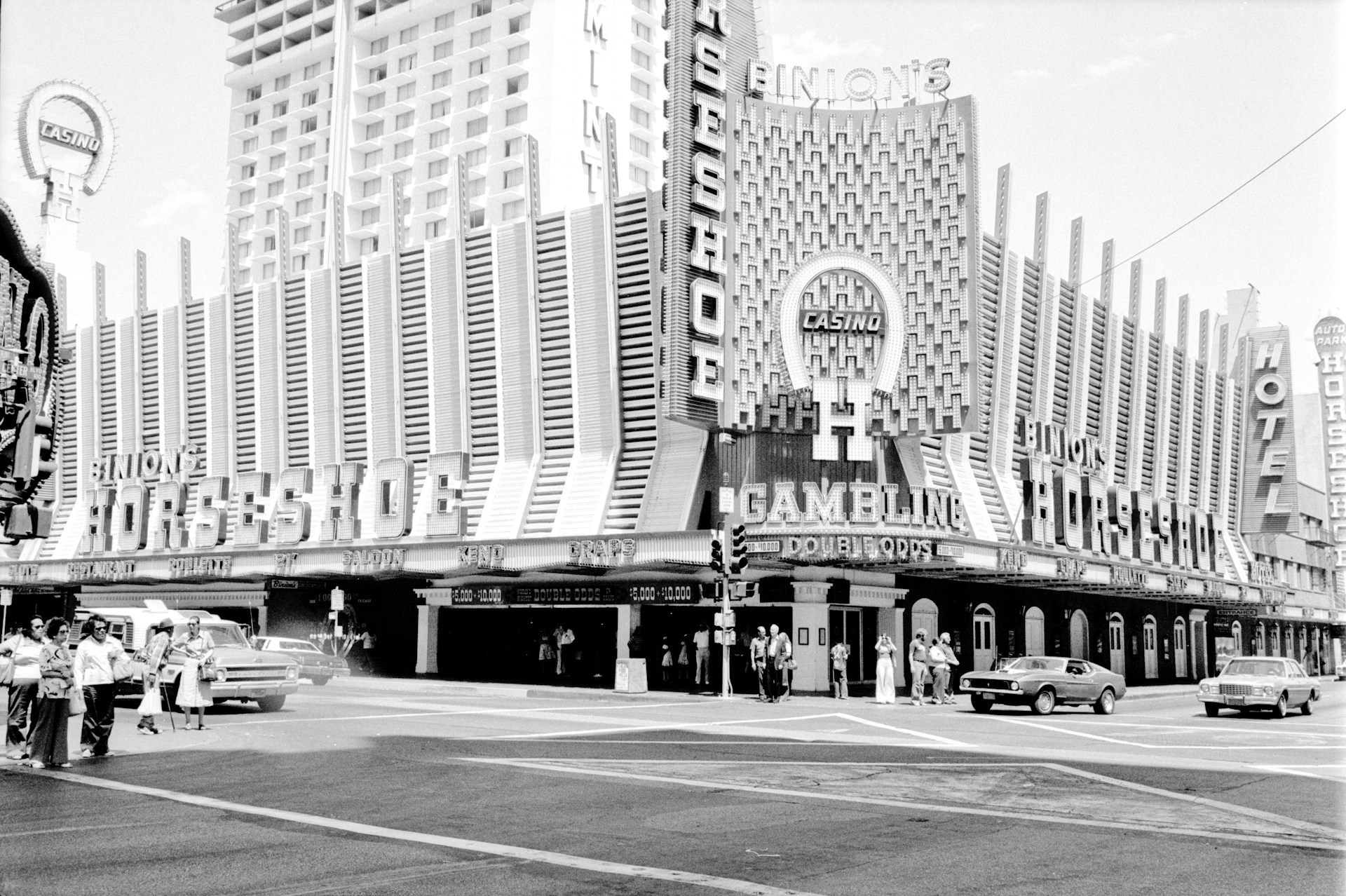
After Nevada legalized gambling in 1931, small establishments began appearing downtown. Early photographs show modest interiors and simple exteriors compared to later casino complexes.
These gambling halls were straightforward businesses. The spectacle and themed architecture would come later.
At this stage, Las Vegas was experimenting with its future identity.
Dirt Roads and Open Lots
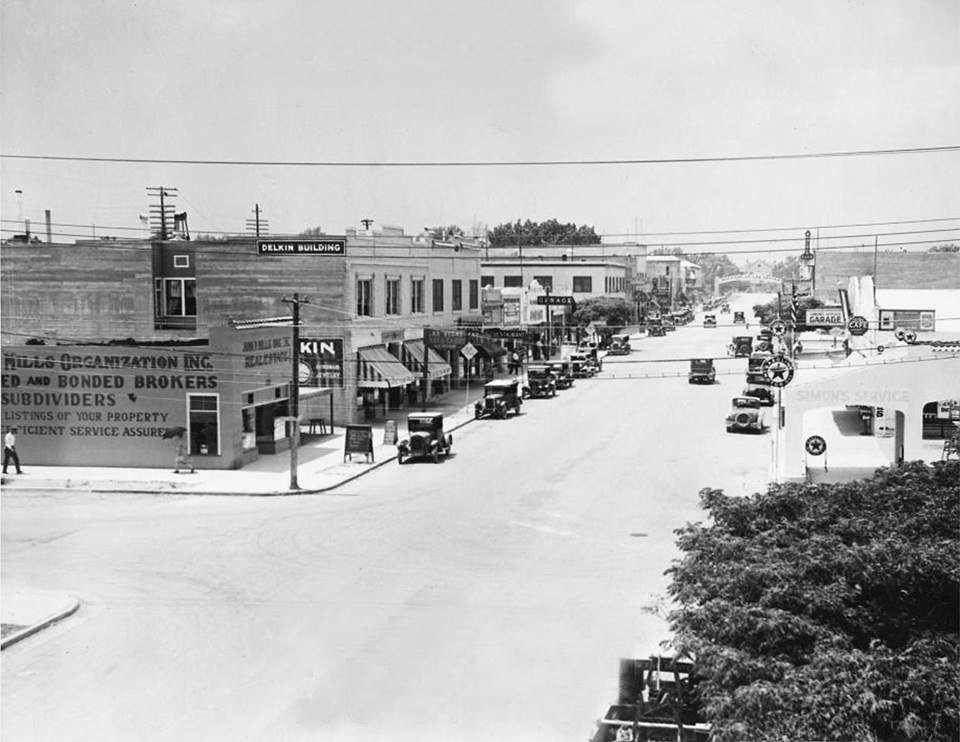
Even into the late 1930s, many roads remained unpaved. Photographs show cars kicking up dust as they pass vacant lots.
The infrastructure lagged behind ambition. The unfinished appearance highlights how quickly development was occurring.
The city was growing, but refinement had not yet caught up.
Early Airfield
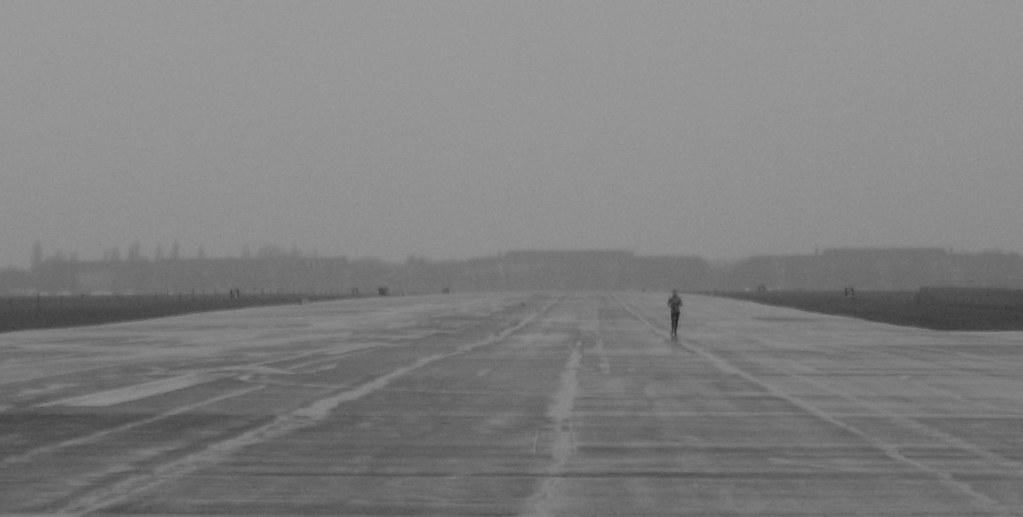
A stretch of level soil breaks across sunbaked land in faded pictures. Flight seemed strange at the time – this spot barely filled a corner where giant hubs roar today.
Far past the runway, air lanes unfolded toward distant places. Reaching Las Vegas demanded less work, quietly steering how trips would evolve for travelers.
Water Towers and Utilities
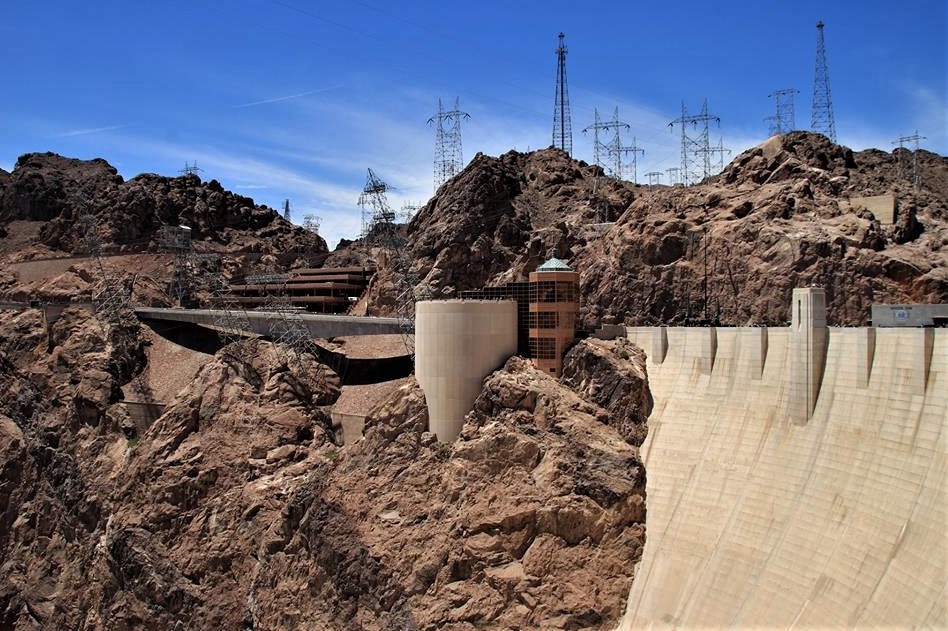
Out beyond the fences, pipes snake through dirt and grass – frozen in faded photos showing what quietly powered daily life. Step by step, without fanfare, metal skeletons rose where no one expected, shifting how people moved, worked, lived.
Beneath shiny store windows, images such as this one reveal the true engine behind progress. Progress isn’t born only from bright lights and loud signs.
Instead, quiet systems keep things running. When unseen frameworks weaken, momentum stalls.
A place moves ahead only if its base stays strong.
Why These Images Still Matter
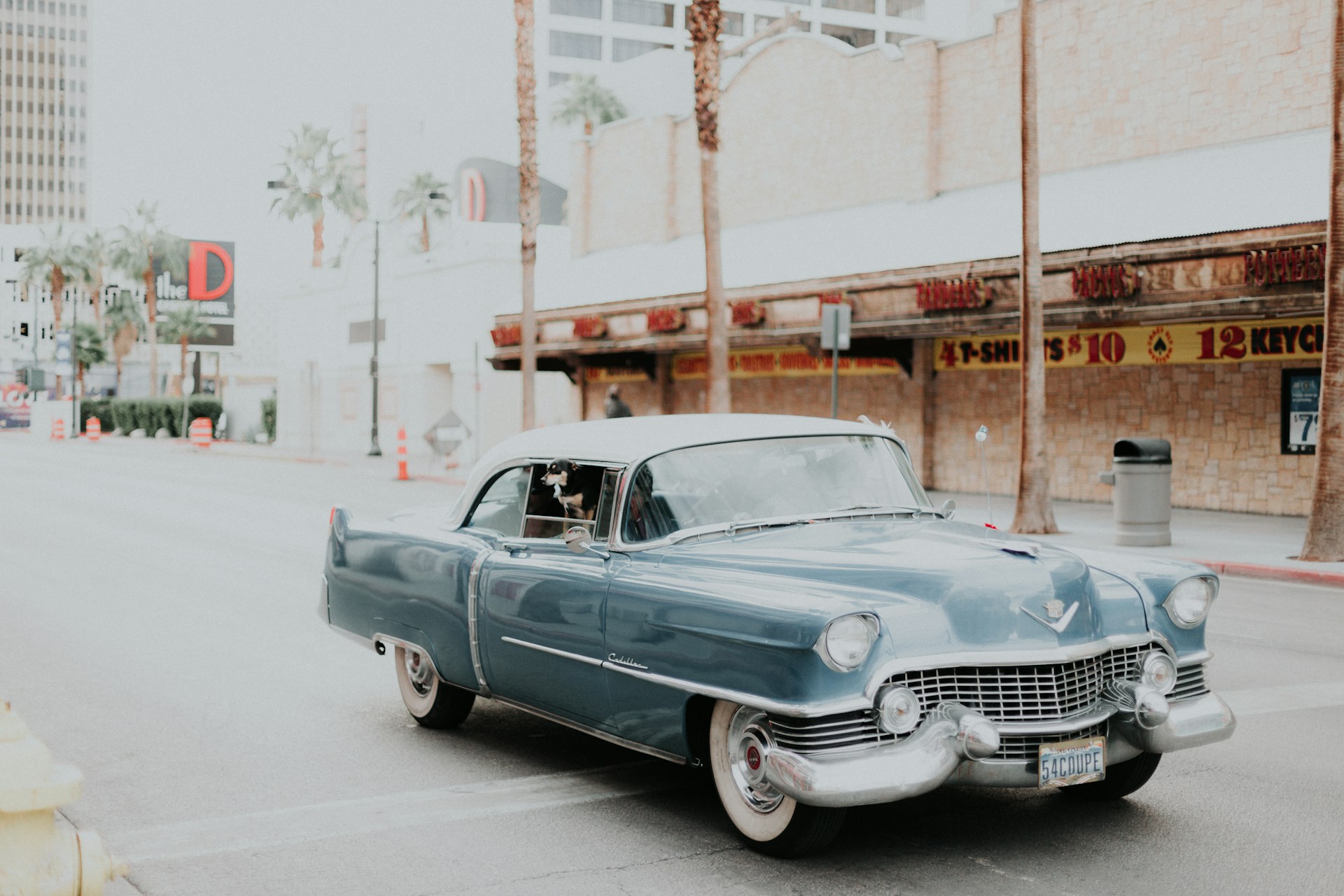
A handful of pictures show Las Vegas as it was, quiet beneath a softer light. This isn’t the city seen by crowds today.
Before steel climbed into clouds, small buildings stood firm in dust. Growth happened slowly, only when rivers allowed.
Wheels hissed across sand-still silence, dragging new rules on metal backs. Then workers came – shovels in hand, trucks rumbling, papers flapping.
Flash meant nothing; instead, they dug into essentials: channels for rain, trails over powder. Long before shiny fronts rose, hands patched what cracked.
Roofs weighed heavier than signs. A single look shifts it all.
Upward it climbs, built on effort and rising warmth, finding height at last. Under flashing lights rests something softer from long ago – ghosts of moments caught in worn photographs: Las Vegas before the noise took hold.
More from Go2Tutors!

- The Romanov Crown Jewels and Their Tragic Fate
- 13 Historical Mysteries That Science Still Can’t Solve
- Famous Hoaxes That Fooled the World for Years
- 15 Child Stars with Tragic Adult Lives
- 16 Famous Jewelry Pieces in History
Like Go2Tutors’s content? Follow us on MSN.



