16 Products That Were Sold to the Wrong Audience Entirely
Marketing is both an art and a science—and sometimes even the biggest companies get it spectacularly wrong. A brilliant product can flop simply because it lands in front of the wrong eyes.
When companies misunderstand who their customers actually are, the results range from mildly embarrassing to financially catastrophic. Here is a list of 16 products that completely missed their mark when it came to finding their ideal audience—marketing mishaps that serve as cautionary tales for businesses everywhere.
Amazon Fire Phone
Amazon tried to break into the smartphone market in 2014 with a device that emphasized shopping features above all else. The company misjudged what smartphone users actually wanted—reliable performance, app variety, and competitive pricing.
Instead, they created what amounted to a mobile Amazon shopping portal with lackluster features at a premium price. The Fire Phone was discontinued just one year later, resulting in a $170 million write-down.
Ford Edsel
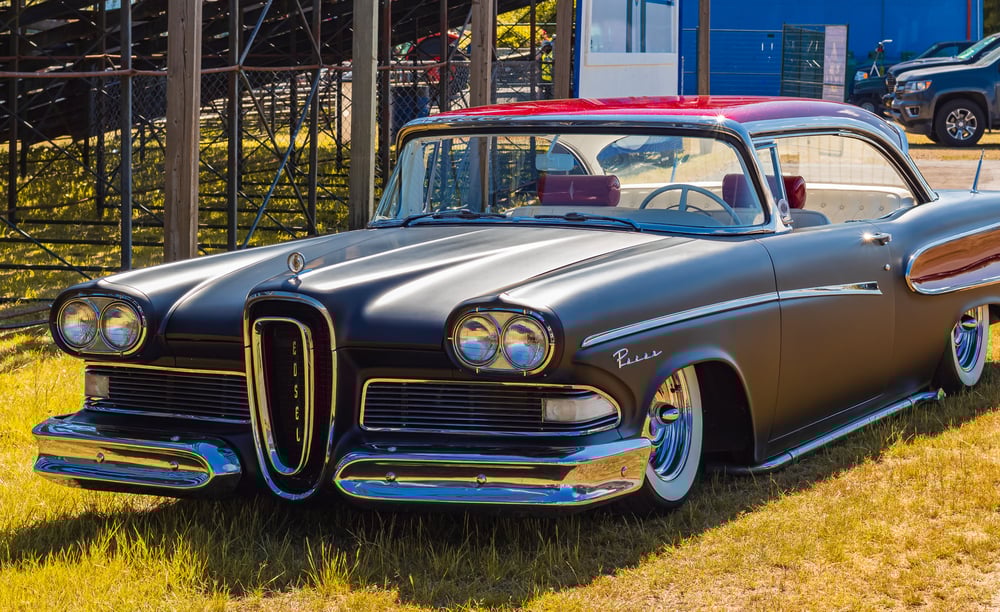
Perhaps the most infamous marketing blunder in automotive history, the Edsel was hyped as the car of the future when it launched in 1957. Ford spent years researching what Americans wanted in a vehicle, but by the time it hit the market, consumer tastes had shifted toward smaller, more economical cars.
The Edsel’s bold design, high price point, and terrible timing made it appeal to virtually nobody. Production ceased after just three years and losses equivalent to $2.5 billion in today’s dollars.
Like Go2Tutors’s content? Follow us on MSN.
Crystal Pepsi
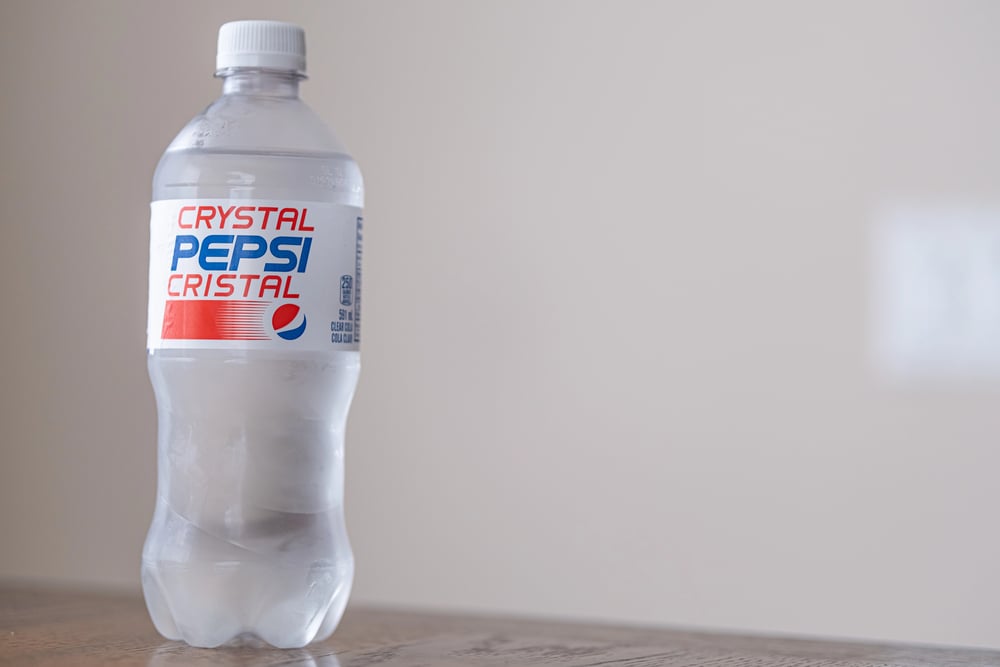
In the early 1990s, Pepsi jumped on the ‘purity’ and ‘clarity’ trend by creating a colorless version of their cola. The marketing positioned it as a healthy alternative, confusing consumers who associated clear beverages with different flavors like lemon-lime or ginger ale.
People expected the taste to match the appearance, and when it tasted like cola, the disconnect was too jarring. Despite initial curiosity, most consumers tried it once and never returned.
Microsoft Zune

Microsoft’s attempt to dethrone the iPod missed its audience by failing to understand what made Apple’s device so popular. Launched in 2006, the Zune actually had some impressive features, but Microsoft marketed it to tech enthusiasts rather than the mainstream music lovers who were driving iPod sales.
By positioning it as a complex device with technical advantages, they alienated average consumers who simply wanted something stylish and easy to use.
Google Glass
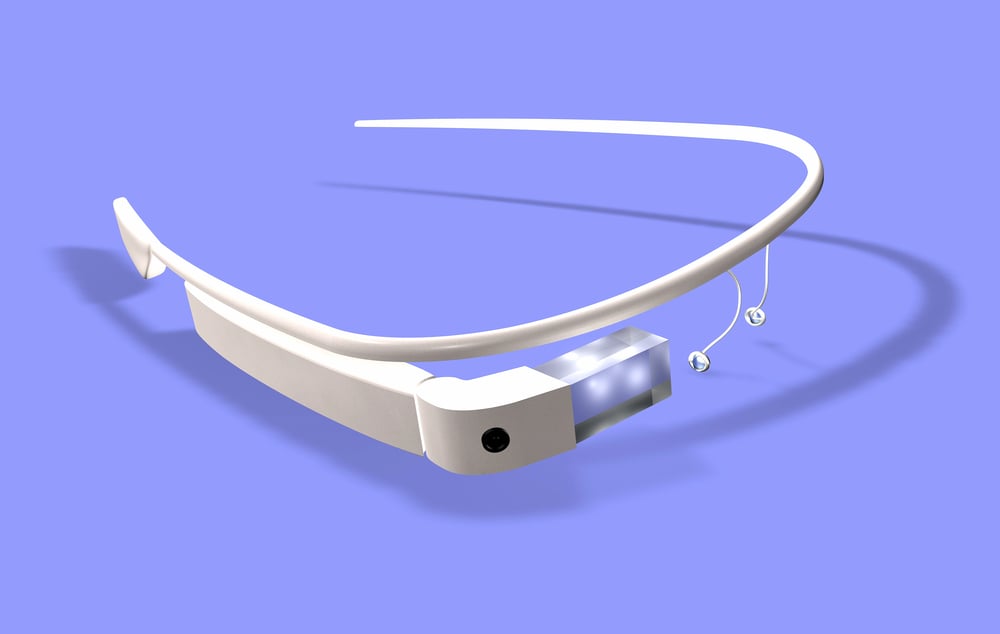
When Google released its futuristic eyewear in 2013, it positioned it as a consumer product when it should have been marketed exclusively for professional and industrial applications. The high price point ($1,500), privacy concerns, and the unflattering ‘Glasshole’ nickname made it unappealing to everyday consumers.
Years later, Google Glass found success—but only after being rebranded as an enterprise product for factories, healthcare, and other specialized industries.
Like Go2Tutors’s content? Follow us on MSN.
Colgate Kitchen Entrees

In one of the most perplexing brand extensions ever, toothpaste giant Colgate launched a line of frozen ready-to-eat meals in 1982. The company seemingly ignored the powerful psychological association between their brand name and mint-flavored dental products.
Consumers couldn’t separate the thought of toothpaste from their food, making this a textbook case of trying to sell the right product to absolutely the wrong audience.
Harley-Davidson Perfume

Motorcycle manufacturer Harley-Davidson made a misguided attempt to leverage their brand recognition by releasing a line of perfumes and colognes in the 1990s. Their core audience—motorcycle enthusiasts who valued ruggedness and authenticity—had zero interest in designer fragrances.
Meanwhile, luxury fragrance buyers weren’t exactly clamoring for scents from a motorcycle company. The products were quietly discontinued after disappointing sales.
Bic For Her Pens

In 2012, Bic launched a line of pens specifically designed for women, featuring pastel colors and a slimmer barrel. This gendered approach to a universal product like pens was met with widespread mockery.
Women didn’t need or want specially designed writing instruments, and the patronizing marketing approach alienated the very audience it was trying to court. The pens became infamous not for their sales but for the sarcastic Amazon reviews they inspired.
Like Go2Tutors’s content? Follow us on MSN.
Gerber Adult Foods

Gerber, known worldwide for baby food, attempted to expand its market by introducing single-serving meals for adults in the 1970s. The products were nutritionally sound, but consumers couldn’t get past the psychological barrier of buying food from a company so strongly associated with infants.
The identical packaging to their baby food, just with adult-oriented labels, further confused and repelled the target market of college students and singles.
Segway

When the Segway was unveiled in 2001, it was hyped as a revolutionary transportation device that would change cities forever. Creator Dean Kamen expected to sell 10,000 units per week.
The reality? The company sold only about 24,000 Segways in its first five years.
Marketed to individual consumers at a price point of $5,000, it was too expensive for casual use and faced regulatory hurdles for sidewalk use. The product eventually found success with tour companies and police departments—not the general public as initially intended.
Dr. Pepper Ten

In 2011, Dr. Pepper launched a 10-calorie soda explicitly marketed to men with the slogan “It’s not for women.” The aggressive gender-based marketing alienated female consumers while failing to convince men that diet soda was suddenly masculine.
The campaign misunderstood modern gender attitudes and consumer behavior. While the product itself wasn’t terrible, the marketing approach ensured it would never find a receptive audience large enough to succeed.
Like Go2Tutors’s content? Follow us on MSN.
Facebook Phone (HTC First)

In 2013, Facebook partnered with HTC to release the First, a smartphone with Facebook Home pre-installed. Facebook assumed users wanted their social media experience to dominate their phones completely.
The reality? Even dedicated Facebook users didn’t want the platform taking over their entire mobile experience.
The phone was discontinued after just one month of dismal sales, with AT&T dropping the price from $99 to $0.99 with a contract in a desperate attempt to move inventory.
New Coke
Perhaps the most famous marketing blunder of all time, Coca-Cola reformulated its flagship beverage in 1985 to compete with the sweeter taste of Pepsi. What the company failed to understand was that consumers had an emotional attachment to the original formula that transcended taste preferences.
The backlash was immediate and fierce, forcing Coca-Cola to reintroduce the original formula as “Coca-Cola Classic” just 79 days later. The incident showed how a focus on product attributes missed the deeper brand connection with customers.
Nintendo Virtual Boy
In 1995, Nintendo released a gaming console that was ahead of its time in the worst possible way. The Virtual Boy was marketed as a portable virtual reality gaming system.
Still, its monochromatic red display, uncomfortable playing position, and high price point ($180 in 1995) made it appealing to almost no one. Nintendo marketed it as a revolutionary gaming experience when it should have been positioned as an experimental device for tech enthusiasts.
It was discontinued within a year.
Like Go2Tutors’s content? Follow us on MSN.
Microsoft Bob

In 1995, Microsoft released software designed to make computers more accessible to novice users by creating a cartoonish “house” interface where each room contained different applications. The problem?
It was condescending to beginners while being utterly useless to experienced users. Microsoft marketed Bob to the entire home computing market when it might have found a niche with very young users or seniors if positioned correctly.
The product became a legendary flop and was discontinued after just one year.
Twitter Peek
Released in 2009, the Twitter Peek was a dedicated handheld device that did exactly one thing: access Twitter. Priced at $200 (or $100 with a two-year data contract), it offered a worse Twitter experience than smartphones already provided.
The company tragically misunderstood its audience—Twitter users were early tech adopters who already owned smartphones, not people looking for single-purpose devices. The product disappeared so quickly that many people don’t even remember it existed.
Marketing Matters as Much as Innovation

These product failures remind us that innovation without audience understanding is a recipe for disaster. Many of these products weren’t inherently bad—some were even technically impressive or ahead of their time.
What doomed them was a fundamental disconnect between what the companies thought consumers wanted and what those consumers actually valued. The most successful products aren’t just well-designed; they’re placed in front of the right eyes with messaging that resonates with their specific needs and desires.
In business, knowing your audience isn’t just important—it’s everything.
Like Go2Tutors’s content? Follow us on MSN.
More from Go2Tutors!

- 18 Unexpectedly Valuable Collectibles You Might Have Lying Around
- 20 Little-Known Historical Battles That Had Huge Consequences
- 20 Historical Artifacts That Scientists Can’t Explain
- 15 Inventions That Were Immediately Banned After Being Created
- 20 Actors Who Were Almost Cast in Iconic Roles
Like Go2Tutors’s content? Follow us on MSN.