Ancient Rituals Of the Abu Simbel Sun Festival
Every now and then, far down in southern Egypt, an odd thing takes place. Rays from the sky slip exactly into the old stone hall built for Ramesses II, waking up carvings hidden under shadow for ages.
It goes beyond mere glow or sparkle on rock. Held at Abu Simbel, this solar gathering stands among the sharpest star-based feats ever made by early people, while its ceremonies hint at how closely Egyptians watched skies – and minds – centuries ago.
The Temple That Captures the Sun
Abu Simbel stands carved directly into a mountainside, about 230 miles south of Aswan. Ramesses II ordered its construction around 1264 BCE, and the builders accomplished something that still baffles modern engineers.
The temple extends 185 feet into solid rock, ending in a sanctuary where four statues sit: Ramesses II, Ra-Horakhty, Amun-Ra, and Ptah. On two specific days each year—February 22 and October 22—the sun’s first rays travel through the entire length of the temple and illuminate three of the four statues.
Ptah, the god of darkness, remains in shadow. Always.
The precision required to achieve this borders on impossible. The ancient architects had to account for the sun’s position, the temple’s orientation, and the exact depth needed for the light to reach its target.
They did this without modern tools, without computers, without the benefit of trial and error.
When Kings Became Gods
The February date marked Ramesses II’s coronation. The October date celebrated his birth.
These weren’t just anniversaries. The sun festival transformed them into something sacred.
Ancient Egyptians believed their pharaohs were living gods, but belief requires reinforcement. The sun festival provided that reinforcement in the most dramatic way possible.
When the sun’s rays illuminated Ramesses alongside the most powerful deities in the Egyptian pantheon, it sent an unmistakable message: this king stands equal to the gods themselves. Priests understood the power of spectacle.
They orchestrated the entire event to maximize its impact on those who witnessed it.
The Sacred Morning Procession
The ritual began before dawn. Priests purified themselves in the Nile, washing away any impurity that might offend the gods.
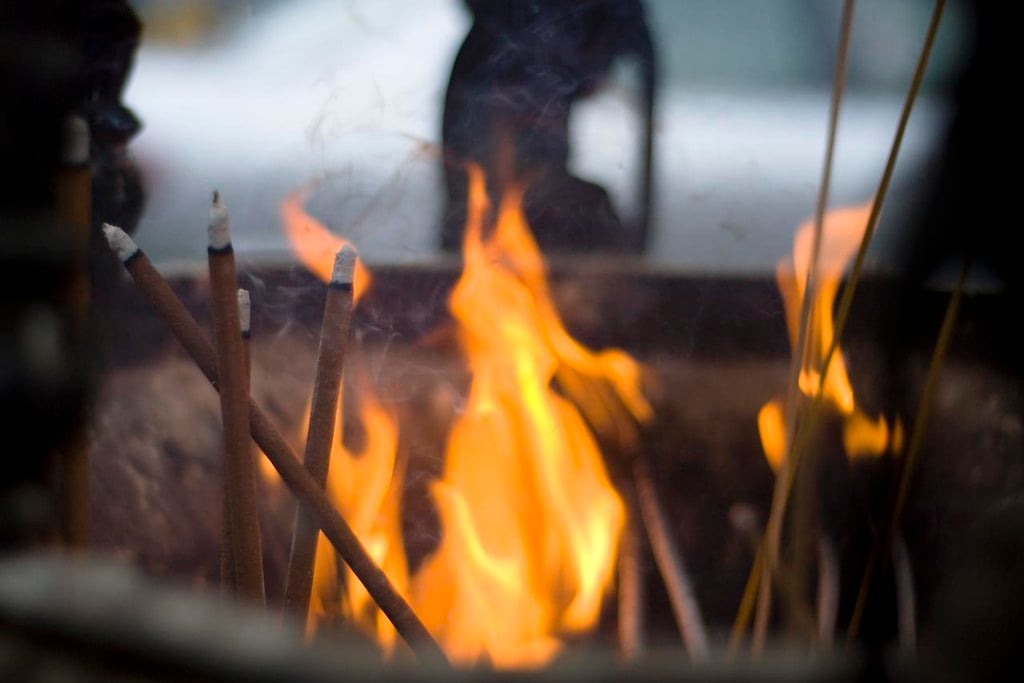
They dressed in white linen and carried incense burners filled with frankincense and myrrh. As the first hint of light appeared on the horizon, the high priest led a procession from the river to the temple entrance.
Behind him walked lesser priests, musicians, and chosen members of the royal court. The crowd gathered outside could number in the thousands, all waiting in silence.
The timing had to be perfect. Enter too early, and you waited in darkness.
Enter too late, and you missed the moment. The priests had calculated everything down to the minute, guided by observations passed down through generations.
Music That Called the Divine
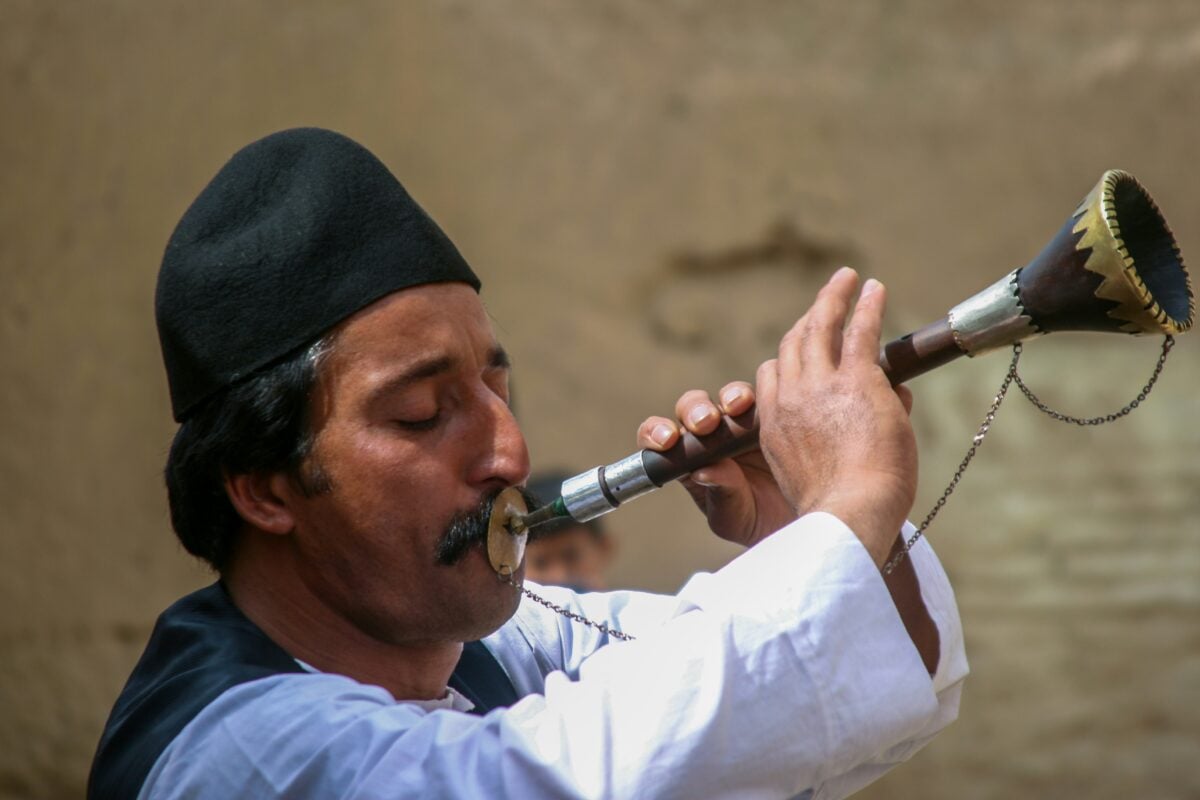
Musicians played a central role in the ceremony. They used sistrums—metal rattles that produced a distinctive jingling sound believed to please the gods.
Harps, flutes, and drums joined in, creating a soundscape that built anticipation. The music wasn’t random.
Specific hymns had been composed for this occasion, praising Ra and celebrating the pharaoh’s divine nature. The musicians positioned themselves strategically throughout the temple, so the sound would echo and amplify as it bounced off the carved walls.
When the sun finally appeared, the music reached a crescendo. This wasn’t background entertainment.
The ancient Egyptians believed sound could literally summon divine presence, and they crafted every note to achieve that purpose.
Offerings Fit for Immortals
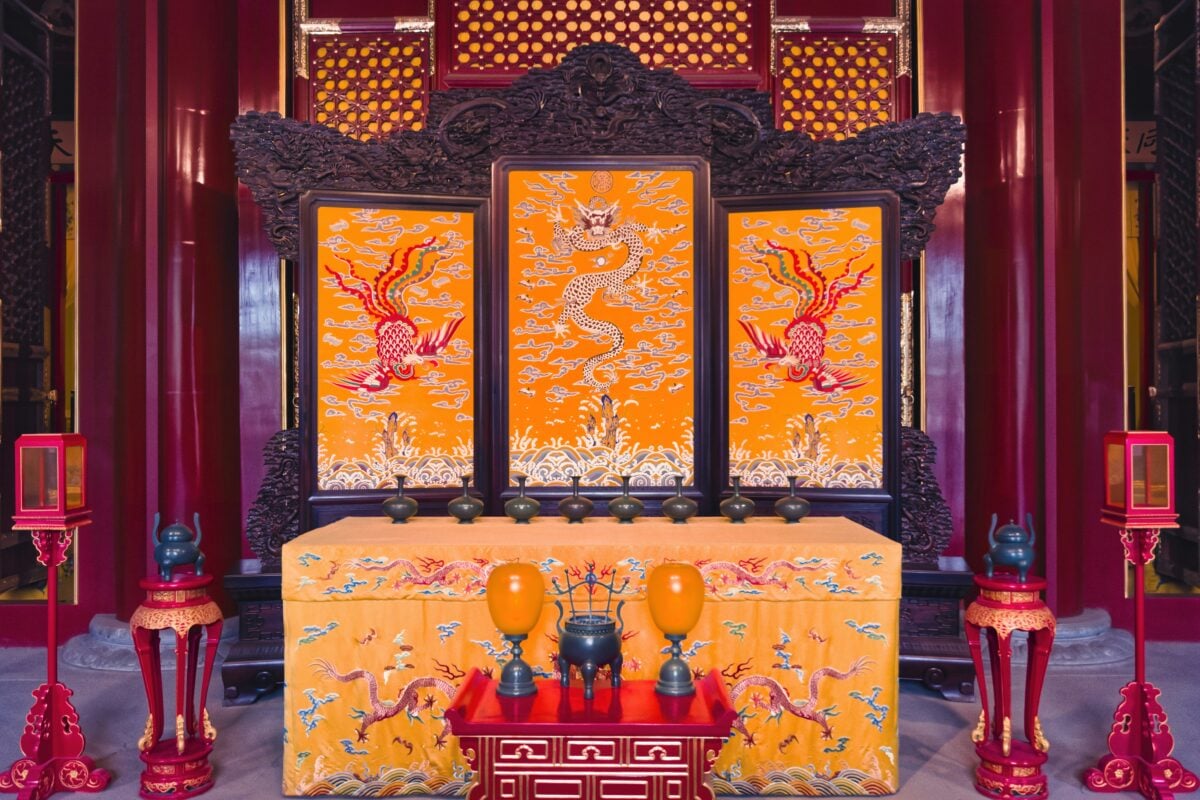
The priests brought offerings worthy of gods: bread baked fresh that morning, beer brewed according to sacred recipes, roasted fowl, and cuts of the finest beef. They also presented precious items—gold, lapis lazuli, and fine linen.
Each offering followed a specific order. The high priest would present the item, recite the appropriate prayer, and place it before the statues.
The moment of illumination determined the timing of the most important offerings. As light touched the faces of the gods, the priests presented the bread and beer—sustenance for the divine journey through the day.
The Egyptians didn’t see these as symbolic gestures. They believed the gods actually consumed the spiritual essence of these offerings, leaving the physical matter behind.
After the ceremony, this food would be distributed among the priests and, sometimes, the gathered crowd.
The Moment of Transformation
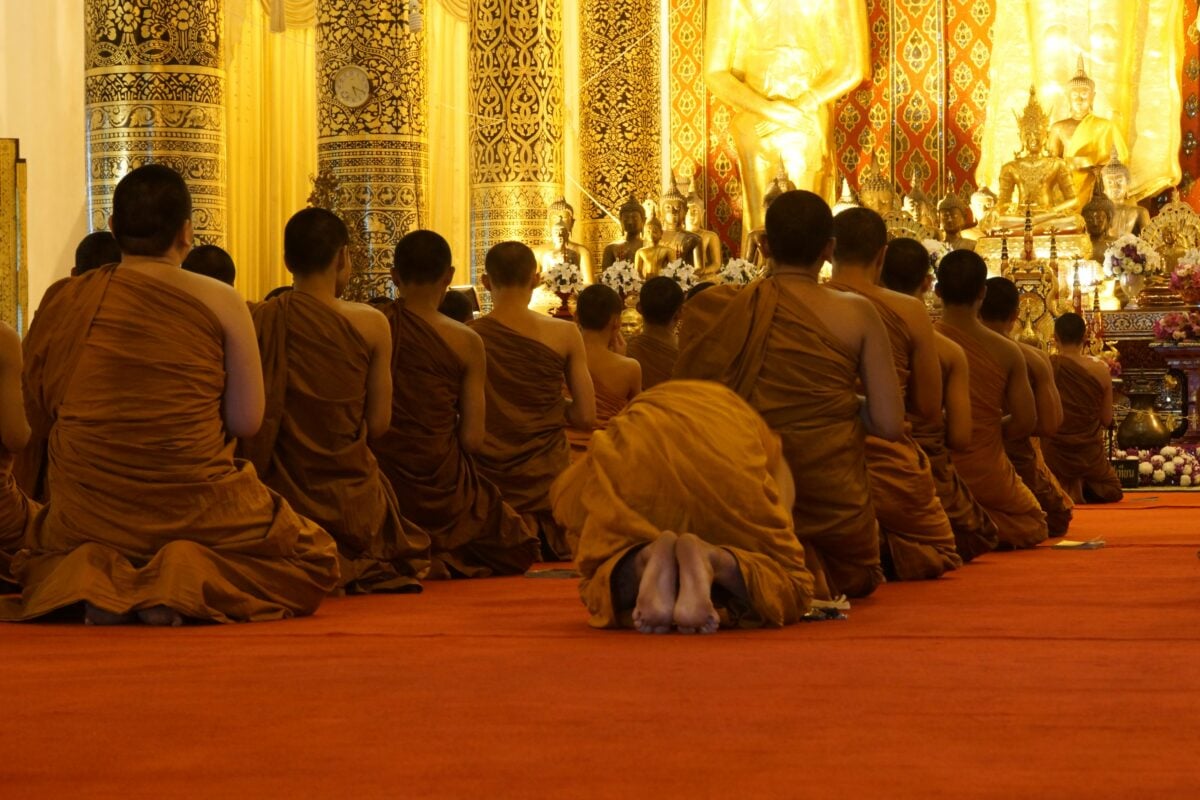
When the sun’s rays finally penetrated the sanctuary, something shifted in the air. You can read ancient accounts of people weeping, falling to their knees, or crying out in religious ecstasy.
The light didn’t just illuminate stone. It revealed the truth.
For those few minutes, the boundary between mortal and divine dissolved. Ramesses II, already considered a god in life, received cosmic confirmation of his status.
The priests had choreographed everything leading up to this moment, but what happened when the light struck couldn’t be controlled or predicted. Some witnesses reported feeling heat, though the sanctuary remained cool.
Others described seeing colors that shouldn’t exist in natural light. Whether these experiences were real or imagined doesn’t matter.
The psychological impact was identical.
Hieroglyphic Prayers Carved in Stone
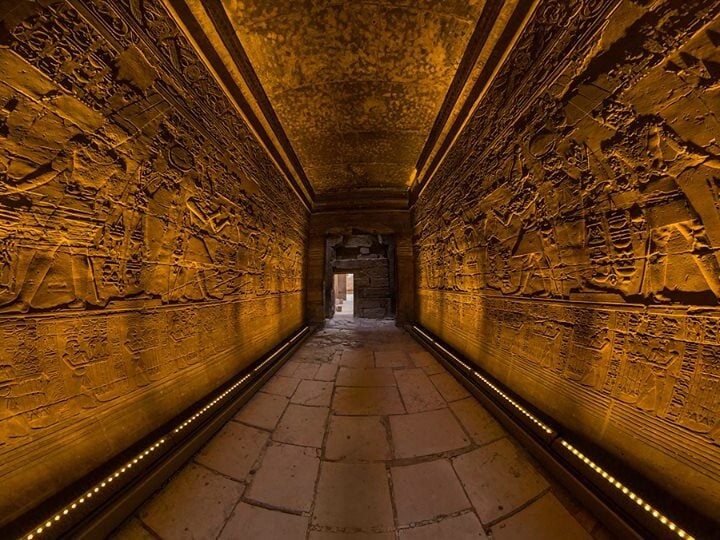
The walls surrounding the sanctuary contain thousands of hieroglyphs—prayers, hymns, and magical spells designed to protect Ramesses and ensure his successful journey into the afterlife. During the sun festival, priests would read these texts aloud.
The hieroglyphs weren’t decorative. Each one carried power.
The Egyptians believed that writing down a prayer activated it, and speaking it aloud doubled its strength. Some texts were so sacred that only the high priest could recite them, and even then, only on these two special days.
Modern scholars have identified prayers asking Ra to grant Ramesses eternal life, to make his enemies fall before him, and to recognize him as a true son of the sun god. The ritual reading could take hours, with different priests taking turns to prevent their voices from giving out.
The Dance of Divine Recognition
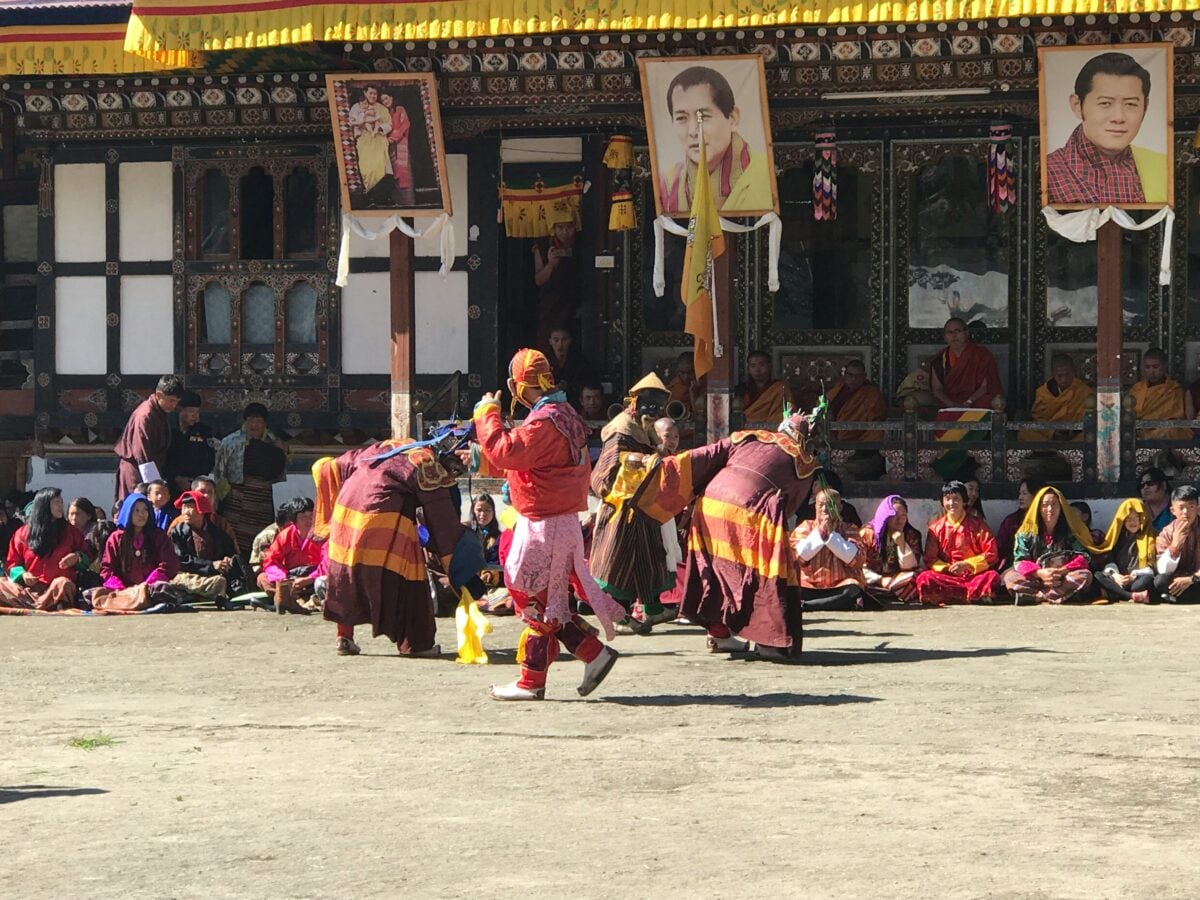
Professional dancers performed between the musical interludes. Their movements weren’t random.
They told stories—creation myths, tales of Ra’s daily battle against chaos, the triumph of order over disorder. The dancers wore elaborate costumes and masks representing various deities.
As they moved through the temple’s outer chambers, they created a moving mythology, a visual sermon that reinforced the day’s central message. Some dances were old even then, passed down from Egypt’s earliest dynasties.
Others were created specifically for Ramesses II, praising his military victories and building projects. The choreography worked in concert with the architecture, using the carved reliefs on the walls as a backdrop.
Incense That Bridged Two Worlds
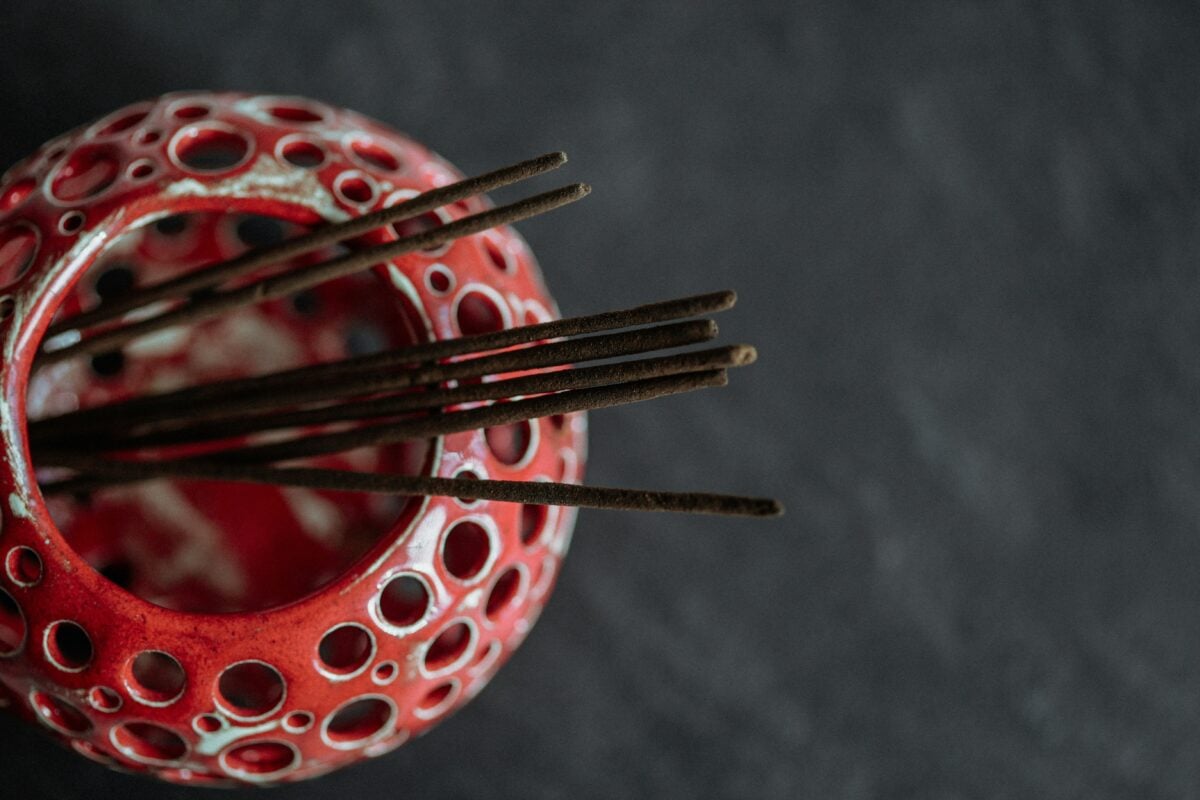
The smell inside the temple during the festival must have been overwhelming. Priests burned enormous quantities of incense—frankincense, myrrh, kyphi (a complex mixture of 16 ingredients), and other aromatic resins.
The Egyptians believed smell could carry prayers to the heavens. The smoke rising from the incense burners created a physical link between earth and sky, between human and divine.
They chose specific incense for specific purposes. Frankincense honored Ra.
Myrrh purified the space. Kyphi induced prophetic visions.
The ritual required so much incense that special storage chambers were built near the temple. Priests would spend weeks preparing the materials, grinding resins, mixing compounds, and testing blends to ensure they met sacred specifications.
Sacred Texts Read in Darkness and Light
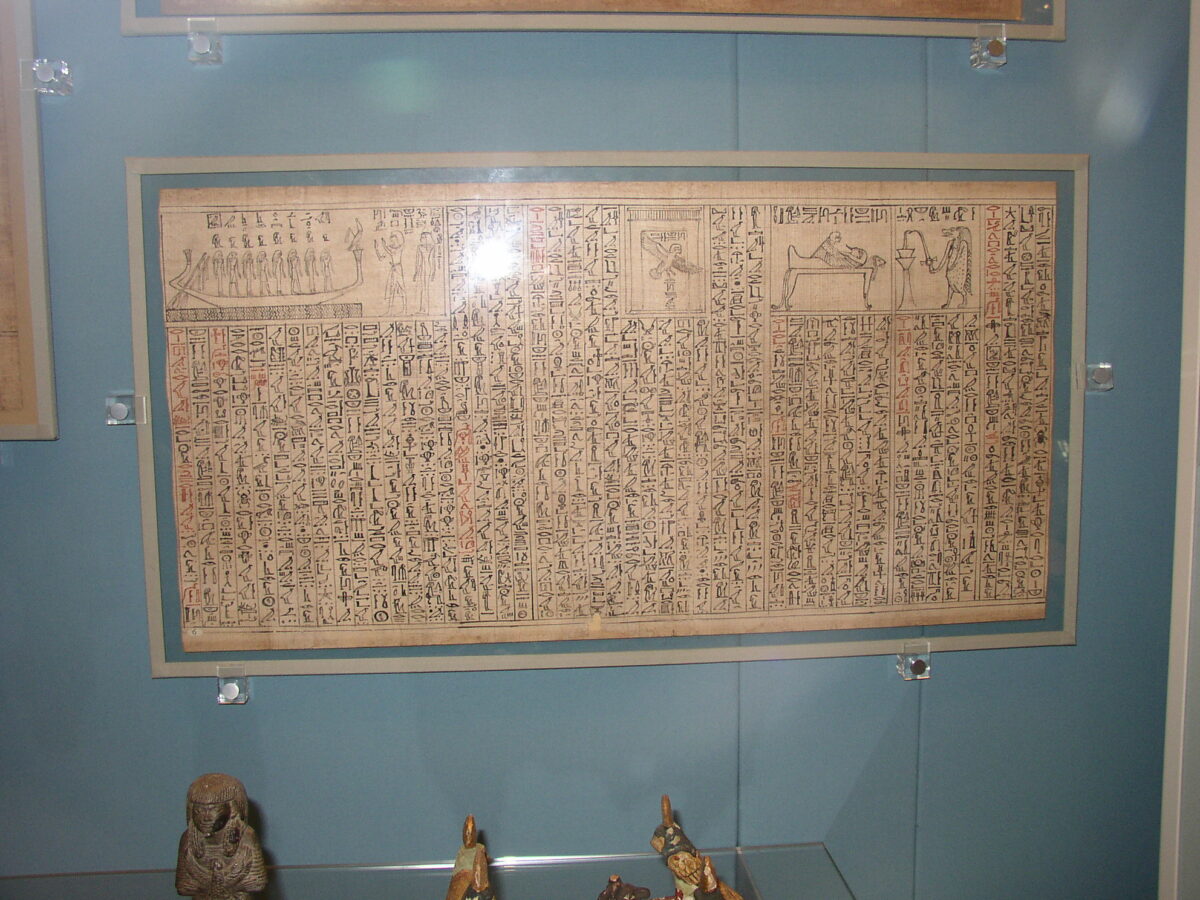
The Book of the Dead contains spells meant to guide the deceased through the underworld. During the sun festival, priests read selected passages—not for the dead, but for the living king who would someday make that journey.
They read in the darkness before dawn, their words barely audible above the music. Then, as the sun illuminated the sanctuary, they read different passages—triumphant declarations of the pharaoh’s divine nature and his guaranteed resurrection.
This created a symbolic death and rebirth. The darkness represented the tomb, the underworld, the unknown.
The light represented resurrection, eternal life, and divine favor. Ramesses II, sitting in his capital hundreds of miles away, was ritually dying and being reborn at the same moment.
The Scribes Who Recorded Everything
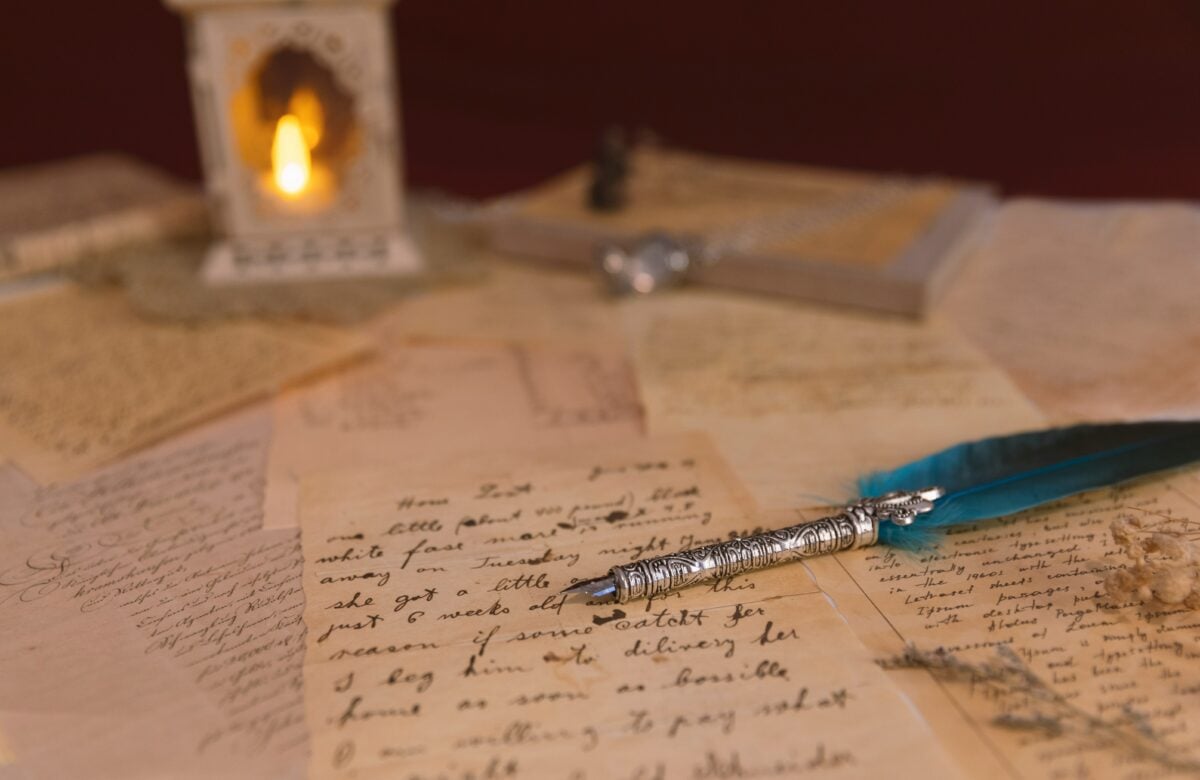
Nothing escaped documentation. Scribes positioned themselves throughout the temple, recording every detail: the exact moment the sun appeared, unusual weather conditions, the names of important attendees, any omens or signs.
These records served multiple purposes. They helped future priests replicate the ceremony accurately.
They provided evidence of the ritual’s completion for administrative purposes. And they created a historical record that reinforced the pharaoh’s divine status for future generations.
Some of these scribal records have survived. They reveal a level of precision and attention to detail that rivals modern scientific observation.
The ancient Egyptians took their record-keeping seriously, understanding that memory fades but written words endure.
Prophecies Spoken in Shadow
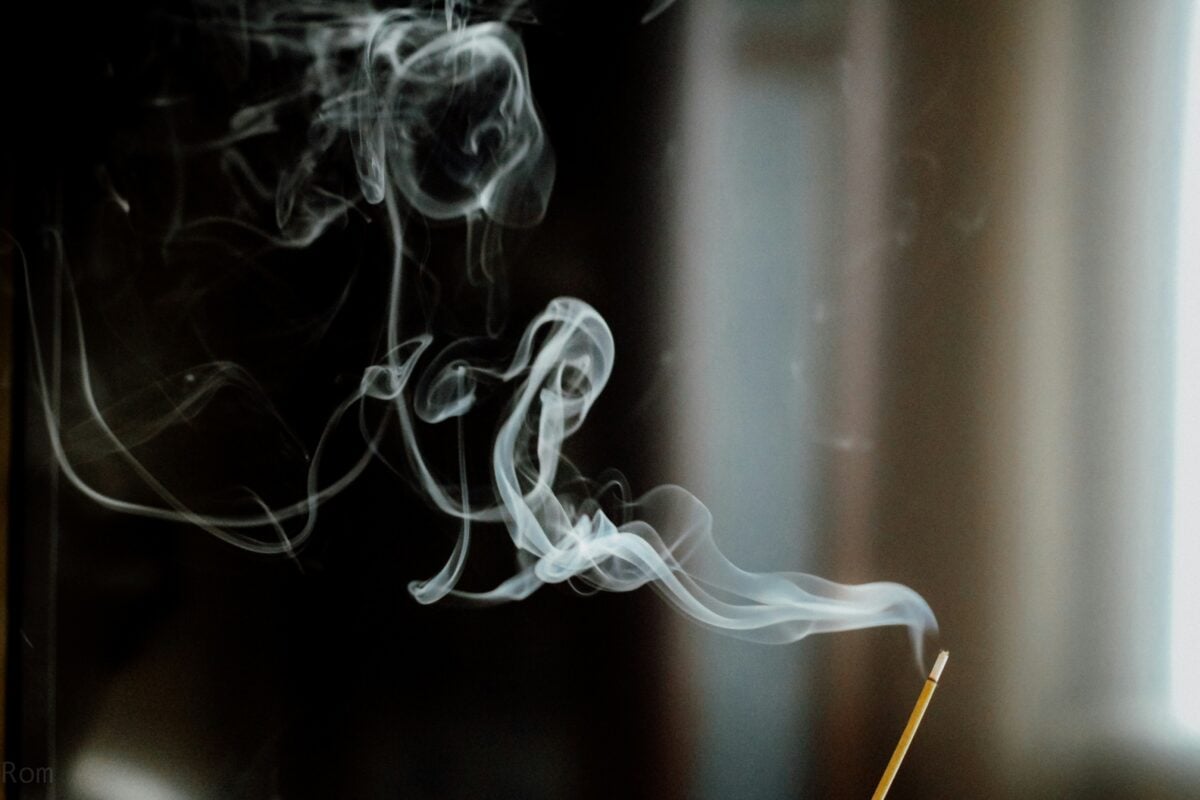
Later that night, once the lights were lit, priests studied signs to speak of what might happen. How the temple’s holy creatures moved around, how the incense smoke twisted through air, even clouds or stars above – each small detail hinted at seasons ahead.
Inside a quiet room, the high priest sat alongside those he relied on most. There, among whispers and old scrolls, meaning took shape from omens seen at dawn.
Not guesses, but readings shaped by power and belief. What emerged carried weight because it came cloaked in ritual.
When the signs seemed good, priests said armies would win, fields grow full, crops thrive, rulers stay strong. Trouble in the sky meant warnings instead – pharaoh braced for hardship, seen not as error but trial sent from above.
The Distribution of Divine Favor

Once the ritual ended, folks nearby were handed tiny keepsakes by the clergy – charms, holy bread, scraps of cloth that brushed the sacred table. Power flowed through them, many thought.
Or at least faith made it seem that way. A small charm from the sun festival might stay around your neck, guarding you through every season.
Bread touched by prayer during the rite gives quiet power when eaten bite by bite. Cloth made holy in the temple finds its place on a wall, holding shadows back where they belong.
Just handing it out wasn’t random. People could hold something real after seeing what had just happened.
Being part of it made them feel closer – not just watching anymore. That closeness stuck – to the ruler, to the temples, to the whole system.
When the Temple Moved
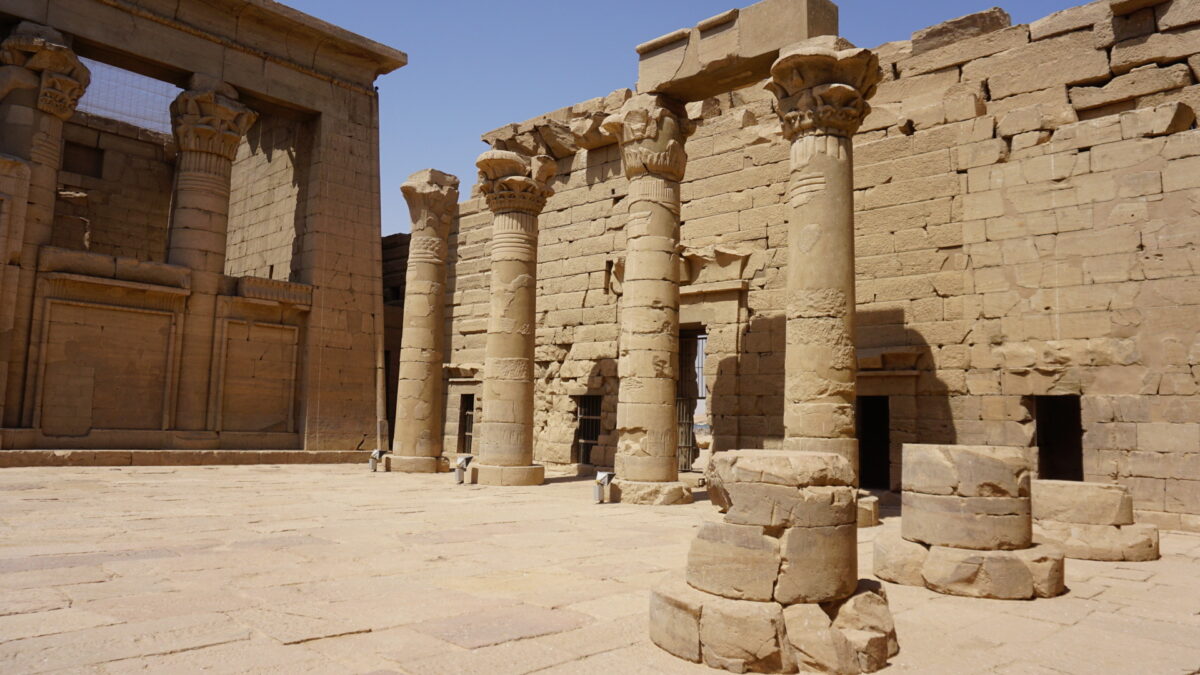
Floodwaters were coming. During the sixties, the Aswan High Dam began filling behind it, putting Abu Simbel at risk.
Not left to vanish, the temples faced a bold rescue instead. Workers sliced them apart piece by piece – each block numbered, lifted, reassembled uphill.
Two hundred feet up they went, just ahead of the lake. One challenge stood out – the way sunlight lines up.
To keep things exact, engineers worked out fresh measurements carefully. Success came, but light hits a day late compared to old records.
These days it happens on February 21 and October 21 instead. Calendar changes plus slow shifts in Earth’s tilt over thousands of years made that delay happen.
This time-honored act of keeping things safe feels much like old devotions once did. Not the same instruments, yet the respect remains unchanged.
Where people gather, light finds its way in, wonder follows without being called. A space built long ago still holds what matters, century after century.
Where Old Times Meet Always

Today, standing by Abu Simbel at sunrise, you step into a moment older than three millennia. Gone now – the priests who once chanted, the pharaoh buried long ago, even the gods reshaped or forgotten.
Yet morning light slips past stone shadows just as it did before, touching each carved face like an echo refusing silence. Forever was their goal when hands shaped stone under desert suns, yet what rose wasn’t just a tomb but a whisper across ages.
Lost chants echo beside standing walls, each holding weight equal to the other. Gazing upward isn’t new – people reached that way long ago, crafting things so solid the stars now seem to pause and watch.
More from Go2Tutors!

- The Romanov Crown Jewels and Their Tragic Fate
- 13 Historical Mysteries That Science Still Can’t Solve
- Famous Hoaxes That Fooled the World for Years
- 15 Child Stars with Tragic Adult Lives
- 16 Famous Jewelry Pieces in History
Like Go2Tutors’s content? Follow us on MSN.