17 Weird Food Museums You Can Actually Visit
Food museums exist in that strange space between education and entertainment, where learning about the history of mustard feels both ridiculous and completely necessary. These aren’t your typical art galleries or science centers — they’re shrines to the edible oddities that somehow became central to entire cultures.
Some celebrate ingredients so specific you forgot they had stories worth telling. Others turn childhood snacks into anthropological studies.
All of them prove that humans will build a museum around absolutely anything, and that’s probably for the best.
SPAM Museum

The SPAM Museum sits in Austin, Minnesota, treating canned meat with the reverence most places reserve for ancient artifacts. Fourteen thousand square feet devoted entirely to that rectangular tin that defined cafeteria lunches and wartime rations.
The museum doesn’t apologize for SPAM’s reputation or try to elevate it beyond what it is. It just presents the facts with surprising dignity.
You can watch the canning process, learn about SPAM’s role in World War II, and discover why Hawaii consumes more SPAM per capita than anywhere else. The gift shop sells SPAM-themed everything, because once you’ve committed to a SPAM museum, you might as well go all the way.
National Mustard Museum

Wisconsin decided mustard deserved a 6,500-square-foot shrine, and honestly, they weren’t wrong. The National Mustard Museum houses over 6,000 mustards from around the world (because apparently that’s how many exist), along with mustard pots, vintage advertisements, and the kind of mustard trivia that makes you wonder how civilization functioned before condiments.
The museum started when one man’s mustard collection got out of hand — which raises questions about what constitutes “in hand” when it comes to condiment hoarding. But his obsession created something unexpectedly comprehensive: a place where Dijon sits next to Carolina barbecue mustard next to varieties from countries most people couldn’t find on a map.
And yet (here’s the thing about obsession turned museum) you leave knowing more about global trade routes than you expected, all because someone couldn’t stop buying mustard.
Currywurst Museum
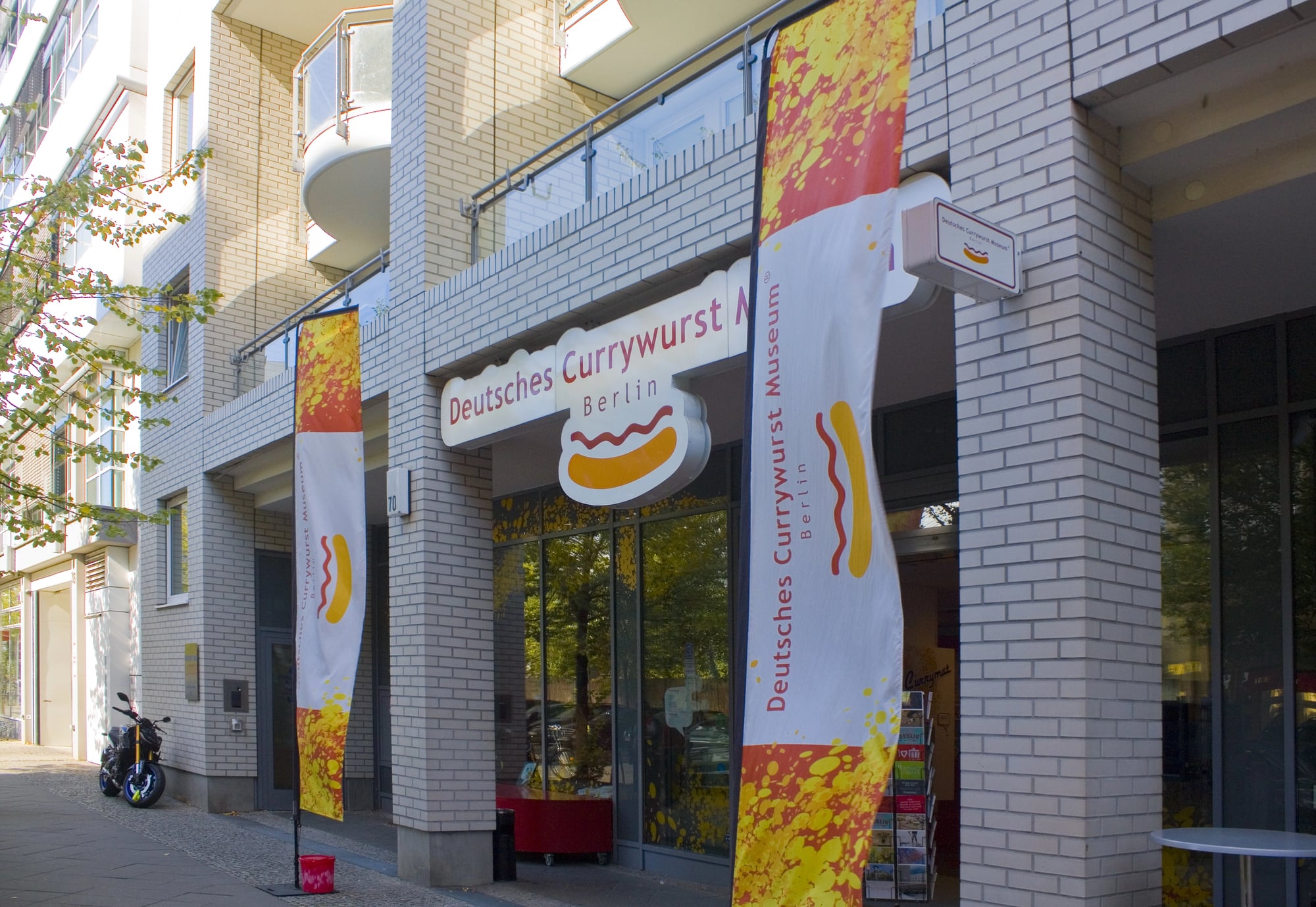
Berlin built an entire museum around currywurst, that intersection of German sausage and curry powder that shouldn’t work but absolutely does. The museum treats this street food invention like the cultural phenomenon it became — which, in postwar Germany, it genuinely was.
Sometimes the most revealing museums are the ones dedicated to things that started as accidents.
The interactive exhibits let you mix your own curry powder and learn about the British-German fusion that created currywurst in the first place. It’s food history through the lens of immigration and adaptation, served with a side of nostalgia for something that’s only been around since 1949 but feels eternal.
Jell-O Gallery Museum

Le Roy, New York, claims to be the birthplace of Jell-O, so they built a museum to prove it. The Jell-O Gallery Museum chronicles the gelatin empire that convinced America that suspended fruit was the height of sophistication.
What emerges isn’t just the story of a dessert, but a window into how marketing shapes what we consider normal — or in Jell-O’s case, how it convinced multiple generations that lime gelatin with cottage cheese qualified as salad.
The collection includes vintage molds, advertisements, and enough Jell-O memorabilia to make you question whether you’ve been taking wiggly desserts seriously enough. The museum exists in that sweet spot between celebrating something beloved and acknowledging how deeply weird that love actually is.
Fair enough.
Friet museum
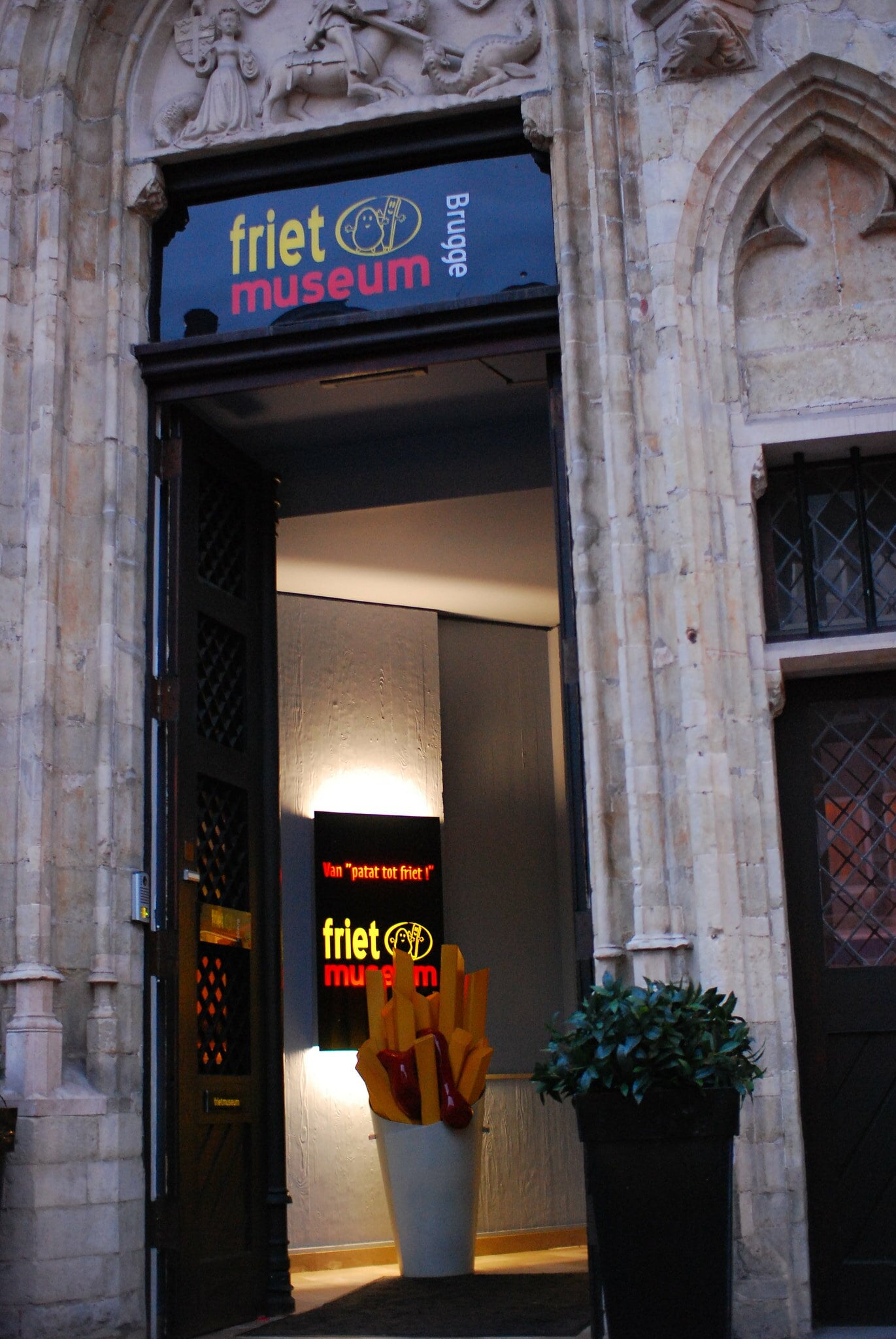
Bruges, Belgium, houses the world’s first museum dedicated entirely to French fries — except they’re not French, they’re Belgian, and the museum exists partly to correct that geographic injustice. The Frietmuseum occupies a medieval building, which creates the surreal experience of learning about potato cultivation in rooms that predate potatoes in Europe by several centuries.
The exhibits trace the potato’s journey from South America to European staple, then dive deep into the art of proper fry preparation. This isn’t casual potato appreciation — it’s a masterclass in how technique transforms ingredients.
The museum makes a compelling case that fries aren’t fast food, they’re craft.
International Banana Museum

Mecca, California, turned 25,000 banana-related items into a museum, because someone had to. The International Banana Museum is bananas in the most literal sense — banana phones, banana costumes, banana art, banana everything except fresh bananas (those go bad).
It’s the kind of place that makes you question the line between collection and compulsion.
But here’s what happens when obsession gets organized: you learn things. Banana cultivation, banana economics, banana biology — subjects that sound boring until someone’s gathered enough banana trivia to fill a building.
The museum is ridiculous and educational in equal measure, which might be the perfect combination.
Cup Noodles Museum
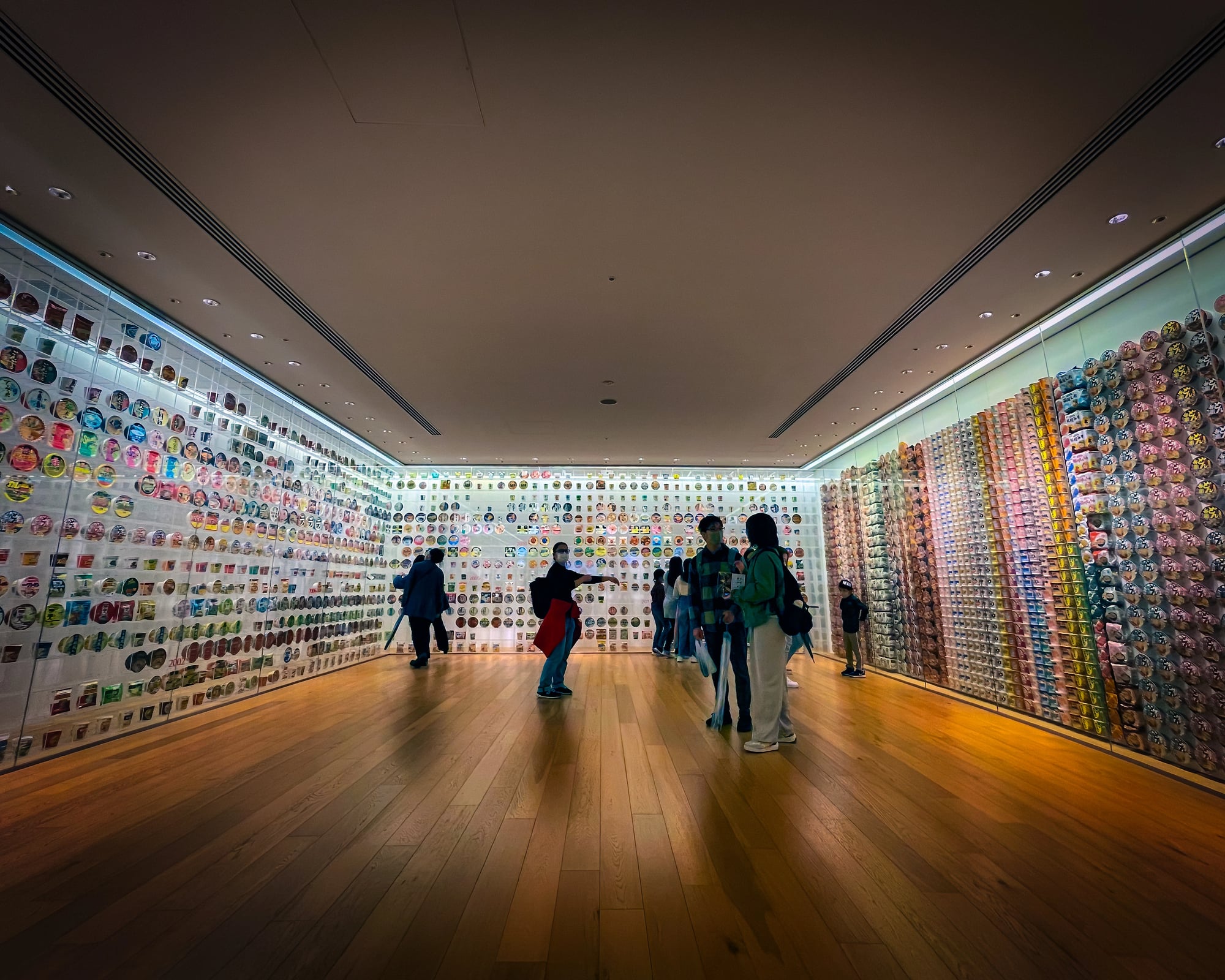
Japan created two Cup Noodles Museums because instant ramen deserves that level of institutional respect. The museums tell the story of Momofuku Ando, who looked at traditional ramen and decided it needed to be faster, cheaper, and require nothing but hot water.
Revolutionary thinking disguised as convenience food.
The interactive exhibits let you design custom cup noodle packaging and learn about the engineering that goes into making noodles that won’t break during shipping. It’s food science presented as playful education — the kind of museum that makes industrial food production feel like innovation rather than compromise.
Which, to be fair, it often is.
Museum of Food and Drink

Brooklyn’s Museum of Food and Drink takes the entire concept seriously — not just individual foods, but food systems, food culture, food politics. The rotating exhibits have covered everything from chili peppers to the African origins of American cuisine.
It’s the thinking person’s food museum, the one that treats eating as anthropology rather than entertainment.
The museum asks questions other food museums avoid: Who gets credit for inventing dishes? How does immigration shape cuisine? What’s the difference between cultural exchange and cultural appropriation in cooking?
These aren’t comfortable questions, but they’re necessary ones.
World’s Largest Catsup Bottle Museum

Collinsville, Illinois, built a museum inside what used to be a water tower shaped like a ketchup bottle. The structure itself is more impressive than the exhibits — 170 feet of steel designed to look like a Brooks Catsup bottle from 1949.
Sometimes the building is the attraction.
The museum covers local canning history and the rise of commercial condiments, but really, you come for the novelty of being inside a giant condiment container. It’s roadside America at its most honest: weird for the sake of weird, educational almost by accident.
Potato Museum

Washington, DC, houses a museum devoted entirely to potatoes, because tubers deserve recognition too. The Potato Museum explores everything potato-related: cultivation, nutrition, preparation methods, and cultural significance.
Potatoes fed civilizations, caused famines, and somehow convinced Ireland to build an entire agricultural system around a single crop. That’s museum-worthy material.
The exhibits cover potato varieties most people have never heard of, cooking methods from around the world, and the economics of potato farming. It’s agricultural education disguised as quirky tourism, and it works better than it sounds.
Chocolate Museum Cologne

Cologne’s Chocolate Museum sits on the Rhine River, shaped like a ship that sailed into port carrying nothing but cocoa knowledge. The museum covers chocolate production from bean to bar, with working machinery and a chocolate fountain that serves actual samples.
It’s industrial tourism made delicious.
The exhibits trace chocolate’s journey from Aztec currency to European luxury to global commodity. You learn about fair trade, sustainable farming, and the difference between mass-produced chocolate and craft varieties.
The museum manages to be both educational and indulgent — chocolate appreciation with a conscience.
Salt Museum
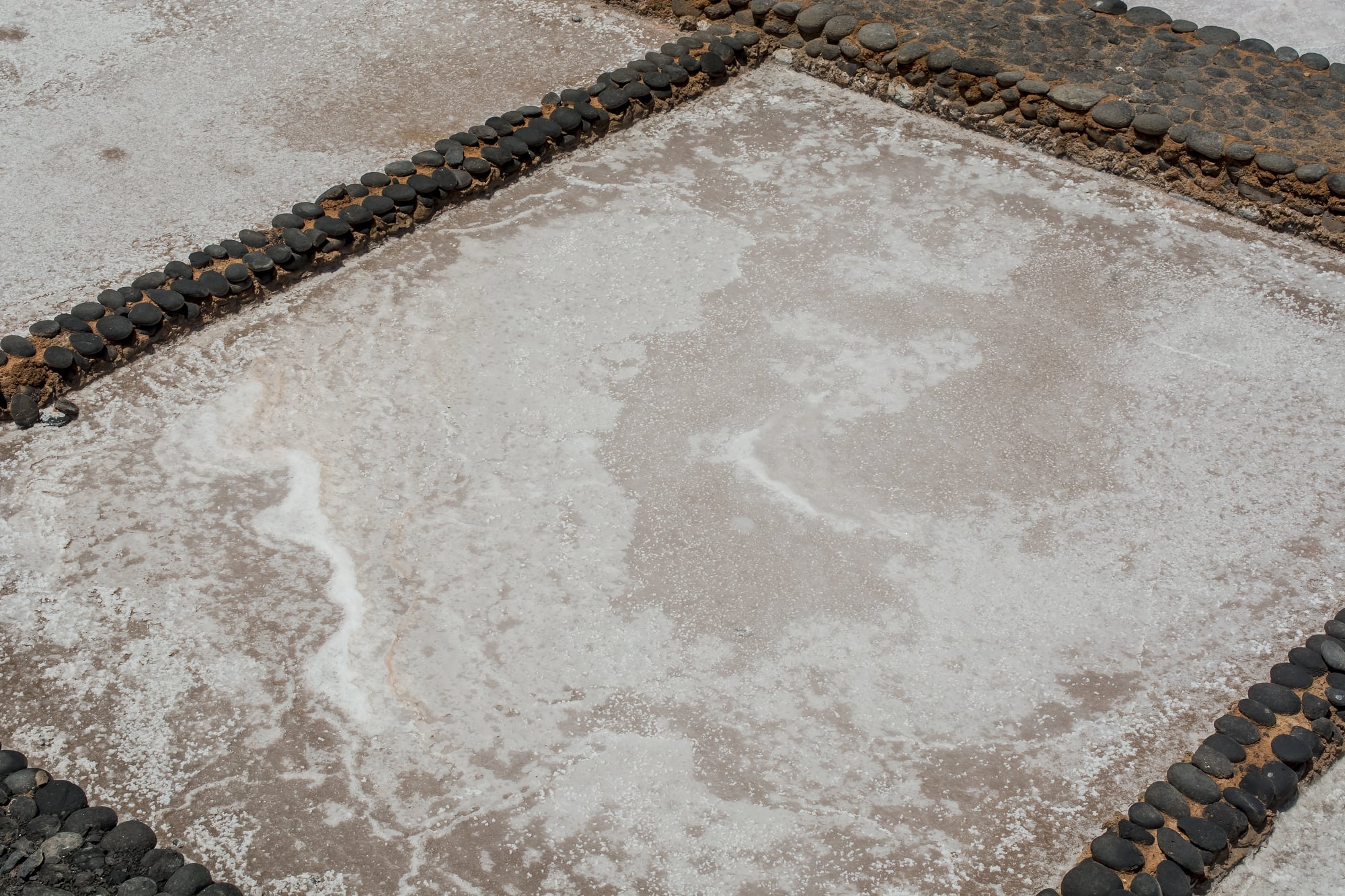
Liverpool, New York, built a museum around salt, that mineral so basic we forget it shaped civilizations. The Salt Museum occupies the site of the former Onondaga Salt Works, where local salt springs created an industry that put the town on the map.
Salt preservation, salt trading, salt taxation — subjects that sound dry but built empires.
The exhibits explain why “worth his salt” became a phrase, why salt routes connected continents, and how refrigeration nearly killed the salt industry before new uses saved it. It’s economic history through the lens of sodium chloride.
Gelato Museum

Bologna, Italy, created a gelato museum because artisanal frozen desserts deserve academic treatment. The Museo del Gelato covers gelato history, production techniques, and the differences between gelato and ice cream that actually matter.
This isn’t casual dessert appreciation — it’s frozen dairy science.
The museum includes vintage gelato-making equipment, regional recipe variations, and explanations of why temperature and texture create completely different eating experiences. It’s the kind of place that makes you realize you’ve been thinking about ice cream all wrong.
Avocado Museum

Fallbrook, California, calls itself the “Avocado Capital of the World” and built a museum to prove it. The Avocado Museum covers avocado cultivation, nutrition, and cultural impact — from ancient Aztec agriculture to modern toast obsession.
Avocados went from regional fruit to global phenomenon, and someone documented the entire journey.
The exhibits include avocado varieties most people never see in stores, growing techniques, and the economics of avocado farming. It’s agricultural education for the Instagram generation, complete with lessons on proper ripeness testing.
Butter Museum

Cork, Ireland, houses a museum dedicated to butter, because dairy products deserve historical recognition too. The Cork Butter Museum sits in the old butter exchange building, where Irish butter was graded and sold to international markets.
Butter as commodity, butter as culture, butter as economic driver — themes that sound simple until someone builds exhibits around them.
The museum covers butter production techniques, the role of butter in Irish agriculture, and why Cork became Europe’s butter capital. It’s food history that’s also economic history, served with appropriate Irish charm.
Lunchbox Museum

Columbus, Georgia, assembled the world’s largest collection of lunch boxes into a museum that’s equal parts nostalgia and social history. The Lunch Box Museum houses over 3,000 lunch boxes, from simple metal containers to elaborate character-themed sets that defined childhood lunch periods across decades.
The collection reveals changing manufacturing techniques, marketing strategies, and cultural priorities. Superman lunch boxes next to environmental awareness lunch boxes next to cartoon character lunch boxes — it’s American childhood organized chronologically, one lunch container at a time.
Tea Museum

The story of tea unfolds across multiple continents and several thousand years, so naturally someone built a museum to contain it all. Various tea museums exist worldwide, but the most comprehensive ones trace tea’s journey from ancient Chinese medicine to British social ritual to global commodity.
Tea shaped trade routes, started wars, and created social customs that persist today.
These museums typically include tea ceremony demonstrations, regional preparation methods, and enough varieties to prove that “tea” encompasses far more than most people realize. It’s cultural anthropology served hot, with appropriate ceremony.
Finding Wonder In The Specific

These museums exist because someone decided ordinary things deserved extraordinary attention. They prove that passion, properly organized, becomes education — and that the difference between obsession and expertise is often just good display cases.
Food museums work because eating is universal, but food preferences are deeply personal and culturally specific. They let you explore the familiar from unexpected angles.
The best food museums don’t just preserve culinary history; they reveal how much meaning we pack into everyday choices. Every condiment tells a story about trade routes.
Every snack food reflects industrial innovation. Every preserved tradition represents someone’s decision that this particular way of eating mattered enough to maintain.
And sometimes, that’s exactly the kind of story worth traveling to see.
More from Go2Tutors!

- The Romanov Crown Jewels and Their Tragic Fate
- 13 Historical Mysteries That Science Still Can’t Solve
- Famous Hoaxes That Fooled the World for Years
- 15 Child Stars with Tragic Adult Lives
- 16 Famous Jewelry Pieces in History
Like Go2Tutors’s content? Follow us on MSN.