Airline Meals: Golden Age vs Now
Once upon a time, getting an airplane ticket meant stepping into something special. Back in the 50s and 60s, air travel cost more, shined brighter, came less often.
Food didn’t show up as an extra detail. It arrived center stage – dished on fine porcelain, drunk from actual glasses, handed over with flair that bordered on performance.
Now flights move people quicker, reach farther, open doors once shut. Yet inside the cabin, food slowly faded from highlight to expense to cut.
Back when meals were events, they mirrored ambition. These days, what vanishes isn’t just flavor – it’s a signal of deeper shifts beneath the surface.
Choices in the sky reflect pressures on the ground. Here’s a closer look at how airline meals transformed from the golden age to the present.
Presentation and Service
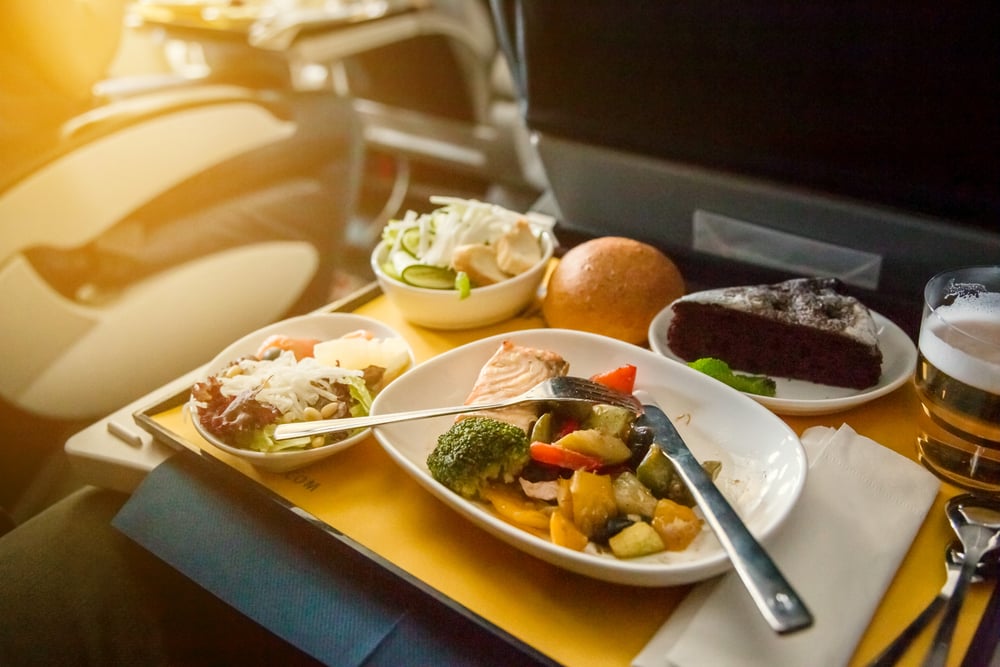
During the golden age of air travel, presentation mattered deeply. Airlines like Pan Am and TWA treated inflight dining as an extension of fine hospitality.
Meals were served on porcelain plates with metal cutlery, often arranged with careful garnish and flair. Cabin crew sometimes carved roast beef or turkey directly from a trolley in the aisle.
Champagne flowed freely in first class, poured into stemmed glasses. The meal was part performance, part promise that flying itself was an event worth savoring.
Today, presentations vary widely. In economy cabins, trays are compact and efficient, with sealed containers and lightweight utensils.
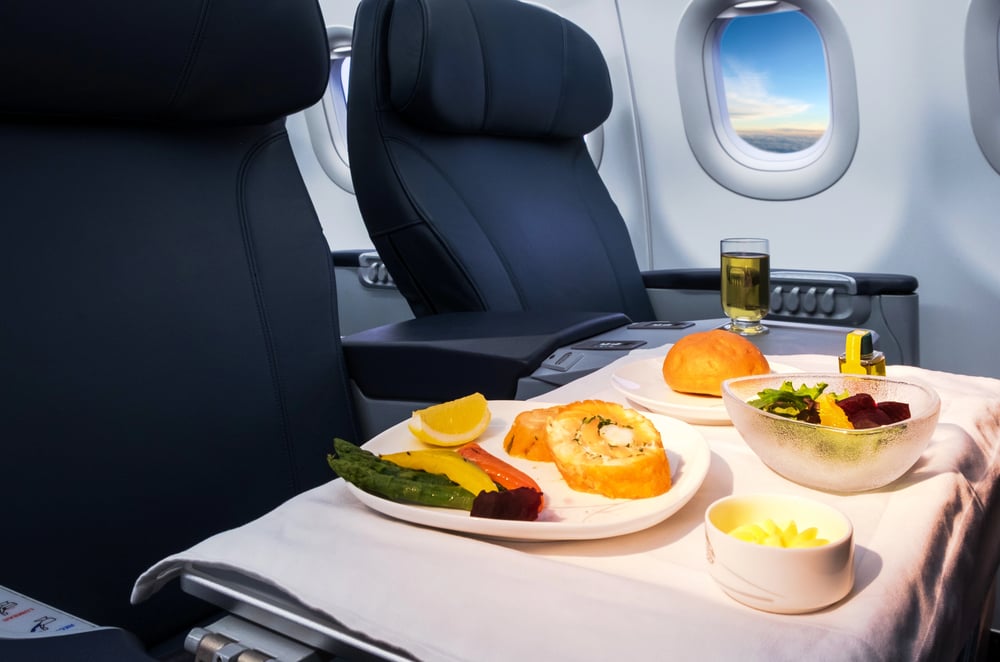
In premium cabins, airlines still invest in plating and table settings, but the theatrical carving station is largely a relic of another era.
Ingredients and Menu Design
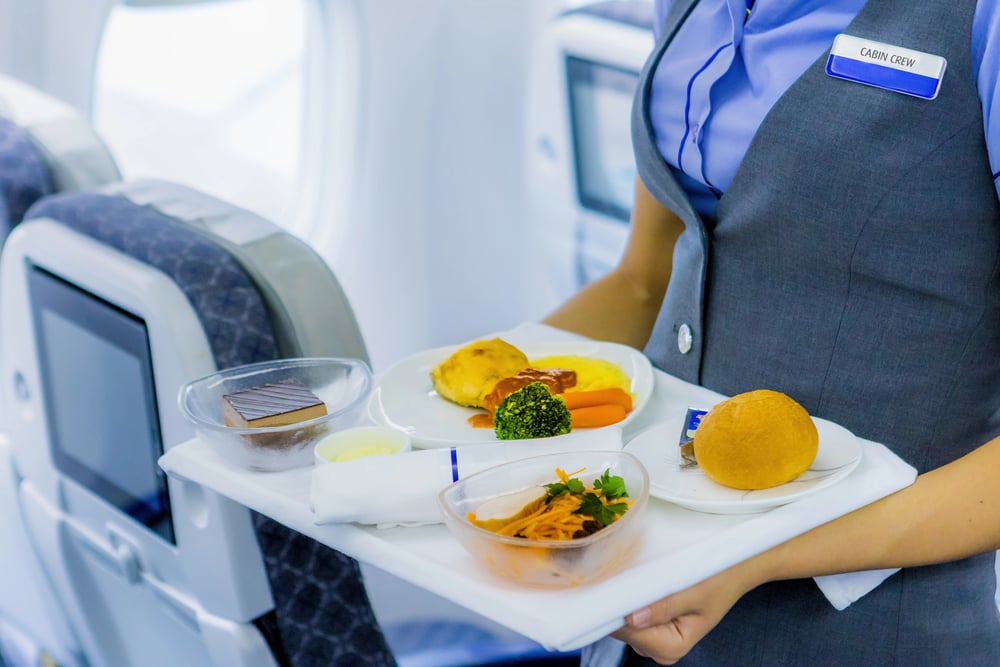
In the 1960s, airline menus frequently featured dishes like filet mignon, lobster tail, and elaborate desserts. These were not small portions either.
Airlines competed on luxury, and menus reflected that ambition. Airfares were regulated and often expensive, which allowed carriers to allocate generous budgets to catering.
Dining was part of the marketing appeal. A ticket did not just buy transportation.
It bought status. Modern airlines operate in a highly competitive market.
After deregulation in the late 1970s, price competition intensified. Catering budgets tightened, especially in economy class.
Meals became standardized, designed for efficiency and mass production. Premium cabins still feature chef partnerships and curated menus, but economy meals are typically streamlined to control costs.
Portion Size
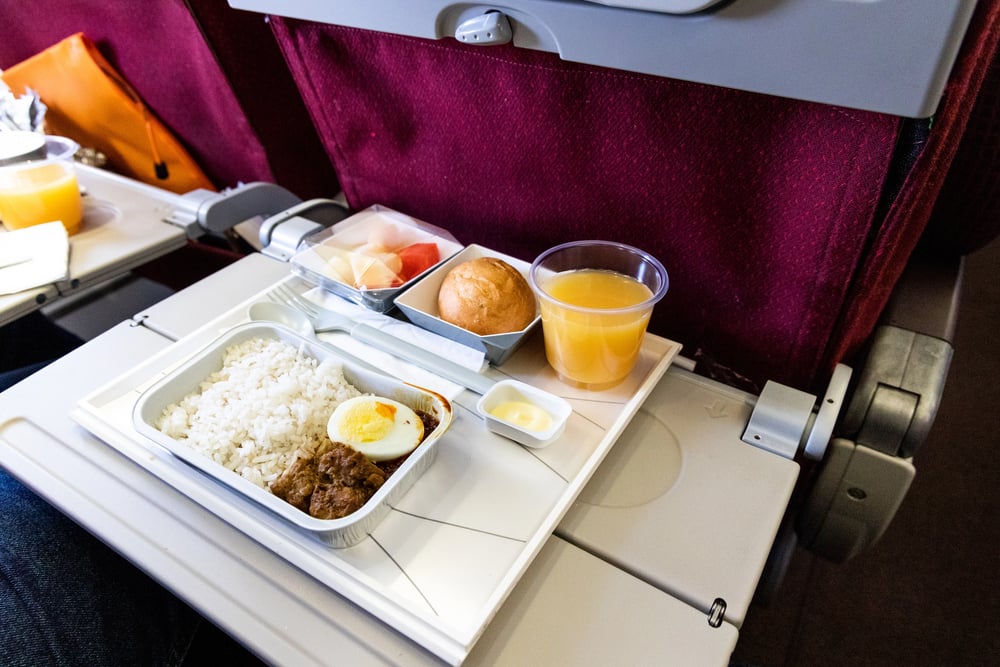
Golden age portions were substantial. Multi-course meals included appetizers, main dishes, salads, and desserts.
Passengers expected abundance. Today, portion control plays a larger role.
Airlines balance weight restrictions, cost efficiency, and waste reduction. Every additional pound onboard affects fuel consumption.
Smaller trays and lighter packaging are not just aesthetic choices. They are operational decisions.
That said, premium cabins continue to offer generous portions, reflecting a tiered approach to inflight dining. The contrast within a single aircraft can be striking.
Cabin Pressure and Taste Perception
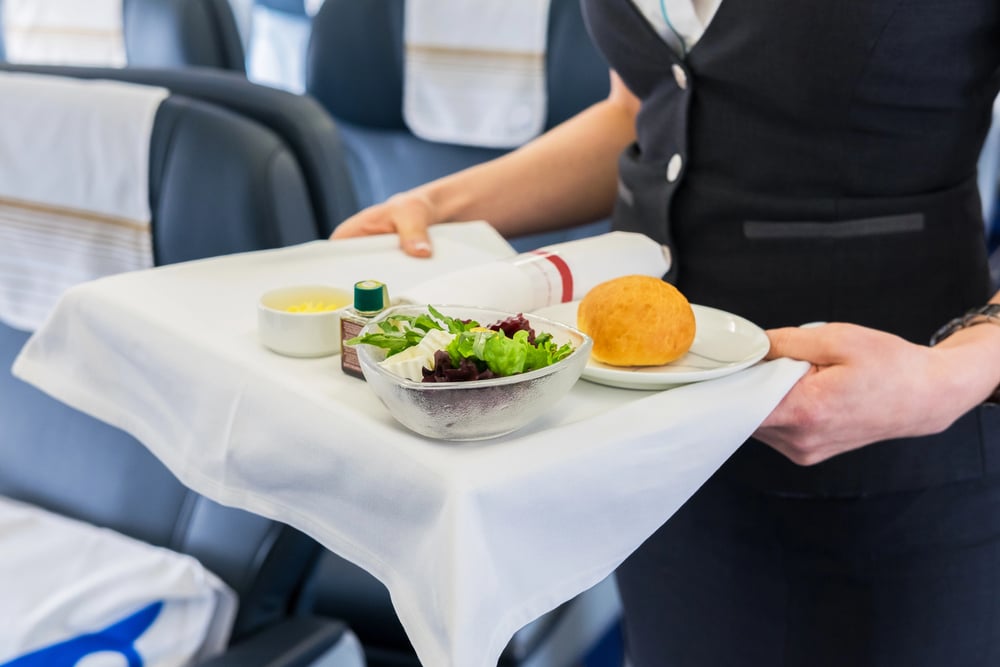
One factor often overlooked in nostalgic comparisons is science. At cruising altitude, cabin pressure and low humidity reduce taste sensitivity.
Studies have shown that passengers can experience diminished perception of sweetness and saltiness. In the golden age, airlines were still learning how altitude affected flavor.
Modern catering teams design meals specifically for high-altitude conditions. Stronger seasonings, umami-rich ingredients, and tomato-based beverages perform better in the air.
This scientific understanding has reshaped menu planning. Food that tastes balanced on the ground can seem muted at 35,000 feet.
Galley Technology
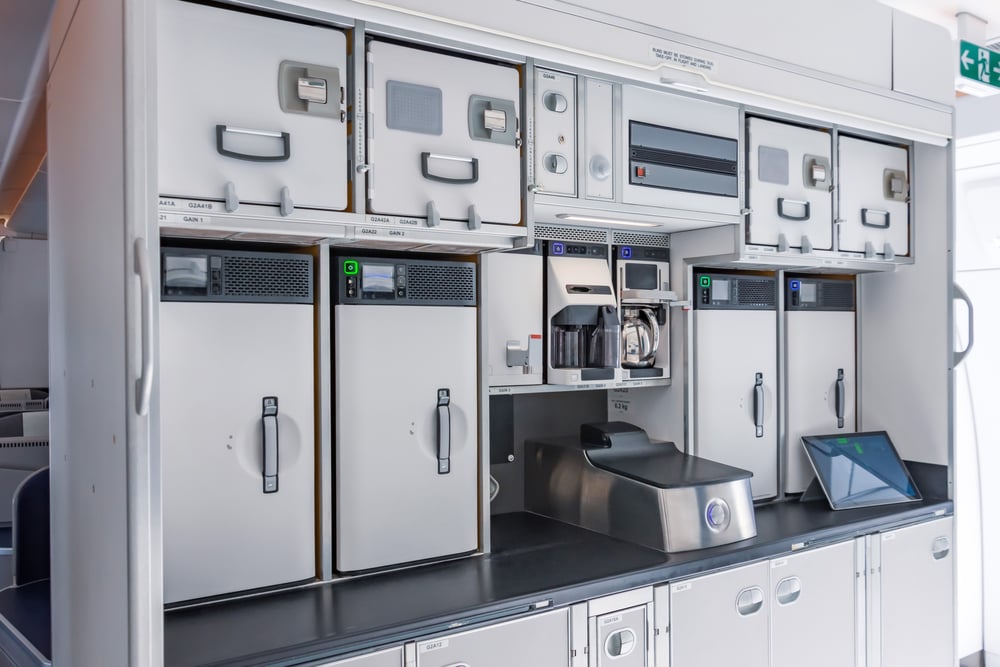
Early jetliners had larger galleys equipped with ovens capable of more complex reheating. Crews had more space to plate dishes and manage multiple courses.
Modern aircraft prioritize seating capacity and fuel efficiency. Galley space is compact, and convection ovens are designed for rapid, uniform reheating rather than culinary artistry.
Meals are pre-cooked on the ground and carefully portioned before loading. The shift reflects broader industry priorities.
Efficiency and scale now outweigh elaborate onboard preparation.
Alcohol Service
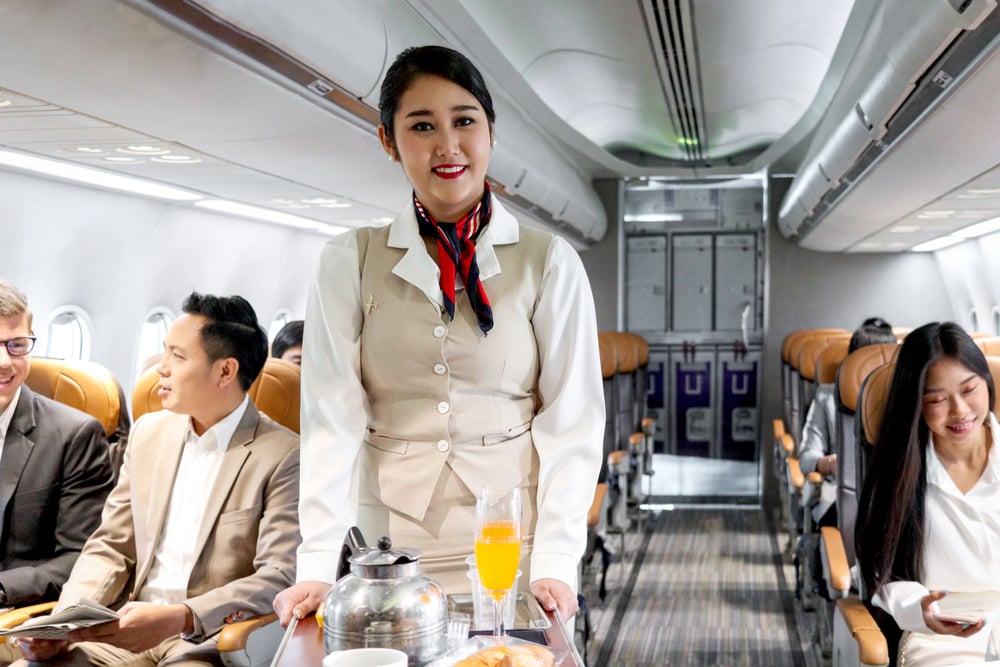
In the golden age, complimentary cocktails were standard. Airlines marketed inflight bars and lounge areas as social spaces where passengers could mingle.
Today, alcohol service depends on cabin class and route. In economy on many domestic flights, drinks may come with a charge.
International long-haul routes often still include complimentary options. Premium cabins have revived some of the old glamour with curated wine lists and signature cocktails.
Yet the social lounge culture of early aviation has largely disappeared.
Class Divide
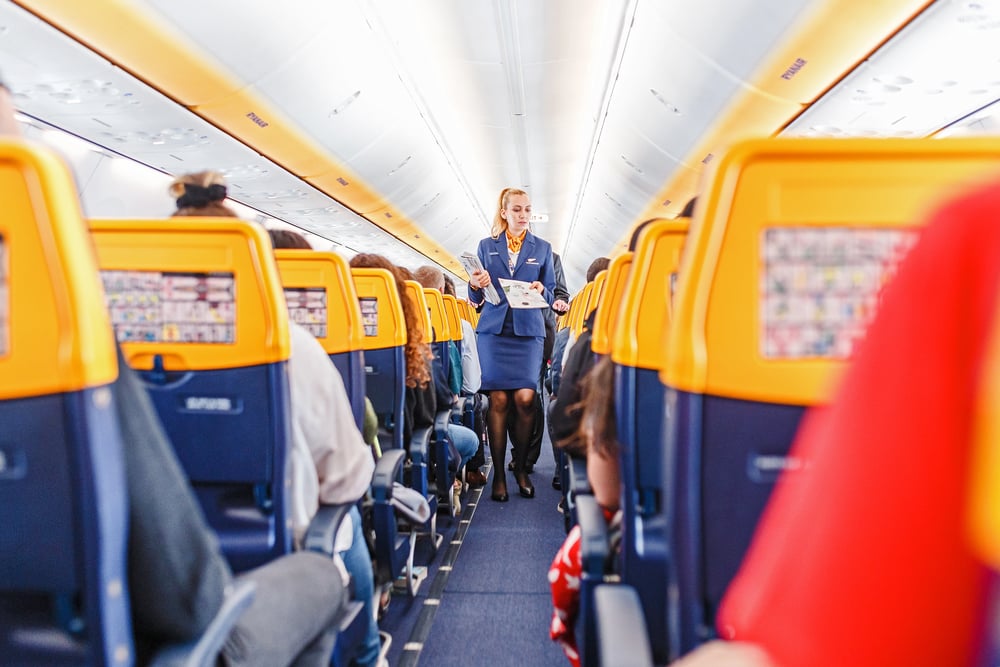
Air travel in the mid-20th century was inherently exclusive. The majority of passengers were affluent, and service reflected that demographic.
Modern aviation is democratized. Millions fly each day across varied price points.
Airline meals reflect this shift. Instead of one standard of luxury, there is now a spectrum — from buy-on-board snacks to multi-course dining in first class.
The change is less about decline and more about accessibility. What was once rare is now routine.
Food Safety Standards
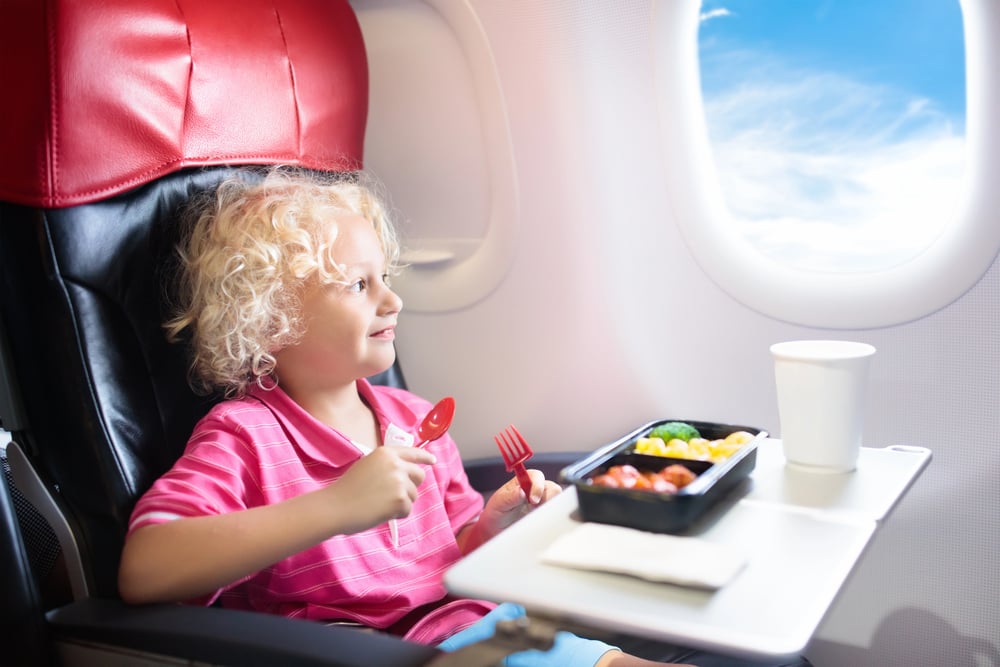
Food safety regulations have evolved dramatically. Today’s airline catering operations follow strict global standards for temperature control, sanitation, and traceability.
In the golden age, food safety existed, but large-scale industrial oversight was less sophisticated. Modern catering facilities resemble high-tech production centers.
Meals are blast-chilled, sealed, and transported under tightly monitored conditions. Passengers may not see this process, but it plays a crucial role in modern inflight dining.
Sustainability and Packaging
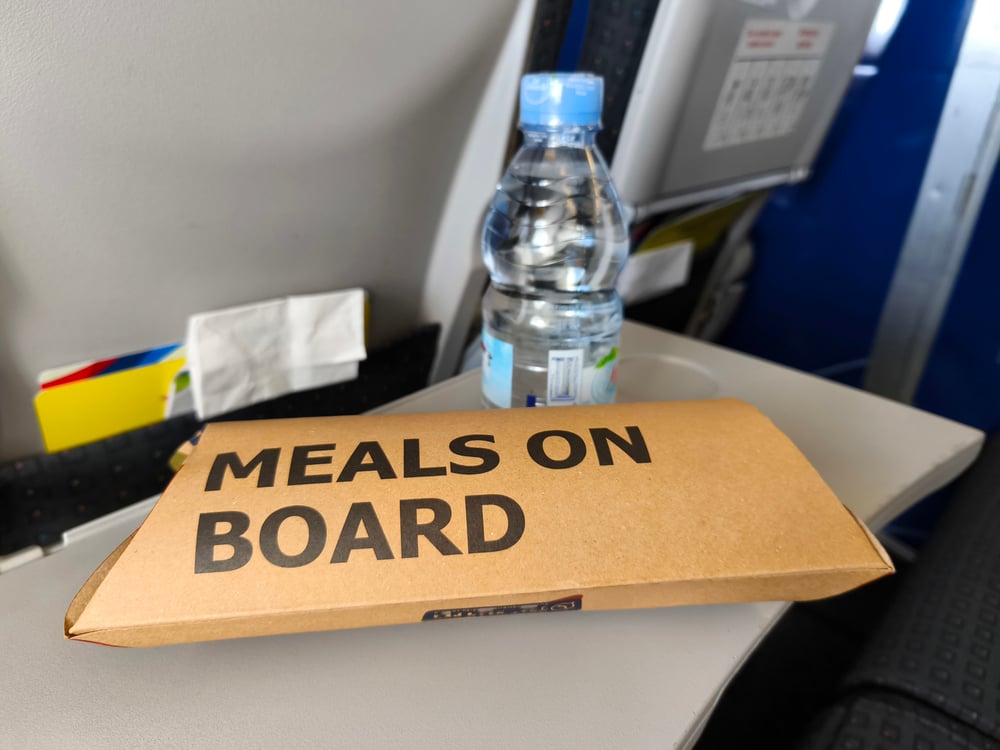
Environmental awareness now influences catering decisions. Airlines increasingly experiment with compostable materials, lighter packaging, and waste-reduction strategies.
Golden age flights generated waste as well, but sustainability was not a central concern. Today, airlines face pressure to minimize environmental impact, including food waste and single-use plastics.
Lightweight trays and simplified packaging reflect both cost efficiency and sustainability efforts.
Cultural Diversity in Menus
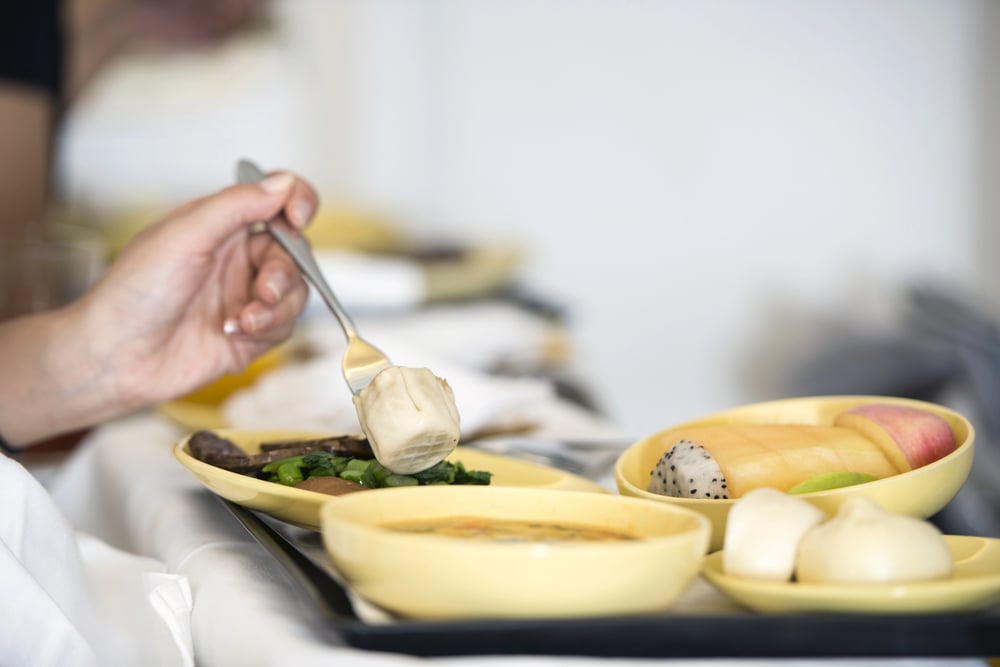
Early international flights often featured Western-style cuisine, regardless of route. Culinary variety existed, but it was limited compared to today.
Modern airlines tailor menus to regional tastes. Flights departing from Asia may feature rice-based dishes, while Middle Eastern carriers highlight regional specialties.
Globalization has expanded menu diversity. This shift reflects a broader recognition of passenger demographics and cultural expectations.
Celebrity Chef Partnerships
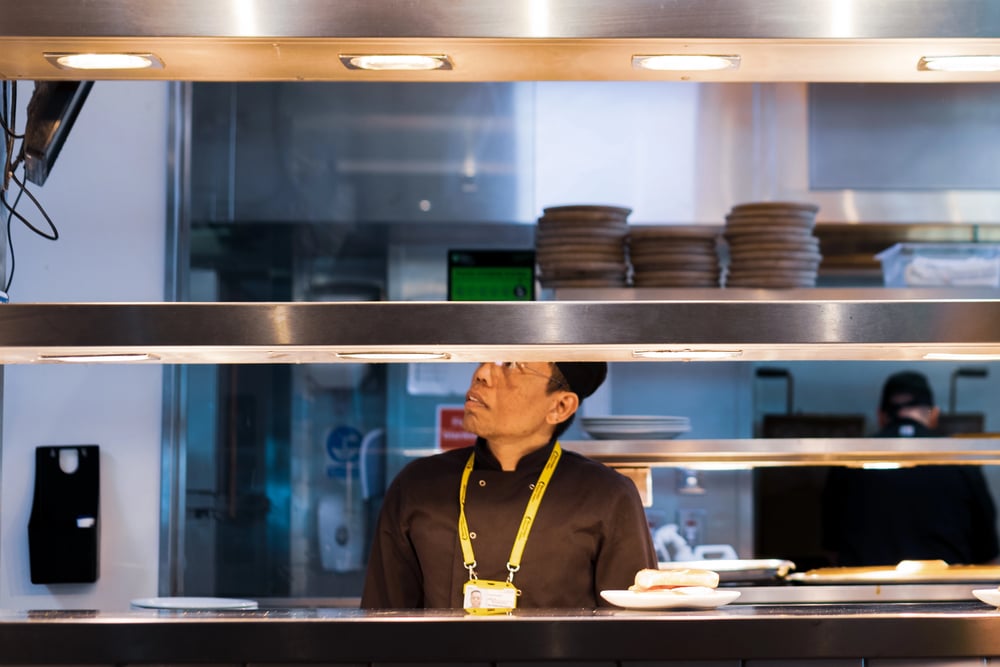
In the late 20th and early 21st centuries, airlines began collaborating with well-known chefs to elevate inflight dining, especially in premium cabins.
These partnerships aim to restore a sense of prestige. While economy meals remain standardized, first and business class menus may feature curated seasonal dishes developed by culinary professionals.
It is a modern attempt to blend efficiency with aspiration.
Cost Per Passenger
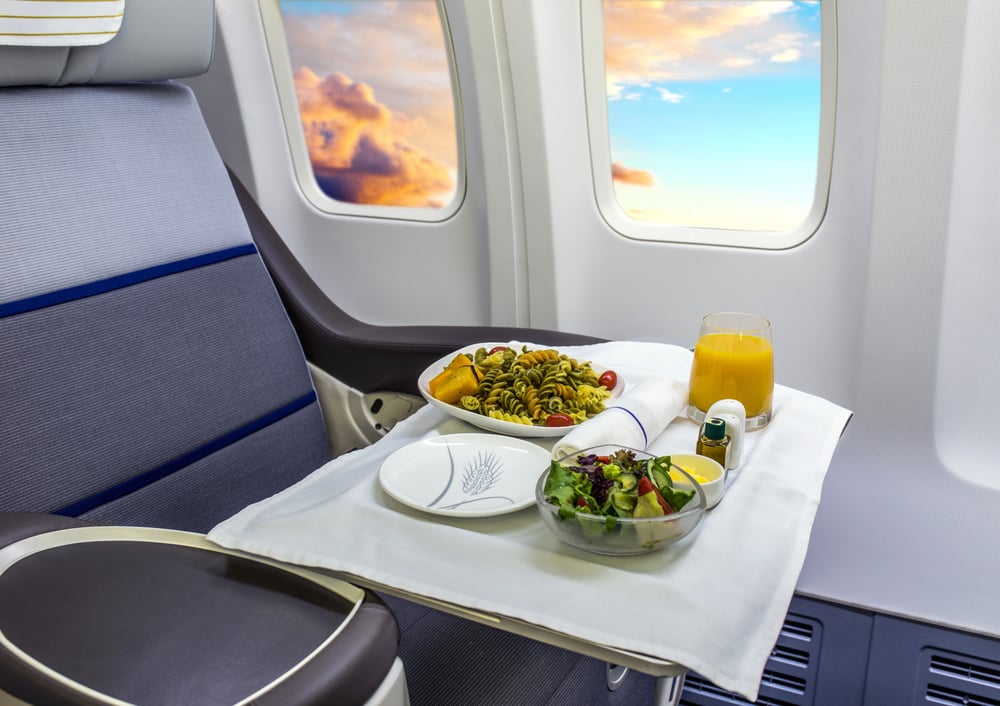
In the regulated era, airlines could afford higher catering budgets. Meals were embedded into fare structures that faced limited competition.
Today, margins are thinner. Airlines analyze catering costs carefully, sometimes allocating only a few dollars per passenger in economy class.
This financial reality shapes menu simplicity. Premium cabins receive greater investment, reflecting where airlines recoup higher ticket prices.
Passenger Expectations
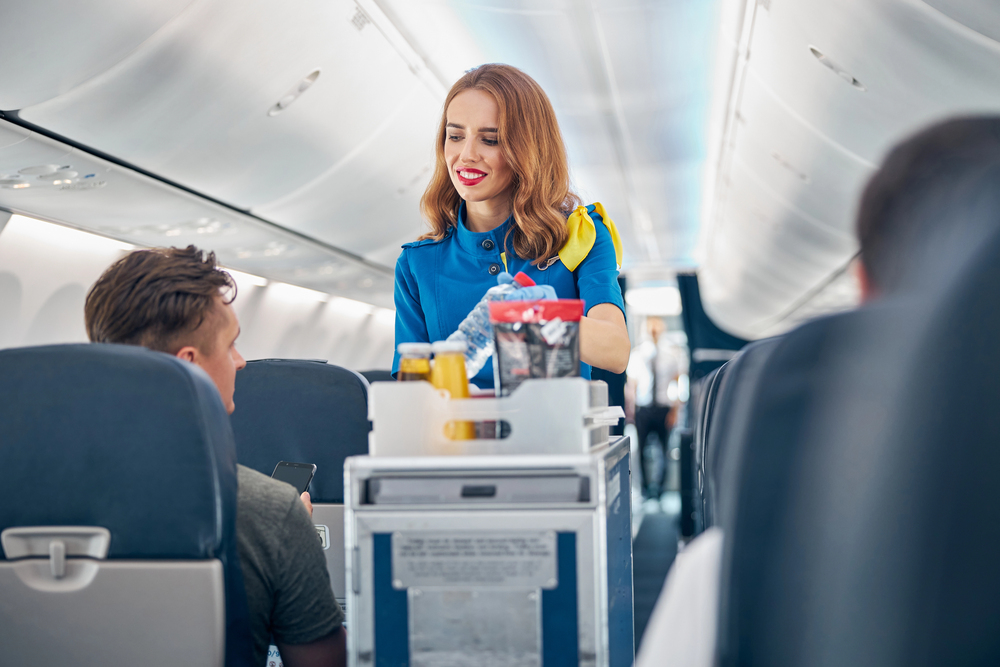
Golden age passengers expected glamour. Flying itself was an experience worth dressing up for.
The meal reinforced that sentiment. Modern passengers often prioritize speed and affordability.
Many bring their own snacks or purchase food in airports before boarding. Expectations shifted from indulgence to practicality.
Even so, nostalgia for elegant inflight meals persists, especially on long-haul journeys.
Technology and Logistics
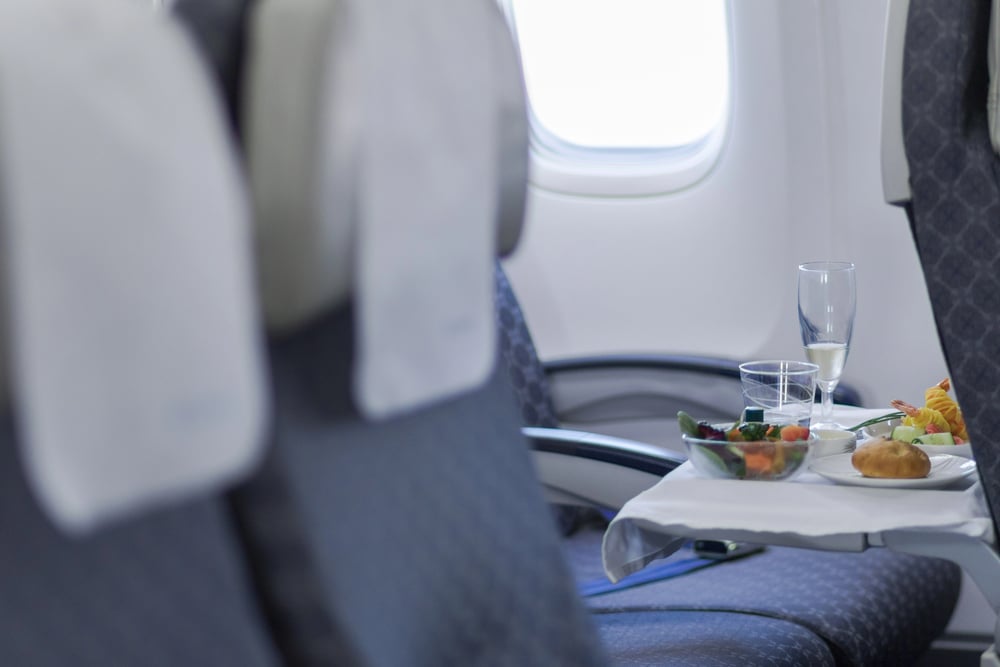
Modern airline catering involves vast logistics networks. Meals are prepared in centralized facilities that can produce tens of thousands of trays per day.
Timing is critical. Food must be prepared, chilled, loaded, and reheated within strict windows.
Technology ensures consistency at scale. The operation resembles a carefully choreographed supply chain rather than a boutique kitchen.
Golden age operations were smaller by comparison, reflecting lower passenger volumes.
The Romance and the Reality
Meat sliced midair, right there between seats. Champagne flowed high above the clouds.
Back then, just boarding a plane felt like stepping into another world. Flying wasn’t common – it meant something.
Airline food today shows how many people are always on the move. Moving through the skies takes less time now, carries fewer risks, and brings in more travelers.
Feeding them grew just as fast. What matters most is speed and reach instead of luxury, while data shapes every decision behind what ends up on trays.
A shift like this keeps old charm alive. Yet what we see now shows growth in flight travel.
That tray holding food – fancy ceramic or basic plastic – echoes choices made back then. With carriers juggling price, eco-impact, and ease for travelers, what’s served midair stays minor yet meaningful.
A quiet clue sits there, revealing just how much ground the skies have covered.
More from Go2Tutors!

- The Romanov Crown Jewels and Their Tragic Fate
- 13 Historical Mysteries That Science Still Can’t Solve
- Famous Hoaxes That Fooled the World for Years
- 15 Child Stars with Tragic Adult Lives
- 16 Famous Jewelry Pieces in History
Like Go2Tutors’s content? Follow us on MSN.