15 English Words That Mean Something Completely Different in Another Language
There’s something quietly humbling about confidently using a word abroad, only to watch the person in front of you go wide-eyed. English speakers travel with a false sense of security — the language is everywhere, so surely a few familiar words will carry you through.
But languages are full of traps, and some of the most ordinary English words become something else entirely the moment you cross a border.
1. “Gift” — German for Poison

In English, a gift is something you give someone you care about. In German, Gift means poison. So while a birthday card saying “a small gift for you” is sweet in English, the same sentiment translated would raise some serious concerns.
The German word for an actual gift is Geschenk, which is a much safer choice when shopping in Munich.
2. “Brat” — Polish for Brother
Call someone a brat in English and you’re calling them a rude, annoying child. Do it in Polish and you’ve just called them your sibling.
Brat in Polish simply means “brother,” used warmly in everyday conversation. It’s one of those words where tone and context won’t save you — only knowing the language will.
3. “Kiss” — Swedish for Pee
The word kiss in Swedish is slang for urinating. So the next time you’re in Stockholm and someone wishes you “lots of kisses,” they probably mean something different from what you’d hear at home.
The Swedish word for an actual kiss is kyss, which sounds close enough to cause all sorts of mix-ups.
4. “Preservatives” — French for Condoms
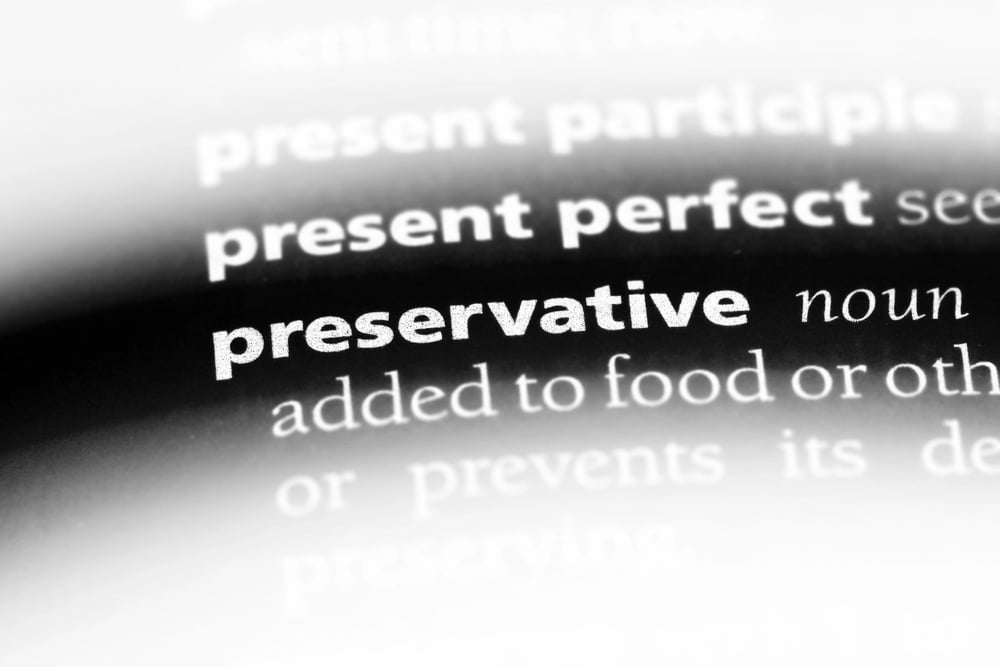
Walk into a French pharmacy and ask for “preservatives” to protect your food, and you’ll get a very different product. Préservatif in French refers to a condom.
The word came from a Latin root about protection, but the two languages took it in very different directions. If you want food preservatives in France, ask for conservateurs.
5. “Mist” — German for Manure
Mist in German means dung or manure. So the delicate English word for fog drifting over a morning field becomes something considerably less romantic when spoken in German.
The Rolls-Royce “Silver Mist” reportedly caused some internal debate when the car launched in German-speaking markets for exactly this reason.
6. “Billion” — Different in British and American English (and Most of Europe)
Technically this is English vs. English, but it’s worth knowing. In the United States, a billion is a thousand million (1,000,000,000). Historically in Britain and much of continental Europe, a billion was a million million (1,000,000,000,000).
The US definition is now dominant globally, but older European texts use the traditional meaning. When reading contracts or historical documents, the difference is not trivial.
7. “Fat” — Dutch for Barrel or Container

In Dutch, vat (often anglicized as fat in older spellings) means a barrel or cask. You’ll see it in words like vatbaar (capable of, literally “barrel-able”). It’s also the root of the English word “vat.”
Dutch shoppers won’t take offense if you mispronounce it, but they’ll be confused about why you’re commenting on the barrels.
8. “Crap” — Dutch for Carp (the Fish)
Karper is the standard Dutch word, but the fish has been called krappe in older texts. The English slang word traces back, through Middle English, to the Dutch and Latin words for carp.
So yes, the fish came first, and then English took it in a different direction entirely. The fish never asked for any of this.
9. “Angst” — German for Fear or Anxiety (but Used Much More Broadly in English)

Angst comes directly from German, where it means plain fear or worry. In English, the word drifted toward a more dramatic, existential meaning — the brooding dread of a teenager writing poetry.
In German, you’d use Angst to say you’re nervous about a job interview. In English, it implies something more philosophical and usually involves black clothing.
10. “Embarazada” — Spanish False Friend for Pregnant

This one catches English speakers constantly. The Spanish word embarazada looks exactly like “embarrassed,” but it means pregnant. If you try to tell someone in Madrid that you’re embarrassed, saying “estoy embarazada” will produce some very surprised looks — and possibly congratulations.
The correct Spanish word for embarrassed is avergonzada.
11. “Chef” — French for Boss or Chief

In French, chef simply means the head or chief of something — a leader, a boss. The kitchen connection exists, but chef de cuisine is the full phrase.
Just chef on its own in French can refer to the head of a department, a tribe, or an organization. English borrowed the culinary sense and ran with it, forgetting the broader meaning at home.
12. “Actually” — Italian False Friend
Right now, attualmente in Italian isn’t about truth – it points to the present time. Instead of meaning “actual,” it lines up with “currently.” The word attuale?
That one stands for modern or ongoing, never factual. Learners on both sides mix this up again and again. When an Italian says attuale, they’re talking about what’s unfolding today, not whether something’s authentic.
A small slip, but it changes everything.
13. “Fabric” Means Factory in French
Fabric isn’t what they mean by fabrique – French speakers point to factories when saying that. Step into a shop speaking only that term, expect confusion instead of textiles.
Tissu – that’s the word stitched for cloth. A tiny slip between tongues, yet stand in the paint aisle hunting linen? That mistake stretches minutes longer than needed.
14. “Sympathique” Means Nice In French Not Feeling

A person who seems kind in English might carry a different weight elsewhere. Though it sounds familiar, the French version plays by other rules.
Instead of sorrow for another’s troubles, it leans toward ease, charm, or warmth. When someone says your colleague is très sympathique, think good company, not emotional support.
The term wraps people in friendliness, not pity. Its touch feels closer, somehow, than the one we know.
15. “Smart” Means Pain in German

A sting, a throb – Schmerz covers it in German. When verbs enter the scene, schmerzen takes over, describing something that hurts or burns.
English once walked a similar path. The term smart used to carry a bite, much like a cut that tingles sharply.
Over time, cleverness claimed the spotlight. Yet traces remain.
You hear it when someone says, “That smarts,” after stubbing a toe. History lingers just beneath
Words Are Travelers Too

Out of nowhere, meanings drift through time and space. Some words settle into place until they suddenly do not.
A term you trust might have worn another identity far away. When something sounds certain, wait just a breath – firm certainty sometimes slips on borrowed shoes.
More from Go2Tutors!

- The Romanov Crown Jewels and Their Tragic Fate
- 13 Historical Mysteries That Science Still Can’t Solve
- Famous Hoaxes That Fooled the World for Years
- 15 Child Stars with Tragic Adult Lives
- 16 Famous Jewelry Pieces in History
Like Go2Tutors’s content? Follow us on MSN.