Dungeons & Dragons Lore Fans Obsess Over
D&D has been accumulating storylines, characters, and cosmic events for five decades. Some of this lore stays in the background, mentioned briefly in sourcebooks or adventure modules.
But certain elements capture the imagination so completely that fans spend hours debating them, theorizing about them, and incorporating them into campaigns. These aren’t just popular monsters or spells.
These are the deep lore elements that reshape how you understand the multiverse, the ones that make you rethink entire campaign settings. Once you discover them, they change how you see everything else in the game.
The Lady of Pain and Sigil’s Mysteries

The Lady of Pain rules Sigil, the City of Doors. She’s not a god, though she’s more powerful than most gods.
She doesn’t communicate. She doesn’t negotiate.
She simply exists and enforces her few rules absolutely. Nobody knows what the Lady of Pain actually is.
Scholars have theories—a powerful outsider, the personification of Sigil itself, something from before the current multiverse. All theories remain unproven because anyone who investigates too deeply disappears into her mazes or gets flayed by her shadow.
Her rules are simple: don’t worship her, don’t threaten Sigil’s neutrality, don’t challenge her authority. Break these rules and you cease to exist in any meaningful way.
Gods can’t enter Sigil unless she permits it. Reality bends around her presence.
She makes the impossible possible and the possible impossible without apparent effort. Fans obsess over her because she’s the ultimate mystery box.
Every edition adds tiny details about her without explaining anything fundamental. DMs use her as the character who can end any argument with “because the Lady of Pain says so,” which somehow makes her more intriguing rather than less.
Vecna’s Journey from Lich to God
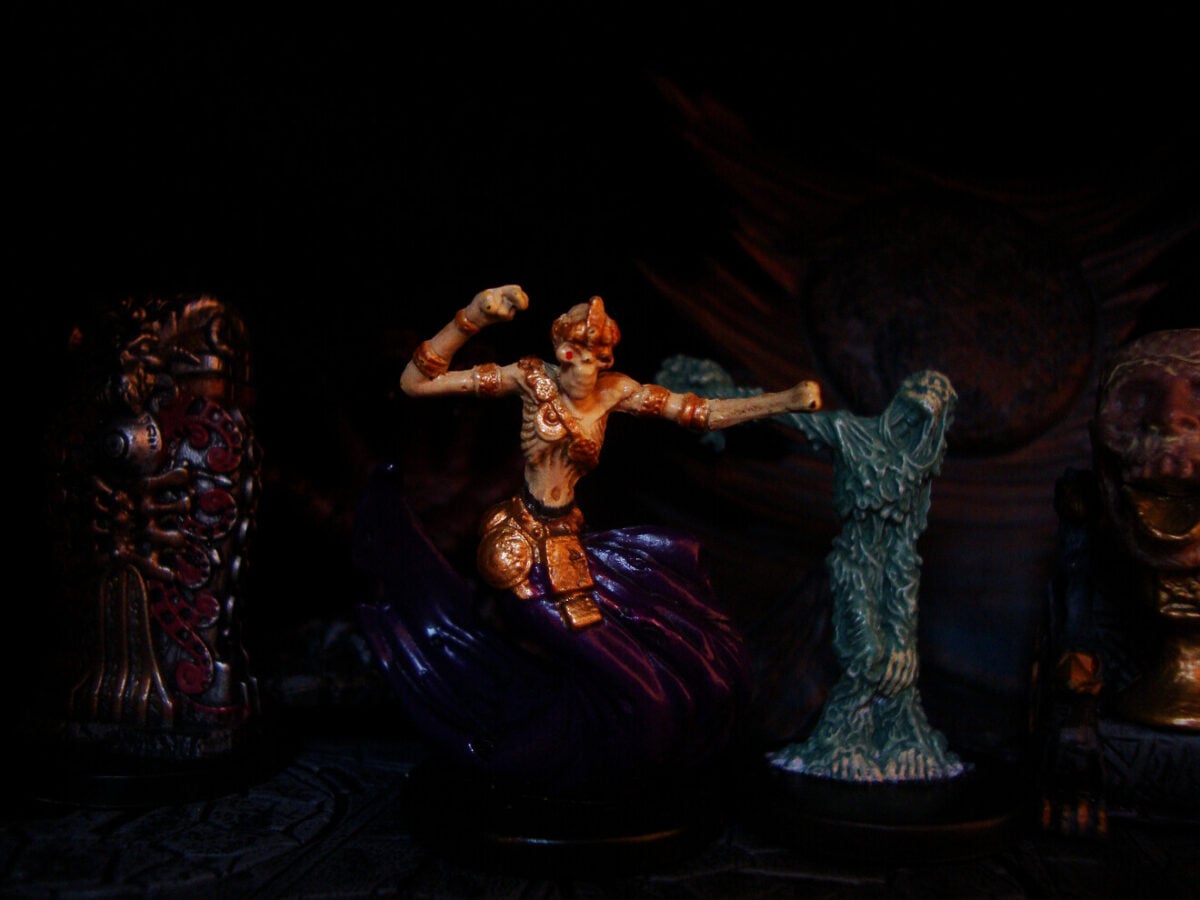
Vecna started as a mortal wizard, became a lich, built an empire, got betrayed by his lieutenant Kas, and ended up scattered across the multiverse as two artifacts—his hand and his eye. Most liches would consider that a failure. Vecna used it as a stepping stone to godhood.
The Hand and Eye of Vecna are some of D&D’s most famous artifacts. They grant incredible power but slowly corrupt whoever uses them.
Attach the Hand and it replaces yours. Insert the Eye and it replaces yours.
The artifacts spread Vecna’s influence across worlds, keeping his legend alive even when his body was destroyed. But Vecna didn’t stay scattered.
Through schemes that took centuries, he reconstituted himself and achieved apotheosis. He became the god of secrets, knowledge, and undeath.
His ascension proves that even destruction can be temporary if you’re patient and clever enough. The Die Vecna Die adventure module had Vecna nearly remaking the multiverse itself.
He failed, but barely. That near-success cemented his status as one of D&D’s premier villains.
He’s not just evil—he’s evil with a plan that spans millennia and actually works.
The Tarrasque’s Indestructible Nature

The Tarrasque is the most powerful monster in the Monster Manual, and that’s been true for most of D&D’s history. It’s a massive creature that destroys everything in its path.
But what makes fans obsess over it isn’t its power—it’s the question of how you actually kill it. Traditional D&D lore said the Tarrasque couldn’t be permanently killed.
You could reduce it to negative hit points, but it would regenerate unless specific conditions were met. Those conditions varied by edition, which led to decades of arguments about the “correct” way to permanently end a Tarrasque.
Some fans calculate exactly what level the party could defeat it. Others design elaborate traps and strategies.
The discussions get technical, involving obscure rules interactions and mathematical probability. Can you drown it? Can you disintegrate it?
Can you wish it away? Each edition changes the answers. The Tarrasque also raises philosophical questions.
It’s often described as a force of nature rather than a creature with motivations. Some settings have only one.
Others imply there are multiple Tarrasques sleeping in different worlds. The lore stays vague enough that DMs can interpret it however they want, which means fans fill in the gaps with their own theories.
The Time of Troubles and Dead Gods

The Time of Troubles, also called the Avatar Crisis, was when gods walked the Forgotten Realms as mortals. The tablets containing the rules of reality were stolen, and Ao, the overgod, forced every deity to inhabit a mortal form until the tablets were recovered.
Gods died during this period. Permanently. Their corpses littered the landscape.
Bane, Bhaal, and Myrkul were destroyed. Mystra, the goddess of magic, was killed defending the Weave.
New gods ascended to replace the dead ones. The entire pantheon reshuffled.
This event changed the Forgotten Realms forever. It proved gods could die.
It gave mortals a chance to witness divine power directly. It created orphaned worshippers whose deities no longer existed.
The ramifications echoed through later editions. Fans obsess over the Time of Troubles because it’s when the game world changed in ways that couldn’t be undone.
Characters who lived through it would never see divinity the same way. The event created stories about what happens when the cosmic order breaks down, and those stories resonate because they’re about loss and transformation on a mythic scale.
Spelljammer and Wildspace Navigation

Spelljamming is D&D in space, except space works nothing like real physics. Crystal spheres contain entire solar systems.
The phlogiston—the flammable rainbow mist between spheres—makes certain magic fail and other magic behaves strangely. Ships sail through the vacuum using magical helms that convert mental energy into propulsion.
The lore gets weird fast. Giant space hamsters are real and come in multiple varieties. Mind flayers travel between worlds in nautiloid ships that look like flying brains.
Beholders have entire ship designs based on their unique anatomy. The Astral Plane isn’t involved at all—Spelljammer predates a lot of planar cosmology.
Fans love Spelljammer because it breaks D&D’s usual assumptions. You can have a party with members from completely different campaign settings.
Want a dragonborn, a giff (hippo mercenary), and a plasmoid on the same ship? Spelljammer makes it work. The setting encourages mixing elements that normally don’t go together.
The recent revival of Spelljammer introduced new lore while changing some established facts, which predictably caused debates. Old fans defend the original crystal sphere cosmology.
New fans prefer the updated version. Both groups agree that flying magical ships through wildspace is inherently cool, even if they disagree on the details.
The Raven Queen and Her Many Identities

The Raven Queen rules the Shadowfell and manages the transition of souls to the afterlife. But who she actually is depends on which edition and which campaign setting you’re using.
In the 4th edition, she was a mortal sorceress who ascended by usurping the previous god of death. In the 5th edition, her origin is deliberately mysterious.
Some versions say she was a mortal queen who became undead. Others suggest she’s a being of pure shadow with no mortal past.
Her name changes—or rather, she doesn’t have a name anymore. She abandoned it as part of her transformation.
Calling her by her mortal name is either impossible or forbidden, depending on the source. The Raven Queen collects memories, especially those involving death and loss.
Her realm in the Shadowfell is a fortress made of memories frozen in time. Shadar-kai serves her, transformed by their proximity to the Shadowfell into something other than human.
Warlocks make pacts with her, gaining power over death in exchange for serving her mysterious purposes. Fans obsess over her because the lore deliberately avoids definitive answers.
Every sourcebook adds details without resolving contradictions. Is she good, evil, or neutral? The answer seems to be “yes, depending on perspective.”
That ambiguity makes her more interesting than deities with clear alignments and motivations.
Strahd von Zarovich and Barovia’s Curse
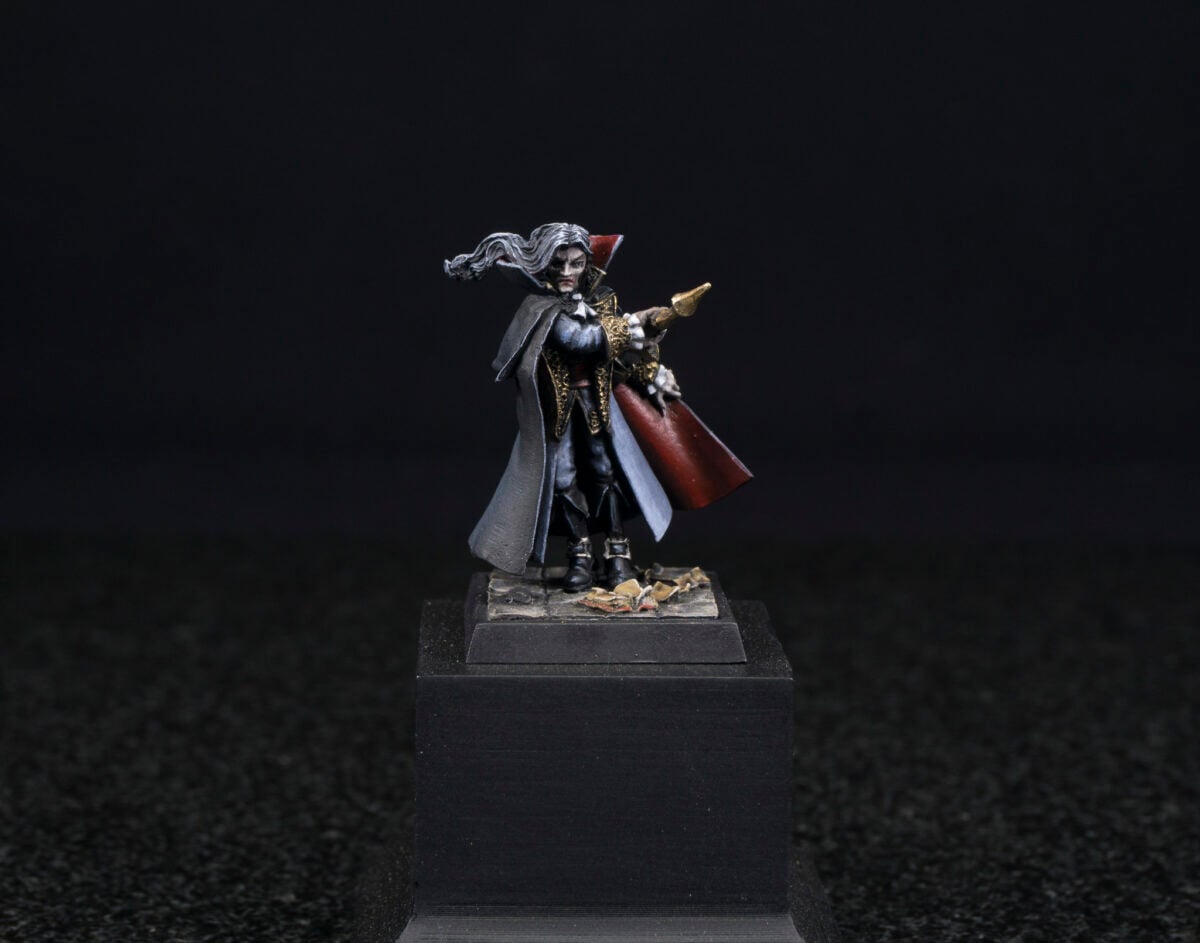
Strahd is D&D’s most famous vampire, and Barovia is his prison. The Dark Powers—entities that nobody really understands—trapped him in a realm where he rules absolutely but can never have what he wants.
He’s doomed to watch the reincarnation of his lost love appear, fall for someone else, and die, over and over through centuries. The Curse of Strahd adventure made him popular with a new generation, but his lore goes back to Ravenloft in 1983.
Strahd isn’t just a villain—he’s a tragic figure who committed terrible acts out of jealousy and now suffers eternal consequences. He murdered his brother to claim a woman who didn’t love him.
The Dark Powers rewarded him with immortality and eternal frustration. Barovia reflects Strahd’s personality.
The land is gloomy, oppressive, and inescapable. Mists surround the domain, preventing anyone from leaving. Time passes strangely. The same events repeat with minor variations.
Everything in Barovia serves to torment Strahd while he simultaneously torments everyone else. Fans debate whether Strahd can be redeemed, what the Dark Powers actually are, and whether escape from Barovia is possible.
The lore supports multiple interpretations, which means DMs can run Curse of Strahd as straight horror, tragic romance, or political intrigue. That flexibility keeps the character relevant across decades.
The Far Realm and Its Incomprehensible Nature

The Far Realm exists outside the normal multiverse. It’s not another plane—it’s somewhere else entirely. The usual rules of reality don’t apply.
Creatures from the Far Realm can’t be fully comprehended by mortal minds because they operate on principles that contradict basic logic. Mind flayers might originate from the Far Realm. Maybe.
The lore stays intentionally vague because defining the Far Realm too precisely ruins what makes it terrifying. It’s the place where your understanding of cause and effect breaks down. Time might not flow linearly there.
Space might not have three dimensions—or it might have too many. Warlocks who make pacts with Great Old Ones connect to Far Realm entities.
These patrons don’t think like mortals or even like other outsiders. They might not notice they have warlocks. They might notice and not care.
Their goals, if they have goals, make no sense to anyone bound by normal reality. Fans obsess over the Far Realm because it represents true cosmic horror in D&D.
You can fight devils and demons because they follow rules you can understand. Far Realm entities don’t fight fair because they don’t acknowledge that combat has rules.
They’re the ultimate “your DM can do whatever they want” justification, and fans love theorizing about what lies beyond the edge of the known multiverse.
Elminster’s Impossible Competence
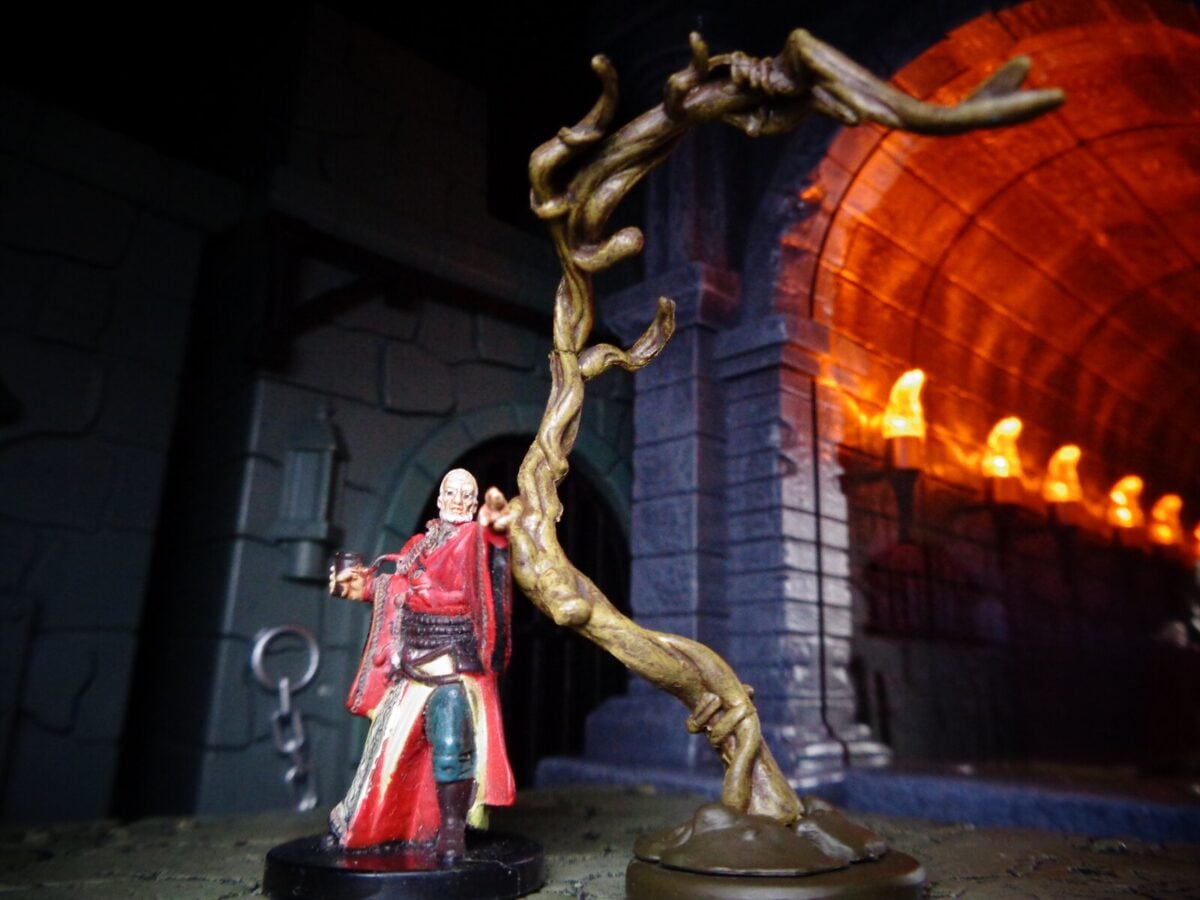
Elminster Aumar is the Forgotten Realms’ most famous wizard. He’s apprenticed under Mystra, been polymorphed into various forms (including spending years as a woman), adventured for centuries, and survived multiple apocalypses.
He’s also incredibly divisive among fans. Some players love Elminster as the ultimate D&D wizard—knowledgeable, powerful, eccentric.
Others hate him as Ed Greenwood’s self-insert character who solves problems players should handle. The meta-knowledge that Greenwood created the Forgotten Realms and uses Elminster as his mouthpiece makes the character feel simultaneously authentic and artificial.
The lore presents Elminster as one of the most powerful mortals in existence. He’s died and been resurrected multiple times.
Gods speak through him. He maintains relationships with power brokers across planes.
He’s saved the Realms from threats most people never knew existed. The obsession comes from trying to reconcile different versions of Elminster.
Novel Elminster is a complex character with flaws and personal struggles. Sourcebook Elminster is an overpowered NPC who overshadows player characters.
Adventure module Elminster occasionally needs help from a party of adventurers, which seems unlikely given his stated power level. Fans argue about which version is “real” and how to use him without breaking campaigns.
The Deck of Many Things and Player Agency
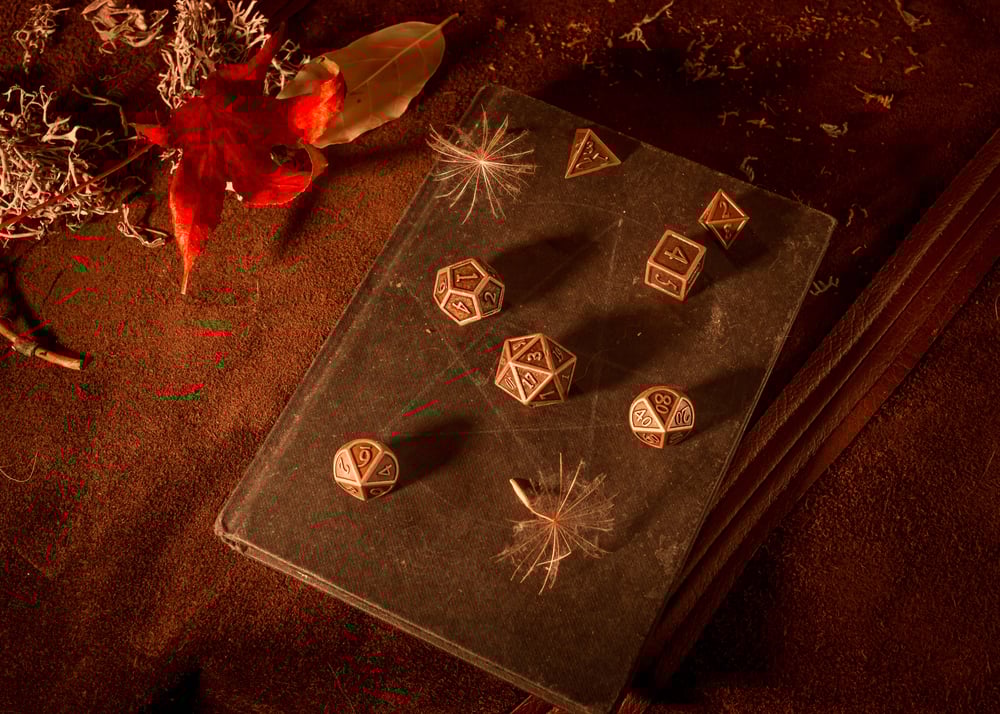
The Deck of Many Things is a legendary magic item that randomly grants amazing boons or terrible curses. Draw the right card and you gain a castle or have a powerful entity owe you a favor.
Draw the wrong card and you lose your soul or get imprisoned in an extradimensional space. What makes the Deck fascinating is how it challenges player agency.
Most magic items reward smart play and strategic thinking. The Deck rewards luck.
You have no control over which card you draw. Using it is gambling with reality itself, and the odds aren’t transparent.
DMs either love or hate the Deck because it can completely derail campaigns. One card might kill a character permanently.
Another might give a character wealth that breaks the game’s economy. The Donjon card traps the character somewhere that requires an entire rescue mission to resolve.
The Deck creates problems that ripple through the entire campaign. Fans obsess over Deck of Many Things stories.
Forums fill with tales of campaigns destroyed or transformed by a single card draw. Theorycrafters calculate the probability of different outcomes.
Some DMs ban the Deck entirely. Others embrace it as a tool for injecting chaos.
The item’s reputation exceeds its actual appearance in official adventures, but that reputation is based on decades of memorable moments.
Demogorgon’s Two-Headed Madness

Demogorgon is the Prince of Demons, and he’s literally at war with himself. His two heads—Aameul and Hethradiah—have different personalities and sometimes disagreeing goals.
Each head controls one arm. This internal conflict makes Demogorgon simultaneously more dangerous and more vulnerable.
He’s one of the most powerful demon lords in the Abyss, ruling a layer of madness and corruption. His very presence drives mortals insane.
His cultists worship madness itself, finding meaning in chaos. Demogorgon represents the ultimate expression of demonic nature—powerful but eternally divided.
The lore around Demogorgon intersects with the Blood War, rival demon lords, and the nature of the Abyss itself. He fought Orcus for supremacy.
He’s been summoned to the Material Plane with catastrophic results. His cults pop up in campaign settings, always causing problems that require adventurer intervention.
Fans love discussing how to actually defeat Demogorgon. He’s a CR 26 creature in 5th edition, which puts him beyond the reach of most campaigns.
But the lore says he’s been banished before, which means it’s possible. Theorycrafting the perfect Demogorgon fight combines mechanical optimization with story elements, and the discussions get detailed.
The Shadowfell and Feywild as Mirror Worlds

The Shadowfell and Feywild exist as parallel dimensions to the Material Plane. The Shadowfell drains color and emotion, while the Feywild amplifies beauty and intensity.
Together they represent opposing forces that balance each other. These planes weren’t always part of D&D cosmology.
They emerged in the 4th edition as replacements for the Ethereal Plane and traditional fey realms. The change was controversial, but the concept stuck because it worked better for certain types of stories.
The Shadowfell houses undead, dark creatures, and the Raven Queen’s domain. It’s where shadows are real and danger lurks in every dark corner.
Time passes strangely—you might think you’ve spent a day there only to return and find a week has passed. The plane slowly leeches joy from visitors, making them numb and emotionless.
The Feywild operates on story logic rather than normal causality. Making a deal with a fey creature binds you to terms they interpret however they want.
Plants grow impossibly large. The colors are too bright.
Emotions run too high. The plane rewards creativity and punishes those who try to apply rational thinking to inherently irrational situations.
Fans dig into the lore connections between these planes and the Material Plane. Certain locations exist in all three planes simultaneously, with different characteristics in each.
The Shadowfell might have a ruined castle where the Material Plane has a normal one and the Feywild has a magnificent palace. These overlaps create adventure opportunities that span multiple planes.
The Astral Sea and Dead Gods’ Corpses
The Astral Plane is a silvery void where travelers can float weightless forever. Time doesn’t pass normally there.
Creatures don’t age, don’t need food, and can survive indefinitely. But the Astral Plane’s most striking feature is the corpses of dead gods floating in the endless expanse.
These corpses are massive—miles long, sometimes larger. They’re solid, unlike most things in the Astral Plane.
Githyanki have built cities on some dead god corpses, turning them into floating fortresses. Other corpses remain unexplored, filled with whatever remains when a deity dies.
The dead gods raise questions about divine mortality. What kills a god? Where do their souls go? What happens to their remaining divine power?
The lore provides incomplete answers, which means fans fill in gaps with theories. Some believe the corpses still hold fragments of divine essence.
Others think they’re just empty shells. The Astral Plane connects to everything, making it important for planar travel.
Color pools lead to different planes. The psychic wind can blow travelers off course.
The silvery void makes navigation difficult—everything looks the same. But the dead gods provide landmarks in an otherwise featureless expanse, and their presence reminds travelers that even immortal beings can fail.
When Lore Becomes Legend

Old stories pile up in D&D through rulebooks, tales, and games. Certain pieces stick around no matter what.
New versions swap out different bits every time. Fans who want everything fixed get annoyed.
Folks who like surprises find joy instead. Something sticks around not because it’s strong or central to the story.
Gaps do that work instead. Questions left hanging.
Clashes across different books. Room to wonder opens up when facts refuse to line up neatly.
That emptiness? It invites people to step in, shape things, and call them theirs.
Stories stick around when they refuse to finish.
She speaks nothing – only watches. What lies beyond stays alien by design.
Conflict rages without closure, on purpose. Missing pieces aren’t flaws – they’re the shape.
Questions fade when everything is explained. Mystery lingers long after answers are gone.
You get a basic setup from the start. From there, it opens up completely.
More from Go2Tutors!

- The Romanov Crown Jewels and Their Tragic Fate
- 13 Historical Mysteries That Science Still Can’t Solve
- Famous Hoaxes That Fooled the World for Years
- 15 Child Stars with Tragic Adult Lives
- 16 Famous Jewelry Pieces in History
Like Go2Tutors’s content? Follow us on MSN.



