Snapshots of Historic Moments Caught by Chance
History’s strongest images sometimes just appear. Not staged, not arranged – someone was simply nearby, gear in hand, when life broke into drama.
When sudden scenes burst open, those who watched through a lens caught what words could never hold. Moments nobody expected now live in full detail, frozen by chance.
The world shifts, yet these snapshots remain, showing change as it arrived without warning. Now and then, a moment slips into view without warning.
Some pictures just happen to freeze those seconds forever. Luck plays a part when lenses catch what no one expected.
These frames did not plan their power. Each shows history tipping quietly in the background.
Chance lined everything up right at the instant. You see it only because someone pressed the button.
The Hindenburg Disaster
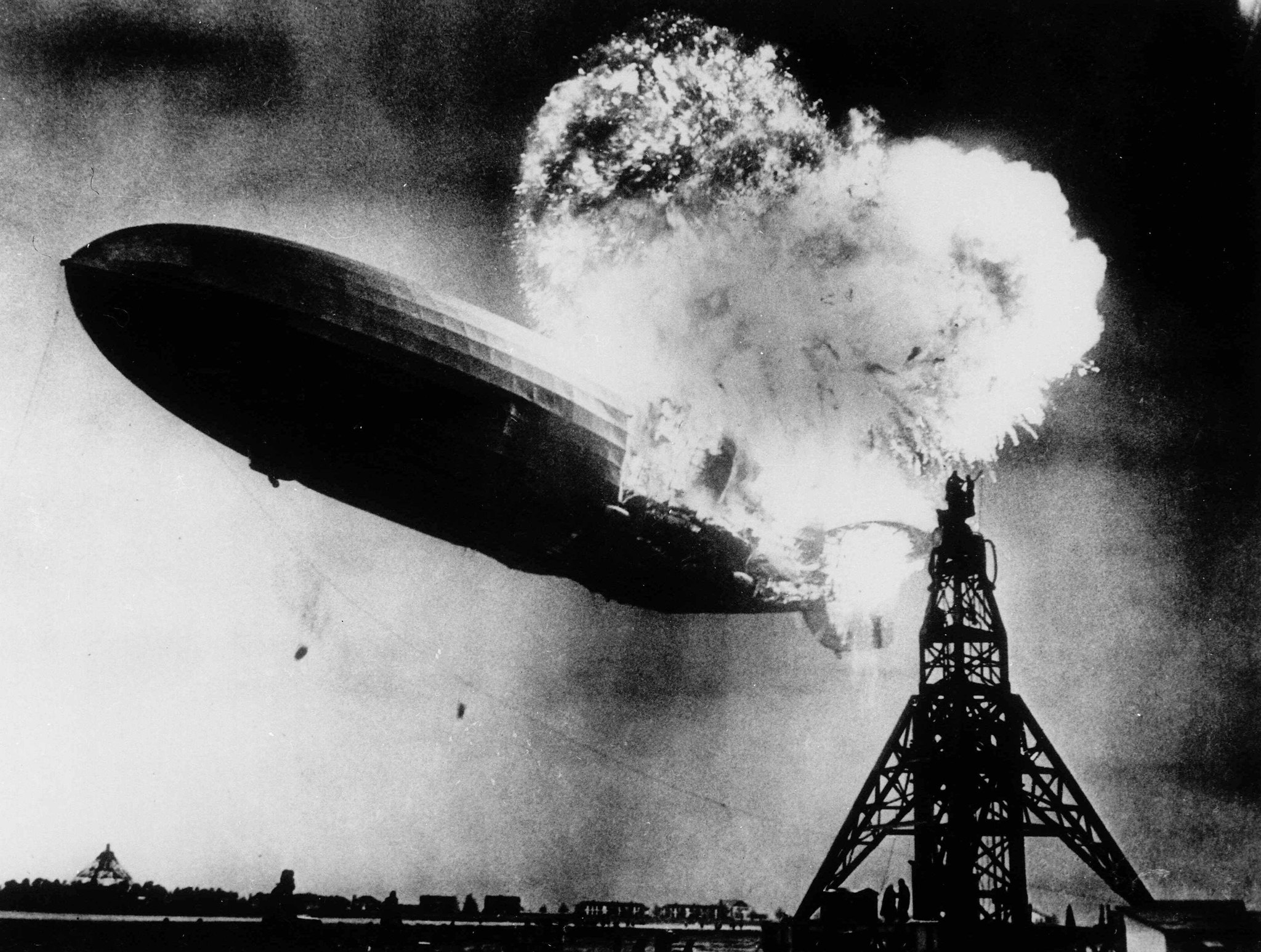
On May 6, 1937, Sam Shere stood ready near a runway in New Jersey, waiting for a normal arrival. The Hindenburg, a German airship, had flown across the ocean many times before – always safely.
Yet suddenly, within half a minute, fire swallowed the huge vessel whole. His lens recorded the instant it ignited – a flash turning skyward chaos into still image history.
That single frame now defines how people remember the end of balloon-like giants in the skies. No one realized then that era would vanish so fast, gone up in smoke.
Raising the Flag at Iwo Jima
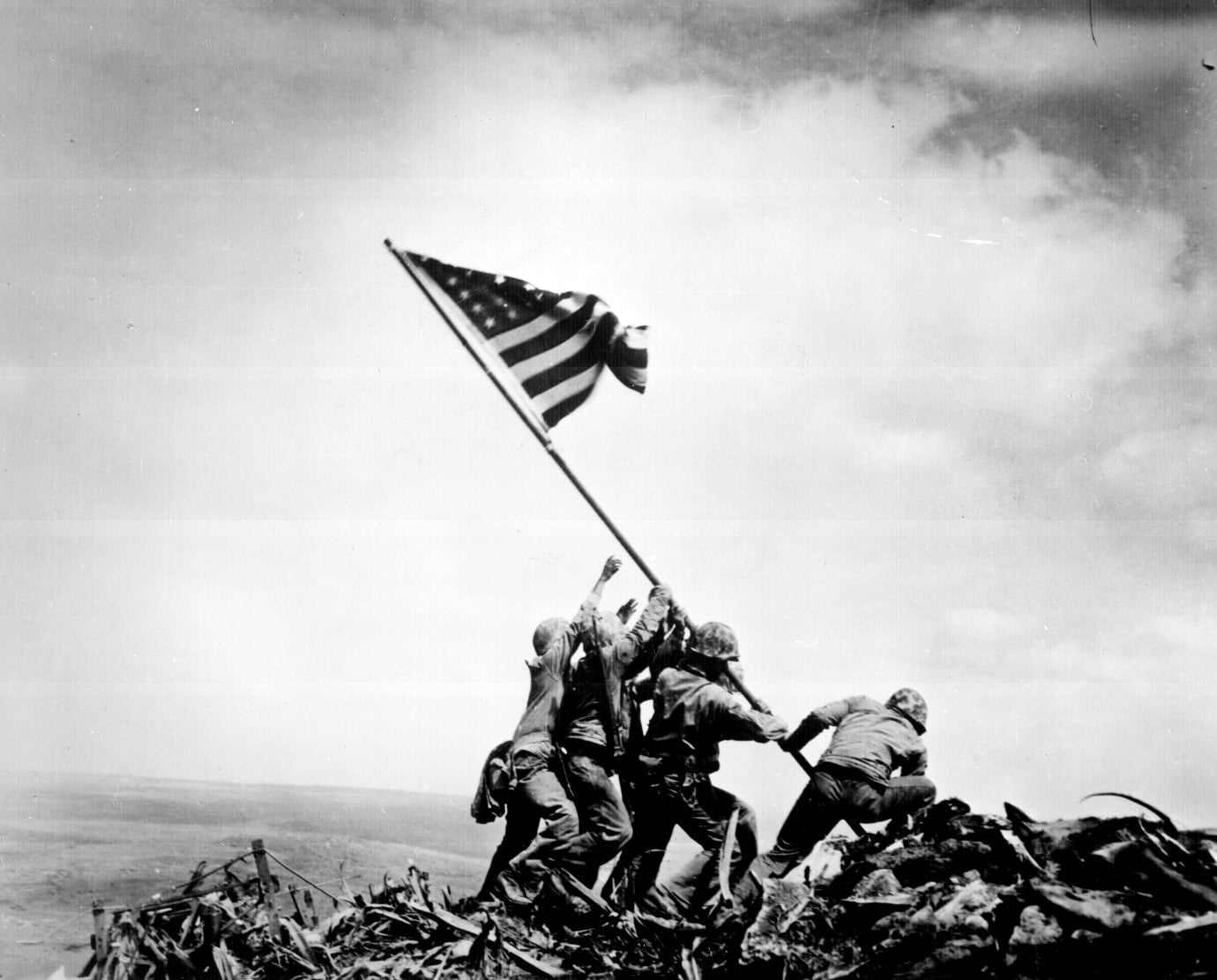
Up near the peak of Mount Suribachi in February 1945, Joe Rosenthal thought he’d catch the moment they put up the first flag. It slipped past him.
Later, when the Marines hoisted a bigger banner, time nearly ran out again. In a rush, he lifted his camera, snapped blind – no glance through the lens.
One flash of timing turned into the most copied image ever made. This single frame shaped the monument honoring Marines in Washington.
The Beatles Walking Across Abbey Road
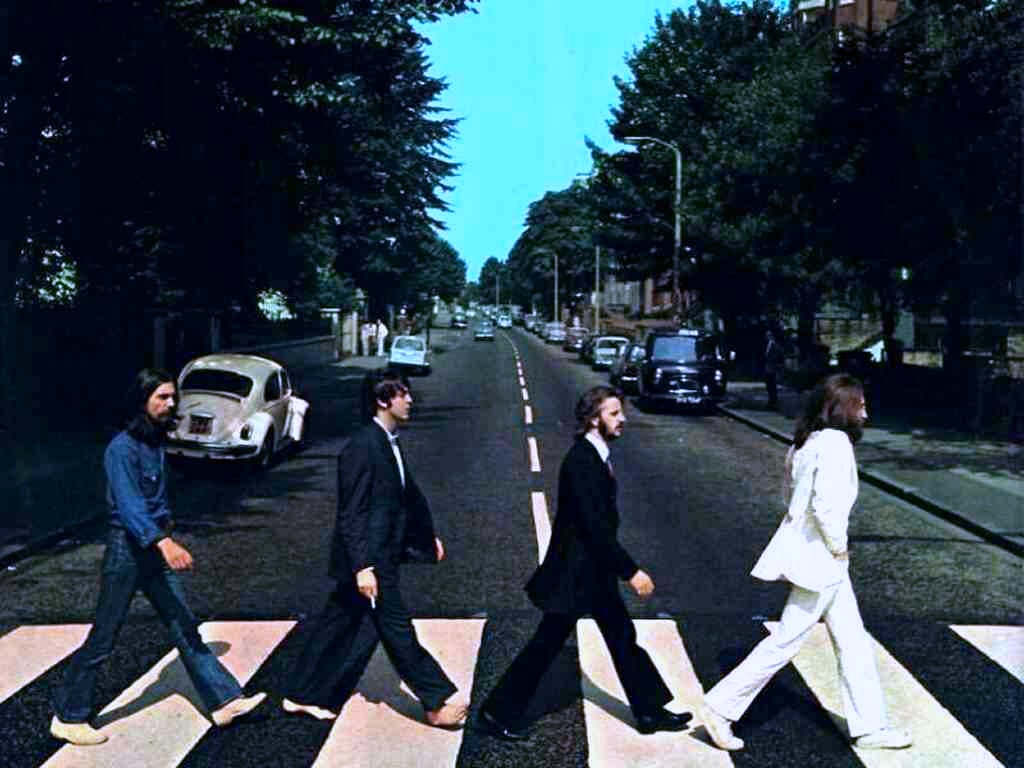
Just ten minutes to capture it – that was all photographer Iain Macmillan had. Right there in the center lane, balancing on a ladder as cars were stopped by an officer on that morning – August 8, 1969 – he clicked away.
Six shots made up his entire roll. Frame five – the one where Paul’s right foot leads, bodies aligned like clockwork – landed perfectly, though nobody planned it.
Now, decades later, that striped stretch of pavement in London draws more cameras than almost any other crossing on Earth.
Tank Man at Tiananmen Square
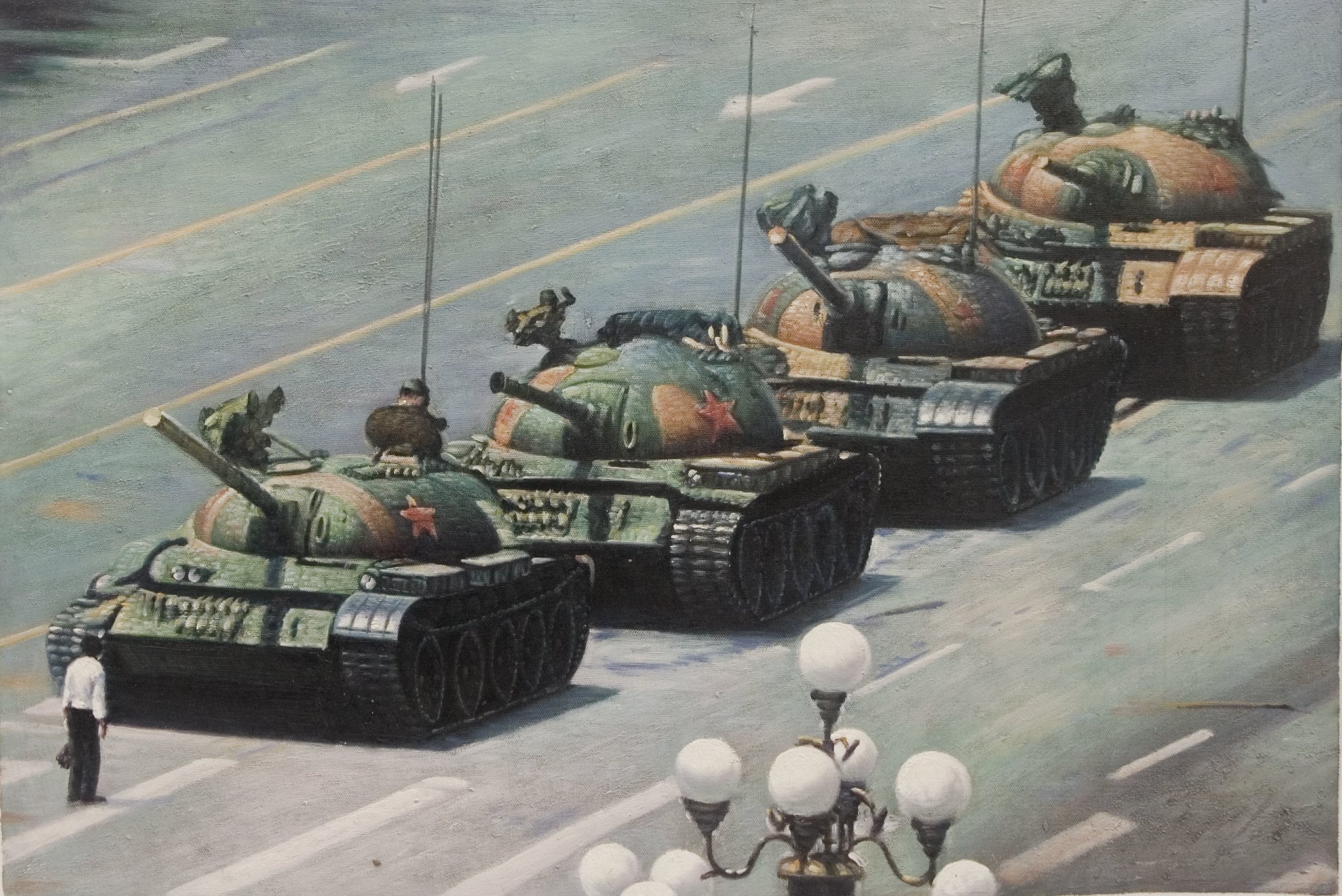
A single moment unfolded without warning. From separate balconies, four photographers pointed their cameras at the same stretch of road.
It happened on June fifth, nineteen eighty nine. No coordination between them existed.
Suddenly, a figure appeared – man in a white shirt, holding plastic bags, stepping forward into open pavement. Tanks rolled away from Tiananmen Square behind him.
Jeff Widener worked for the Associated Press. He’d hurt himself one day earlier.
His supply of film nearly gone, he used the final strip to capture what came next. Hiding in a bathroom fixture, Charlie Cole stashed his film as officers broke into his space.
That image spread far, standing quiet against force everywhere, though the person in it stayed unknown – his fate never uncovered.
Einstein Sticking His Tongue Out
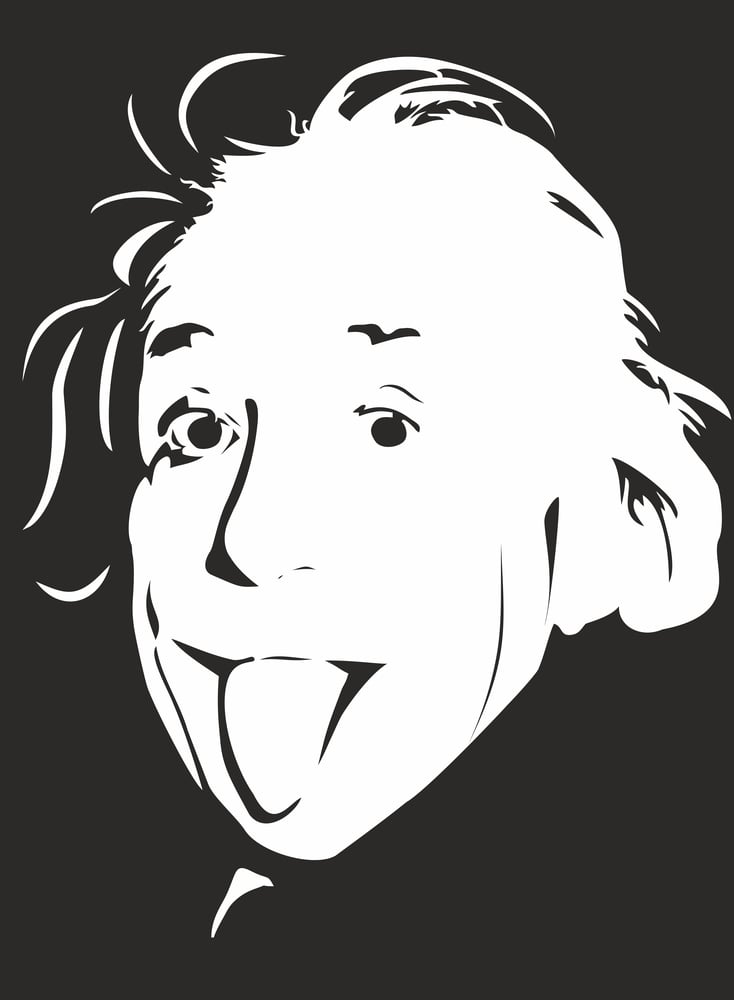
Arthur Sasse was one of many photographers covering Albert Einstein’s 72nd birthday on March 14, 1951. Everyone wanted the famous scientist to smile for the camera.
After hours of posing and forced grins, Einstein was tired of it all. When Sasse asked for one more shot, Einstein stuck out his tongue instead.
Sasse captured it perfectly. Einstein loved the photo so much he ordered prints to send as greeting cards to friends, and it became the most famous picture of him ever taken.
The Loch Ness Monster Photo
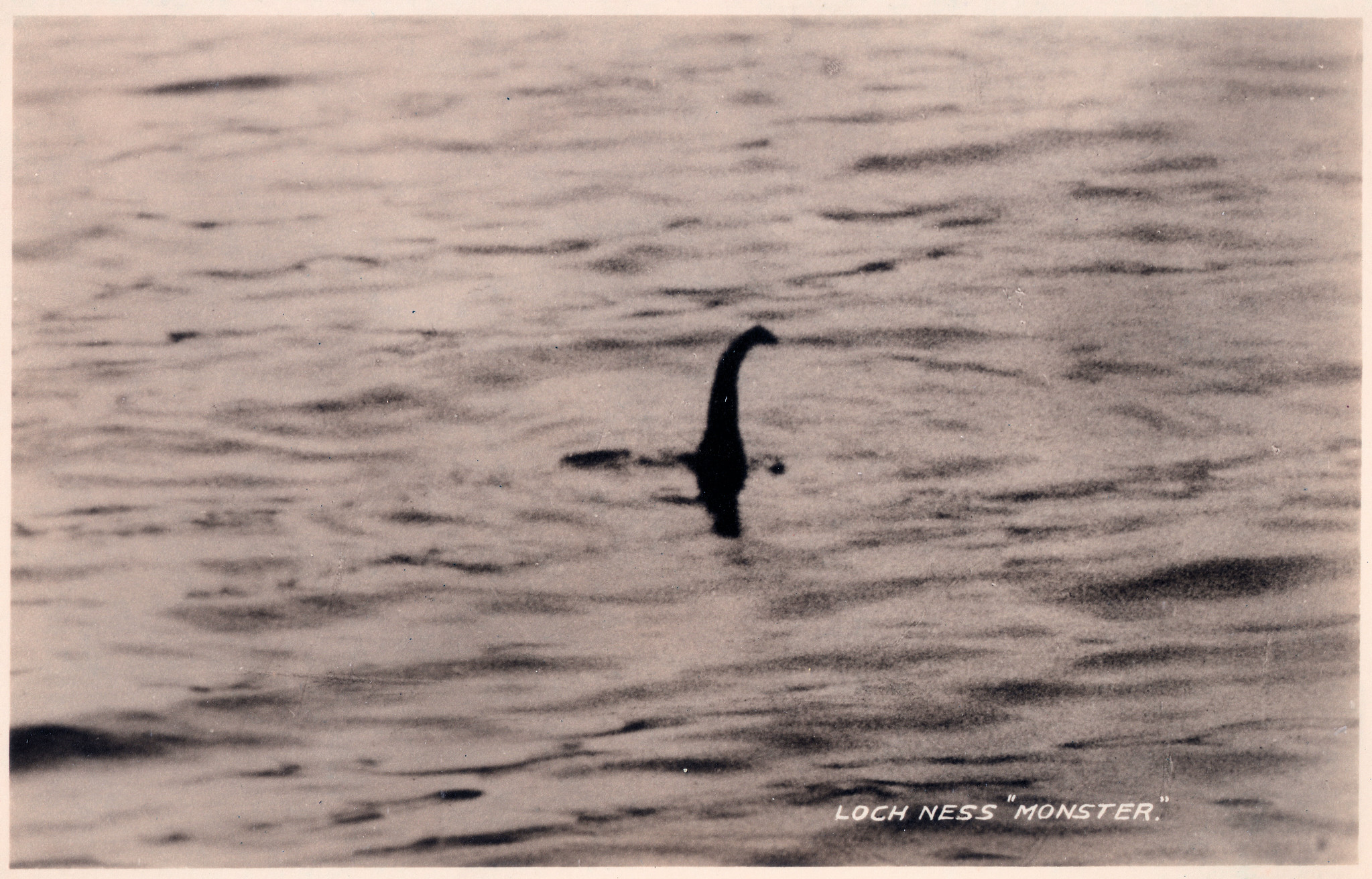
Robert Kenneth Wilson claimed he was just taking pictures of the Scottish lake in April 1934 when something surfaced. His photo showed what looked like a long neck rising from the water.
Newspapers ran the image, and it sparked decades of monster hunting and tourism in the area. Sixty years later, researchers proved the whole thing was a hoax using a toy submarine with a carved head attached.
Still, that accidental moment of trickery created a legend that refuses to disappear.
Muhammad Ali Standing Over Sonny Liston
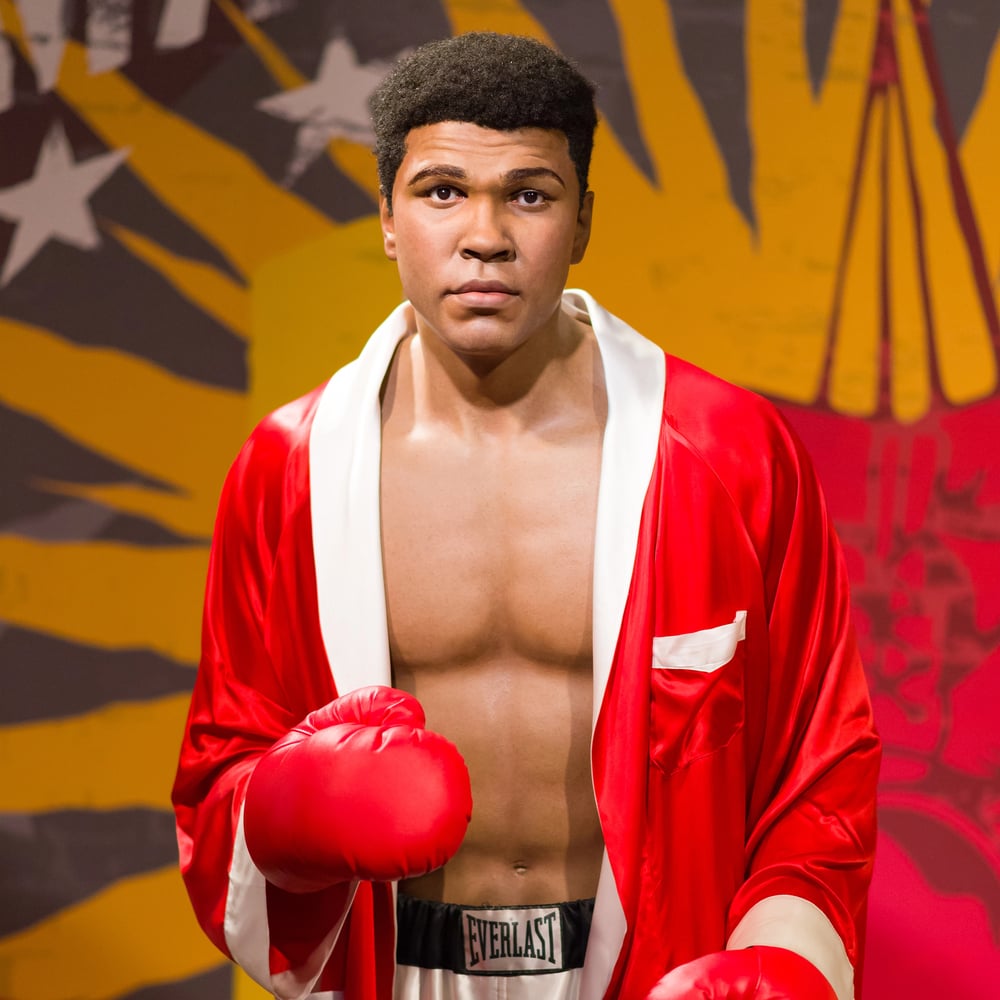
Neil Leifer positioned himself in the rafters of the arena in Lewiston, Maine, on May 25, 1965, hoping for an overhead angle. He never expected the fight to end in the first round.
Ali knocked down Liston with a punch many people didn’t even see, then stood over him shouting. Leifer’s camera caught Ali at the perfect moment, towering over his fallen opponent with his fist still clenched.
Sports Illustrated called it the greatest sports photograph of the 20th century, and Leifer almost missed it because the fight ended so fast.
The Sailor Kissing The Nurse On V-J Day
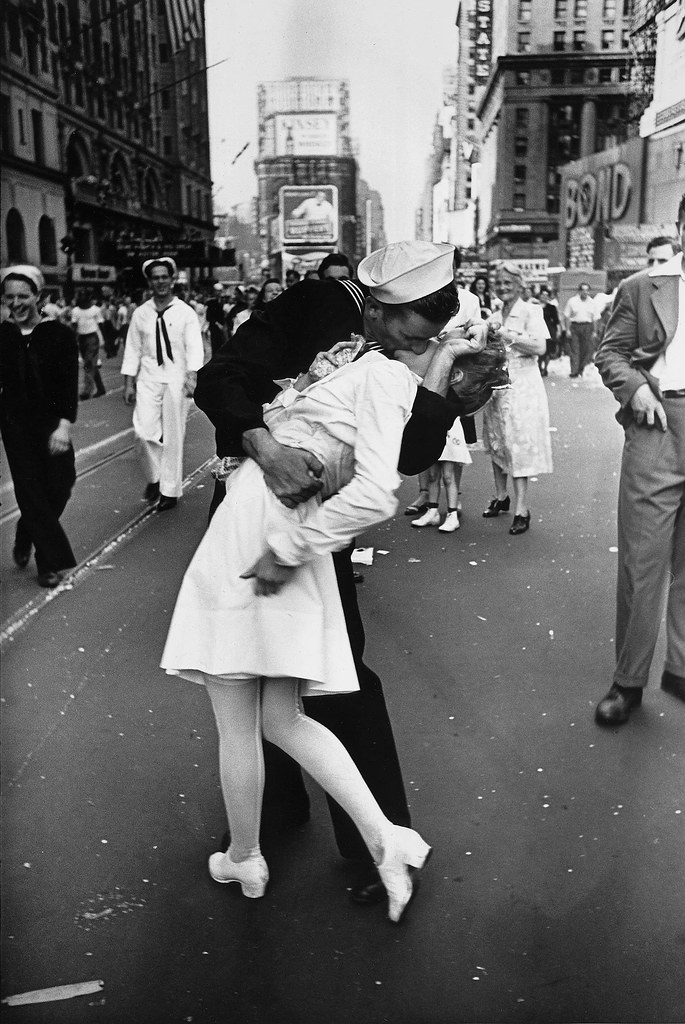
Alfred Eisenstaedt was walking through Times Square on August 14, 1945, when Japan surrendered and World War II ended. People flooded the streets in celebration.
Eisenstaedt saw a sailor grab a nurse and kiss her, and he fired off four quick shots. He didn’t get their names or ask permission.
The photo ran in Life magazine and became the defining image of that historic day. Decades later, multiple people claimed to be the couple in the photo, but their identities were never confirmed with certainty.
The Afghan Girl With Green Eyes
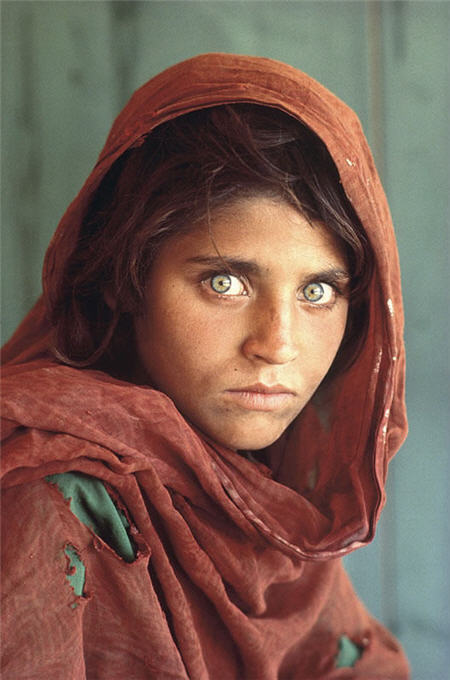
Steve McCurry was photographing refugees at a camp in Pakistan in 1984 when a teacher brought him to the girls’ tent. One young refugee looked directly into his camera with piercing green eyes.
McCurry took just one roll of film of her. That single portrait ran on the cover of National Geographic in 1985 and became the magazine’s most recognized image.
Nobody knew her name until McCurry tracked her down 17 years later and discovered she was Sharbat Gula, still living in Afghanistan.
The Mushroom Cloud Above Nagasaki
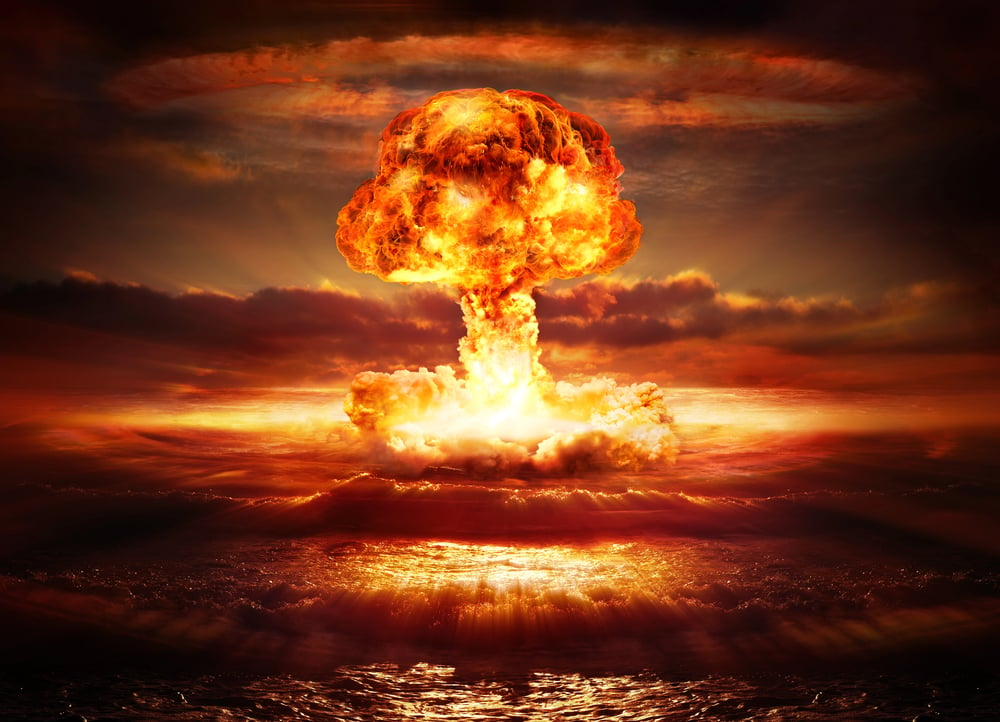
From up above, Lieutenant Charles Levy rode along in a small plane behind Bockscar that morning of August 9, 1945. Instead of snapping pictures, he had been assigned to record data using instruments meant for science work.
Yet when the flash lit up the sky near Nagasaki, something shifted inside him. Without waiting, he pulled out his own camera and pointed it toward the window just in time.
Upward the fireball surged, climbing fast past every altitude marker until reaching sixty thousand feet. A thick column filled the view, twisting higher than anyone could believe.
Only once peace was declared did the armed forces make his images public. By chance, these records revealed how deeply the bomb had scarred the land.
The Vulture And The Child
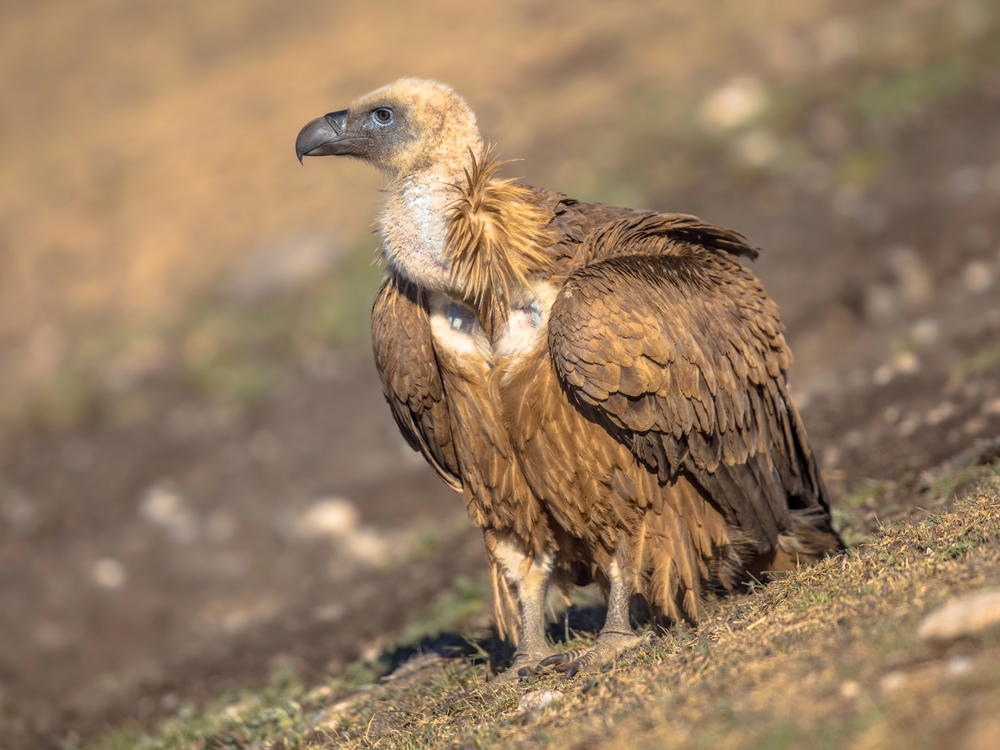
A small figure fell face down in the dirt under a harsh sun. Close by, wings spread wide, a dark shape settled into view.
He clicked the shutter just before waving arms to scare it off. Fame came fast after that picture made front pages worldwide.
People clapped – then voices rose, asking why he did not pick her up first. After snapping the picture, Carter said he stepped in to assist.
News crews had been warned against physical contact due to illness concerns. His passing came three months post-award, tangled in backlash and deeper struggles.
JFK Assassination Captured On Film
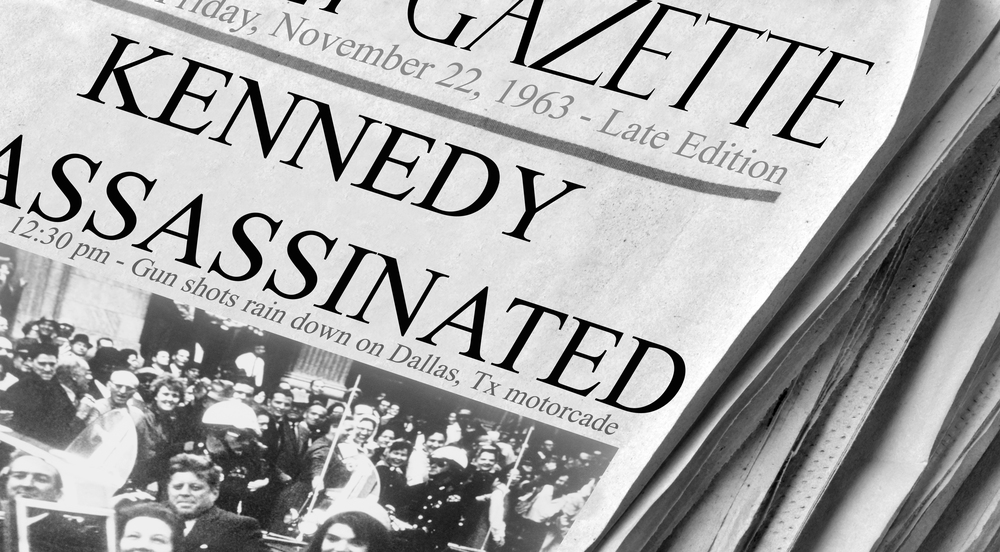
Film rolled through Abraham Zapruder’s hands that morning more by chance than plan. A trip downtown felt unnecessary until his secretary insisted he retrieve the camera.
Cold metal and plastic sat in a forgotten corner till then. That small device captured what no one else did – every second unfolding live.
The motorcade moved into view, noise building slowly. What followed stayed locked in those frames forever.
That short stretch of color – just twenty six seconds – turned into proof that shaped everything, studied more than any other moving image in the country. Though he had no interest in gaining anything from the horror, the photos ended up bought by Life after some time passed.
The Blue Marble
Far out in space, around 28,000 miles from Earth, the Apollo 17 team turned toward home on December 7, 1972. Pictures of distant views usually filled their film rolls.
Yet this time, maybe it was Harrison Schmitt who lifted a camera and caught our planet glowing under full sunlight. Clouds twisted across the frame, while Africa and Antarctica came through sharp and clear.
A picture made its way into people’s hands through NASA, then spread wider than any before it, quietly nudging a global shift in how we see our planet. Snapping views of Earth wasn’t part of anyone’s checklist during that trip.
The Wright Brothers Fly For The First Time
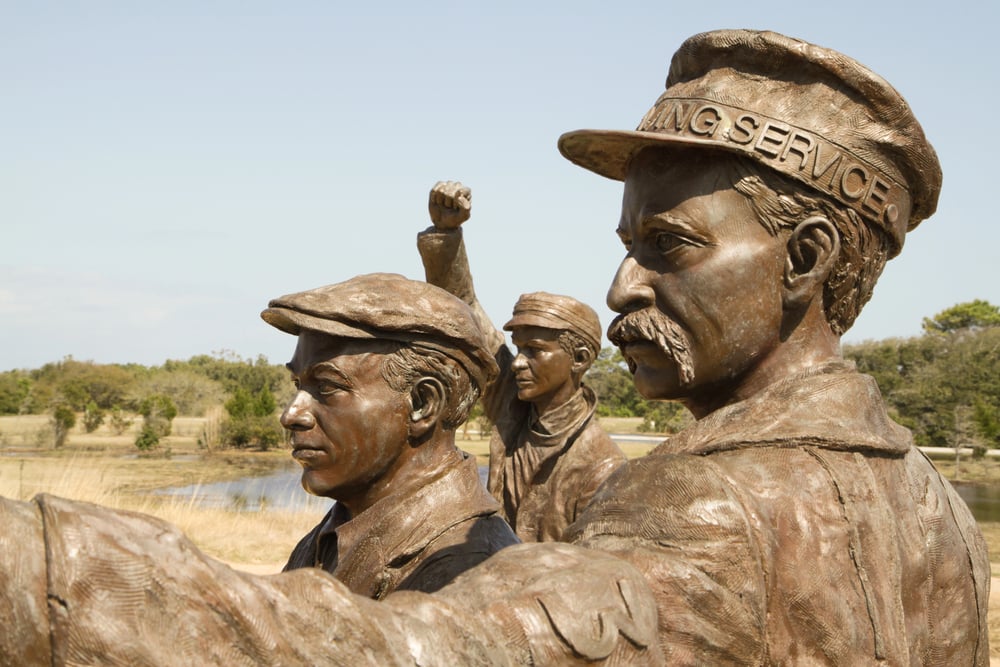
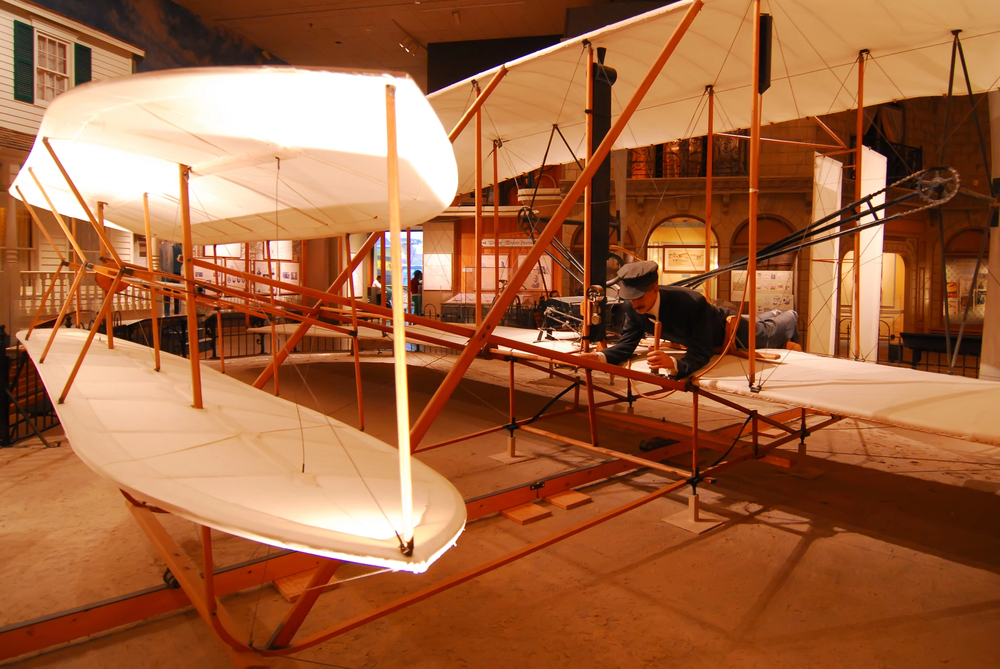
That morning at Kitty Hawk, just five folks were there when the first engine-driven plane lifted off. A man named John Daniels worked at the rescue station and had never touched a camera until then.
The machine stood ready on rails; Orville Wright adjusted the lens mount, aimed it down the track, then told Daniels which switch would snap the shot. At the instant wings broke free from earth, with Orville stretched across the bottom panel, the shutter clicked.
One frame, taken by someone who didn’t know film from flash, confirmed people could fly.
Where History Happens
History shows up unannounced, indifferent to tidy setups or careful framing. Out of nowhere, big changes crash into daily life – snapped by someone simply looking up at the right instant.
A lens in hand turns regular folks into keepers of what really happened, freezing flashes others will later pore over. Chance alignment – a location, a device, an alert mind – can outweigh months of preparation.
What sticks isn’t always polished; it’s raw, real, and caught before anyone knew to pose.
More from Go2Tutors!

- The Romanov Crown Jewels and Their Tragic Fate
- 13 Historical Mysteries That Science Still Can’t Solve
- Famous Hoaxes That Fooled the World for Years
- 15 Child Stars with Tragic Adult Lives
- 16 Famous Jewelry Pieces in History
Like Go2Tutors’s content? Follow us on MSN.


