Photos Of Natural Wonders You Won’t Believe Are Real
Some places look like they belong in a science fiction film. The colors are too vivid, the shapes too strange, the scale too vast for the human brain to process at first glance.
But these places exist, right here on Earth, and the photos that come back from them tend to stop people mid-scroll. Here are some of the most visually striking natural wonders on the planet — the kind that make you question what you thought you knew about what the natural world looks like.
The Pink Lake That Doesn’t Fade
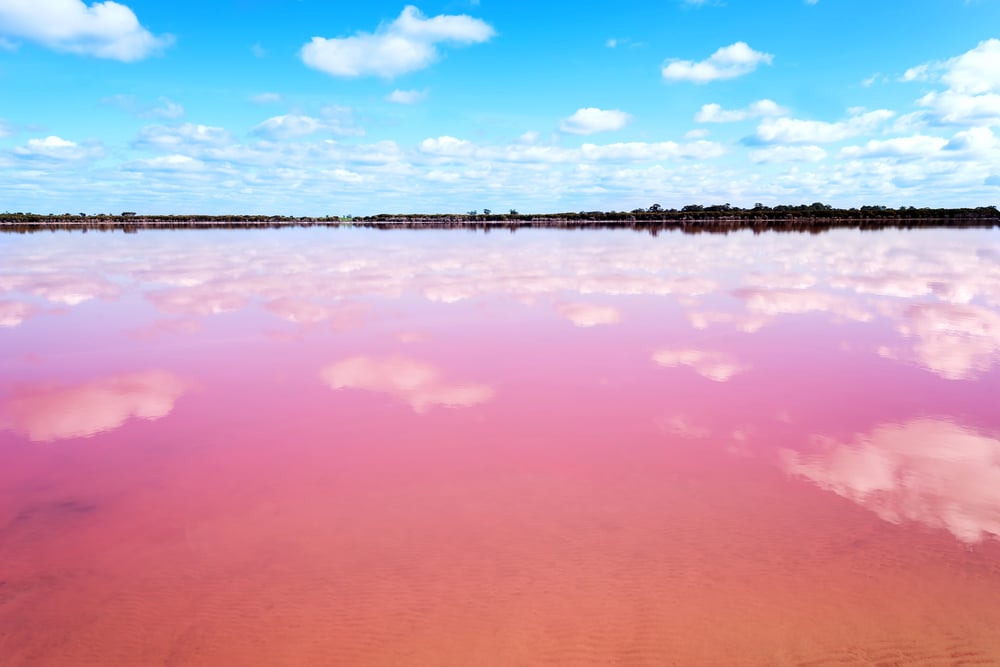
Lake Hillier in Western Australia sits on the edge of a remote island, separated from the Southern Ocean by a narrow strip of trees. From above, the contrast is almost absurd: a bubblegum-pink lake next to the deep blue of the ocean.
What makes it pink? A combination of microalgae, halophilic bacteria, and high salt concentrations.
The color holds even when you scoop the water into a glass. Scientists have studied it, tourists have photographed it from helicopters, and it still doesn’t look quite real.
The Rainbow Mountains Of China
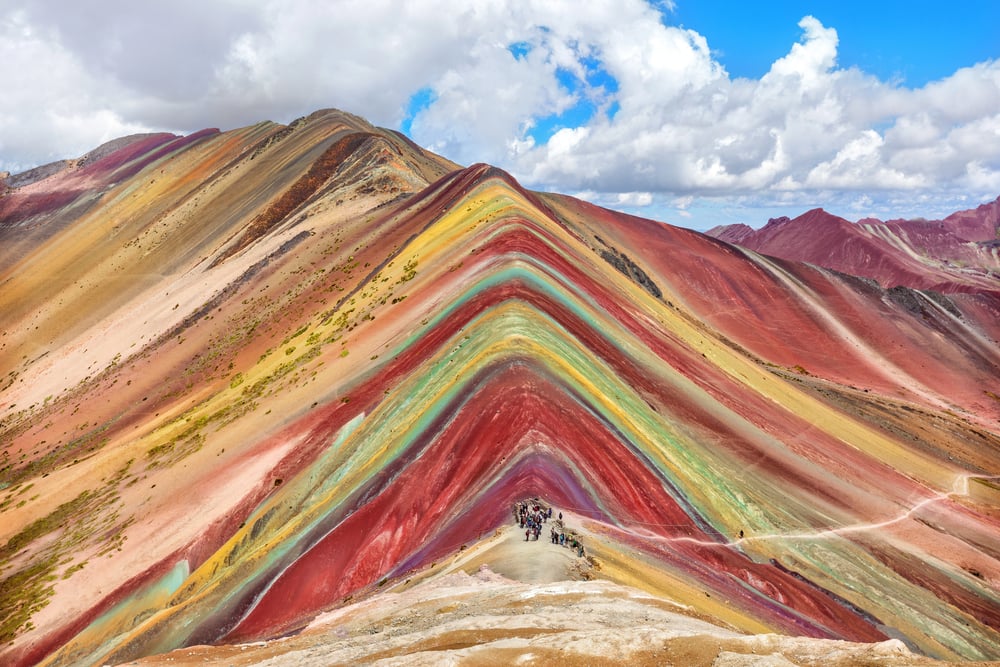
Zhangye Danxia in Gansu Province looks like someone layered paint across an entire mountain range. Bands of red, orange, yellow, green, and blue stripe the sandstone cliffs in horizontal lines, the result of mineral deposits and millions of years of sedimentary compression.
The best photos are taken just after rain, when the colors deepen and the whole landscape seems to glow. People who visit often describe standing there in silence, not quite knowing how to react.
Morning Glory Pool
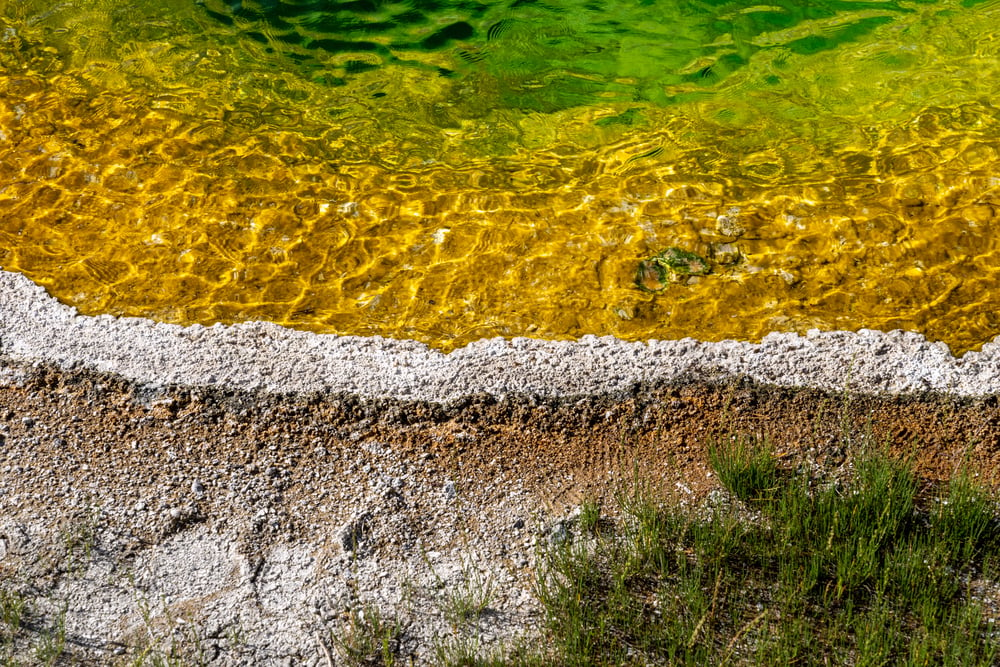
Yellowstone is full of geothermal oddities, but Morning Glory Pool stands apart. The center of the pool is a deep, electric blue.
Radiating outward, the color shifts through green, yellow, and then a burnt orange — each ring corresponding to a different species of heat-tolerant bacteria thriving at a slightly cooler temperature. The pool used to be even more brilliantly blue.
Decades of visitors tossing coins and debris into it altered the water temperature, encouraging the growth of bacteria closer to the center. The orange crept inward.
Even degraded, the pool still looks completely unreal.
Fly Geyser, Nevada
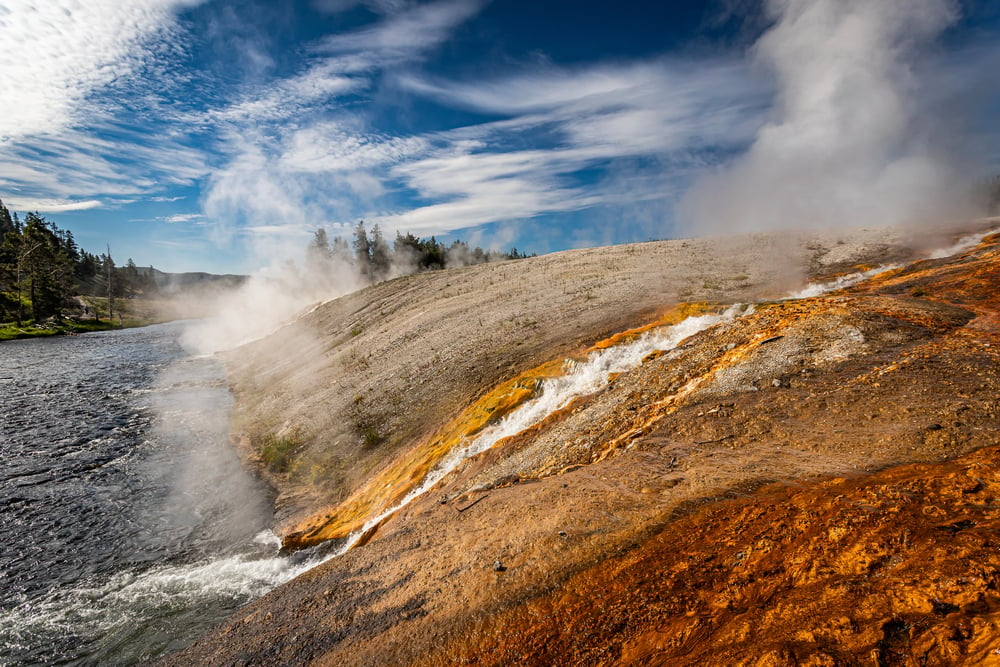
Fly Geyser wasn’t created entirely by nature — it was accidentally triggered in 1964 when a geothermal energy test well was left unsealed. Hot, mineral-rich water began shooting up through the gap, and over the decades the minerals built up into a bizarre, terraced mound that looks more like an alien landscape than a Nevada ranch.
The geyser sprays constantly. The minerals have turned vivid shades of red and green from thermophilic algae.
It sits on private land, so access is limited, which has only added to its mystique.
Waitomo Glowworm Caves
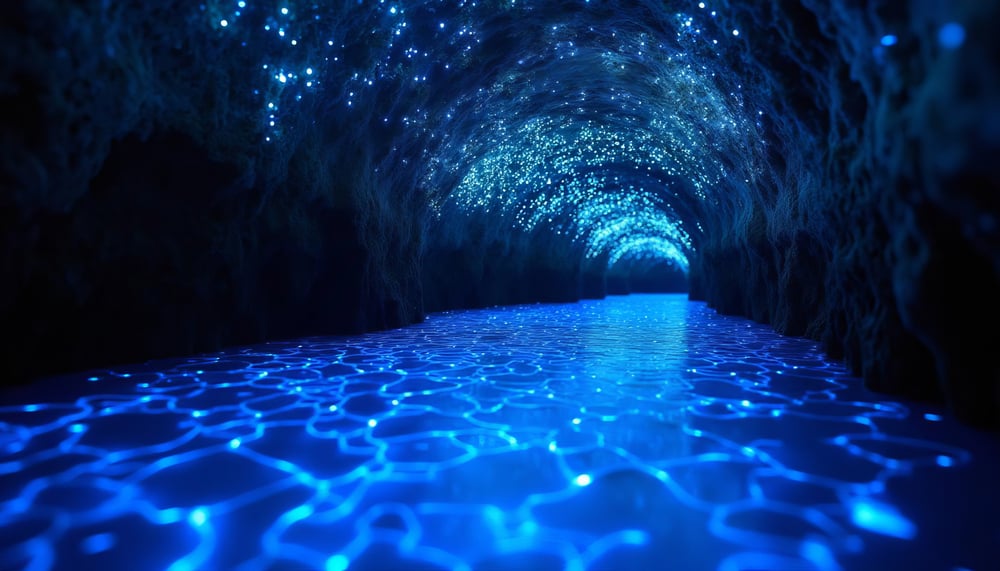
The caves themselves aren’t unusual — limestone caves carved by underground rivers. What makes Waitomo extraordinary is what lives in the ceiling.
Thousands of bioluminescent glowworms (technically larvae of the fungus gnat) cling to the cave ceiling and emit blue-green light to attract prey. Visitors float through the darkness on small boats, looking up at what appears to be a constellation of stars just a few feet overhead.
The photos look digitally altered. They aren’t.
The Door To Hell
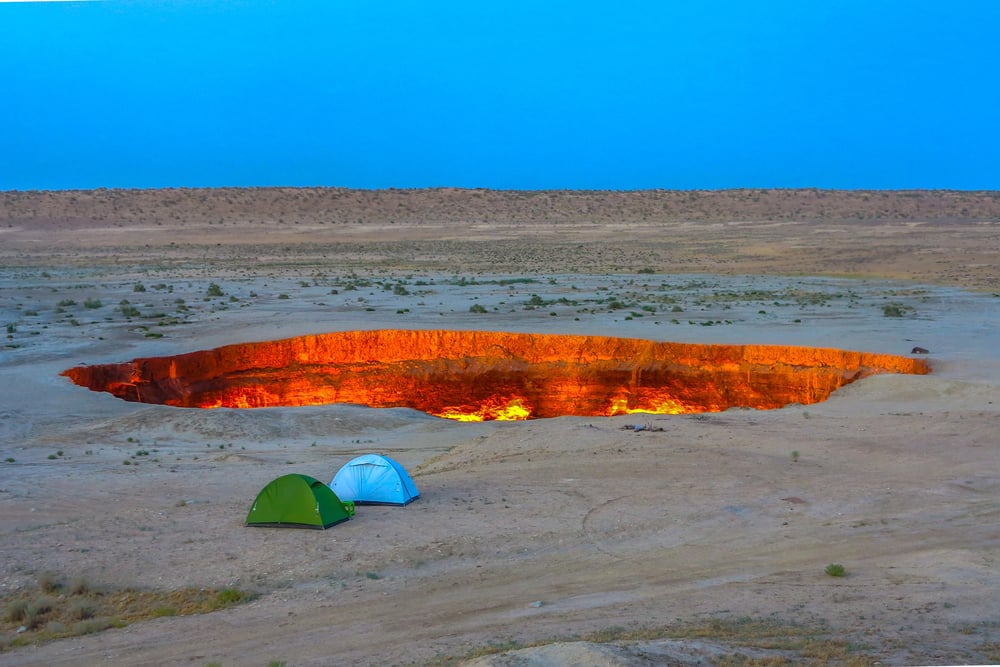
In 1971, Soviet geologists drilling for natural gas in Turkmenistan struck a cavern of gas and the drilling rig collapsed into it. To prevent a methane leak from spreading, they set the crater on fire, expecting it to burn out in a few weeks.
It has been burning for over 50 years. The Darvaza Gas Crater is about 70 meters wide and 30 meters deep.
At night, the orange glow can be seen from miles away. The official name is the Darvaza Gas Crater, but locals call it the Door to Hell, and when you see it in photographs, it’s hard to argue with that description.
Pamukkale’s White Terraces
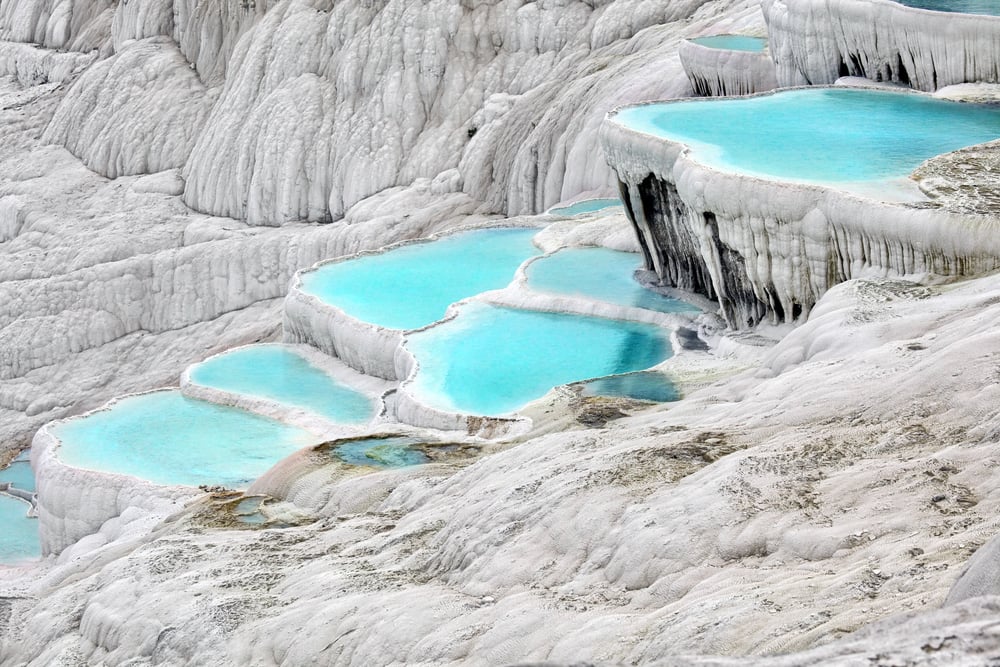
The name means “cotton castle” in Turkish, which is exactly what it looks like. Pamukkale in southwestern Turkey is covered in tiered terraces of brilliant white — formed by calcium carbonate deposited by the thermal spring water that flows down the hillside.
Each terrace fills with turquoise water. Visitors are allowed to walk barefoot across some sections.
The whole thing looks staged, like a film set, but it has been drawing visitors for thousands of years. Ancient Romans built a spa city there because of the thermal springs.
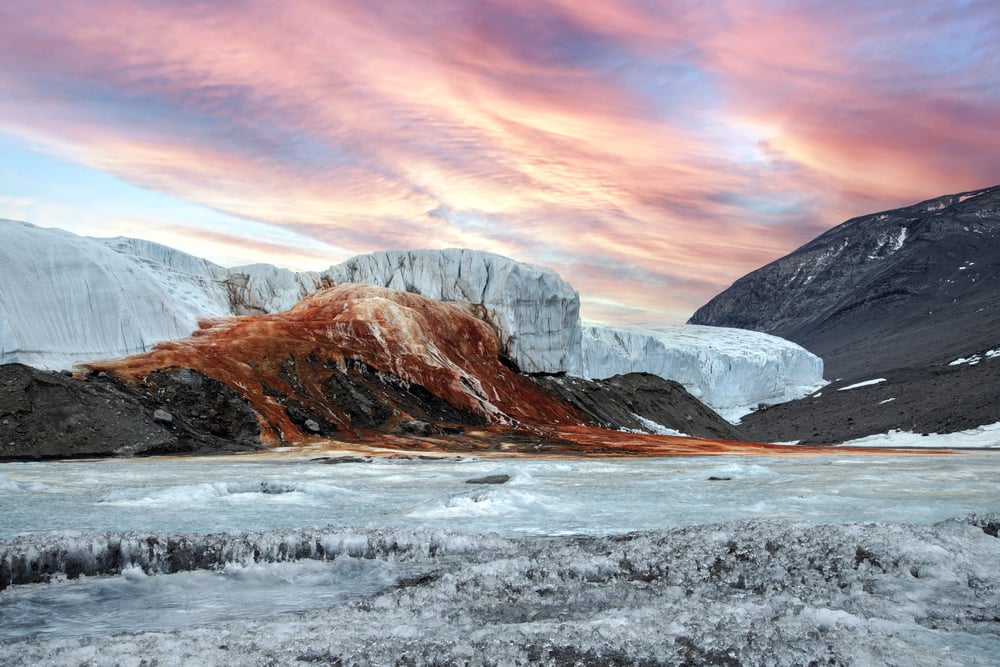
Blood Falls, Antarctica
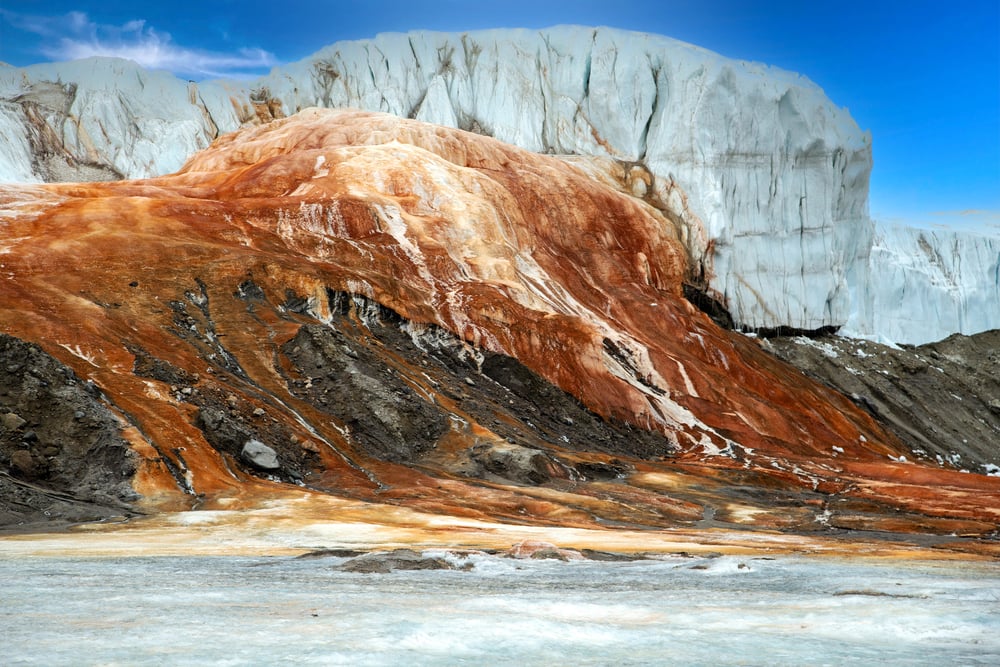
A waterfall running red down a white glacier sounds like something from a nightmare. Blood Falls in Antarctica has been puzzling researchers since it was first spotted in 1911.
The color comes from oxidized iron in extremely ancient, saltwater-rich brine that gets trapped beneath the Taylor Glacier. As it seeps out and hits the air, the iron oxidizes — the same process that makes rust red — and stains the ice.
The water beneath the glacier has been isolated for nearly two million years, making it a site of significant interest for scientists studying extremophile life.
Zhangjiajie’s Floating Mountains
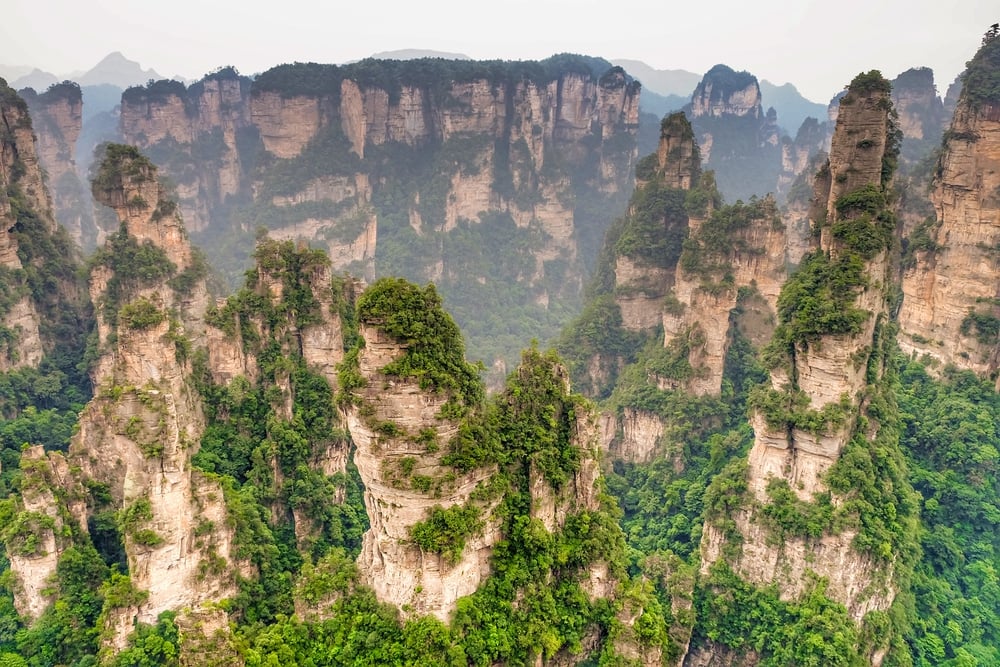
The towering sandstone pillars of Zhangjiajie National Forest Park in Hunan Province look like they defy gravity. Many of them rise hundreds of meters straight up from the valley floor, narrow at the base, topped with vegetation that spills over the edges.
When low clouds drift between the columns, photographs taken from above show only the tops of the pillars poking through the mist, completely disconnected from the ground below. The landscape directly inspired the floating mountains in the film Avatar, though the real version needs no enhancement.
Antelope Canyon
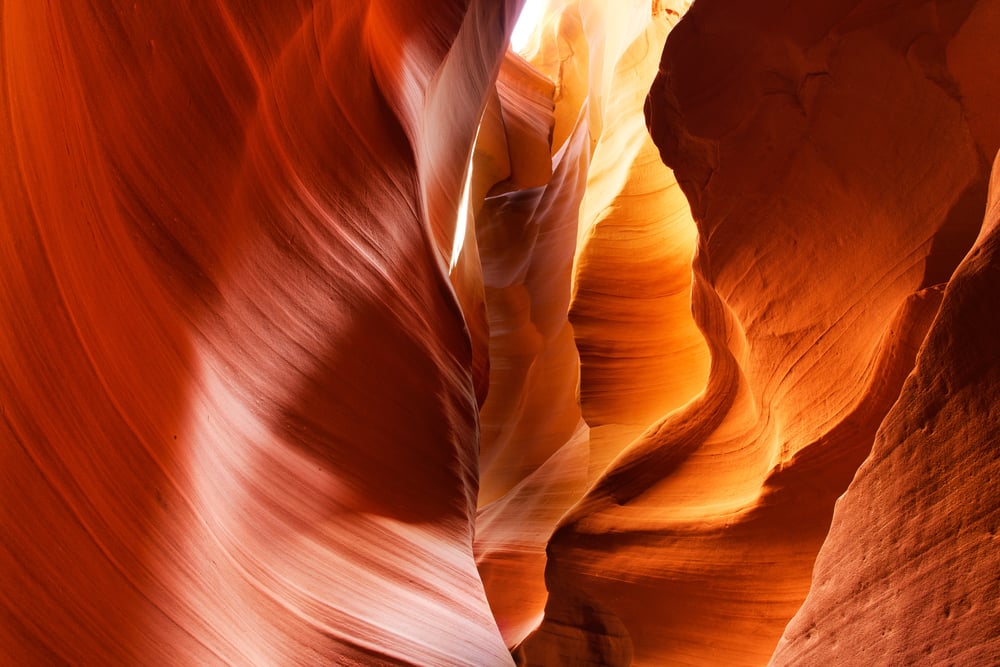
Upper and Lower Antelope Canyon sit on Navajo land near Page, Arizona. They’re slot canyons — narrow passages carved by flash floods through sandstone over millions of years.
The walls are smooth, curved, and layered in shades of orange, pink, and purple. Around midday, light shafts shoot down from the narrow opening at the top and illuminate the dust in the air, creating beams that look almost solid.
Photographs of these light beams have been sold for over a million dollars. The canyon itself is small enough that you could reach out and touch both walls at once in places — but the scale of what you’re looking at doesn’t fit that description at all.
The Great Blue Pit
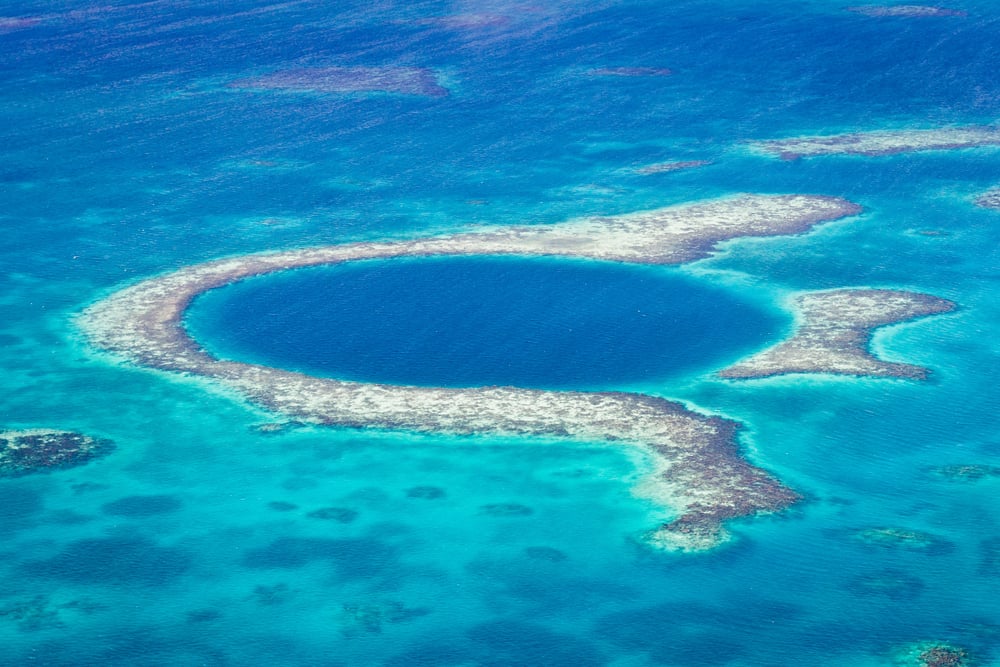
Off the coast of Belize, in the middle of the Caribbean Sea, there’s a near-perfect circle of deep blue surrounded by the paler turquoise of the reef. It’s 300 meters wide and 125 meters deep — an ancient limestone cave system that collapsed thousands of years ago when sea levels rose and flooded the area.
From the air, the color contrast is striking. From inside, divers describe entering a dark world where the bottom is invisible and stalactites hang from the walls like fossils from another era.
Jacques Cousteau ranked it among the top diving sites in the world.
Kawah Ijen’s Blue Fire
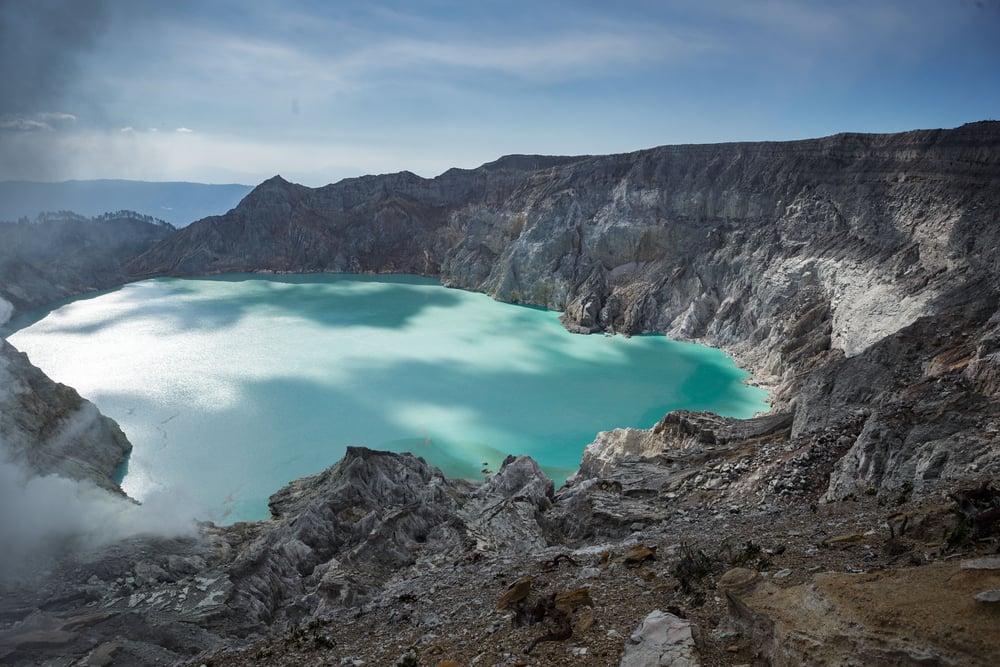
Molten rock usually glows red or orange when it bursts out of Earth. At Kawah Ijen, located in East Java, Indonesia, flames flicker in shades of blue instead.
Out of cracks in the crater burst burning sulfur fumes, lighting up suddenly once they meet open air. That flash creates a sharp blue blaze, fierce and bright.
When darkness falls, rivers of that cobalt glow creep slowly along the rock faces. Inside the haze, miners push forward with heavy baskets – each load tipping ninety kilos.
Through images, their figures move between flames and fog, almost unreal, as if stepping across a hidden planet.
Socotra Island Dragon Blood Trees
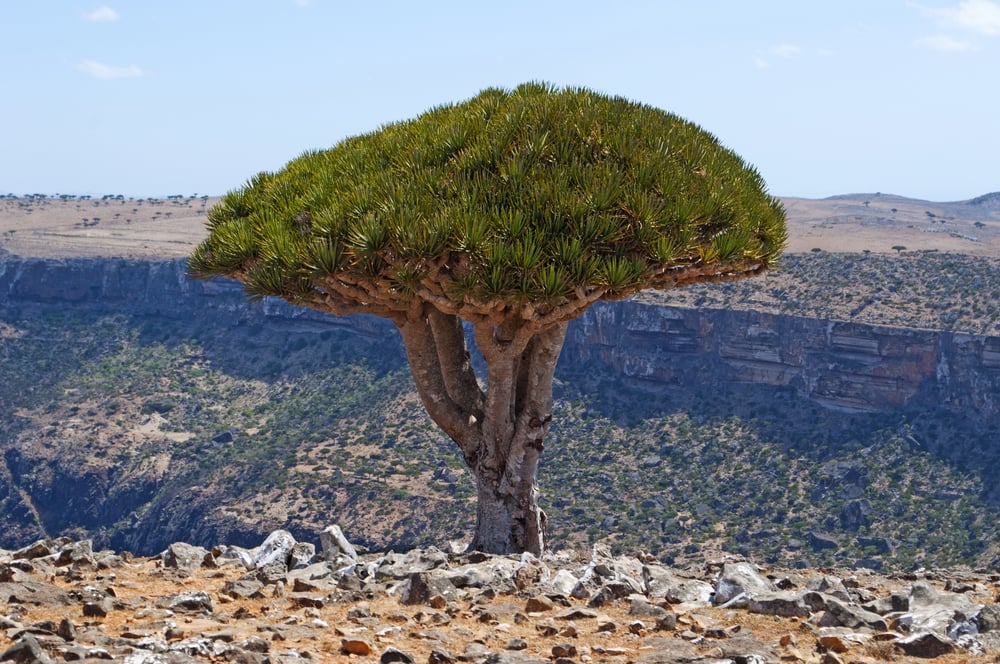
Home to strange shapes that seem like they belong on another planet, Socotra Island sits quietly in the Arabian Sea. One out of every three plants growing there cannot be found anywhere else across the globe.
The best known of these is the Dragon Blood Tree, standing tall with an unusual form. Its red sap has drawn curiosity for centuries, adding mystery without trying.
Overhead, these trees form wide crowns so thick they hide the light completely. A single straight stem rises below, bare except near the very top where limbs spread sideways.
Seen from high up, each one resembles a massive fungus rooted into the earth. Their juice runs deep red, coloring cloth and treating ailments since long before modern times began.
Mendenhall Ice Caves
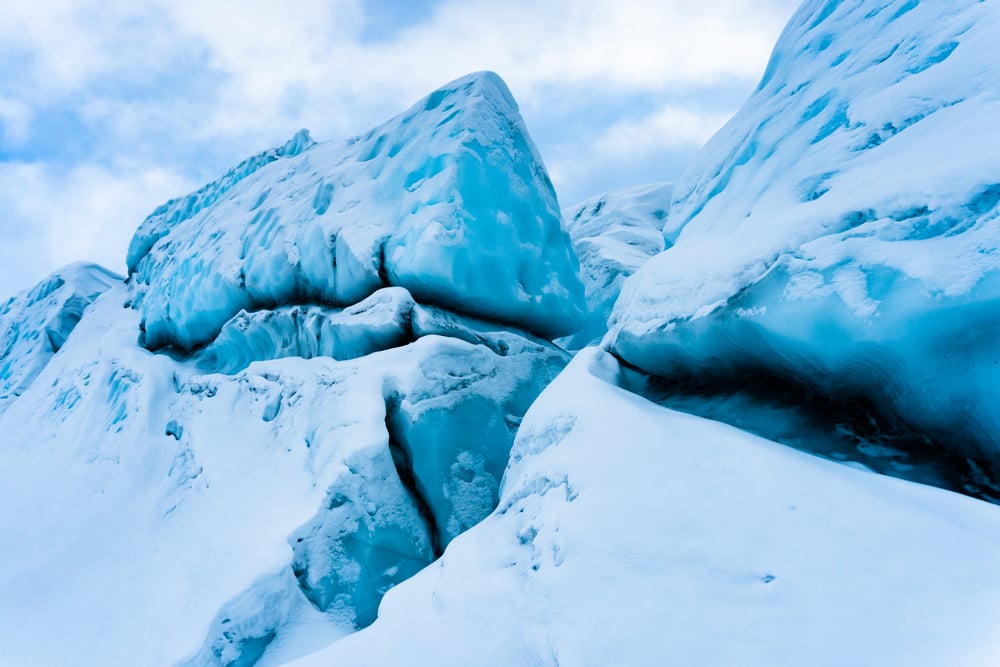
Meltwater tunnels through the heart of Medenhall Glacier near Juneau, Alaska, shaping hidden passages. Though the ice mass shrinks steadily, its core unveils ancient layers.
Blue light filters through centuries-old frozen water, exposed now by slow collapse. Each hollow forms as liquid cuts deeper, year after year.
Retreat gives way to fragile beauty beneath the surface.
Blue appears because ancient glacial ice handles sunlight in a unique way. As air pockets vanish under pressure through time, the ice packs tighter, making the hue richer, darker.
These icy hollows do not last forever – shifting forms give way to collapse while glaciers shrink slowly. Inside shots feel less like frozen spaces, more like floating deep beneath waves.
The Marble Caves Of Patagonia
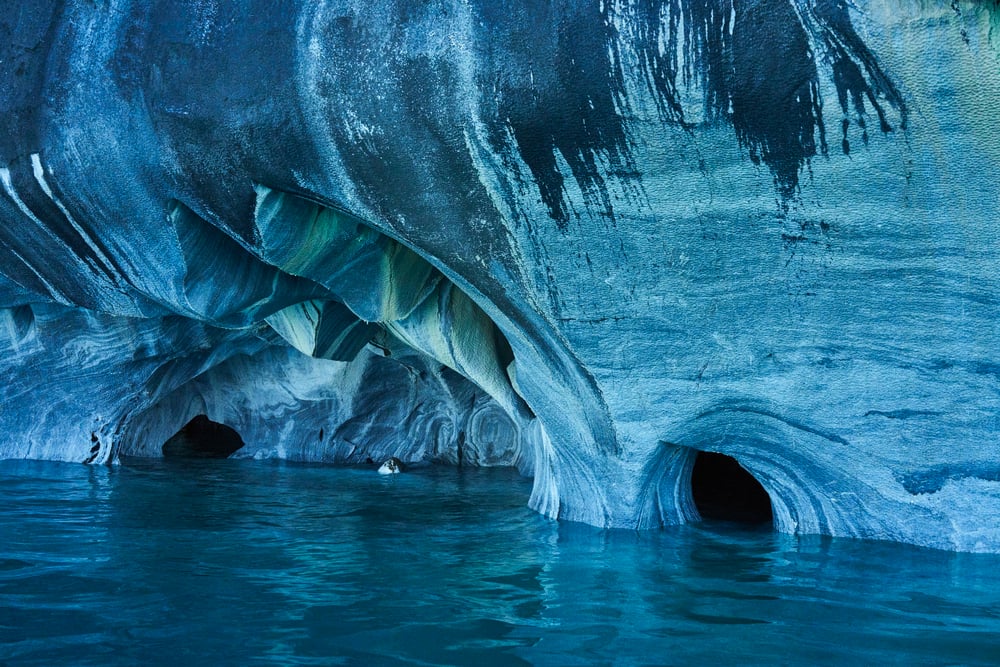
Right where Chile meets Argentina, Lake General Carrera holds strange stone shapes jutting up through the surface. Water has carved these rocks slowly across six millennia, forming gentle curves and hollows within them.
What gives the photos their dreamlike quality goes beyond form alone. Sunlight bounces across liquid turquoise, painting cave walls in shifting shades of blue and green – different at dawn than at dusk, unlike any winter glow.
Spring brings swollen streams from melting ice, amplifying how light dances inside. Reaching these spaces means riding narrow boats through quiet channels, adding to the sense they could never quite be real.
Still Out There Still Surprising
Still, pictures like these keep showing up. Even now, after satellites charted every coast, drones slipped through narrow cliffs, cameras sank to crushing depths – some shots make folks pause.
That can’t be real, they say. The planet has been seen from everywhere by this point.
Yet somehow certain frames hit differently. Sure.
Every bit. The world holding rush hour, office files, dull weekday dawns hold fire pits in Central Asia, rose-colored waters down under, and underground ceilings lit like stars in Aotearoa.
Pause right there. Let that stay.
More from Go2Tutors!

- The Romanov Crown Jewels and Their Tragic Fate
- 13 Historical Mysteries That Science Still Can’t Solve
- Famous Hoaxes That Fooled the World for Years
- 15 Child Stars with Tragic Adult Lives
- 16 Famous Jewelry Pieces in History
Like Go2Tutors’s content? Follow us on MSN.