16 Facts Of Smithsonian National Museum Visitors Don’t Know
The Smithsonian Institution draws millions of visitors each year, all eager to glimpse dinosaur bones, touch moon rocks, and snap photos of Dorothy’s ruby slippers. Most people leave feeling like they’ve seen it all — the highlights, the famous exhibits, the must-see attractions that every guidebook mentions.
But beneath the surface of America’s attic lies a world that tour groups never discover and gift shop receipts never reveal.
The Castle’s Hidden Crypt
James Smithson never set foot in America. The British scientist who left his fortune to create the Smithsonian died in Italy in 1829, decades before his institution opened.
His remains were moved to the Castle in 1904 and now rest in a small crypt that most visitors walk past without noticing. The ornate tomb sits just off the main corridor, behind a simple rope barrier.
Underground Tunnel System
A network of tunnels connects several Smithsonian buildings on the National Mall. Staff members use these passages to transport artifacts and move between museums without dealing with crowds or weather.
The tunnels also house mechanical systems and storage areas that keep the museums running. Visitors see polished galleries while an entire underground city hums beneath their feet.
The Spirit Collection
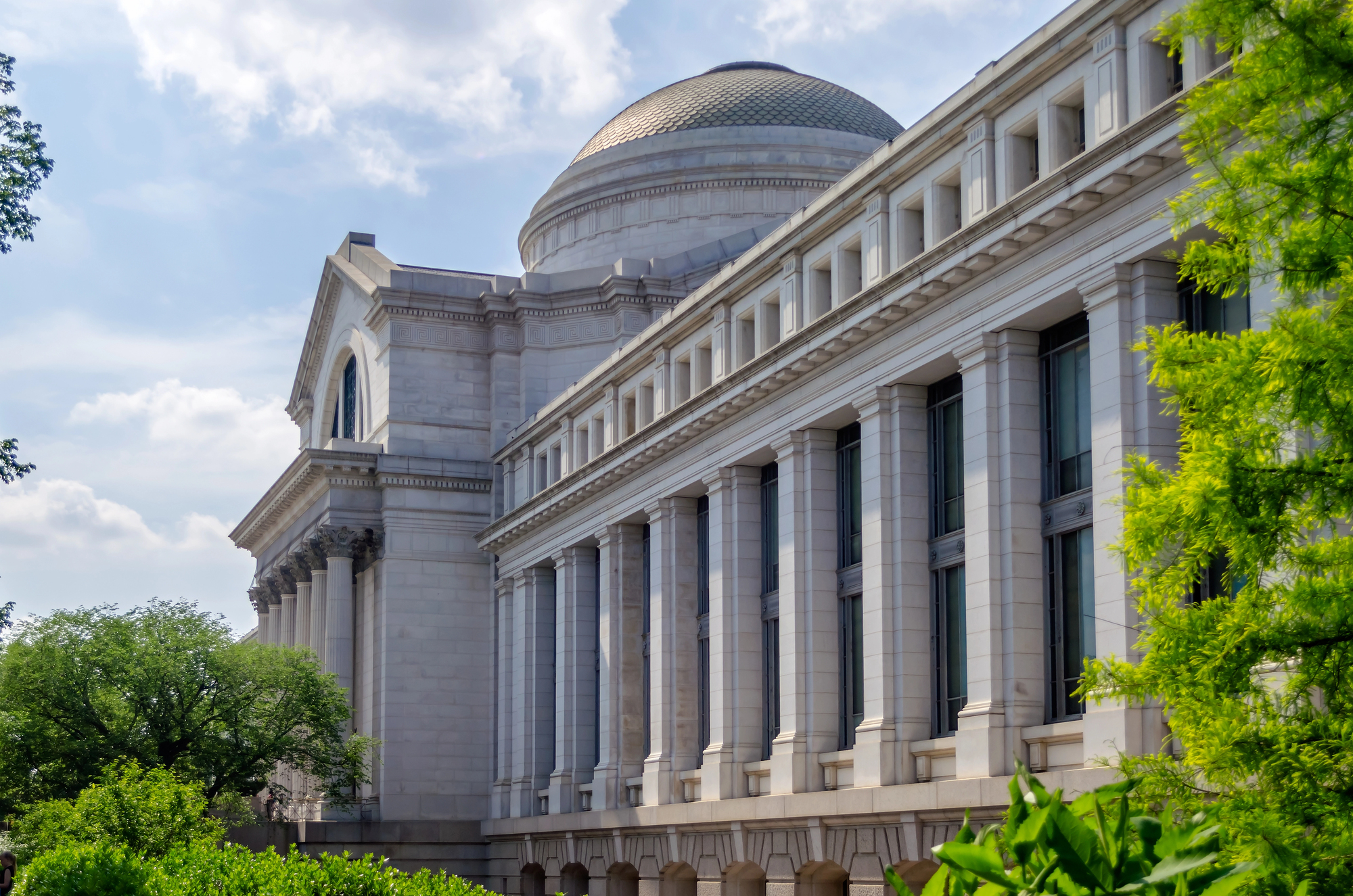
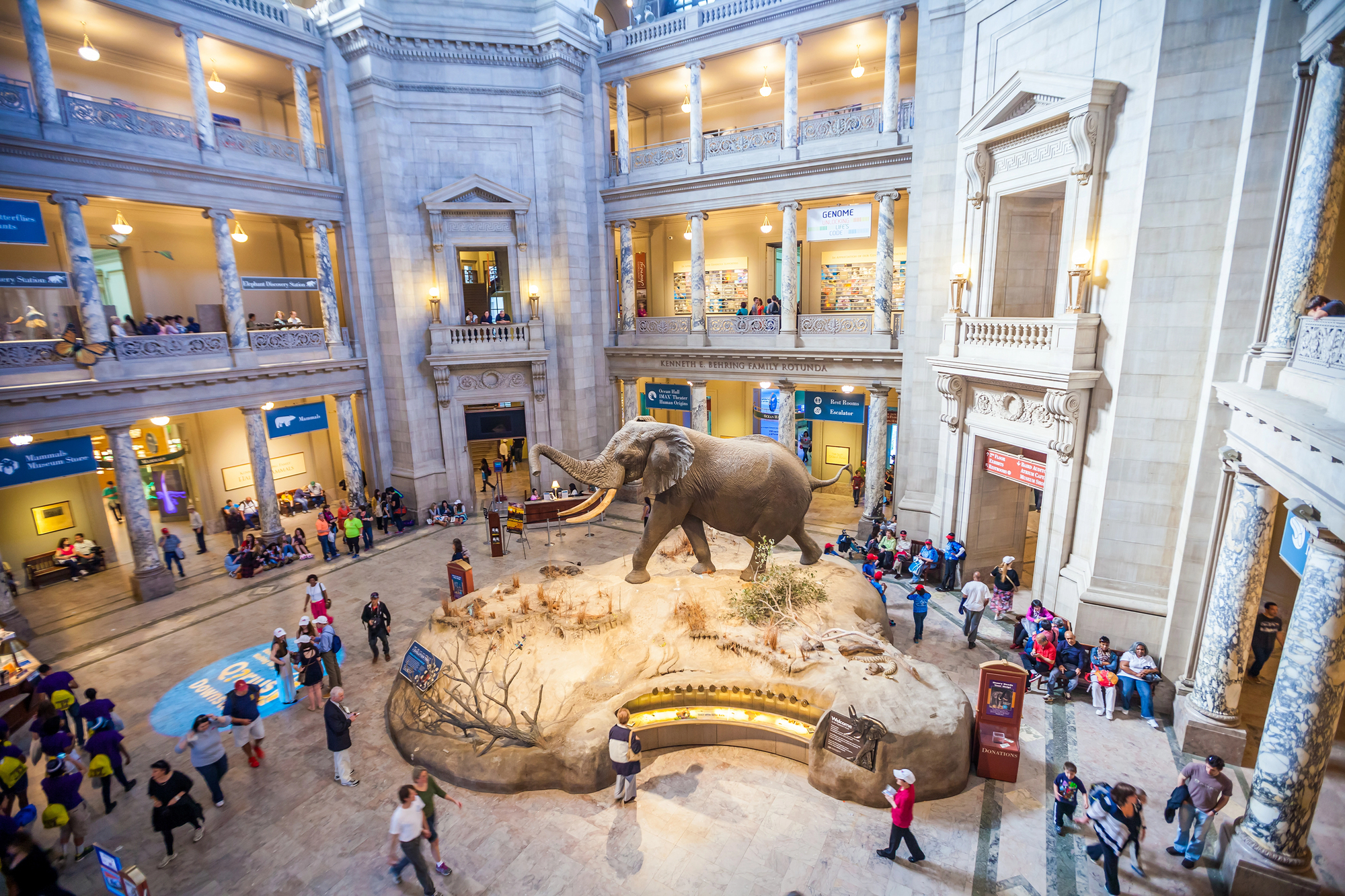
Most people think the Natural History Museum’s specimens are either fossilized or long dead, but that assumption (which feels reasonable enough when you’re staring at a T-Rex skeleton) misses something rather extraordinary: thousands of animals floating in jars of alcohol, their colors still vivid, their forms perfectly preserved. And not just fish or small creatures — there are entire sharks suspended in custom tanks, octopi with tentacles still flexible enough to move when the liquid shifts, and specimens collected by Darwin himself during the Beagle voyage.
The collection spans multiple floors and contains creatures so bizarre that they seem fictional, except they’re floating right there in front of anyone curious enough to venture into the research areas during special behind-the-scenes tours.
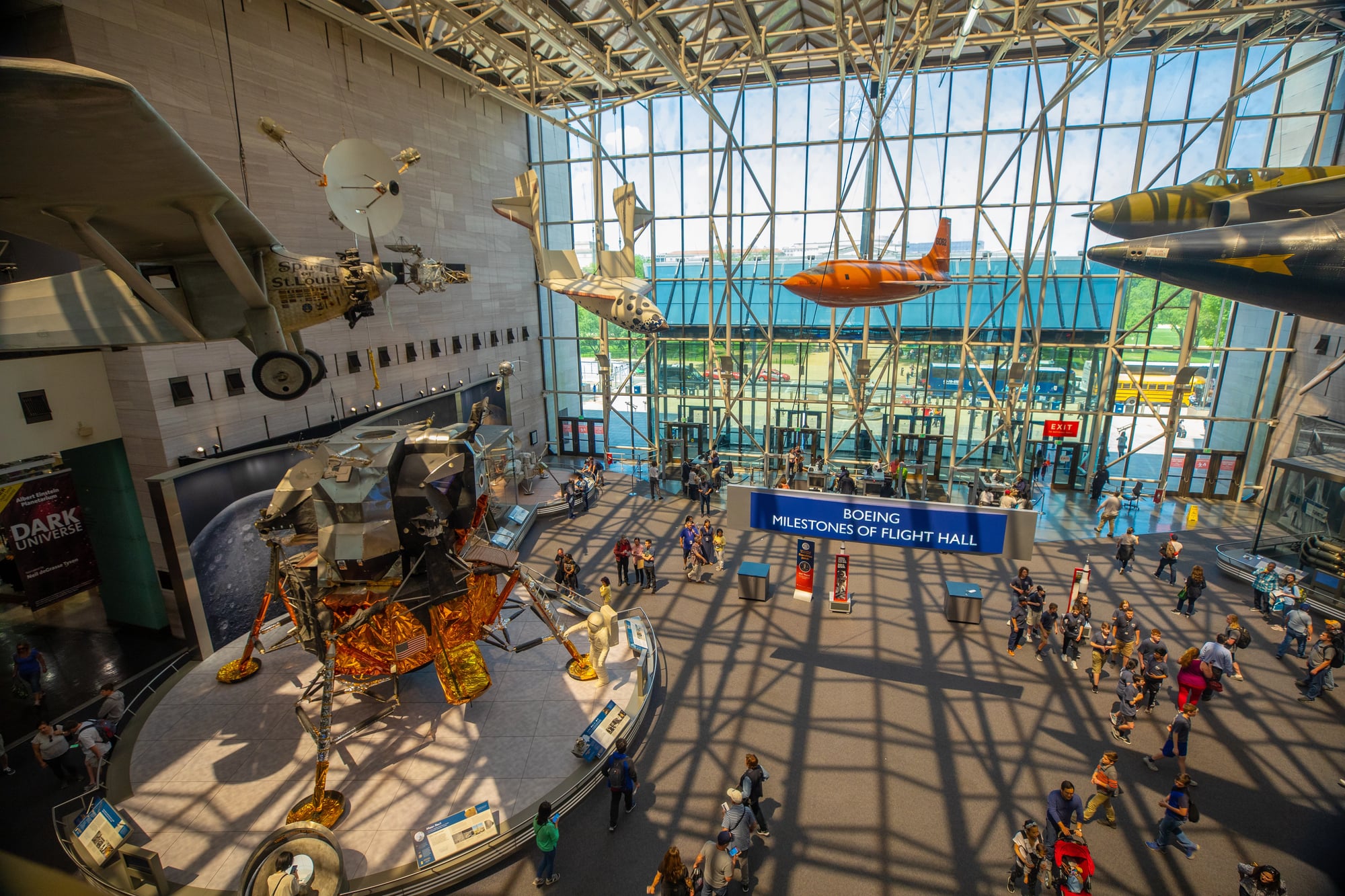
Air And Space Has Space Suits That Never Made It
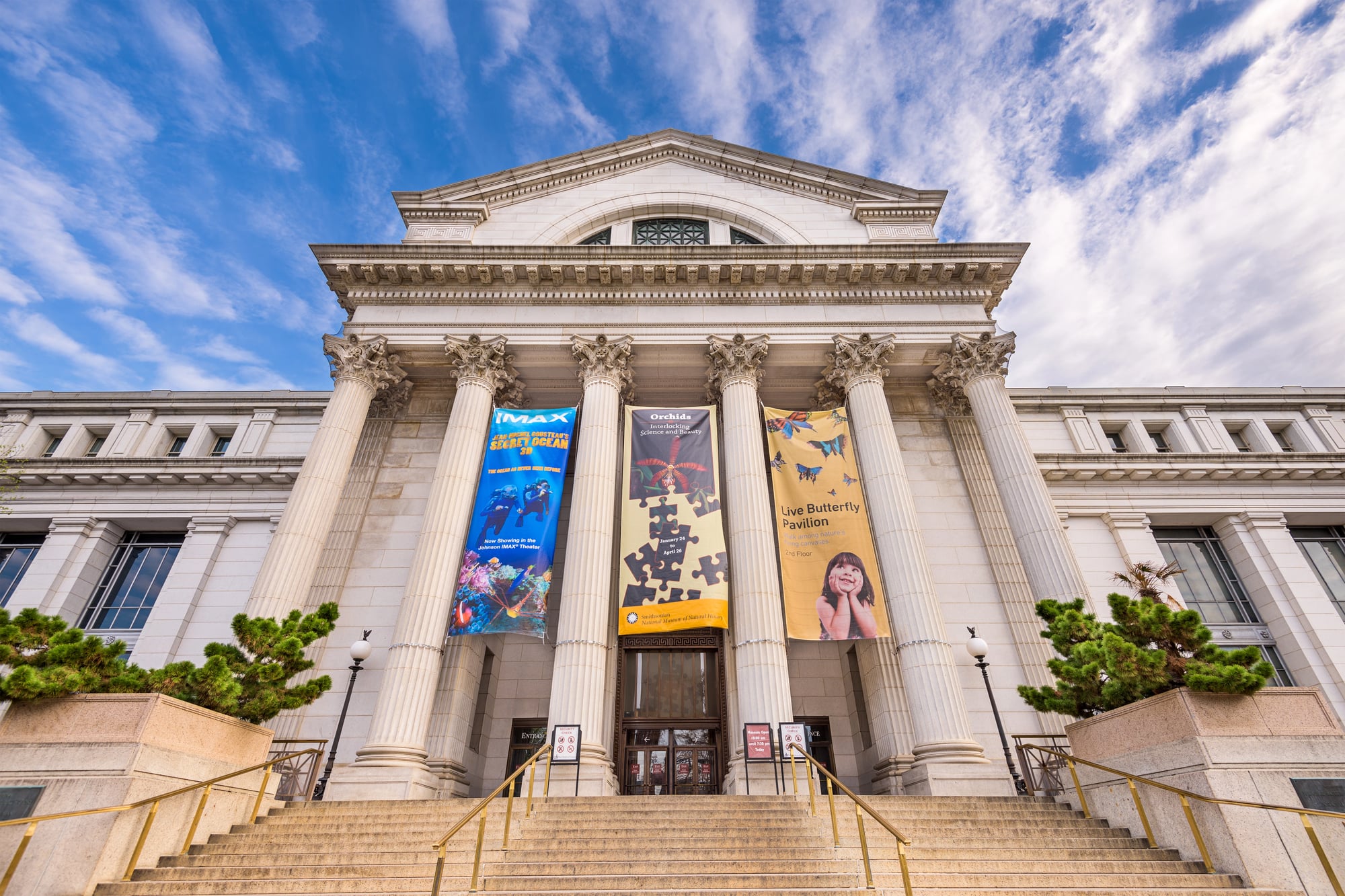
The National Air and Space Museum displays the heroes — suits worn by astronauts who walked on the moon and returned safely. The museum also owns prototype suits designed for missions that were canceled, astronauts who died before flying, and experimental designs that failed during testing.
These suits represent dreams that never launched and serve as reminders that every successful mission sits on top of dozens of failures.
The Lost Langley Aerodrome
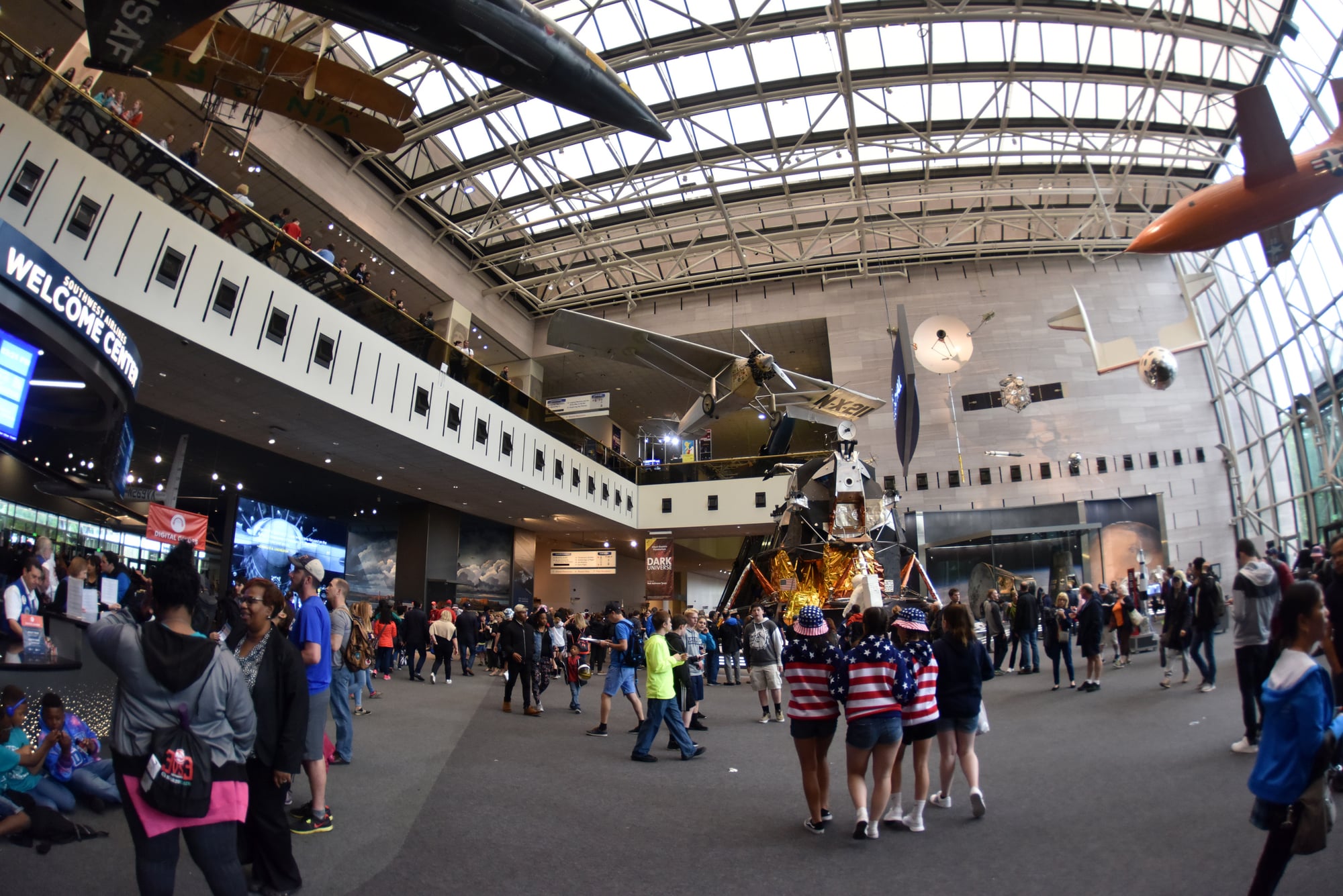
Before the Wright brothers achieved flight, Samuel Langley attempted to launch his Aerodrome from a houseboat on the Potomac River. The machine crashed twice in 1903, just weeks before Kitty Hawk.
Langley’s failure was so complete that the Smithsonian later tried to prove his design could have worked by secretly modifying it. The controversy raged for decades and damaged the institution’s reputation.
American History’s Fake Apple Cart
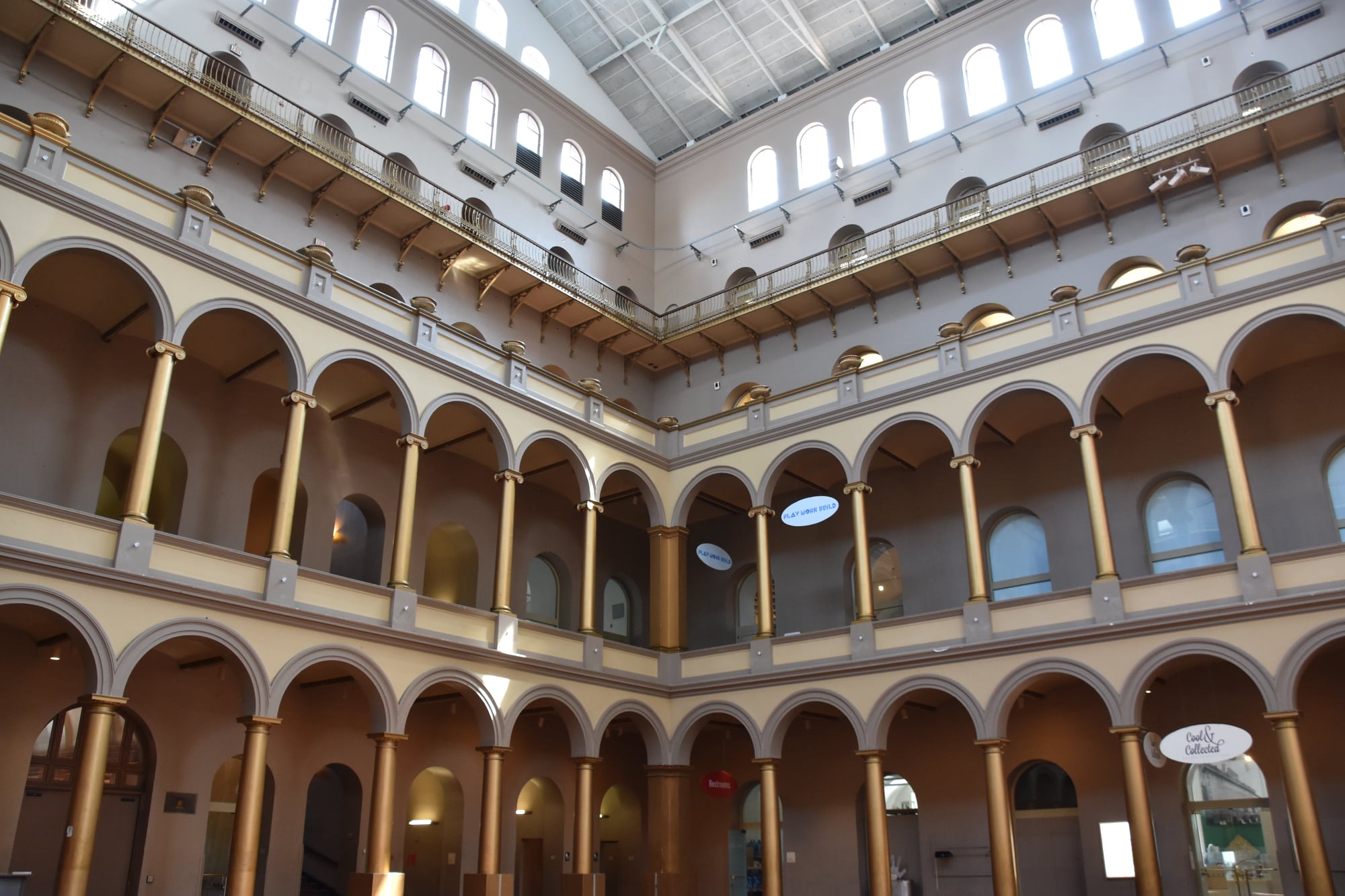
The phrase “don’t upset the apple cart” takes on new meaning when you discover that the rustic wooden cart displaying colonial-era apples in the American History Museum is actually a reproduction made in 1967. So is the “authentic” colonial kitchen, the rustic barn interior, and most of the period rooms that feel so convincingly old.
The museum discovered that actual historical environments rarely survive intact, so curators became skilled at creating historically accurate fakes that tell true stories through artificial means. Even the weathering on the wood beams follows patterns documented in 18th-century construction manuals.
And yet visitors consistently rate these reproduced environments as more “authentic” than actual period artifacts displayed in modern cases.
The Patent Office Fire Artifacts
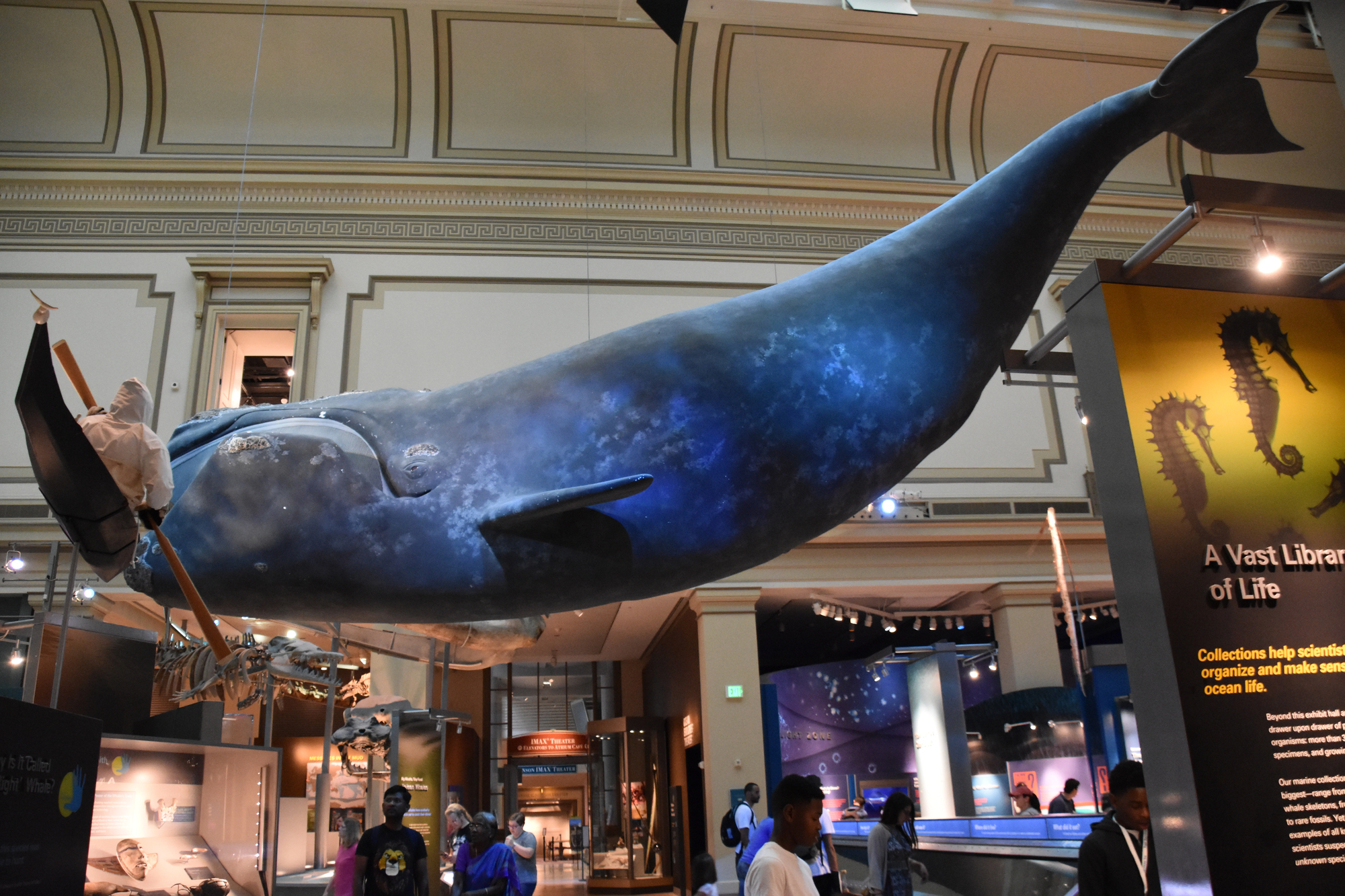
The Patent Office building, now the American Art Museum, suffered a major fire in 1877. Some artifacts on display still bear scorch marks from that fire, including several models of early American inventions.
The museum keeps these damaged pieces on display as a reminder that preservation is never guaranteed. Fire, flood, and human error remain constant threats to cultural heritage.
Hidden Eisenhower Bunker
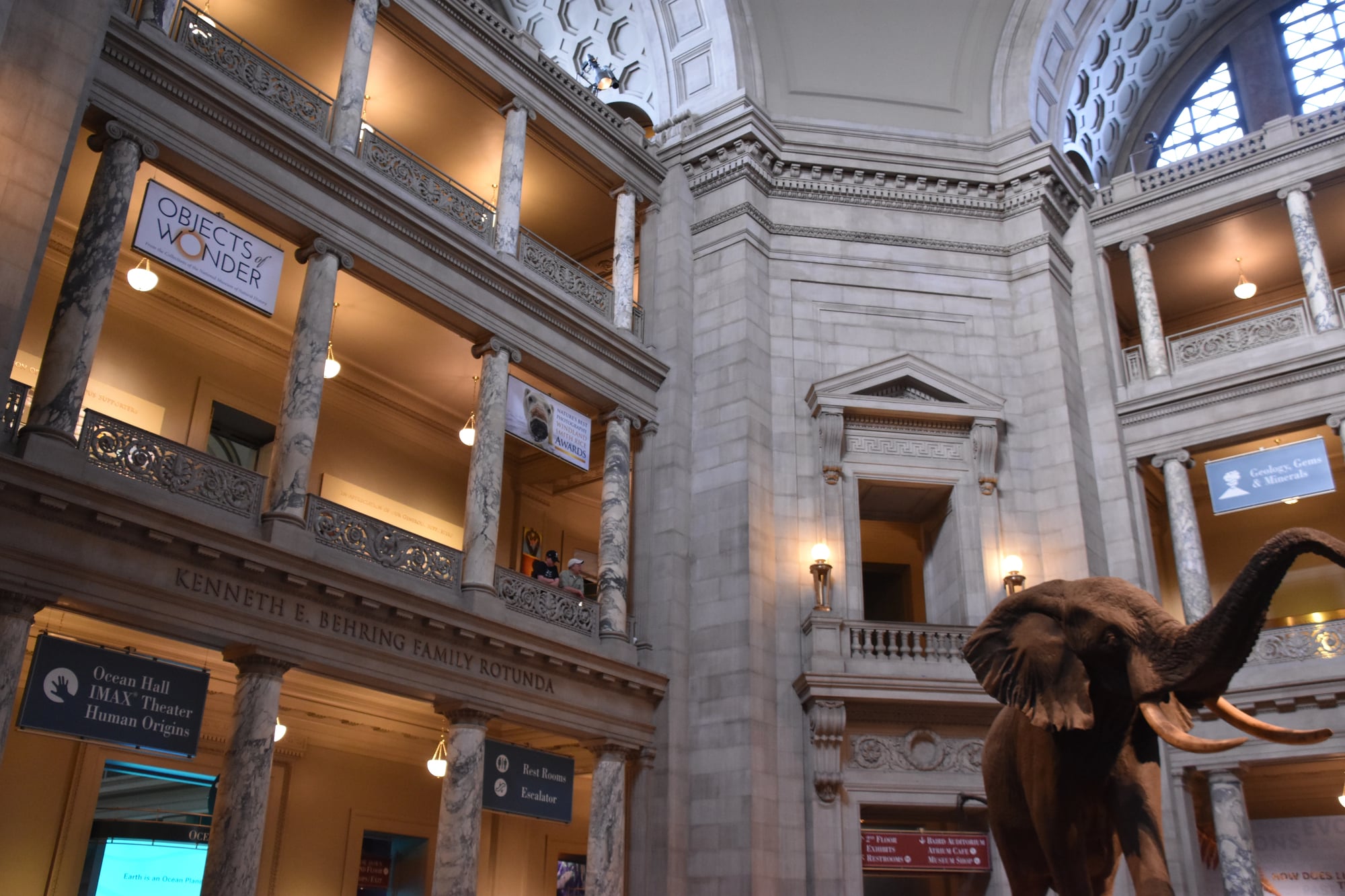
During the Cold War, a secret bunker was constructed beneath the Museum of Natural History to protect government officials during nuclear attack. The space was designed to house dozens of people for extended periods and included communication equipment, food storage, and sleeping quarters.
The bunker was decommissioned after the Cold War ended, but the empty rooms still exist beneath the dinosaur hall.
The Enola Gay Controversy Storage
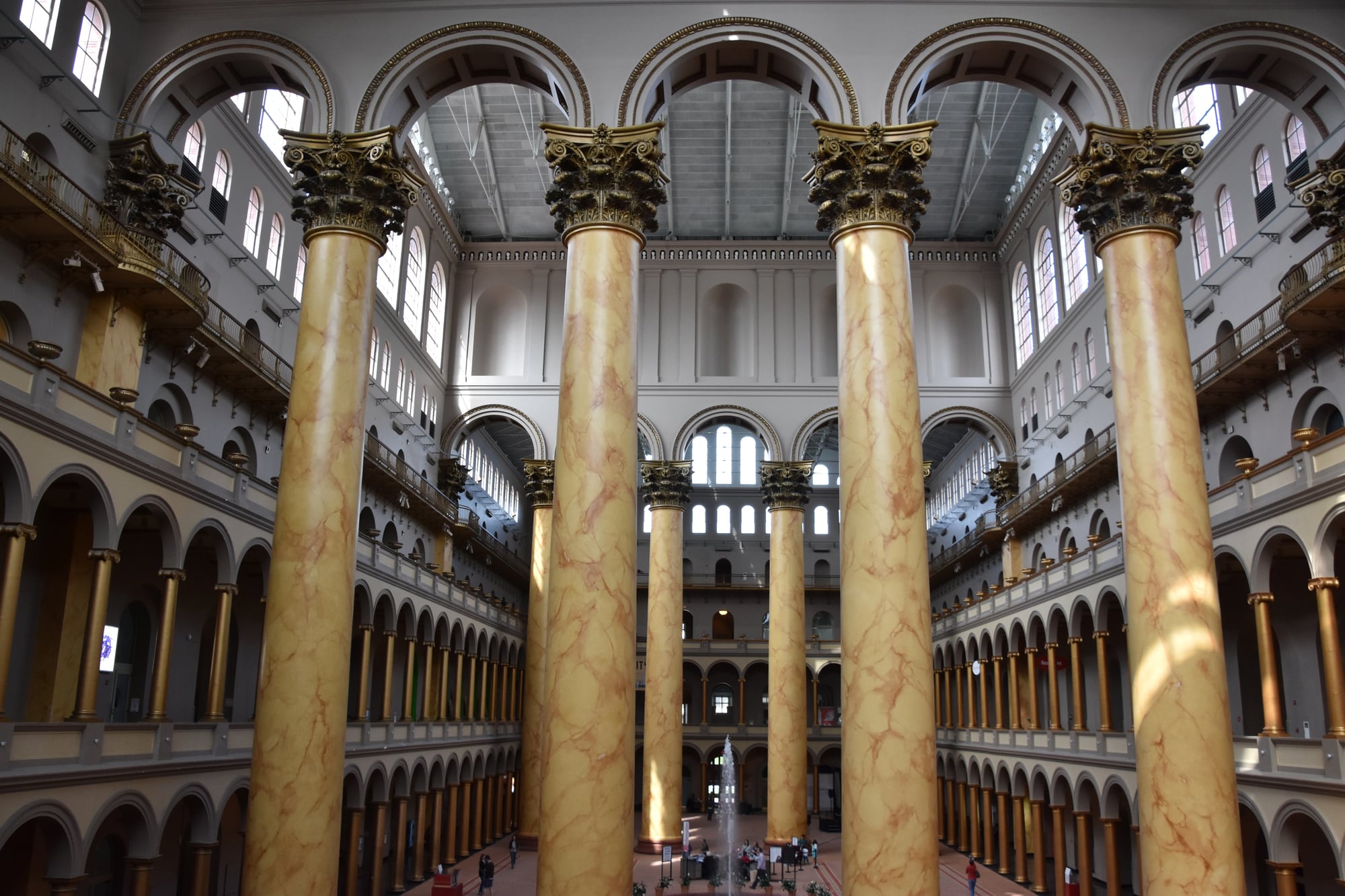
The Air and Space Museum’s display of the Enola Gay represents years of heated debate and multiple redesigns. Earlier versions of the exhibit included more graphic depictions of atomic bomb damage and stronger critiques of the decision to drop nuclear weapons.
Pressure from veterans groups and Congress forced curators to tone down the presentation. The museum still owns the controversial materials that were removed from the final display.
Specimen Jars In Every Building
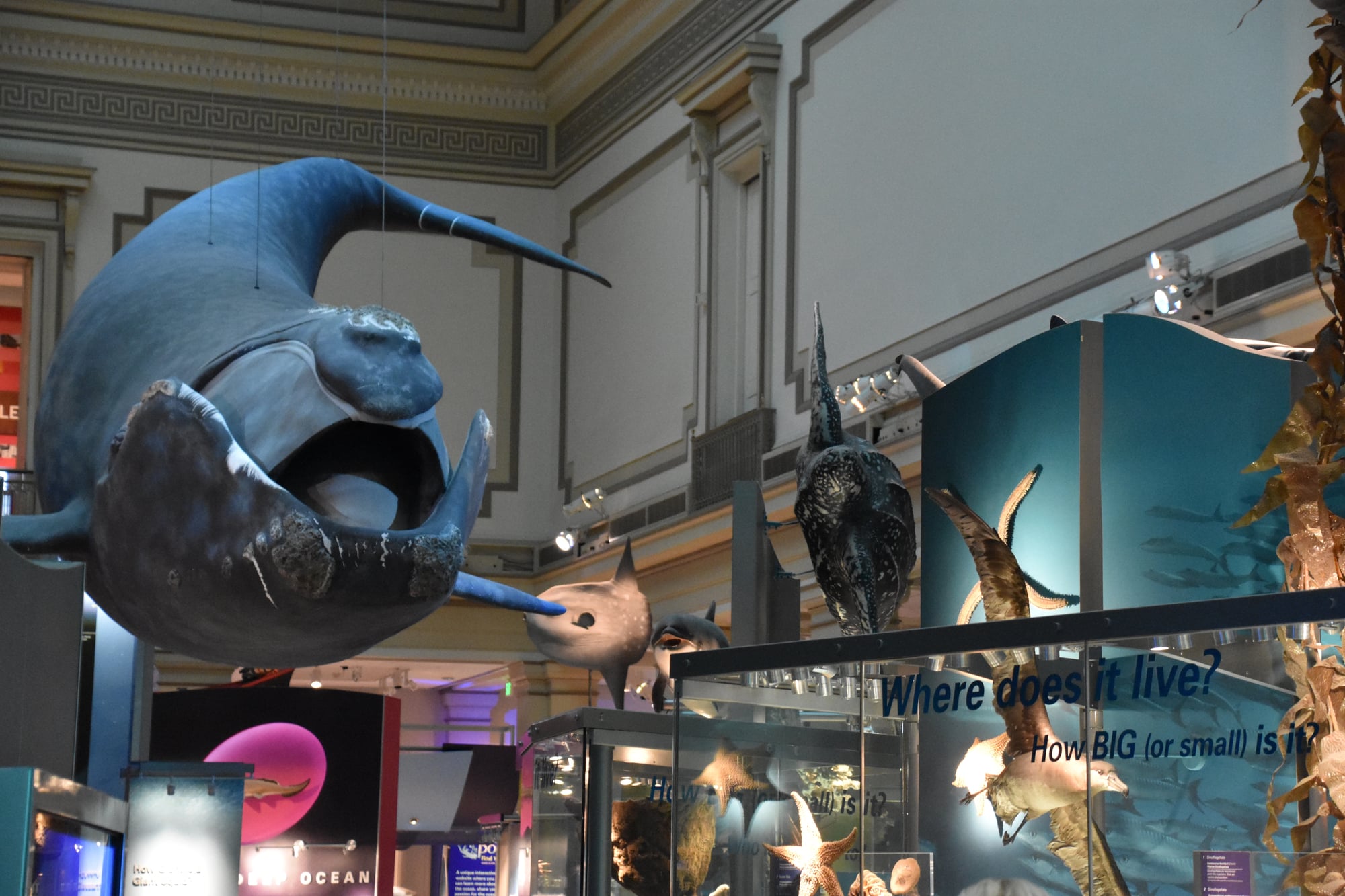
Walk into any Smithsonian building and you’re surrounded by specimens — not just the ones on display, but thousands more stored in offices, basements, and back rooms. Curators keep reference collections at their desks.
Maintenance workers share break rooms with pickled fish. The entire institution functions as a working laboratory where the boundaries between public museum and active research facility blur completely.
Dorothy’s Slippers Keep Fading
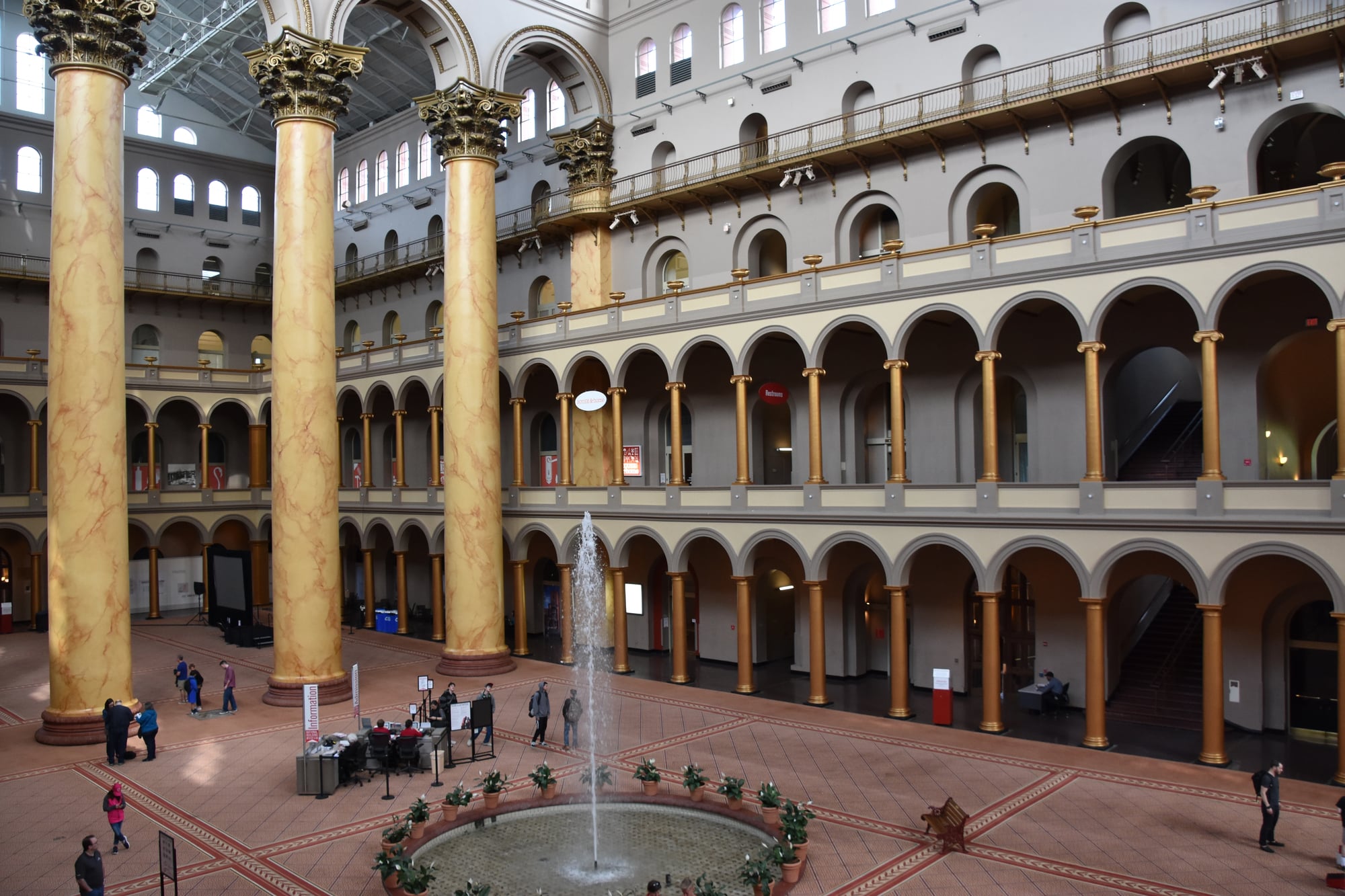
The ruby slippers from “The Wizard of Oz” are slowly losing their color under museum lights. The sequins that made them sparkle on screen are deteriorating faster than expected, and conservators constantly adjust lighting and temperature to slow the process.
The shoes that enchanted movie audiences are proving less magical when it comes to withstanding time. Visitors see them as timeless icons, but museum staff watch them fade a little more each year.
The Hope Diamond’s Cursed Mail
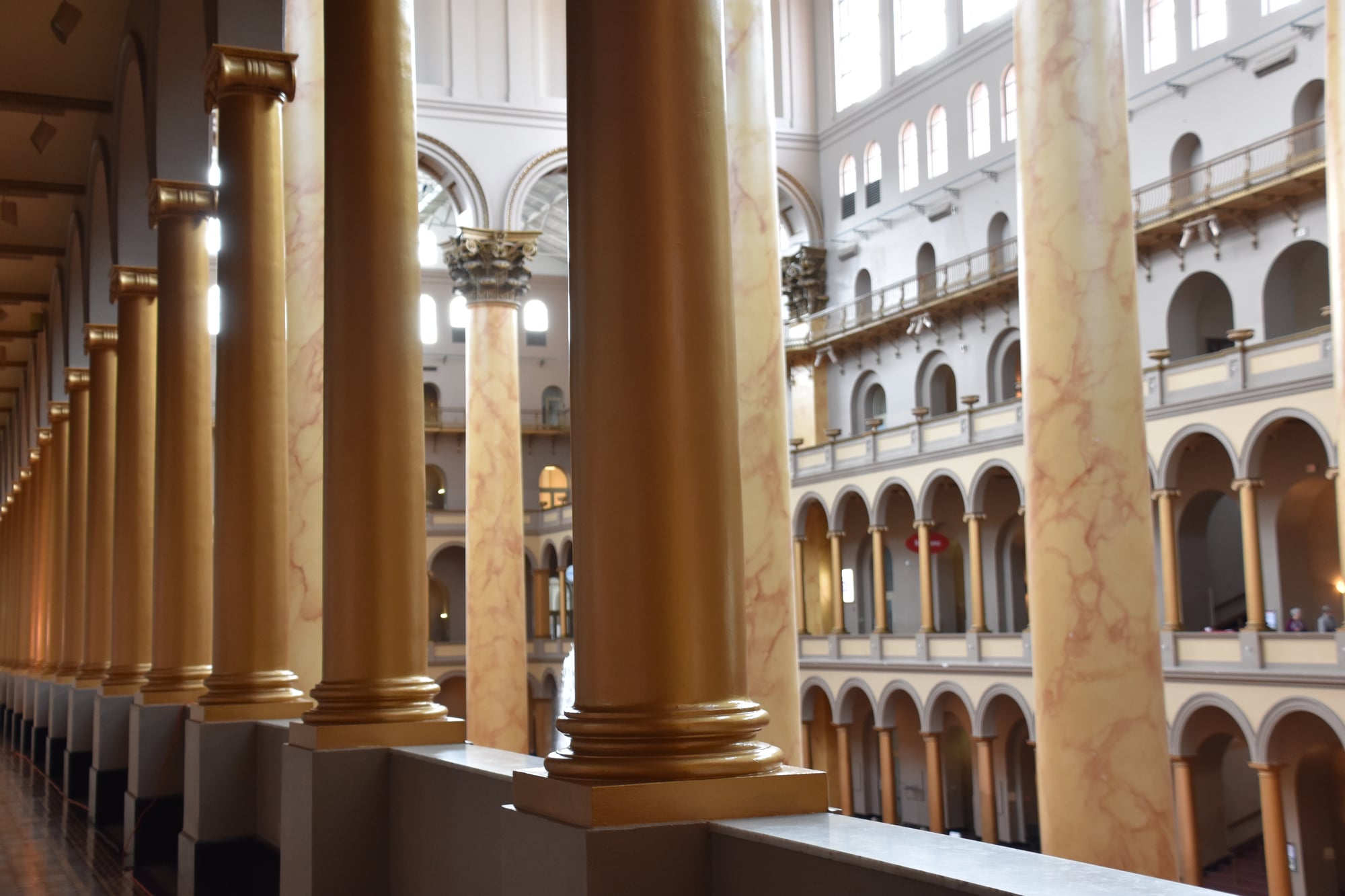
The Hope Diamond supposedly carries a curse that brings misfortune to anyone who owns it — which makes the fact that it arrived at the Smithsonian via regular mail rather amusing (and the postal worker who delivered it remained curse-free, though he did lose a leg in a truck accident years later, which believers in the curse find suspicious). The museum receives dozens of letters each year from people claiming the diamond has somehow affected their lives, despite never touching it.
But here’s what those letter writers don’t realize: the museum staff who handle the diamond daily, clean its case, and move it for special events have experienced the usual mix of life’s ups and downs — marriages, divorces, promotions, illnesses — that suggest either the curse is remarkably mundane or it doesn’t exist. And yet the legend persists because people want to believe that something so beautiful must come with a price.
Forgotten Presidential Artifacts
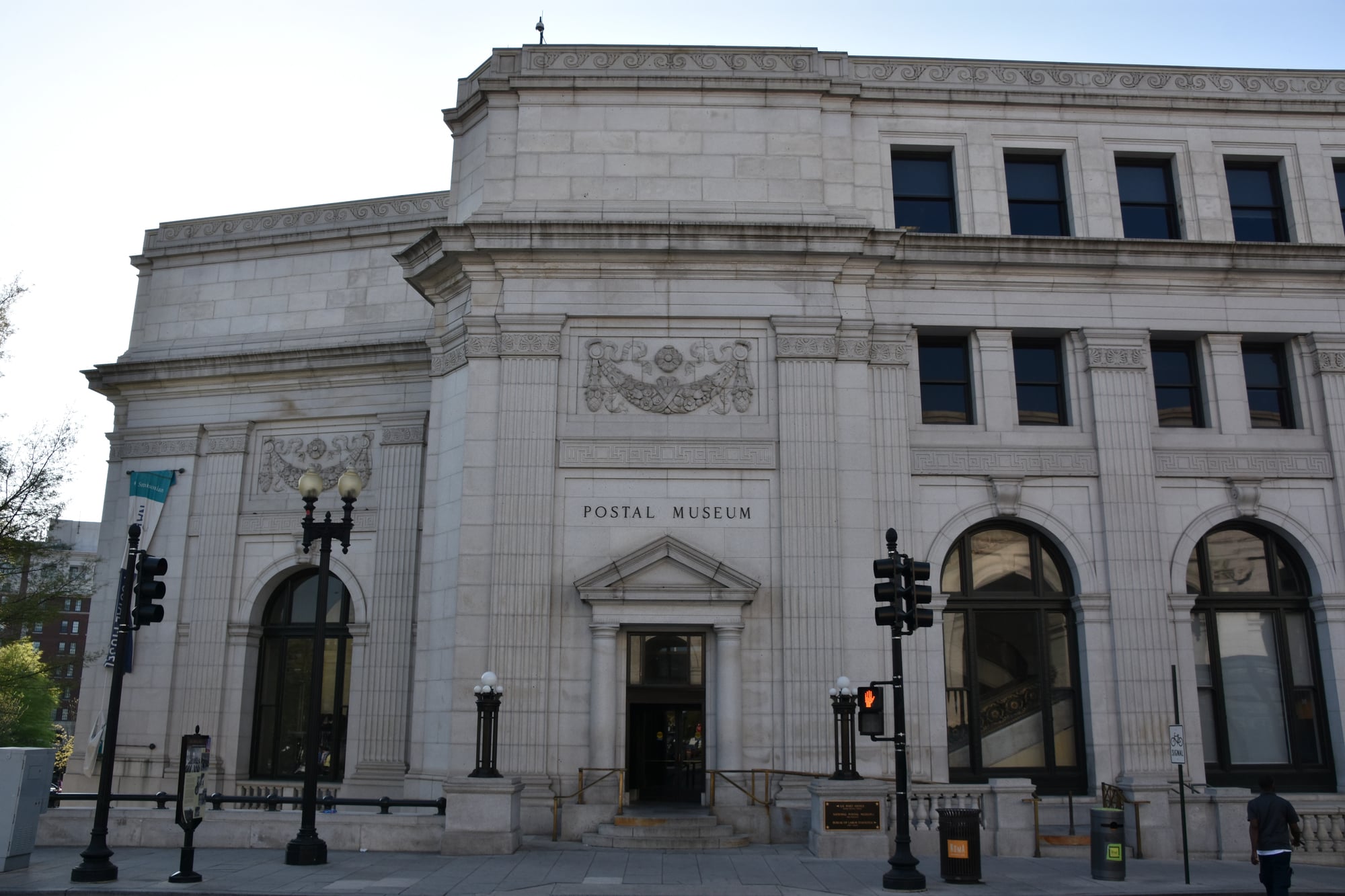
The American History Museum owns thousands of presidential artifacts that never make it into the main exhibition. This includes clothing, personal letters, and household items from nearly every president.
The collection contains everything from Lincoln’s other hats to Reagan’s jelly bean collection. Most presidential families donate far more items than the museum can display, creating vast storage areas filled with the intimate details of American leadership.
The Castle’s Mysterious Tower Room
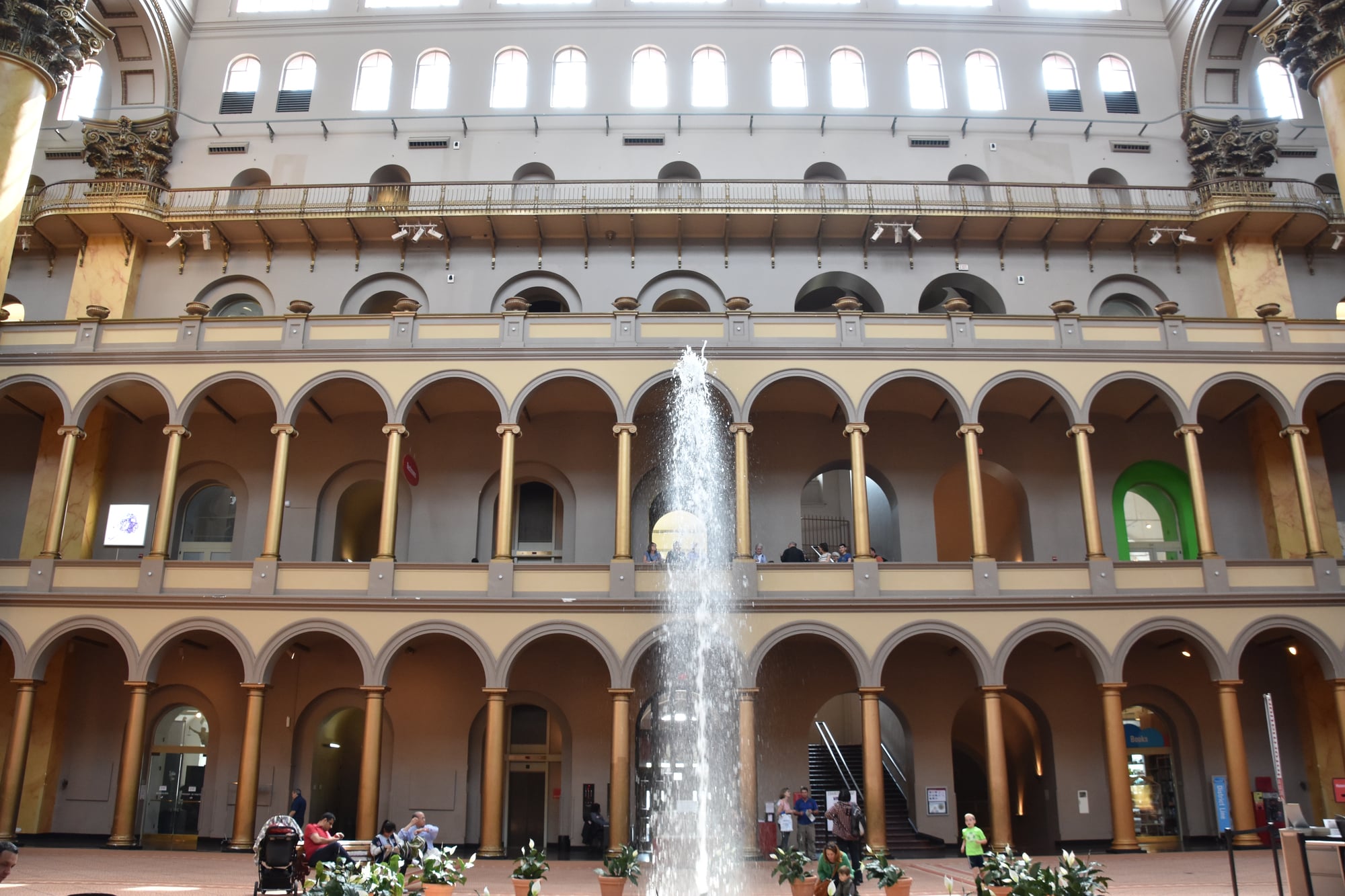
The highest tower in the Smithsonian Castle contains a small room that served various purposes over the decades — from storage space to makeshift office to emergency shelter during World War II. The room offers one of the best views of the National Mall but remains off-limits to visitors.
A few staff members have keys, but most employees work their entire careers without ever climbing to the tower.
Missing Moon Rocks
Several moon rocks in the National Air and Space Museum are not actually from the moon. Display cases contain terrestrial substitutes while the real lunar samples remain locked in climate-controlled vaults.
The museum made this switch after discovering that even minimal exposure to museum lighting and temperature fluctuations could damage these irreplaceable specimens. Visitors admire impressive rocks that traveled no further than a geology lab in Virginia.
The Institution’s Secret Budget
The Smithsonian’s federal funding covers only about 60% of its operating costs. The remaining money comes from private donations, corporate sponsorships, and revenue from gift shops and food services.
This means that every museum visitor who buys a t-shirt or overpriced sandwich is directly funding the preservation of American history. The hot dog outside the Natural History Museum contributes more to keeping the lights on than most people realize.
What Remains Hidden
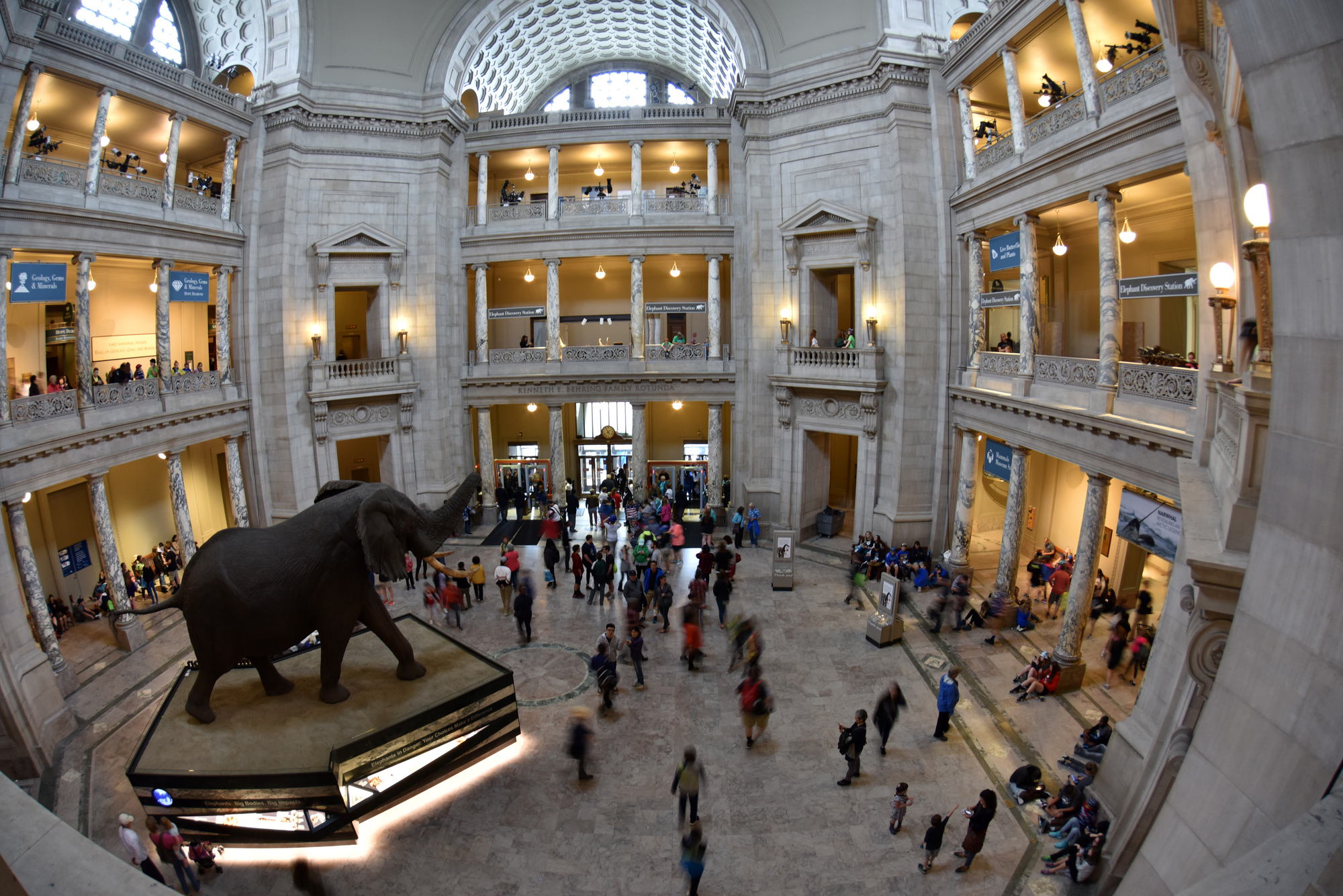
Every visitor leaves the Smithsonian having seen a carefully curated version of American history and human achievement. The real institution — with its storage rooms full of uncatalogued artifacts, its ongoing debates about what stories to tell, and its daily work of preserving culture for future generations — remains largely invisible.
Perhaps that’s exactly as it should be, allowing the magic of discovery to coexist with the practical work of keeping the past alive for tomorrow’s visitors.
More from Go2Tutors!

- The Romanov Crown Jewels and Their Tragic Fate
- 13 Historical Mysteries That Science Still Can’t Solve
- Famous Hoaxes That Fooled the World for Years
- 15 Child Stars with Tragic Adult Lives
- 16 Famous Jewelry Pieces in History
Like Go2Tutors’s content? Follow us on MSN.