Board Games That Ruined Friendships and Caused Arguments at Family Game Night
The claim that board games bring people together is technically true in the same way that a courtroom brings people together: they all end up in the same room, at least until someone walks out. Surveys suggest that 57 percent of board game players have argued with someone during a game, and 30 percent have damaged or destroyed a board game out of frustration.
This is not a failure of the games. It is arguably their most effective feature.
A game that produces no conflict, no negotiation, and no moments where a friend’s true nature is revealed is a game nobody talks about the following Monday.
The following games are famous for precisely the kind of arguments they generate, which is either a warning or a recommendation depending on your relationship with your guests.
Monopoly

Monopoly is the most-argued-over board game in recorded survey history, with 37.4 percent of respondents in one study naming it as the game most likely to produce a screaming match. The reasons are well documented: the winner is often obvious within the first hour of a game that takes three to four hours to conclude, players who go bankrupt have nothing to do but watch the others trade and improve properties, and the accumulation of wealth creates a dynamic in which the leading player has the option to be merciful or merciless and the game rewards the merciless.
The house rules situation makes it worse — most families play with variants that are not in the official rulebook (free parking jackpots, collecting money on Go), which means every game night risks a rules dispute before anyone has bought anything.
Risk

Risk is Monopoly’s longer, more internationally minded cousin, and it shares the core problem: the game does not end when it should. A player who secures Australia early and builds outward can become unkillable well before the other players have been eliminated, and those who are eliminated have to sit there while the conclusion plays out.
The dice component means that a tactically superior position can be destroyed by a sequence of bad rolls, which combines the frustration of being outplayed with the frustration of being victimized by probability. Risk games started in good faith have been known to continue for days, which is not a feature.
The Settlers of Catan
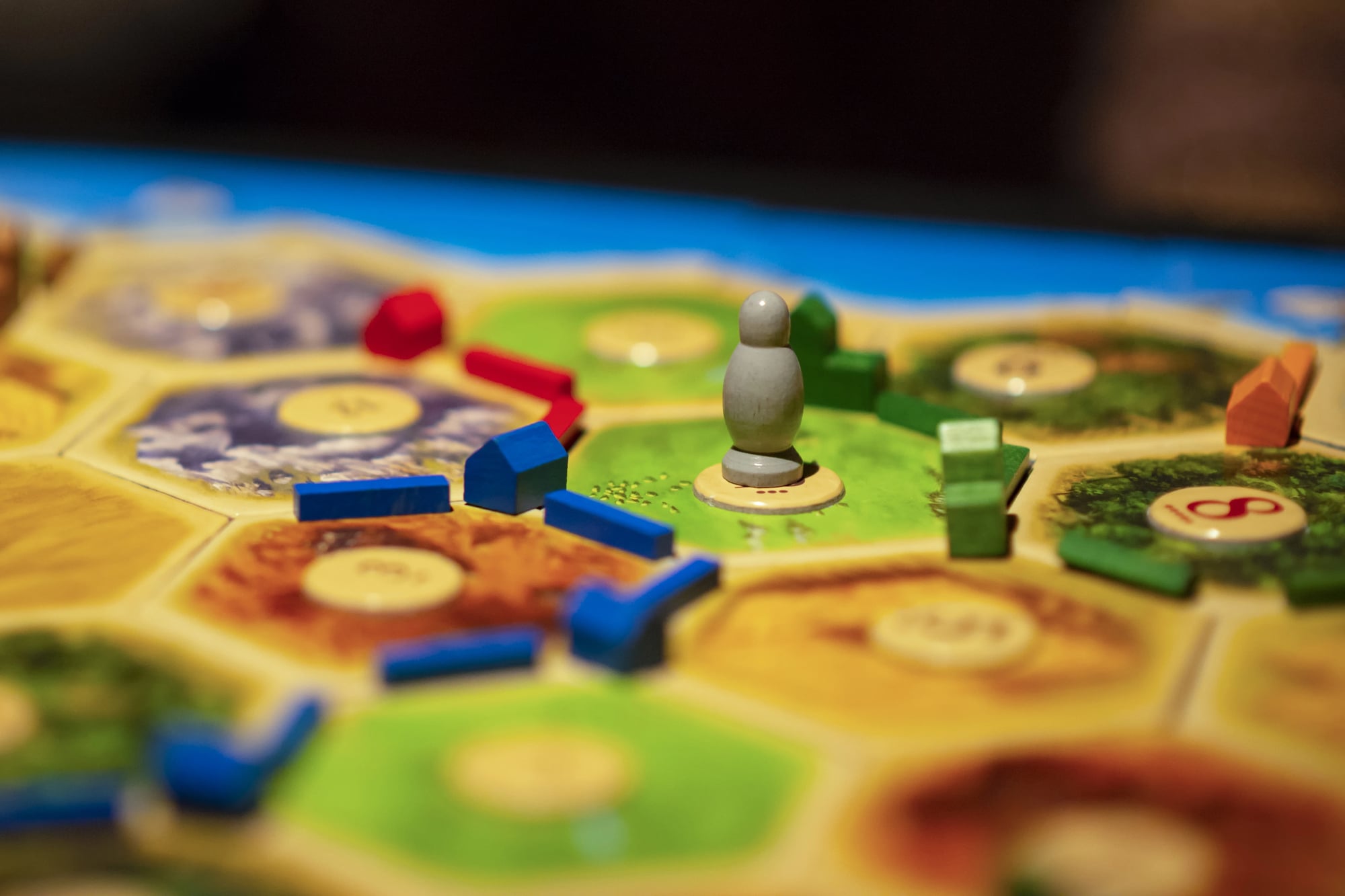
Released in 1995, Catan is credited with launching the modern board game renaissance, and it is also responsible for a generation of arguments about whether trading is being conducted fairly. The game requires players to trade resources to build the settlements and cities needed to win, which means that refusing to trade with the leading player — or trading with them anyway because you need their sheep — is a consistent source of interpersonal tension.
The Robber, a game piece that allows a player to steal resources from whoever is ahead, is the most concentrated grievance delivery mechanism in modern board gaming.
Sorry!

The name makes the conflict structural. Sorry! requires players to advance their pawns around a board while using Sorry! cards to knock opponents’ pieces back to start — and to apologize for doing so.
The apology is, of course, insincere, which is why the game named it honestly. The luck-based nature of the card draw means that players have almost no agency over whether they send a piece back to start; they simply must.
This produces a specific type of frustration in which the victim cannot rationally blame the aggressor but does anyway, which is ideal conditions for a table argument that goes on longer than the game.
Scrabble
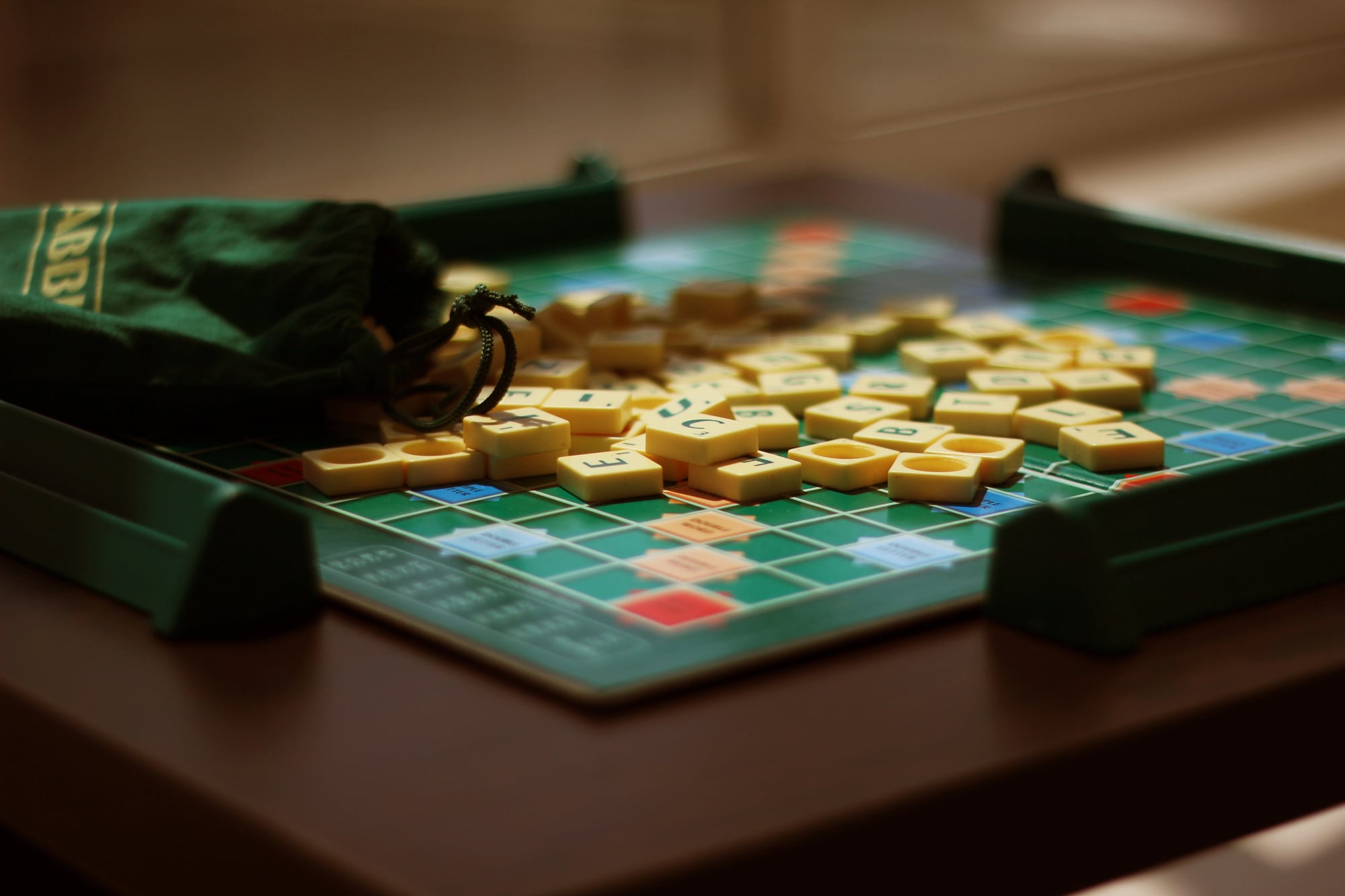
Scrabble arguments are arguments about words, which means they are arguments about what exists and what does not, which are the most contentious kind. The usual disputes involve whether a word is actually a word, whether proper nouns are permitted under this particular table’s rules, whether “qi” and “za” and other two-letter scoring words are acceptable or constitute cheating, and whether the person using them is genuinely a skilled Scrabble player or simply has memorized a list.
The dictionary is supposed to resolve these disputes; it does not, because the disagreement is not about the dictionary entry but about the spirit of the thing.
Diplomacy

Diplomacy was released in 1959 and was so conscious of its friendship-ending reputation that the manufacturer released T-shirts reading “Destroying Friendships Since 1959.” The game requires players to choose one of seven European powers, negotiate alliances verbally with no binding mechanism, and then simultaneously reveal their moves — which means that every commitment made in negotiation can be betrayed at the moment of execution.
There are no dice. The entire game is negotiation and betrayal, and because the game is entirely verbal and entirely about trust, the betrayals feel personal in a way that losing in Monopoly does not.
Taboo
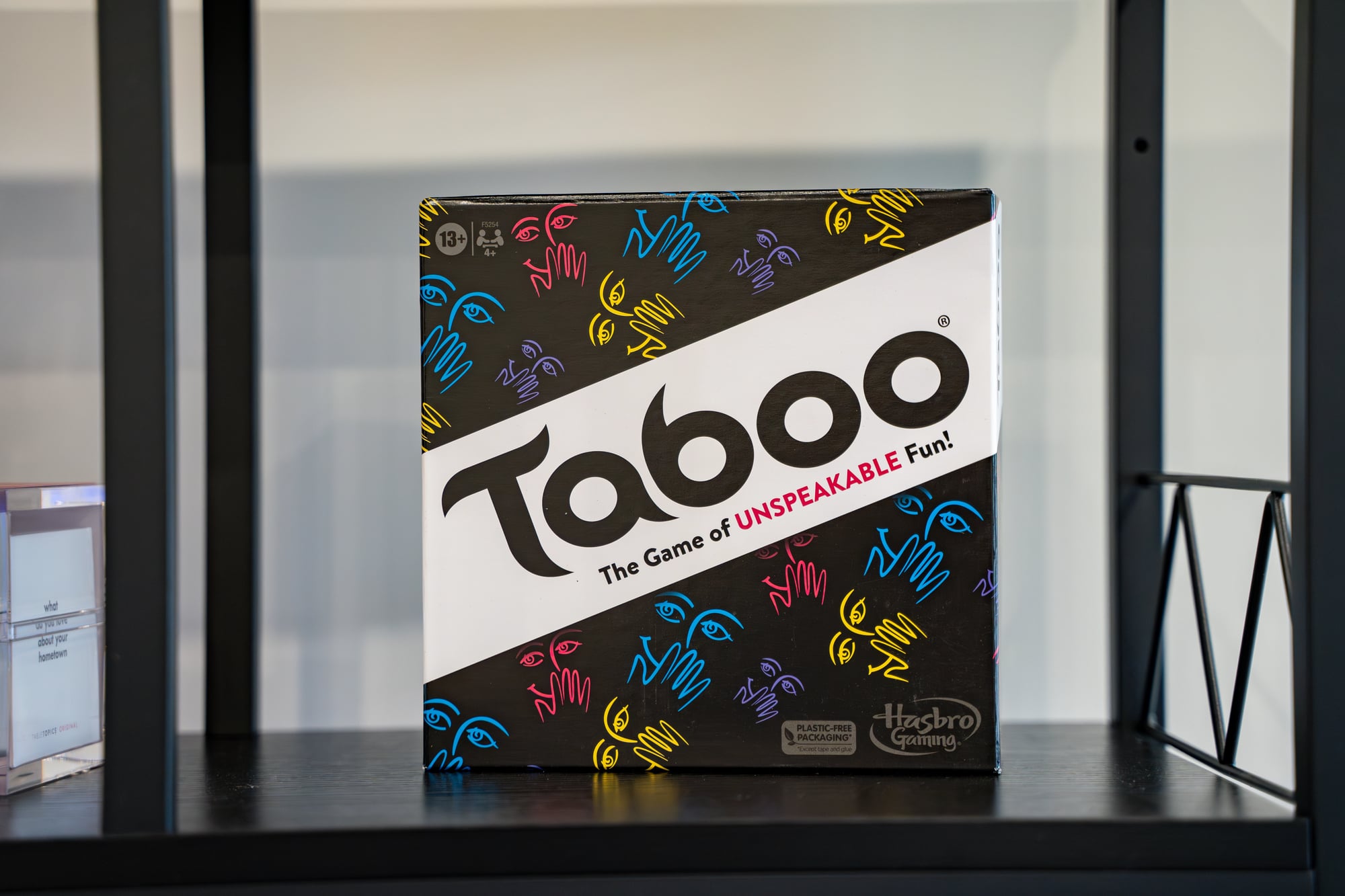
Taboo, in which one player attempts to get their team to say a specific word without using the five most obvious clue words, produces arguments primarily about two things: whether the giver accidentally said a forbidden word, and whether the sound the timer makes constitutes the round ending before or after the final correct answer. Both types of dispute are impossible to resolve objectively, which is what makes them so durable as arguments.
The competitive team format guarantees that the opposing team has a direct financial interest in ruling against the giver, which gives the dispute a structural inevitability.
Pictionary
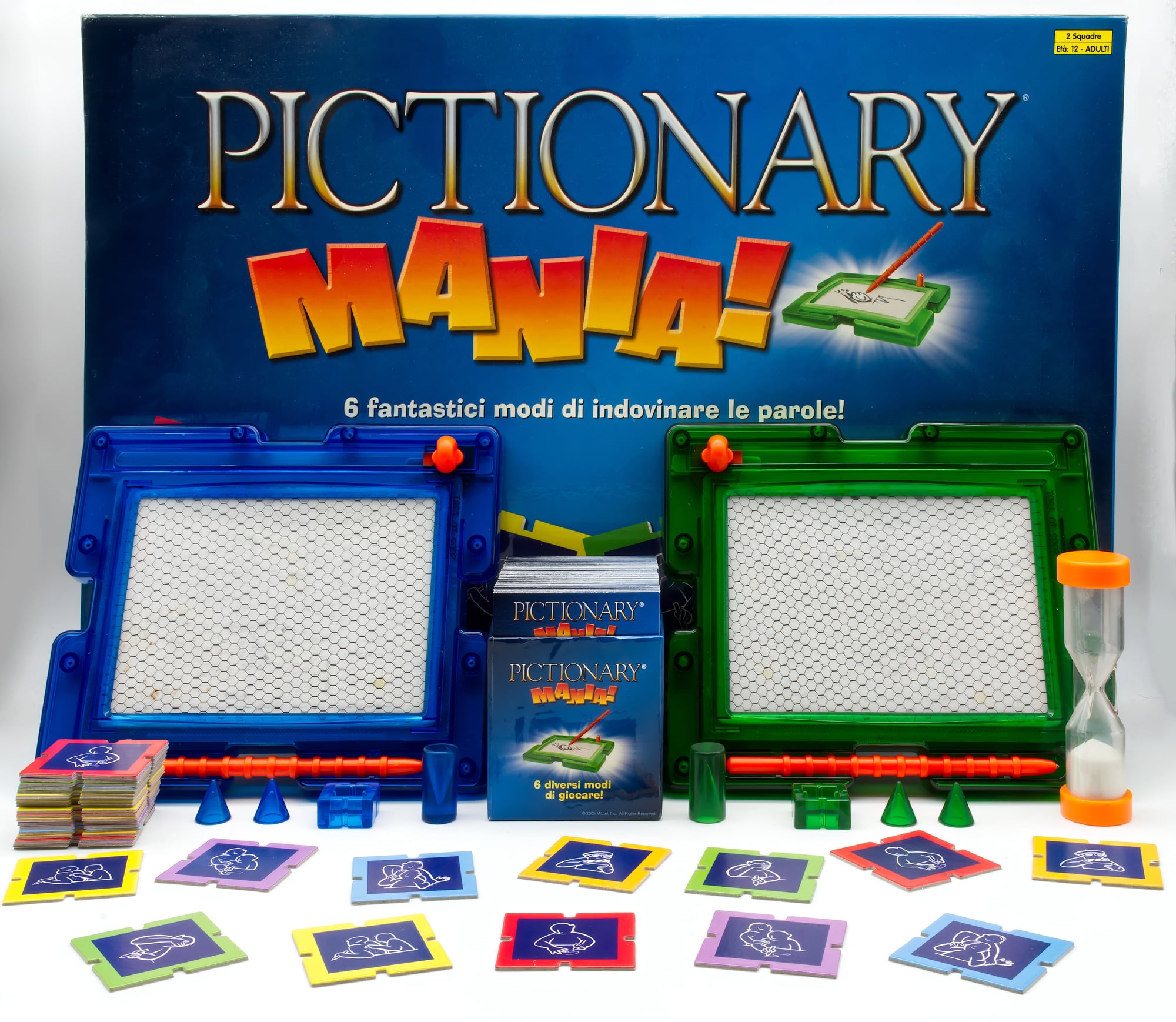
Pictionary is Taboo’s visual equivalent, and it generates the same type of dispute with an additional aesthetic dimension: the quality of the drawings. Whether a drawing reasonably represents the clue word is subjective, and the person drawing knows exactly what they were trying to draw, which makes it difficult for them to accept that their teammates’ failure to guess correctly reflects anything other than poor guessing rather than poor drawing.
Pictionary disputes have a useful quality in that they can be resumed with a pencil and paper at any subsequent gathering.
Uno
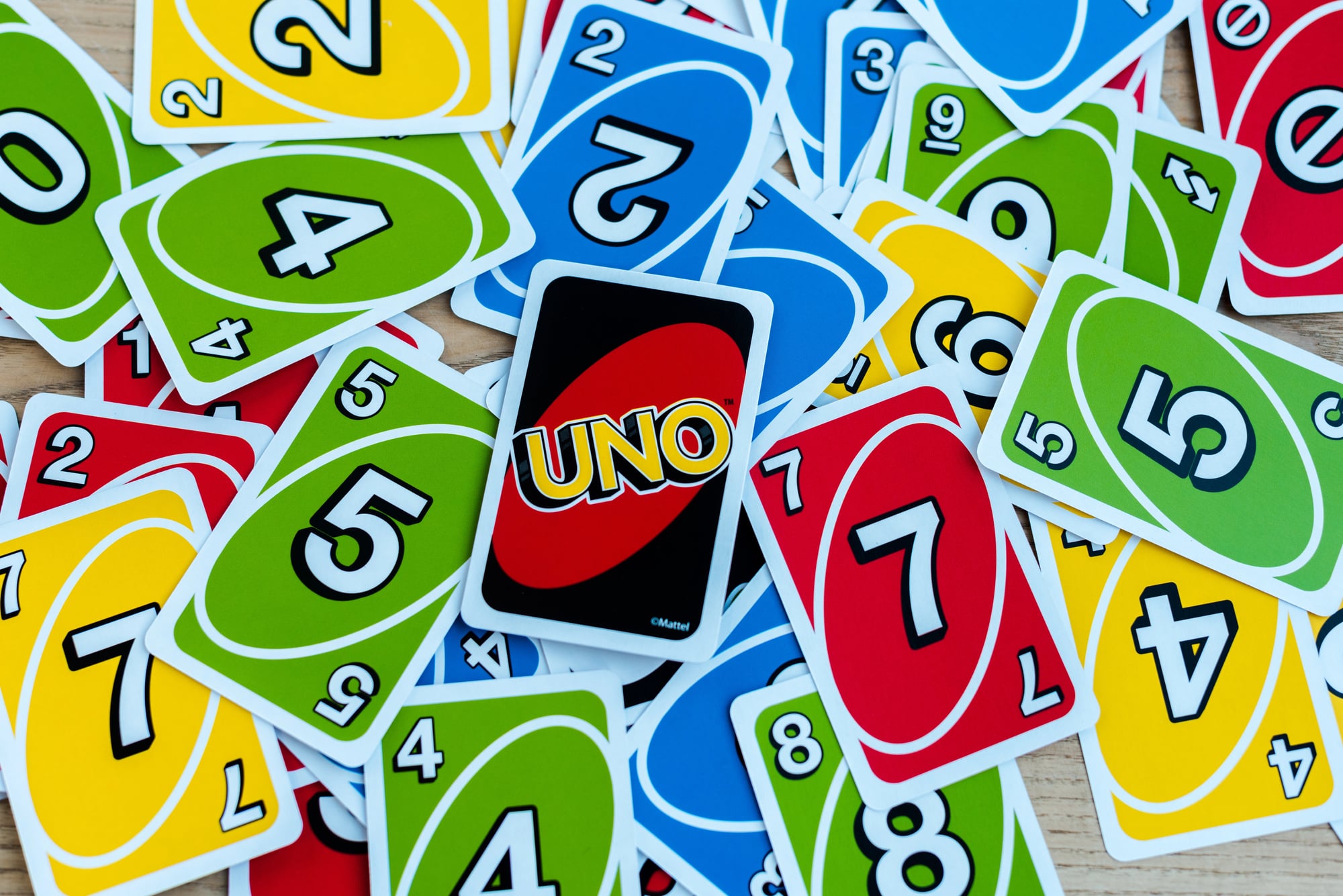
Uno is a card game rather than a board game, but its family game night presence is too consistent to exclude. The Draw 4 Wild Card is the primary source of conflict — it can be played legitimately only when the player has no other playable card, which is an honor rule that is difficult to enforce and widely violated.
The stacking rule (whether an incoming Draw 4 can be countered with another Draw 4) is a house rule that does not appear in official Uno rules, is played in roughly half of all Uno games, and produces a dispute every time the other half encounters it.
Clue / Cluedo
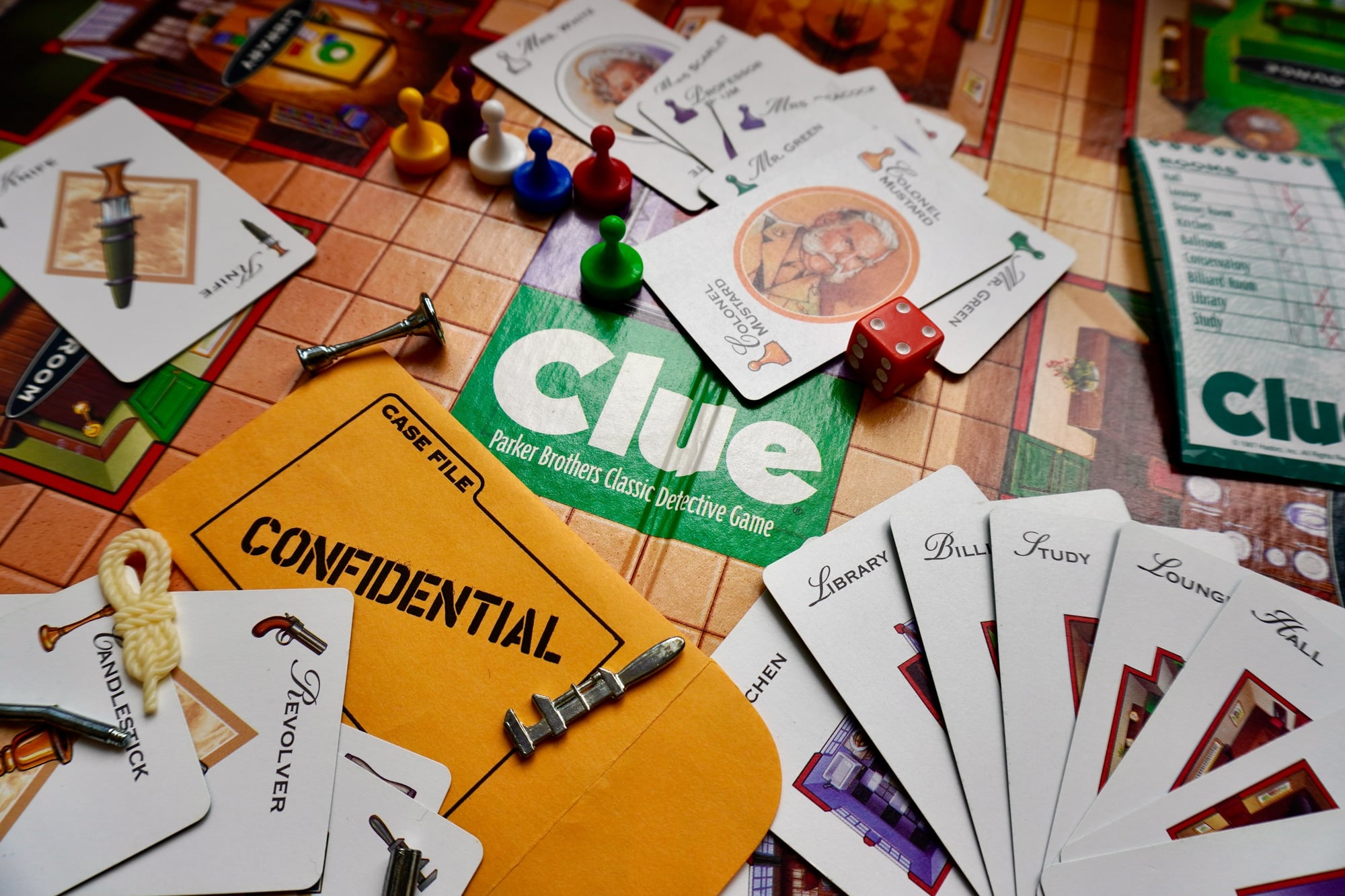
Clue operates at a lower temperature of conflict than most games on this list, but its specific mode of argumentation is distinctive: the accusation that someone cheated by looking at another player’s cards, or the counteraccusation that the loser is making that claim only because they lost. The game’s fundamental mechanism — deduction from the process of elimination — means that a sharp player can win efficiently, and an efficient win in a deduction game can feel to the losing players like there must have been some information advantage that was not legitimately obtained.
Cranium
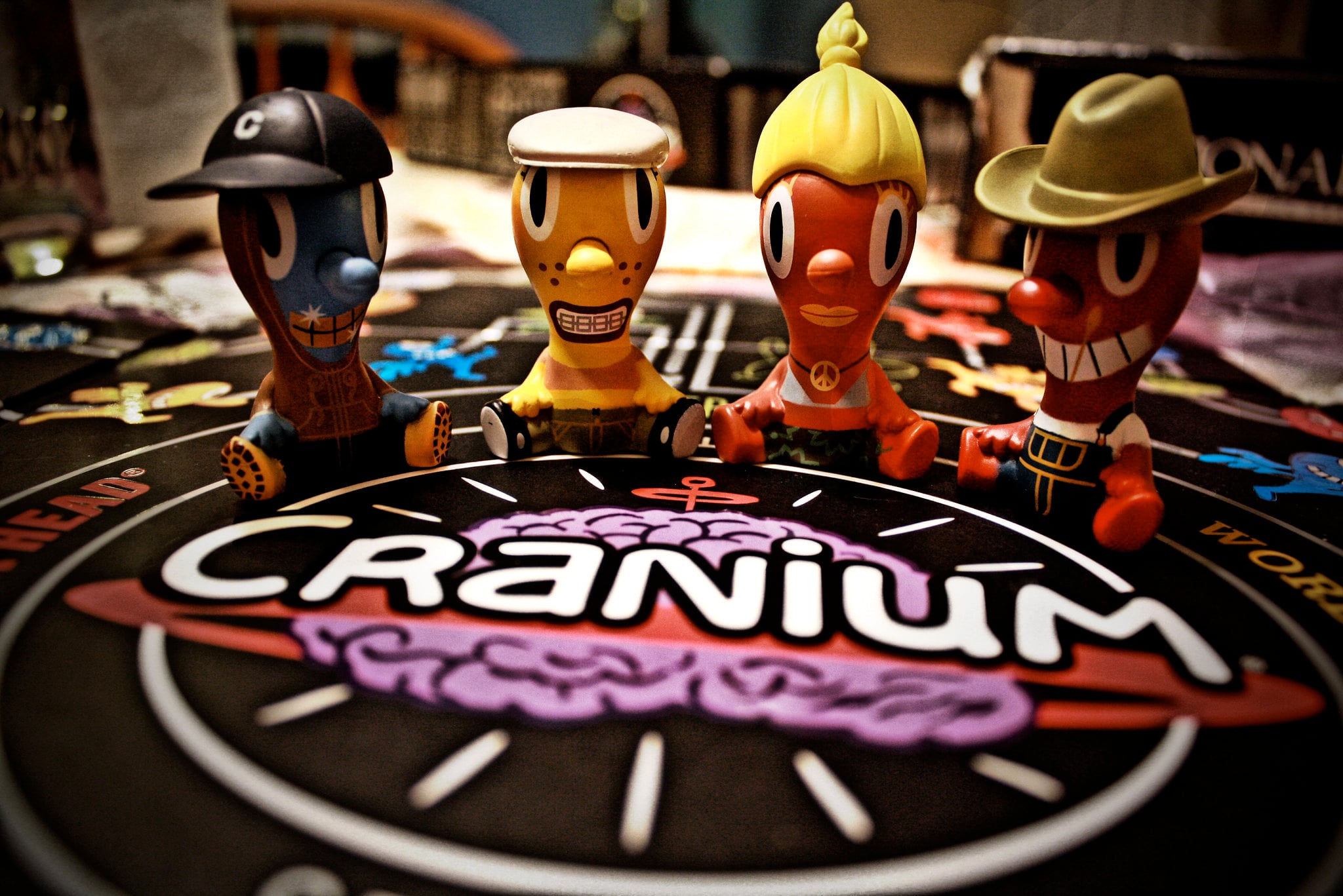
Cranium combines elements of Pictionary, Scrabble, trivia, and acting into a single game that allows teams to fail on multiple fronts simultaneously and argue about which failure was the most costly. The team who could not model a clay figure accurately enough to be recognized is particularly well-positioned for a post-game recrimination, because three-dimensional art quality is even more subjective than drawing quality, and the claim that a clay form “obviously” represents a camel rather than a horse is one that can be debated with genuine heat.
Jenga

Jenga is not competitive in the conventional sense — it has no teams, no points, and no winner until a tower falls — but it produces the most immediate and visceral argument available in board gaming: the block that was moved legally versus the block whose removal caused the tower to wobble, which the player then stabilized, which should or should not count as a completed turn. The rules state that a block can be touched and repositioned if the tower remains stable.
Whether “stable” was achieved is a matter of simultaneous witnessing by everyone at the table, who will not agree.
Trivial Pursuit
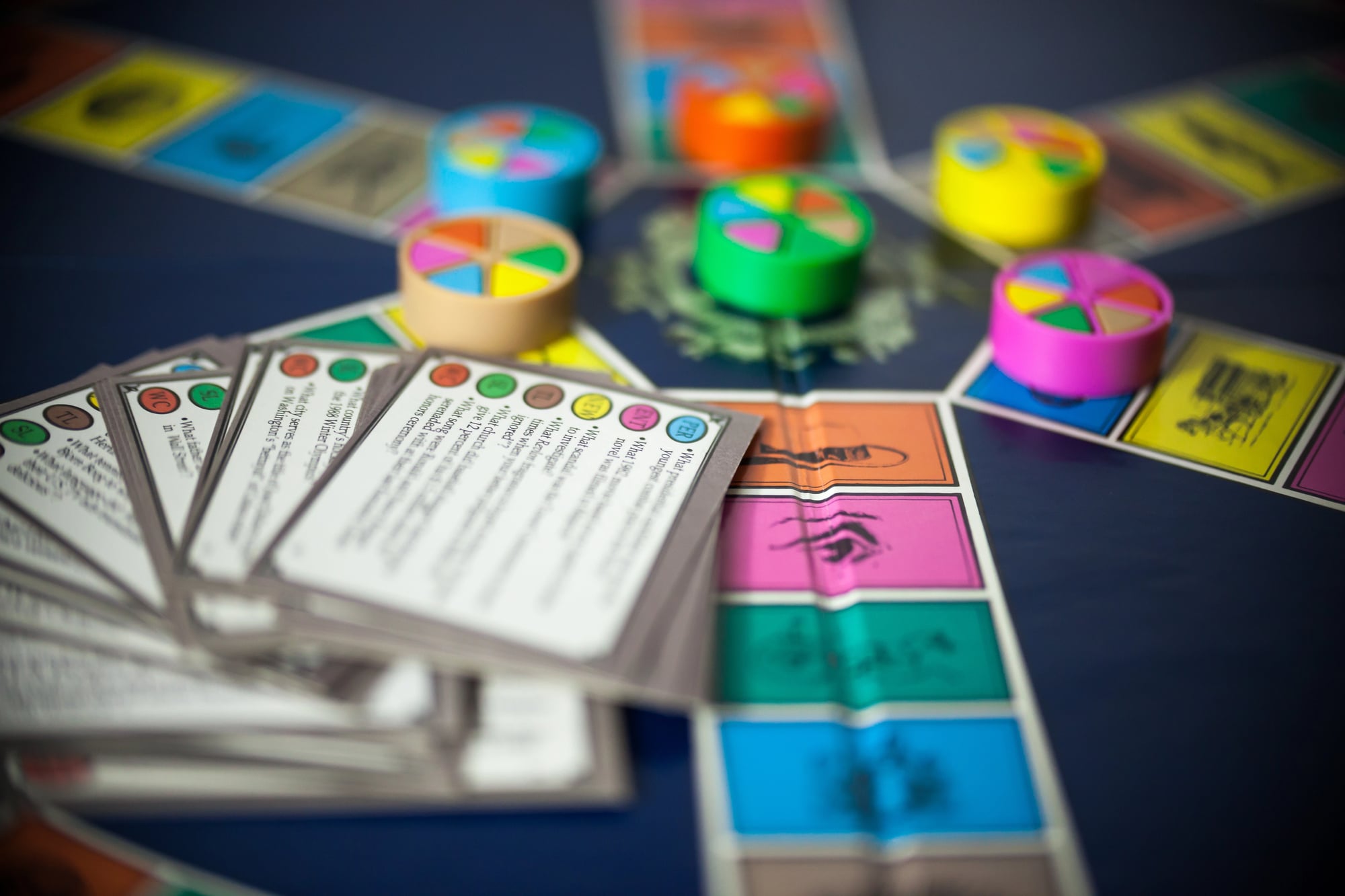
Trivial Pursuit disputes are disputes about facts, and about whose knowledge counts. Whether an answer given in slightly different words from the card’s answer is correct is a decision that falls to the group and that everyone will assess based on whether they want the giver to advance or not.
The category system also produces arguments about category legitimacy: whether a question belongs in Entertainment or Arts & Literature, and whether whoever filed the question got it right. The knowledge gap between players of different ages and backgrounds is also a consistent source of genuine procedural unfairness that the game makes no attempt to address.
The Game of Life
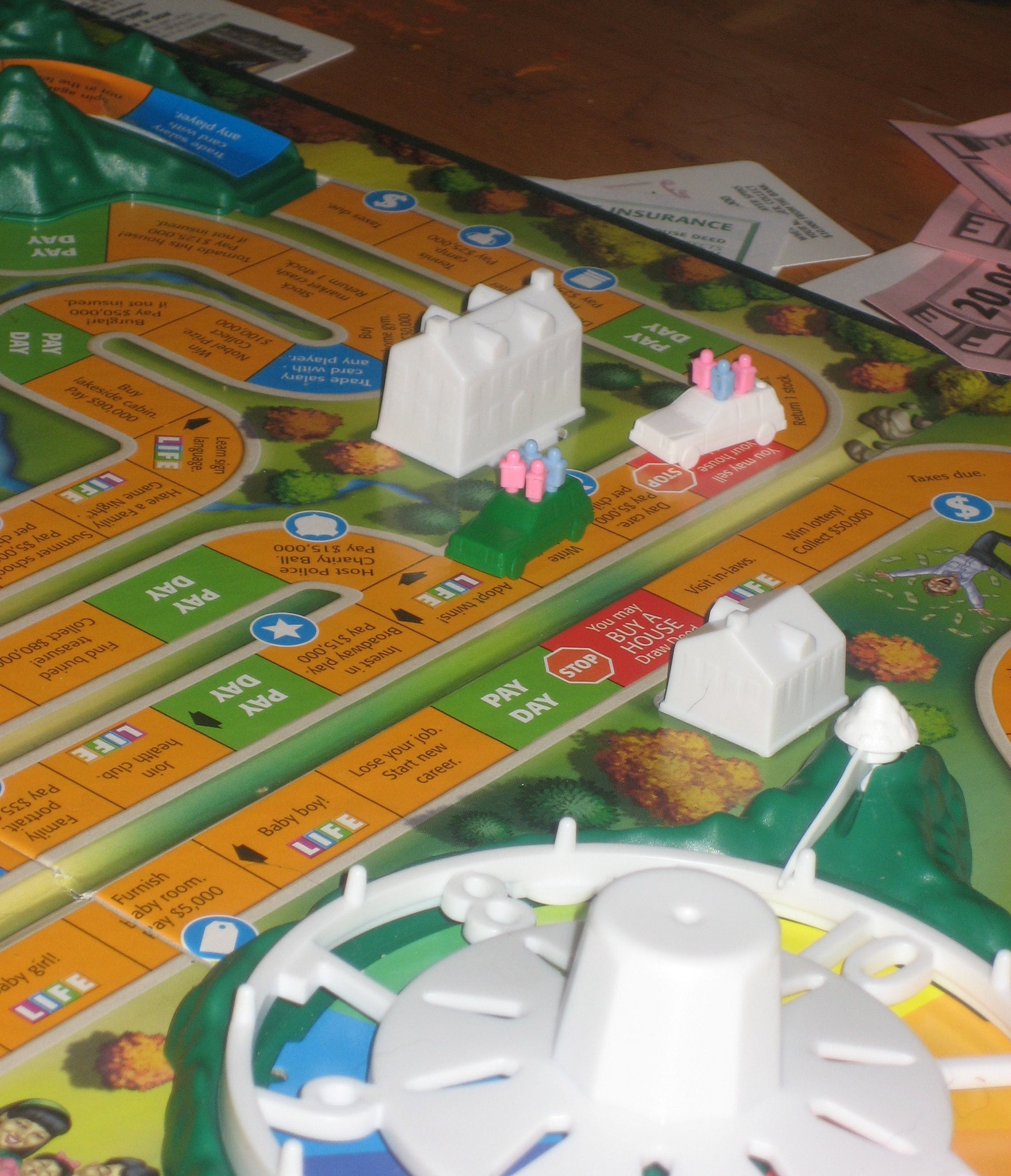
The Game of Life produces a specific type of quiet resentment rather than active argument — the route through life is largely determined by a spinner and by binary choices (college or career, for instance) that have numerical outcomes decided by the game rather than by the player. Players who chose the college route and drew low salary cards experience the particular frustration of having made the objectively prudent choice and been punished for it by a random number.
The game’s representation of life as an accumulation of money and family members in a plastic car is also, for some players, a topic that generates more heat than the game itself.
Pandemic
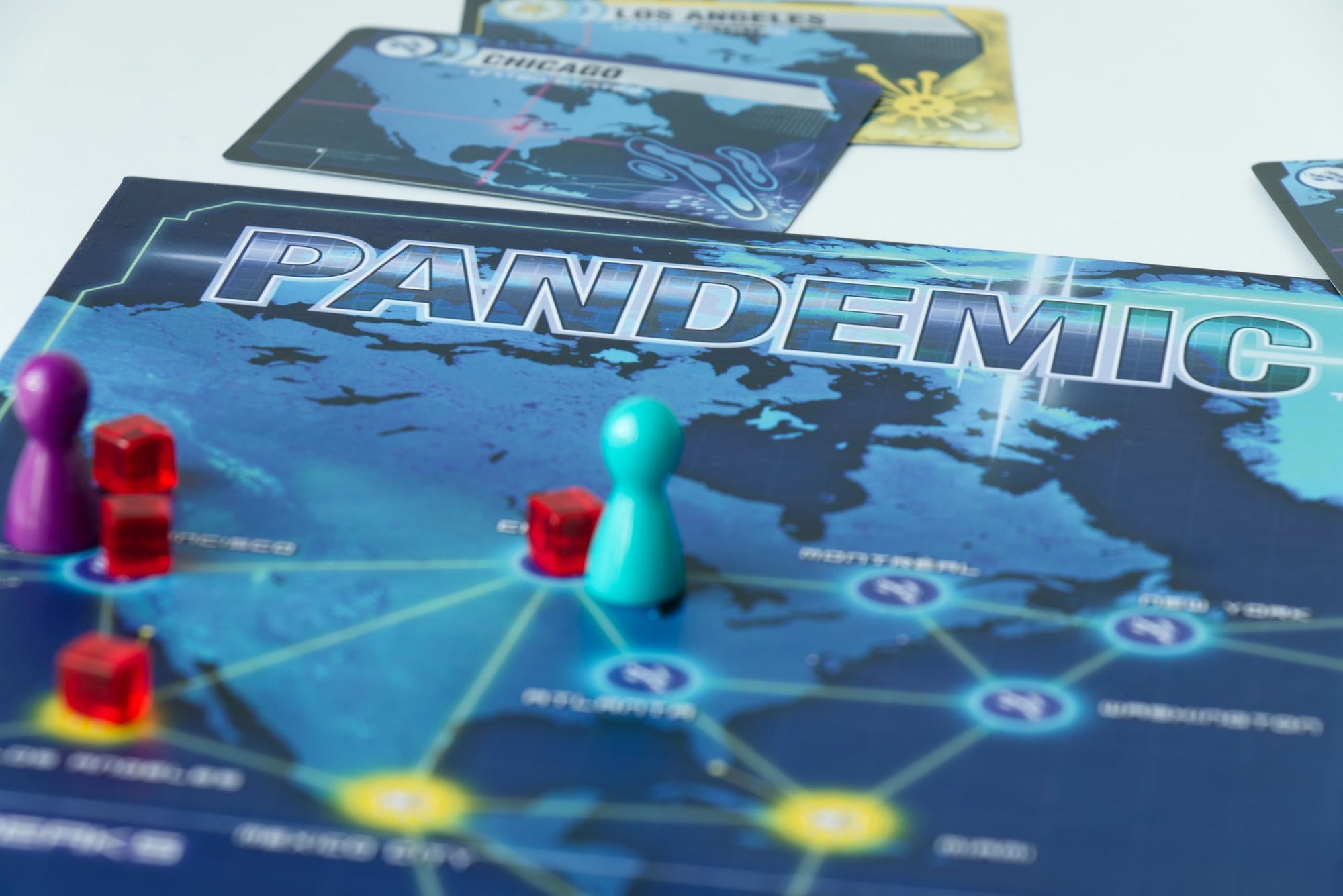
Pandemic is a cooperative game in which players work together rather than against each other, which sounds like a solution to the conflict problem and is not. Cooperative games produce a specific type of argument known as “quarterbacking” — one or two players who understand the strategy more thoroughly than the others effectively direct the game, making decisions for other players or loudly suggesting the correct move until the game becomes the strong player’s solo performance and everyone else’s compliance exercise.
Arguments about whether someone is being too bossy, whether the advice given was actually good, and whether the group could have won without it are exactly as enjoyable as they sound.
Where It All Goes Wrong

Every game on this list generates conflict for the same reason: it creates conditions where something a person cares about — resources, territory, being right, being believed, being appreciated — is taken away or denied by someone they know personally. Strangers taking something from you in a game is simply the game.
Friends taking it from you is a choice they made, and you will remember it. The board game, to its credit, provides the most controlled environment available for discovering exactly how competitive, how strategic, how dishonest, and how gracious under pressure the people you choose to spend time with actually are.
Some friendships survive the information. Others were, in retrospect, already over before the box was opened.
More from Go2Tutors!

- The Romanov Crown Jewels and Their Tragic Fate
- 13 Historical Mysteries That Science Still Can’t Solve
- Famous Hoaxes That Fooled the World for Years
- 15 Child Stars with Tragic Adult Lives
- 16 Famous Jewelry Pieces in History
Like Go2Tutors’s content? Follow us on MSN.



