29 Space Phenomena Visible to the Unaided Eye That Most People Miss Entirely
Most people look at the sky and see roughly the same thing every night: a scattering of stars, maybe the Moon, possibly a planet or two burning steadily where the others flicker. What most people don’t realise is that this is barely a fraction of what the unaided eye is actually capable of catching — if you know when to look, and in which direction, and for how long.
The sky is considerably stranger and more layered than it appears on a casual glance out the front door. None of the phenomena listed here require equipment.
No telescope, no binoculars, no app subscription. Just dark enough skies, a reasonable amount of patience, and the specific knowledge that these things exist at all — because that last part turns out to be the biggest obstacle.
Most people have never seen the gegenschein not because they couldn’t see it, but because nobody ever told them to look for it.
The Zodiacal Light
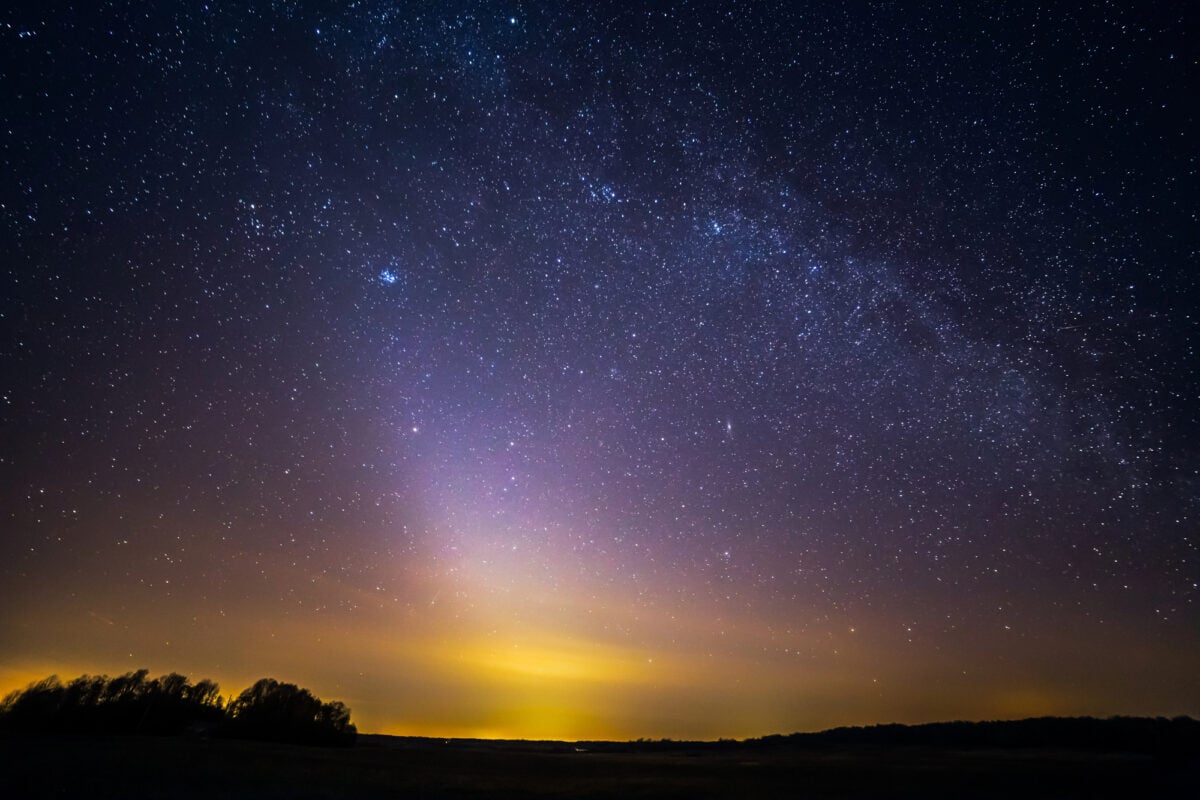
About an hour after sunset on dark spring evenings — or before sunrise in autumn — a faint triangular cone of light rises from the horizon along the path the Sun just travelled. This is the zodiacal light, caused by sunlight reflecting off billions of interplanetary dust particles spread along the plane of the solar system all the way to Jupiter’s orbit.
It’s not a cloud, not an approaching storm, not a glow from a distant city. It’s actually the shape of the solar system made visible, and it sits there for anyone who happens to be standing far enough from a street lamp.
The Gegenschein
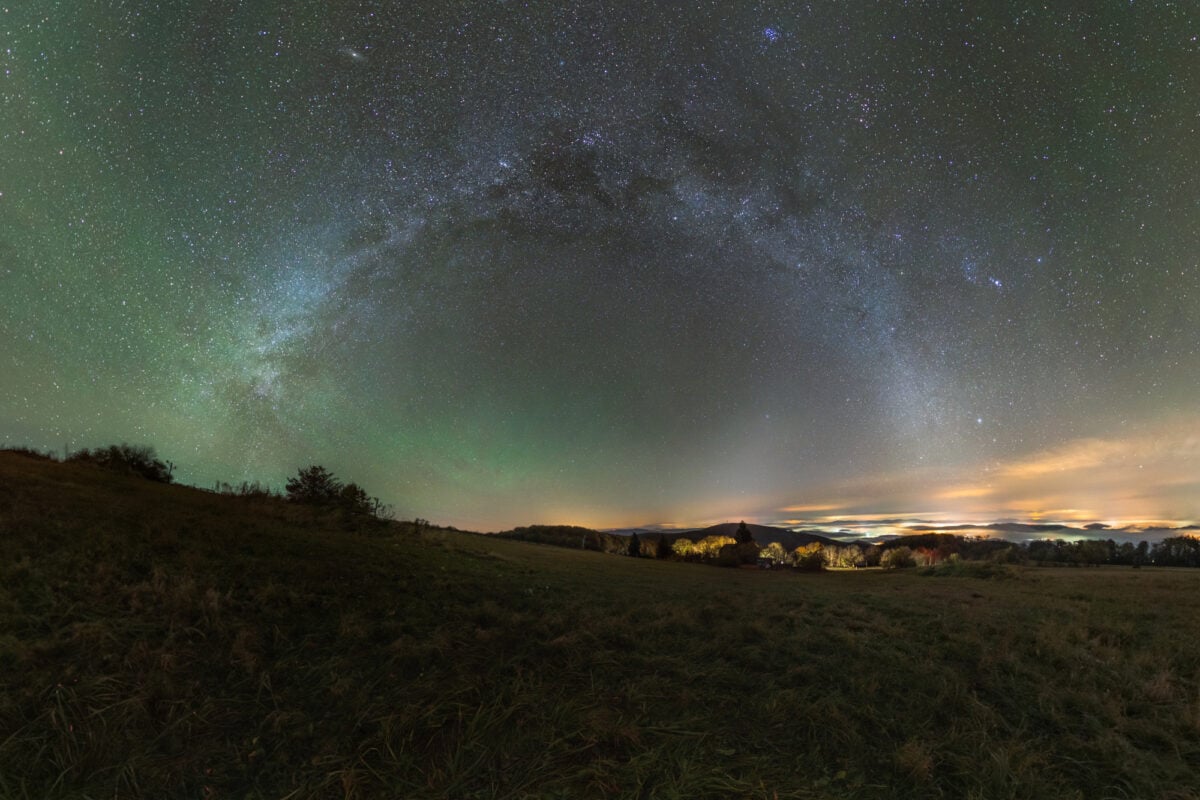
On the very darkest nights, if you look at the exact point in the sky directly opposite the Sun — the antisolar point — you can sometimes see a soft, oval smear of faint light about 10 to 20 degrees across with no sharp edges. This is the gegenschein, German for “counterglow,” and it results from the same interplanetary dust catching sunlight from directly behind you.
Because the particles are lit from behind the observer, each tiny grain reflects with maximum efficiency, like road signs catching headlights. Even many dedicated amateur astronomers have never seen it.
It is large, extremely faint, and has essentially no contrast against the surrounding sky.
The Zodiacal Band
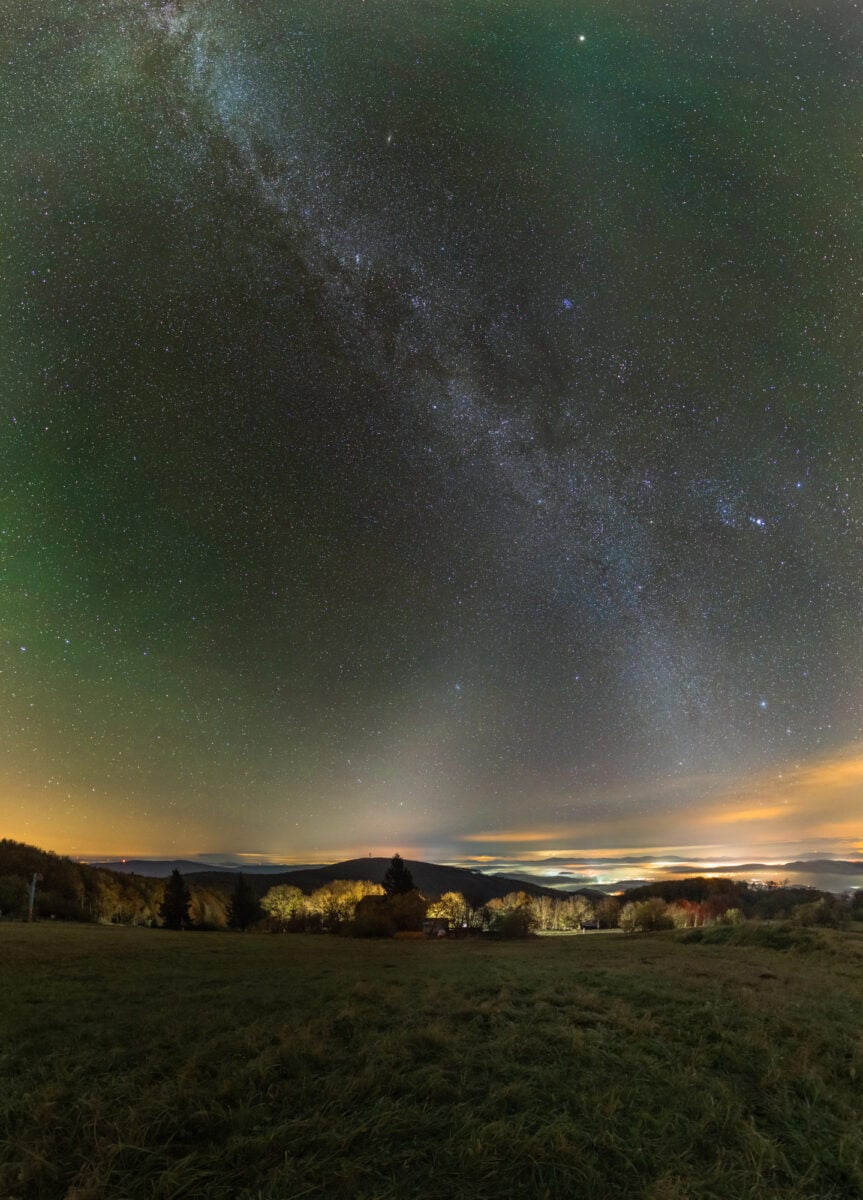
Between the zodiacal cone at the horizon and the gegenschein overhead lies the zodiacal band — an even fainter strip of light that connects the two along the ecliptic. Under exceptional dark sky conditions, you can trace the entire illuminated dust structure of the solar system across the full dome of the sky: cone at one horizon, band overhead, counterglow patch at the antisolar point, band again, cone at the other horizon.
Most people who have stood under genuinely dark skies and looked up have seen at least part of this without knowing what it was.
Earthshine on the Crescent Moon
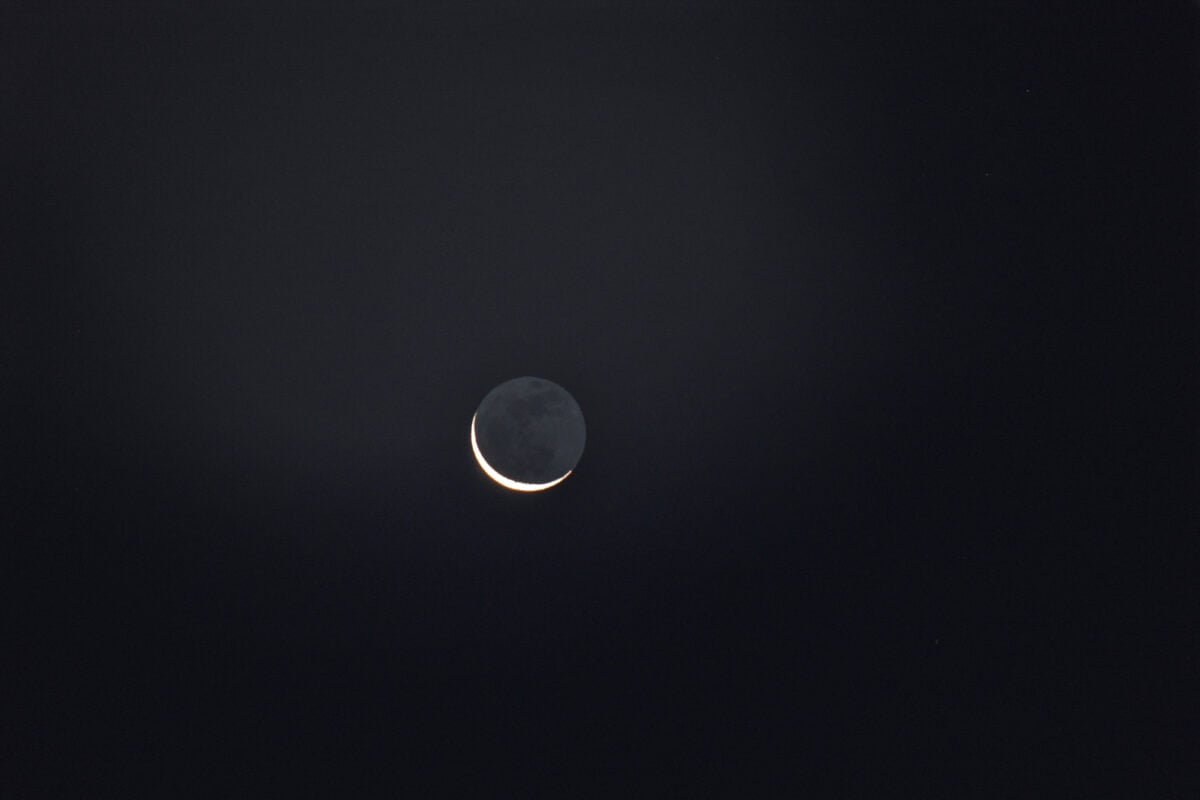
When the Moon is a thin crescent, the part not lit by direct sunlight is often still faintly visible — a ghostly grey disc completing the otherwise dark portion. This is earthshine, sometimes called “the old Moon in the new Moon’s arms.”
It is sunlight reflected off Earth’s surface and oceans illuminating the lunar night side from a distance of roughly 385,000 kilometres. The brightness of earthshine varies with cloud cover on Earth.
Ancient observers noticed it and wondered; Leonardo da Vinci correctly worked out the explanation around 1510.
Noctilucent Clouds
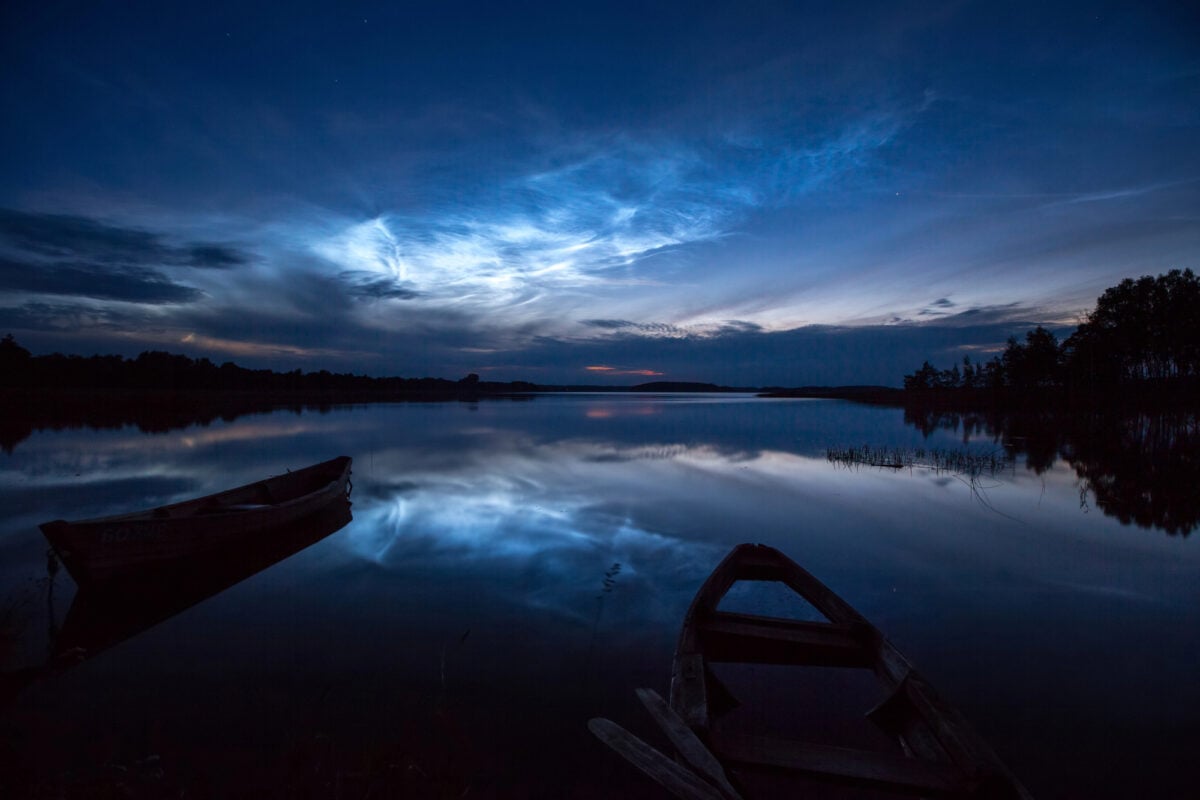
In the weeks around midsummer, after the Sun has dipped below the horizon at northern latitudes (roughly 50 degrees north and above, and occasionally further south), certain nights produce clouds that appear to glow silvery-blue in an otherwise dark sky. These are noctilucent clouds, forming at altitudes of around 80 kilometres in the mesosphere — so high that the Sun can still illuminate them from below the horizon long after the rest of the sky has darkened.
They’re made of tiny ice crystals and have become more frequently observed over recent decades, possibly linked to atmospheric changes. They look like someone left the light on behind the horizon.
The Milky Way as a Structure
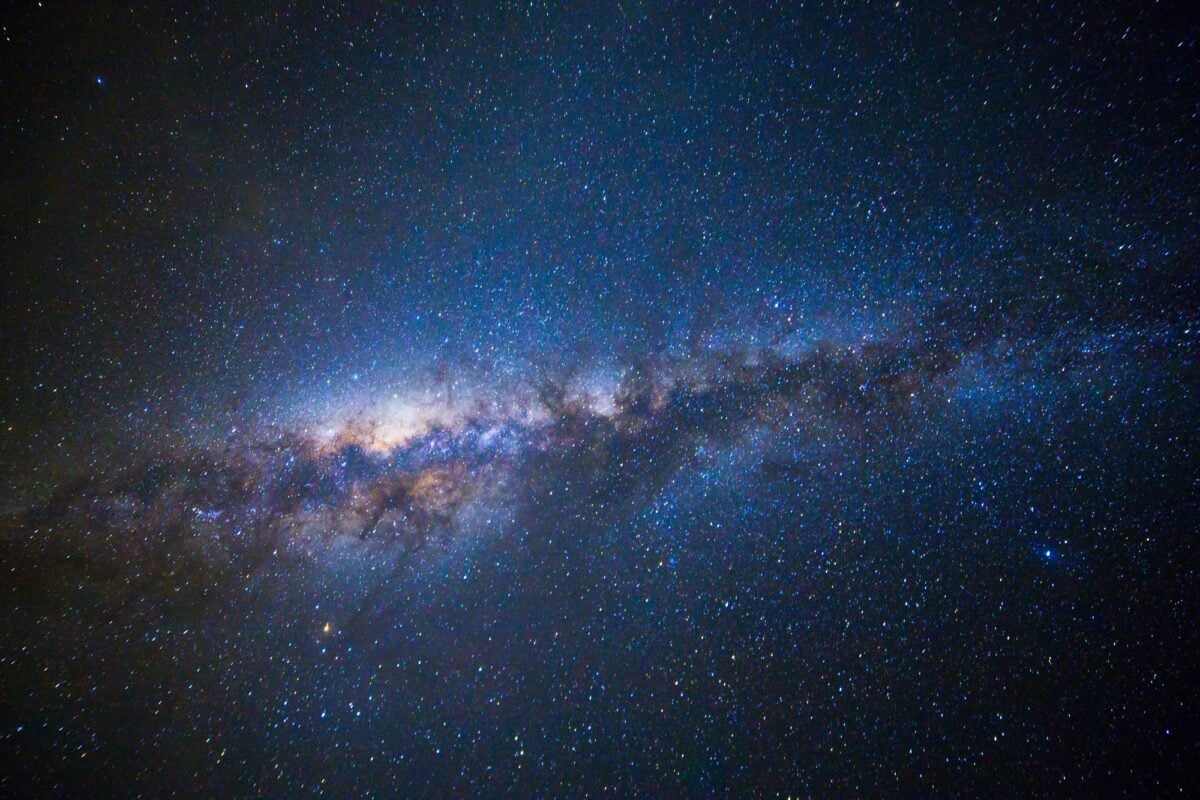
Most people living in cities have never seen the Milky Way at full resolution — meaning the band of the galaxy not as a concept they know exists, but as a physical object hanging above them. Under true dark skies it has texture: brighter and darker lanes, distinct patches, a central bulge that is visibly denser than the outer arms.
The dark patches aren’t empty — they’re clouds of interstellar dust blocking light from stars behind them. The Great Rift, a dark lane dividing the Milky Way for much of its visible length, is one of the more striking of these obscuring clouds and runs from Cygnus down to Centaurus.
Nacreous Clouds
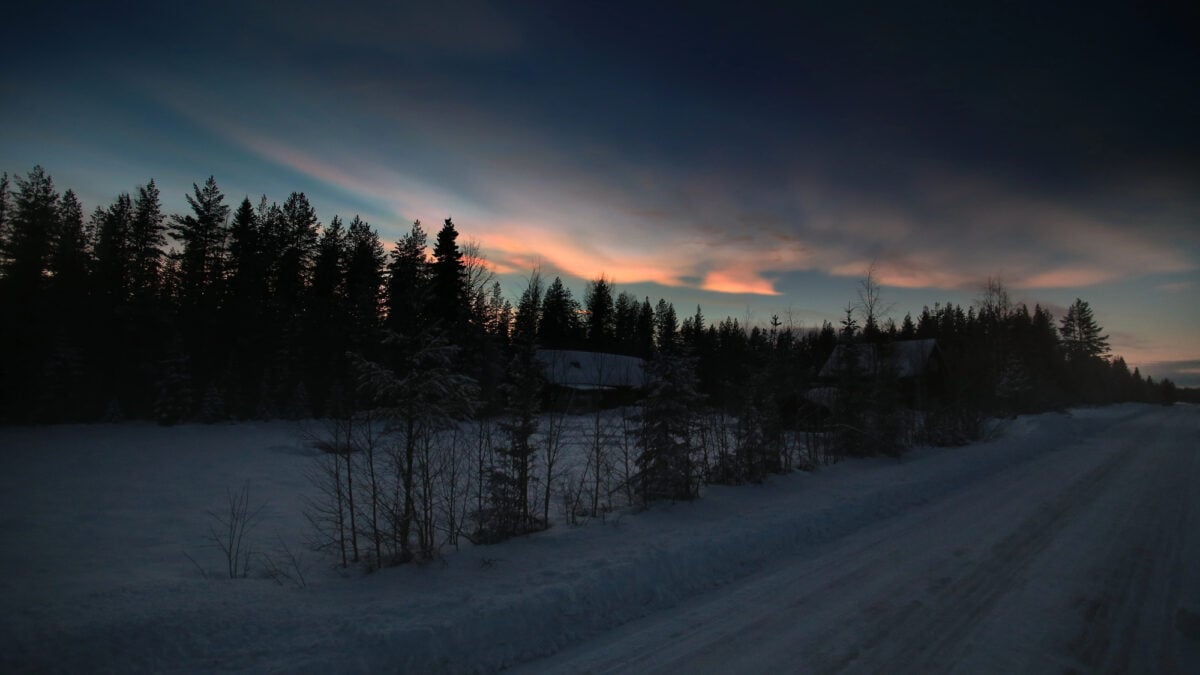
Nacreous clouds, also called polar stratospheric clouds or “mother of pearl” clouds, appear at altitudes of 15 to 25 kilometres under extremely cold conditions in winter at high latitudes. When lit from below a low winter Sun, they display vivid iridescent colours unlike anything else in the sky — pinks, greens, and blues swirling together in forms that photographers struggle to make look real.
They occasionally appear as far south as Scotland and northern Scandinavia during particularly cold stratospheric winters. Most people who see them for the first time think they’re looking at a photograph.
The International Space Station Passing Overhead
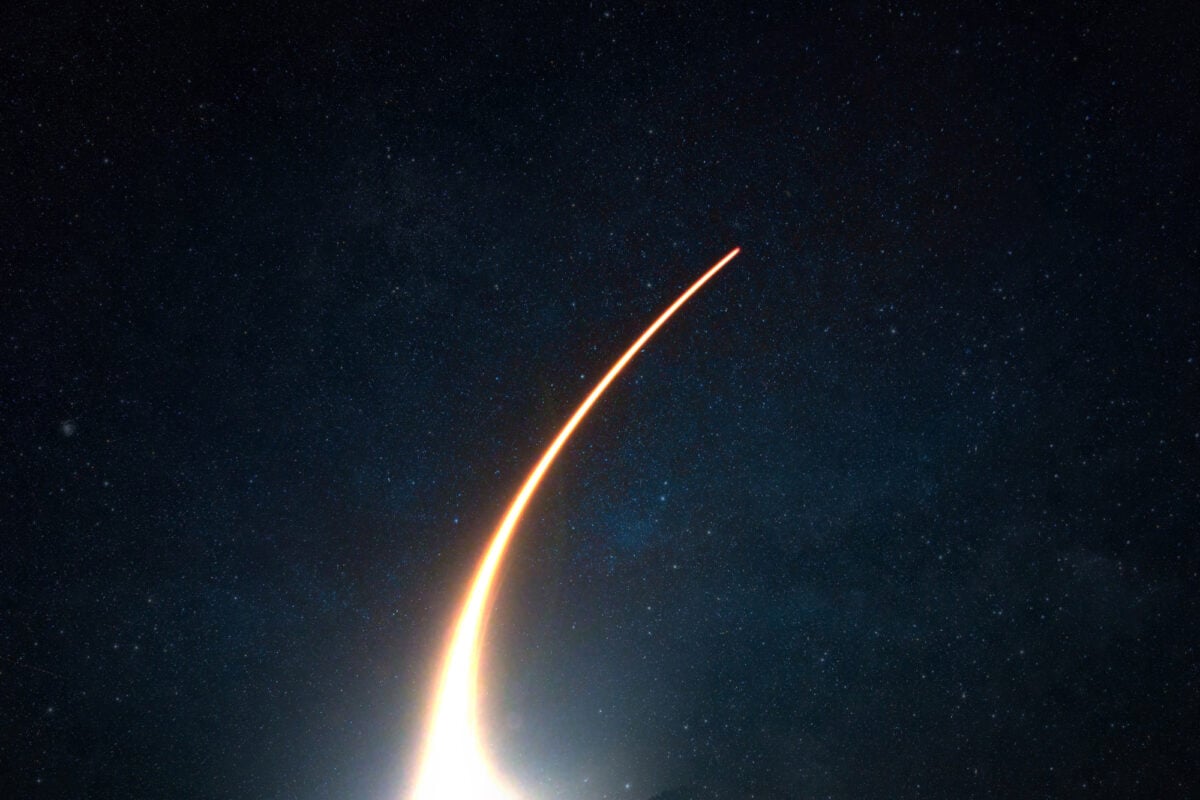
On any given week, the International Space Station makes multiple unaided-eye passes over most populated parts of the world, visible as a steadily moving bright point of light crossing the sky in a matter of minutes. It reaches magnitude -3.5 at its brightest — comparable to Venus — and is easily visible even from lit suburbs if you know when and where to look.
Multiple satellite tracking websites give predictions accurate to the second. Several billion people have the technical ability to watch a crewed spacecraft pass overhead, and the overwhelming majority of them never have.
The Magellanic Clouds
From the southern hemisphere, two irregular galaxies hang in the sky like detached fragments of the Milky Way. The Large Magellanic Cloud and Small Magellanic Cloud are companion galaxies to our own, approximately 160,000 and 200,000 light-years away respectively, and are easily visible to the unaided eye from dark sites anywhere south of about 20 degrees north latitude.
They’re enormous in apparent size — the Large Magellanic Cloud spans roughly 20 full Moon widths — and look like softly glowing clouds that don’t move with the wind. Southern hemisphere observers take them for granted.
Northern hemisphere observers often live entire lives without knowing they exist.
The Andromeda Galaxy
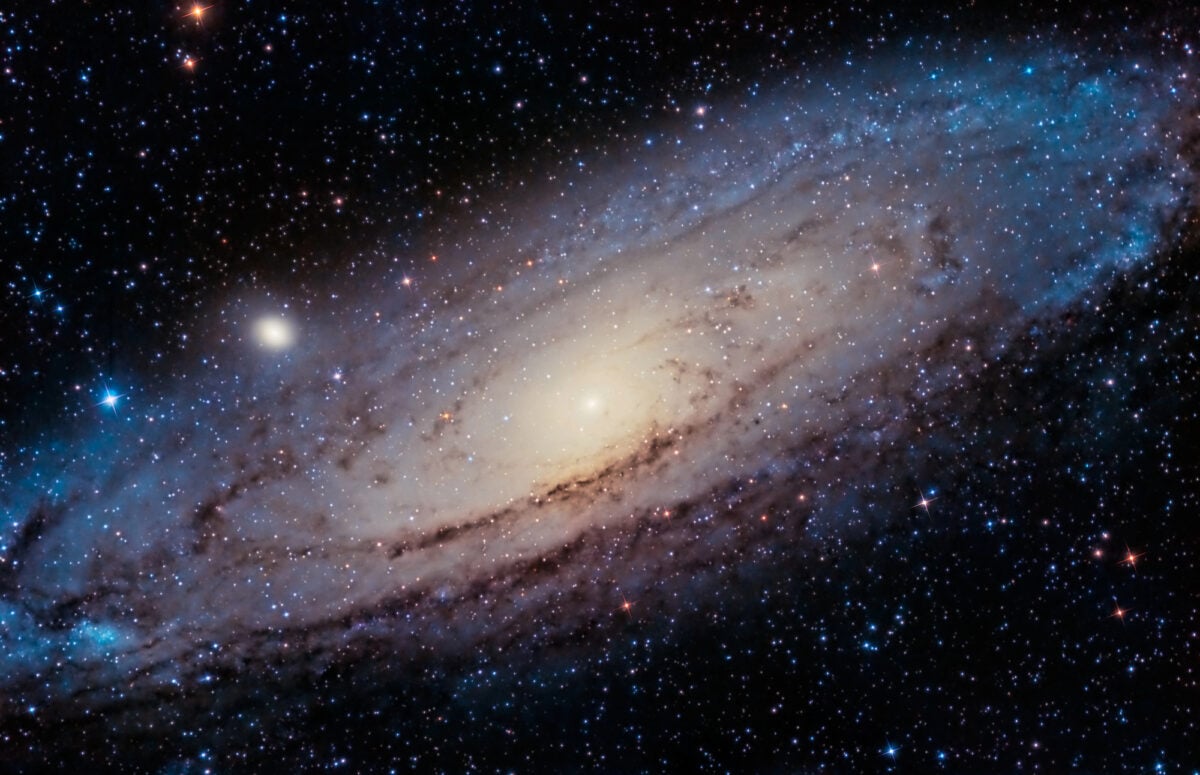
At 2.5 million light-years away, the Andromeda Galaxy is the most distant object the unaided eye can see under good conditions. It appears as a soft, elongated smear of faint light roughly six times the apparent width of the full Moon — although the outer parts are so diffuse they’re invisible without a dark sky.
What you see is actually the core. Most people who have heard of Andromeda imagine it as a speck.
Standing under a clear dark sky in autumn and finding it for the first time, you’re looking at 1 trillion stars gathered into a lens shape across more than 2 million light-years of distance. That the eye can reach it at all is genuinely remarkable.
Satellite Trains
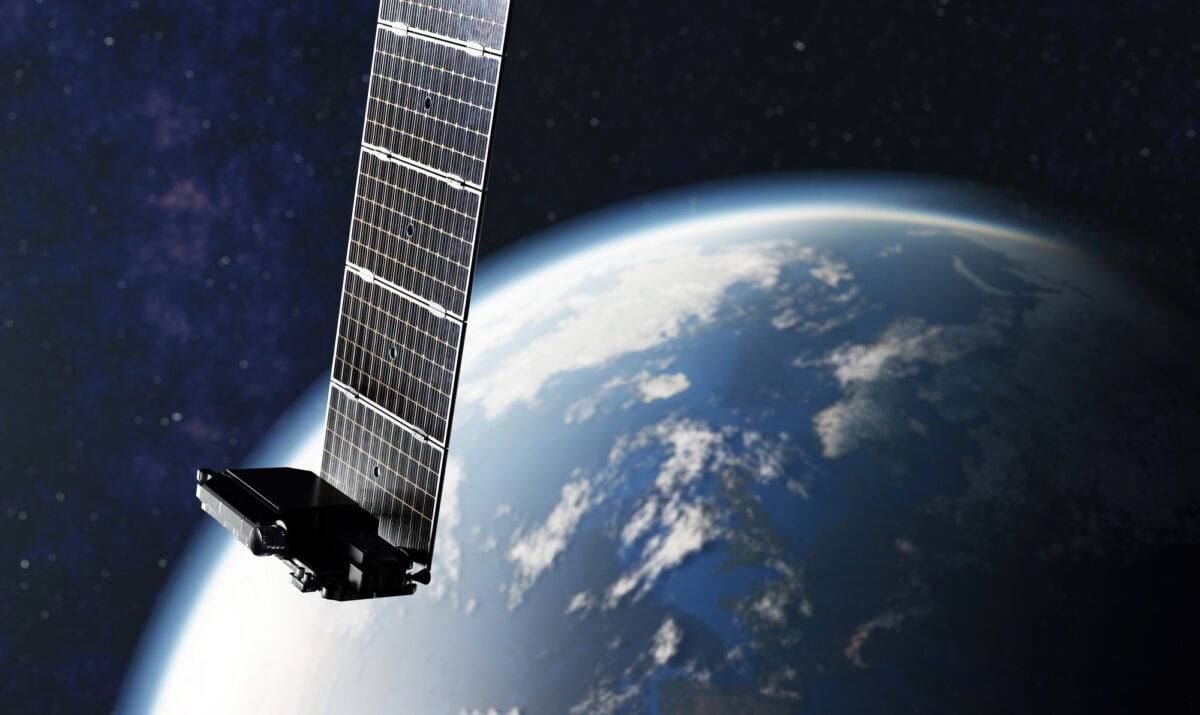
Since SpaceX began launching Starlink batches from 2019 onward, newly deployed satellite groups have been visible in the hours after launch as long strings of evenly spaced points of light moving in formation across the sky. Early batches were bright enough to rival the brightest stars before they climbed to their operational altitude.
The sight — a convoy of artificial objects crossing the sky in a chain — has been reported as a UFO sighting by multiple people on almost every launch. It is simultaneously one of the most common spectacular unaided-eye events of the past several years and one that most people have no context for interpreting.
The Green Flash
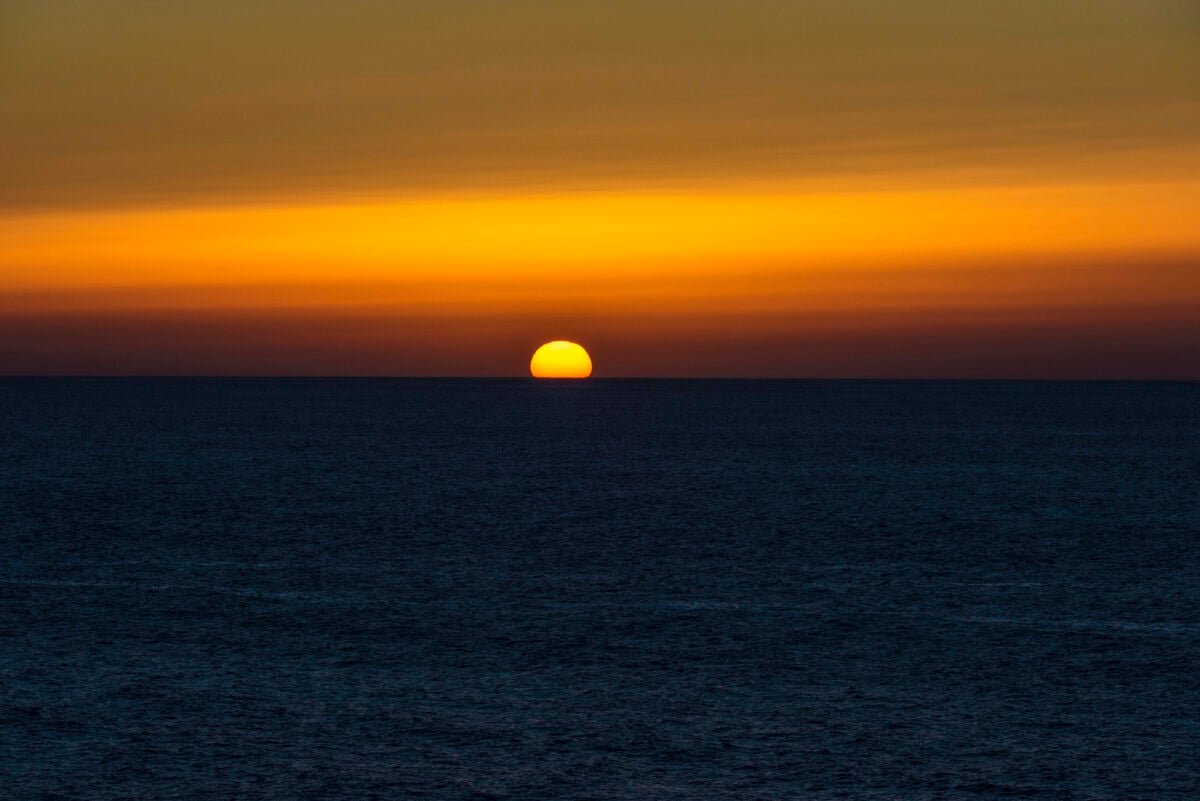
At the precise moment the Sun’s upper edge dips below a flat, clear horizon — typically over an ocean — the last sliver of the disc can briefly appear green. It lasts approximately one second and results from the atmosphere refracting different wavelengths of sunlight at slightly different angles, with green light bending just enough to remain visible after the red and orange have disappeared.
The conditions need to be right: a sharp, clear horizon, stable air, and no clouds on the horizon. Jules Verne wrote an entire novel around the phenomenon in 1882.
Most people who know about it still spend years watching sunsets before they catch it.
The Shadow of the Earth at Sunset

When the Sun sets, turn around and look at the eastern horizon. The dark blue band rising along it — looking like a distant weather system — is actually the shadow of the Earth being cast upward into the atmosphere as the planet rotates.
Just above it is a pink or purplish glow called the Belt of Venus, caused by the Sun’s reddened light illuminating the atmosphere above the shadow line. The entire visible boundary between day and night, experienced from inside it, is right there every single clear evening.
Almost no one turns around to look.
Venus in Daylight
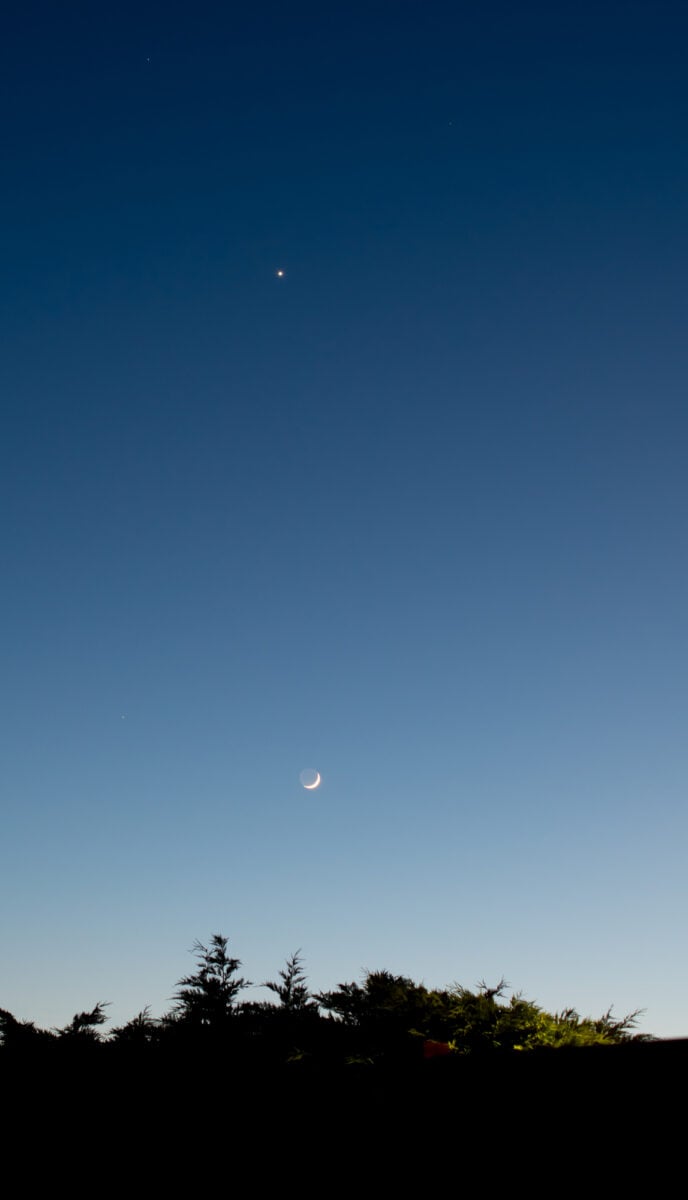
Venus is bright enough to be seen with the unaided eye in full daylight if you know exactly where to look. At its maximum brightness (around magnitude -4.9), it can cast a faint shadow on a white surface at night, and during daytime it appears as a tiny white dot in a blue sky — visible only if you know in advance its precise position.
The trick is finding it by looking slightly to the side of where you know it should be, using the eye’s peripheral sensitivity to dim objects. Many people have been shown Venus in daytime for the first time and assumed they were being pranked.
Sirius Scintillation
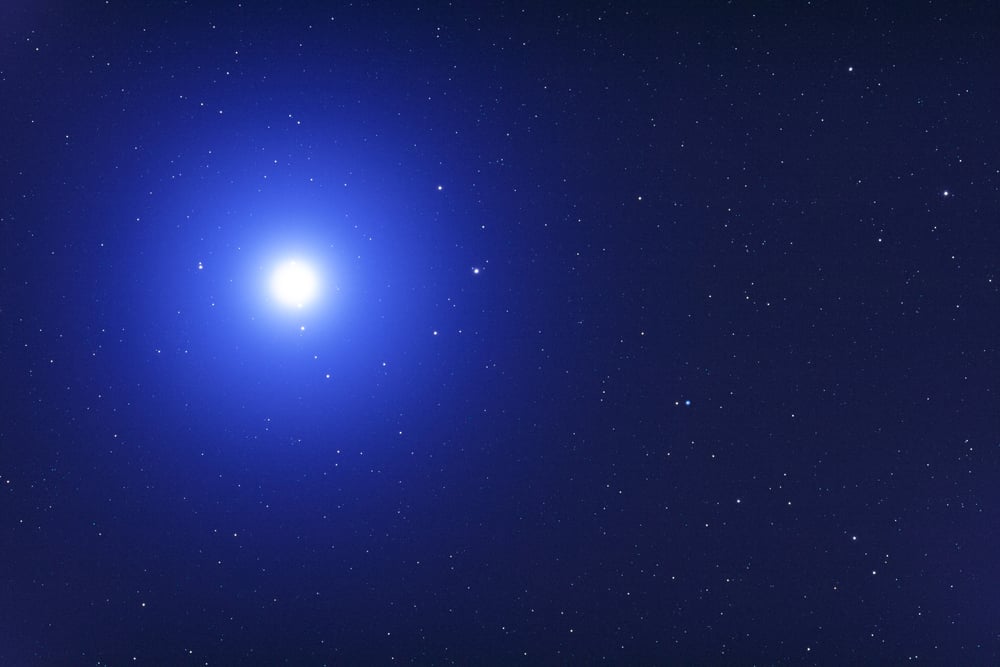
Sirius, the brightest star in the sky, sits low on the horizon for observers in the northern hemisphere during winter evenings. At low altitudes, its light passes through more atmosphere, which bends the different wavelengths of starlight by different amounts — producing rapid, visible colour flickering between red, blue, green, and white that happens fast enough to see with the unaided eye without any optical aid.
People regularly report Sirius as an unidentified aircraft or unexplained light because of this. It is doing nothing unusual.
It is just unusually bright and unusually low.
A Meteor Outburst
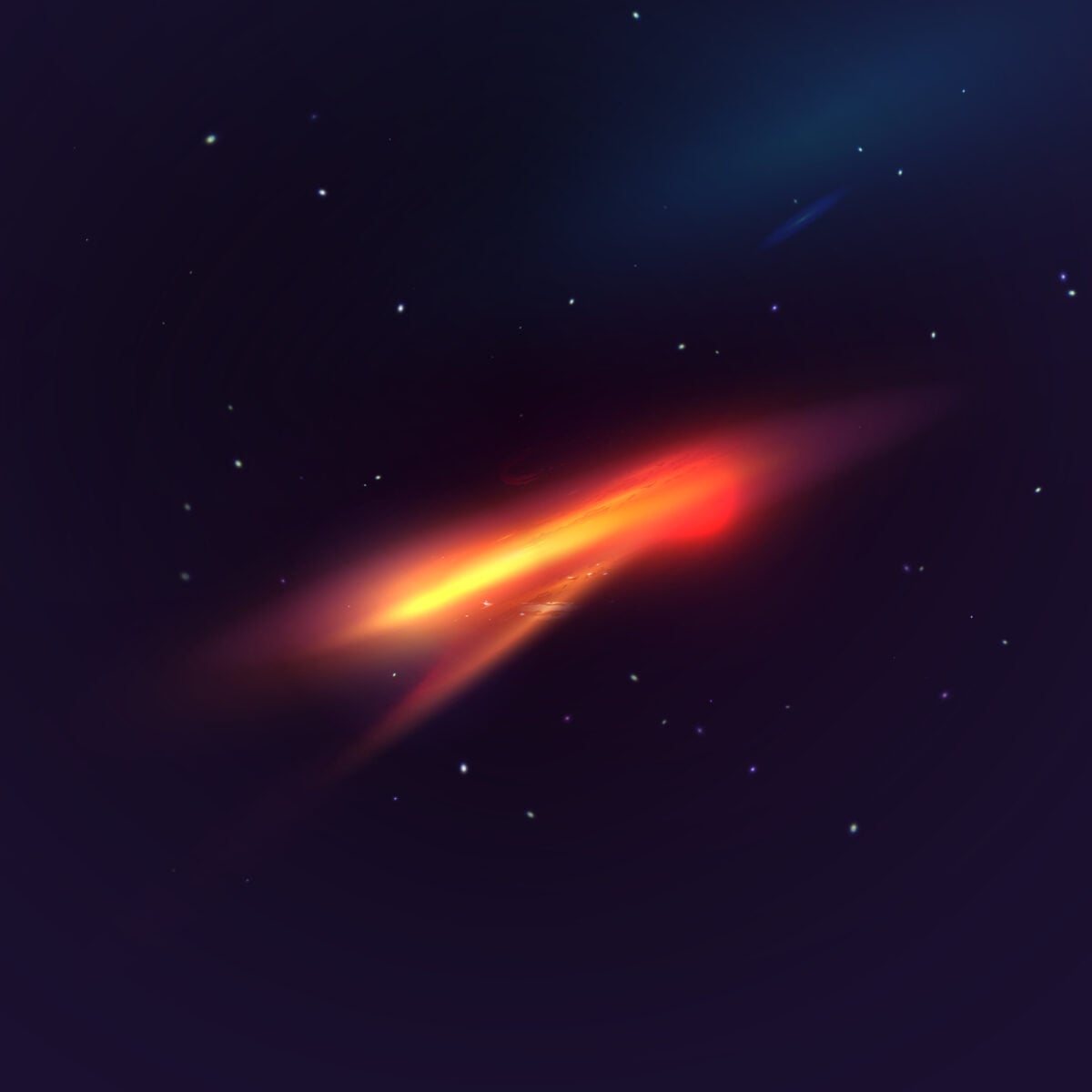
On most clear nights, the unaided eye will catch a handful of sporadic meteors per hour if you’re patient and away from city light. But during major annual showers like the Perseids in August or the Geminids in December, the rate climbs to 100 or more per hour under ideal conditions.
An outburst — a period of unexpectedly elevated activity — can briefly push rates into the hundreds. The experience of lying flat on the ground watching a sky that seems to move, with multiple meteors visible simultaneously, has caused people to question their perception of the planet’s scale.
It works best after midnight, when the observer’s side of Earth faces toward the incoming debris stream.
The Opposition Brightening of Saturn
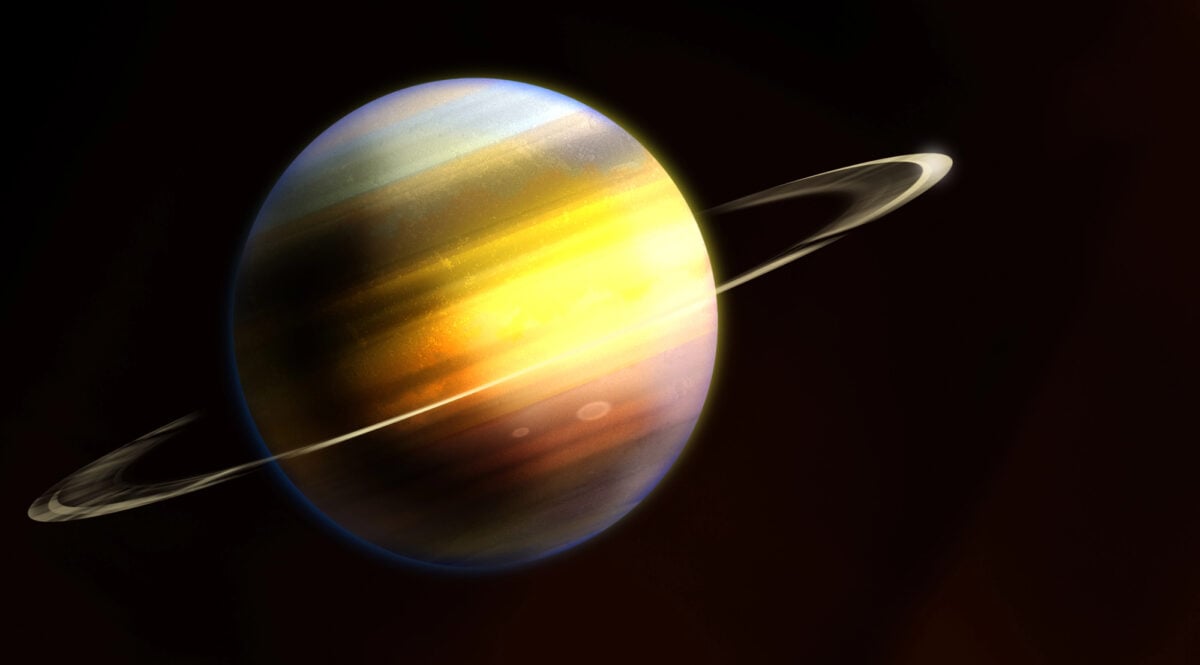
In the nights leading up to Saturn’s opposition — when Earth passes between the planet and the Sun — Saturn becomes noticeably brighter than predictions based on distance alone would suggest. This opposition surge occurs because the rings’ particles are illuminated from almost directly behind the observer, causing each particle to reflect without casting a shadow on its neighbours.
The effect is visible to the unaided eye as a measurable increase in Saturn’s brightness compared to the same planet a few weeks earlier or later. Most observers notice that Saturn seems to “pop” around opposition without knowing why.
A Fireball
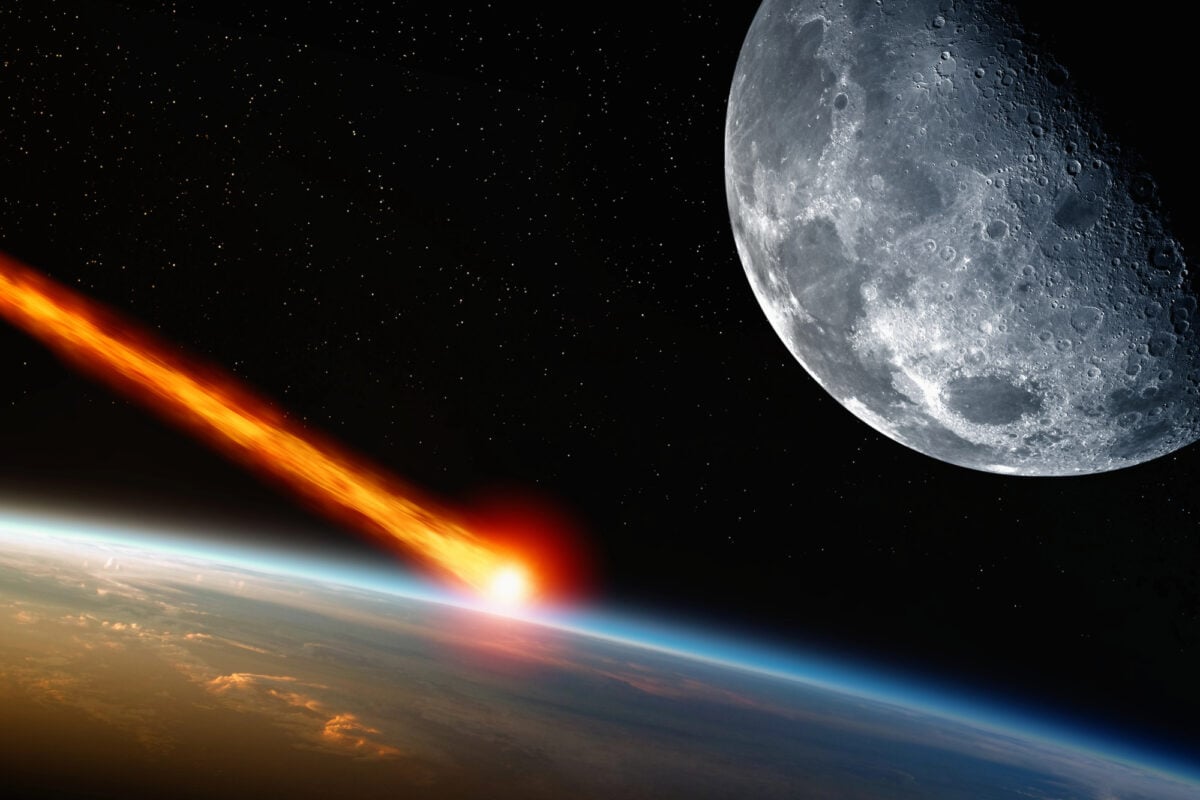
A fireball is a meteor bright enough to be clearly visible and to leave a persistent trail, sometimes accompanied by a sonic boom heard seconds later. Unlike ordinary meteors that vanish in a fraction of a second, fireballs can last 5 to 30 seconds and may fragment visibly as they go.
They occur several times per week globally, meaning most people alive have a theoretical chance of witnessing one in a given year. Whether you actually see one depends almost entirely on whether you happen to be standing outside looking up at the right moment — which, in a world designed for looking at screens, most people are not.
A Lunar Eclipse
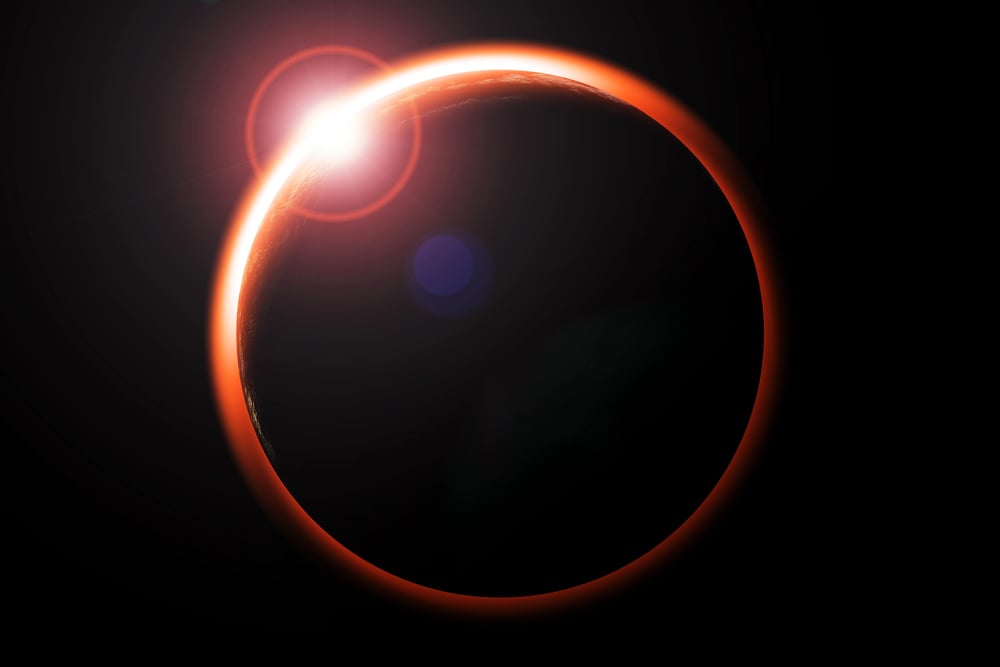
A total lunar eclipse turns the Moon a deep red-orange — sometimes burnt sienna, sometimes blood-coloured depending on how much dust and cloud cover sits in Earth’s atmosphere along the shadow’s edge. The colour is caused by all the world’s sunrises and sunsets simultaneously bending their reddened light into Earth’s shadow.
Total lunar eclipses occur roughly two or three times per year globally, are visible from an entire hemisphere without any equipment, and last for over an hour at totality. They require nothing except knowing when one is happening and being outside — which somehow remains enough to ensure most people never watch one.
Jupiter’s Four Galilean Moons
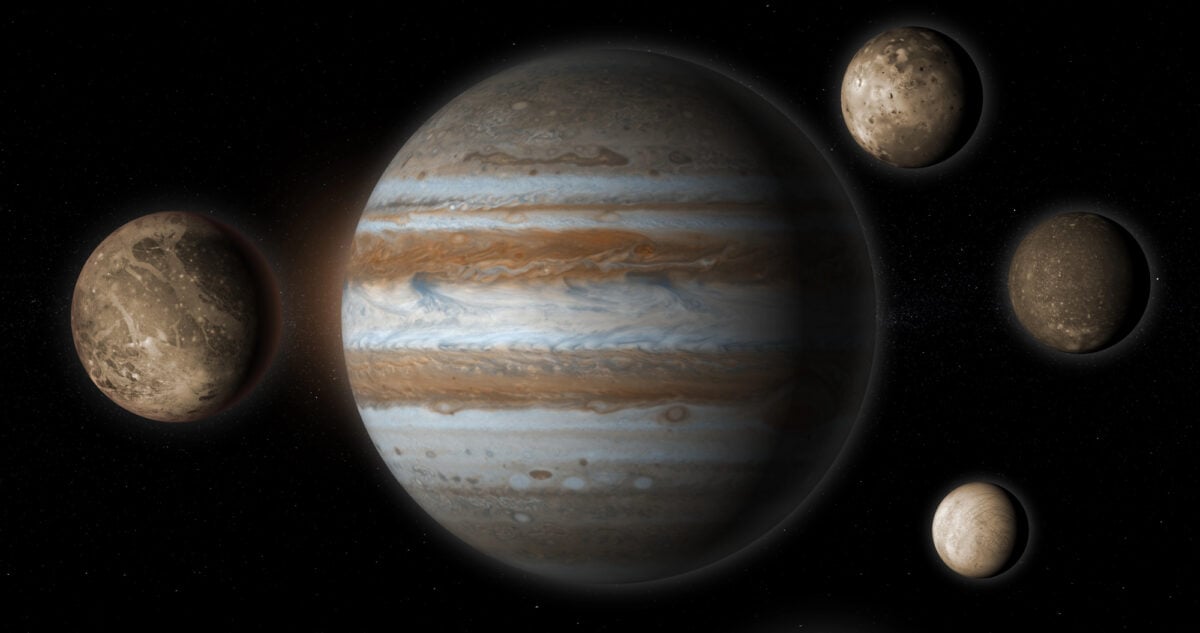
With very sharp eyesight under perfect conditions, some observers claim they can just detect the Galilean moons of Jupiter — Io, Europa, Ganymede, and Callisto — as an elongated appearance of the planet’s disc at maximum elongation. More practically, they’re visible with any binoculars at all, but the claim about unaided-eye detection has been made by multiple reliable observers throughout history and is considered physiologically possible by vision scientists.
Galileo saw them with a telescope in 1610. Whether you need optical aid or not, the knowledge that Jupiter’s four largest moons are the same four points visible to Renaissance astronomers, still circling in the same configuration, adds something to even a casual glance at the night sky.
The Omega Centauri Globular Cluster
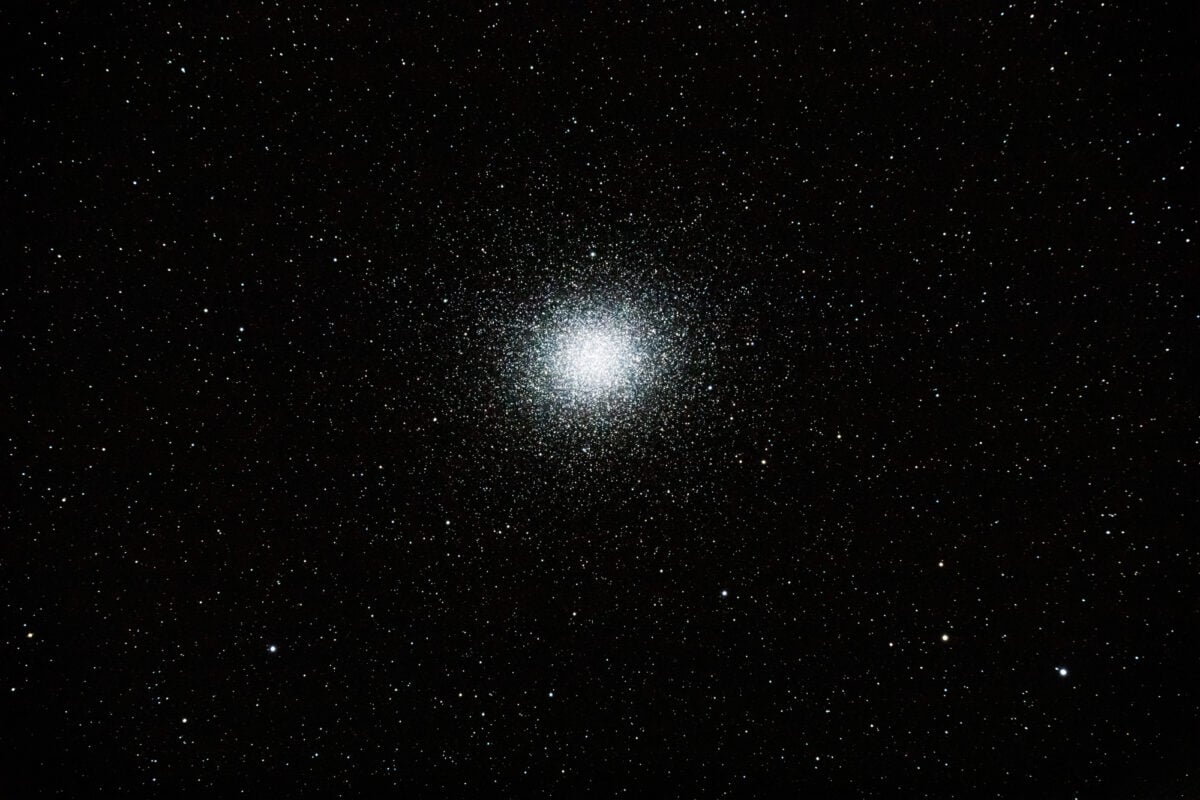
From the southern hemisphere and low northern latitudes, the globular cluster Omega Centauri appears to the unaided eye as a fuzzy star slightly larger than a full Moon’s apparent diameter. It contains roughly 10 million stars packed into a sphere about 150 light-years across and sits approximately 17,000 light-years away.
Ancient observers catalogued it as a star for centuries without realising it was a vast spherical city of suns. Even knowing what it is, the unaided-eye appearance is unremarkable until you understand what that soft smudge actually contains.
The Pleiades as a Cluster
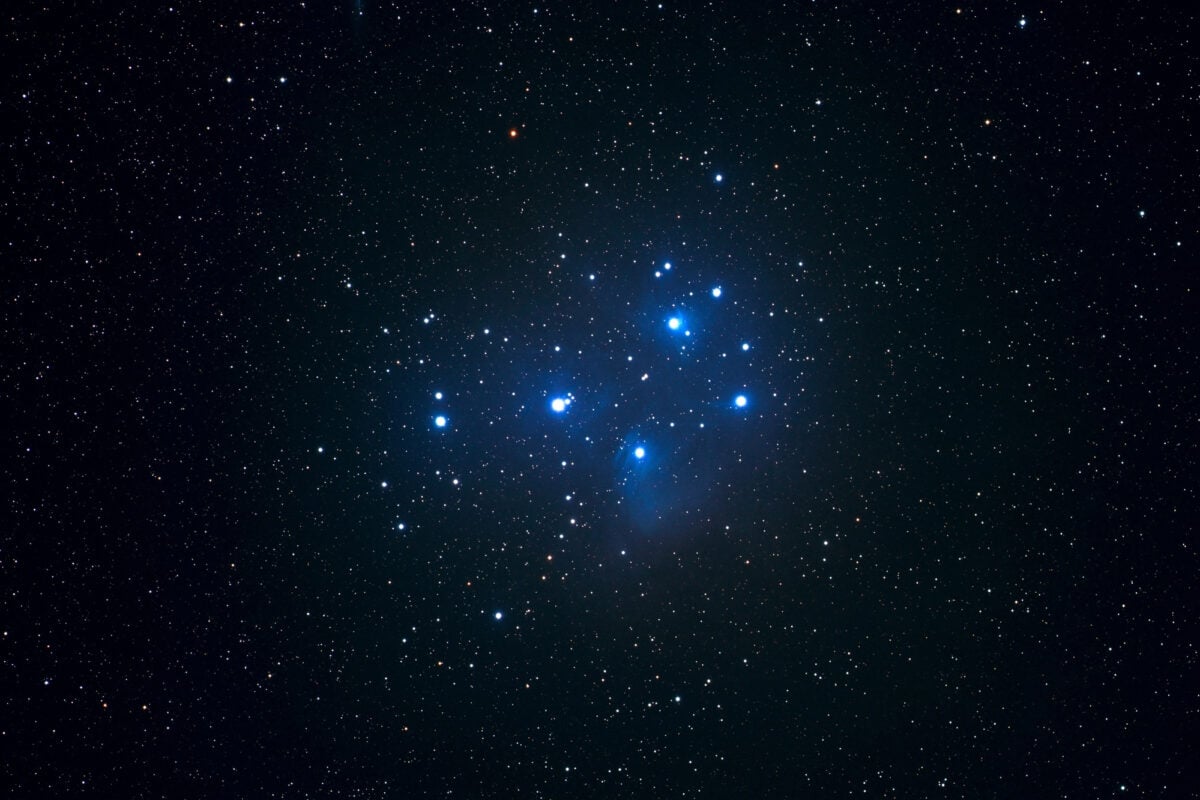
Most people who glance at the Pleiades see a smudge of light or, on a good night, six individual points. Under genuinely dark skies with good eyesight and some practice, around 14 stars in the cluster have been reported by observers with exceptional vision.
Ancient cultures around the world noticed the Pleiades independently, incorporated them into agricultural calendars, and were disturbed whenever a star appeared to disappear — multiple mythological traditions include the motif of the “lost Pleiad,” a seventh star said to have faded or hidden. Several of the cluster’s fainter stars are genuine variables, meaning the sky has been incrementally changing in a way unaided-eye observers noticed thousands of years before astrophysics could explain it.
Aurora Borealis (at Lower Latitudes Than Expected)
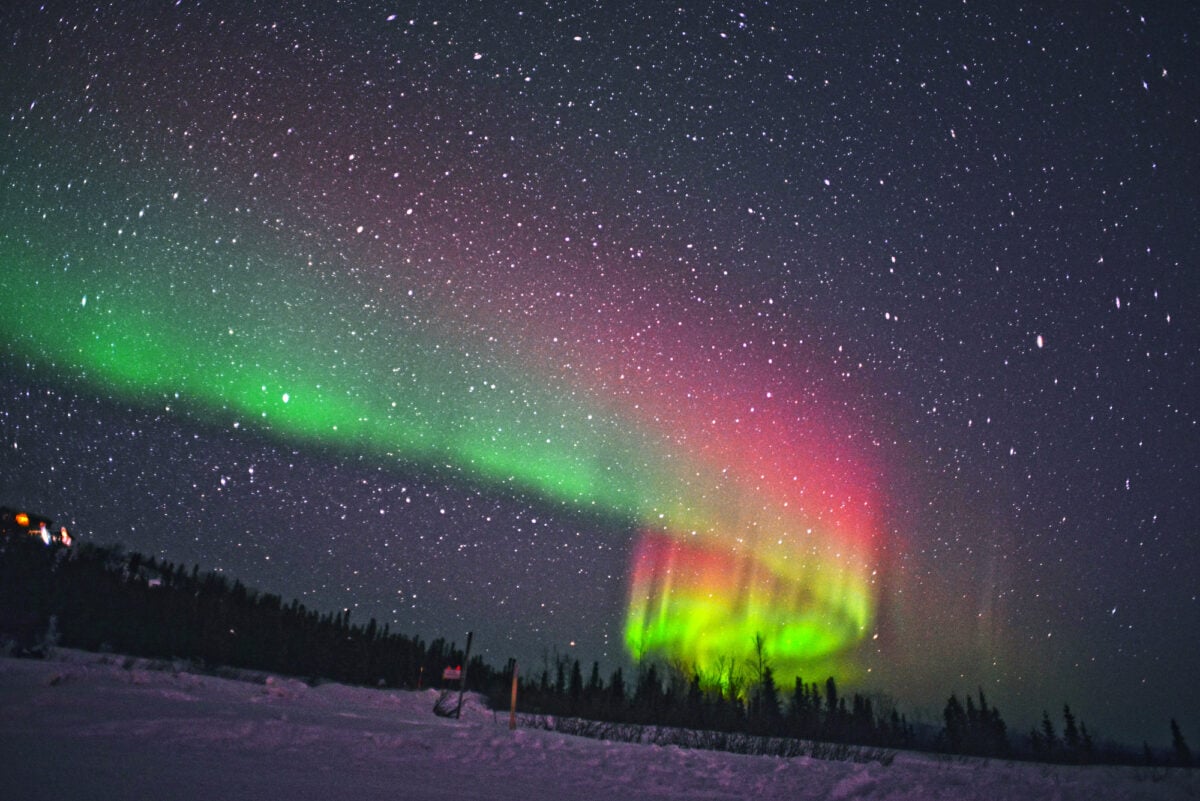
Most people associate the northern lights with places like Iceland, Norway, or northern Canada. In reality, during significant geomagnetic storms, auroral displays have been observed as far south as Texas, the Mediterranean, and New Zealand (as the aurora australis).
These lower-latitude events tend to appear as a red or pink glow on the northern horizon rather than the curtains and pillars seen further north, and they’re often missed because observers don’t recognise them as an aurora — they look too much like distant light pollution. Several widely reported events in 2024 brought aurora to unusually low latitudes across multiple continents.
A Double Star With the Unaided Eye
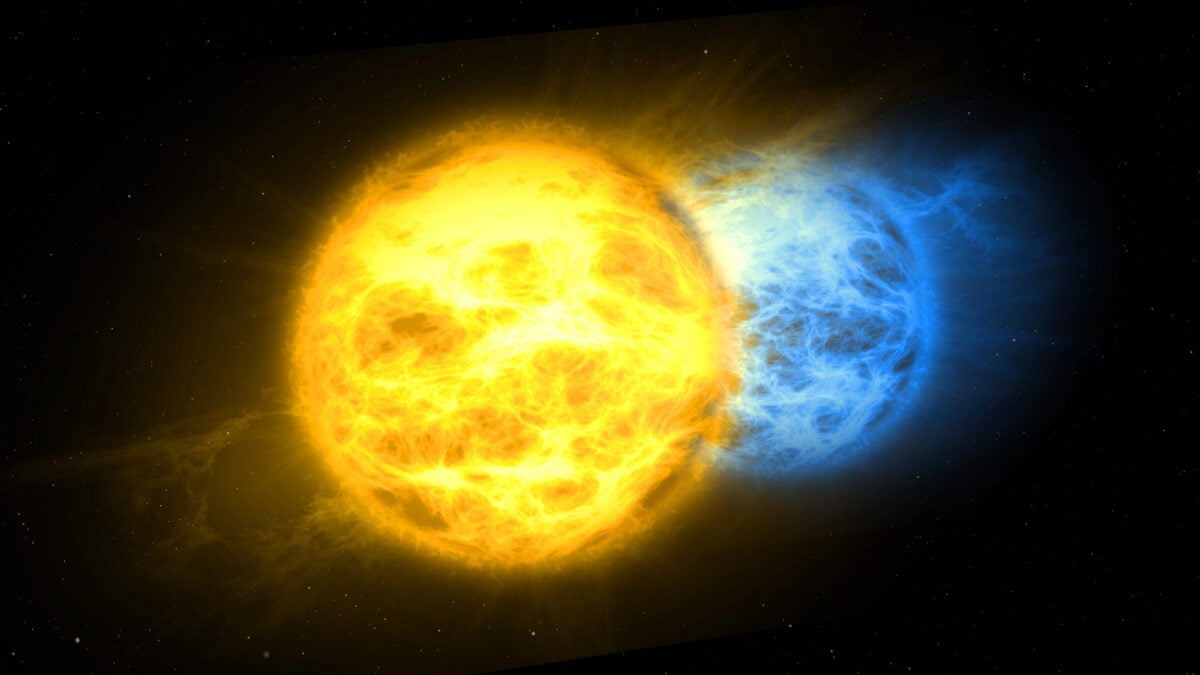
Mizar and Alcor — the second-from-the-end star in the handle of the Big Dipper — form a unaided-eye double star visible as two distinct points by anyone with average eyesight under moderately good conditions. In antiquity, the ability to separate them was used as a test of vision.
What makes them particularly strange is that both Mizar and Alcor are themselves multiple star systems: Mizar is actually two binary pairs, and Alcor has a companion red dwarf. What looks like a simple double from the ground is six stars bound in a gravitational arrangement spanning about three light-years.
Airglow
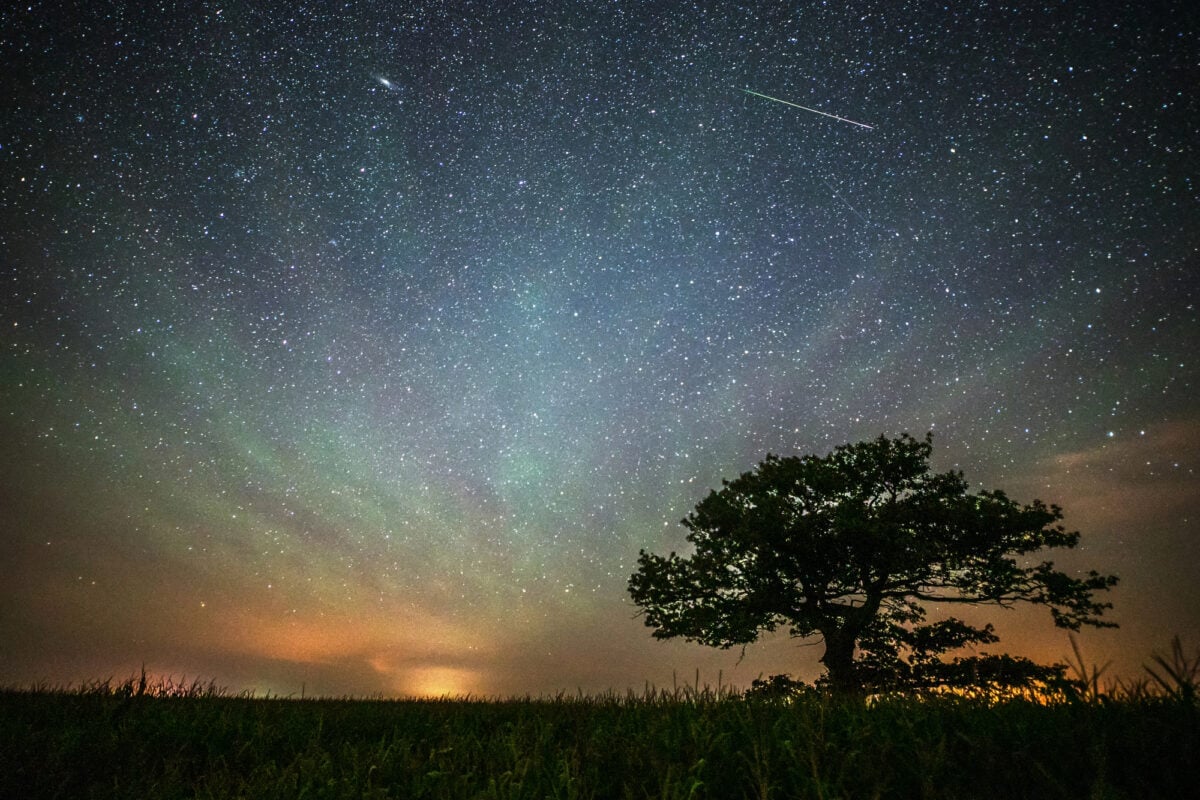
On the darkest and clearest nights, the sky itself glows faintly — not from stars, but from chemical reactions happening continuously in the upper atmosphere where solar ultraviolet light energises oxygen, sodium, and hydroxyl molecules that then release light as they relax. This airglow wraps the entire Earth like a green-tinted rind, visible in photographs taken from the International Space Station but also — barely — with the unaided eye on the most exceptional nights at the best dark sky sites.
Photographers regularly capture it as a greenish background luminosity they initially assume is an artifact. It is not.
The atmosphere is always doing this.
The Coal Sack Nebula
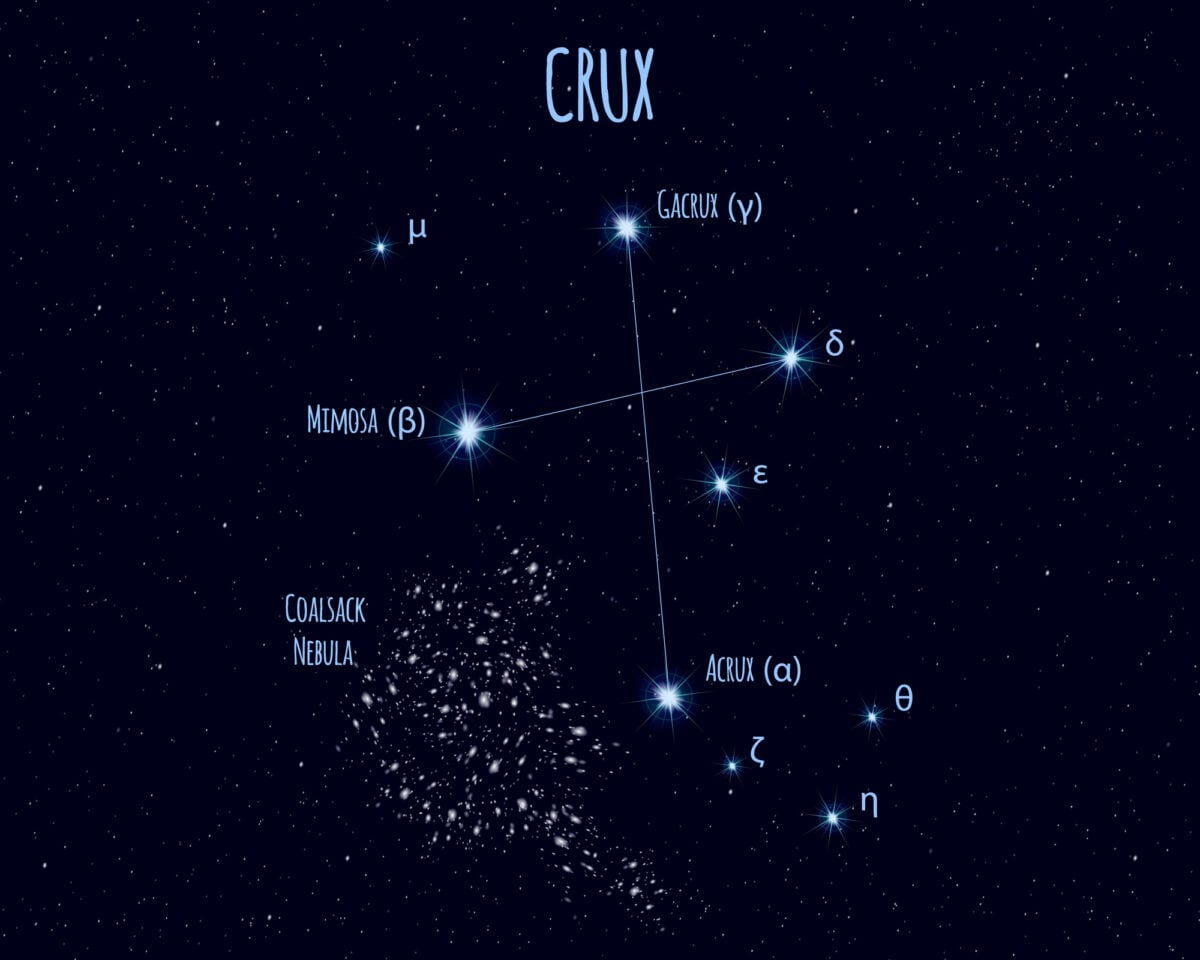
The Coal Sack is a dark nebula visible from the southern hemisphere, sitting next to the Southern Cross. It is not something you see so much as something you notice missing — a conspicuously dark patch where the Milky Way’s stars seem to stop, caused by a cloud of interstellar dust blocking the light of stars behind it.
Aboriginal Australians have navigated and told stories using dark nebulae like the Coal Sack for tens of thousands of years — a sky-reading tradition that focused on the dark shapes rather than the bright ones, which is arguably a more sophisticated approach to reading the Milky Way than anything the European tradition developed for centuries.
The Eta Carinae Nebula Region
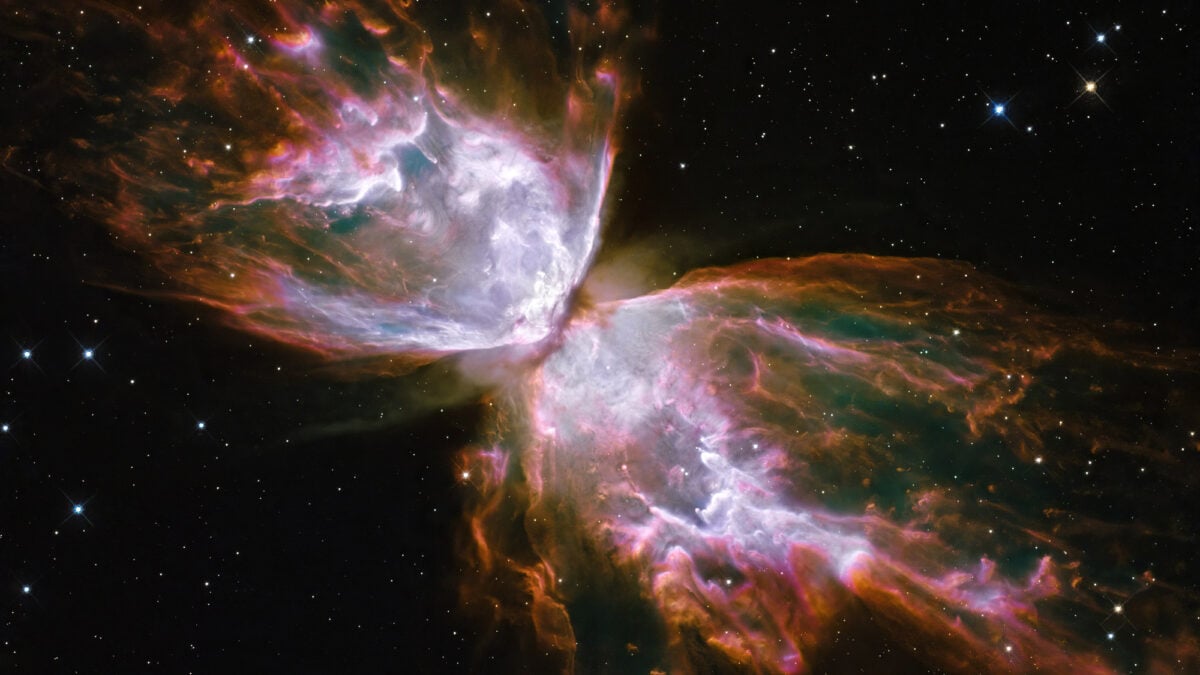
From the southern hemisphere, the area around Eta Carinae — a hypergiant star roughly 7,500 light-years away — contains unaided-eye nebulosity visible as a brighter knot in the Milky Way near the False Cross. Eta Carinae itself is one of the most massive and unstable stars known, an object that astronomers have been watching for a supernova candidate for over a century.
In the 1840s it briefly became the second-brightest star in the sky before fading. The unaided-eye appearance now is calm.
What’s happening inside it is not.
Light Pillars in Winter Air
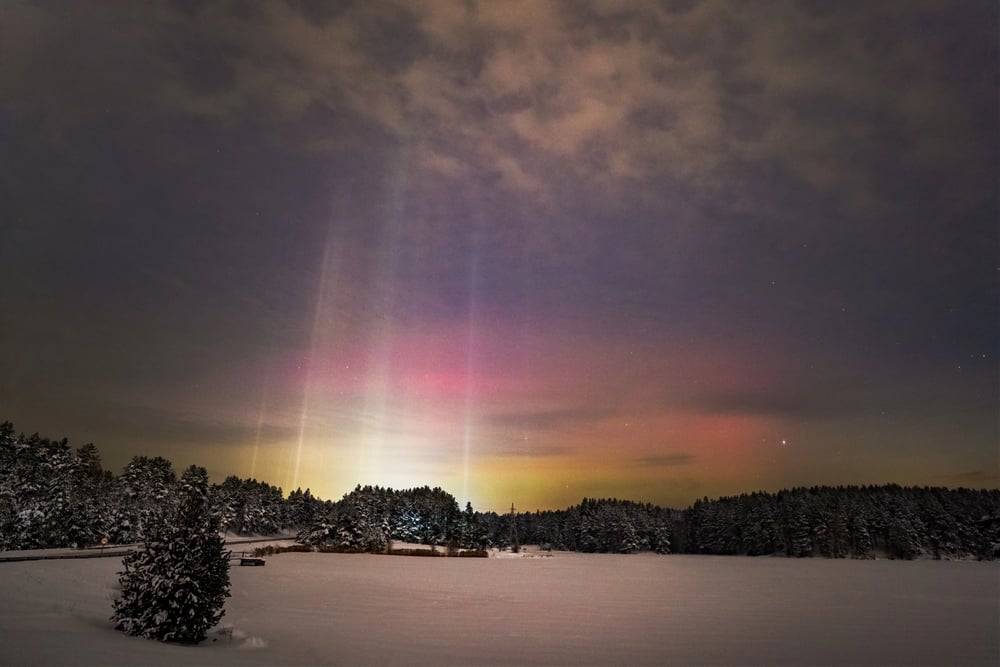
On very cold nights when ice crystals form close to the ground, light from streetlamps, flares, or even the Moon can be refracted upward into vertical columns of colour rising from the source. These light pillars can extend tens of metres into the sky and produce what looks like a forest of coloured searchlights in the absence of any obvious source.
They are not rare in genuinely cold climates during stable winter air — but to someone encountering them for the first time with no context, they look entirely otherworldly. Reports of unusual lights during winter nights in northern Canada, Scandinavia, and Russia frequently describe what are almost certainly light pillars seen by people who didn’t know the phenomenon existed.
The Unaided Eye’s Actual Range
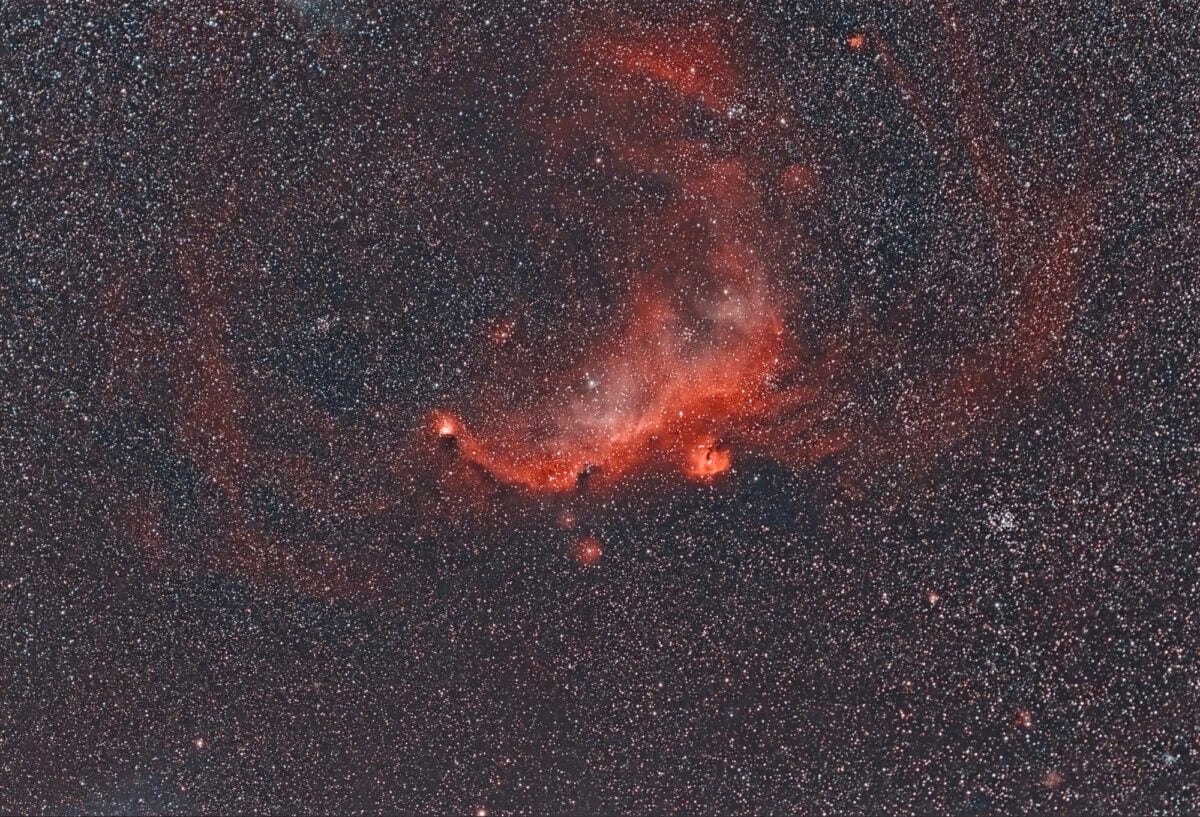
The human eye is not the limited instrument most people assume. Under the right conditions, with dark adaptation and some practice, it can detect objects 2.5 million light-years away (Andromeda), resolve individual components in multiple star systems, track the motion of planets night to night, and pick up phenomena so faint that early astronomers dismissed them as tricks of the mind.
The limiting factor is almost never the eye itself. It is the light pollution, the phone in hand, and the persistent assumption that without a telescope, the sky has nothing left to offer.
Standing outside for 20 minutes in genuine darkness, pointing your unaided eyes at a sky that hasn’t changed its basic inventory in centuries — that alone will correct the assumption. Most people just never try.
More from Go2Tutors!

- The Romanov Crown Jewels and Their Tragic Fate
- 13 Historical Mysteries That Science Still Can’t Solve
- Famous Hoaxes That Fooled the World for Years
- 15 Child Stars with Tragic Adult Lives
- 16 Famous Jewelry Pieces in History
Like Go2Tutors’s content? Follow us on MSN.