Foods Named After Real People
Food history is full of interesting stories about the connection between the kitchen and famous personalities. There are dishes that were created in honor of famous people, while others were named after the guests who loved the dish so much that the chef decided to immortalize the name of the guest in the menu.
In fact, the stories behind these dishes are interesting moments in history that connected culinary creativity with famous people, royalty, or politics. These names are now part of everyday vocabulary.
People ask for these dishes in a restaurant or cook these dishes at home without knowing that the dish was actually named after a real person. In fact, these dishes are full of history hidden in their names, ranging from desserts to sandwiches.
Here are some of the famous dishes that were named after real people.
Caesar Salad
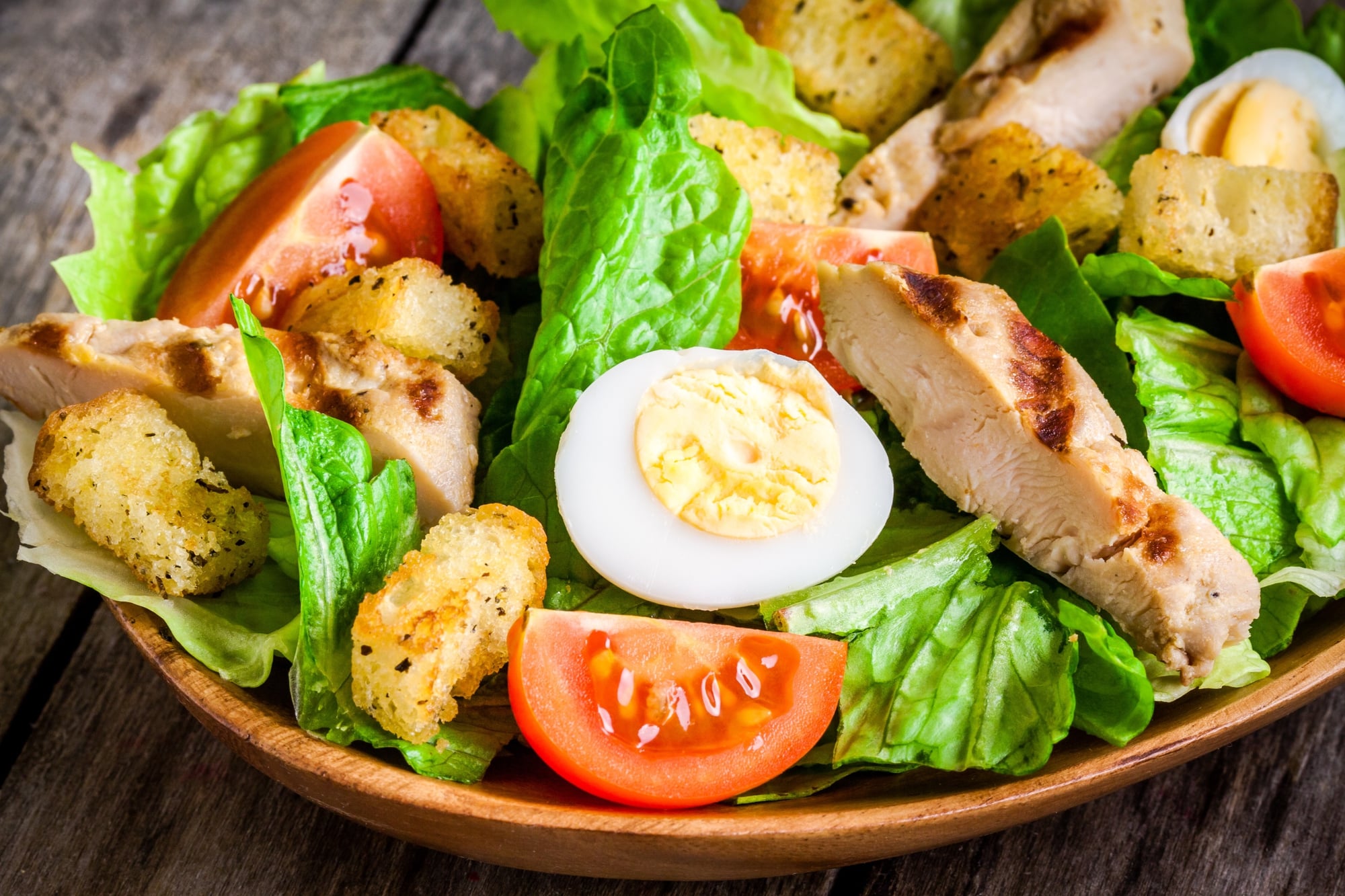
Caesar salad is one of the most widely served salads in the world, yet many people assume its name refers to the Roman emperor Julius Caesar. In reality, the dish was created by Italian-American restaurateur Caesar Cardini in the 1920s.
Cardini operated restaurants in both California and Tijuana, Mexico. According to popular accounts, he improvised the salad during a busy holiday weekend when kitchen supplies were running low.
Using ingredients such as romaine lettuce, garlic, eggs, and olive oil, he created a simple yet flavorful dish that quickly became a signature item. The recipe spread rapidly across North America and eventually around the world.
Beef Wellington
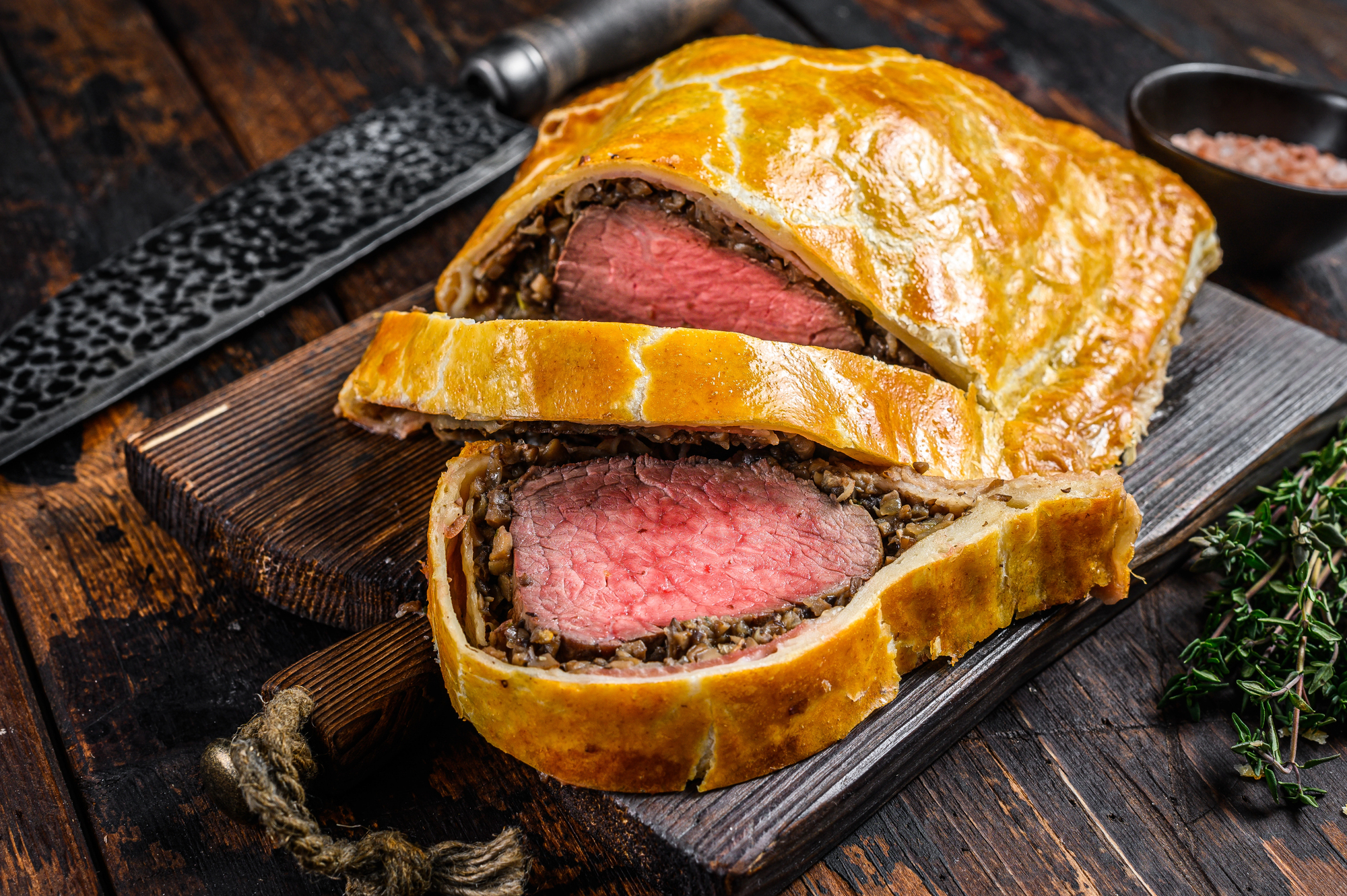
Beef Wellington is an elegant dish consisting of beef tenderloin wrapped in pastry with layers of mushrooms and pâté. The name is often linked to Arthur Wellesley, the Duke of Wellington, who became famous for defeating Napoleon at the Battle of Waterloo in 1815.
Food historians still debate the exact origin of the name. Some believe British chefs created the dish to celebrate the duke’s victory, while others think the pastry-wrapped shape reminded diners of the boots associated with Wellington.
Regardless of its precise origin, the dish became a classic centerpiece in formal British dining.
Eggs Benedict

Eggs Benedict is a brunch favorite consisting of poached eggs, Canadian bacon, and hollandaise sauce served on toasted English muffins. The name traces back to a New York City socialite named Lemuel Benedict.
In the late nineteenth century, Benedict reportedly visited the Waldorf Hotel seeking a remedy for a lingering morning headache. He ordered buttered toast, poached eggs, crisp bacon, and hollandaise sauce.
The hotel’s chef refined the combination into the dish now known worldwide as Eggs Benedict. The restaurant soon added it to the menu, and it became a brunch staple.
Nachos
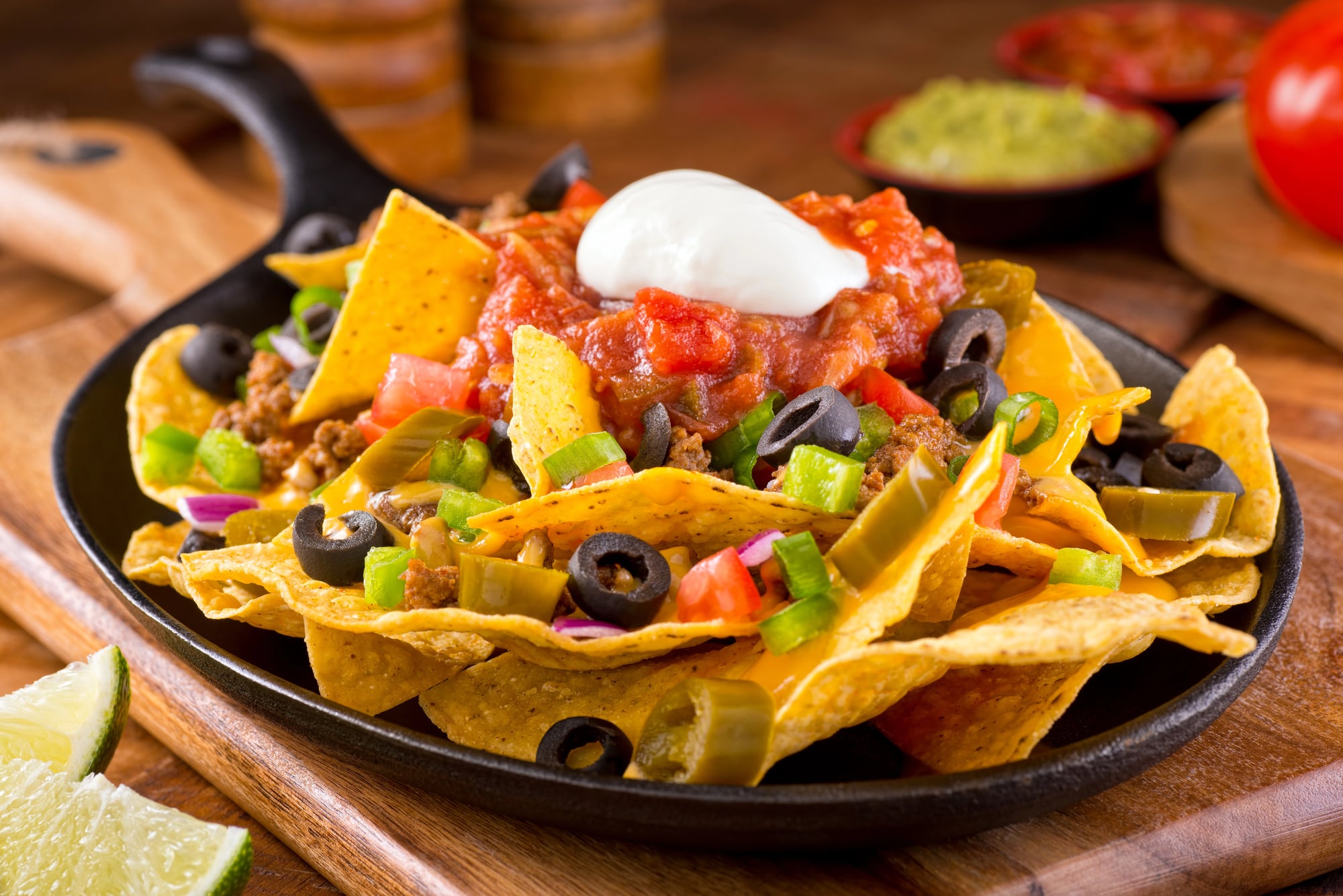
Nachos are now a universal snack found everywhere from sports stadiums to casual restaurants. The dish was created in 1943 by Ignacio ‘Nacho’ Anaya, a maître d’ at a restaurant in Piedras Negras, Mexico.
When a group of American visitors arrived after the kitchen had closed, Anaya improvised by topping tortilla chips with melted cheese and sliced peppers. The guests loved the dish and began asking for ‘Nacho’s special.’
Over time the name shortened to simply ‘nachos,’ and the snack spread rapidly across North America before becoming popular worldwide.
Peach Melba
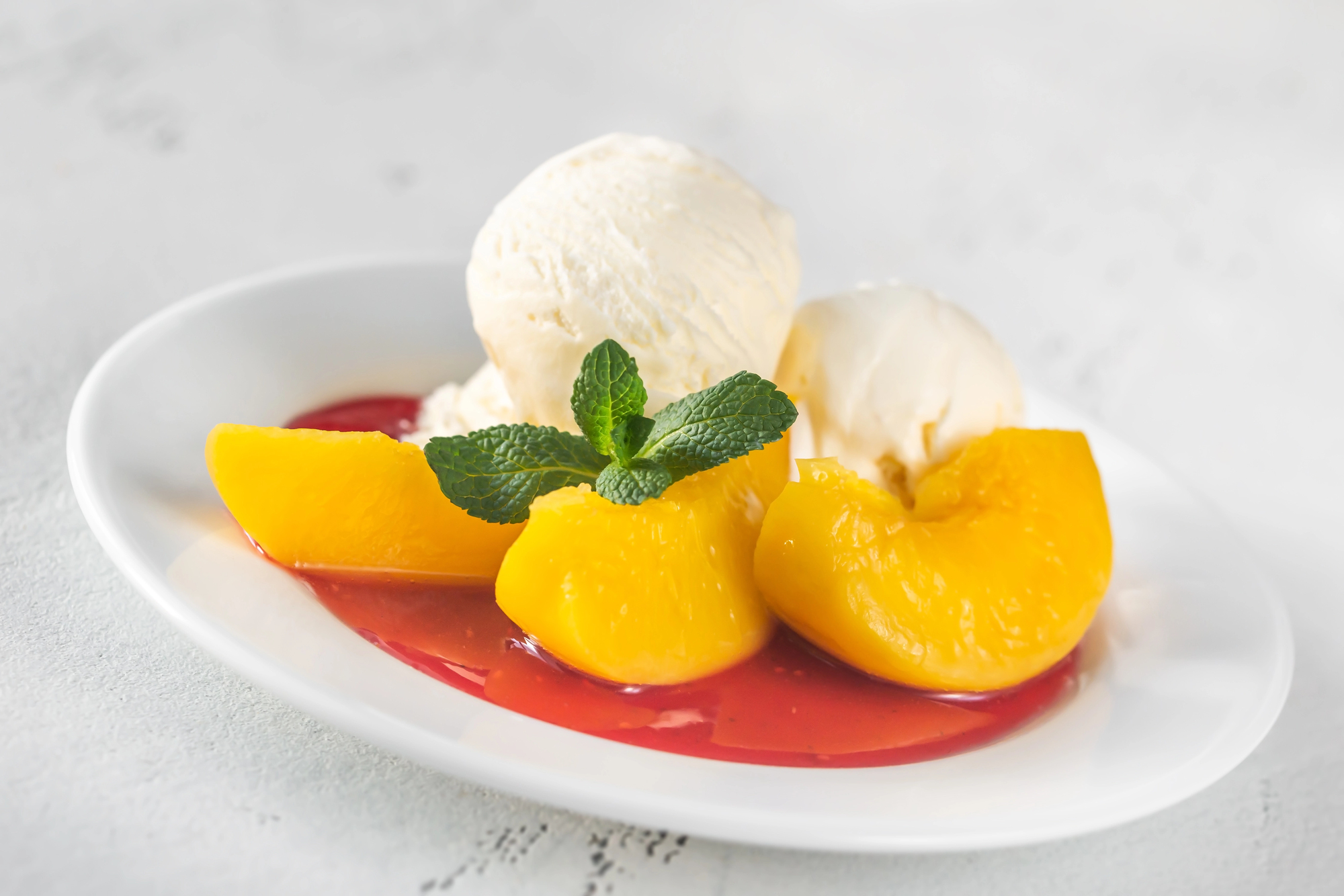
Peach Melba is a classic dessert made from peaches, raspberry sauce, and vanilla ice cream. The dish was created by the famous French chef Auguste Escoffier in honor of Australian opera singer Nellie Melba.
Escoffier first prepared the dessert while working at London’s Savoy Hotel in the late nineteenth century. Inspired by Melba’s performance in the opera Lohengrin, he presented the peaches and ice cream in an elaborate ice sculpture shaped like a swan.
The simpler version of the dish soon appeared on restaurant menus and became one of the chef’s most enduring creations.
Pavlova
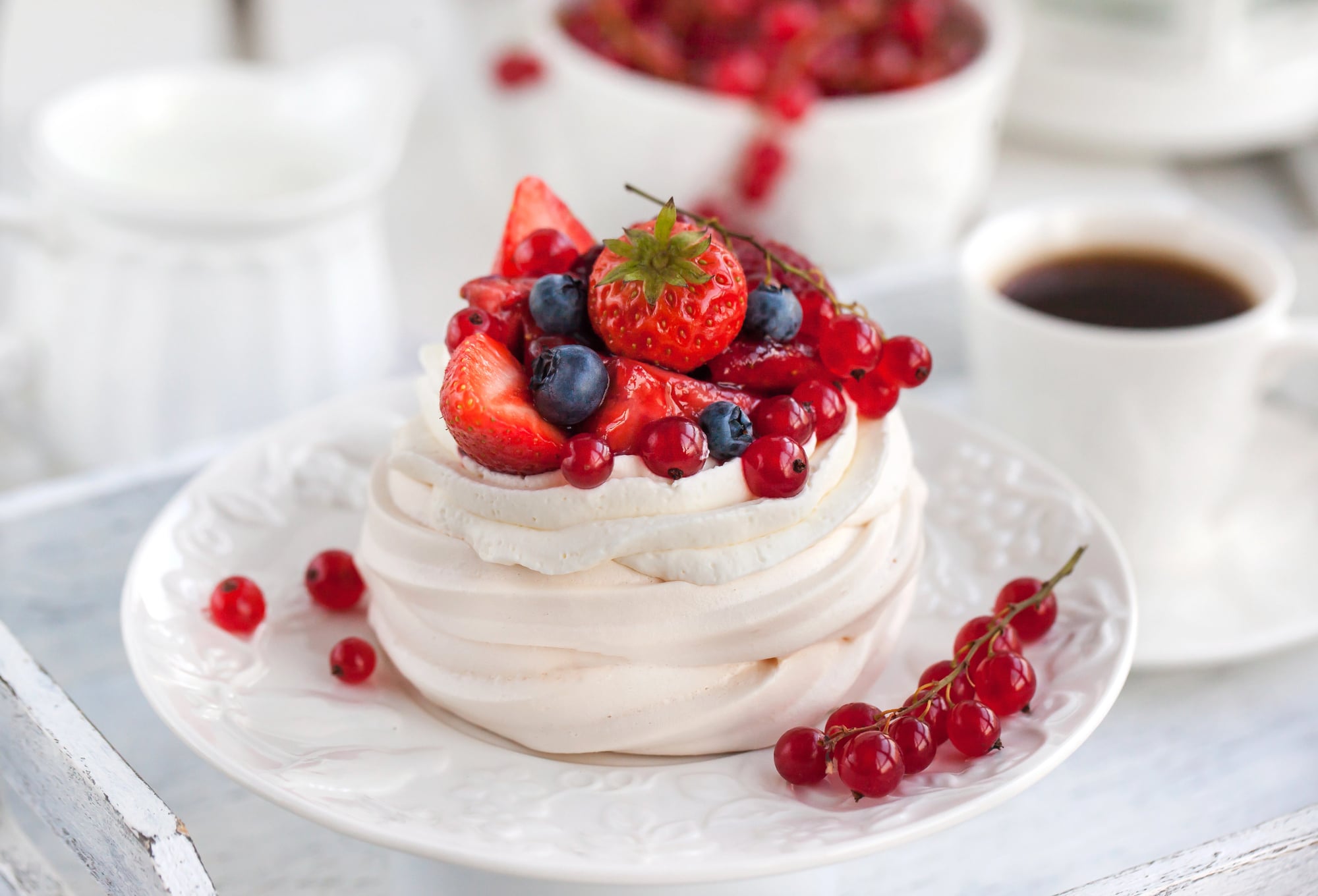
Pavlova is a meringue-based dessert topped with whipped cream and fresh fruit. Both Australia and New Zealand claim to be the birthplace of the dish, but its name clearly honors Russian ballet dancer Anna Pavlova.
During Pavlova’s tours in the 1920s, chefs in the region created the dessert to celebrate her visit. The light, airy texture of the meringue was said to resemble the graceful movements of the dancer.
Regardless of its exact origin, the dessert remains a beloved centerpiece at celebrations in both countries.
Sandwich
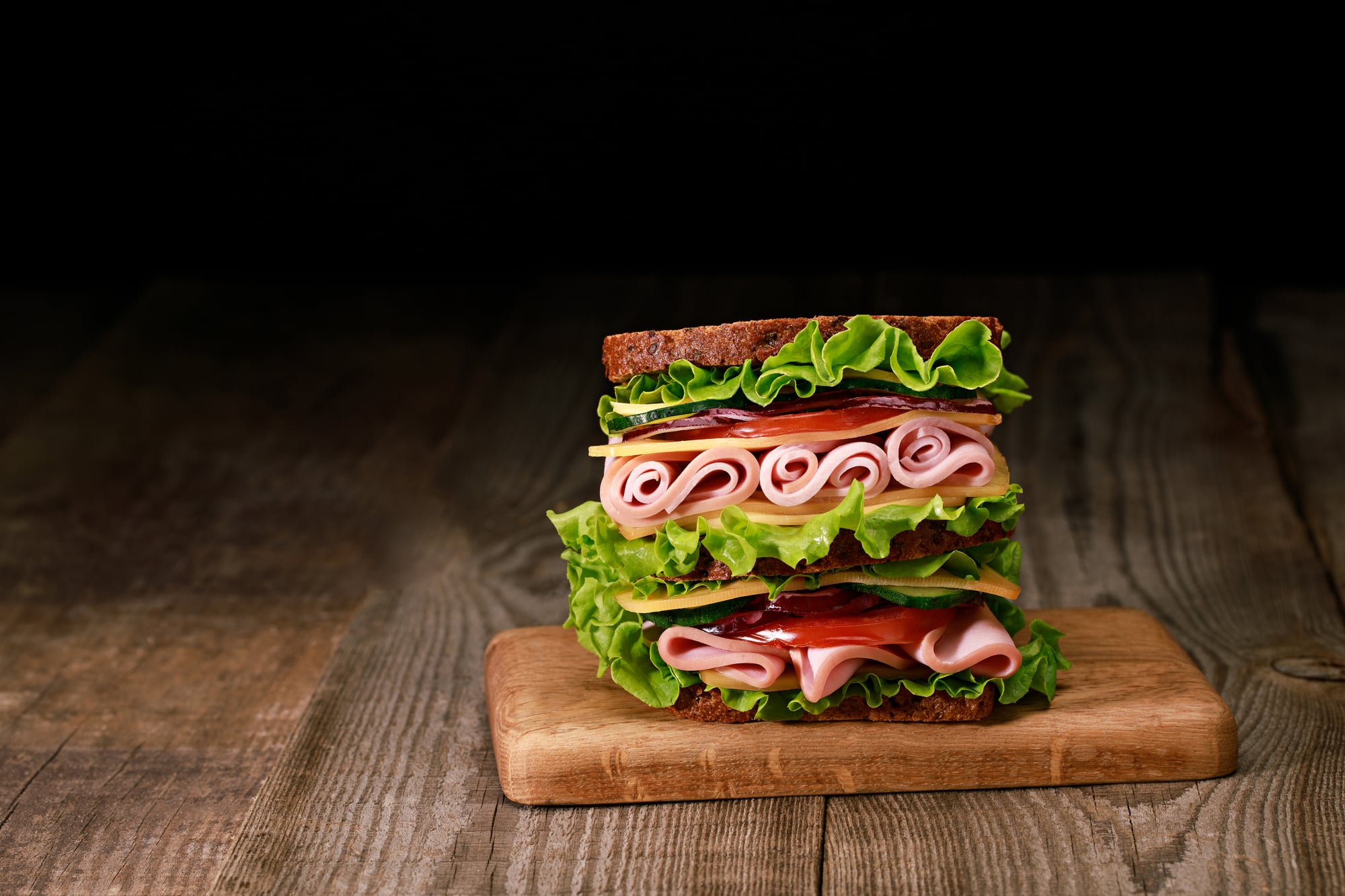
Few foods are as universally recognized as the sandwich. Its name comes from John Montagu, the fourth Earl of Sandwich, an eighteenth-century British aristocrat.
According to popular legend, Montagu enjoyed playing cards for long stretches and preferred meals that would not interrupt the game. He asked servants to place slices of meat between two pieces of bread so he could eat without using utensils.
Other players began ordering the same meal by asking for ‘the same as Sandwich,’ and the name eventually stuck.
Salisbury Steak
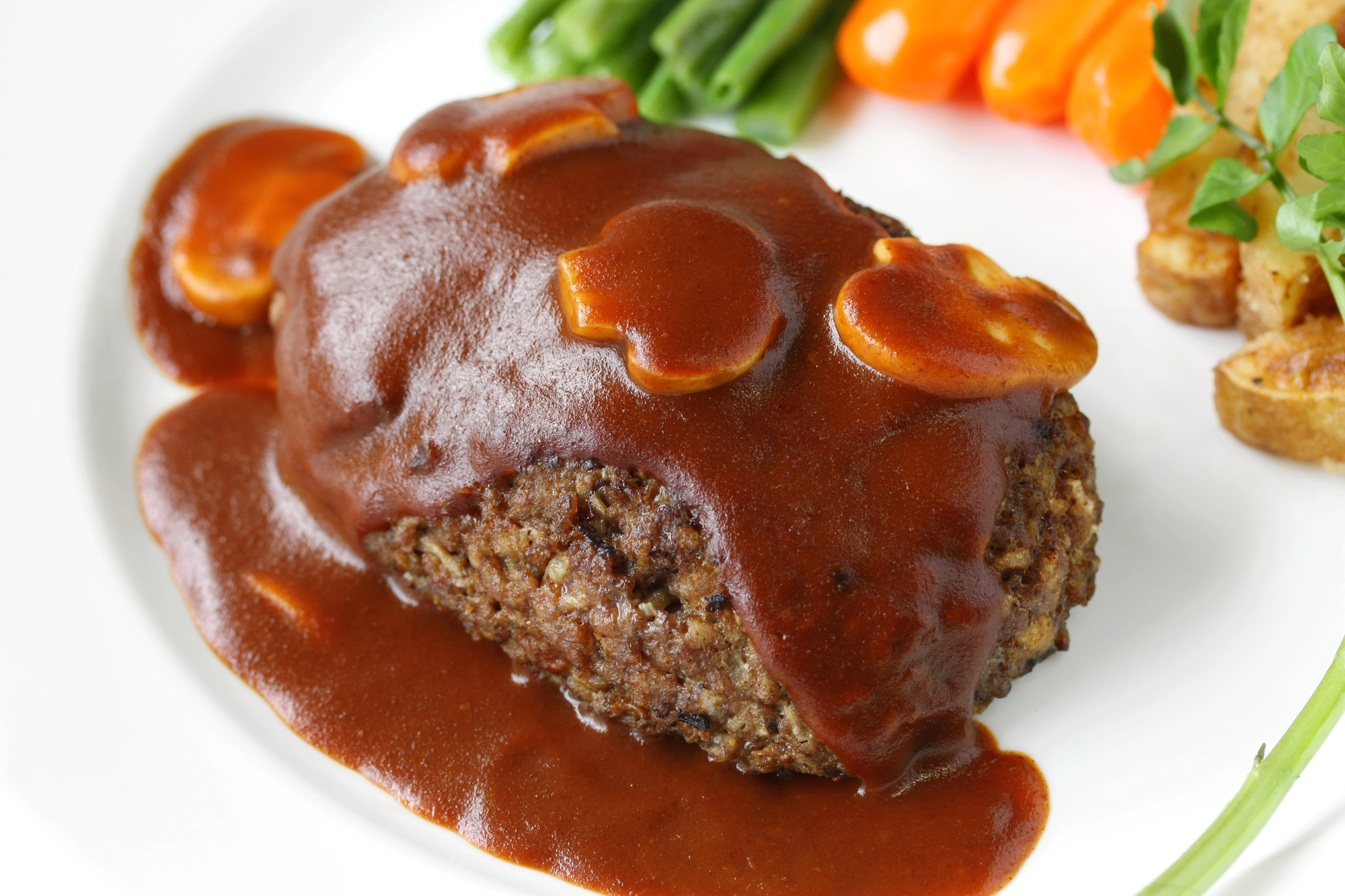
Salisbury steak is a seasoned ground beef dish often served with gravy and vegetables. It was named after Dr. James Salisbury, an American physician who promoted a meat-heavy diet in the nineteenth century.
Salisbury believed that minced beef was easier to digest and recommended it as a health food. His dietary ideas gained popularity during the late 1800s, and the dish associated with his name eventually became a staple in American home cooking and institutional menus.
Bananas Foster
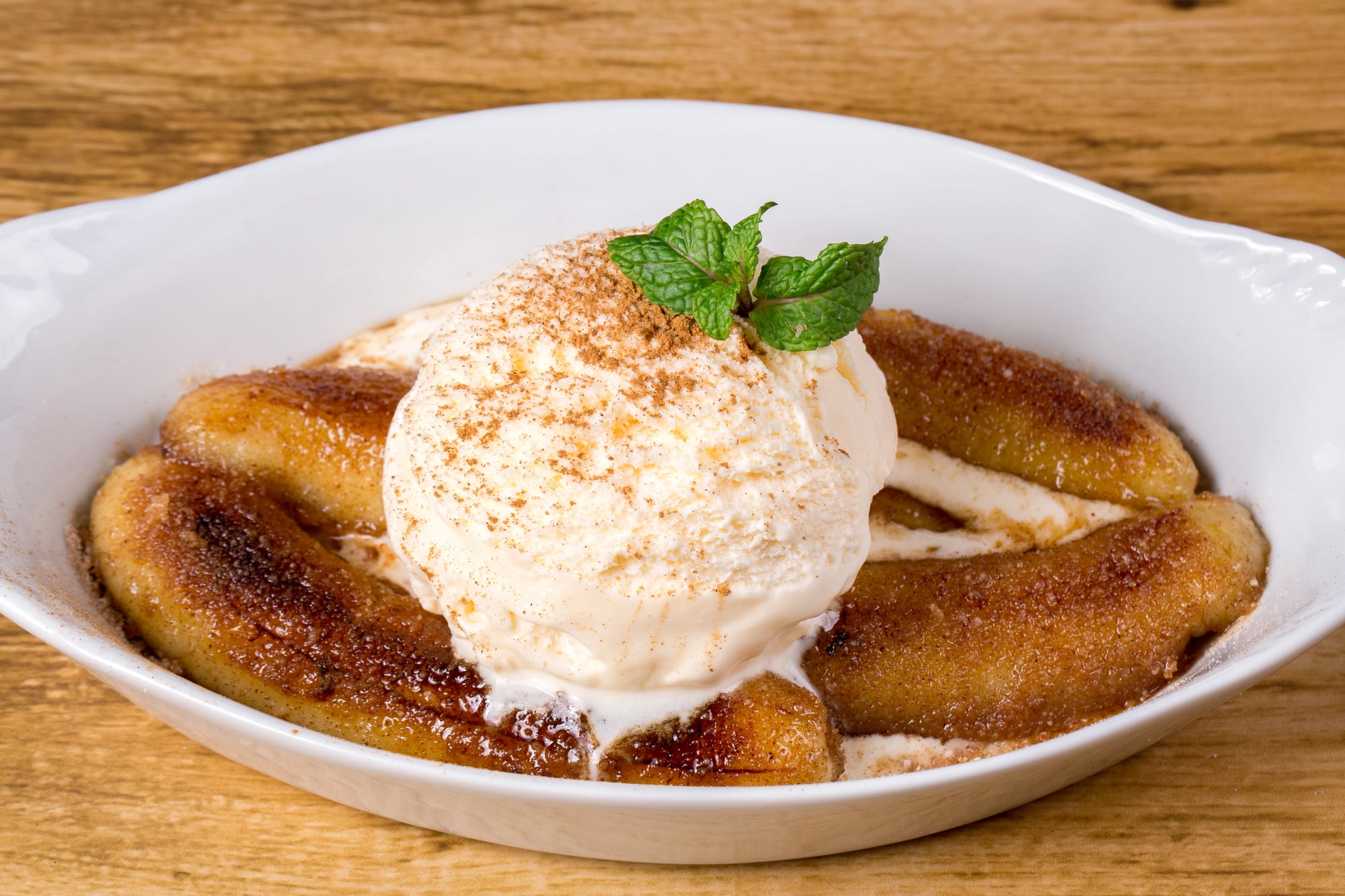
Bananas Foster is a dessert made with bananas cooked in butter, sugar, and rum, typically served over ice cream. The dish originated in New Orleans during the 1950s.
It was named after Richard Foster, a local businessman and friend of the restaurant owner who helped promote the city’s culinary scene. The dessert became a signature dish at Brennan’s Restaurant and remains closely associated with New Orleans dining culture.
Graham Crackers
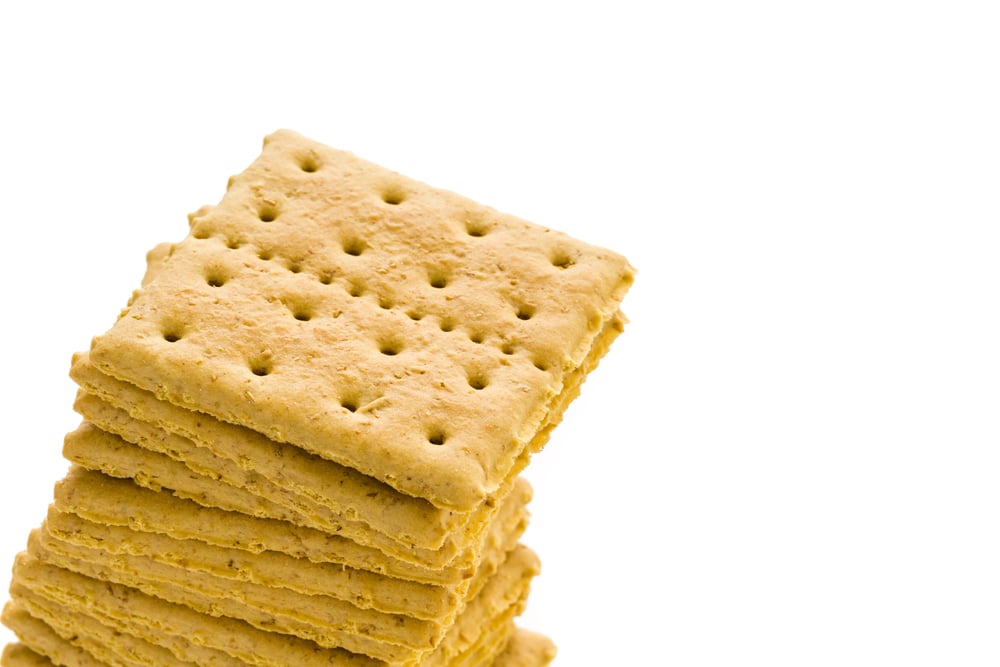
Graham crackers were named after Sylvester Graham, a nineteenth-century American minister and dietary reformer. Graham advocated a simple lifestyle and promoted whole-grain foods as part of a healthy diet.
The original graham crackers were far less sweet than modern versions. They were designed as a plain, wholesome snack that reflected Graham’s philosophy about nutrition and moderation.
Over time, the crackers evolved into the sweet treat commonly used in desserts today.
Beef Stroganoff
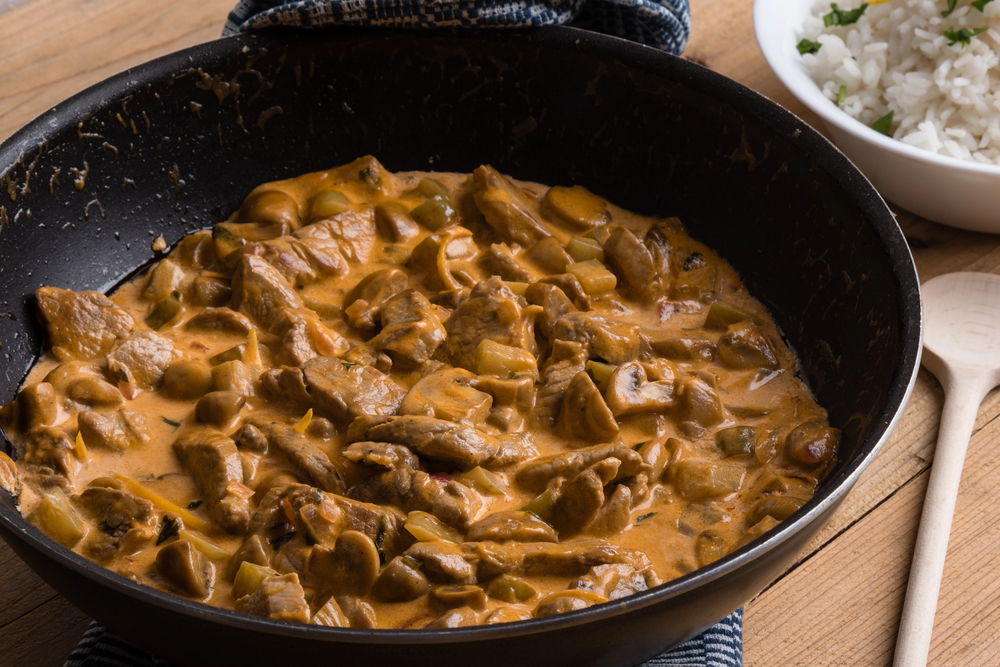
Beef Stroganoff is a creamy dish made with sautéed beef and sauce traditionally served over noodles or rice. The recipe originated in Russia and is believed to have been named after the wealthy Stroganov family.
The dish became popular in the nineteenth century and eventually spread across Europe and North America. While the exact connection to the Stroganov family remains debated, the name reflects the aristocratic heritage associated with its early history.
Fettuccine Alfredo
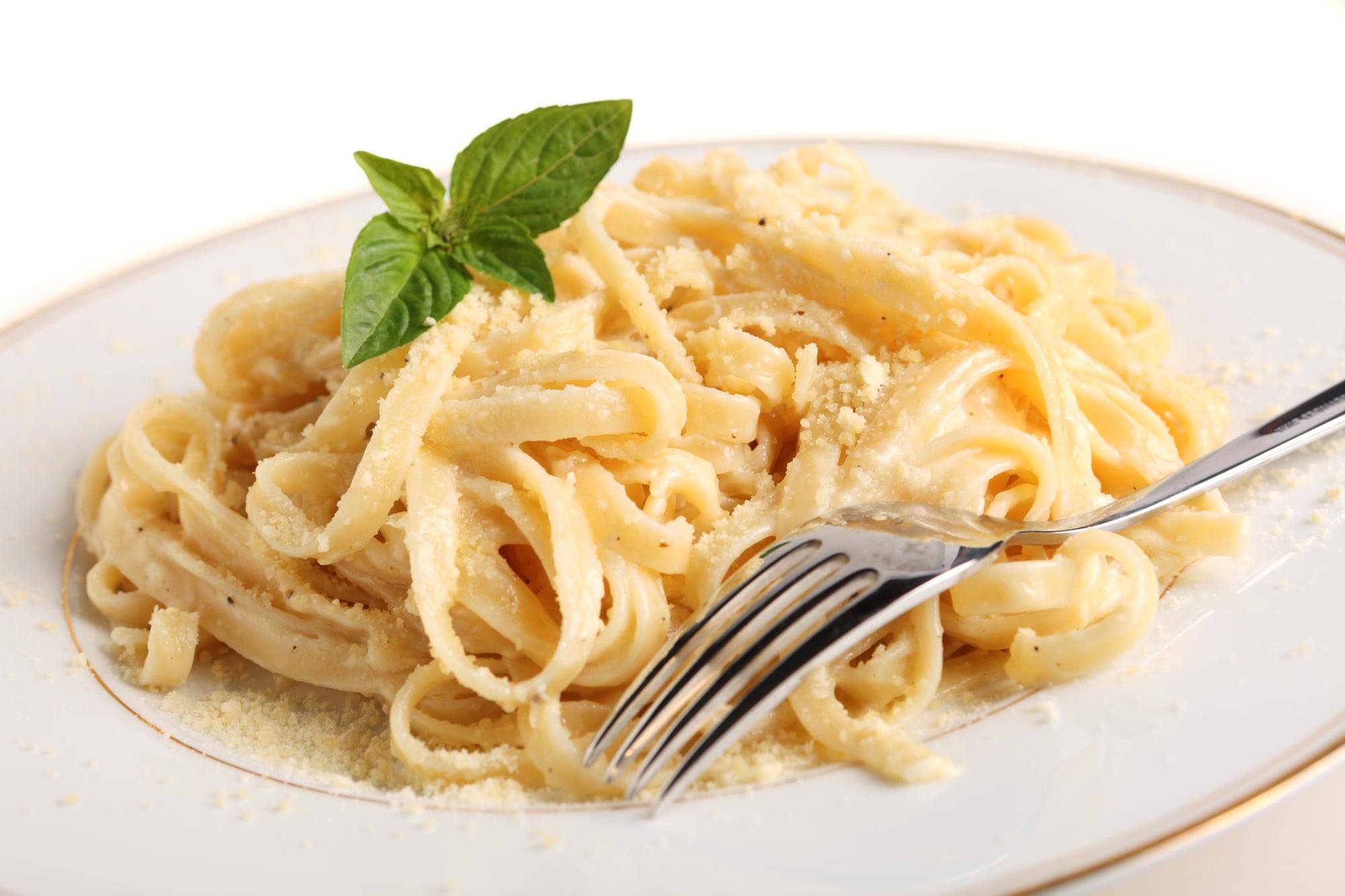
Fettuccine Alfredo is a pasta dish famous for its rich sauce made from butter and cheese. It was created by Roman restaurateur Alfredo di Lelio in the early twentieth century.
Di Lelio prepared the dish for his wife after she lost her appetite following the birth of their child. The simple recipe quickly gained popularity among customers at his restaurant.
American actors visiting Rome helped introduce the dish to the United States, where it became a staple in Italian-American cuisine.
Reuben Sandwich
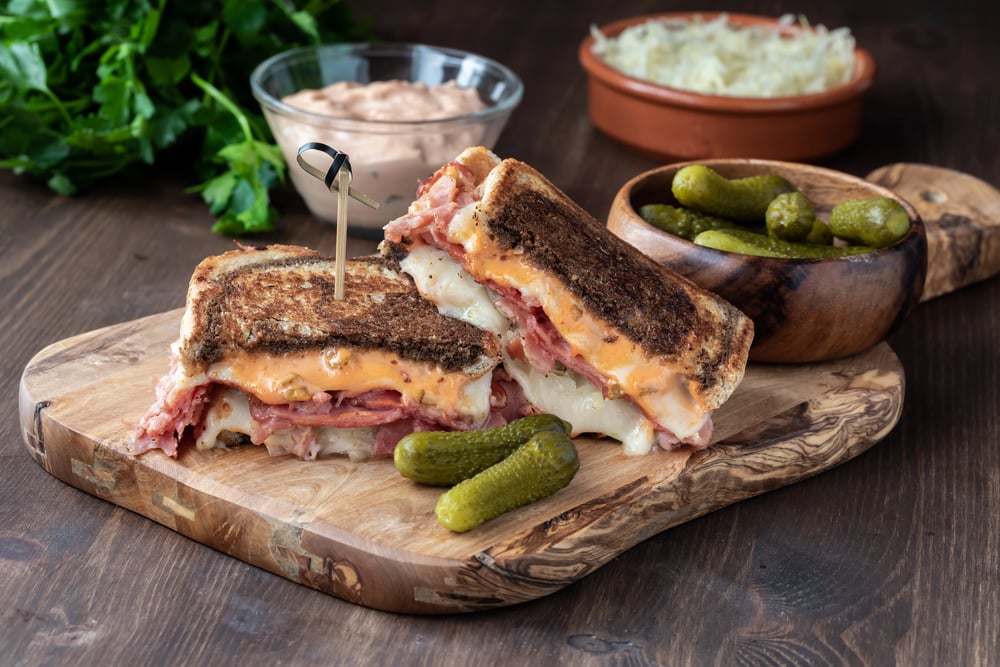
The Reuben sandwich typically contains corned beef, Swiss cheese, sauerkraut, and dressing served on grilled rye bread. Several origin stories exist, but many credit a grocer named Reuben Kulakofsky from Omaha, Nebraska.
According to one version of the story, Kulakofsky requested the sandwich during weekly card games at a local hotel. The hotel’s chef refined the combination and eventually added it to the menu.
The sandwich gained national recognition after winning a recipe contest in the mid-twentieth century.
Margherita Pizza
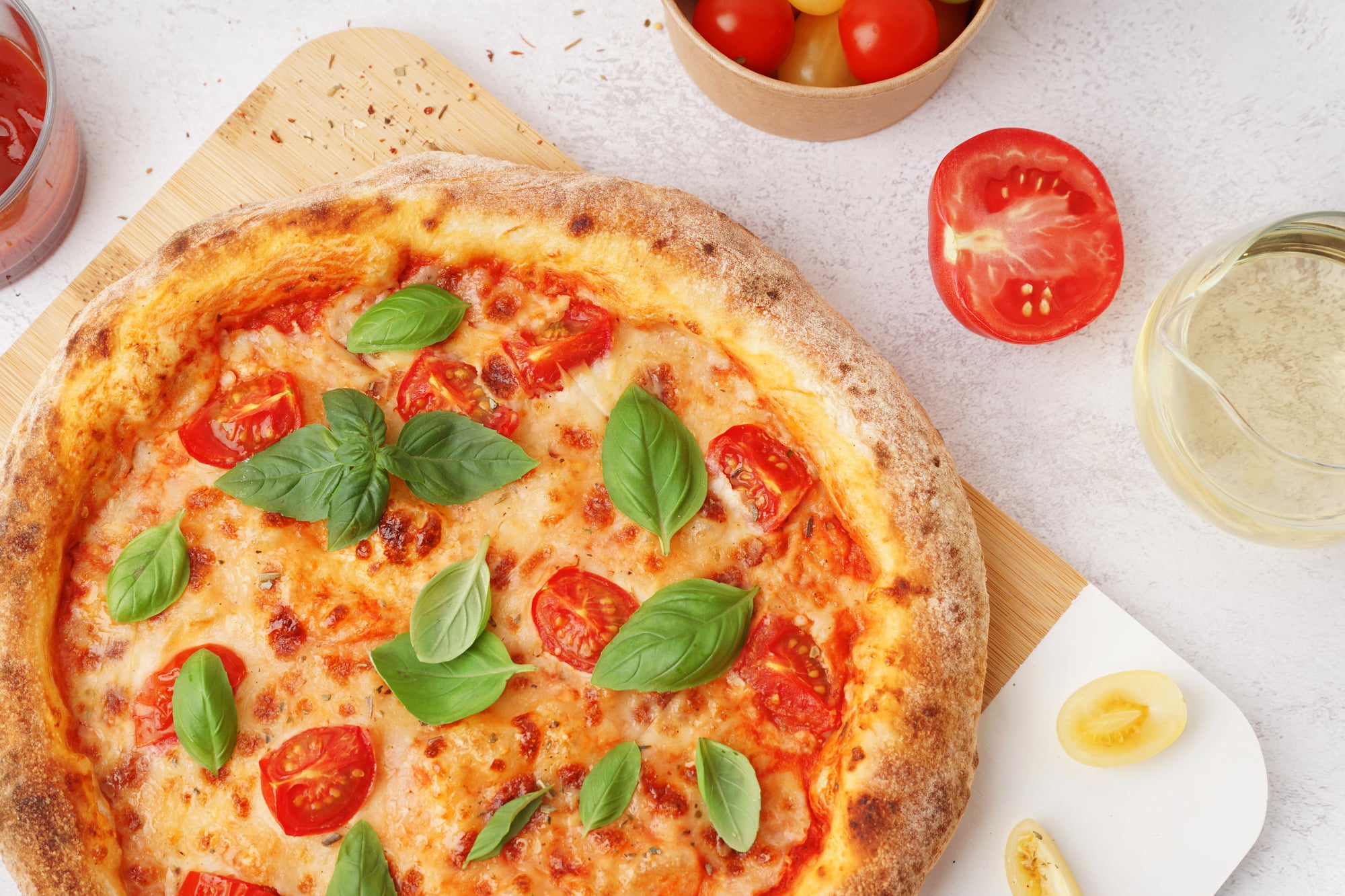
Margherita pizza is one of the most famous varieties of Italian pizza. The dish was reportedly created in Naples in honor of Queen Margherita of Italy during the late nineteenth century.
The pizza’s toppings—tomatoes, mozzarella cheese, and basil—mirror the colors of the Italian flag. Legend says the queen favored this particular combination, and the dish was named after her shortly afterward.
Today it remains one of the most classic and widely recognized pizza styles.
Cobb Salad
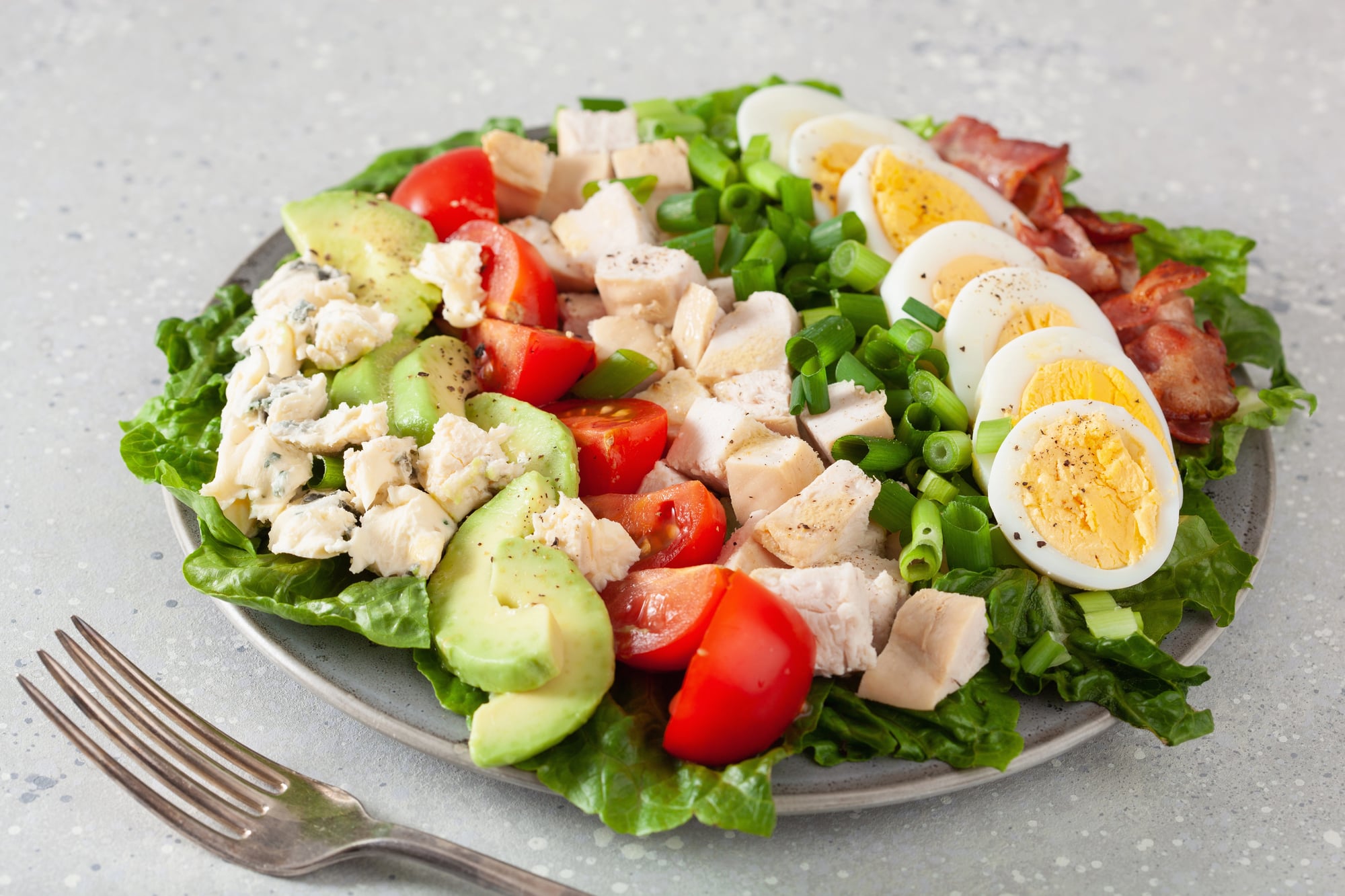
Cobb salad is a hearty American salad featuring ingredients such as lettuce, chicken, bacon, eggs, avocado, and cheese. It was created at the Brown Derby restaurant in Hollywood during the 1930s.
The dish was named after restaurant owner Robert Cobb. According to the story, Cobb assembled the salad late one evening using leftovers from the kitchen.
The combination proved so popular that it quickly became a permanent menu item and eventually spread to restaurants across the United States.
The Names Behind The Dishes
Many of these dishes started as a small food experiment or tribute to a famous person. However, the names associated with these dishes have become a part of the global food lexicon, sometimes longer than the lives of the people they were originally named after.
For instance, eating a Caesar salad or a Margherita pizza is a connection to a history spanning centuries and continents. It is a reminder that the history of food is full of personalities whose names will continue to appear on the menu longer after their time is over.
More from Go2Tutors!

- The Romanov Crown Jewels and Their Tragic Fate
- 13 Historical Mysteries That Science Still Can’t Solve
- Famous Hoaxes That Fooled the World for Years
- 15 Child Stars with Tragic Adult Lives
- 16 Famous Jewelry Pieces in History
Like Go2Tutors’s content? Follow us on MSN.


