Celebrities Who Accidentally Sparked Major Trends
Sometimes the things that define an era happen by complete accident. A celebrity shows up somewhere wearing something they threw on without thinking, and suddenly millions of people are copying them.
The shrunk sweatshirt becomes a fashion statement. The fabric shortage becomes the miniskirt.
The wardrobe malfunction becomes next season’s must-have look. These accidental trends often outlast the carefully planned ones.
Marketing teams spend millions trying to predict what people will want to wear, but sometimes all it takes is one person doing something unexpected. The celebrities themselves are often surprised when their accidents become movements.
The Sweatshirt That Shrunk in the Dryer
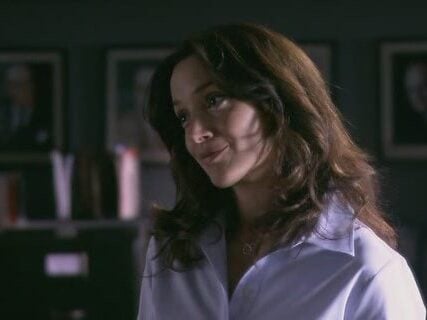
Jennifer Beals had a favorite sweatshirt in high school. She put it in the dryer too long at high heat, and the neck opening shrunk so much that she couldn’t get her head through it.
So she cut a larger opening in the neckline and kept wearing it. That’s the whole story.
When she wore the modified sweatshirt to a wardrobe fitting for Flashdance in 1983, director Adrian Lyne and costume designer Michael Kaplan loved it. They had Kaplan create a better version of the film.
The image of Beals in that off-the-shoulder sweatshirt became the movie poster. Every teenager in America wanted one. The look defined 1980s fashion. Off-the-shoulder sweatshirts appeared everywhere.
People bought new sweatshirts and cut the necks out themselves. Clothing manufacturers started making them that way from the factory.
The trend lasted for years. And it all started because Beals ruined her favorite sweatshirt while doing laundry.
The Dress That Ran Out of Fabric

Jean Shrimpton was the highest-paid model in the world in 1965. Textile manufacturer DuPont hired her to promote its new fabric, Orlon, at the Melbourne Cup races in Australia.
They sent fabric to her dressmaker Colin Rolfe so he could create outfits for her to wear. There wasn’t enough fabric.
When Rolfe told Shrimpton this, she suggested he just make the dresses shorter. She reportedly said “nobody’s going to take any notice.”
The hemline ended up four inches above her knee, which doesn’t sound radical now but was scandalous then. Shrimpton showed up to Derby Day at Flemington Racecourse wearing the white shift dress.
She also wore no hat, no gloves, and no stockings because she didn’t own any and didn’t think they mattered. Conservative Australia lost its mind.
The former Lady Mayoress of Melbourne called her “a child.” Newspapers bumped the actual horse race results off the front page to talk about Shrimpton’s dress.
The scandal spread worldwide. But within months, hemlines across Australia had risen. By 1967, short dresses were everywhere at the races.
Shrimpton had accidentally introduced the miniskirt to the international stage. Mary Quant had been making short skirts in London the year before, but Shrimpton’s accidental fashion choice at a major public event turned the miniskirt into a global phenomenon.
The Sunglasses That Became a Symbol
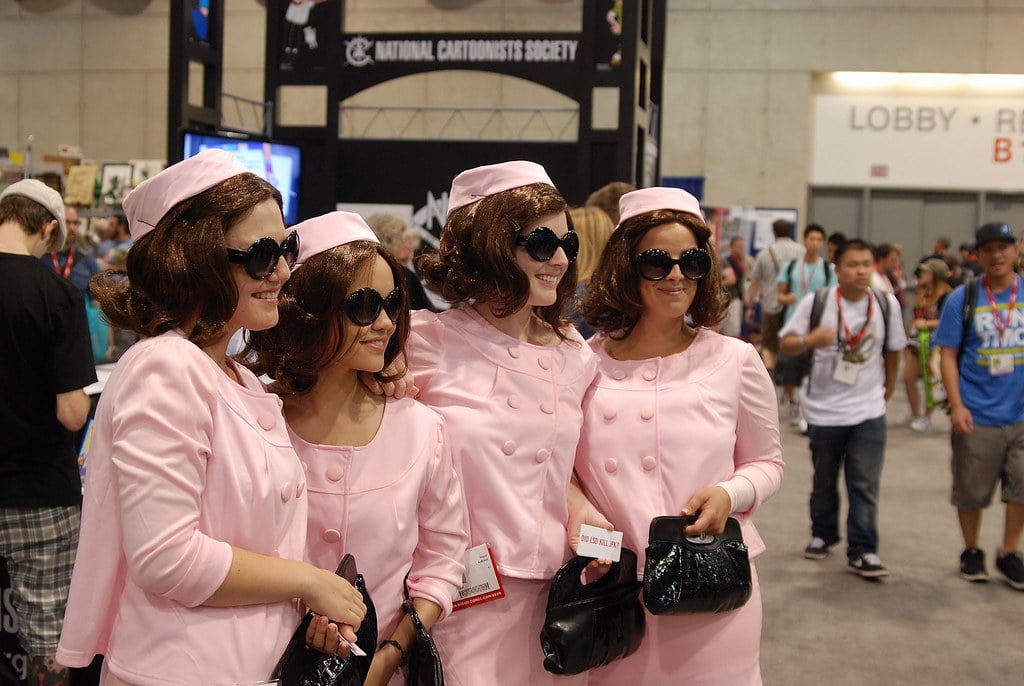
Jackie Kennedy didn’t set out to create a fashion statement with her oversized sunglasses. She wore them because photographers followed her everywhere after she became First Lady, and she wanted some privacy.
The large, dark lenses created a barrier between her and the cameras. The glasses became her signature look.
Women started buying oversized sunglasses because Jackie wore them. The style came to represent elegance, mystery, and a certain untouchable quality.
Designers created countless versions. The trend never really died.
Oversized sunglasses remain a staple accessory decades later, and it traces back to Jackie just wanting to hide from photographers.
When a Leather Jacket Meant Rebellion

Marlon Brando wore a leather motorcycle jacket in the 1953 film The Wild One because his character was a biker. The jacket was practical gear for riding motorcycles.
That was the extent of the thought that went into it. The film turned the leather jacket into a symbol of rebellious cool.
Suddenly leather jackets weren’t just for motorcyclists. They became the uniform of anyone who wanted to project toughness or nonconformity.
James Dean wore one. The Ramones wore them.
Punks wore them. The jacket moved through subcultures for decades, and none of it was planned.
Brando was just playing a biker in a movie.
Ballet Flats on the Red Carpet
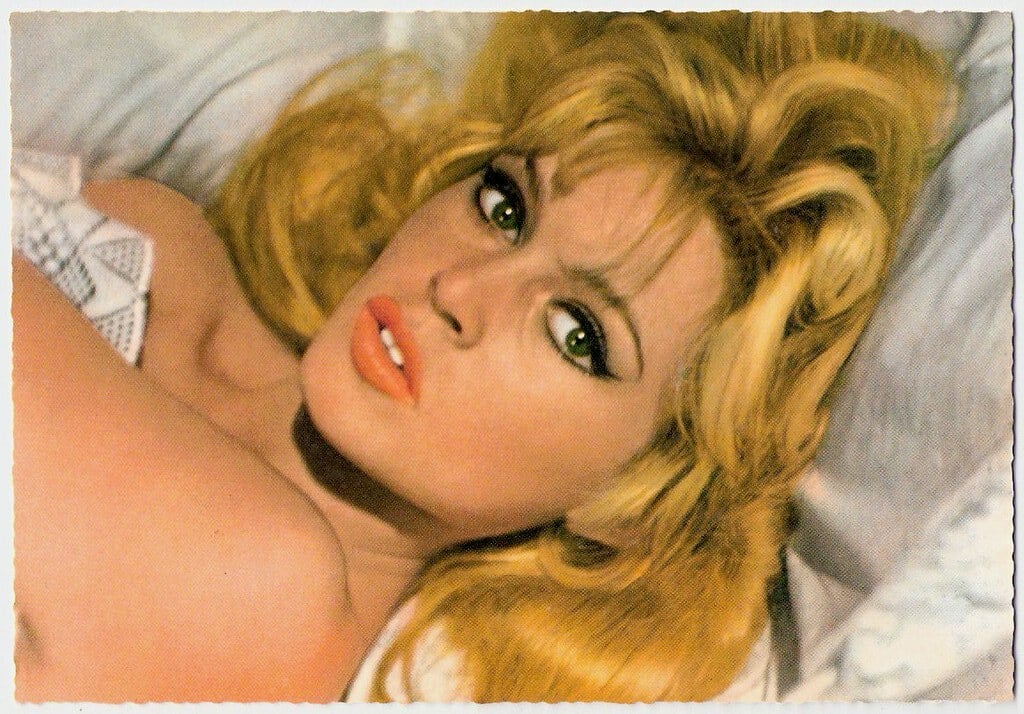
Brigitte Bardot asked shoe designer Rose Repetto to create a ballet flat for her in 1956. Bardot wanted comfortable shoes she could wear when she wasn’t performing.
Repetto designed the “Cendrillon,” named after Cinderella. Bardot wore the ballet flats everywhere, including on film sets and even to the Cannes Film Festival red carpet.
This was radical at the time. Women wore heels to formal events. Bardot showed up in flat shoes and made them look glamorous.
The style took off. Ballet flats became acceptable, even fashionable, for occasions where heels had been required.
Women gained a comfortable footwear option for formal wear because Bardot prioritized comfort over convention.
The Haircut That Named Itself

Jennifer Aniston played Rachel on Friends. The show’s hairstylist gave her a layered, highlighted haircut for the role.
Aniston didn’t love it. She later said the haircut was difficult to maintain and she was glad when she could change it.
None of that mattered. Women showed up at hair salons across America asking for “The Rachel.” The layered, shaggy cut became the defining hairstyle of the 1990s.
Millions of women copied a haircut that the actress wearing it didn’t even particularly like. The cut had a name and a life of its own.
Hairstylists are still asked for versions of it decades later.
Wearing Pants to the Oscars
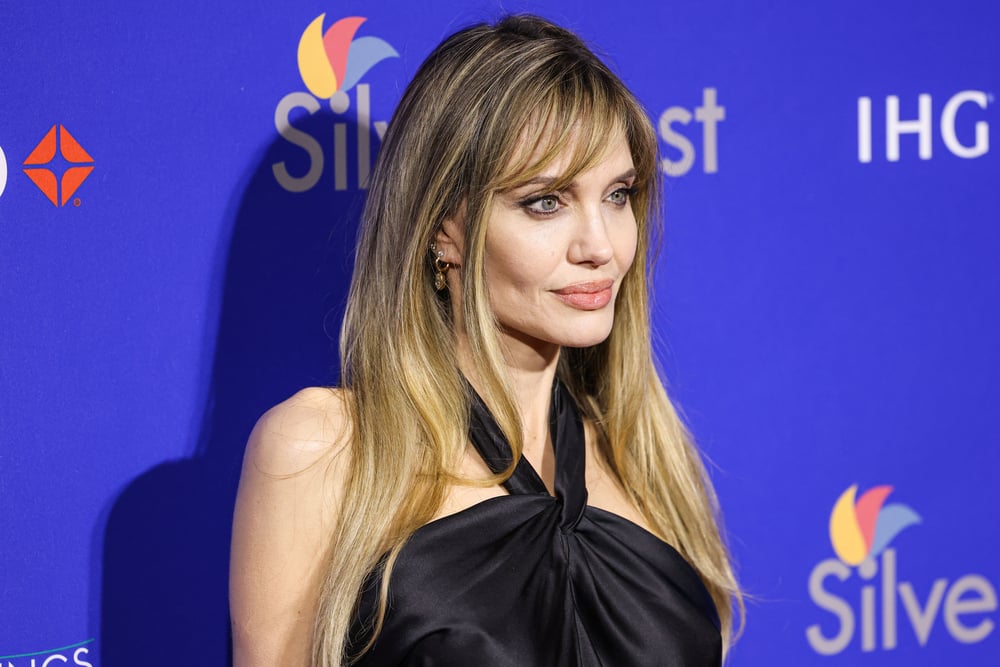
Angelina Jolie wore a white Dolce & Gabbana pantsuit to the 2001 Academy Awards. At the time, women didn’t typically wear pants on red carpets.
The expectation was gowns, always gowns. Jolie showed up in a suit.
The choice opened doors. After that, more women started wearing pants to formal events.
Emma Stone, Lorde, Carey Mulligan, and Anna Kendrick all wore pantsuits to major awards shows. What Jolie did wasn’t calculated to make a statement.
She just wore what she wanted to wear. But the effect was real. She made pants an acceptable red carpet choice for women.
The Off-Shoulder Top That Started in the 1800s

Women began showing their shoulders in the mid-19th century, but modern off-the-shoulder tops trace back to Brigitte Bardot. She wore a provocative blouse that looked like lingerie as one of her signature looks in films and public appearances.
The style spread from there. Off-the-shoulder tops in various styles ended up in almost every woman’s wardrobe.
The look moved through different variations over decades but never fully disappeared. Bardot wasn’t trying to start a trend.
She wore what she thought looked good. The rest of the world agreed and kept agreeing for the next several decades.
The Newsboy Cap Nobody Expected

Britney Spears wore newsboy caps in the early 2000s. The caps had existed since the late 1800s but had faded from fashion.
Spears brought them back, and suddenly teenage girls across America wanted them. The caps came in different fabrics and materials.
Leather, wool, suede, corduroy, denim, patchwork. If you were a teen or tween girl in the early 2000s, you probably owned at least one.
The trend eventually faded, as trends do, but for a few years the newsboy cap was everywhere. Spears probably didn’t wake up one day and decide to revive a century-old hat style.
She just wore hats she liked, and millions of people followed.
When Contouring Went Mainstream

Kim Kardashian didn’t invent contouring. Makeup artists had been using the technique for decades.
But Kardashian’s makeup artist popularized it with her very visible face. Kardashian’s contoured look appeared everywhere in photos and videos.
People wanted to know how she achieved it. Tutorials explaining contouring techniques exploded online.
Makeup companies started selling contouring kits. The technique moved from professional makeup artists to everyday consumers.
Kardashian made contouring mainstream by having her makeup done that way publicly and consistently. The technique existed before her, but she accidentally turned it into a mass-market trend.
Crop Tops and Catholic School Uniforms
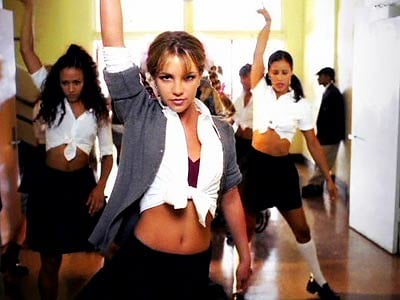
Britney Spears wore a modified Catholic school uniform with a crop top in the music video for “Baby One More Time” in 1998. The outfit was designed for the video, but it resonated beyond its intended context.
Crop tops became a defining fashion item of the late 1990s and early 2000s. The trend has come back multiple times since then.
Crop tops appear in fashion cycles regularly, and you can trace their modern popularity back to that music video. Spears was following a director’s vision for the video, not trying to influence fashion.
The influence happened anyway.
Low-Rise Jeans and Visible Underwear

Madonna and designer Alexander McQueen are credited with making low-rise jeans popular in the late 1990s and early 2000s. The jeans sat well below the natural waistline, which made visible underwear straps almost inevitable.
This spawned its own trend of deliberately showing thong straps above pants. Britney Spears took this to its extreme, making visible thongs part of her stage outfits.
The look became one of the most debated fashion choices of the early 2000s. Some people loved it, others thought it was tasteless, but almost everyone noticed it.
The trend eventually faded, but it dominated that era. It started with a practical problem: when you wear very low pants, your underwear shows.
The solution became the trend.
The Little Black Dress That Became Uniform

Audrey Hepburn wore a black Givenchy dress in Breakfast at Tiffany’s in 1961. The film’s costume designer chose the dress to reflect Holly Golightly’s character.
It was elegant, simple, and sophisticated. Hepburn looked stunning in it.
The little black dress became a wardrobe staple after that. Women needed to own at least one simple, elegant black dress for various occasions.
The concept existed before the film, but Hepburn made it iconic. She wasn’t trying to influence fashion.
She was wearing a costume for a role. The dress became one of the most imitated garments in fashion history.
Biker Shorts in High Fashion

Kim Kardashian started wearing athletic biker shorts as regular clothing, paired with oversized jackets and heels. The look was casual but put-together.
Athletic wear as street wear wasn’t completely new, but Kardashian’s specific styling of biker shorts made them fashionable beyond the gym. The trend spread quickly.
Women started wearing biker shorts with regular outfits. Designers created high-fashion versions.
The shorts moved from workout gear to acceptable daily wear. Kardashian was just wearing comfortable clothes that looked good together.
The rest of fashion followed.
When Accidents Become Institutions
The best trends often come from mistakes, shortcuts, or simple practicality. Someone shrinks a sweatshirt and cuts the neck to make it fit.
Someone doesn’t have enough fabric and makes the skirt shorter. Someone wants privacy and wears large sunglasses.
Someone prioritizes comfort and wears flats to a formal event. None of these people were trying to start movements.
They were solving immediate problems or wearing what they wanted to wear. But millions of people watched them, and millions of people copied them.
The accidents became trends, the trends became cultural touchstones, and the cultural touchstones lasted longer than most carefully planned fashion campaigns. Fashion’s biggest moments often happen when someone does something without thinking about what it means.
The thinking comes later, from everyone else trying to figure out how to copy it. By then, the person who started it has usually moved on to something else entirely, having no idea that they changed what millions of people would wear for years to come.
More from Go2Tutors!

- The Romanov Crown Jewels and Their Tragic Fate
- 13 Historical Mysteries That Science Still Can’t Solve
- Famous Hoaxes That Fooled the World for Years
- 15 Child Stars with Tragic Adult Lives
- 16 Famous Jewelry Pieces in History
Like Go2Tutors’s content? Follow us on MSN.



