Photos Of Meme Stars Then And Now
Before social media had algorithms and follower counts, the internet had something rawer — a shared joke, a perfectly timed photo, a face that summed up a feeling no one had words for yet. These images became memes.
They got captioned, copied, shared across forums and Facebook walls, and burned into the collective memory of anyone who was chronically online between 2009 and 2015.
But those photos had real people in them. People who woke up one day to find their face on millions of screens.
Some were kids. Some were adults going about their day.
None of them asked for it. And the internet, being what it is, didn’t really ask permission.
So what happened to all of them? Here’s a look at the faces behind the memes — then and now.
Disaster Girl — Zoe Roth
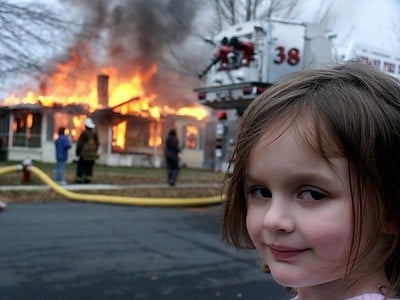
The photo was taken in 2005 by Zoe’s father during a controlled house fire in their neighborhood in Mebane, North Carolina. A young girl, maybe four years old, stands in the foreground with a sly grin on her face.
Behind her, a house burns. The internet ran with it for years, slapping her face onto every conceivable catastrophe.
Zoe is now in her early twenties and works as a research associate at S&P Global, analyzing trends in Internet-of-Things technologies. In 2021, her family sold the original meme photo as an NFT for around 180 ETH — roughly $500,000 at the time.
They used the money to support charitable causes and pay off student loans. She’s also recreated the photo as an adult, same grin, different burning background.
Success Kid — Sam Griner
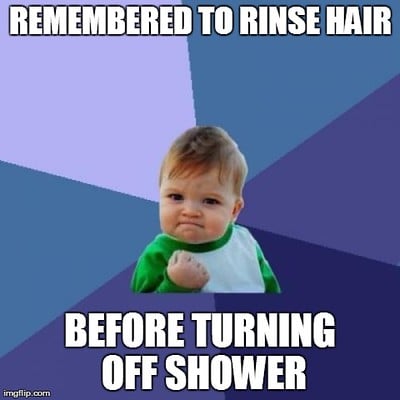
Sam’s clenched fist, sand in hand, became one of the most recognizable images on the internet — the universal symbol for a small win. The photo was taken in 2007 when Sam was about a year old, originally captioned with something about eating sand.
He’s now 18, describes himself as a “lazy teenager,” and makes art. His family once used the meme’s visibility to fund a kidney transplant campaign for his father, which succeeded.
More recently, a legal case involving his image made news — the U.S. Supreme Court let stand a ruling ordering a former congressman to pay damages for using the Success Kid meme in a political ad without permission. Even internet jokes, it turns out, are protected by copyright.
Bad Luck Brian — Kyle Craven
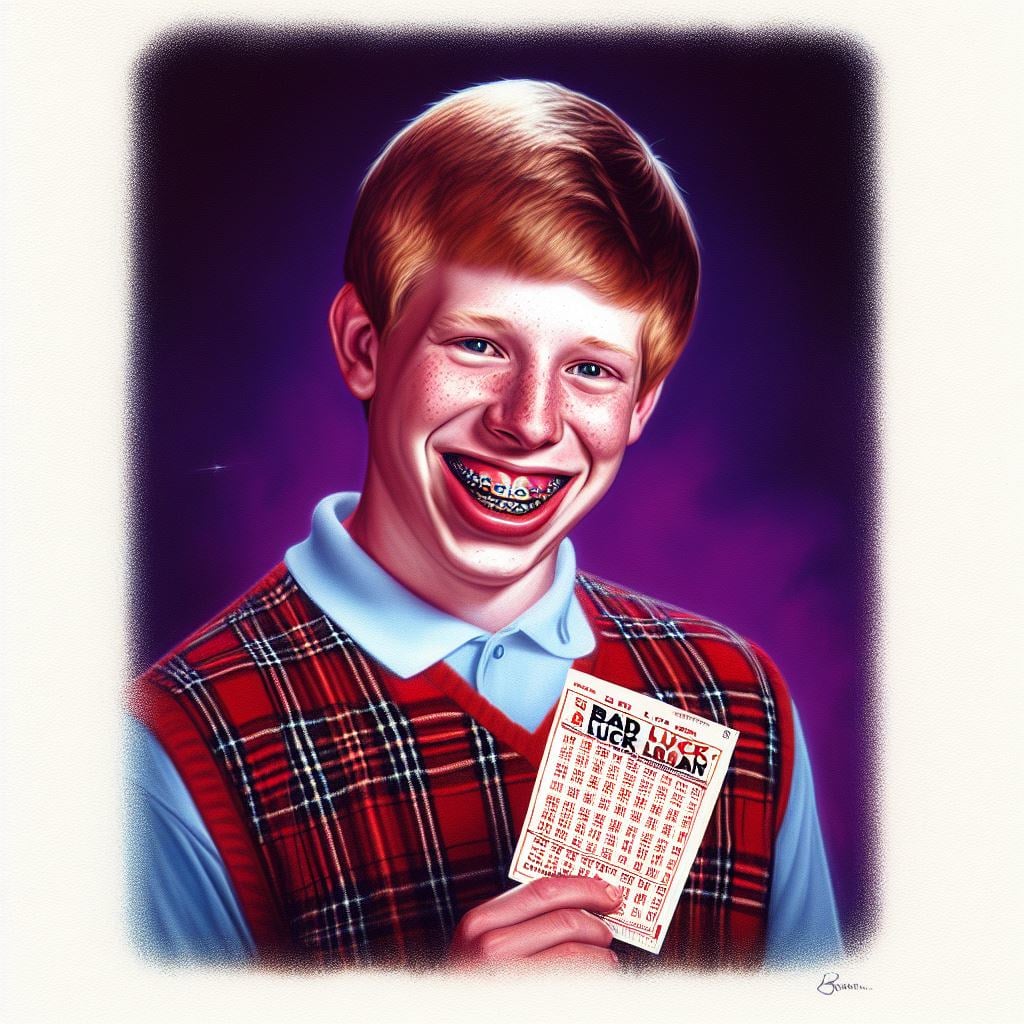
Kyle’s awkward school photo — brace-face grin, plaid vest, off-center collar — started circulating in 2012 paired with increasingly unfortunate hypothetical situations. Bad Luck Brian became the face of life going sideways in the most mundane possible way.
Today, Kyle is Vice President at his family’s construction business in Bath Township, Ohio, and co-owner of a redevelopment project called Quaker Square. He’s appeared in ad campaigns alongside Shaquille O’Neal, sold NFTs, and traveled internationally off the back of that one school photo.
He’s never seemed particularly embarrassed about it.
Scumbag Steve — Blake Boston
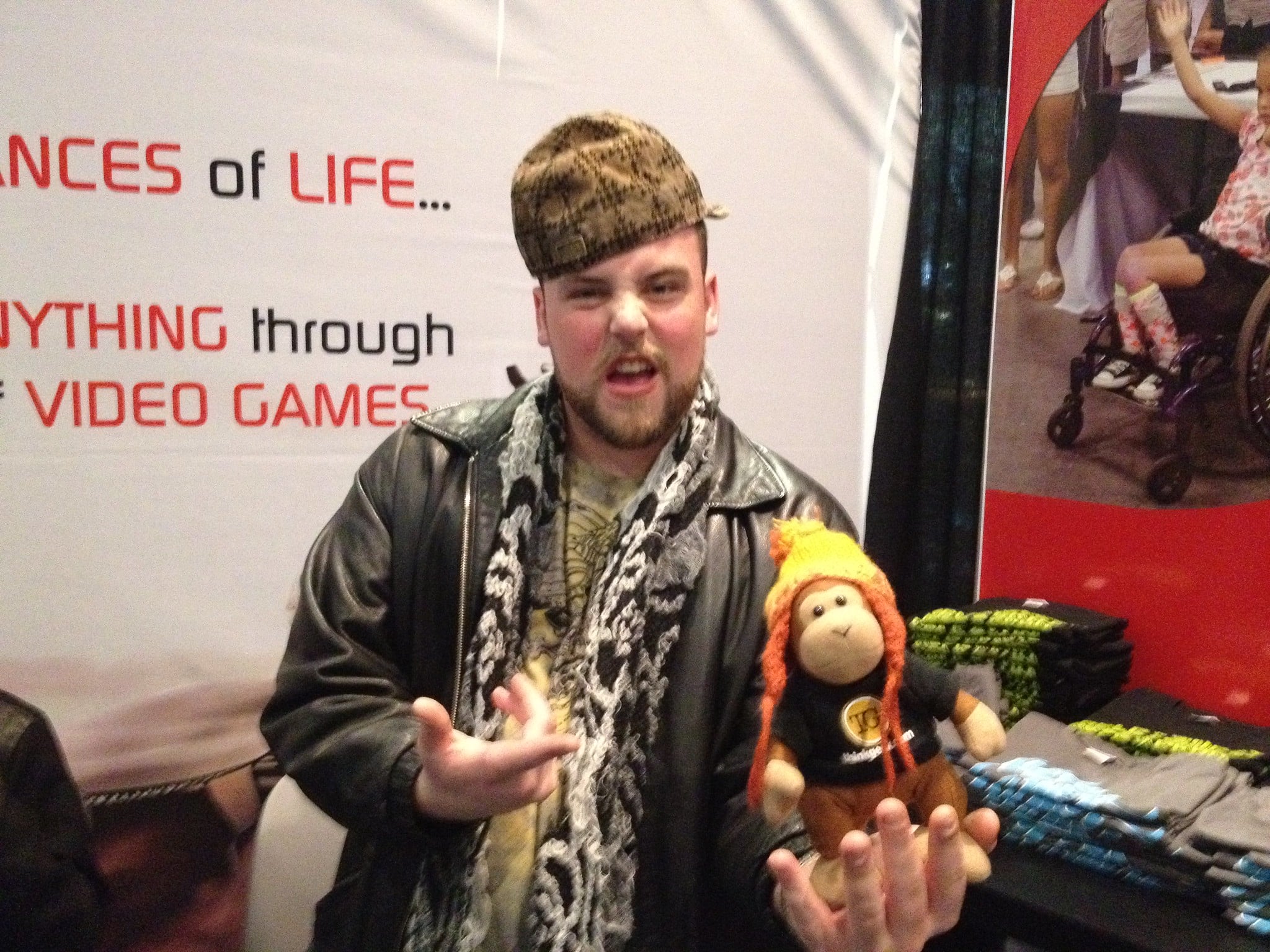
The photo was taken in 2006 — a teenage boy in a sideways cap standing in a hallway. It resurfaced in 2011 and the internet turned him into the cartoon villain of every social situation.
Scumbag Steve was the guy who ate the last slice, borrowed your car and returned it empty, and invited himself everywhere.
Blake Boston, the actual person, has never fit that description. He’s a father of two who goes by “Wheezy Bee” in music circles and has leaned into his meme identity with good humor.
He’s still active on social platforms and talks openly about what it was like to have an image of your teenage self go viral before you even understood what that meant.
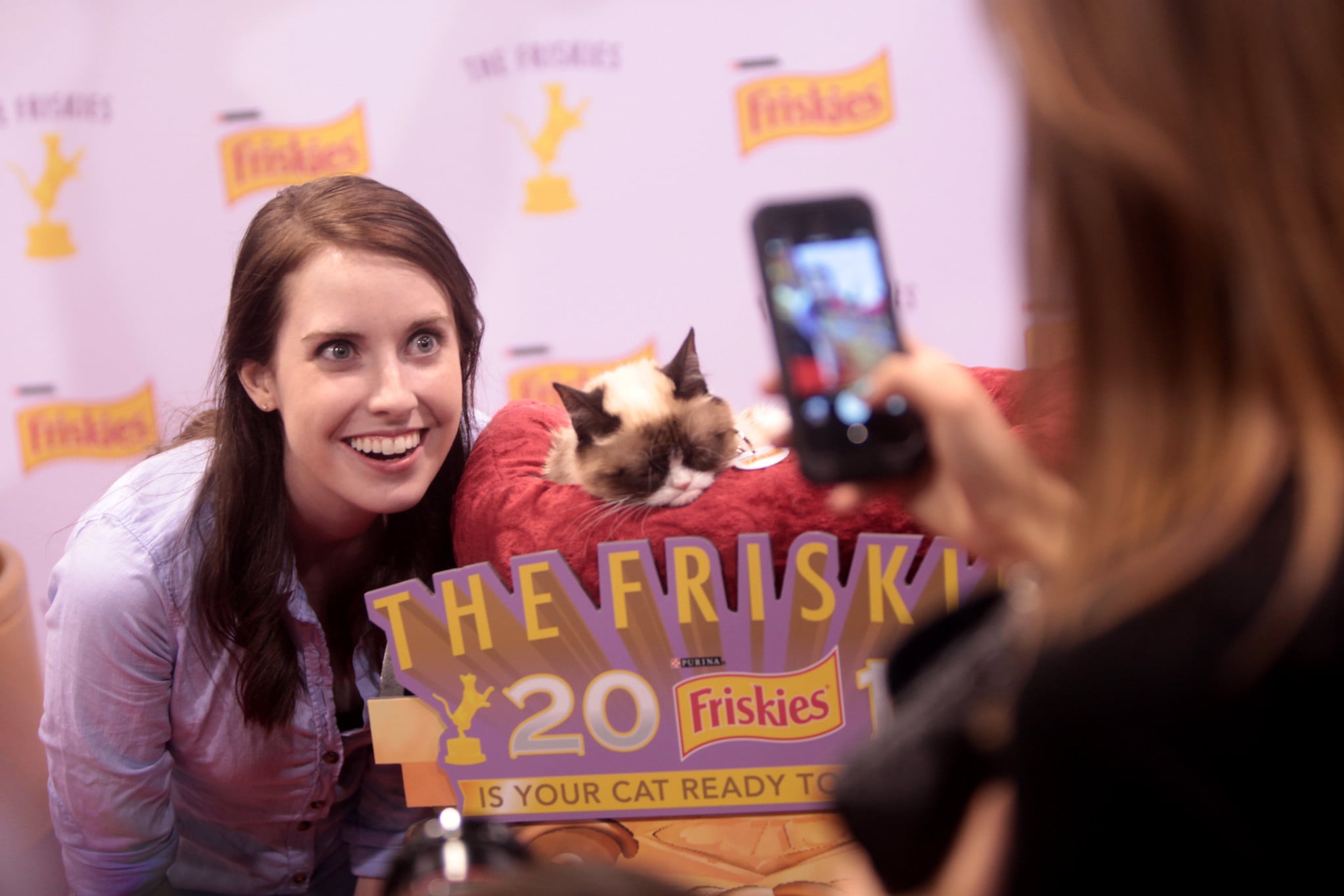
Overly Attached Girlfriend — Laina Morris
6+Flickr/Gage Skidmore
Laina didn’t stumble into meme fame — she chased it, sort of. In 2012, she recorded a parody video responding to a Justin Bieber contest, staring straight into the camera with an intensity that felt half-joke, half-genuine.
The clip went viral almost immediately, and the Overly Attached Girlfriend was born.
She built a YouTube following of over a million subscribers off the back of it. But the pressure of being a punchline eventually wore on her.
She stepped back from content creation citing anxiety, depression, and the personal toll of performing a caricature of herself online. In early 2025, she reflected publicly on how that period of fame shaped — and complicated — her life.
Today, she freelances and creates short-form content on her own terms, at her own pace.
Side-Eyeing Chloe — Chloe Clem
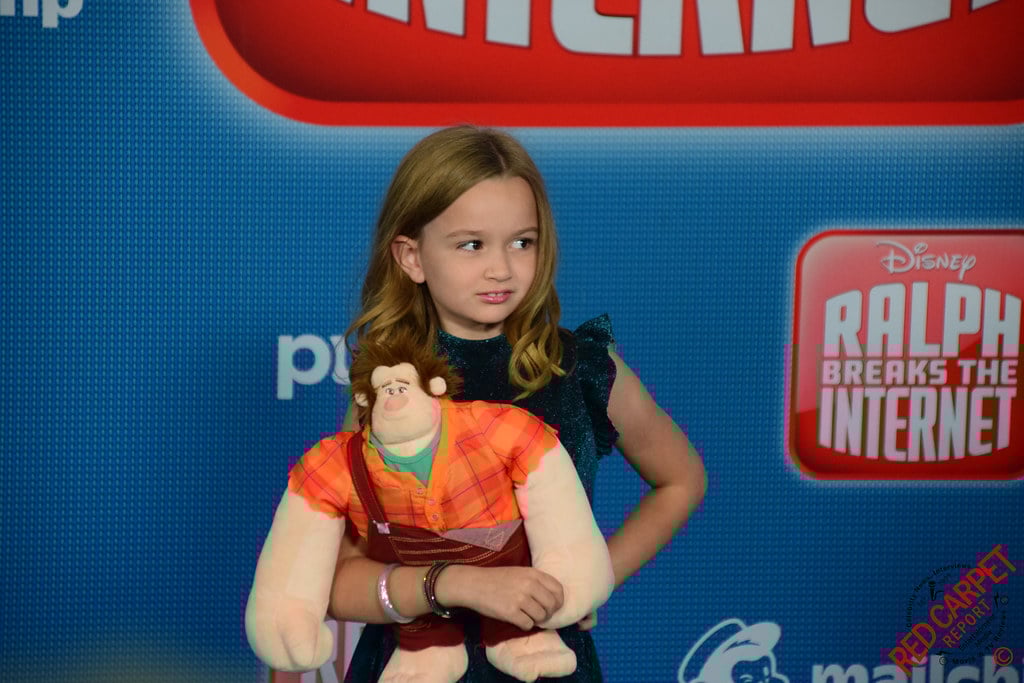
The video is from 2013. A family surprises their daughters with a trip to Disneyland.
One daughter bursts into happy tears. The other — two-year-old Chloe — slowly turns to the camera and delivers a look that contains multitudes.
Pure skepticism. Complete unbothered-ness.
The internet made it into a reaction image for everything from fake news to Monday mornings.
Chloe is now 14, with over 600,000 Instagram followers. Her family sold the original meme as an NFT in 2021 for around $74,000.
She’s grown up in public, which comes with its own complications, but seems to be handling it about as well as anyone could expect from someone who went viral before they could tie their shoes.
Hide The Pain Harold — András Arató

András Arató is a retired Hungarian electrical engineer who did a stock photo shoot sometime around 2011. The photos showed him smiling.
Broadly. With his eyes.
But something behind the smile looked strained — like a man holding it together just barely, for reasons no one could quite name.
The internet spotted it immediately. Hide the Pain Harold became the mascot of suppressed suffering, the face you make when someone asks if you’re fine and you say yes.
András is now in his seventies and has embraced the fame more graciously than most people would. He’s given interviews, attended meme conventions, and joked about his accidental second career.
He wrote about discovering his own meme identity online, saying it was confusing at first, then eventually kind of wonderful.
Grumpy Cat — Tardar Sauce
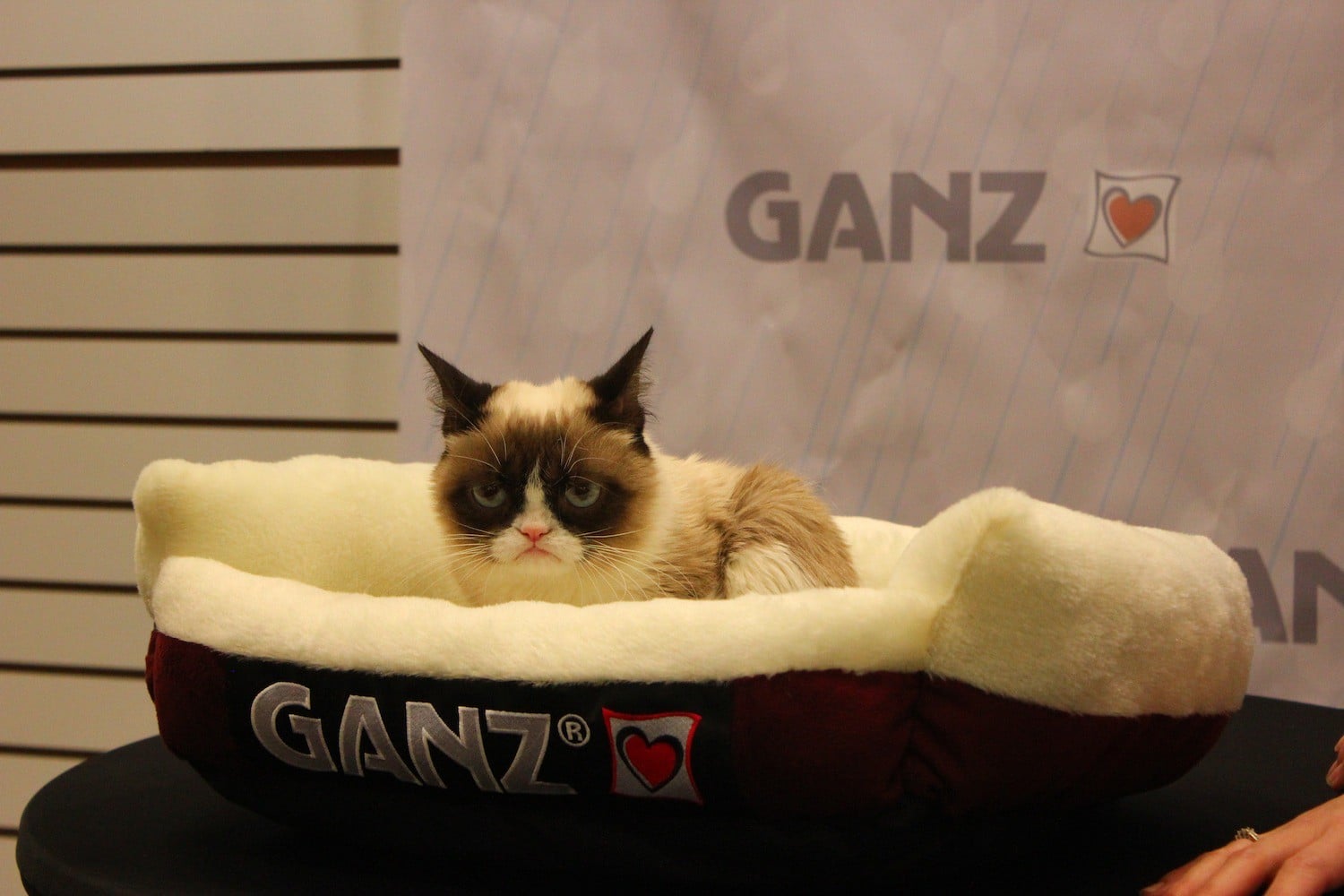
Not every meme star is human. Tardar Sauce, a domestic cat whose facial structure gave her a permanent scowl, became one of the most recognized animals on the internet after photos of her appeared in 2012.
The Grumpy Cat brand spawned merchandise, a movie, appearances on talk shows, and a net worth for her owner estimated in the millions.
Tardar Sauce passed away in May 2019 from complications of a urinary tract infection. She was seven years old.
Her legacy, though — the scowling face, the deadpan “No,” the vague hostility toward all things cheerful — lives on in meme databases and tattoos across the world.
Ermahgerd Girl — Maggie Goldenberger
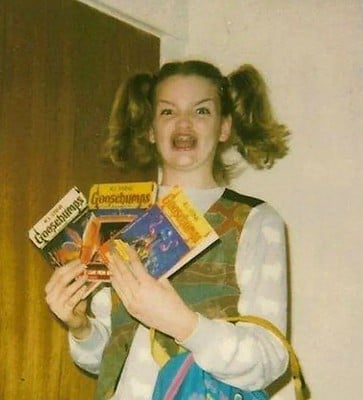
The photo shows a teenager in pigtails, holding a stack of Goosebumps books, with a look of absolute uncontainable joy on her face. Captioned in phonetic speech-impediment spelling, the meme spread across every corner of the internet in 2012.
“Ermahgerd, Gersberms” became the way an entire generation made fun of their own excitement.
Maggie Goldenberger was living and working as a nurse in Phoenix when she figured out the photo was hers. She’s spoken about the experience with a sense of humor — noting that the photo was originally taken as a joke among friends, which she found out the hard way the internet had a different audience in mind.
She’s largely stayed out of the spotlight since, working in healthcare.
Ridiculously Photogenic Guy — Zeddie Little
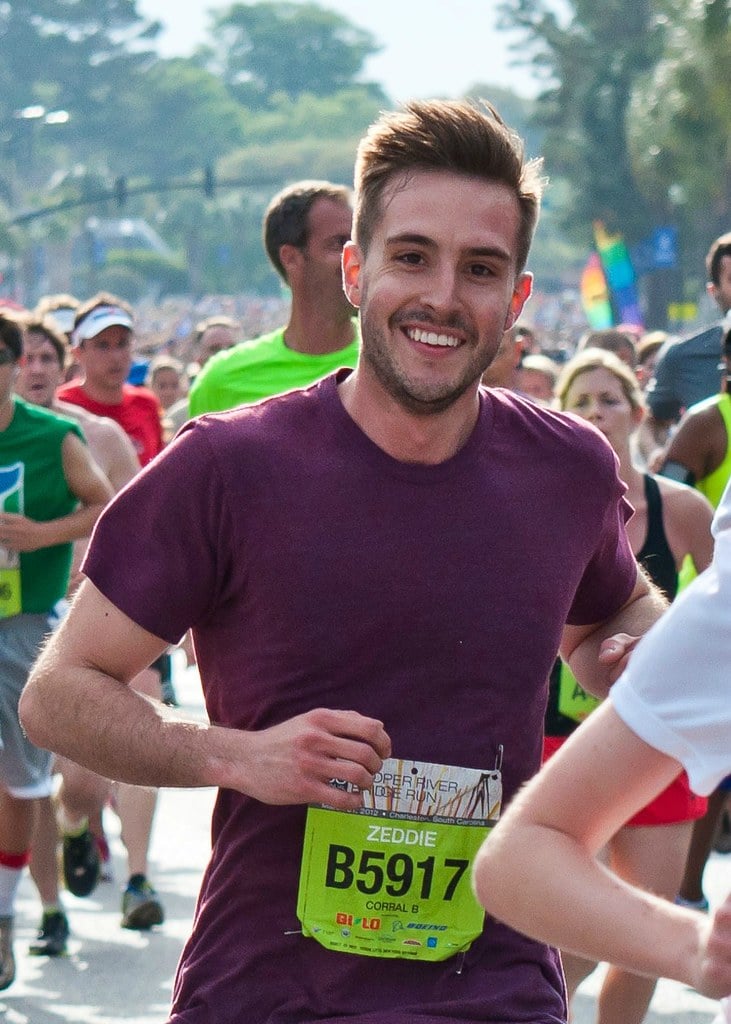
Mid-stride through a 2012 race in Charleston, South Carolina, someone behind a camera caught the blur of passing athletes. Faces twisted under effort, soaked shirts clinging – typical runner strain filled most shots.
Yet among them, Zeddie Little moved differently: grinning wide, hair perfectly in place, as if posing for glossy print rather than pushing through pavement miles.
A photo from a race turned heads when one runner stood out – way too handsome for a casual snap. That moment labeled him the ridiculously photogenic guy online.
Cameras chased Zeddie after that, pulling him onto Good Morning America along with several other shows.
Once the buzz faded, he slipped back into quiet days. Staying away ever since feels kind of perfect.
Good Luck Charlie Mia Talerico
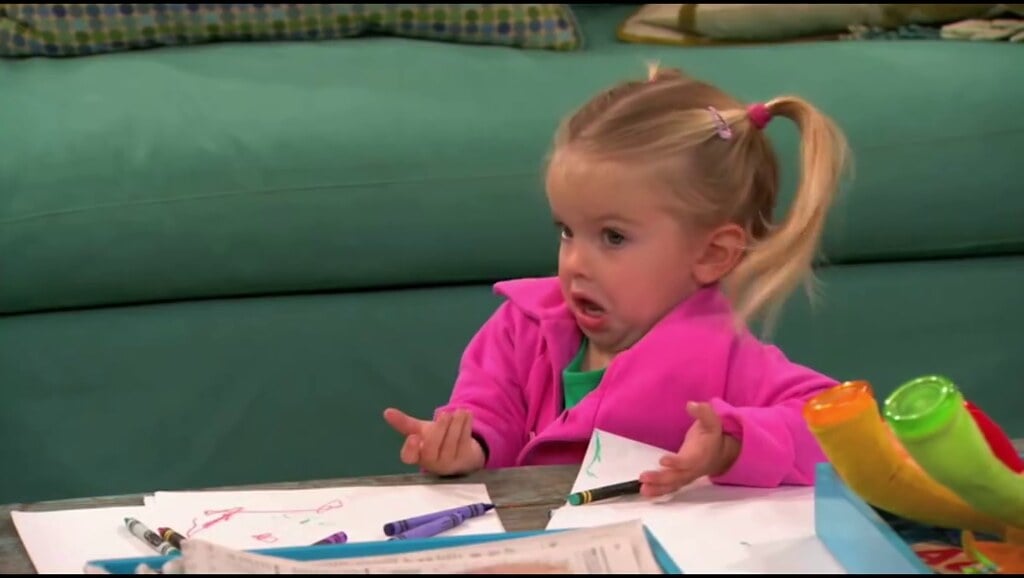
That little girl from Good Luck Charlie? Mia Talerico was her name.
She acted as Charlie Duncan between 2010 and 2014 on Disney Channel. Big eyes, confused face – that’s how she looked during scenes meant to show a young kid noticing things don’t quite add up.
Those moments turned into photos people passed around online again and again back then. Like when you suddenly see grown-ups faking confidence while hoping nobody asks too many questions.
These days, at fourteen and halfway through tenth grade, Mia keeps right on acting while growing her space online. Not long ago, she showed up in Brat TV’s Mani, then joined past co-stars again in 2024 for a get-together.
Scrolling through her Instagram reveals regular posts – snippets of life, quiet teases about future movies too.
From the outside, anyway, she looks much like any teen, just one who once starred in a show millions of families welcomed into their homes.
Doge – Kabosu
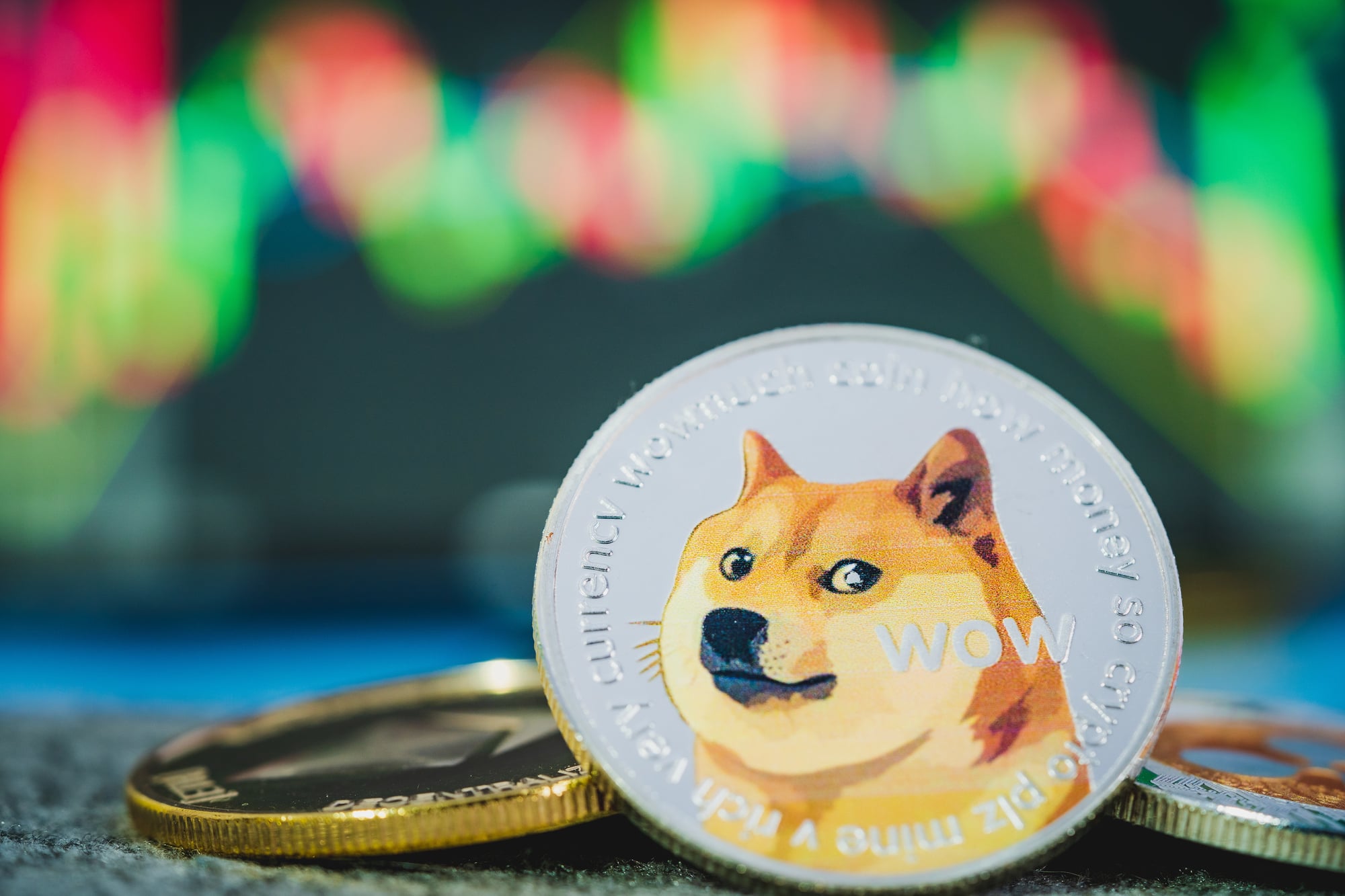
A little dog named Kabosu stared into the camera, ears up, eyes wide. Her look – half curious, half confused – caught attention fast.
Words in bright colors started circling her face, clumsy and loud. Phrases like “such wow” popped up beside her muzzle, goofy on purpose.
That odd mix turned into something people shared everywhere. A made-up coin came later, built just because fans liked the joke so much.
The way she looked, paired with those silly phrases, changed how jokes spread online. For ages after, that vibe echoed across screens, quiet but clear.
A woman named Atsuko Sato, who taught little kids in Japan, took Kabosu home back in 2008. Time passed, slowly showing every wrinkle and gray hair on the dog’s face.
By 2023, news came out – Atsuko shared that Kabosu wasn’t doing well at all. Yet somehow, against what many expected, the dog bounced back.
Early in 2024, pictures appeared: one of her now, quiet and aged; another from long ago – the famous pose with bold letters beneath.
Seeing both together hit harder than anyone thought possible, even with silly text involved.
Back in May 2024, she died – just about eighteen. People online grieved, using their own strange rhythm.
They Were Real All Along

A glance between those old pictures and the lives behind them changes things. Not just a laugh anymore, really.
One kid frowned at two years old, another caught mid-awkward teen pose, some guy frozen in an off smile from a generic shot.
Never supposed to carry what strangers online turned it into.
Odd how so many walked through that fire unburnt. A few built profit from the wreckage.
Others found new roles, fresh scripts. Quiet ones slipped back into routine days while their internet ghosts lived on untouched – distant siblings born without consent.
Truth sits quiet online. Still, humans feel deeply.
Once in a while, pause: each meme began somewhere small – an actual afternoon, a shaky photo, someone blinking into light – long before laughter spread across screens.
More from Go2Tutors!

- The Romanov Crown Jewels and Their Tragic Fate
- 13 Historical Mysteries That Science Still Can’t Solve
- Famous Hoaxes That Fooled the World for Years
- 15 Child Stars with Tragic Adult Lives
- 16 Famous Jewelry Pieces in History
Like Go2Tutors’s content? Follow us on MSN.



