15 Submarines That Made History
Submarines have quietly shaped naval warfare and exploration for centuries, evolving from crude wooden contraptions to sophisticated nuclear-powered vessels. These underwater marvels have changed the course of wars, pushed the boundaries of technology, and sometimes met tragic ends that led to important safety improvements. From the first combat submarine that attacked during the American Revolution to modern nuclear giants capable of staying submerged for months, each vessel tells a story of human ingenuity and maritime ambition.
Here’s a list of 15 submarines that left an indelible mark on history, forever changing how we think about warfare beneath the waves.
Turtle
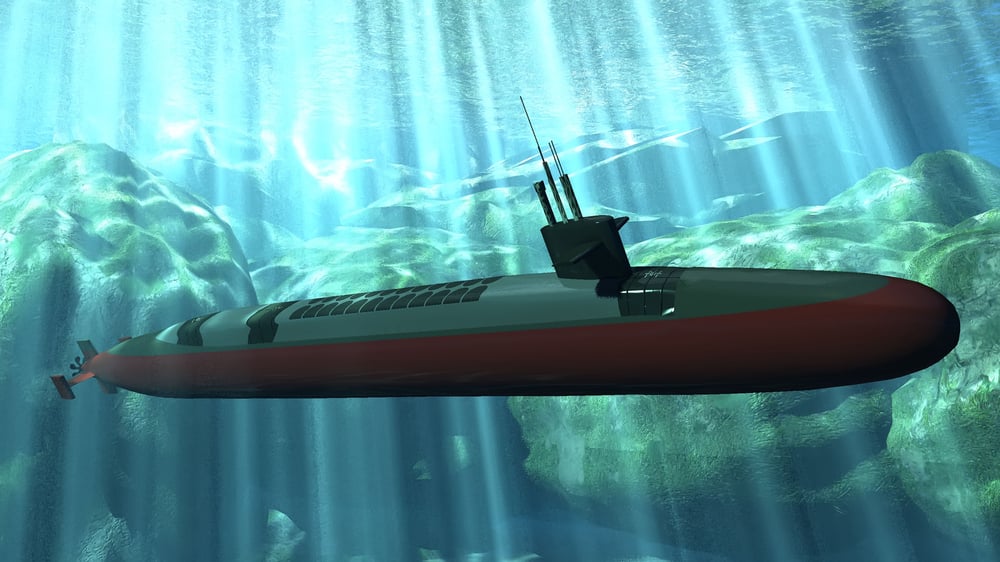
On September 7, 1776, David Bushnell’s Turtle made an attempt to attack HMS Eagle in New York Harbor, making it the first submarine ever used in combat. This was a wooden craft in the shape of an egg that was powered by hand cranks and foot pedals. It looked like two tortoise shells joined together. The mission was a complete failure. Nevertheless, Turtle demonstrated that underwater warfare was feasible and established the four fundamental submarine capabilities—submerging, maneuvering, supplying air, and conducting underwater missions—when operator Ezra Lee was unable to secure the explosive device to the British warship’s copper-sheathed hull.
CSS H.L. Hunley
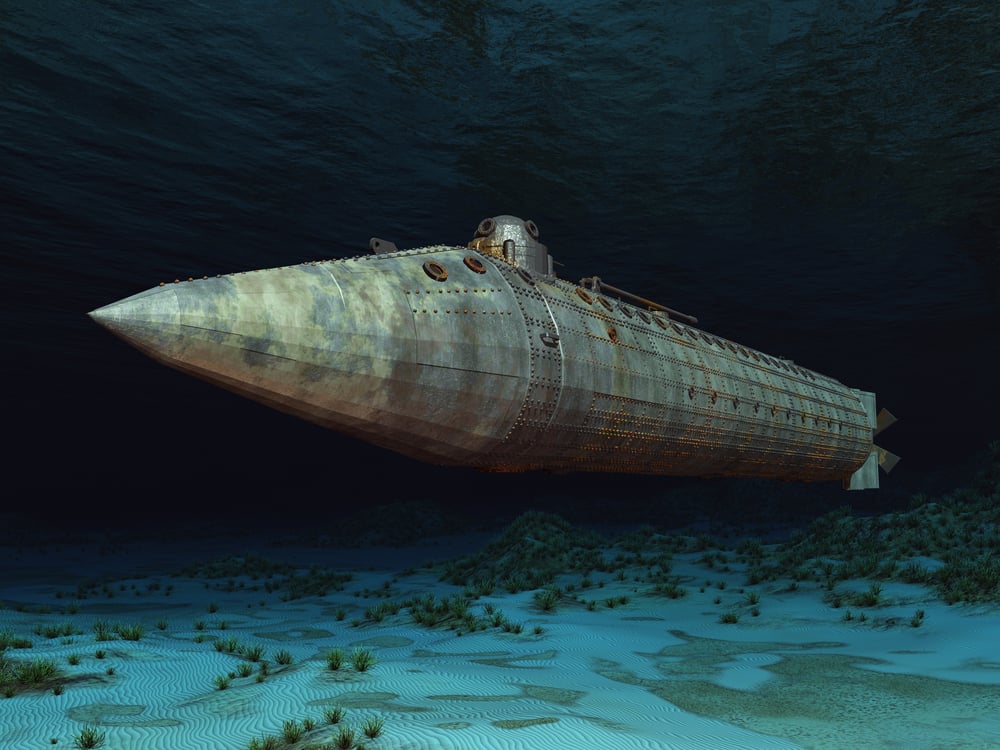
The Confederate submarine H.L. Hunley made history on February 17, 1864, when she became the first submarine to successfully sink an enemy warship, destroying the Union sloop-of-war USS Housatonic in Charleston Harbor. This achievement came at a terrible cost—the submarine had already sunk twice during trials, killing 13 men including her namesake Horace Lawson Hunley, and all eight crew members aboard during the successful attack also perished when the submarine mysteriously vanished after completing her mission. When divers found her in 1995 and raised her in 2000, the crew was eerily discovered still at their stations, as if time had stopped.
USS Holland

USS Holland became the first submarine officially commissioned by the U.S. Navy on October 12, 1900, marking America’s formal entry into the undersea world. Designed by Irish-born engineer John Philip Holland, the 54-foot vessel featured innovative dual propulsion with a gasoline engine for surface travel and a 160-horsepower electric motor for underwater operations, plus a single torpedo tube and pneumatic ‘dynamite gun.’ Holland never saw combat, but she served as a crucial training vessel and experimental platform that helped establish the foundation for the U.S. submarine force.
Type VII U-boat

German Type VII U-boats became the backbone of Nazi Germany’s devastating submarine warfare campaign during World War II, using advanced ‘wolfpack’ tactics to hunt Allied merchant vessels in coordinated groups. These submarines nearly succeeded in cutting Britain’s supply lines during the Battle of the Atlantic, sinking almost 3,000 Allied ships before improved Allied anti-submarine warfare and the cracking of the Enigma code turned the tide. The Type VII represented the most successful submarine class in history, with over 700 boats built and their tactics revolutionizing naval warfare. Truly the wolves of the sea.
USS Thresher (SS-200)

USS Thresher (SS-200) earned the distinction of being the most decorated United States Navy submarine of World War II, receiving 15 battle stars and a Navy Unit Commendation during her 15 combat patrols. This Tambor-class submarine achieved numerous firsts in the Pacific Theater, including conducting one of the first submarine-laid minefields and likely becoming one of the few submarines to sink an enemy vessel entirely with deck gunfire when she destroyed a 3,000-ton Japanese freighter in December 1942. Her exceptional service record made her a symbol of American submarine effectiveness in the Pacific War, proving that these underwater vessels could be as lethal as any surface warship when properly deployed against enemy shipping lanes.
I-400 Class
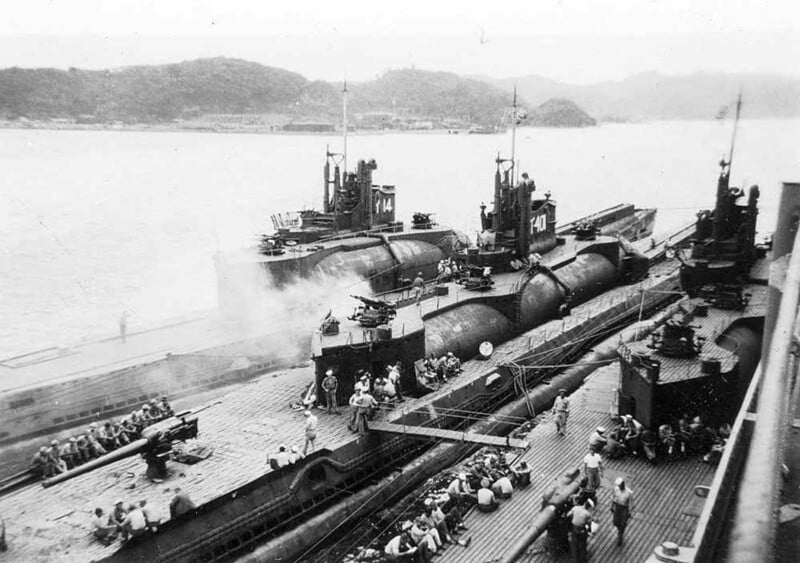
The Japanese I-400 class submarines were the largest submarines ever built until nuclear ballistic missile submarines appeared decades later, measuring over 400 feet long and capable of carrying three Aichi M6A Seiran aircraft. Underwater aircraft carriers. The concept sounds like science fiction, but Japan actually built them. Only three were completed before the war ended, representing Japan’s desperate attempt to strike back at the American mainland with a weapon that was decades ahead of its time.
HMS Conqueror

HMS Conqueror made naval history during the 1982 Falklands War when she became the first and only nuclear-powered submarine to sink an enemy surface ship, attacking the Argentine cruiser General Belgrano with Mark 8 torpedoes on May 2, 1982. The attack resulted in the rapid sinking of the Belgrano with significant loss of life, and afterward Conqueror returned to her base flying the traditional Jolly Roger flag marking a successful kill—the flag later went on display at the Royal Navy Submarine Museum featuring symbols commemorating this historic nuclear submarine victory. The controversy surrounding the attack would echo for decades.
USS Nautilus (SSN-571)

USS Nautilus became the world’s first nuclear-powered submarine when she was commissioned on September 30, 1954, under the leadership of Captain Hyman G. Rickover and commanded by Eugene ‘Dennis’ Wilkinson. On August 3, 1958, Nautilus achieved another historic milestone by becoming the first submarine to complete a submerged transit of the North Pole, spending 1,383 miles under the Arctic ice pack where conventional diesel-electric submarines could never venture. After a career spanning 25 years and almost 500,000 miles traveled, Nautilus revolutionized submarine warfare and now serves as a museum ship, attracting 250,000 visitors annually to her berth in Groton, Connecticut.
USS George Washington (SSBN-598)

USS George Washington made history on July 20, 1960, when she successfully launched the first Polaris ballistic missile from a submerged submarine, ushering in the era of nuclear deterrence from beneath the seas. As the lead boat of the first class of American ballistic missile submarines, George Washington and her sisters fundamentally changed the strategic balance of the Cold War by providing an undetectable nuclear strike capability. These submarines became the backbone of America’s nuclear triad, ensuring second-strike capability even if land-based forces were destroyed.
USS Thresher (SSN-593)
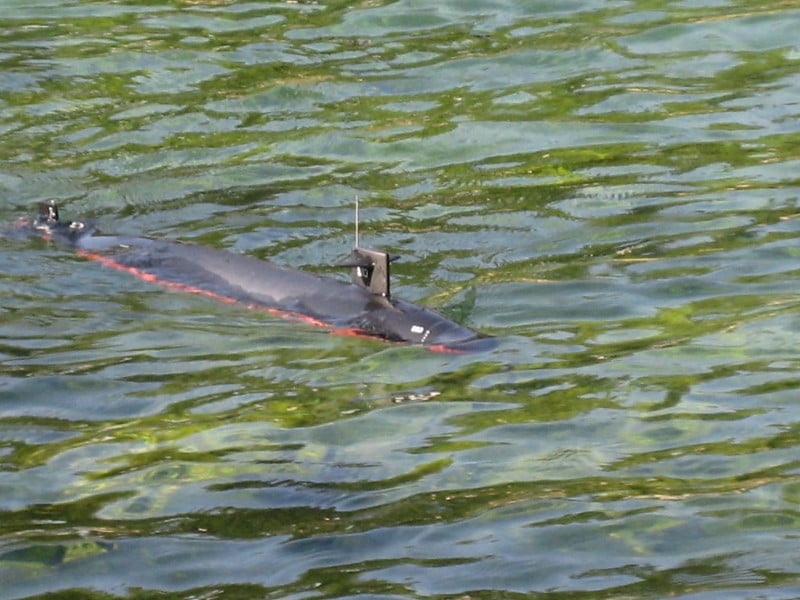
USS Thresher (SSN-593) was a cutting-edge nuclear attack submarine that tragically became the first nuclear submarine lost at sea when she sank during deep-diving tests on April 10, 1963, about 220 miles east of Cape Cod, killing all 129 crew and shipyard personnel aboard. Her loss led to the implementation of the revolutionary SUBSAFE program, which introduced rigorous submarine safety protocols and quality control systems that have prevented similar disasters in the U.S. Navy for over 60 years. The disaster also spurred development of Deep Submergence Rescue Vehicles (DSRVs) designed to rescue crews from submarines in distress. A tragedy that saved countless future lives.
K-19
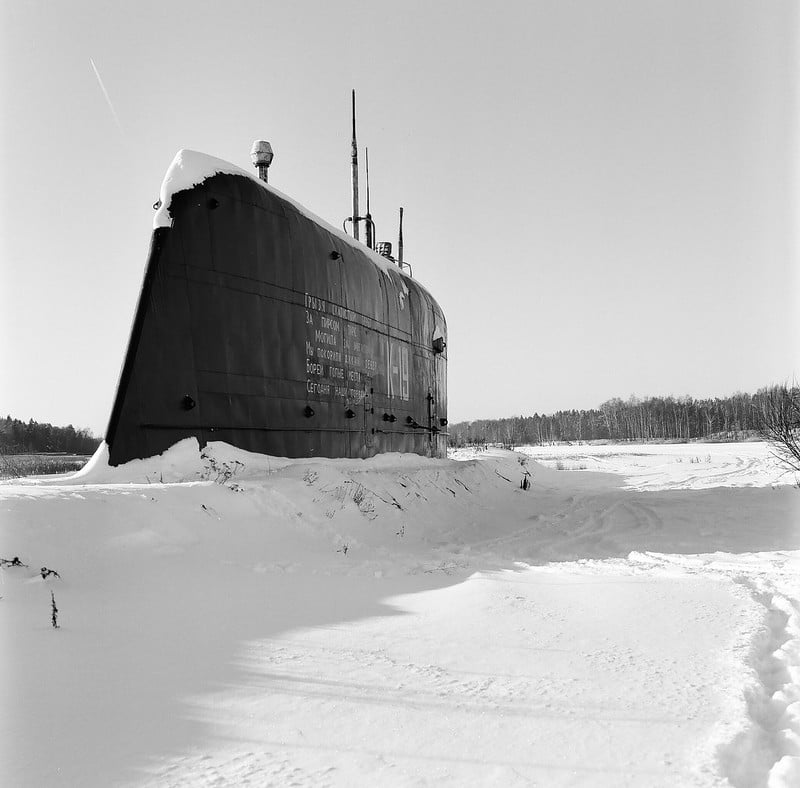
The Soviet submarine K-19, known as ‘Hiroshima’ by her crew, suffered a catastrophic nuclear reactor accident on July 4, 1961, in the North Atlantic that nearly caused a nuclear meltdown. Eight crew members died from radiation exposure while performing heroic repairs that prevented a reactor explosion that could have triggered a nuclear war during the height of the Cold War. The incident, kept secret for decades, highlighted the extreme dangers faced by early nuclear submarine crews and the potential for nuclear accidents to escalate international tensions.
USS Scorpion (SSN-589)
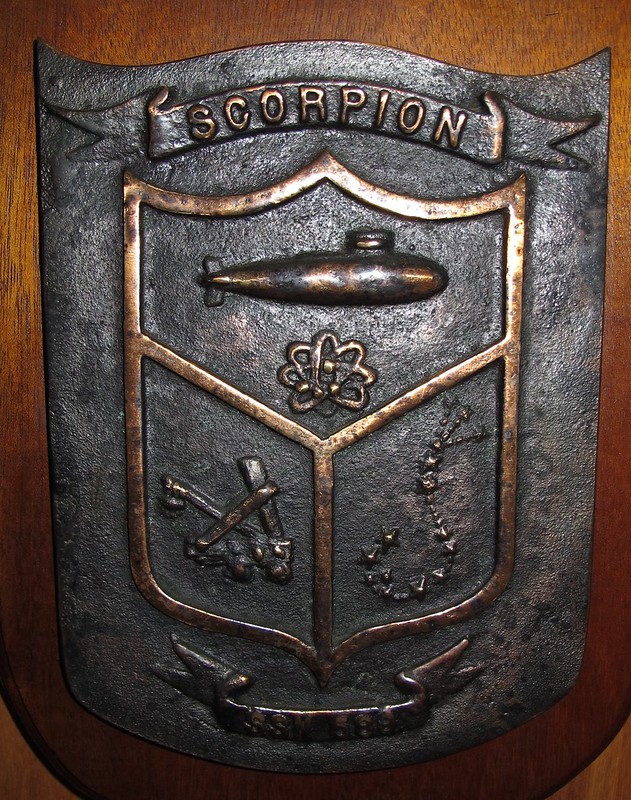
USS Scorpion became the second U.S. nuclear submarine lost when she sank in the Atlantic Ocean on May 22, 1968, while returning from a Mediterranean deployment, taking all 99 crew members to their deaths. The cause of her loss remains officially unexplained, even so theories range from torpedo malfunction to possible Soviet attack during the height of Cold War tensions. Her wreckage was located in October 1968 in over 11,000 feet of water, and like Thresher, her loss contributed to improved submarine safety protocols and emergency procedures.
Kursk

The Russian nuclear submarine Kursk sank in the Barents Sea on August 12, 2000, during naval exercises, killing all 118 crew members in what became the worst submarine disaster in Russian history. This massive Oscar II-class submarine, designed to defeat entire American aircraft carrier groups with her 24 Granit cruise missiles and powerful torpedoes, was considered virtually unsinkable until a hydrogen peroxide-fueled torpedo explosion tore through her forward compartments. The delayed Russian rescue response and international offers of assistance became a major political crisis for President Vladimir Putin, while the submarine’s eventual raising in 2001 marked one of the most complex maritime salvage operations ever attempted.
USS Albacore

With her ground-breaking teardrop-shaped hull, the USS Albacore (AGSS-569) transformed submarine design and served as the model for all contemporary submarines. Commissioned in 1953, this experimental submarine demonstrated hydrodynamic principles that were incorporated into all subsequent submarine classes and proved that submarines could move faster underwater than on the surface. Her streamlined design revolutionized the way naval architects approached the construction of underwater vessels by enabling her to achieve underwater speeds that previous submarine designers believed were unattainable. Test boats that never fire a shot can sometimes yield the most significant discoveries.
NR-1
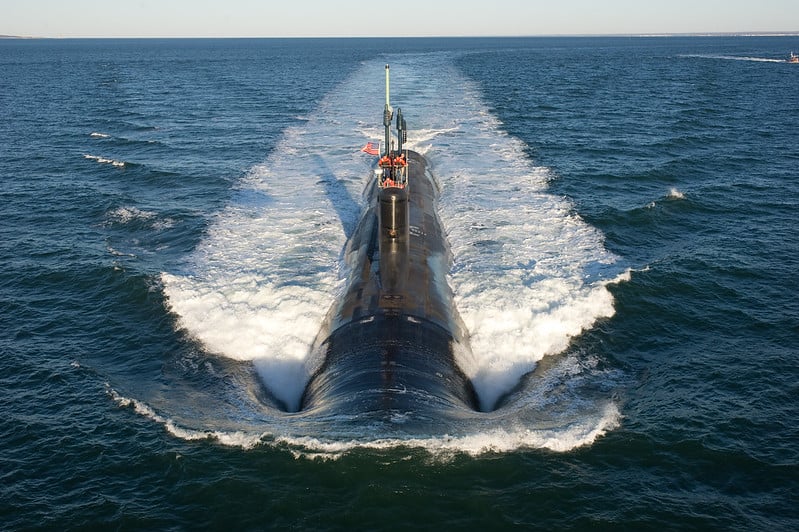
With the ability to dive to 3,000 feet and stay underwater for extended periods of time while conducting military and scientific missions, the U.S. Navy’s NR-1 was the first nuclear-powered deep-sea research submarine in history. This special 140-foot submarine, which was put into service in 1969 and remained in service until 2008, took part in a variety of classified missions, such as intelligence collection, deep-sea recovery, and underwater construction projects that were impossible for traditional submarines to accomplish. Throughout the Cold War and beyond, NR-1 was a vital instrument for national security operations and scientific research due to her ability to manipulate objects with robotic arms and hover motionless underwater.
Legacy of the Deep

These 15 submarines represent more than just technological achievements—they embody humanity’s relentless drive to explore, defend, and push beyond conventional limitations. From Bushnell’s hand-cranked Turtle to the nuclear giants of today, each vessel contributed unique innovations that shaped modern naval warfare and underwater exploration. The tragedies like Thresher and Kursk led to safety improvements that protect today’s submariners, while successes like Nautilus opened entirely new frontiers beneath the polar ice. Their combined legacy continues to influence submarine design and naval strategy, proving that the lessons learned in the depths remain as relevant today as they were when these pioneering vessels first slipped beneath the waves.
More from Go2Tutors!

- 16 Historical Figures Who Were Nothing Like You Think
- 12 Things Sold in the 80s That Are Now Illegal
- 15 VHS Tapes That Could Be Worth Thousands
- 17 Historical “What Ifs” That Would Have Changed Everything
- 18 TV Shows That Vanished Without a Finale
Like Go2Tutors’s content? Follow us on MSN.