Images of 15 Best Quiet Toys from the Past
Long before the days of toys that flash lights, play music, and repeat digital catchphrases, the scene of playtime was quite silent. Toys that littered the bedrooms and floors of living rooms decades ago were built around the concept of imagination, patience, and a hint of curiosity.
A large number of these toys challenged the child to concentrate quietly on building, drawing, and solving something, which could easily keep a child entertained for hours on end without a single electronic beep from the toy. These toys didn’t have to rely on volume to keep the child’s attention.
Instead, they relied on clever design and materials that proved that a toy didn’t have to be loud to be remembered. Let’s take a closer look at fifteen classic quiet toys that ruled the playrooms of the past and still hold a special place in the history of toys.
Etch A Sketch
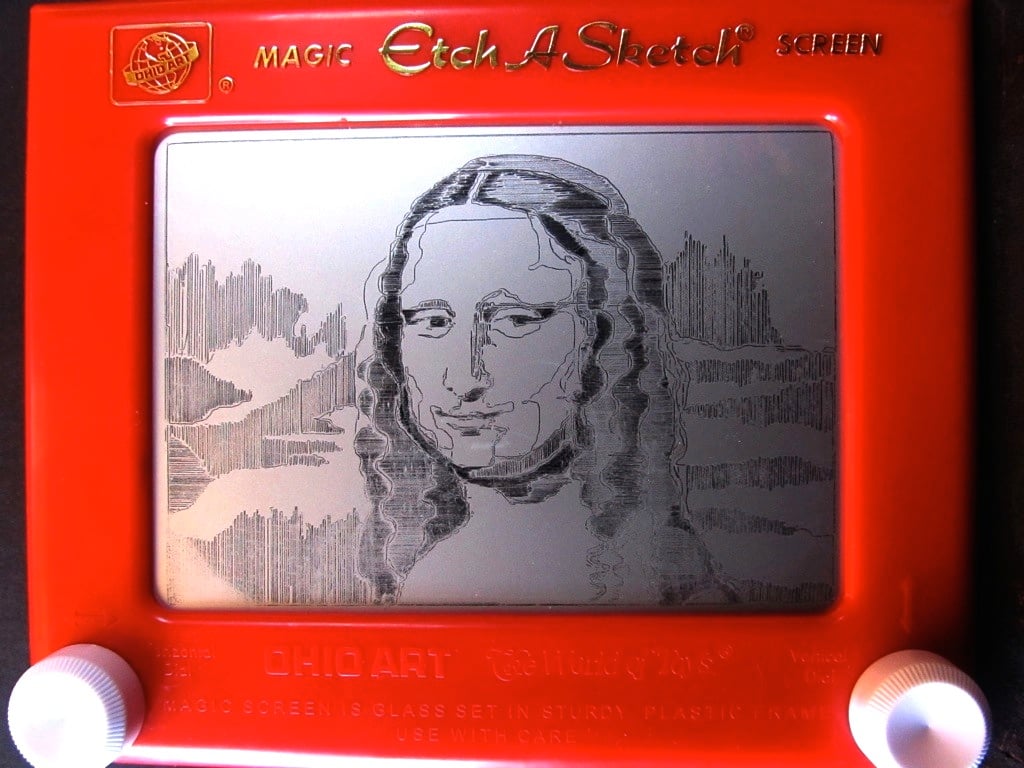
Few toys are as instantly recognizable as the bright red frame of the Etch A Sketch. Introduced in 1960, it allowed children to create detailed drawings simply by turning two small knobs.
Inside the screen, aluminum powder coated the glass, and moving the knobs shifted a stylus that scraped away the powder to reveal lines beneath. The toy encouraged patience and precision, since every line had to be carefully planned.
Mistakes weren’t permanent, though—a quick shake redistributed the powder and wiped the screen clean. Despite its simplicity, the Etch A Sketch became a cultural icon and sold millions worldwide, proving that creativity didn’t need batteries or sound effects to thrive.
Magic Slate
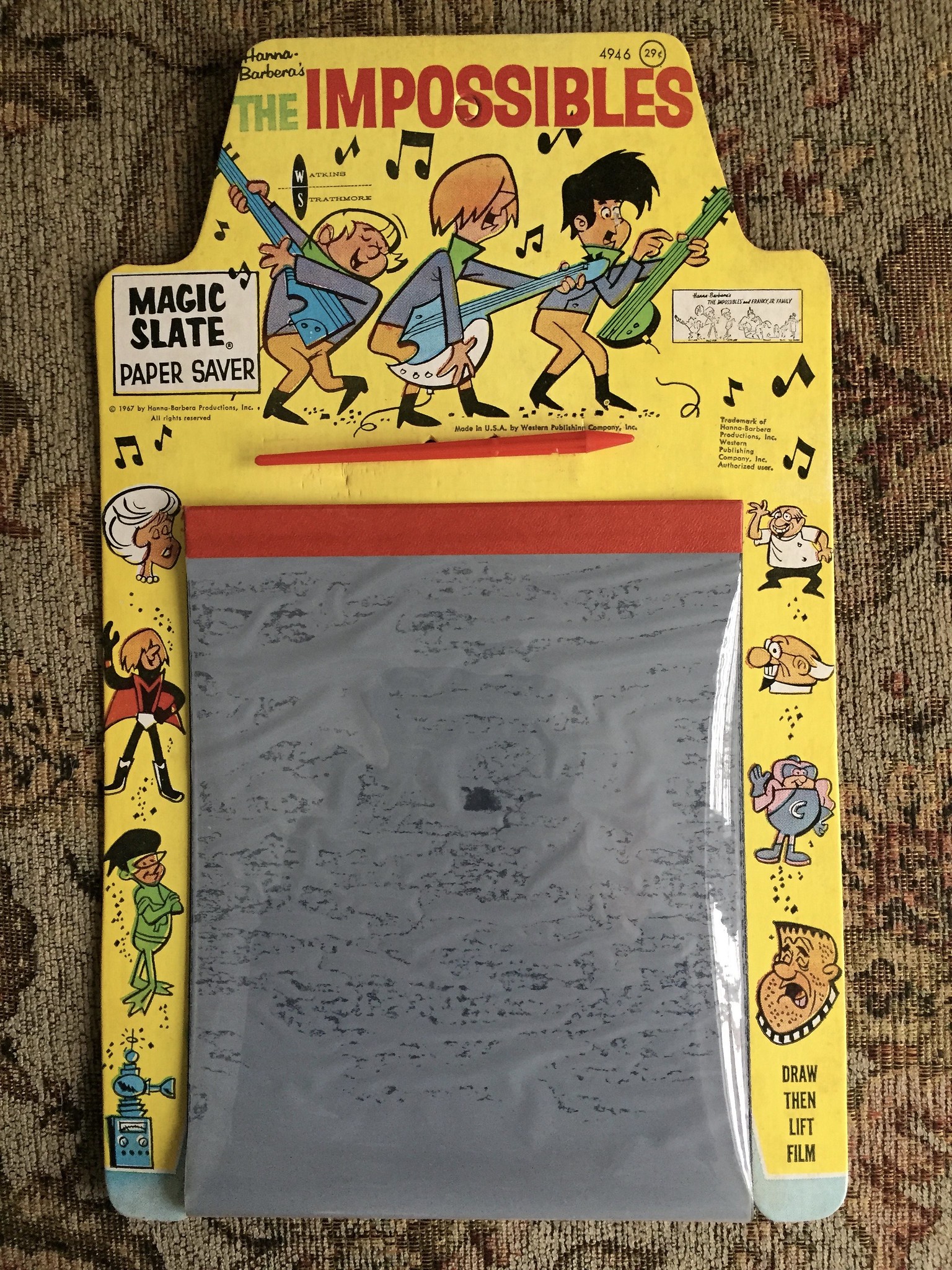
The Magic Slate appeared in the early 1920s and quickly became a favorite among children who loved drawing and writing. Its design was surprisingly clever: a wax board sat beneath a thin plastic sheet, and pressing on the surface with a stylus created dark lines.
Erasing the drawing was as simple as lifting the plastic film and letting it fall back into place. In an era long before tablets and touch screens, the Magic Slate offered a reusable surface that felt almost futuristic.
Its quiet operation and endless reset ability made it perfect for travel, classrooms, or long afternoons at home.
Lite-Brite
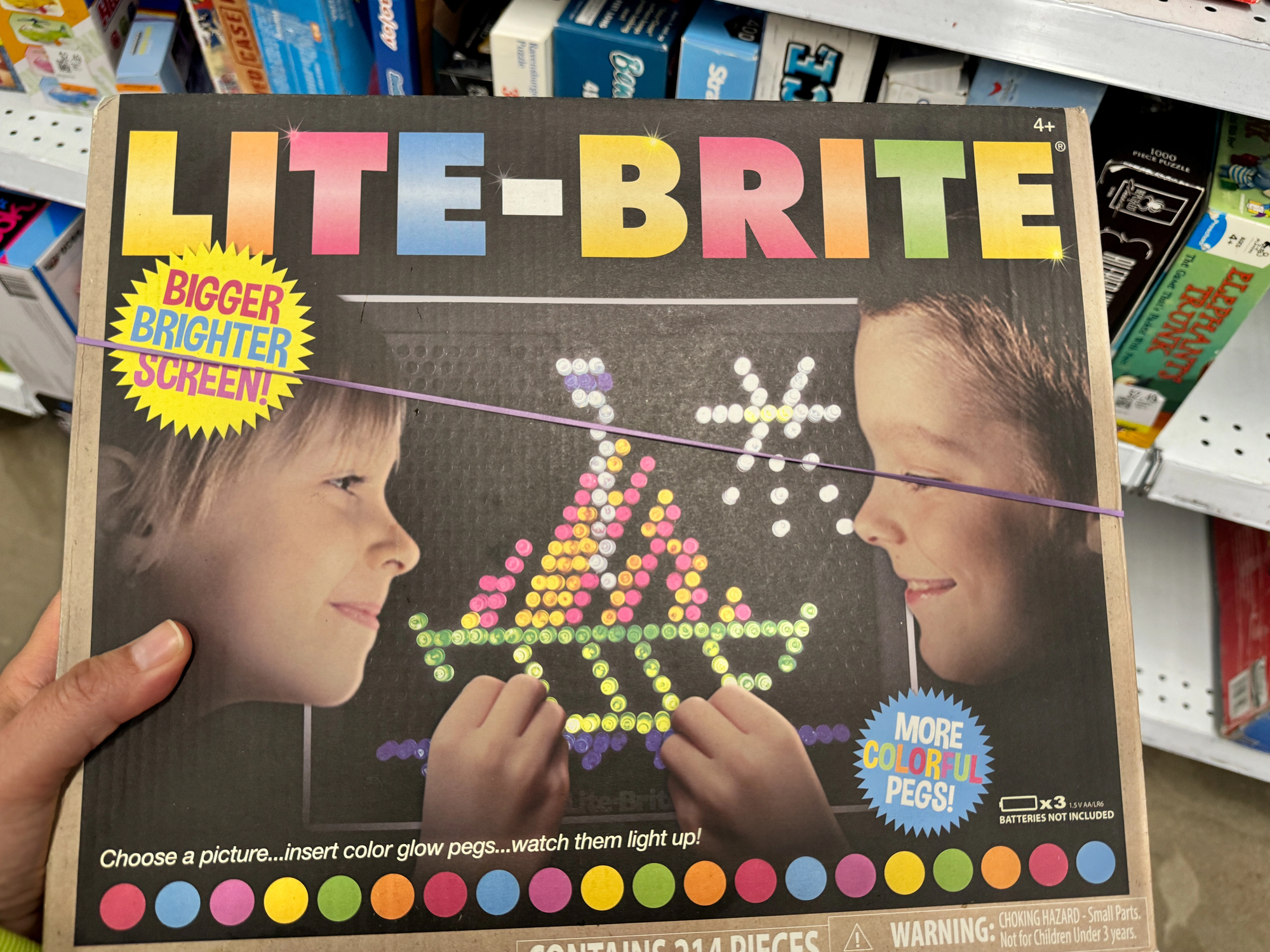
Released in 1967, Lite-Brite brought glowing creativity into darkened bedrooms and playrooms. The toy consisted of a black screen filled with tiny pegs and a light source behind it.
By inserting colorful pegs into the screen, children could create bright pictures that illuminated from within. Even though it glowed, Lite-Brite remained remarkably quiet.
The only sound came from the gentle click of pegs sliding into place. Many kids spent hours recreating patterns or inventing their own glowing designs, discovering a peaceful rhythm in arranging colors and shapes.
Lincoln Logs
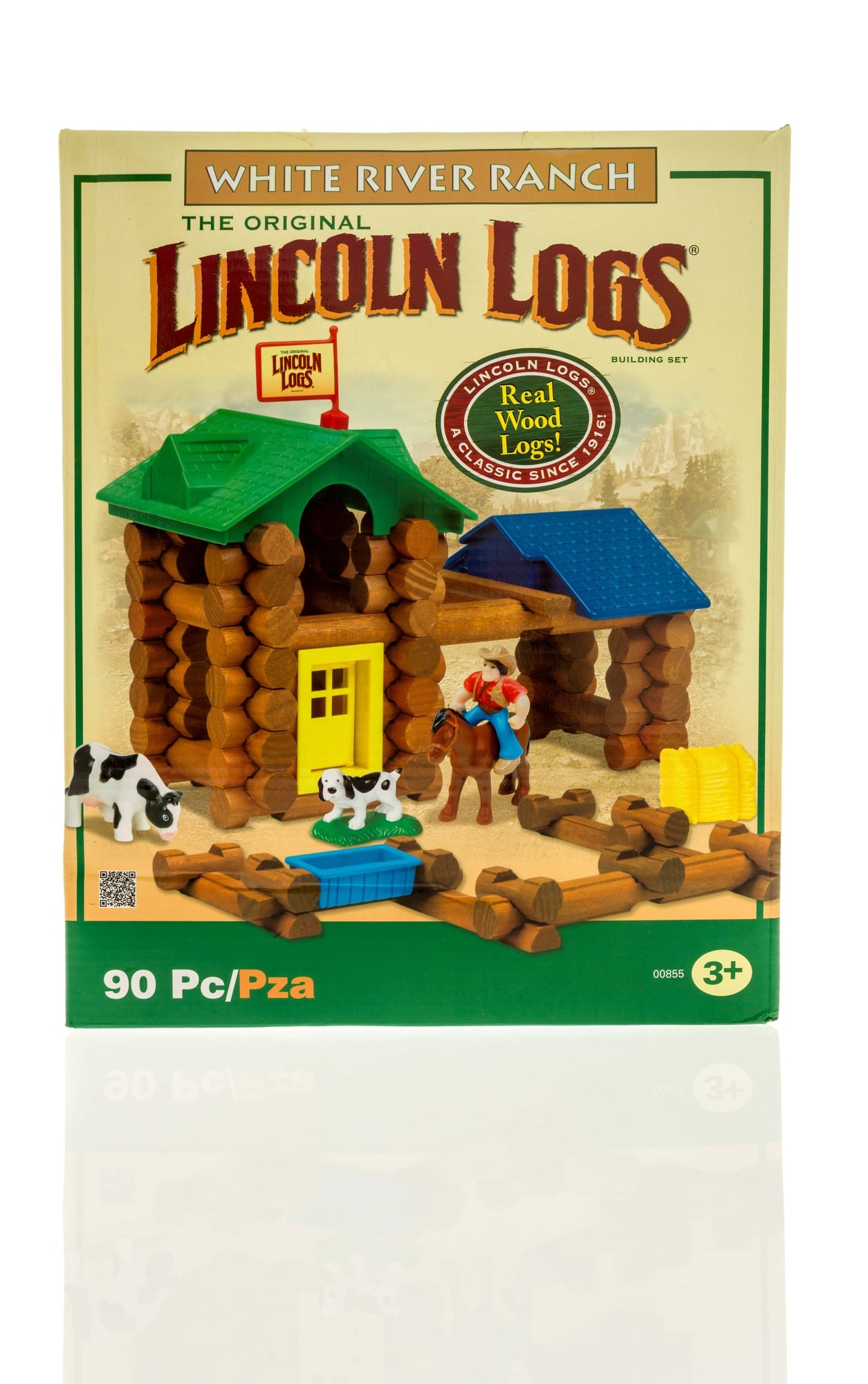
Lincoln Logs first appeared in 1916 and were inspired by the log cabin architecture associated with early American history. The toy consisted of small wooden logs with notches that allowed them to stack securely, forming cabins, forts, or whatever structure a child imagined.
Building with Lincoln Logs required a steady hand and a little planning, especially when constructing taller designs. The quiet stacking of wooden pieces gave playtime a calm, thoughtful feel.
Even today, the simple pleasure of assembling those small logs remains surprisingly satisfying.
Spirograph
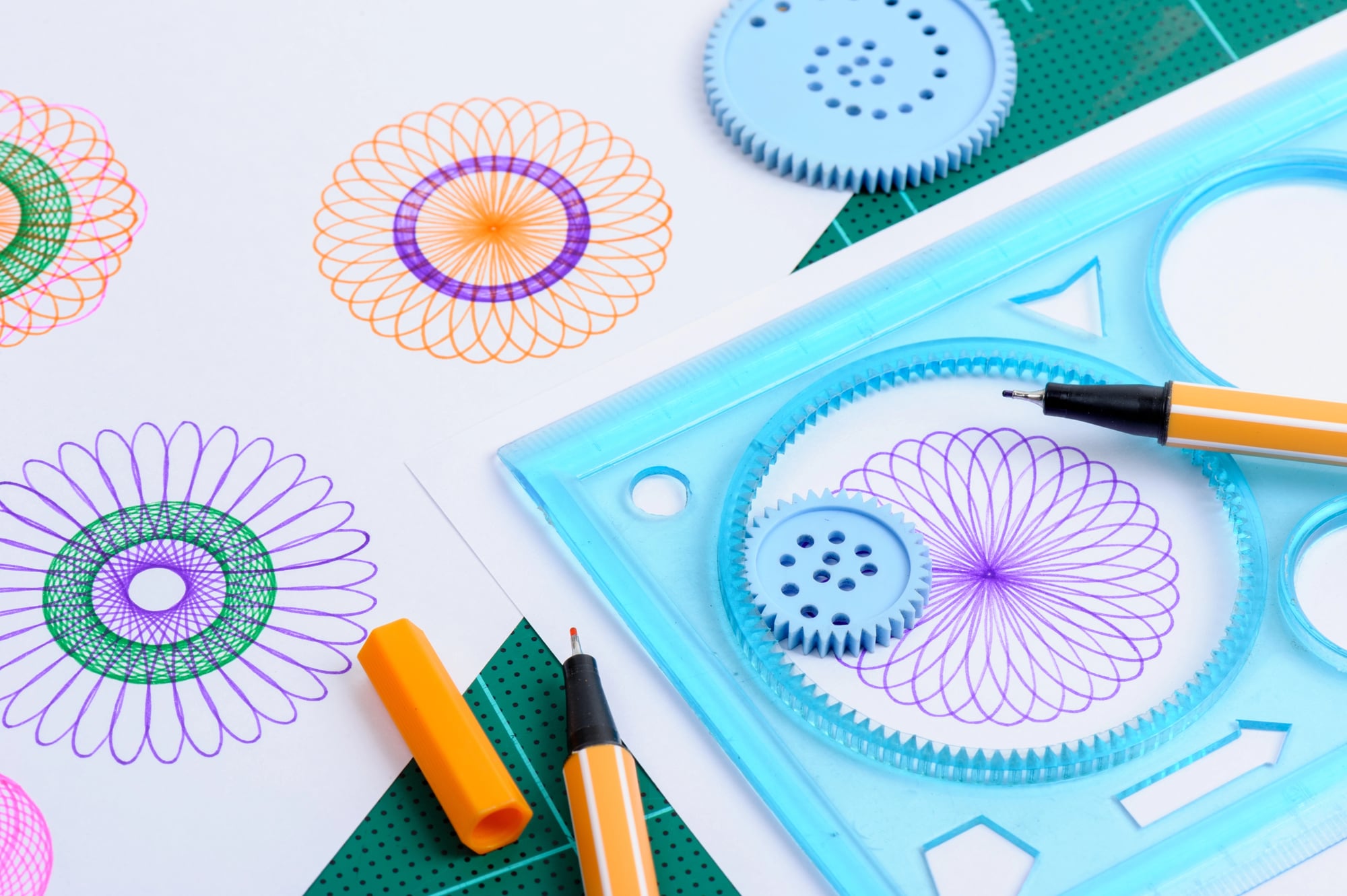
The Spirograph arrived in the mid-1960s and turned geometry into art. Using plastic gears, rings, and colored pens, children could create intricate looping designs that looked almost hypnotic.
Each gear combination produced a different pattern, often surprising the artist as the design slowly emerged. What made Spirograph special was the way it blended math and creativity.
Kids didn’t need to understand the geometry behind it to appreciate the beauty of the patterns. Watching the shapes unfold quietly on paper became a strangely calming experience.
Kaleidoscope
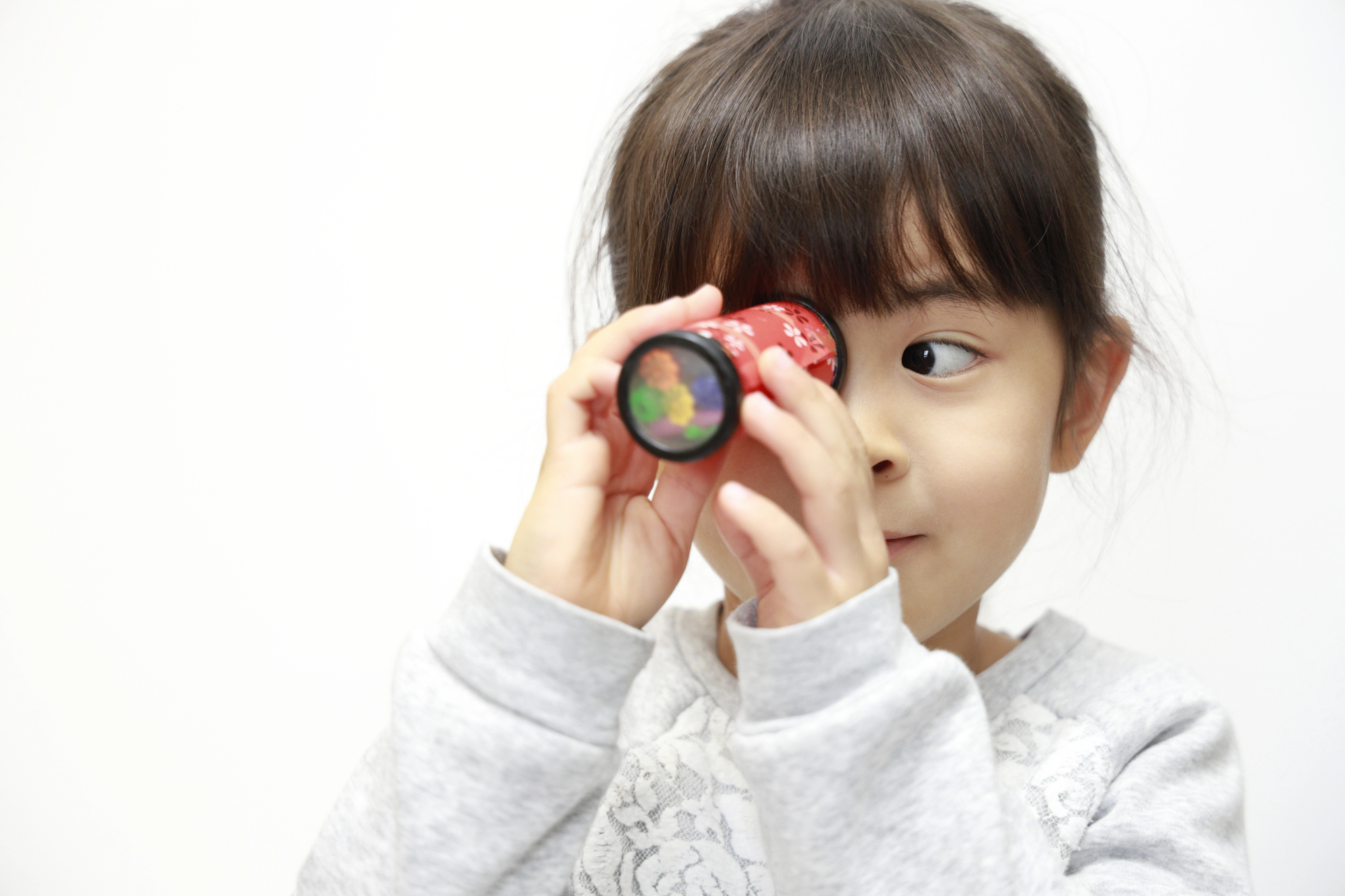
The kaleidoscope is far older than most toys on this list, dating back to the early 1800s. Yet it remained a popular playroom object for generations. Looking through the tube revealed endlessly shifting patterns made from mirrors and small colored pieces inside.
Turning the kaleidoscope slowly changed the patterns, creating symmetrical designs that felt almost magical. The experience was silent but mesmerizing.
Children often spent long stretches rotating the tube, watching the colors rearrange themselves into new shapes again and again.
Jigsaw Puzzles

Jigsaw puzzles have been a staple of quiet entertainment since the 18th century. Early versions were actually cut maps used for teaching geography, but they quickly evolved into recreational puzzles with countless themes and images.
Working through a puzzle required patience and attention to detail. The soft shuffle of cardboard pieces on a table was often the only sound in the room.
Families sometimes gathered around the same puzzle for days, slowly building the image piece by piece.
Wooden Building Blocks

Simple wooden blocks may be one of the oldest toys in history, yet they remain remarkably effective at encouraging creative play. Their shapes—cubes, rectangles, arches, and cylinders—can be combined in nearly endless ways.
Children used them to build towers, bridges, and imaginary cities. The gentle clack of wood against wood was practically the loudest moment in the process.
What made blocks special was their openness; there were no instructions, just possibilities.
Rubik’s Cube
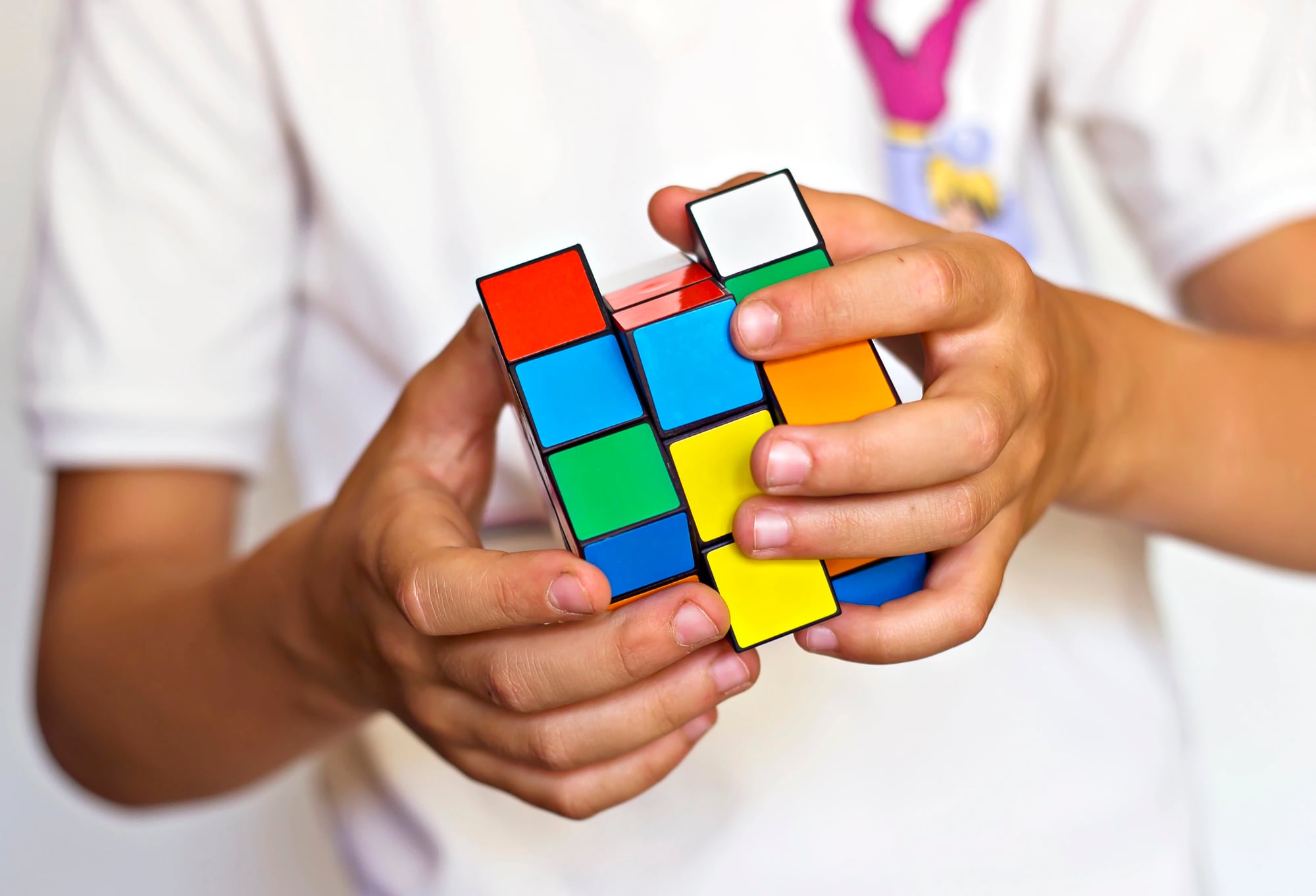
When the Rubik’s Cube appeared in the late 1970s, it quickly became a global sensation. The colorful cube looked simple at first glance, but solving it required careful logic and patience.
Twisting the rows, scrambling the colors, and restoring each side to a single color became a puzzle that fascinated millions. The toy’s quiet design added to its appeal.
Apart from the soft clicking of rotating rows, it made almost no sound at all. For many players, the cube became a personal challenge—something to solve during long bus rides, school breaks, or quiet evenings at home.
Paper Dolls

Paper dolls were once a beloved pastime, especially during the early and mid-20th century. These cut-out figures came with paper outfits that folded around the doll with tiny tabs.
Entire wardrobes could fit neatly into a small booklet. Playing with paper dolls encouraged storytelling and imagination.
Children created characters, settings, and dramatic situations entirely in their minds. The quiet rustle of paper was the only soundtrack to these miniature worlds.
Play-Doh
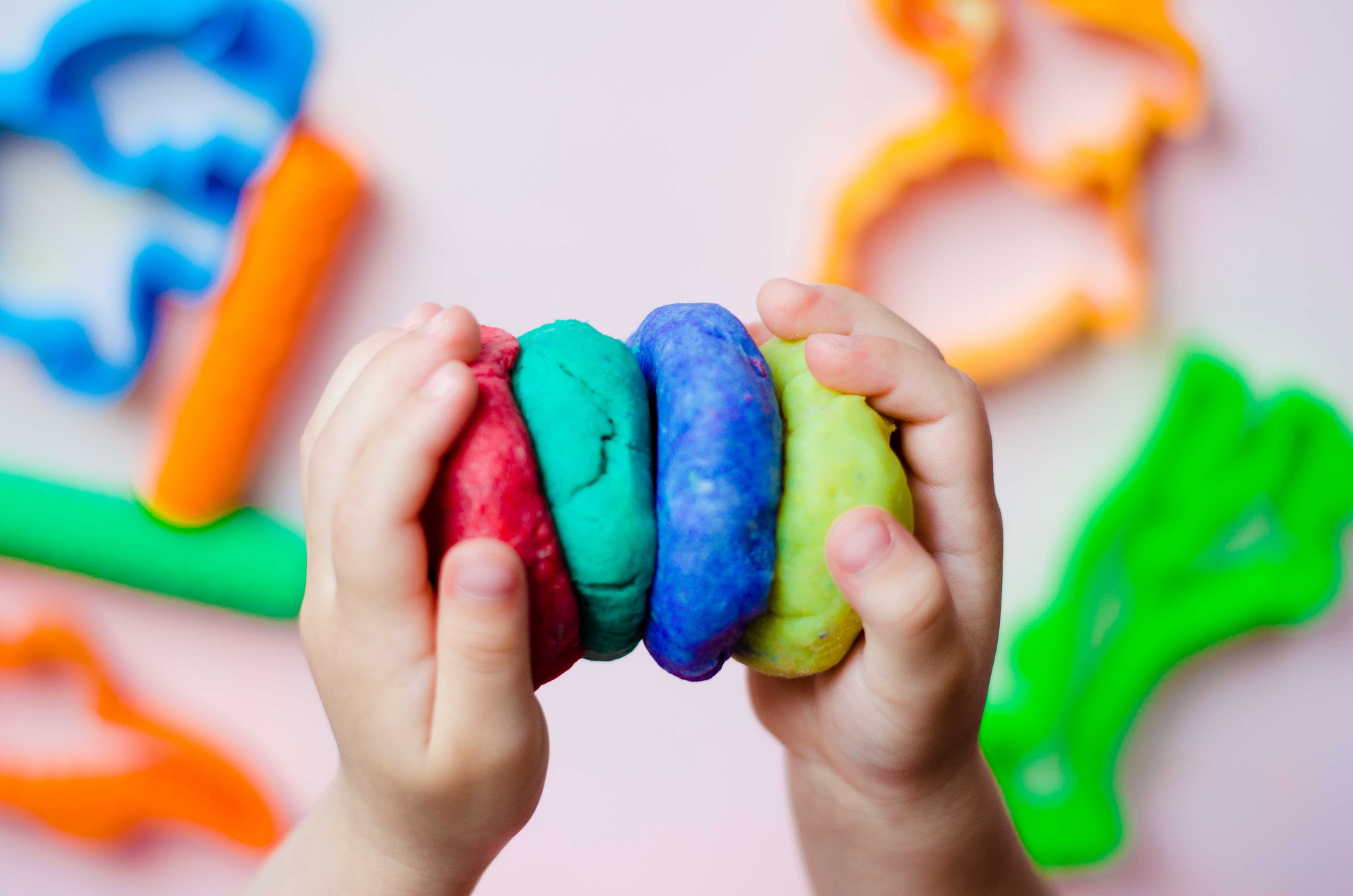
Play-Doh began as a cleaning compound in the 1930s before eventually transforming into one of the most popular children’s toys ever created. Its soft, moldable texture allowed kids to sculpt shapes, figures, and imaginary foods with their hands.
The toy was wonderfully quiet, aside from the gentle squish of dough being shaped and reshaped. Its simplicity made it endlessly versatile.
A lump of colorful dough could become almost anything with a little imagination.
Tangrams

Tangrams originated in China centuries ago and eventually became popular puzzle toys around the world. The set consists of seven geometric shapes that can be arranged to form animals, people, buildings, and countless abstract designs.
What made tangrams appealing was the balance between challenge and creativity. Solving a tangram puzzle required spatial thinking, yet the pieces could also be rearranged freely to invent new forms.
The calm focus it demanded made it perfect for quiet play.
Marble Runs
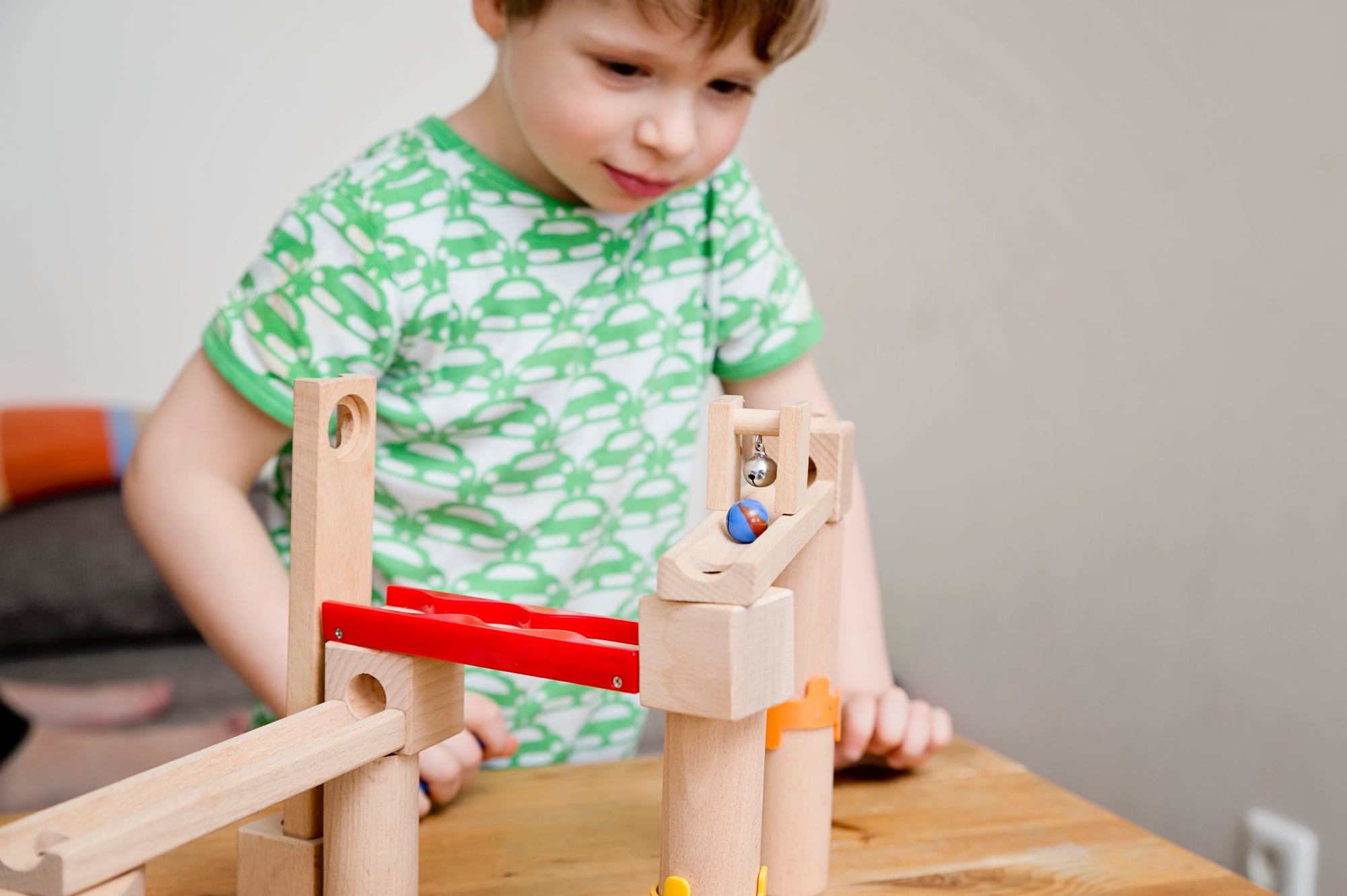
Marble runs combined construction and motion in a surprisingly peaceful way. Players assembled tracks and ramps that guided marbles through twists and drops.
Once released, the marbles rolled smoothly along the path. The soft clicking of marbles moving through the structure created a gentle rhythm rather than loud noise.
Designing the track became half the fun, as children experimented with slopes and turns to keep the marbles moving.
Colorforms
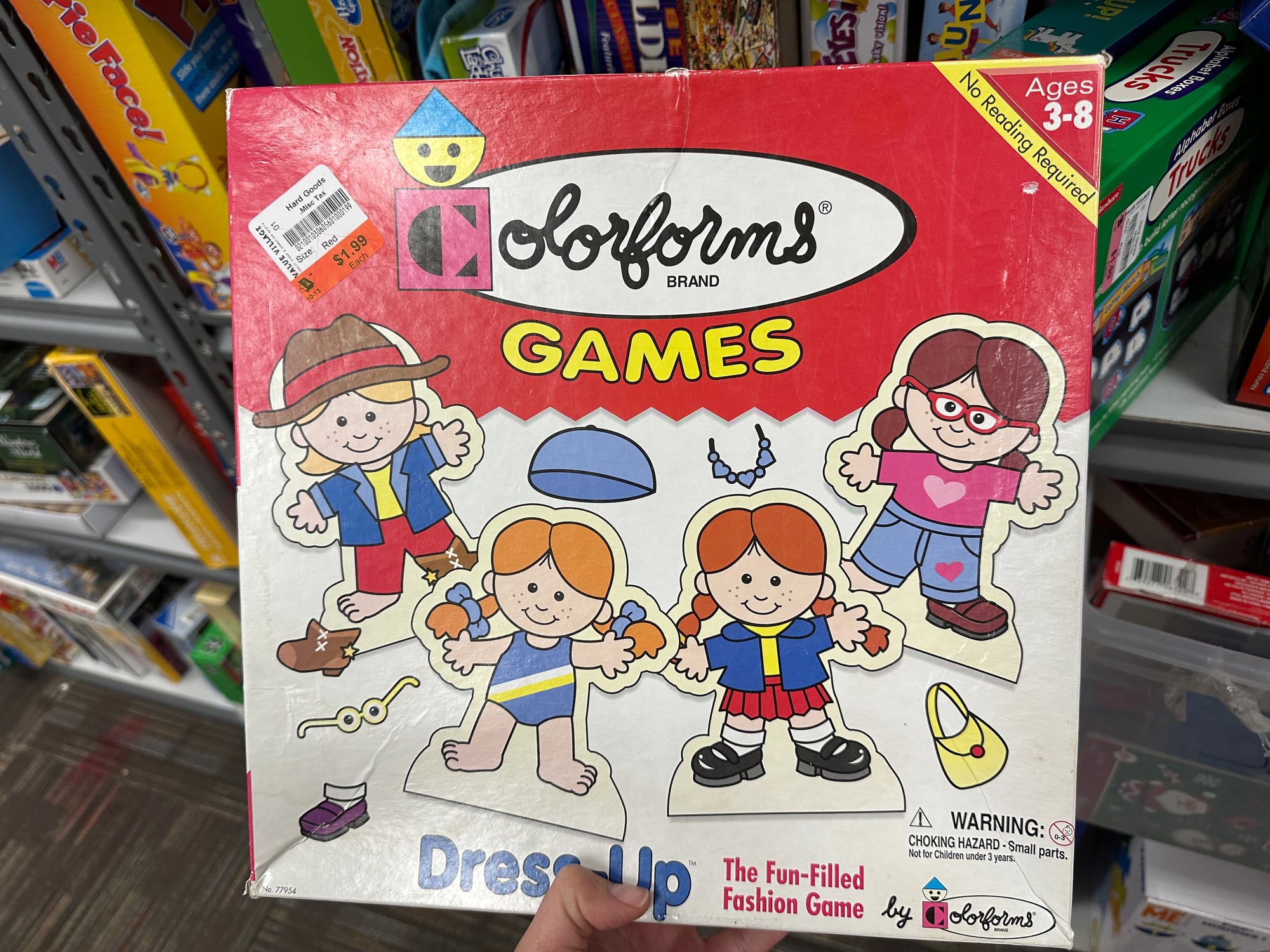
Colorforms appeared in the 1950s and introduced reusable vinyl shapes that stuck lightly to smooth surfaces. Children could place the pieces onto illustrated backgrounds to create scenes and stories.
The shapes peeled off easily and could be rearranged again and again. This flexibility allowed endless experimentation without any mess.
Quietly arranging characters and objects on the board gave kids a sense of control over their own little world.
View-Master
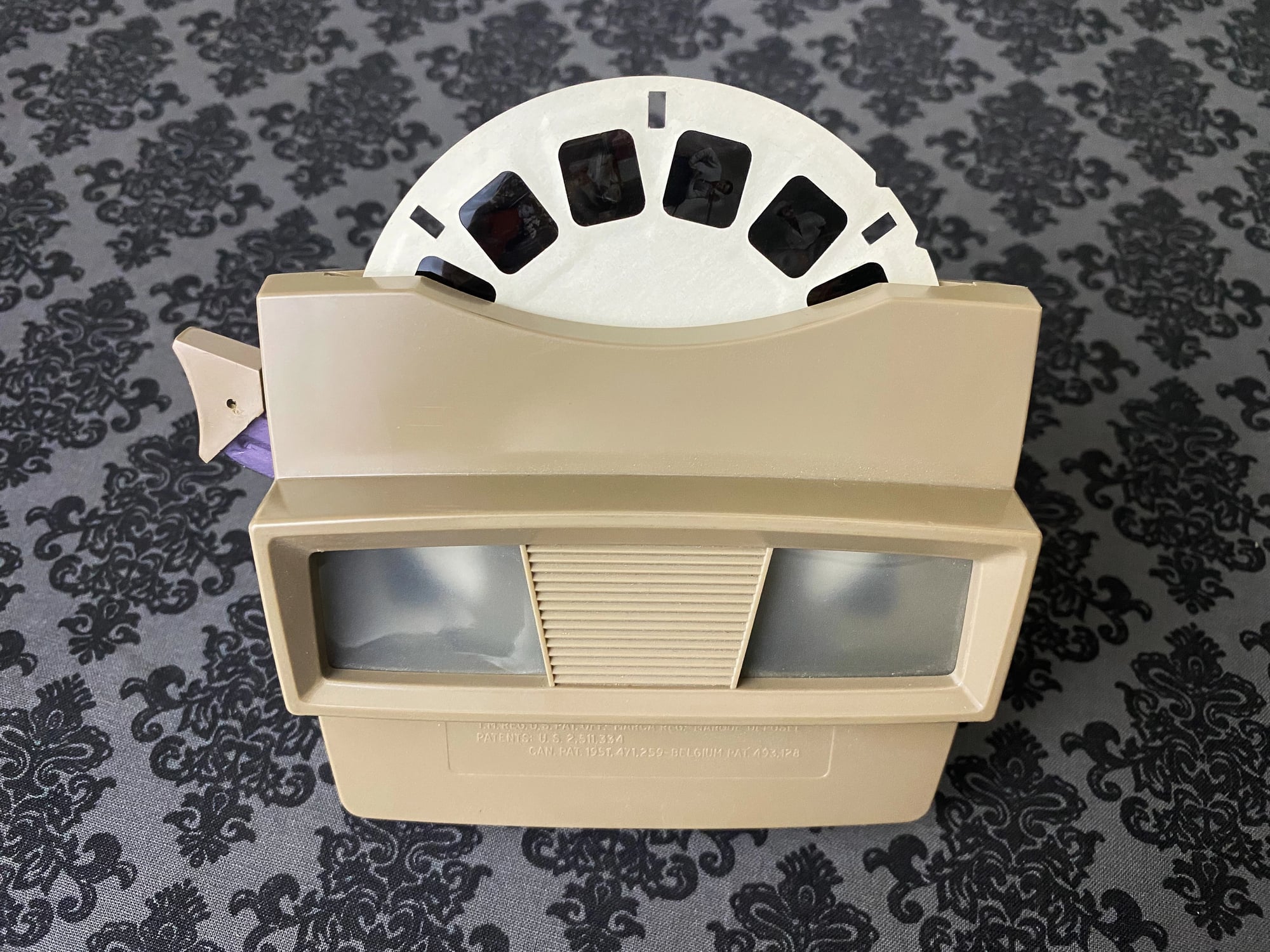
The View-Master was first introduced in 1939 and was an instant success as an exciting way to explore the world and view pictures from different locations across the globe. The device was small and portable and had circular reels with miniature pictures that looked like they had depth with the help of the viewer’s lenses.
Clicking the lever would bring the next picture into view, showing different scenes from movies and television, or historical sites and landscapes. Despite the slight noise from the clicking lever, the experience was otherwise quiet and peaceful.
Why These Quiet Toys Still Matter
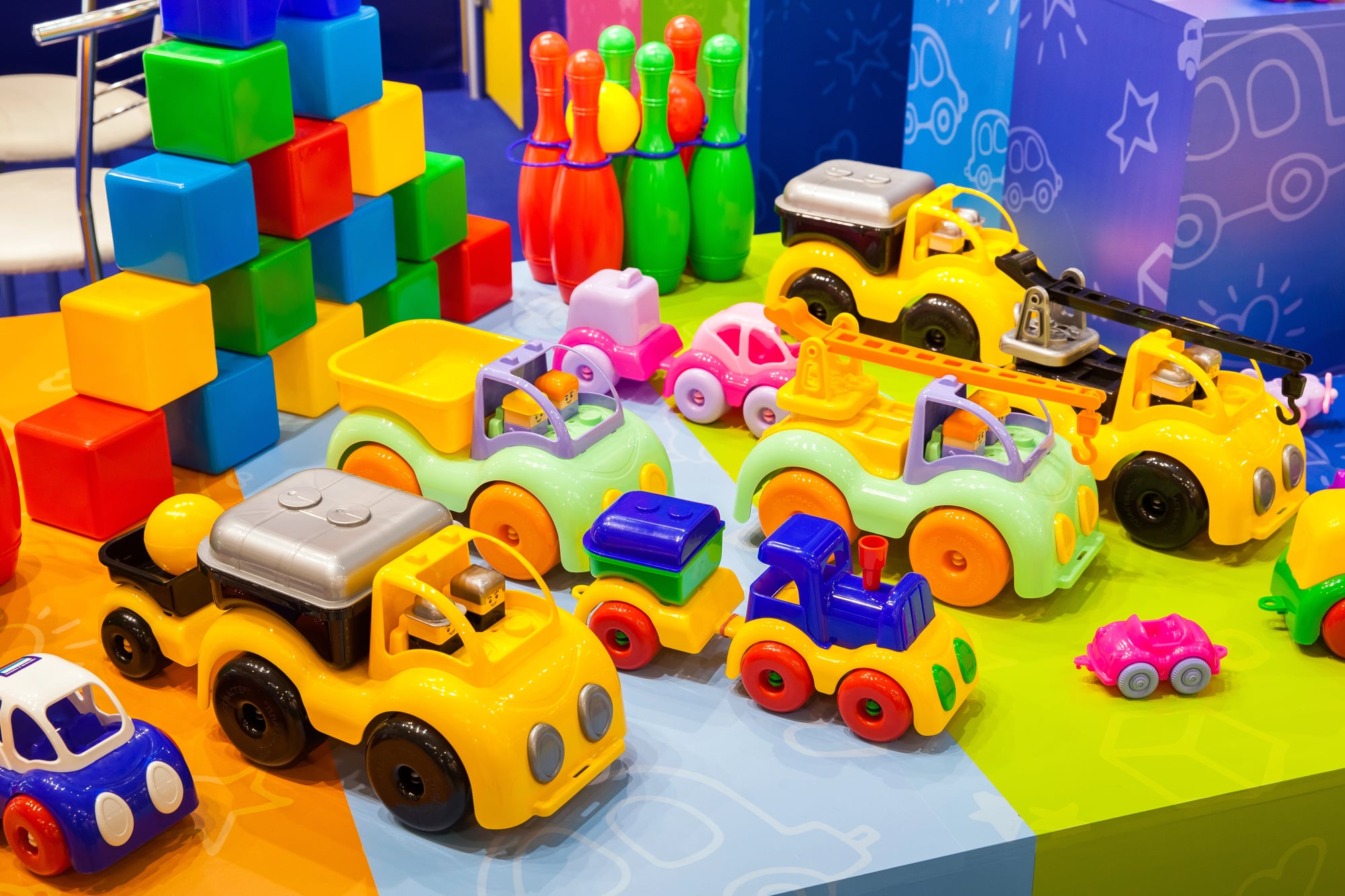
Many of these toys are from an era in which playtime was more about imagination than technology. The enjoyment they provide is from their mechanics and design and from the satisfaction of creating something with one’s own hands.
Several decades later, these toys are still found in schools, toy stores, and game collections. The longevity of these toys is an indication of how humans interact with play.
The quiet toys force one to slow down and think creatively. In an increasingly noisy world of technology and social media, these classic playtime items remind us that some of the most memorable moments from our childhood are often nearly silent.
More from Go2Tutors!

- The Romanov Crown Jewels and Their Tragic Fate
- 13 Historical Mysteries That Science Still Can’t Solve
- Famous Hoaxes That Fooled the World for Years
- 15 Child Stars with Tragic Adult Lives
- 16 Famous Jewelry Pieces in History
Like Go2Tutors’s content? Follow us on MSN.