16 Worst Rated Foods in the World
Food brings people together, sparks joy, and tells stories about cultures across the globe. But not every dish gets a warm welcome.
Some foods are so divisive, so challenging to the palate, that they’ve earned a reputation for being downright awful. From fermented nightmares to textures that make people gag, these dishes push the boundaries of what most people consider edible.
Let’s dive into the foods that have travelers running for the nearest exit and locals defending their traditions with pride.
Surströmming
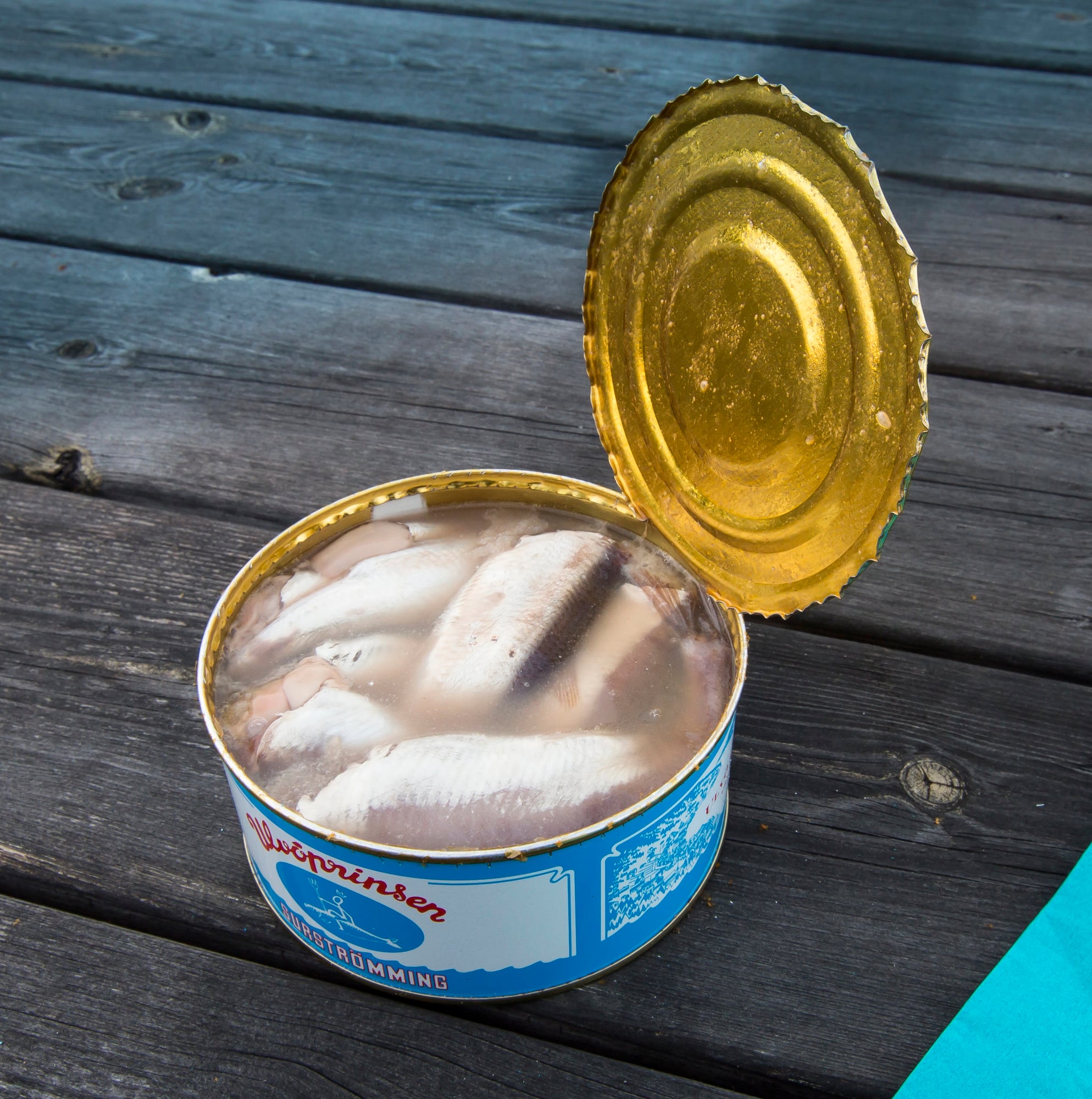
Sweden’s fermented herring might just be the world’s smelliest food. The fish sits in barrels for months, fermenting until it develops an odor so powerful that people open the cans underwater or outside to avoid stinking up their homes.
The smell has been compared to rotten eggs mixed with vinegar and dirty socks. Even Swedes who love this stuff admit it’s an acquired taste that takes years to appreciate.
Casu Marzu
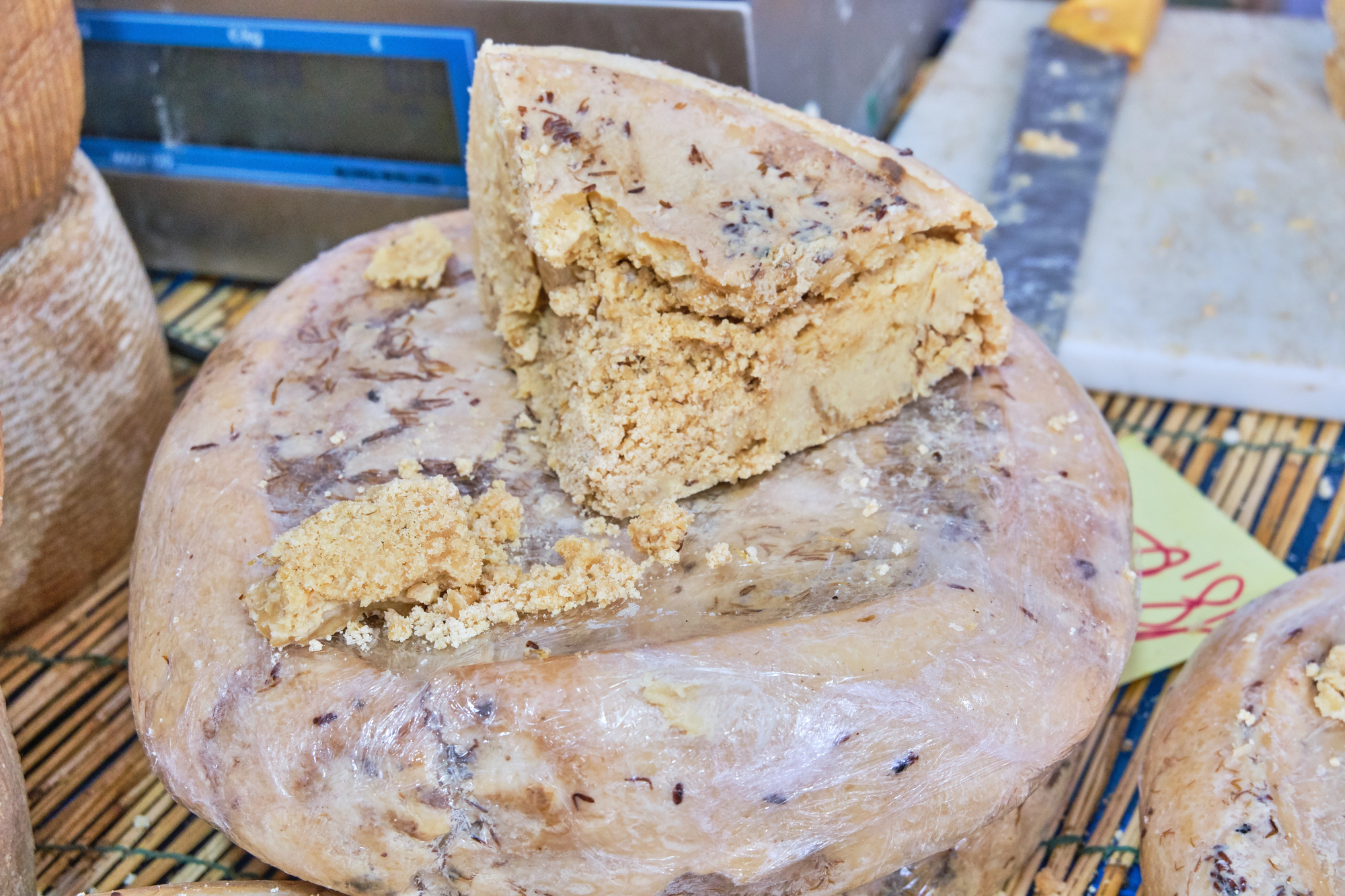
This Sardinian cheese contains live maggots that help break down the fats and create a soft, creamy texture. The larvae can jump up to six inches when disturbed, which means they might leap right into your face while you’re eating.
Some people remove the maggots before eating, while others consider them part of the experience. The cheese is actually illegal in many places because of health concerns, but that hasn’t stopped dedicated fans from seeking it out.
Hákarl
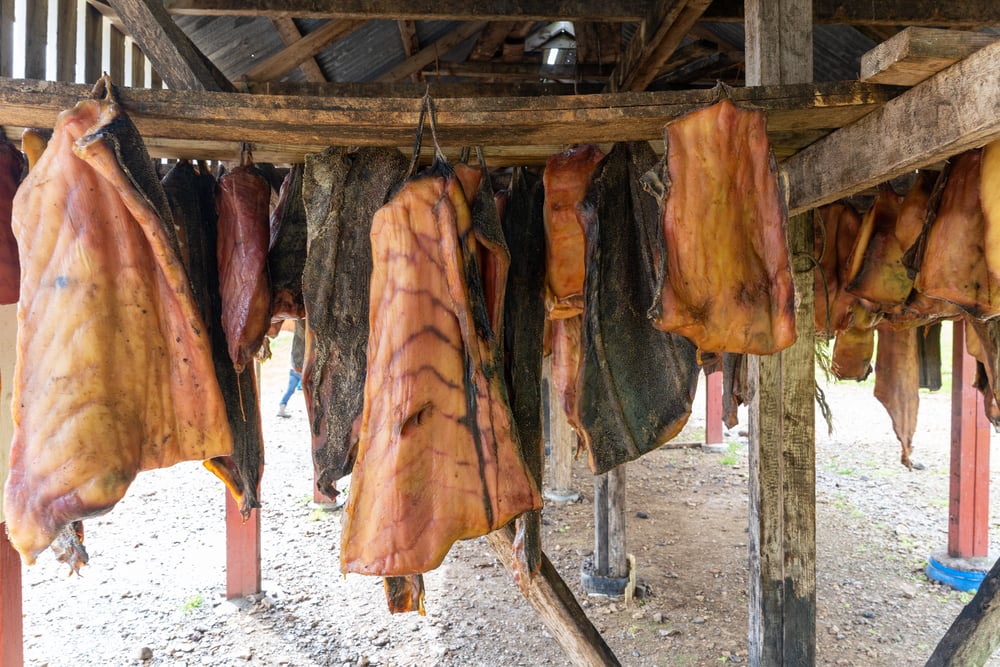
Iceland’s fermented shark requires months of preparation and still tastes like ammonia-soaked fish. Fishermen bury the shark meat underground for several weeks, then hang it to dry for another few months before anyone can eat it.
The Greenland shark itself is poisonous when fresh because of high levels of uric acid and trimethylamine oxide in its flesh. Even celebrity chef Anthony Bourdain called it the worst thing he’d ever eaten, and that’s saying something from a guy who tried everything.
Balut
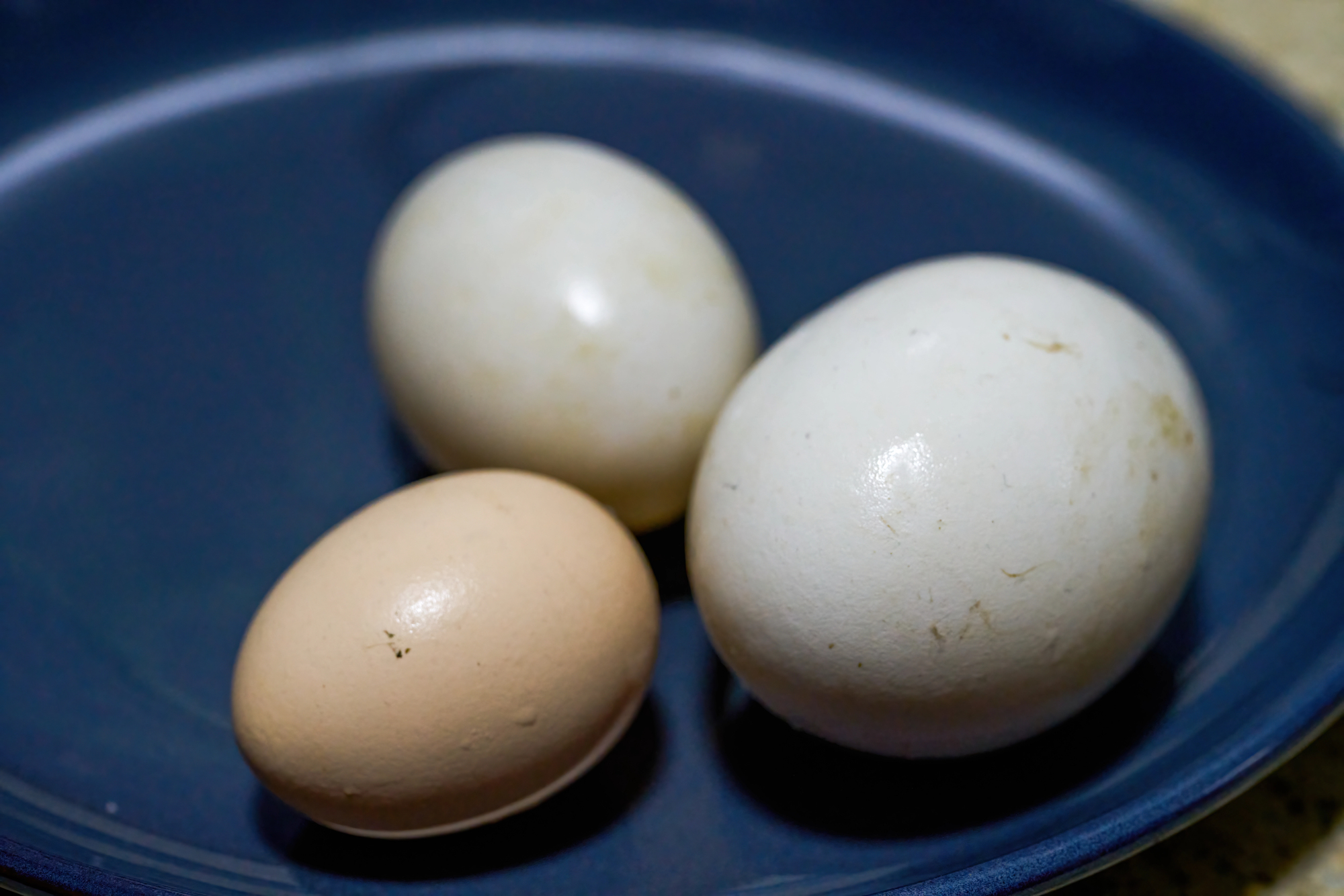
The Philippines’ fertilized duck egg contains a partially developed embryo complete with feathers, bones, and a beak. Street vendors sell these eggs warm, and eating one means slurping down the liquid first, then tackling the solid parts.
The texture combination of soft yolk, crunchy bones, and feathery bits creates an experience that’s tough for outsiders to handle. Many Filipinos consider it a delicacy and a great source of protein, often enjoying it with beer and a pinch of salt.
Stinkheads
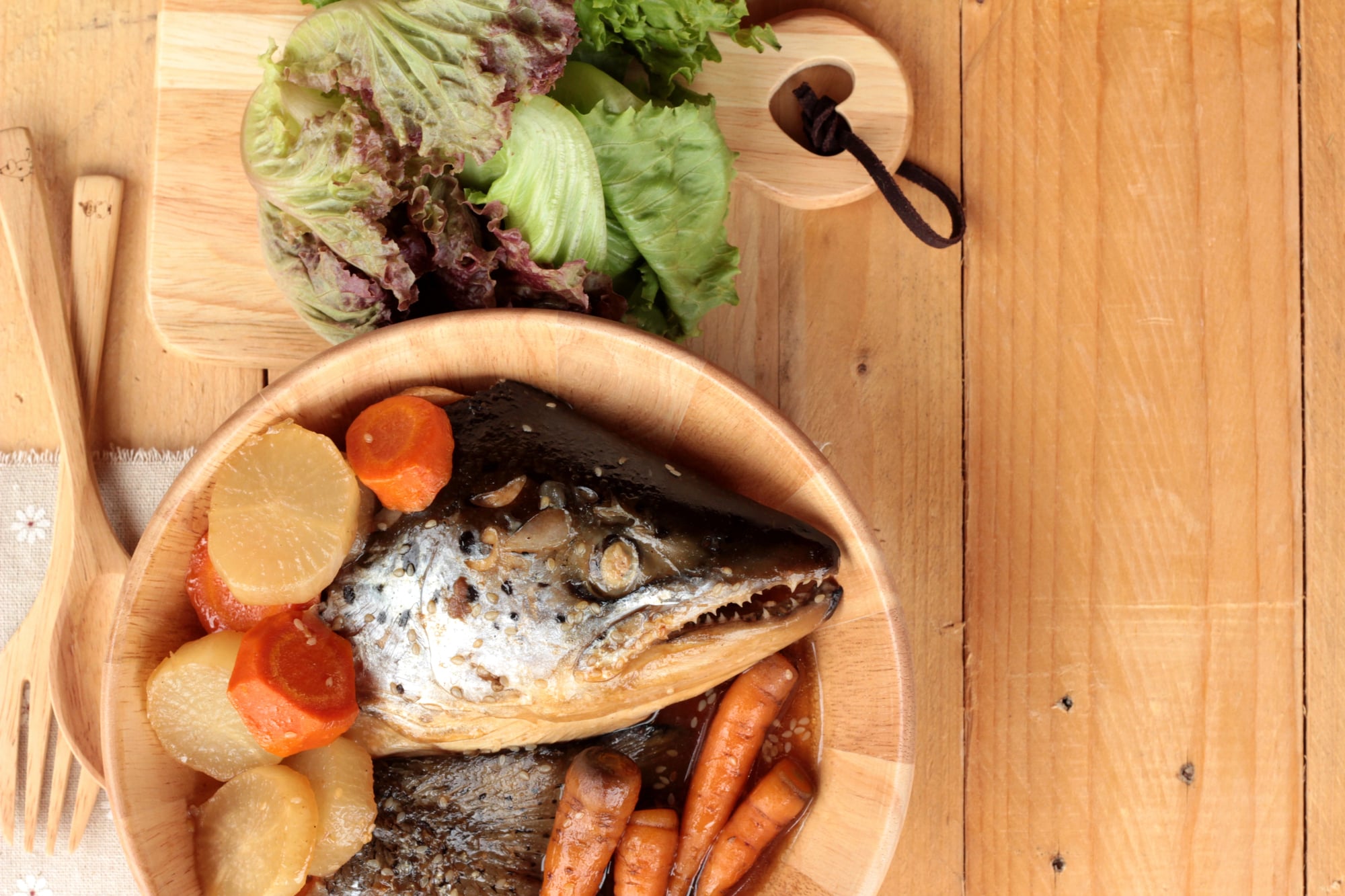
Alaska’s Native communities make this dish by burying salmon heads in the ground and letting them ferment for weeks. The fermentation process was traditionally a way to preserve food for harsh winters, but modern refrigeration hasn’t killed off this practice entirely.
The heads develop a strong, pungent smell and a texture that’s been described as mushy and overwhelming. Several cases of botulism have been linked to improperly fermented stinkheads, making this one of the more dangerous items on the list.
Lutefisk
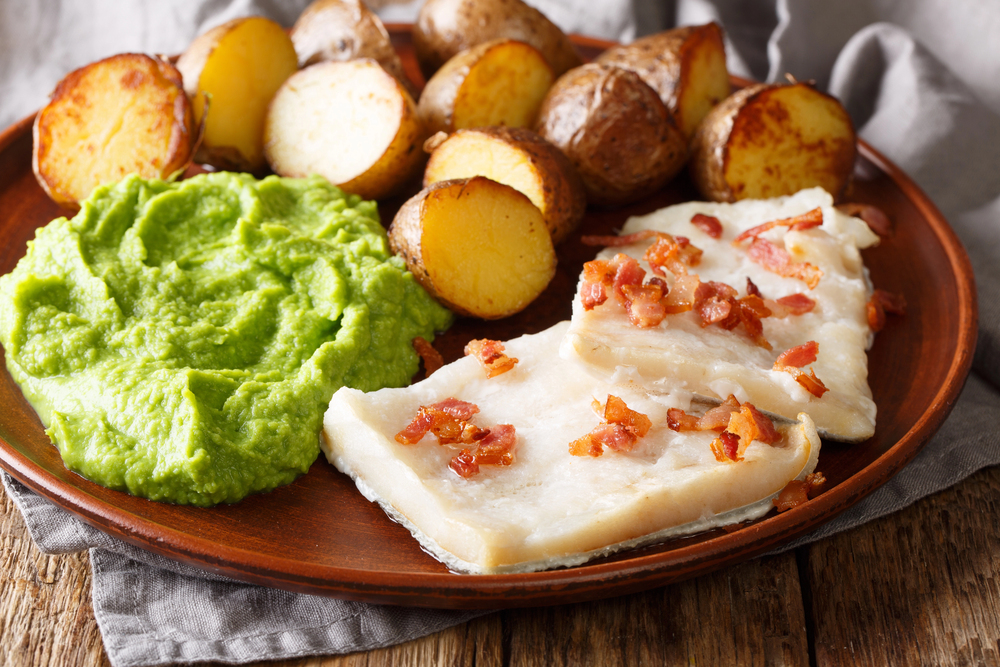
Norwegian immigrants brought this lye-soaked fish to America, where it became a holiday tradition that many people endure rather than enjoy. The process involves soaking dried whitefish in lye for several days until it becomes gelatinous and nearly translucent.
The chemical reaction breaks down the proteins so thoroughly that the fish can literally dissolve if cooked too long. The smell during preparation has been compared to soap mixed with rotting fish, and the texture resembles fishy jello.
Century Eggs
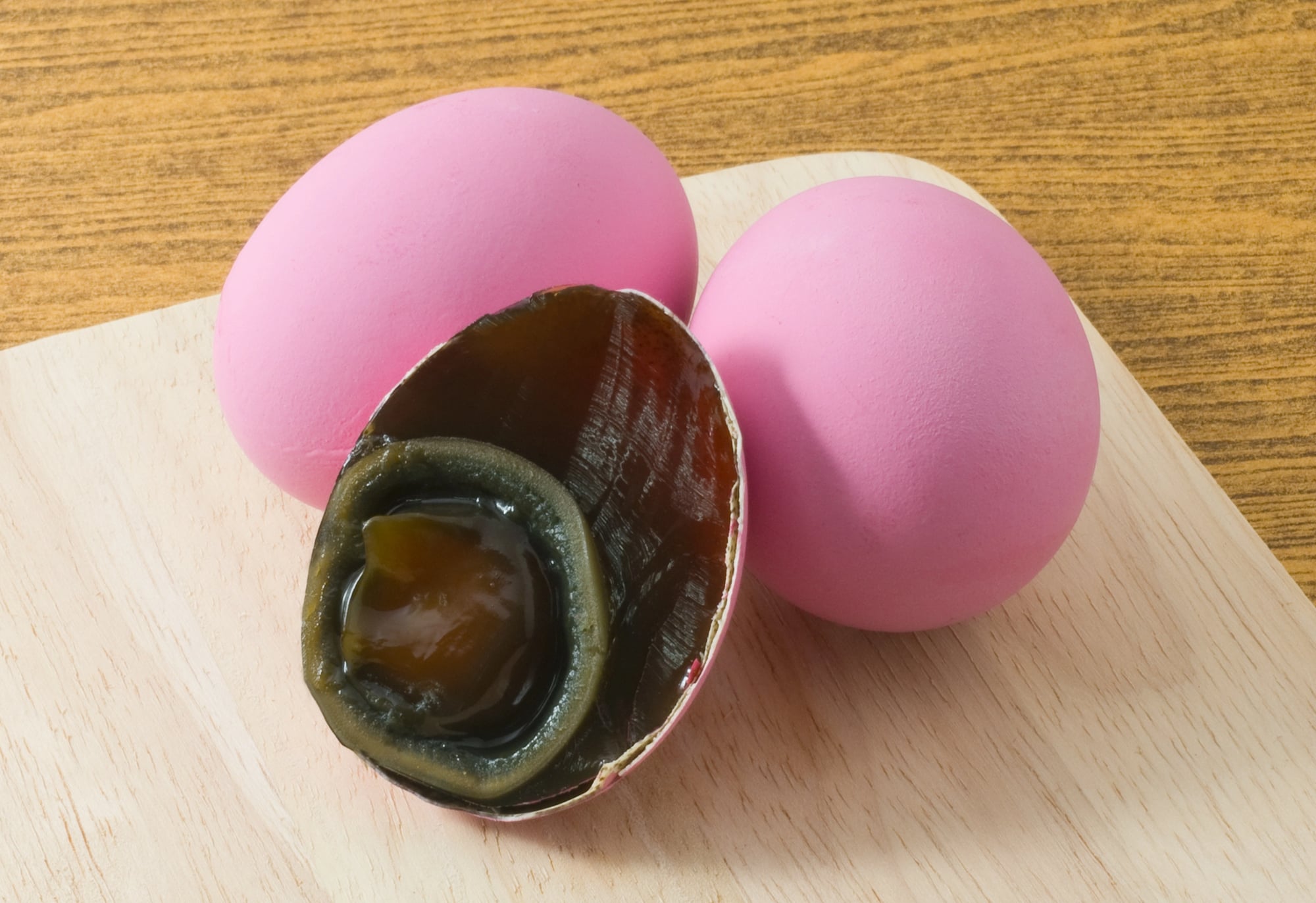
China’s preserved eggs don’t actually age for a hundred years, but the few months they spend in clay, ash, and quicklime are enough to transform them completely. The whites turn dark brown and translucent like jelly, while the yolks become creamy and greenish-gray.
The taste is intensely savory with strong ammonia notes that hit you the moment you crack one open. Despite their appearance and smell, these eggs are considered a sophisticated snack in many parts of Asia.
Durian
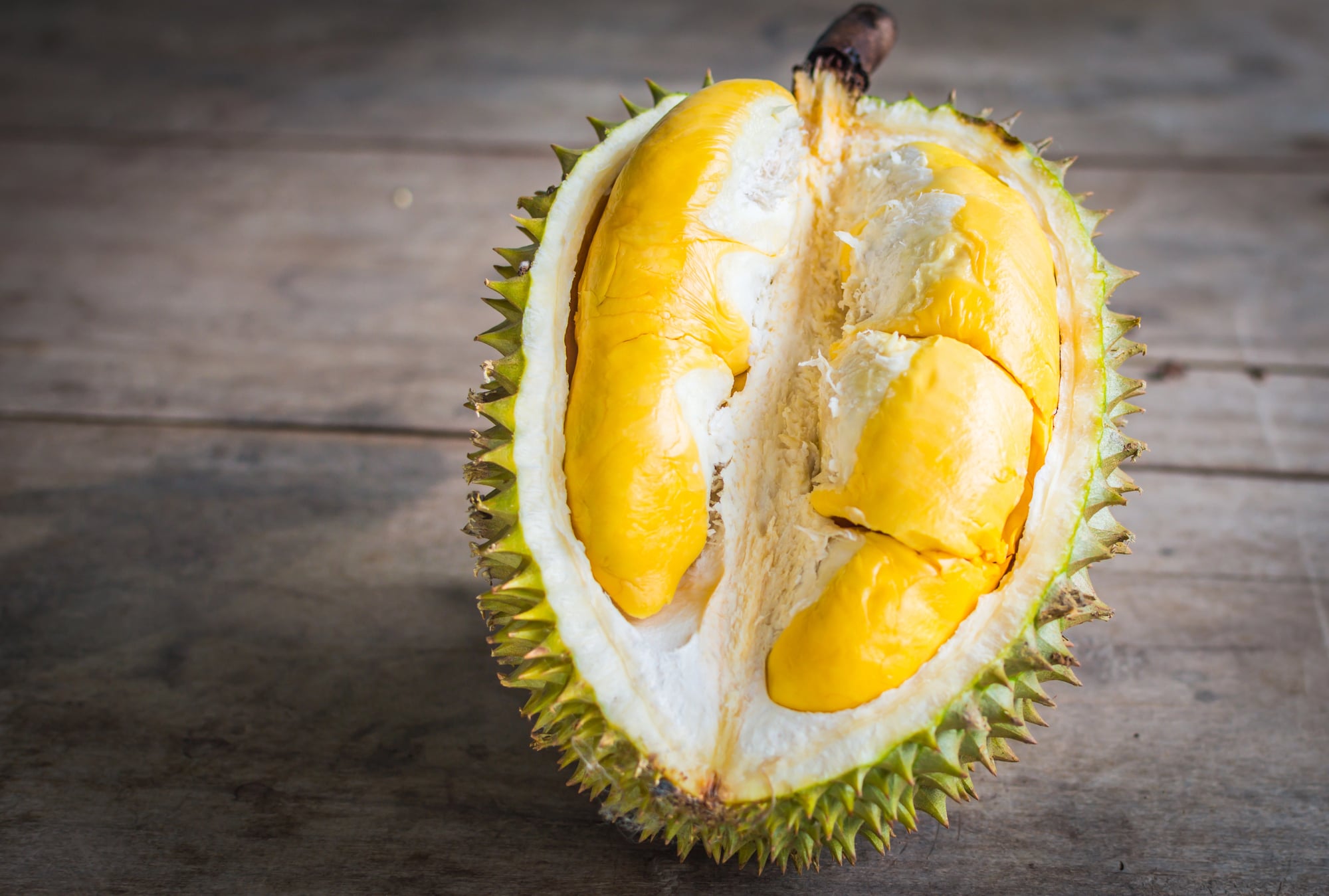
This Southeast Asian fruit has been banned from hotels, planes, and public transportation because of its overwhelming stench. The spiky exterior protects creamy flesh that tastes like custard mixed with onions and garlic, according to some people.
Others describe the flavor as sweet and pleasant, but that initial smell of rotting garbage mixed with gym socks is hard to get past. The fruit is so polarizing that cities have put up ‘no durian’ signs to keep the peace.
Natto
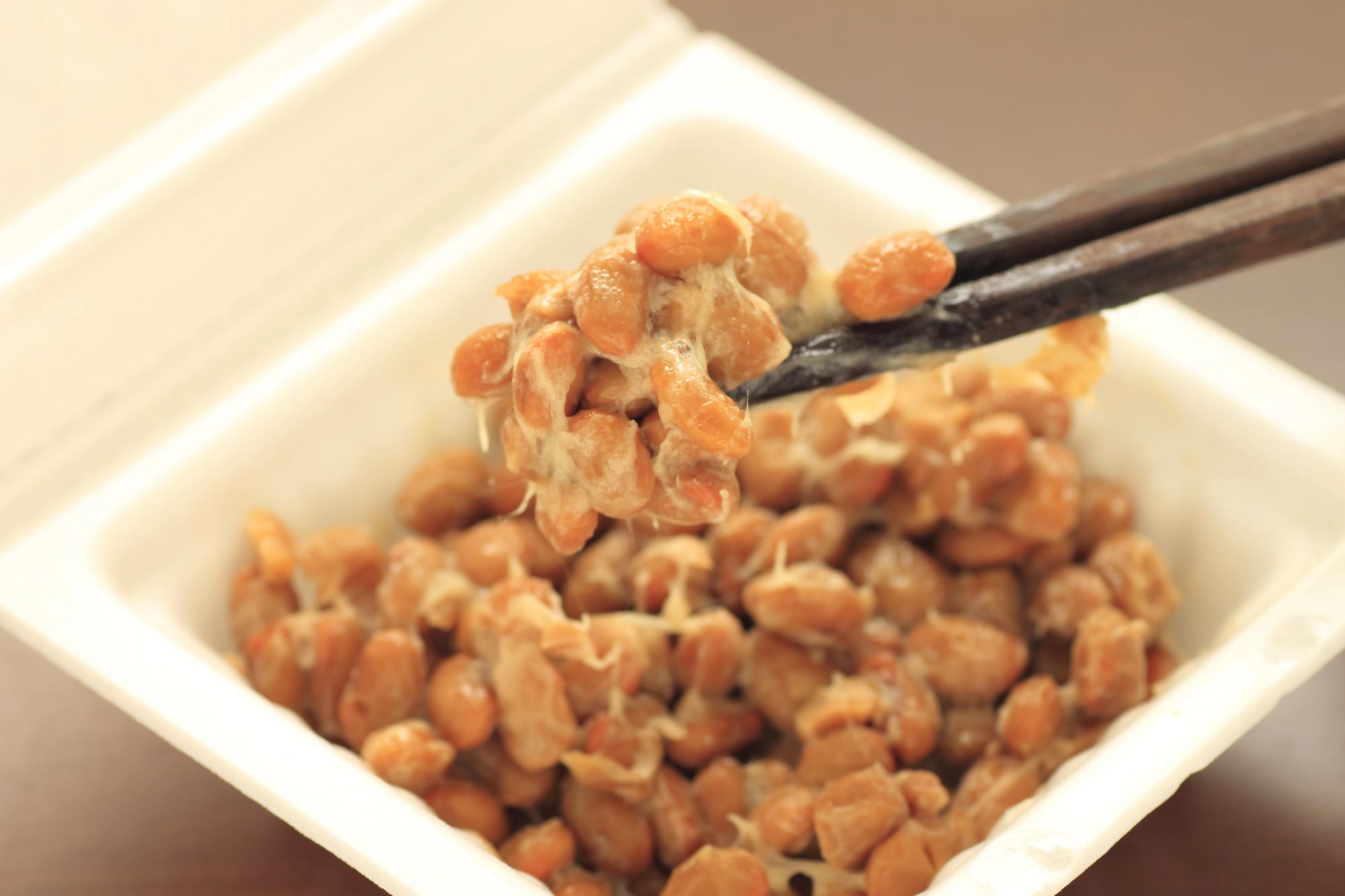
Japan’s fermented soybeans create long, sticky strings when you lift them with chopsticks, and the smell is earthy and pungent. The beans undergo fermentation with a specific bacteria that gives them a slimy coating and a sharp, almost ammonia-like aroma.
Many Japanese people grow up eating natto for breakfast with rice, but even within Japan, it’s a divisive food that people either love or hate. The texture alone is enough to make newcomers gag before they even taste it.
Escamoles
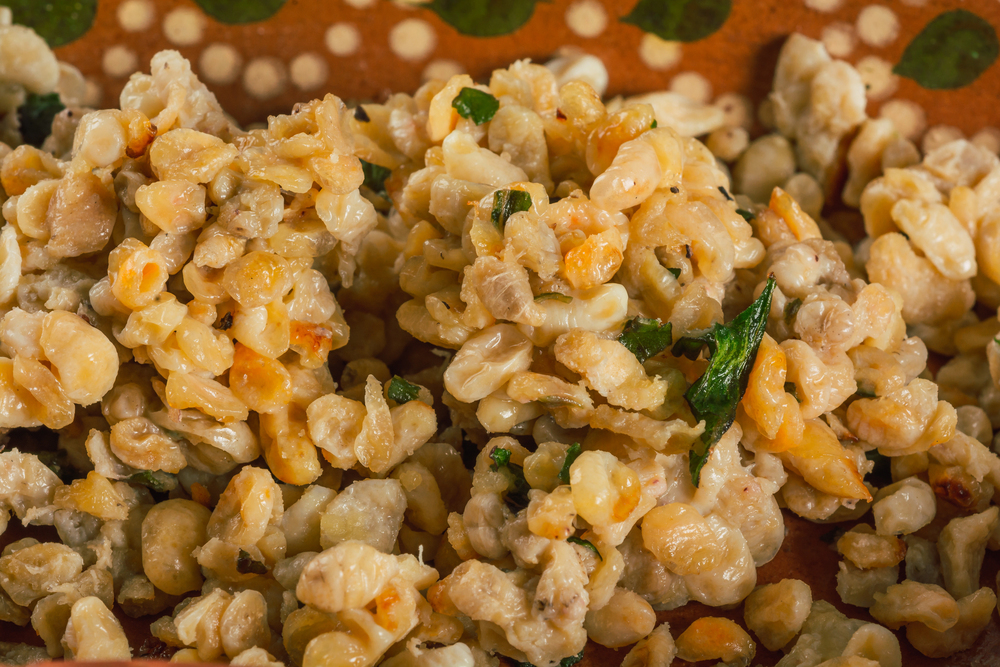
These ant larvae from Mexico are sometimes called ‘insect caviar’ because of their delicate flavor and high price tag. Harvested from the roots of agave plants, the larvae have a cottage cheese-like texture and a buttery, nutty taste.
The idea of eating ant eggs creeps out plenty of people, even though the flavor is relatively mild. They’re usually served in tacos or with scrambled eggs, making them slightly more approachable than some other items on this list.
Sannakji
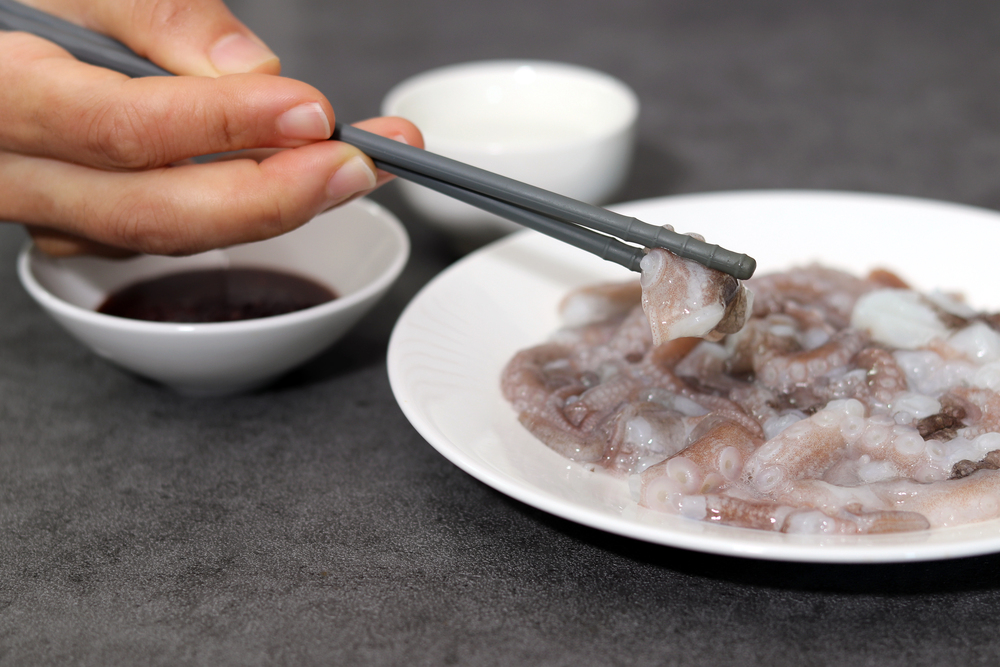
South Korea serves this dish with octopus tentacles still squirming on the plate because they’re so fresh. The tentacles continue moving even after being cut because of nerve activity, and the suction cups can stick to your mouth and throat on the way down.
Several people have choked to death on sannakji when the tentacles attached to their throat and blocked their airway. You’re supposed to chew thoroughly and eat carefully, but the whole experience is unsettling for most visitors.
Kopi Luwak
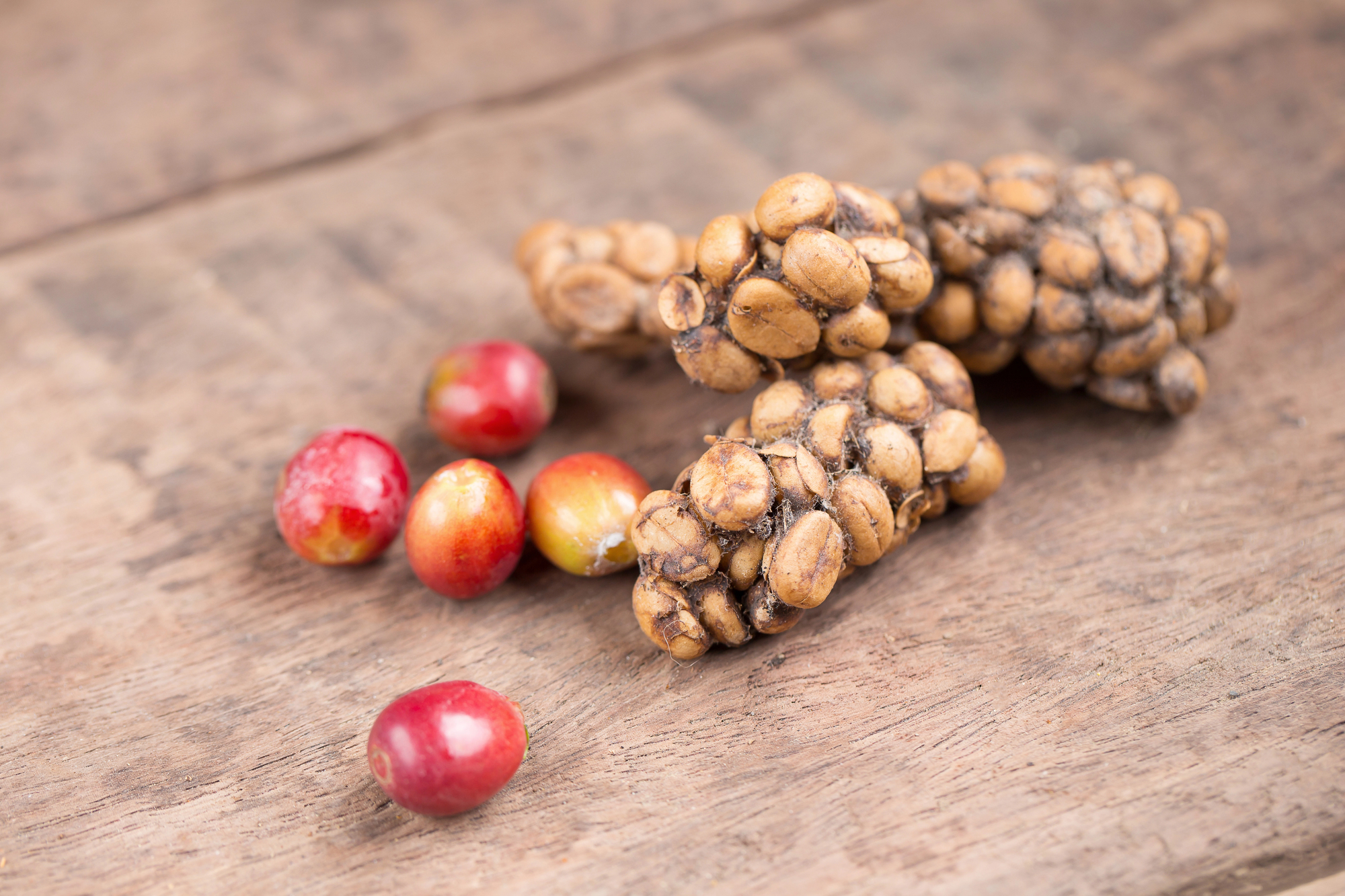
This expensive coffee comes from beans that have been eaten and pooped out by Asian palm civets. The animal’s digestive enzymes supposedly improve the flavor by breaking down proteins in the coffee cherries.
The reality is that most kopi luwak production involves keeping civets in terrible conditions and force-feeding them coffee cherries. The taste is smooth and less bitter than regular coffee, but knowing where it came from puts most people off completely.
Muktuk
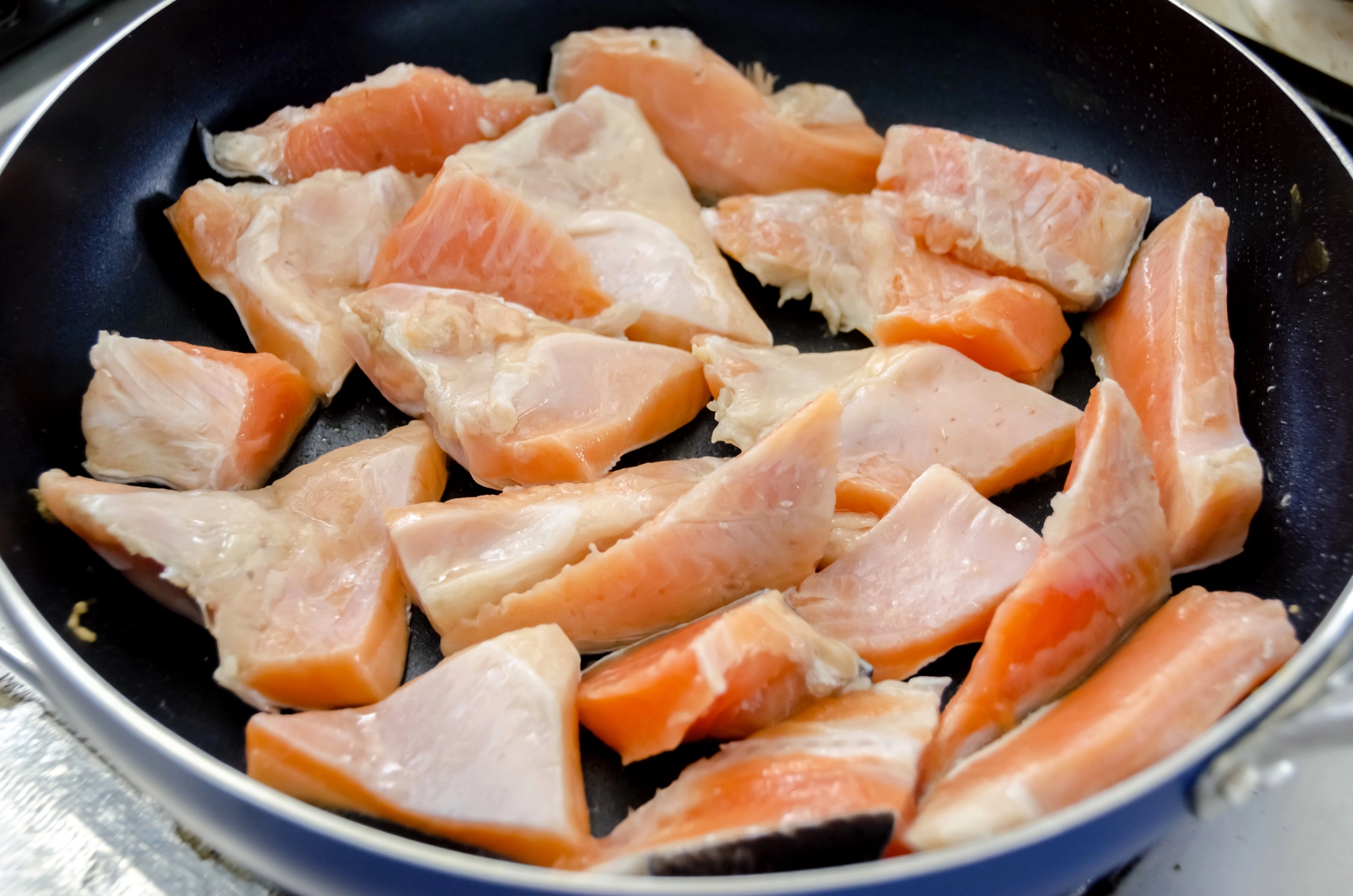
The Inuit people of the Arctic have eaten whale skin and blubber for generations as a crucial source of vitamins in a harsh environment. The skin is chewy like rubber, while the blubber has a texture similar to cold bacon fat.
It’s usually eaten raw or pickled, and the fishy, oily taste is overwhelming for people who didn’t grow up with it. The high vitamin C content made it essential for survival before modern food distribution reached the Arctic.
Head Cheese
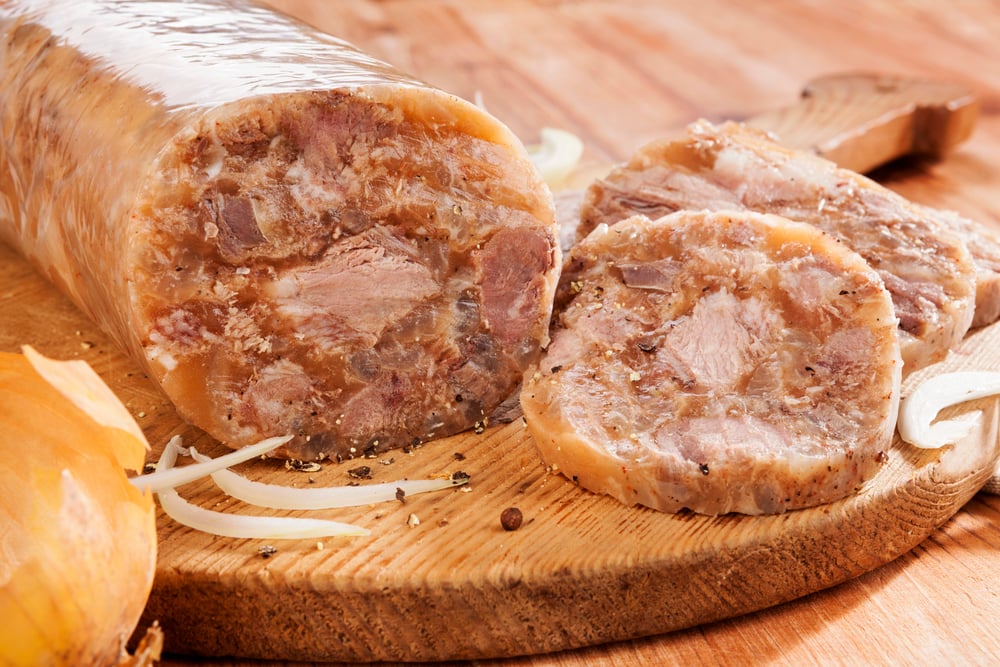
Despite the name, this dish contains no cheese at all but is made from meat scraps from a pig’s head suspended in gelatin. The mixture includes tongue, brain, and other bits that get jellied together into a loaf that’s sliced and served cold.
The gelatinous texture and visible chunks of unidentifiable meat make it visually unappealing to many people. It was originally a way to use every part of the animal and waste nothing, which made sense economically but doesn’t make it taste any better.
Vegemite
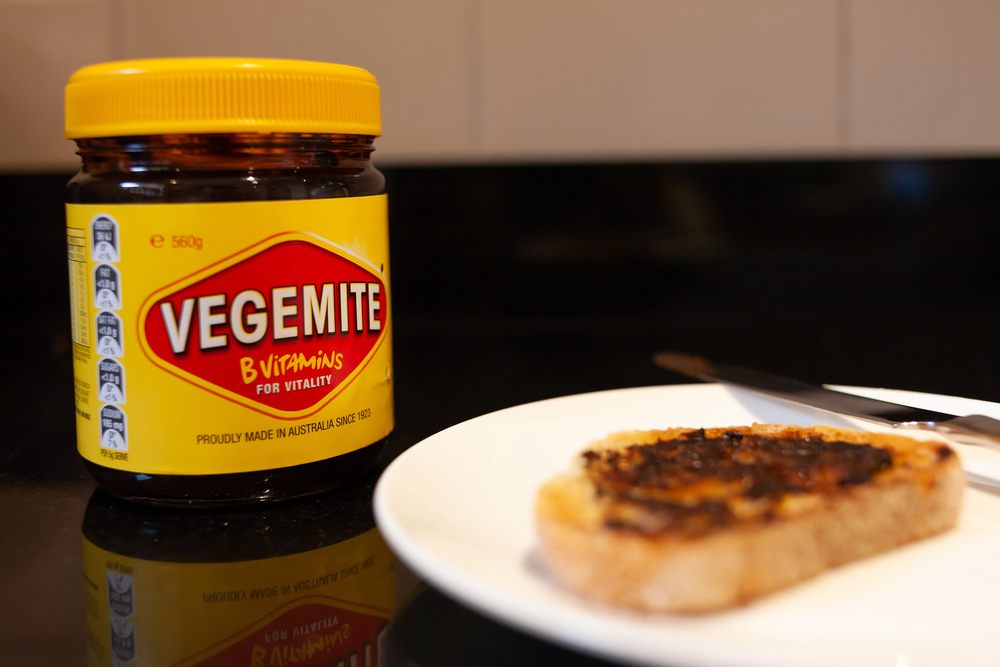
That famous Australian spread? It hits hard – salty, deep, almost rotten soy tang clinging to your tongue. Thick. Sticky. Like tar you might find under a parked car.
They make it from what remains after beer brewing; rich in B vitamins, they say. Taste? Strong. Savory enough to shock anyone new to it.
Some put just a whisper across buttered bread. Others, usually newcomers, pile it high like nut paste – and wince right after. One bite splits people clean open: love or hate doesn’t matter. What matters is whether you keep eating it anyway.
Jellied Moose Nose

Boiled moose noses start it – hair scraped off, then cut thin. These pieces swim in broth until cooled into wobble.
Crunch meets slickness inside each bite. What you see is plain: animal parts held still by liquid turned solid.
Not much invites strangers closer. Long ago, northern First Peoples made this when meals were hard to find.
Using everything meant survival. Nothing got left behind.
What Keeps These Dishes Alive
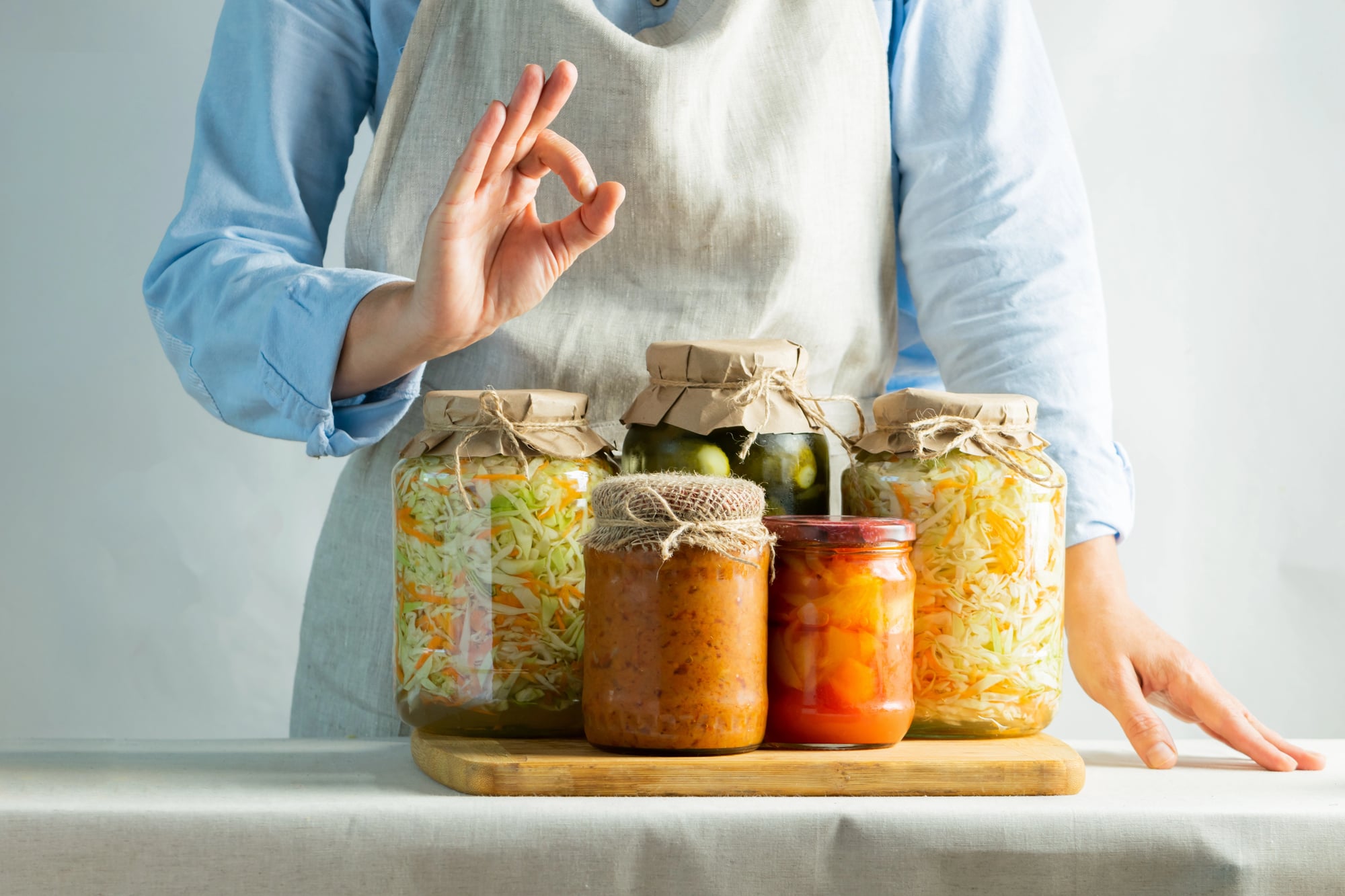
Old recipes survive simply by keeping folks tied to their roots, showing them who they were. During hard years – when weather turned cruel or supplies ran low – some of the most disliked meals took shape.
To those raised on them, what others find unappetizing stands as proof of endurance, cleverness, and belonging. While modern tastes chase mix-and-match flavors and bold twists, these stubborn dishes whisper: comfort lives in memory, not presentation.
Smell awful? Look strange? Still, they feed more than hunger.
More from Go2Tutors!

- The Romanov Crown Jewels and Their Tragic Fate
- 13 Historical Mysteries That Science Still Can’t Solve
- Famous Hoaxes That Fooled the World for Years
- 15 Child Stars with Tragic Adult Lives
- 16 Famous Jewelry Pieces in History
Like Go2Tutors’s content? Follow us on MSN.