Fun Ways Math Enthusiasts Celebrate Pi Day
Every year on March 14th, math lovers around the world get excited about a date that looks just like the famous number: 3.14. Pi Day has become a quirky celebration that brings together teachers, students, mathematicians, and anyone who appreciates the never-ending decimal that helps us understand circles.
What started as a small gathering at a science museum has grown into a worldwide phenomenon with its own traditions and inside jokes. Let’s explore how people mark this special day with creativity, food, and plenty of number games.
Baking Circular Treats At Exactly 1:59

The most popular Pi Day tradition involves making pies of every variety imaginable. People set their timers for 1:59 PM because adding those digits to 3/14 gives you 3.14159, the first six digits of pi.
Kitchens are filled with apple pies, pizza pies, pot pies, and even dessert pies shaped like the pi symbol. Some ambitious bakers create pies with the digits of pi spelled out in crust or fruit toppings.
Memorizing Hundreds Of Digits

Competitive memorizers spend months preparing to recite as many digits of pi as possible on March 14th. The world record stands at over 70,000 digits, which took more than 17 hours to recite without a single mistake.
Schools hold their own contests where students compete for prizes by remembering 50, 100, or even 500 digits. These competitions often get surprisingly intense, with participants using memory palaces and other techniques to store thousands of numbers in their heads.
Running 3.14 Miles In Themed Races

Pi Day fun runs have become popular fundraisers for schools and math organizations. Participants run exactly 3.14 miles, which works out to about 5 kilometers plus a few extra feet.
Many runners wear costumes covered in numbers or dress up as famous mathematicians. Some races start at exactly 3:14 AM for the truly dedicated, while most sensibly begin at more reasonable morning hours.
Throwing Pi Digit Scavenger Hunts

Teachers and parents create elaborate scavenger hunts where each clue corresponds to a digit in pi’s decimal expansion. The first clue might be hidden at position 3, the second at position 1, the third at position 4, and so on through as many digits as the organizer feels like using.
These hunts can take place in classrooms, libraries, entire school buildings, or even whole neighborhoods. Solving the final puzzle often leads to a prize, usually involving circular food items.
Organizing Pi Recitation Relays

Groups assign each person a set of digits to memorize, then take turns reciting them in order to see how far they can get as a team. A classroom might have 30 students each memorize 10 digits, allowing them to collectively recite the first 300 digits of pi.
The pressure builds as each person waits for their turn, hoping not to be the one who breaks the chain. These relays create a sense of teamwork around something that’s usually a solitary challenge.
Creating Pi-Inspired Art Projects

Artists use the digits of pi to generate paintings, sculptures, and digital designs. Some assign different colors to each digit from 0 to 9, then create patterns based on pi’s sequence.
Others use the digits to determine brush strokes, musical notes, or dance movements. The randomness of pi’s digits produces surprisingly beautiful and unpredictable results that would be hard to create through conscious design.
Hosting Circular Food Potlucks

Pi Day potlucks require every dish to be round, from pizzas and quiches to cookies and cakes. Creative cooks find ways to make circular versions of foods that don’t normally come in that shape.
Someone always brings actual pies, of course, but the real fun comes from seeing how inventive people get with the round requirement. These gatherings often feature multiple courses, all served on round plates if the organizers are particularly committed.
Playing Pi Digit Games And Challenges

Math enthusiasts invent games based on pi’s endless decimal expansion. One popular game involves calling out digits in sequence while tossing an orb, with players eliminated when they say the wrong number.
Another challenge asks people to find their birthday within the digits of pi, which is mathematically guaranteed to appear somewhere if you search far enough. Some groups compete to see who can find the longest string of repeated digits or the first occurrence of specific patterns.
Watching Pi-Related Movies And Documentaries

Film marathons focused on math-themed movies have become a Pi Day tradition. ‘Pi’ from 1998 gets obvious play, along with documentaries about famous mathematicians and the history of calculating pi.
Some groups watch any movie with a runtime of 3 hours and 14 minutes, regardless of whether it has anything to do with mathematics. These viewing parties often include discussions about the math concepts featured in the films.
Solving Pi-Themed Puzzles And Brain Teasers

Publishers release special Pi Day puzzle books and online challenges timed to March 14th. These puzzles incorporate pi in clever ways, from crosswords where answers relate to circular concepts to logic problems involving the calculation of pi throughout history.
Math clubs spend the day working through these challenges together, competing for bragging rights. The puzzles range from elementary school level to problems that stump professional mathematicians.
Visiting Science Museums For Special Events
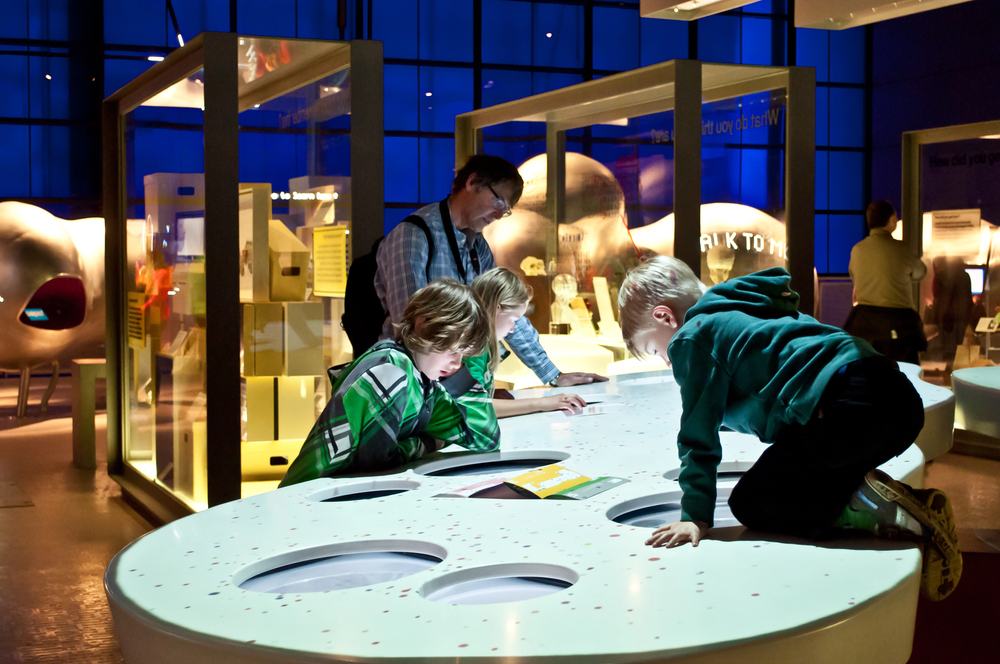
Planning for Pi Day begins long before March rolls around. Instead of waiting until spring, staff organize events centered on shapes and numbers well ahead of time.
Children walk through galleries hunting round items – wheels, plates, clocks – and stretch tape measures around them. Once they divide each object’s outer edge by its width across the center, a familiar decimal appears every single time: close to 3.14.
Through touchscreens and movable parts, displays show old methods people used to guess pi’s value. These stations also hint at ongoing research into digits that never repeat.
As evening approaches, doors remain unlocked past usual hours. Entry fees either shrink completely or vanish altogether under the holiday spirit.
Fundraising With Pi Digit Sponsorships

One way schools collect funds is through digit sponsorship of pi. A person could give a set amount for the right to own, say, the 87th digit.
Some pick spots tied to birthdays or lucky numerals instead. Funding rolls forward as long as spaces stay open, reaching deep into pi’s endless trail.
Progress shows up on big charts posted publicly, marking each paid position along the sequence.
Performing Pi Songs And Musical Compositions

Pi hums through instruments when numbers become sounds, every digit shaping a unique beat or tone. Out comes music that feels off-kilter yet pulls you in, shaped by endless unpredictability.
During school gatherings, groups of young players bring those sequences to life while certain artists stretch the idea into sweeping orchestra works. Voices join too, weaving words about pi – some simple enough for children, others tangled in rich layers only seasoned voices can carry.
Hosting Pie-Eating Contests With A Twist

Midway through a round, someone might have to answer a geometry question instead of reaching for another slice. Pies filled with odd mixtures – like lavender or black pepper – show up at certain events.
Before grabbing seconds, eaters could be asked to name what they just tasted, eyes covered. Solving fractions becomes part of the rhythm, mixed into chewing and swallowing.
Watching people juggle numbers and crumbs somehow holds attention, despite smeared plates and confused expressions.
Building Pi-Inspired Structures And Models
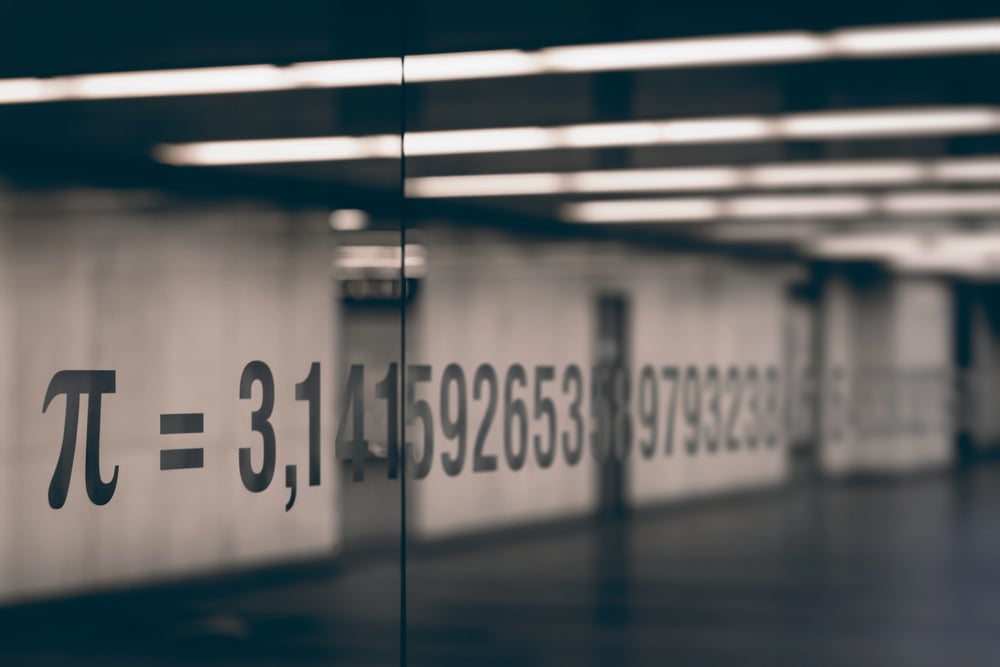
Building things takes numbers, with pi often part of the mix. Structures like bridges or towers rise when students plug those figures into plans.
Circles shape certain designs – domes or round rooms – where lengths and curves trace back to pi. Younger kids piece together basic versions too, seeing how shapes link to actual buildings.
Work like this shows pi at work, not only in theory but also on job sites and blueprints across fields.
Numbers Start Dancing When They’re Cheered Like Victories

Funny thing happens on March fourteenth – math folks take a quiet constant and make it dance through pie-eating contests and number games. A date built on digits slowly turns classrooms, homes, kitchens into spots where logic wears party hats.
Not so long ago, only a few scribbled pi by memory; now cities light up signs with infinite decimals just for the odd thrill. Round desserts appear everywhere, sure, yet behind them sits something deeper – a hunger to belong through problem-solving.
It sneaks up yearly, this idea that cold equations might warm hearts when shared right. People gather not because they must, but because spotting sequences feels oddly satisfying alongside others doing the same.
Some call it nerdy, maybe – but watch how laughter spreads at a school reciting three point one four one five nine together. What looks like nonsense to some becomes rhythm to those inside, clapping after someone nails another ten decimal places.
Even skeptics pause when kids explain circumference using string and plates, eyes wide with discovery. Turns out, sharing wonder doesn’t need flash – it grows quietly, slice by slice, digit by digit.
More from Go2Tutors!

- The Romanov Crown Jewels and Their Tragic Fate
- 13 Historical Mysteries That Science Still Can’t Solve
- Famous Hoaxes That Fooled the World for Years
- 15 Child Stars with Tragic Adult Lives
- 16 Famous Jewelry Pieces in History
Like Go2Tutors’s content? Follow us on MSN.