19 Adaptation Strategies That Work in Any Environment
Life has an incredible ability to find a way, no matter how harsh or unpredictable the conditions. From scorching deserts to frozen tundra, from the deepest ocean trenches to the highest mountain peaks, organisms have developed remarkable strategies that allow them to not just survive but thrive in virtually any environment.
These adaptation strategies represent millions of years of evolutionary fine-tuning, creating solutions that are often more elegant and efficient than anything humans have engineered. What makes these strategies truly fascinating is their universal applicability – the same basic principles that help a cactus survive in the desert also help arctic foxes endure polar winters.
Here is a list of 19 adaptation strategies that work in any environment.
Resource Conservation
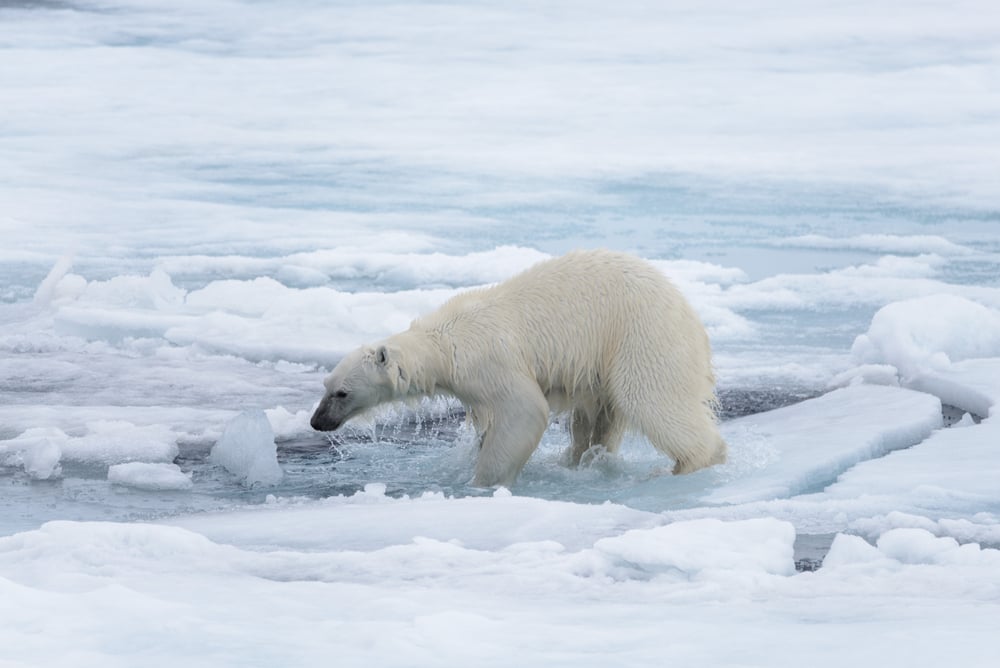
The most successful organisms are experts at making the most out of limited resources, managing every bit of energy and material they take in. In deserts, animals like kangaroo rats get all the water they need from their food, so they never have to drink.
Polar bears, on the other hand, can slow their metabolism during times of food scarcity, allowing them to survive for months on very little. This approach works in any environment because resources are always limited – whether it’s water in the desert or sunlight in a thick forest.
Flexible Behavior Patterns

When the environment is unpredictable, being adaptable is often better than being highly specialized. That’s why flexibility in behavior is such a key survival skill. Ravens are a great example – they can live in forests, cities, or even the Arctic by changing how they eat, nest, and interact with others based on what’s around them.
Urban animals like raccoons and coyotes show this kind of adaptability too, figuring out how to open trash cans, cross busy roads, and find shelter in the middle of human activity.
Like Go2Tutors’s content? Follow us on MSN.
Efficient Energy Storage
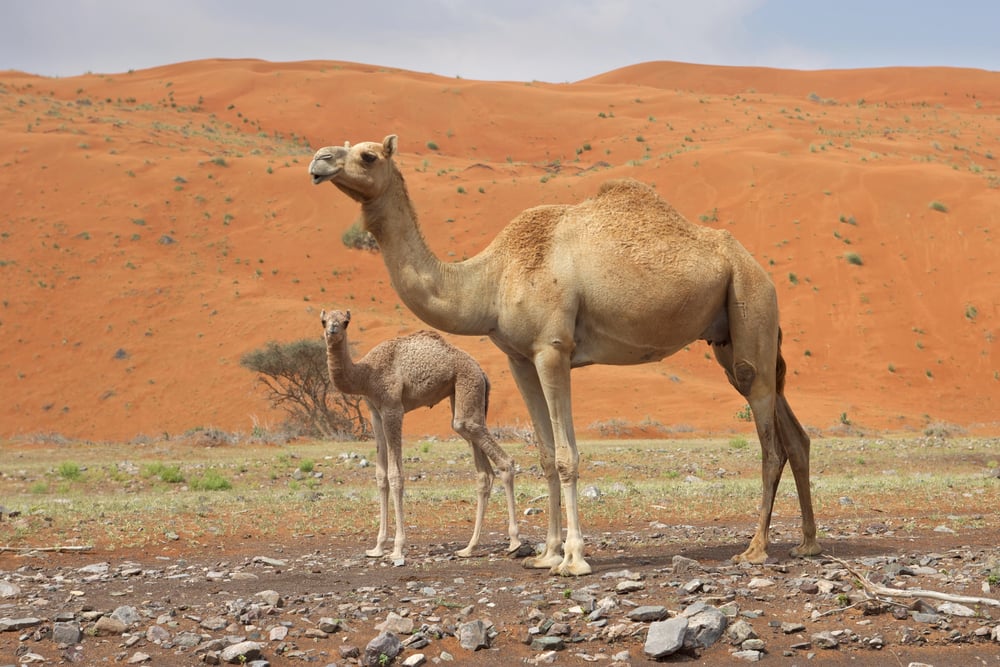
Storing energy during abundant times to survive lean periods is a strategy that works whether you’re dealing with seasonal changes or unpredictable food sources. Camels store fat in their humps, bears build up massive fat reserves before hibernation, and even tiny hummingbirds can enter torpor to conserve energy overnight.
Plants use similar strategies, storing starches in roots and tubers to fuel growth when conditions improve.
Multi-Purpose Structures

Evolution favors structures that serve multiple functions, maximizing utility while minimizing energy investment. Cactus spines provide protection from herbivores, reduce water loss, and collect moisture from the air all at once.
Bird feathers insulate, enable flight, provide waterproofing, and display colorful patterns for communication – talk about getting your money’s worth from a single adaptation.
Rapid Response Systems

The ability to quickly detect and respond to environmental changes can mean the difference between life and death in any habitat. Many animals have evolved hair or feathers that stand up when temperatures drop, instantly creating better insulation.
Plants like mimosa trees can fold their leaves within seconds when touched, protecting delicate tissues from potential damage while conserving water.
Like Go2Tutors’s content? Follow us on MSN.
Cooperative Networks

Working together multiplies individual capabilities and provides safety nets that help groups survive challenges no single organism could handle alone. Ant colonies can tackle problems ranging from food shortages to flooding through coordinated group action.
Human societies demonstrate this strategy on a massive scale, sharing knowledge and resources to adapt to everything from natural disasters to technological changes.
Dormancy and Hibernation

Sometimes the best strategy is to simply wait out bad conditions rather than trying to fight through them. Seeds can remain dormant for decades until the right combination of moisture and temperature triggers germination.
Many animals enter various forms of hibernation, slowing their metabolism to near-death levels until favorable conditions return, proving that patience can be the ultimate survival skill.
Camouflage and Mimicry

Blending in or looking like something else provides protection and hunting advantages across virtually every environment on Earth. Arctic foxes change from brown summer coats to white winter ones, while tropical stick insects become virtually invisible among branches.
Even non-visual mimicry works – some harmless snakes have evolved to look and act like venomous species, borrowing protection without the metabolic cost of producing actual venom.
Like Go2Tutors’s content? Follow us on MSN.
Symbiotic Relationships

Partnering with other species creates mutually beneficial arrangements that help both partners thrive in challenging conditions. Cleaner fish get meals by removing parasites from larger fish, while their clients get health benefits and reduced stress.
Lichens represent perhaps the ultimate symbiotic success story, combining algae and fungi to colonize bare rock surfaces where neither partner could survive alone.
Redundant Systems
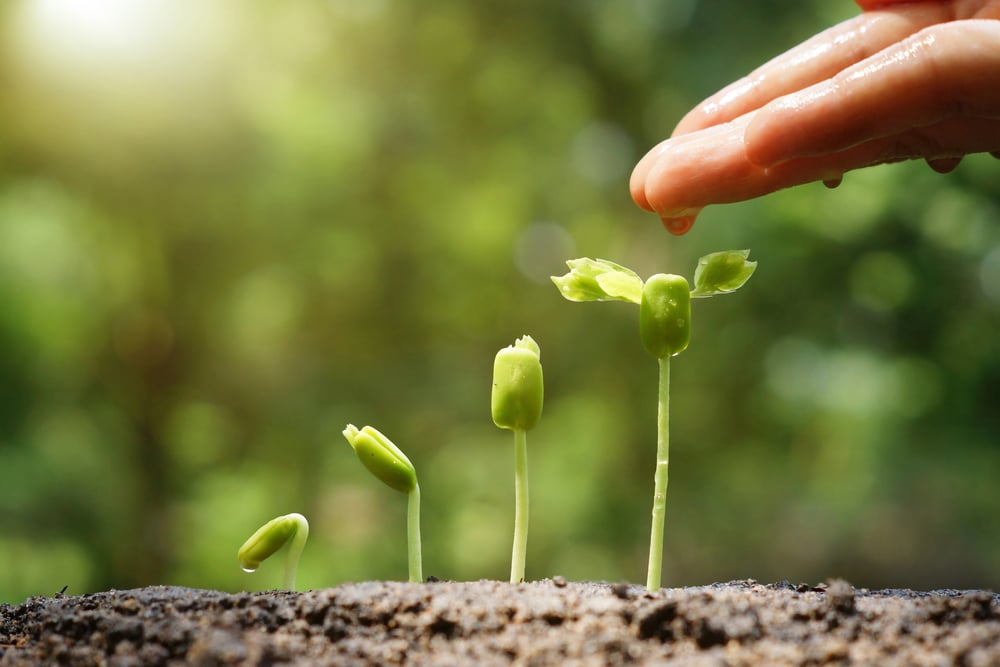
Having backup plans prevents single points of failure from becoming fatal problems. Many animals have multiple ways to regulate body temperature, locate food, or escape predators.
Plants often have extensive root systems with numerous branches, so losing part of the system doesn’t doom the entire organism to death from drought or nutrient deficiency.
Seasonal Timing

Synchronizing life events with predictable environmental cycles maximizes success while minimizing energy waste. Migratory birds time their journeys to coincide with peak food availability along their routes.
Many plants flower and fruit at specific times that match pollinator activity and favorable dispersal conditions, showing how precise timing can be more important than raw strength or speed.
Like Go2Tutors’s content? Follow us on MSN.
Stress Response Mechanisms

The ability to handle temporary stress without permanent damage allows organisms to survive short-term challenges while maintaining long-term viability. Human stress hormones help us respond to immediate threats, while plants produce stress proteins that protect cellular machinery during heat waves or droughts.
These systems work by temporarily shifting resources toward immediate survival needs.
Communication Networks

Sharing information about environmental conditions helps groups respond more effectively to threats and opportunities. Prairie dogs have sophisticated alarm calls that specify different types of predators, allowing appropriate responses to each threat.
Even plants communicate through chemical signals, warning neighbors about insect attacks and coordinating defensive responses across entire forest communities.
Reproductive Flexibility

Adjusting reproductive strategies based on current conditions helps species survive in tough environments. Some fish can switch reproductive roles when population ratios become unbalanced, while many plants are capable of both self-reproduction and cross-pollination, depending on environmental cues.
Desert animals often synchronize breeding with rare rainfall, ensuring their young are born when resources are most available.
Like Go2Tutors’s content? Follow us on MSN.
Structural Reinforcement

Building stronger, more durable structures prevents environmental forces from causing catastrophic damage. Trees in windy areas develop thicker trunks and deeper root systems, while shells and exoskeletons protect from physical trauma and predation.
Even microscopic organisms like diatoms create intricate glass-like shells that protect them from environmental stresses.
Metabolic Adjustment

The ability to speed up or slow down metabolic processes allows organisms to match their energy usage to available resources. Cold-blooded animals naturally adjust their activity levels to temperature, while some mammals can enter temporary states of reduced metabolism during food shortages.
This flexibility prevents starvation during lean times while allowing rapid response when conditions improve.
Sensory Enhancement
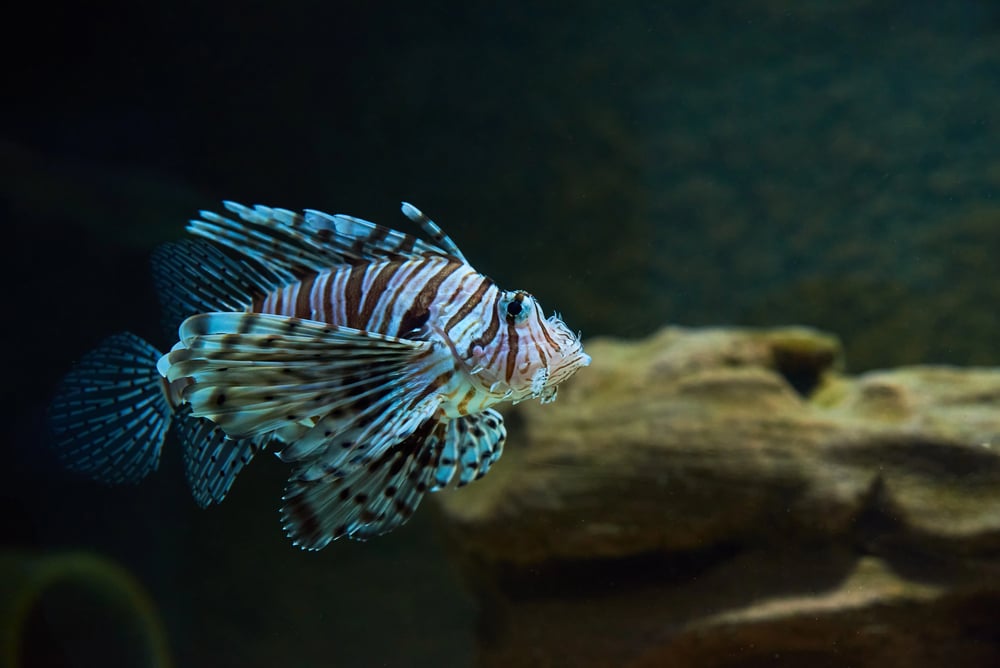
Developing heightened senses helps organisms detect opportunities and threats earlier, providing crucial extra time for appropriate responses. Deep-sea fish have evolved incredibly sensitive eyes and lateral line systems to detect movement in nearly total darkness.
Desert animals often have enhanced hearing to locate water sources or detect predators across vast, open landscapes.
Like Go2Tutors’s content? Follow us on MSN.
Water Management

Controlling water gain and loss is critical for survival in virtually every environment, from arid deserts to saltwater oceans. Seabirds have specialized glands that remove excess salt from their blood, while desert plants have waxy coatings and modified leaf structures that minimize water loss.
Even aquatic organisms must carefully regulate their internal water balance to prevent cellular damage.
Modular Growth

Growing in segments or modules allows organisms to lose parts without losing everything, providing insurance against damage from predators, weather, or disease. Starfish can regrow lost arms, lizards can drop their tails, and many plants can survive having large portions eaten by herbivores.
This strategy works because it treats the body as a collection of replaceable parts rather than a single, fragile unit.
Evolution Never Stops Innovating
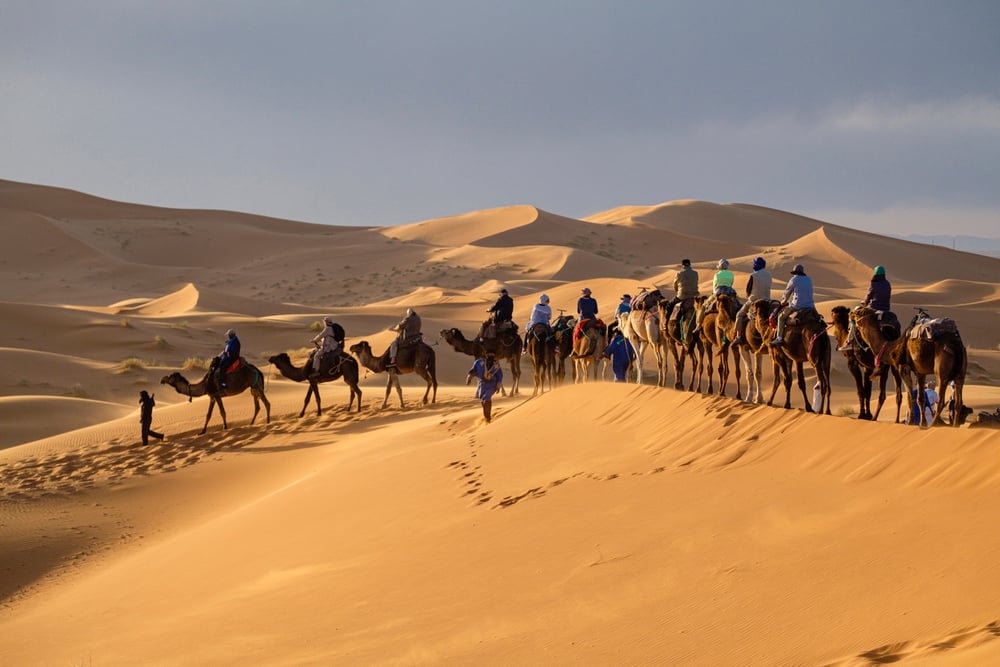
These adaptation strategies continue to evolve and improve as environments change, reminding us that flexibility and innovation are life’s most powerful tools. Climate change, habitat destruction, and other modern challenges are creating new selective pressures that will shape the next generation of survival strategies.
The organisms that master these fundamental principles of adaptation will be the ones that inherit the Earth, regardless of what environmental challenges the future holds.
More from Go2Tutors!

- 16 Restaurant Chains That Went Too Fast
- 12 Things Sold in the 80s That Are Now Illegal
- 15 Strange Things People Have Tried to Ban (And Failed)
- 16 Collectibles People Tossed Out Too Soon
- 17 Myths from Your Childhood That Were Actually Based on Real Things
Like Go2Tutors’s content? Follow us on MSN.



